Search
Found 6 results for "Haircare"
Essential Oils
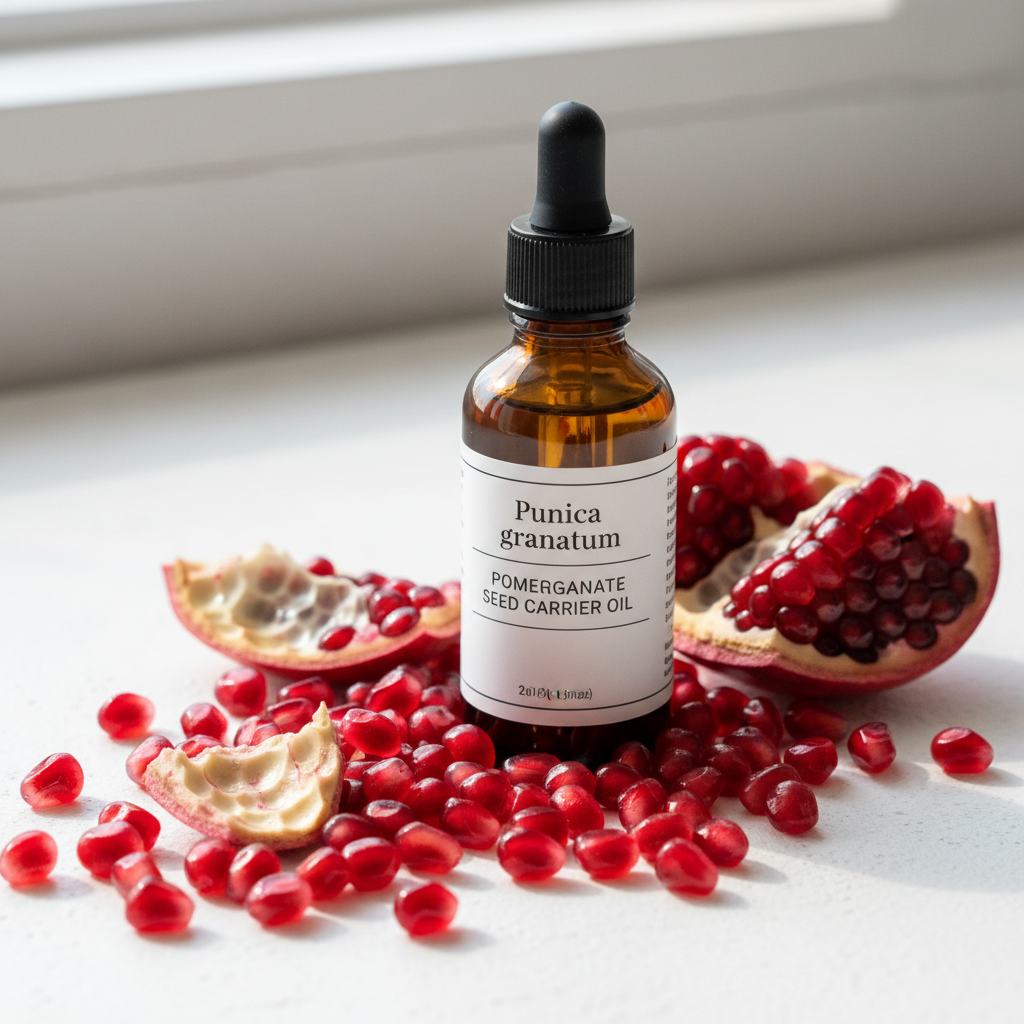
Pomegranate Seed Carrier Oil
Punica granatum
## Pomegranate Seed Oil: An In-Depth Guide ### Origin and Extraction Method Pomegranate Seed Oil is derived from the seeds (arils) of the fruit of the Punica granatum tree, commonly known as the pomegranate. This ancient fruit has been celebrated across cultures for millennia, both for its culinary uses and its health benefits. The oil is obtained through a cold-press extraction method, which preserves the nutrients and bioactive compounds found in the seeds. This careful extraction process yields a vibrant, dark red oil that is rich in antioxidants and essential fatty acids. ### Botanical Information Punica granatum, the botanical name for the pomegranate, is a small deciduous tree that typically grows between 5 to 10 meters in height. It produces vibrant red flowers that give way to the iconic fruit, which contains bright red juicy seeds. The pomegranate is native to the Mediterranean region, and its cultivation dates back thousands of years. ### Therapeutic Properties and Benefits 1. **Antioxidant Properties**: Pomegranate Seed Oil is renowned for its high content of punicic acid, a potent antioxidant that helps combat free radicals in the body, promoting overall health and slowing signs of aging. 2. **Skin Benefits**: Rich in vitamins C and E, this oil aids in skin repair, reduces inflammation, and enhances skin elasticity. It's particularly beneficial for dry or sensitive skin, helping to retain moisture and improve texture. 3. **Anti-Aging Properties**: The oil's ability to rejuvenate skin makes it a popular choice in anti-aging formulations, as it appears to minimize fine lines and wrinkles. 4. **Hair Nourishment**: Not only is it beneficial for the skin, but Pomegranate Seed Oil is also effective for hair health. It can restore shine, soften dry hair, and even promote scalp health. 5. **Digestive Support**: When consumed appropriately, this oil may support healthy digestion and overall gut health. ### Historical and Traditional Uses Pomegranate has been a symbol of health and fertility since ancient times. This oil has been commonly used in traditional medicine, particularly in Ayurvedic practices, where it has been used to treat various ailments. In Mediterranean cultures, the oil has been regarded as a skin tonic and is often included in cosmetic formulations to enhance beauty. ### Scientific Facts and Research Recent studies highlight the efficacy of Pomegranate Seed Oil in promoting skin health due to its anti-inflammatory and antioxidant properties. Research has also indicated potential benefits in supporting cardiovascular health and hormonal balance. The oil’s unique composition, rich in omega-5 fatty acids, has sparked interest in its application within the health and wellness industry. ### Aroma Profile and Characteristics Pomegranate Seed Oil has a subtle, fruity aroma that is mildly sweet and earthy, making it an appealing addition to skincare formulations and aromatherapy practices. This comforting scent can evoke a sense of relaxation and enjoyment when used in topical applications or diffused in the air. ### Common Applications and Methods - **Skincare**: Pomegranate Seed Oil can be applied directly to the skin or incorporated into creams and lotions. It is ideal for use in facial serums, moisturizers, and sun protection products. - **Haircare**: Use it as a hair serum or mix it with shampoos and conditioners for added nourishment and shine. - **Aromatherapy**: Blending it with other essential oils can create a nurturing environment, enhancing mood and promoting emotional well-being. - **Culinary Uses**: In moderation, Pomegranate Seed Oil can be used in salad dressings or drizzled over dishes, providing both flavor and health benefits. ### Interesting Facts and Trivia - Pomegranates have been called “the fruit of the gods” in various cultures due to their rich symbolism in mythology and literature. - The oil is known to have a unique combination of omega-5 fatty acids, which is rare among seed oils. - Pomegranate is often featured in beauty products aimed at anti-aging due to its ability to regenerate skin cells. ### Conclusion Pomegranate Seed Oil is a remarkable carrier oil with a wide range of therapeutic and cosmetic benefits. Its unique properties make it a valuable ingredient in skincare, haircare, and even culinary applications. As more individuals seek natural and holistic options for health and beauty, this ancient oil continues to stand out as a powerful ally in maintaining wellness and vitality.
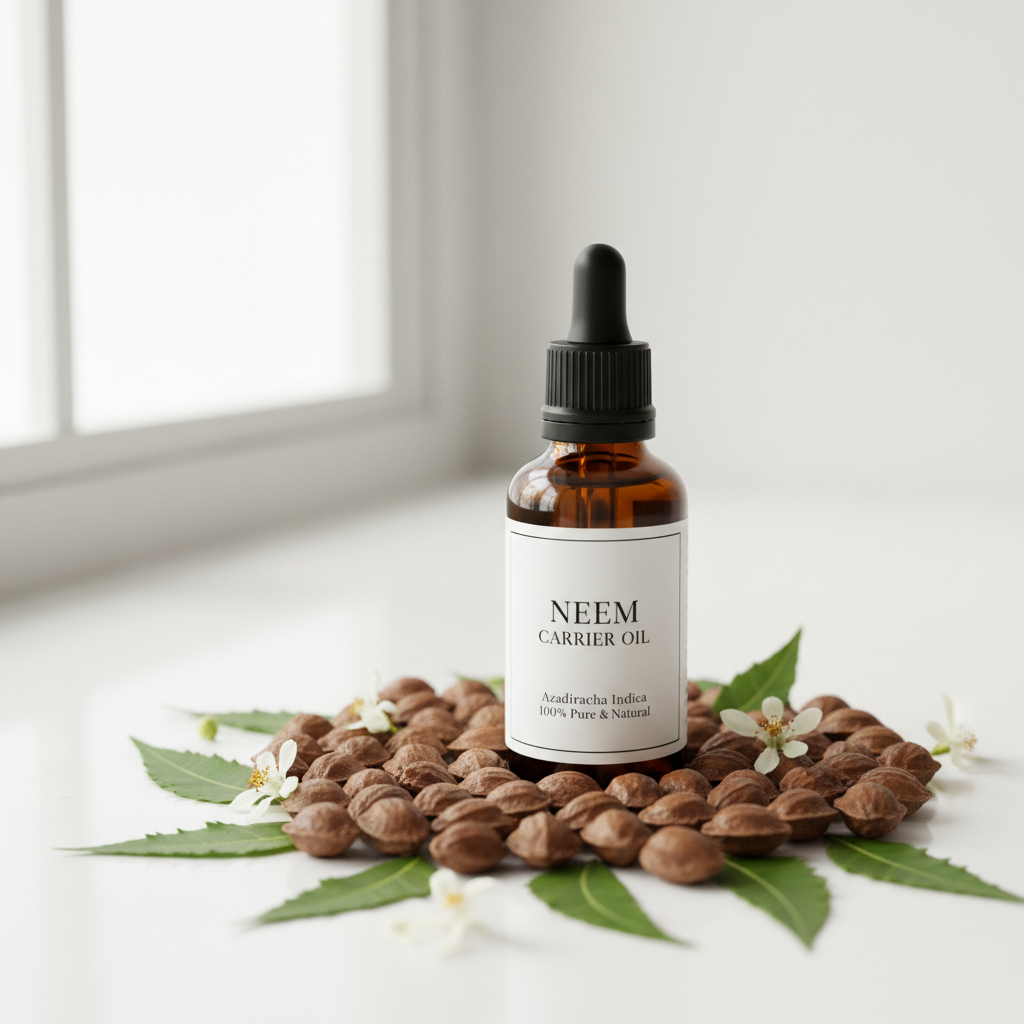
Neem Carrier Oil
Azadirachta indica
**Neem Carrier Oil: Comprehensive Benefits and Uses Explained** **Origin and Extraction Method** Neem Carrier Oil is extracted from the seeds of the Azadirachta indica tree, commonly known as the Neem tree, which is native to India and other parts of Southeast Asia. The extraction process used for Neem oil is cold pressing. This method ensures that the oil retains its essential compounds, including fatty acids, antioxidants, and various bioactive components that contribute to its therapeutic properties. **Botanical Information** The Neem tree belongs to the Meliaceae family and is a fast-growing, evergreen tree that can reach heights of up to 20 meters. The leaves, bark, and seeds of the Neem tree have been used in traditional medicine, but the oil derived from the seeds is especially prized for its nutritional and medicinal benefits. **Therapeutic Properties and Benefits** Neem Carrier Oil is packed with numerous therapeutic benefits. Its natural anti-inflammatory properties help to soothe inflamed skin, making it effective against conditions like acne, eczema, and psoriasis. Additionally, its antimicrobial qualities make it beneficial for combating bacterial, fungal, and viral infections. Furthermore, Neem oil is known for its ability to moisturize and nourish the skin, enhancing its overall health and appearance. Some of the key benefits include: - **Calmness:** The oil can help soothe anxiety, creating a relaxing atmosphere. - **Grounding:** It encourages a sense of stability and self-connection. - **Stress Relief:** Perfect for unwinding after a hectic day, this oil aids in relaxation and tension relief. - **Skin Nourishment:** It effectively moisturizes dry skin and improves texture. - **Wound Healing:** Neem oil supports the healing of minor cuts and abrasions with its regenerative properties. - **Scalp Health:** It helps maintain a healthy scalp, alleviating dryness and irritation. **Historical and Traditional Uses** Historically, Neem oil has been used for thousands of years in Ayurvedic medicine. Traditional practices often employed Neem oil for its healing properties, using it to treat various ailments such as malaria, skin infections, and dental issues. The leaves and oil were also used for pest control in agriculture, making Neem an essential part of sustainable farming practices in India. **Scientific Facts and Research** Recent scientific research reinforces many of the traditional uses of Neem oil. Studies have demonstrated its effectiveness in reducing inflammation and inhibiting microbial growth. Research published in journals like the *Journal of Ethnopharmacology* highlights Neem's potential in treating diabetes and its antioxidant properties that help fight free radicals, promoting overall health and longevity. **Aroma Profile and Characteristics** Neem Carrier Oil has a distinct earthy aroma that can be slightly bitter. While it may not be the most pleasant scent for some, it is often combined with other essential oils to enhance its fragrance and therapeutic effects. The oily consistency allows it to spread easily on the skin, making it an excellent base for creating custom blends. **Common Applications and Methods** There are numerous ways to incorporate Neem Carrier Oil into your daily routine: - **Skincare:** Use it as a moisturizer, either on its own or as a base for your favorite essential oils. - **Haircare:** Mix it with shampoos or conditioners to promote scalp health and hair nourishment. - **Massage:** Utilize it as a massage oil to relieve muscle tension and promote relaxation. - **Aromatherapy:** Combine it with essential oils in a diffuser or as part of a topical blend. **Interesting Facts and Trivia** - Neem trees can live for over 200 years and are often referred to as "the tree of the 21st century" due to their numerous benefits. - The use of Neem oil in agriculture has gained popularity as an organic pest control solution, being both safe for the environment and effective against pests. - In traditional Indian weddings, Neem leaves are commonly used to ward off evil spirits, showcasing the cultural significance of this remarkable tree. In conclusion, Neem Carrier Oil is a versatile and powerful oil that not only offers extensive therapeutic benefits but also has a rich history and application in various health and beauty practices. By integrating Neem oil into your routine, you can tap into nature’s healing power and promote holistic wellness.
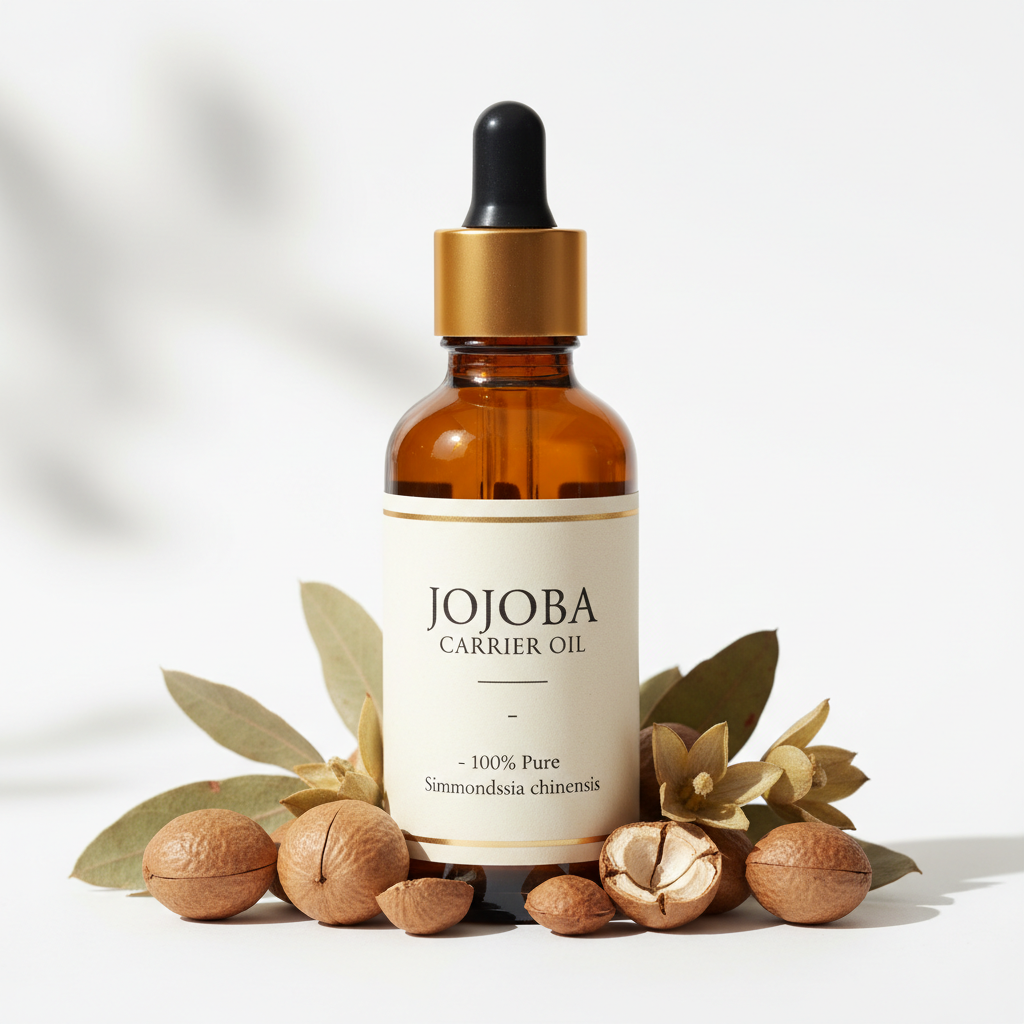
Jojoba Carrier Oil
Simmondsia chinensis
**Jojoba Oil: A Comprehensive Guide** Jojoba oil, derived from the seeds of the Simmondsia chinensis plant, is a unique liquid wax that has gained substantial popularity in the skincare and wellness industries. This oil's remarkable properties make it an essential ingredient in many beauty products, but its benefits extend far beyond just skincare. ### Origin and Extraction Method Originating from the arid regions of North America, particularly the deserts of Arizona and California, jojoba oil is cold-pressed from the seeds of the jojoba plant. This extraction method preserves the oil's beneficial components and ensures its stability and quality. Unlike many oils, jojoba oil does not go rancid due to its long shelf life, making it an ideal carrier oil for various applications. ### Botanical Information The Simmondsia chinensis plant is a shrub that can grow up to 12 feet tall and produces seeds encased in a hard shell. The seeds are the source of the oil, which is rich in fatty acids and esters that closely resemble human sebum. This unique characteristic allows jojoba oil to penetrate the skin effortlessly, making it a versatile ingredient across multiple domains. ### Therapeutic Properties and Benefits Rich in vitamins E and B, as well as minerals like zinc and copper, jojoba oil offers numerous benefits: - **Moisturization:** Jojoba oil is an outstanding emollient that locks in moisture, making it perfect for dry skin. - **Non-comedogenic:** Its similarity to sebum means it won't clog pores, making it beneficial for oily and acne-prone skin. - **Anti-inflammatory:** It has soothing properties that can calm skin irritations and conditions such as eczema and psoriasis. - **Antioxidant:** The oil's vitamin E content helps combat oxidative stress and reduce signs of aging. - **Scalp Health:** When massaged into the scalp, jojoba oil can alleviate dryness and flakiness, promoting healthier hair growth. ### Historical and Traditional Uses For centuries, jojoba oil has been revered by Native American tribes for its skin-healing properties. They used it to treat various skin ailments, including burns and dry skin, and as a protective barrier against harsh environmental conditions. Over time, jojoba oil became a staple in traditional medicine and is still recognized today for its therapeutic uses. ### Scientific Facts and Research Numerous scientific studies have confirmed jojoba oil's benefits. Research indicates that its anti-inflammatory properties can help alleviate skin conditions, and its composition makes it an effective moisturizer that mimics natural skin oils. This has led to increasing interest in studies investigating jojoba oil’s potential applications in dermatology and cosmetic formulations. ### Aroma Profile and Characteristics Jojoba oil is largely odorless, which makes it an excellent base for essential oil blending. Its light texture allows for easy mixing, ensuring that the aroma of added oils remains distinct. The oil absorbs quickly without leaving a greasy residue, making it pleasant for topical use. ### Common Applications and Methods Jojoba oil can be used in numerous ways: - **Skincare:** Applied directly to the skin as a moisturizer or as part of a facial serum. - **Haircare:** Used as a pre-shampoo treatment, conditioner, or to tame frizz and add shine. - **Massage oil:** Its smooth texture makes it ideal for massage, providing relaxation and skin nourishment. - **Cosmetic formulations:** Incorporated into lotions, creams, and DIY skincare products. ### Interesting Facts and Trivia - Jojoba oil is often referred to as a liquid wax due to its unique chemical structure. - It is hypoallergenic, making it suitable for sensitive skin. - The jojoba plant is drought-resistant, making its cultivation sustainable in arid environments. - Jojoba oil has been recognized as an ingredient that may help balance the skin's oil production, thus aiding in the treatment of acne without harsh chemicals. In conclusion, jojoba oil is not just a carrier oil; it is a powerful botanical oil with a rich history and a multitude of benefits. Whether you’re a skincare enthusiast or looking for natural solutions for your wellness routine, jojoba oil is a remarkable addition to any natural health toolkit.
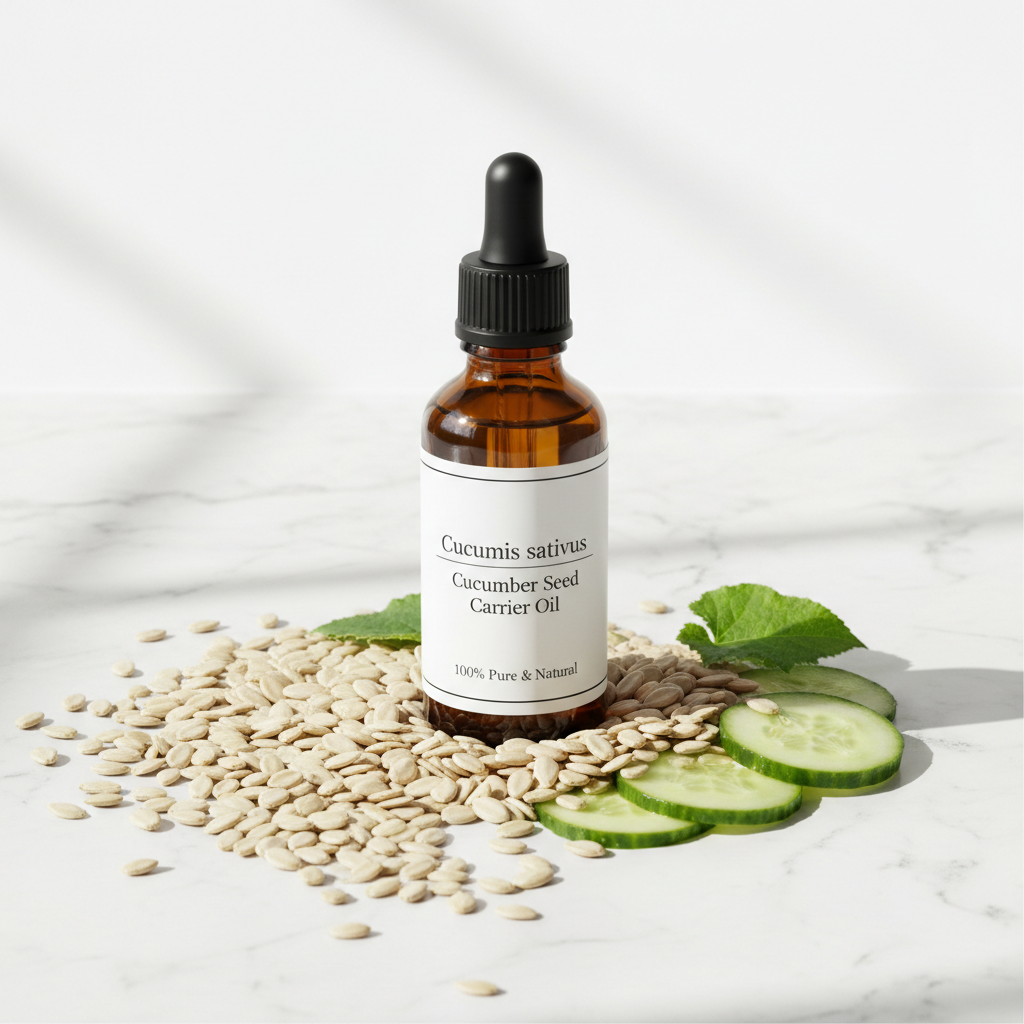
Cucumber Seed Carrier Oil
Cucumis sativus
**Cucumber Seed Carrier Oil: Benefits, Uses, and Properties** Cucumber Seed Carrier Oil, sourced from the seeds of the Cucumis sativus plant, has grown in popularity due to its remarkable properties and versatile applications. This lightweight oil is primarily extracted using the cold-press method, which preserves its delicate nutrients, botanical scent, and several beneficial compounds, making it a treasure in the realm of skincare and holistic wellness. ### Origin and Extraction Method The Cucumis sativus, commonly known as cucumber, is a widely cultivated plant in Asia for its refreshing fruit. To obtain the seed oil, seeds are carefully extracted from ripe cucumbers and subjected to cold pressing. This method retains the oil’s intrinsic qualities, ensuring a rich source of essential fatty acids, vitamins, and minerals. ### Botanical Information Cucumber Seed Carrier Oil is rich in linoleic acid, omega-6 fatty acids, and vitamins A, C, and E. These nutrients contribute to its emollient properties, providing a moisturizing effect on the skin. The light texture makes it ideal for topical applications, allowing for easy absorption without an oily residue. ### Therapeutic Properties and Benefits This oil offers numerous therapeutic benefits, including: - **Calming:** The subtle, fresh scent of cucumber oil promotes relaxation and may help manage stress levels in aromatherapy settings. - **Skin Repair:** Known for its healing properties, it can be effective in treating minor cuts, abrasions, and skin irritation, by enhancing the skin's natural repair mechanisms. - **Hydration:** Its hydrating qualities are excellent for dry and dehydrated skin, as it penetrates deeply to provide moisture and improve skin texture. - **Anti-Aging:** Antioxidants present in this oil can help combat the signs of aging, providing a youthfulness boost to the skin while preventing oxidative stress. ### Historical and Traditional Uses Traditionally, cucumber oil has been utilized in various cultures for both culinary and medicinal purposes. Ancient Egyptians, known for their significant use of herbs and oils, applied cucumber oil for its soothing effects on the skin and overall health-enhancing properties. ### Scientific Facts and Research Recent studies highlight the nutritional profile of Cucumis sativus, indicating that it provides essential fatty acids that are crucial for maintaining healthy skin. Research shows that linoleic acid, in particular, can improve skin barrier function and decrease transepidermal water loss, making Cucumber Seed Carrier Oil an excellent choice for dry skin conditions. ### Aroma Profile and Characteristics Cucumber Seed Oil boasts a refreshing, crisp aroma reminiscent of a freshly sliced cucumber. This invigorating scent is not only delightful but also contributes to its calming attributes when used in aromatherapy and during massage. Its clean scent makes it an excellent carrier oil for blending with other essential oils. ### Common Applications and Methods Cucumber Seed Carrier Oil can be used in various ways: - **Topical Application:** Use it directly on the skin to moisturize and calm irritation or mix with other oils for enhanced therapeutic effects. - **Massage Oil:** Blend with essential oils to create a soothing massage blend that can relieve muscle tension and enhance relaxation. - **Hair Treatment:** Apply it as a hair oil to nourish and provide shine to dry hair. It can help in taming frizz and adding moisture. - **Culinary Uses:** Enrich your salads with its light flavor as a dressing or use in dips for a nutritious addition. ### Interesting Facts and Trivia - Cucumbers are over 90% water, making the oil an ideal refreshing substance for hydration. - Popular in the skincare industry, it’s common to find cucumber seed oil in high-end products due to its unique properties and benefits. - The oil is often used in formulations intended for sensitive skin, given its gentle and non-irritating nature. In conclusion, Cucumber Seed Carrier Oil is a versatile and beneficial oil that can significantly enhance skincare, haircare, and wellness routines. With its rich nutrient profile and historical significance, it's a must-have in any natural beauty regimen.
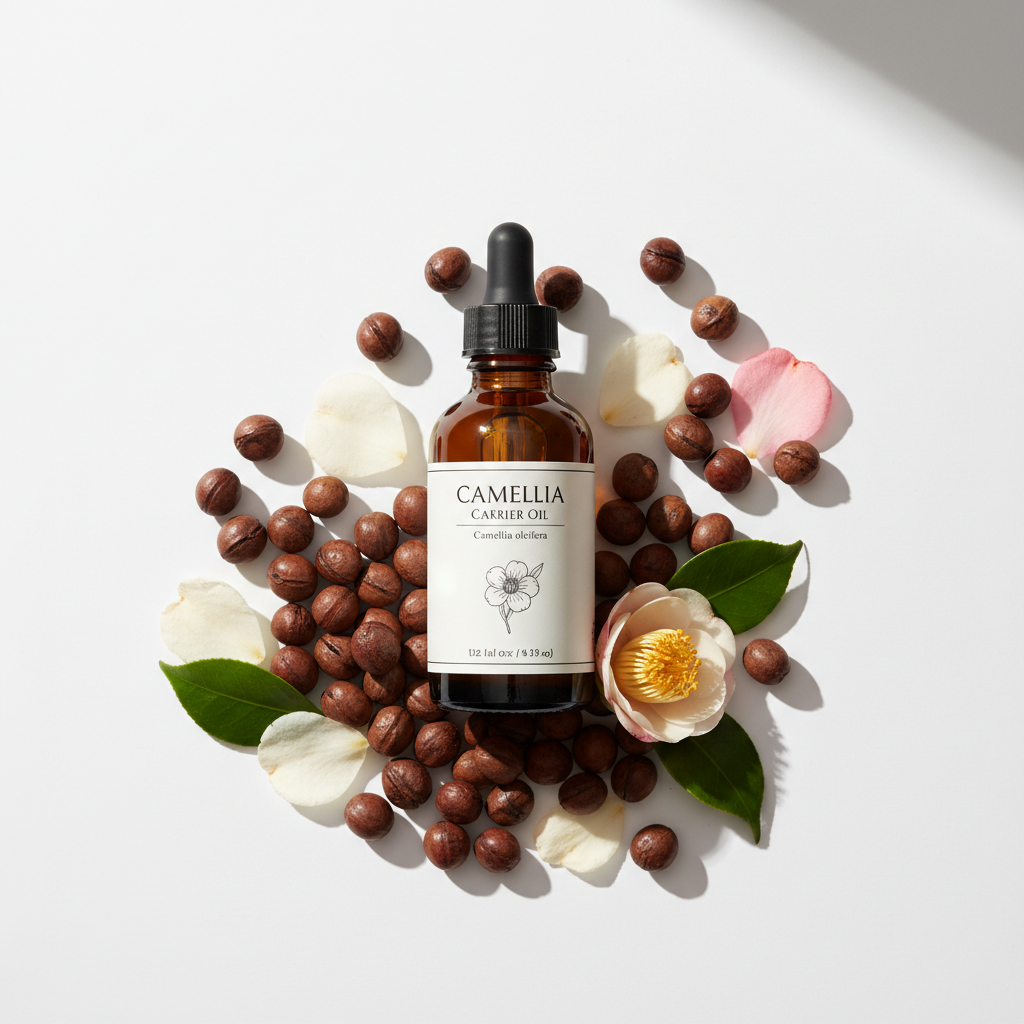
Camelia Carrier Oil
Camellia oleifera
## Understanding Camelia Carrier Oil Camelia Carrier Oil, sourced from the seeds of the *Camellia oleifera* plant, has been a cherished oil in both culinary and cosmetic industries, primarily hailing from East Asia, particularly China, Japan, and Korea. ### Origin and Extraction Method The oil is typically extracted using a cold-press method, which not only preserves its nutritional qualities but also allows for a high yield. The cold-pressing technique involves mechanically pressing the seeds without using heat, ensuring that the oil retains its essential nutrients, flavor, and aroma. This method is advantageous because heat can degrade certain beneficial compounds, rendering the oil less effective. ### Botanical Information *Camellia oleifera* is a flowering plant in the family Theaceae, known for its glossy leaves and small, fragrant white flowers. The seeds of this plant contain a high oil content, making them perfect for extracting carrier oils that are used extensively in beauty products, cooking, and traditional medicine. ### Therapeutic Properties and Benefits Camelia Carrier Oil is rich in essential fatty acids, particularly oleic acid, which constitutes approximately 80-90% of its composition. This makes it an excellent emollient, providing intense hydration and nourishment. The oil is celebrated for its skin benefits, such as: - **Moisturization:** Deeply hydrates the skin, preventing moisture loss and improving skin barrier function. - **Antioxidant Properties:** Contains polyphenols and vitamins, which help protect the skin from free radical damage and slow the signs of aging. - **Skin Nourishment:** Promotes collagen production, enhancing skin elasticity and firmness, making it beneficial for reducing the appearance of fine lines and wrinkles. - **Hair Health:** Camelia Oil enhances hair shine and softness. It penetrates the hair shaft, providing moisture and preventing dryness and split ends. ### Historical and Traditional Uses For centuries, Camelia Oil has been utilized in traditional Chinese beauty rituals. Ancient Chinese emperors valued it for its skin-enhancing properties, often applying it as a moisturizer and hair shine enhancer. Moreover, Japanese geishas incorporated it into their skincare regimens to maintain their youthful appearance. Its historical significance continues to influence its current popularity in beauty and skincare products worldwide. ### Scientific Facts and Research Recent scientific research has begun to validate the traditional claims associated with Camelia Oil. Studies have demonstrated its efficacy in improving skin hydration significantly and reducing transepidermal water loss (TEWL). Moreover, the oil's anti-inflammatory properties can help soothe irritated skin, making it suitable for sensitive skin types. Research also suggests that regular application of Camelia Oil can aid in the recovery from minor skin injuries, as it fosters healing and rejuvenation. ### Aroma Profile and Characteristics Camelia Carrier Oil has a light, slightly nutty aroma, which is soft and not overpowering. Its scent makes it an excellent base for essential oil blends, providing a pleasant sensory experience in aromatherapy settings. Due to its non-greasy texture, it absorbs quickly into the skin, leaving no residue behind, which enhances its appeal in cosmetic formulations. ### Common Applications and Methods Camelia Carrier Oil can be used in numerous applications, including: - **Skincare**: As a standalone moisturizer or as part of a blend with essential oils for massage and aromatherapy. - **Haircare**: Added to shampoos and conditioners or used as a leave-in treatment. - **Culinary**: Used in dressings and marinades due to its mild flavor and health benefits. - **Massage**: Acts as a luxurious massage oil, providing smooth application and nourishment to the skin. ### Interesting Facts and Trivia - Camelia Oil is sometimes referred to as "tea seed oil" because it is derived from the seeds of the *Camellia* plant, which is also used to produce tea. - The oil is known to have a high smoke point, making it suitable for various cooking methods, including frying and baking. - Its light texture has led to its popularity in the formulation of high-end beauty products, valued for the luxurious feel it imparts on the skin. In conclusion, Camelia Carrier Oil is an exemplary oil that boasts numerous benefits, from its skin-nourishing properties to its historic significance in beauty rituals. This versatile oil, with its impressive array of applications in skincare, haircare, and culinary uses, continues to be a favored choice among many seeking natural beauty solutions.
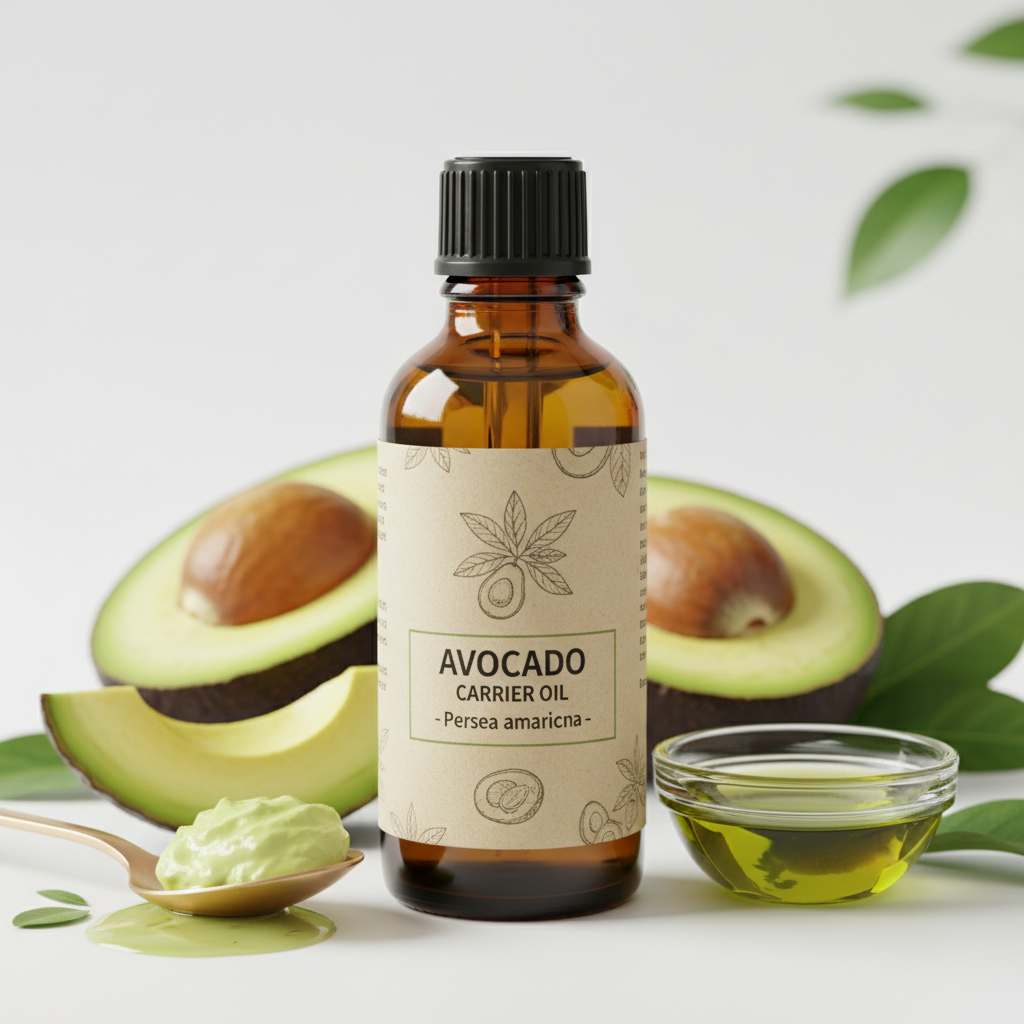
Avocado Carrier Oil
Persea americana
### Introduction to Avocado Essential Oil Avocado essential oil is extracted from the pulp of the Persea americana fruit, primarily through a cold-pressed method that preserves its nutritional integrity. Renowned for its numerous health benefits and versatility, avocado oil has gained popularity in both holistic and culinary practices. Its unique properties make it an excellent carrier oil, suitable for diluting essential oils for safe application on the skin. ### Origin and Extraction Method Avocado oil originates from the avocado tree, which is native to Central Mexico but is now grown in many tropical and Mediterranean climates around the world. The cold-pressed extraction method is highly efficient, providing a rich, dark green oil packed with vitamins and nutrients. This process ensures that the beneficial properties of the oil are preserved, making it a staple in various wellness and beauty regimens. ### Botanical Information The avocado tree belongs to the Lauraceae family, which also includes cinnamon and bay laurel. The oil is rich in oleic acid (a monounsaturated fat) and high in other beneficial compounds like vitamin E, vitamin K, and various phytosterols. These components contribute to the oil's moisturizing and healing properties, making it especially useful for skin and hair care. ### Therapeutic Properties and Benefits Avocado essential oil is celebrated for its extensive therapeutic properties. Here are some of the key benefits: 1. **Moisturization**: Avocado oil acts as a natural moisturizer, penetrating deep into the skin and providing lasting hydration, making it ideal for dry or aging skin. 2. **Skin Health**: It possesses anti-inflammatory properties that can help soothe skin irritations such as eczema and psoriasis, promoting a clearer complexion. 3. **Hair Care**: Rich in fatty acids, avocado oil helps to nourish hair, reduce frizz, and enhance shine. Regular application can strengthen strands and promote growth. 4. **Pain Relief**: When used in massage, its anti-inflammatory properties may alleviate muscle pain and joint discomfort, promoting overall body relaxation. 5. **Emotional Well-being**: The soothing fragrance of avocado essential oil may help calm the mind, reduce stress, and promote a sense of tranquility. ### Historical and Traditional Uses For centuries, various cultures have harnessed the benefits of avocado oil in traditional medicine and culinary practices. The Aztecs referred to avocados as “aguacate,” which means testicle, reflecting the fruit's shape and its reputed aphrodisiac properties. Avocado oil has been used in beauty regimens dating back to these ancient times, known for its skin-enhancing qualities. ### Scientific Facts and Research Recent studies have shown that the high levels of antioxidants in avocado oil can help protect against oxidative stress and may contribute to improved cardiovascular health. Additionally, research suggests that using avocado oil as part of a balanced diet may aid in lowering cholesterol levels, thanks to its monounsaturated fats. ### Aroma Profile and Characteristics Avocado essential oil boasts a mild, buttery aroma that is often described as earthy and smooth. Its unique scent makes it a pleasant addition to homemade skin care products, blending well with other essential oils such as lemon, lavender, or peppermint. ### Common Applications and Methods Avocado oil is incredibly versatile and can be used in various ways: - **Skin Care**: Apply it as a moisturizer or add a few drops to your favorite creams and lotions. - **Hair Treatments**: Use it as a hair mask or add it to your shampoo for added hydration. - **Massage Oil**: Blend with essential oils for effective massage treatments. - **Culinary Use**: Avocado oil is also a popular cooking oil due to its high smoke point and rich flavor, making it perfect for sautéing and baking. ### Interesting Facts and Trivia - Did you know that avocados are technically berries? In botanical terms, they meet the criteria for large berries with a single seed. - The avocado tree can grow up to 60 feet tall, and it takes about 10 years for an avocado tree to bear fruit! - Avocado's popularity has skyrocketed in recent years, becoming a staple in health-conscious diets and a favorite for vegan recipes. ### Conclusion In conclusion, avocado essential oil is not only a beneficial carrier oil for essential oils but also a powerful oil in its own right with numerous health benefits. From its origins in ancient cultures to modern wellness practices, its multifunctional uses make it a valuable addition to any oil collection. Whether used in skincare, haircare, or cooking, its nutritional and therapeutic properties are sure to enhance overall well-being.