Search
Found 41 results for "Muscle Relief"
Essential Oils
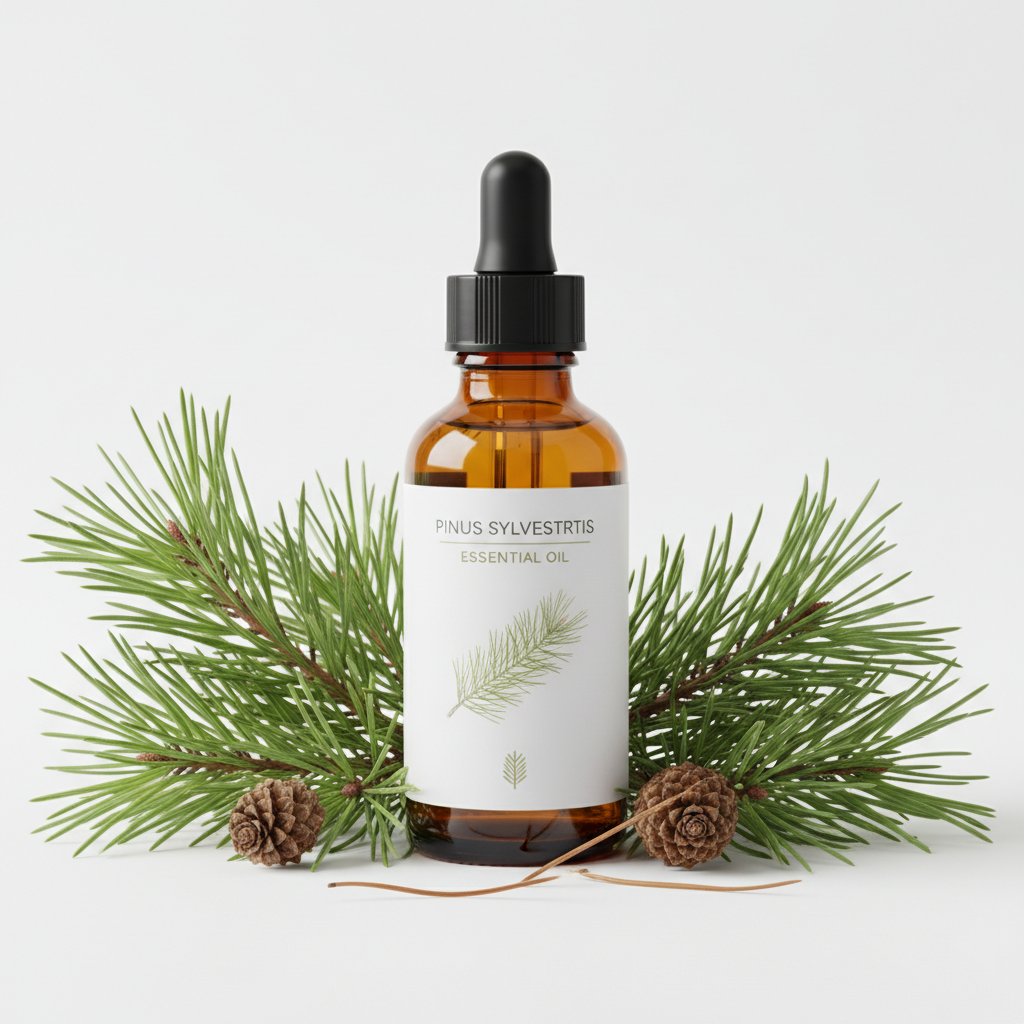
Pine Needle Essential Oil
Pinus sylvestris
Pine Needle Essential Oil, extracted from the needles of the Pinus sylvestris tree, is a versatile and highly valued essential oil known for its fresh, woodsy aroma that evokes a sense of vitality and renewal. This oil is primarily obtained through steam distillation, a method that preserves the oil's aromatic properties and therapeutic benefits. ### Origin and Extraction Method The Pinus sylvestris tree, commonly known as the Scots Pine, is native to Europe and parts of Asia. This majestic conifer thrives in temperate climates, contributing to forest ecosystems with its evergreen needles. The extraction process involves collecting the young needles, which are rich in essential oils, and subjecting them to steam distillation. This method effectively captures the aromatic compounds while maintaining the oil's integrity. ### Botanical Information The botanical name for Pine Needle oil is Pinus sylvestris. It belongs to the Pinaceae family, which includes other conifers. The oil is characterized by its clear, pale yellow to greenish color and has a strong, fresh, resinous scent that is both invigorating and grounding. ### Therapeutic Properties and Benefits Pine Needle Essential Oil is celebrated for its numerous therapeutic properties. Some of the key benefits include: - **Uplifting:** The bright, fresh scent can elevate mood and relieve anxiety. - **Respiratory Support:** It helps clear congestion and promotes easier breathing, making it great for respiratory wellness. - **Muscle Relief:** When diluted in a carrier oil and applied topically, Pine Needle oil can alleviate muscle soreness and joint discomfort. - **Detoxification:** This oil stimulates lymphatic drainage, aiding in detoxification and enhancing skin health. - **Immune Support:** Rich in antioxidants, it bolsters the immune system, defending against seasonal colds. - **Cognitive Clarity:** Its invigorating aroma enhances mental clarity and focus, making it ideal for use during study or work. ### Historical and Traditional Uses Historically, Pine Needle has been revered in various cultures for its cleansing and purifying properties. Indigenous populations used it for its antibacterial effects and added it to teas for health benefits. In traditional medicine, it was often used to ease respiratory issues and promote overall wellness. ### Scientific Facts and Research Recent studies have supported many of the traditional claims about Pine Needle Essential Oil. Research has demonstrated its antimicrobial properties, making it effective against certain bacteria and fungi. Additionally, studies indicate that the aroma can have a significant impact on stress reduction and cognitive performance, underscoring its value in aromatherapy. ### Aroma Profile and Characteristics The aroma of Pine Needle oil is fresh, clean, and woodsy, characterized by its slightly resinous and earthy undertones. This aromatic profile not only makes it a popular choice in aromatherapy but also enhances various personal care products, including soaps and lotions. ### Common Applications and Methods of Use Pine Needle Essential Oil can be used in various applications: - **Diffusion:** Add a few drops to a diffuser for an invigorating home ambiance. - **Topical Application:** Dilute with a carrier oil and apply to sore muscles or congested areas. - **Bathing:** Incorporate into baths for a refreshing and revitalizing experience. - **Cleaning:** Add to natural cleaning solutions for its disinfectant properties. ### Interesting Facts and Trivia 1. **Symbol of Longevity and Strength:** The Scots Pine tree is often viewed as a symbol of longevity and resilience, thriving in a variety of climates. 2. **Aroma in Nature:** The distinctive scent of Pine is not only refreshing in essential oil form but has also been shown to reduce stress and improve mood in natural settings. 3. **Traditional Uses in Rituals:** Pine needles have been used in various cultural rituals and practices, symbolizing purification and renewal. In conclusion, Pine Needle Essential Oil is not just a fragrant oil but a holistic powerhouse with numerous health benefits. Whether you seek to enhance your mood, support your respiratory health, or find an effective natural remedy, this essential oil is a must-have in your wellness toolkit.
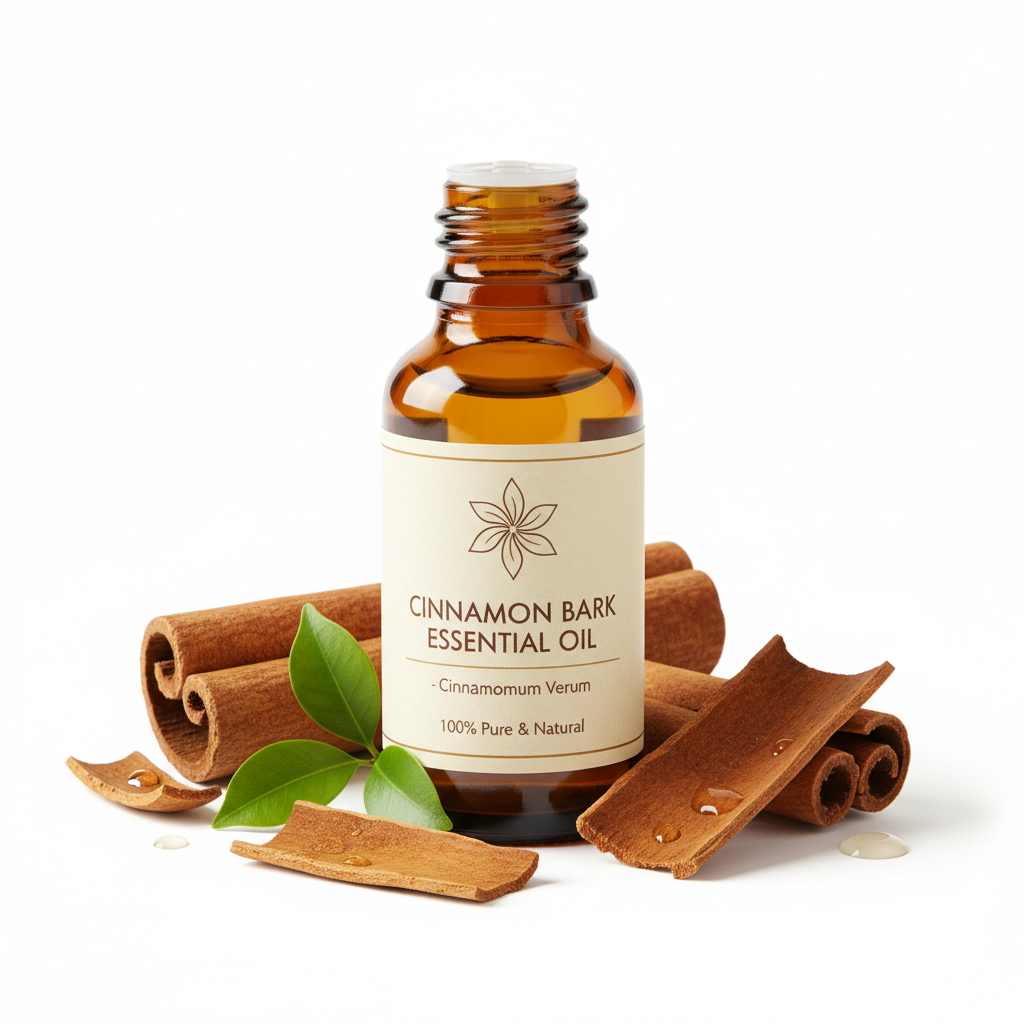
Cinnamon Bark Essential Oil
Cinnamomum verum
Cinnamon Bark Essential Oil is a highly valued essential oil known for its sweet, warm, and spicy fragrance, derived from the bark of the Cinnamomum verum tree, commonly known as true cinnamon or Ceylon cinnamon. This delightful oil has been a cherished commodity for centuries, its origins steeped in rich history and tradition. Let’s delve deeper into various aspects of Cinnamon Bark Essential Oil, spread across its historical background, extraction methods, therapeutic benefits, aroma characteristics, and practical applications in daily life. **Origin and Extraction Method** The origin of Cinnamon Bark Essential Oil traces back to Sri Lanka, where the Cinnamomum verum tree flourishes in the tropical climate. The extraction method typically utilized for capturing this oil is steam distillation. During this process, steam passes through the bark, releasing volatile compounds essential to the oil, and producing a concentrated, aromatic essence that contains many health-benefiting properties. The quality of the oil is significantly influenced by the age of the tree and the time of harvest, ensuring that only the most aromatic bark is utilized. **Botanical Information** Cinnamomum verum is a member of the Lauraceae family, characterized by its evergreen nature, glossy leaves, and small, yellowish flowers. The essential oil from cinnamon is complex, rich in cinnamaldehyde and eugenol, which contribute to its distinctive aroma and therapeutic properties. It is crucial to distinguish Cinnamomum verum from Cinnamomum cassia, commonly known as cassia cinnamon, which has a different flavor profile and therapeutic benefits. **Therapeutic Properties and Benefits** Cinnamon Bark Essential Oil is celebrated for its array of therapeutic properties. - **Antimicrobial and Antifungal**: Research indicates that cinnamon oil possesses strong antimicrobial properties, making it effective against bacteria and mold, which is beneficial for purifying the air when diffused. - **Digestive Aid**: It enhances digestive health by stimulating the production of digestive enzymes, which can alleviate issues like bloating and discomfort after meals. - **Mood Enhancer**: The warm aroma is known to promote emotional well-being, helping to elevate mood, reduce feelings of sadness, and enhance motivation. - **Supports Circulation**: Its warming properties can promote healthy blood circulation, beneficial in relieving cold hands and feet in winter. **Historical and Traditional Uses** Historically, cinnamon was regarded as a precious spice, thought to be a gift from the gods. In ancient Egypt, cinnamon was used in embalming and religious rituals due to its aromatic qualities. Traditional medicine practices across cultures utilized cinnamon for ailments like colds and digestive discomfort, reflecting its long-standing esteemed position in wellness practices. **Aroma Profile and Characteristics** The scent of Cinnamon Bark Essential Oil is warm, sweet, and spicy with a slightly woody undertone. This comforting aroma is not only inviting but is also recognized for its ability to create a cozy atmosphere, making it popular in aromatherapy and home fragrance products. **Common Applications and Methods** Cinnamon Bark Essential Oil can be integrated into daily routines in various ways: - **Diffusing**: Adding several drops to a diffuser can quickly spread its essential oils throughout a room, creating a warm and welcoming space. - **Topical Use**: Diluting cinnamon oil with a carrier oil can allow it to be applied to targeted areas for muscle relief, especially after exercise. - **DIY Products**: Incorporating this oil into homemade candles, soaps, or body lotions can elevate your crafting projects, adding both scent and therapeutic benefits. - **Culinary Uses**: While it should be used cautiously, a drop of cinnamon essential oil can enhance the flavor of beverages, desserts, and savory dishes. **Interesting Facts and Trivia** - Cinnamon Bark Essential Oil was once considered so valuable that it was used as a form of currency in trading. - It is not uncommon for ancient civilizations to use cinnamon for more than just flavor—its preservation qualities made it an important ingredient in food storage practices. - The essential oil can serve as a natural insect repellent, offering a non-toxic alternative to chemical repellents. In conclusion, Cinnamon Bark Essential Oil is not just a fragrant treasure but also a powerful ally in promoting overall health and well-being. Its rich history, combined with its diverse applications and therapeutic benefits, makes it a must-have in any essential oil collection. Embrace its warm, sweet aroma and explore how it can enhance your life in various ways!

Blue Tansy Essential Oil
Tanacetum annuum
**Blue Tansy Essential Oil: Origin, Benefits, and Uses** Blue Tansy Essential Oil, scientifically known as *Tanacetum annuum*, is a unique and vibrant oil extracted from the flowers and leaves of the blue tansy plant, renowned for its striking blue hue. This deep blue color is due to the presence of a compound called chamazulene, which is formed during the steam distillation process. The oil is primarily sourced from Morocco and is deeply rooted in traditional herbal remedies, celebrated for its extensive therapeutic properties. ### **Origin and Extraction Method** Blue Tansy is native to Morocco, where it thrives in the wild. The extraction of this oil involves a meticulous steam distillation process of the plant's flowers and leaves, ensuring that the potent properties are retained. This delicate process is crucial for producing high-quality essential oil that possesses all the beneficial compounds of the plant. ### **Botanical Information** The blue tansy plant belongs to the Asteraceae family. It is characterized by its distinctive blue flowers and aromatic foliage. Understanding the botany of this plant provides insight into its health properties. The oil contains multiple active components, including chamazulene, β-caryophyllene, and matricin, each contributing to its therapeutic effects. ### **Therapeutic Properties and Benefits** 1. **Calming and Soothing**: Blue Tansy Essential Oil is best known for its calming properties. The oil is often used in aromatherapy to help reduce feelings of stress and anxiety, making it an excellent choice for those seeking emotional balance. 2. **Anti-inflammatory**: It has strong anti-inflammatory properties, making it beneficial for soothing irritated skin. This oil can be diluted and used topically to alleviate conditions like eczema and psoriasis. 3. **Muscle Recovery**: After intense workouts, blue tansy can aid muscle recovery. Massaging the oil into sore muscles can promote relaxation and relief from discomfort. 4. **Respiratory Support**: When inhaled, its therapeutic vapors may ease respiratory issues, including coughs and congestion, providing relief from sinus discomfort. 5. **Emotional Well-being**: By promoting a sense of well-being, blue tansy can help stabilize emotions and reduce mood swings, supporting mental clarity and a positive outlook. ### **Historical and Traditional Uses** Historically, blue tansy essential oil has been used in various cultures for centuries. In Moroccan traditional medicine, the oil was employed for a range of ailments, including respiratory issues and skin conditions. Its use in modern aromatherapy has only heightened interest in its historical applications, with practitioners often recommending it as a remedy for stress relief and emotional disbalance. ### **Aroma Profile and Characteristics** Blue Tansy Essential Oil has a unique aroma that blends herbaceous notes with a sweet, honey-like scent. This appealing fragrance makes it a delightful addition to any essential oil collection, often used in diffusers, personal care products, and skincare formulations. ### **Common Applications and Methods** Blue Tansy Essential Oil can be utilized in numerous ways: - **Aromatherapy**: Add a few drops to a diffuser to create a calming environment. - **Topical Applications**: Dilute with a carrier oil such as jojoba or coconut oil before applying to the skin. - **Massage Oil**: Incorporate into a massage blend for additional muscle relief benefits. - **Bathing**: Add a few drops to a warm bath for a relaxing soak. ### **Interesting Facts and Trivia** - Blue Tansy is often confused with other tansy species, but *Tanacetum annuum* is unique for its blue color. - The compound chamazulene, responsible for the oil's color, is a powerful anti-inflammatory agent found in few essential oils. - Blue Tansy is not just popular in aromatherapy; it also finds its place in high-end cosmetics due to its skin-soothing capabilities. ### **Final Thoughts** Blue Tansy Essential Oil is a remarkable oil that embodies both beauty and benefits. Its calming properties, coupled with rich historical usage, make it a must-have in the collection of essential oil enthusiasts. Embrace the relaxing nature of this beautiful blue oil and discover its potential benefits for your emotional and physical well-being.
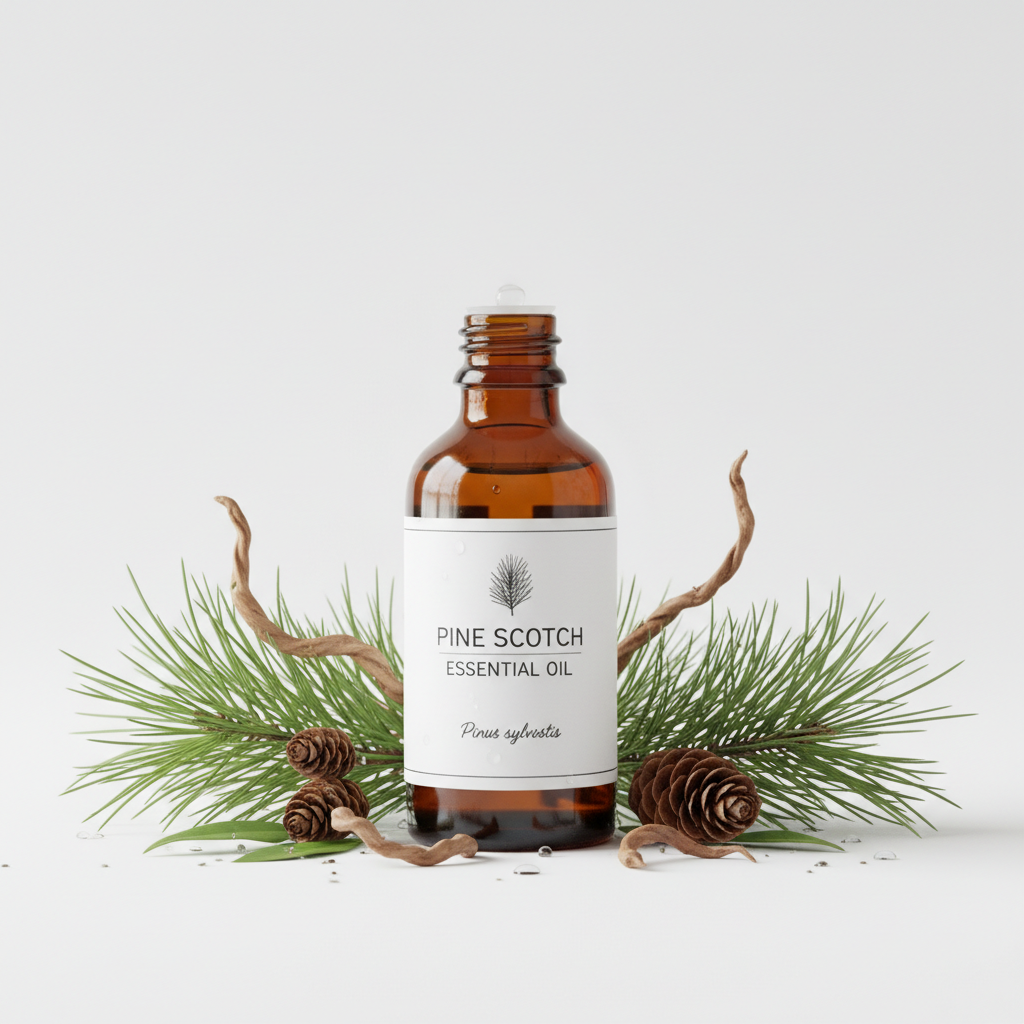
Pine Scotch Essential Oil
Pinus sylvestris
### Pine Scotch Essential Oil: Detailed Overview Pine Scotch Essential Oil, derived from **Pinus sylvestris**, is extracted from the needles and twigs of the Scotch Pine tree, native to Europe and parts of Asia. The extraction through steam distillation preserves the vibrant, fresh aroma that is widely cherished in aromatherapy and beyond. #### Origin and Extraction Method The Scotch Pine, with its tall, majestic stature and characteristic needles, has been a beloved part of European forests for centuries. The essential oil is obtained through **steam distillation**, a process that ensures the essential components are preserved, resulting in a high-quality oil that retains its natural benefits and aroma. #### Botanical Information The botanical name for Scotch Pine, **Pinus sylvestris**, reflects its place within the Pinaceae family of conifers. This tree thrives in various regions, adapting well to different climates, which contributes to the unique characteristics of the oil extracted from it. The needles of the Scotch Pine contain multiple therapeutic compounds, primarily **alpha-pinene**, known for its antimicrobial properties. #### Therapeutic Properties and Benefits Pine Scotch Essential Oil boasts a multitude of therapeutic properties: - **Respiratory Support:** Inhalation of this oil can help clear the respiratory tract, making it useful during cold and flu season. - **Emotional Clarity:** Its invigorating scent is known to help improve mental clarity, making it ideal for situations requiring focus and concentration. - **Stress Relief:** The aroma promotes calmness and reduces anxiety, providing a sense of grounding. - **Antiviral Properties:** Research indicates that this oil may possess antiviral attributes, aiding in protecting against seasonal ailments. - **Muscle Recovery:** Its anti-inflammatory properties are beneficial post-exercise, aiding muscle recovery and reducing soreness. - **Circulation Enhancement:** Inhaling or diffusing the oil may boost circulation, which can lead to increased energy levels. #### Historical and Traditional Uses Historically, Pine Scotch oil has been utilized in folk medicine and traditional practices. Many cultures have used the oil for its cleansing properties, including purifying the air and dispelling negativity. This oil has played a vital role in rituals as well, promoting vitality and strength. #### Aroma Profile and Characteristics Pine Scotch Essential Oil is characterized by a *fresh, woody aroma* that evokes the tranquil scent of pine forests. Its scent is both uplifting and grounding, making it a favorite in aromatherapy and therapeutic applications. The refreshing fragrance is highly appreciated in creating an uplifting environment and enhancing mood. #### Common Applications and Methods Pine Scotch Essential Oil can be utilized in various ways: - **Aromatherapy:** Add a few drops to a diffuser to fill your space with its invigorating scent. - **Topical Applications:** Dilute with a carrier oil for skincare applications, known to help with cleansing and minor skin irritations. - **Bathing:** Adding this oil to bath water promotes relaxation and enhances the bathing experience. - **Cleaning Products:** Its antimicrobial properties make it a great addition to homemade cleaning solutions for freshening up your home. #### Interesting Facts and Trivia - Pine essential oils have been used by many cultures for centuries, symbolizing strength and resilience. - The fresh scent of Pine Scotch is often associated with winter holidays, making it a popular addition to festive scents. - Pine oils are recognized for their grounding properties, connecting individuals to nature and encouraging mindfulness. In conclusion, Pine Scotch Essential Oil is not only valuable for its pleasant aromatic qualities but also for its numerous therapeutic benefits. Whether used in aromatherapy, personal care, or household cleaning, this oil stands out as a versatile and beneficial addition to any essential oil collection.
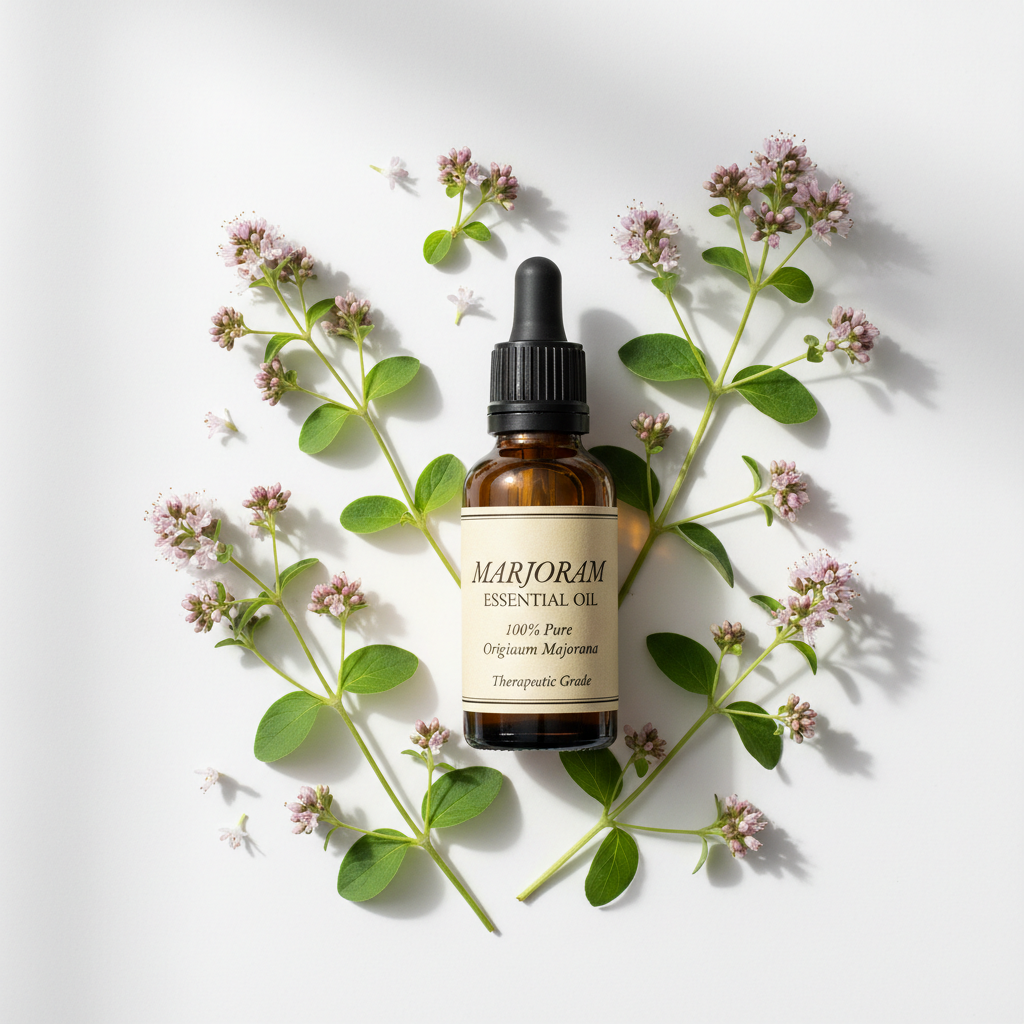
Marjoram Essential Oil
Origanum majorana
Marjoram Essential Oil is a fragrant and versatile oil derived from the Origanum majorana plant, a member of the mint family. This oil is extracted through a meticulous steam distillation process from the plant’s leaves and flowers. Marjoram has a rich history, celebrated since ancient times by the Greeks and Romans, who considered it a symbol of happiness and love. ### Origin and Extraction Method The Origanum majorana plant, native to Mediterranean regions, thrives in sunny, warm climates and grows up to 2 feet tall. The leaves are green, oval, and aromatic, which enhances the oil's quality. To extract marjoram essential oil, the leaves and flowering tops are vaporized with steam, capturing volatile compounds without losing their beneficial properties. This method guarantees a high-quality product, maintaining the oil’s potency and aroma. ### Botanical Information The botanical name, Origanum majorana, gives insight into the plant's classification, which is important for those interested in the science behind essential oils. It is commonly referred to as sweet marjoram to distinguish it from oregano, which is from a different species. The oil contains a variety of active compounds, including terpenes, phenols, and aldehydes, the most prominent being sabinene, terpinen-4-ol, and gamma-terpinene. ### Therapeutic Properties and Benefits Marjoram Essential Oil is renowned for its soothing and calming properties. It is extensively used in aromatherapy thanks to its ability to: - **Reduce Stress:** Known to help alleviate feelings of stress and anxiety, marjoram oil promotes relaxation, making it ideal for use at the end of a long day. - **Enhance Mood:** It can uplift spirits and fight feelings of sadness, making it valuable during times of emotional turmoil or depressive episodes. - **Aid in Sleep:** When inhaled or used in a diffuser before bedtime, marjoram oil encourages restful sleep by calming the mind and body. ### Historical and Traditional Uses Historically, marjoram was considered sacred by the ancient Greeks and Romans, who used it in rituals, as well as for culinary purposes. It was believed to bring good fortune and was often presented to brides as a part of wedding ceremonies to symbolize happiness. In traditional medicine, marjoram has been used for centuries to treat various ailments, including digestive issues, respiratory conditions, and muscle aches. ### Scientific Facts and Research Recent studies have highlighted the oil's antimicrobial properties, suggesting that it can combat certain bacteria and fungi, making it useful for household cleaning and natural remedies. Its anti-inflammatory effects have also gained attention, showing potential benefit for chronic pain management and inflammation-related disorders. ### Aroma Profile and Characteristics The aroma of marjoram essential oil is warm, sweet, and herbaceous, with a hint of spiciness. This characteristic scent makes it a popular choice for blends aimed at promoting relaxation and comfort. It blends beautifully with other essential oils, such as lavender, chamomile, and citrus oils, enhancing their soothing properties. ### Common Applications and Methods Marjoram oil can be used in various ways: - **Diffusion:** Add a few drops to a diffuser to create a peaceful atmosphere. - **Massage:** Dilute with a carrier oil and use for massage to relieve muscle tension. - **Inhalation:** Inhale directly from the bottle or use in steam inhalation for respiratory support. - **Skincare:** Incorporate into skincare routines to support healthy skin and minimize blemishes. ### Interesting Facts and Trivia - Marjoram is often referred to as the "herb of happiness" in culinary contexts, especially in Mediterranean cooking, where its flavor enhances numerous dishes. - This essential oil is also used in perfumery, contributing to sweet and spicy fragrance notes in various products. - While marjoram essential oil can support overall wellness, it should always be used properly and diluted to avoid skin irritation. Overall, Marjoram Essential Oil offers a myriad of benefits, is rich in tradition, and provides a comforting addition to your wellness collection. With its calming properties, it is a must-have for anyone seeking to enhance their physical and emotional well-being.
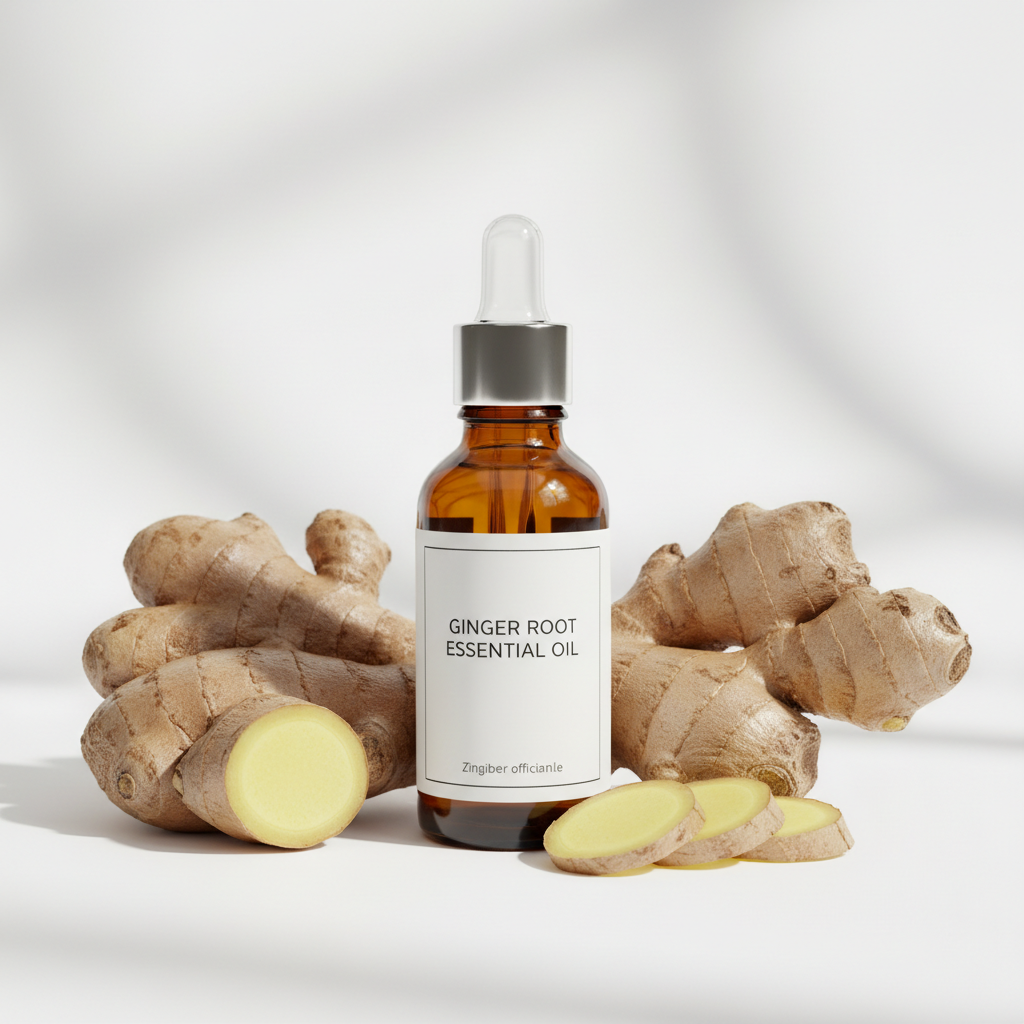
Ginger Root Essential Oil
Zingiber officinale
### Introduction to Ginger Root Essential Oil Ginger Root Essential Oil, extracted from the rhizomes of the Zingiber officinale plant, is known for its rich and vibrant aroma as well as its numerous health benefits. This oil is cherished in both traditional medicine and culinary applications worldwide. Its extraction primarily involves steam distillation, which captures the oil's natural essence while preserving its therapeutic qualities. ### Origin and Extraction Method The Zingiber officinale plant, native to Southeast Asia, has been utilized for thousands of years, not only for its culinary uses but also for its medicinal properties. The essential oil is derived from the ginger rhizomes, which are the underground stems of the plant. The steam distillation process draws out the natural oils, yielding a warm, spicy fragrance that evokes feelings of comfort and invigoration. ### Botanical Information Ginger belongs to the family Zingiberaceae. The plant can grow up to 3 feet tall, producing narrow green leaves and yellowish flowers. Its rhizome is thick, fleshy, and highly aromatic. Ginger is commonly found in tropical to subtropical climates, thriving in rich, moist, and well-draining soil. ### Therapeutic Properties and Benefits Ginger Root Essential Oil is renowned for its wide array of therapeutic properties: - **Digestive Health:** Ginger oil supports digestive function and alleviates symptoms of nausea, making it highly beneficial during travel or pregnancy. - **Anti-inflammatory Effects:** The compounds in ginger possess anti-inflammatory properties that can soothe muscle and joint pain. - **Mood Enhancement:** Its uplifting scent can elevate mood, reduce feelings of stress, and promote emotional balance. - **Immune Support:** Ginger oil may bolster the immune system, helping to ward off colds and flu, thanks to its antimicrobial properties. ### Historical and Traditional Uses Historically, ginger has been utilized in various cultures for its health-boosting properties. Ancient Chinese medicine praises ginger for its warming qualities and digestive support. It has also been a staple in Ayurvedic practices, focusing on balancing bodily energies and promoting overall wellness. In culinary traditions, ginger enhances flavor while serving as a natural remedy for digestive discomforts. ### Scientific Facts and Research Numerous studies highlight the effectiveness of ginger oil. Research has shown that compounds like gingerol and shogaol are key players in its therapeutic qualities. These components have been studied for their ability to mitigate nausea and improve digestive health, especially in cases of motion sickness and morning sickness. Additionally, ginger oil has demonstrated antioxidant properties, making it effective in combatting oxidative stress in the body. ### Aroma Profile and Characteristics The aroma of Ginger Root Essential Oil is warm, spicy, and invigorating. This scent is often associated with freshness and vitality, making it a popular choice in aromatherapy. When diffused, it not only energizes the atmosphere but also alleviates feelings of anxiety and stress. ### Common Applications and Methods Ginger Root Essential Oil can be used in various ways: - **Aromatherapy:** Diffusing ginger oil in your home promotes a sense of warmth and comfort, encouraging a positive and uplifting environment. - **Topical Use:** When diluted with a carrier oil, ginger oil can be applied to sore muscles and joints to help relieve inflammation and pain. - **Bath Additive:** Adding a few drops to bathwater can enhance relaxation and provide relief from tension and stress. - **Digestive Aid:** Inhaling the oil or using it in a comforting tea or body rub can provide relief from digestive issues. ### Interesting Facts and Trivia - Ginger is often referred to as a 'super spice' due to its potent health benefits. - It is one of the oldest spices known to mankind, dating back over 5,000 years! - The essential oil can also act as a natural insect repellent, making it useful in DIY home remedies. - In traditional folklore, ginger was believed to bring good luck and prosperity. ### Conclusion Ginger Root Essential Oil stands out as a versatile and beneficial essential oil, offering a multitude of health benefits while also enhancing mood and providing comfort. Embracing this oil in your wellness routine can lead to a more balanced and enriched lifestyle.
Recipes
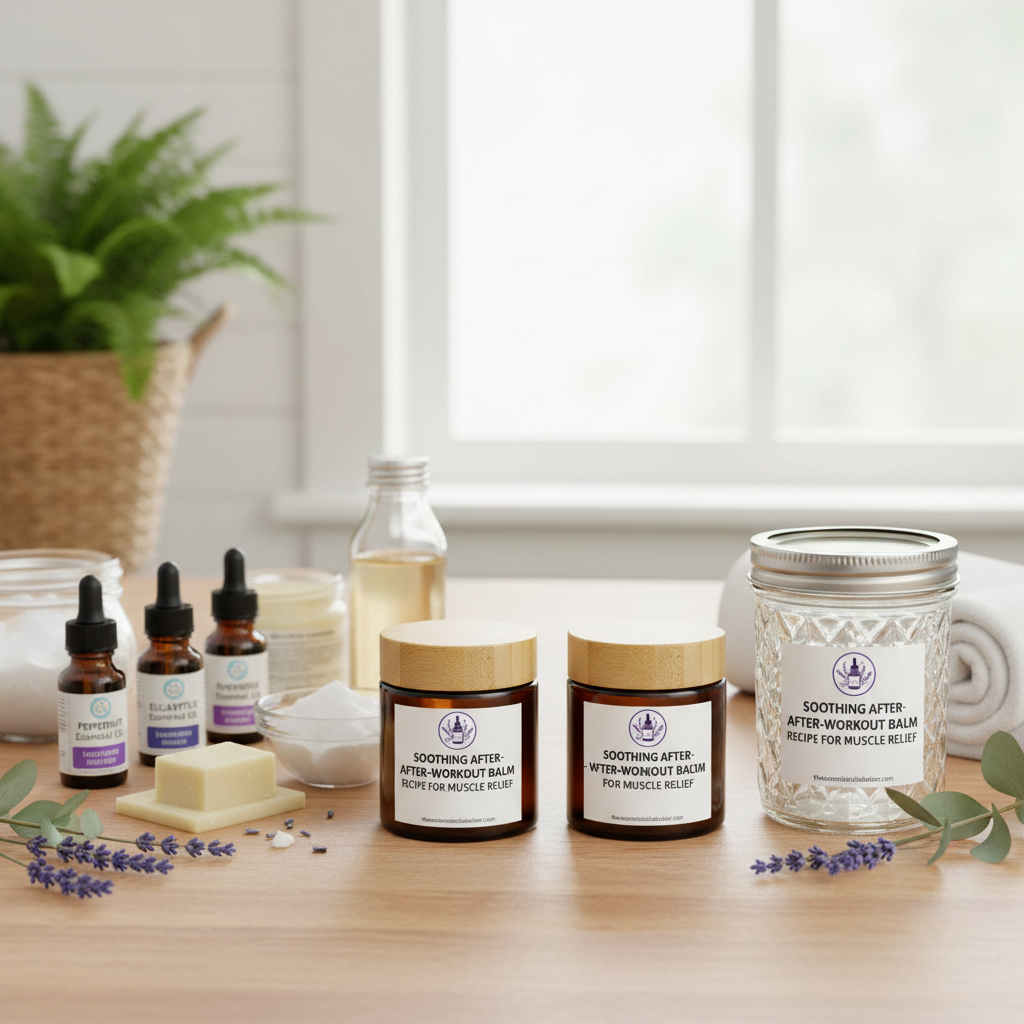
Soothing After-Workout Balm Recipe for Muscle Relief
Make a soothing after-workout balm recipe to ease muscle discomfort and boost recovery—ideal for athletes and fitness lovers!

Deep Tissue Pain Relief Oil Recipe
Discover the powerful essential oil recipe for deep tissue pain relief. Learn how to relieve muscle tension and soreness with all-natural ingredients.