Search
Found 3 results for "candle making"
Essential Oils
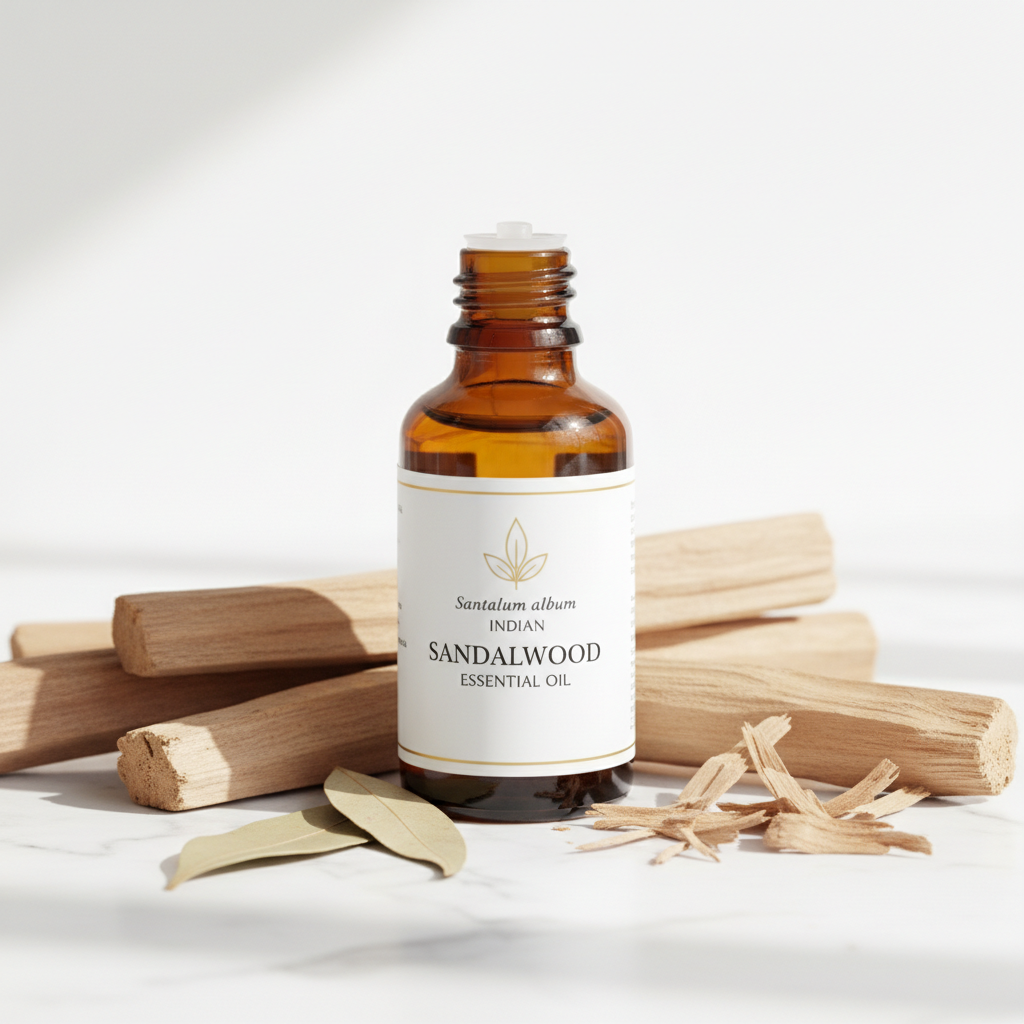
Sandalwood Indian Essential Oil
Santalum album
### Introduction to Sandalwood Essential Oil Sandalwood Essential Oil is a highly prized oil, extracted from the heartwood of the Santalum album tree, native to India and parts of Southeast Asia. Renowned for its rich, creamy aroma, this essential oil has been utilized for millennia in various cultures and traditions for its multitude of therapeutic benefits. ### Origin and Extraction Method The Santalum album tree takes years to mature, which contributes to its high value. The essential oil is typically extracted through steam distillation of the heartwood, yielding a golden to pale yellow liquid. This method preserves the integrity of the oil's aromatic and therapeutic properties. ### Botanical Information - **Botanical Name**: Santalum album - **Family**: Santalaceae - **Common Names**: Sandalwood, White Sandalwood - **Scent Profile**: Rich, woody, creamy, slightly sweet The oil’s composition includes santalol, which is primarily responsible for its calming properties, along with other constituents that enhance its aromatic profile. ### Therapeutic Properties and Benefits Sandalwood Essential Oil offers an array of therapeutic benefits: - **Calming Effect**: Known to soothe the mind, Sandalwood helps in reducing anxiety and creating a sense of tranquility. - **Mood Lifter**: The oil can help alleviate feelings of sadness or despair, enhancing overall mood and allowing for greater emotional balance. - **Meditation Enhancement**: Its grounding aroma assists practitioners in enhancing their meditation practices. - **Focus and Clarity**: Many users report improved concentration and mental clarity, making it a useful companion during study or work sessions. - **Skin Benefits**: Sandalwood Oil is often included in skincare formulations for its anti-inflammatory and moisturizing properties. It can soothe irritations and redness, making it suitable for sensitive skin. ### Historical and Traditional Uses Historically, Sandalwood has held great significance in various cultures. In ancient India, it was used in Ayurvedic medicine not just for its fragrance but also for its healing properties. Sandalwood has also been a deeply rooted component in rituals, often used as a sacred offering in religious ceremonies. Its aromatic profile made it popular in perfumery as well, symbolizing purity and calmness. ### Aroma Profile and Characteristics Sandalwood Essential Oil boasts a warm, woody scent, interlaced with creamy, soft undertones. This distinctive aroma is both grounding and uplifting, making it ideal for use in aromatherapy recipes, personal fragrances, and spiritual rituals. The oil's lingering scent profile is known to provoke nostalgia and emotional healing, fostering a calming environment. ### Common Applications and Methods - **Aromatherapy**: Diffusing Sandalwood Essential Oil can create a serene atmosphere, perfect for meditation or personal enjoyment. - **Topical Use**: Diluted in a carrier oil, it can be applied to the skin to help with irritation and redness or used in massage to alleviate tension. - **Bathing**: Adding a few drops to a warm bath can enhance relaxation and calm the senses. - **Skincare**: Its natural emollient properties make it excellent for moisturizing formulations, particularly for dry or sensitive skin types. - **Candle Making**: Utilizing Sandalwood in candle formulations can provide an enchanting scent and create a peaceful glow in any space. ### Scientific Facts and Research Studies have shown that the main constituent santalol found in Sandalwood Essential Oil possesses anti-inflammatory, antimicrobial, and calming properties. Research indicates that inhalation of sandalwood oil can lead to lower levels of stress hormones and enhanced mood. ### Interesting Facts and Trivia - **Sustainability**: Sustainable sourcing is essential for Santalum album, as over-harvesting has threatened natural populations. - **Cultural Significance**: In Indian culture, sandalwood is often carved into intricate designs and used in various handicrafts, making it both an aromatic and artistic treasure. - **Market Value**: Due to its rarity and the long growing period of the Santalum album tree, Sandalwood Oil is considered one of the most expensive essential oils available. ### Conclusion Sandalwood Essential Oil is much more than just a fragrant oil; it embodies a rich history of therapeutic uses and cultural significance. Its calming properties, coupled with numerous applications, make it a staple in the realms of aromatherapy, skincare, and spiritual practices. Whether used for relaxation, meditation, or skin care, Sandalwood Oil continues to be cherished for its timeless benefits.
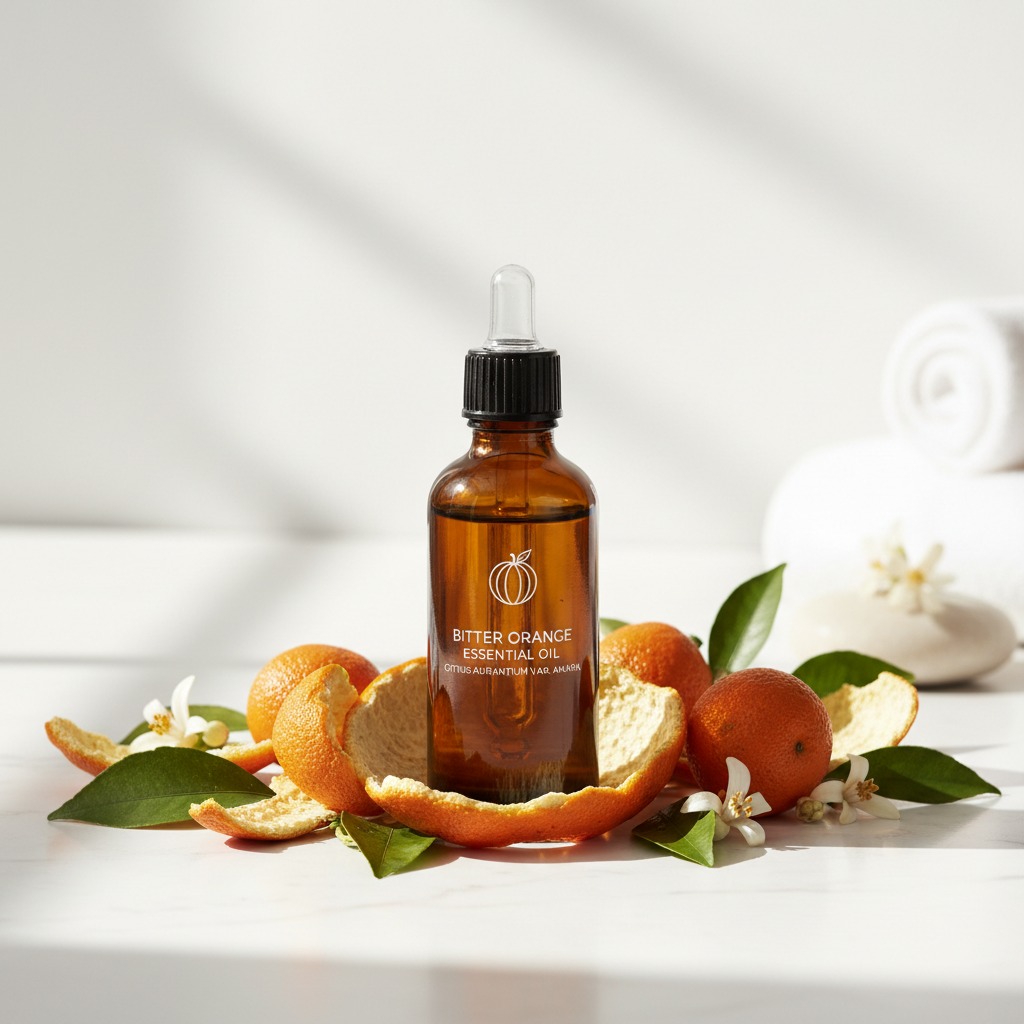
Bitter Orange Essential Oil
Citrus aurantium var. amara
**Bitter Orange Essential Oil: Comprehensive Overview** Bitter Orange Essential Oil, scientifically known as *Citrus aurantium var. amara*, is derived from the bright orange fruit peel of the bitter orange tree. This essential oil has a long-standing history, with its medicinal properties tracing back to ancient times. Traditionally, it has been utilized in various remedies, culinary practices, and perfumery, making it a versatile addition to both holistic healing and modern aromatherapy. **Origin and Extraction Method** The extraction of Bitter Orange Essential Oil is accomplished through a cold pressing technique, where the outer rind of the orange is mechanically pressed to release its natural oils. This method is favored as it preserves the delicate aroma and therapeutic properties of the oil. The bitter orange tree itself thrives in tropical and subtropical climates, particularly in regions like the Mediterranean, South America, and parts of Asia. **Botanical Information** The botanical anatomy of the bitter orange tree reveals its leaves are dark green, glossy, and aromatic. The small, fragrant white flowers bloom in spring and develop into round, bitter fruits throughout the year. The word 'bitter' signifies the unique taste of the fruit, which contrasts with the sweetness of its cousin, the sweet orange (*Citrus sinensis*). **Therapeutic Properties and Benefits** Bitter Orange Essential Oil is renowned for its numerous therapeutic benefits, making it a staple in aromatherapy. - **Mood Enhancer**: Known for uplifting the spirit, this oil can elevate mood and promote feelings of happiness, making it ideal for those experiencing emotional lows. - **Stress Relief**: Its calming properties relieve tension and stress, providing comfort in challenging situations. - **Improvements in Focus and Clarity**: Bitter Orange Oil can enhance mental clarity, aiding concentration when diffused in workspaces. - **Emotional Balance**: The oil serves to promote emotional stability, helping users find harmony and reducing feelings of anxiety. - **Antiseptic Properties**: It possesses antibacterial and antifungal qualities that can be beneficial for cleansing minor cuts and scrapes. - **Respiratory Support**: Inhaling the vapors can help alleviate respiratory problems, making it useful during cold and flu seasons. - **Skin Care Benefits**: Bitter Orange Oil assists in regulating sebum production, thereby helping to balance oily skin. - **Muscle Relaxation**: When used in massage blends, it can help relax tight muscles for stress relief. - **Weight Management**: It has been suggested in weight management protocols for its uplifting effects. **Historical and Traditional Uses** Historically, bitter orange has held a significant place in various cultures. It was used in traditional Chinese medicine (TCM) to relieve digestive issues, while in European herbal medicine, it has been employed to aid in calming anxiety and improving digestion. The essential oil has also found its way into culinary arts, being a popular flavoring agent for liqueurs and desserts, especially in Mediterranean cuisine. **Scientific Facts and Research** Research has indicated several beneficial compounds present in Bitter Orange Essential Oil, including Limonene, which has been recognized for its uplifting aromatherapy effects. Studies suggest that the inhalation of its aroma can stimulate the limbic system, which plays a critical role in emotions and behaviors. **Aroma Profile and Characteristics** The aroma of Bitter Orange Essential Oil is distinctly bright and cheerful, characterized by zesty and refreshing notes. Users often describe the scent as uplifting, with a slightly sweet undertone that can invigorate both the mind and spirit. This refreshing aroma makes it a favorite in candle making, natural perfumes, and body care products. **Common Applications and Methods** Bitter Orange Essential Oil can be used in various ways: - **Aromatherapy Diffusion**: Diffusing the oil in spaces can enhance mood and stimulate productivity. - **Topical Application**: Diluting with a carrier oil and applying to skin can provide localized benefits, especially in massage. - **Bath Soaks**: Adding to bath water can create a relaxing atmosphere, transforming bath time into an aromatic experience. - **Natural Cleaning Products**: Its antiseptic properties make it a perfect ingredient for homemade cleaners. **Interesting Facts and Trivia** - Bitter Orange is the primary orange used in the production of Seville orange marmalade. - The essential oil has been traditionally used in Mediterranean folk medicine for enhancing digestion and relieving discomfort. - Bitter Orange Essential Oil is sometimes utilized in the fragrance industry as a fixative, helping scents last longer in perfumes.' In conclusion, Bitter Orange Essential Oil is a powerful multifunctional oil that offers a wide range of health benefits, from uplifting mood to supporting skin care. With its historical roots, therapeutic properties, and delightful aroma, it continues to be a favored choice among essential oil enthusiasts.