Search
Found 3 results for "eucalyptus oil"
Essential Oils
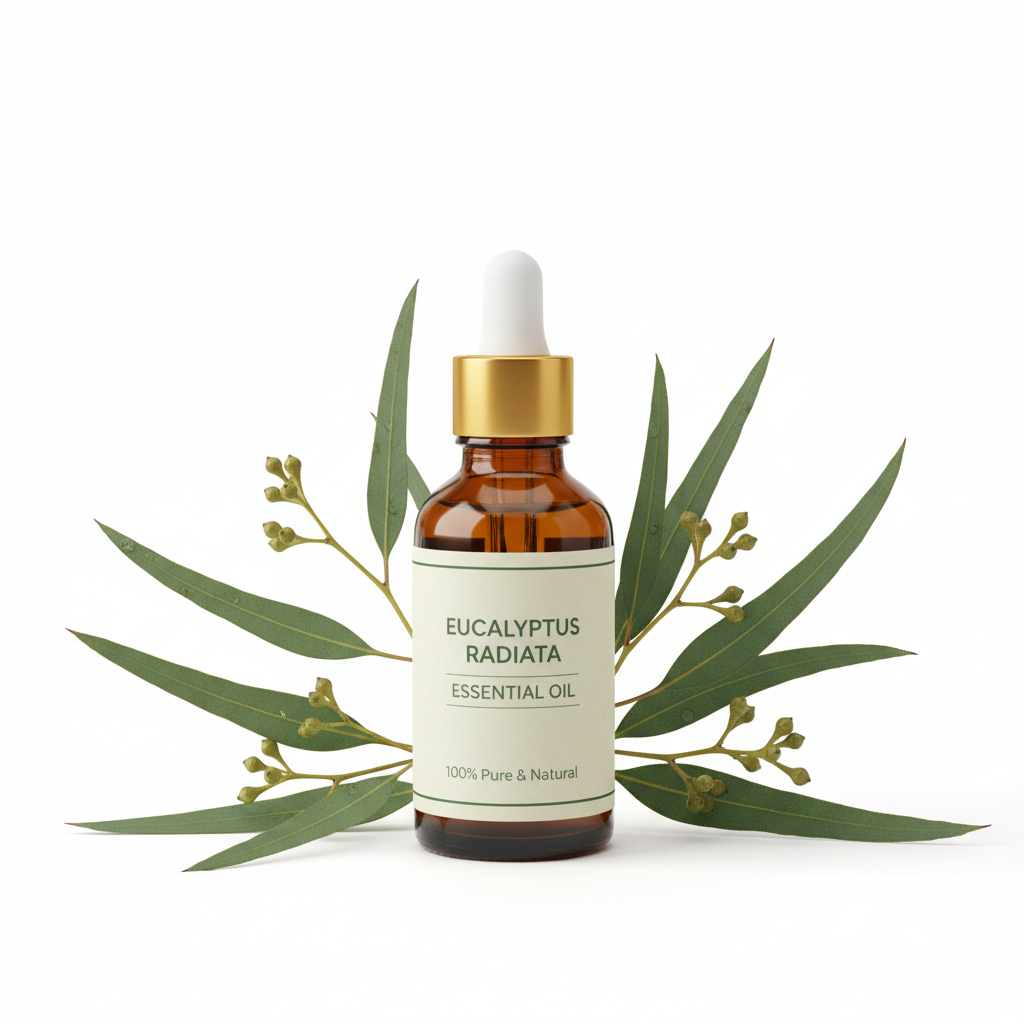
Eucalyptus Radiata Essential Oil
Eucalyptus radiata
### Eucalyptus Radiata Essential Oil: Benefits & Uses Explained Eucalyptus Radiata Essential Oil is a highly valued oil derived from the leaves and twigs of the Eucalyptus radiata tree, predominantly found in Australia. This essential oil has long been cherished by Indigenous Australians for its diverse therapeutic applications, particularly in supporting respiratory health and enhancing overall well-being. #### Origin and Extraction Method Eucalyptus radiata is a species of Eucalyptus that thrives in the highlands of southeastern Australia. The essential oil is extracted through a process known as steam distillation. During this process, steam passes through the plant material, releasing the oil, which is then condensed into liquid form. This method preserves the oil's beneficial compounds, making it ideal for aromatherapy and therapeutic uses. #### Botanical Information - **Botanical Name**: Eucalyptus radiata - **Family**: Myrtaceae - **Common Names**: Narrow-leafed peppermint, Eucalyptus oil - **Plant Part Used**: Leaves and twigs - **Appearance**: Colorless to pale yellow oil - **Aroma Profile**: Fresh, herbaceous, and slightly camphorous scent that invigorates the senses. #### Therapeutic Properties and Benefits Eucalyptus Radiata essential oil is renowned for its numerous therapeutic properties. Some of the key benefits include: - **Respiratory Relief**: Known for its ability to relieve congestion, this oil can help manage respiratory infections and allergies by promoting clearer airways. - **Mental Clarity and Focus**: Its invigorating scent revitalizes the mind, helping improve concentration and cognitive function, making it an excellent choice for study or work environments. - **Stress Relief**: Eucalyptus Radiata promotes relaxation and helps reduce anxiety, making it beneficial during stressful times. - **Muscle Relaxation**: When diluted and used in massage, it can soothe sore muscles and joint pain, helping athletes and fitness enthusiasts recover. - **Wound Healing**: With its antiseptic properties, Eucalyptus Radiata can assist in the natural healing of minor cuts and abrasions. - **Immune Support**: Regular use may support the immune system, particularly during changes in the season when respiratory issues may arise. #### Historical and Traditional Uses Eucalyptus radiata has a rich history of use among Indigenous Australians, who utilized it for its medicinal properties. Historically, the leaves were used in poultices and steam inhalations to relieve coughs and colds. Its reputation as a natural remedy for respiratory ailments has led to its integration into various traditional practices in many cultures. #### Scientific Facts and Research Recent studies have bolstered the understanding of eucalyptus essential oils, including Eucalyptus radiata. Research has indicated that compounds such as 1,8-cineole are responsible for many of its therapeutic effects, particularly in alleviating respiratory issues. Its antimicrobial properties have also been explored, showcasing potential in fighting various pathogens. #### Aroma Profile and Characteristics Eucalyptus Radiata essential oil has a light, fresh, and camphorous aroma, distinguished by its slightly sweeter, milder scent compared to other eucalyptus species, such as Eucalyptus globulus. This makes it a preferred choice for those sensitive to stronger aromas, allowing for a refreshing and uplifting environment without overwhelming the senses. #### Common Applications and Methods 1. **Diffusion**: Add a few drops to a diffuser to create a refreshing atmosphere. It can help with focus during work or create a calm space for relaxation. 2. **Inhalation**: For respiratory support, inhale directly from the bottle or add drops to a bowl of hot water for steam inhalation. 3. **Massage**: Blend with a carrier oil and use for muscle relaxation and relief. 4. **Skin Care**: Dilute properly for use in skincare to support wound care or to promote clearer skin. Always conduct a patch test prior to full application. #### Interesting Facts and Trivia - Eucalyptus trees are among the tallest trees in the world, often reaching heights of over 300 feet. - Eucalyptus oil's main component, 1,8-cineole, is prevalent in various mint oils and has been used for centuries in herbal medicine. - Eucalyptus Radiata oil not only uplifts mood but is also known to repel insects, making it a natural alternative for insect control. In conclusion, Eucalyptus Radiata Essential Oil is a versatile oil with a myriad of benefits, herbal traditions, and scientific backing. Incorporating this essential oil into your wellness routine can offer refreshing and therapeutic results in your daily life.
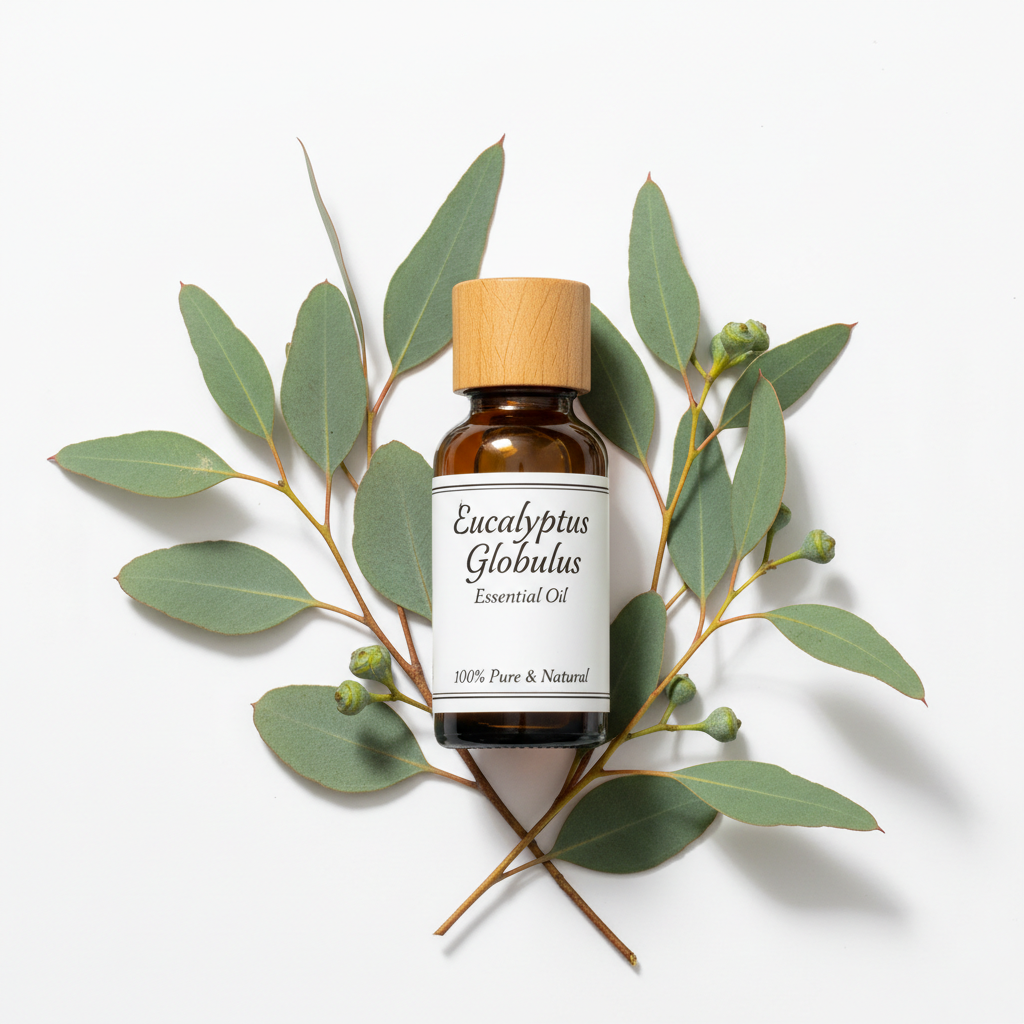
Eucalyptus Globulus Essential Oil
Eucalyptus globulus
### Eucalyptus Globulus Essential Oil: A Comprehensive Guide Eucalyptus Globulus essential oil, extracted from the leaves and twigs of the Eucalyptus tree (Eucalyptus globulus), is well-known for its refreshing and invigorating aroma. This potent essential oil is obtained through steam distillation, a method that preserves its therapeutic properties and aromatic qualities. The Eucalyptus tree, native to Australia, has been used for centuries in traditional medicine by Indigenous Australians, who utilized the leaves for their remarkable antiseptic and healing properties. #### Botanical Information Eucalyptus globulus belongs to the Myrtaceae family, which includes many aromatic plants. The tree can grow up to 60 meters tall and is characterized by its smooth bark and lance-shaped leaves that are rich in essential oils. The main chemical components of Eucalyptus Globulus essential oil are eucalyptol (roughly 70% concentration), alpha-pinene, and beta-pinene, contributing to its therapeutic effectiveness and distinctive scent. #### Therapeutic Properties and Benefits Eucalyptus essential oil is celebrated for its various health benefits: 1. **Respiratory Aid**: Known for aiding respiratory issues, eucalyptus oil helps clear airways and soothes coughs. Its expectorant properties make it ideal for relieving symptoms of colds or allergies. 2. **Antiseptic Qualities**: With powerful antibacterial properties, it can be used to cleanse minor cuts and wounds, promoting healing and preventing infections. 3. **Mental Clarity**: The invigorating scent is uplifting, often used in aromatherapy to enhance concentration and mental clarity, battling feelings of fatigue and lethargy. 4. **Stress Relief**: Eucalyptus oil can reduce stress, anxiety, and physical tension, promoting relaxation when diffused or added to bath water. 5. **Insect Repellent**: Its strong aroma repels common insects, making it beneficial when used in natural repellents for outdoor activities. 6. **Muscle Relief**: It can ease muscle pain and soreness due to its anti-inflammatory properties, often utilized in massage oils. 7. **Improved Circulation**: Regular use can enhance blood circulation, supporting overall vitality and wellness. #### Historical and Traditional Uses Historically, eucalyptus leaves were used by Indigenous Australians for their medicinal properties. Eucalyptus oil was also recognized by 19th-century surgeons for its ability to cleanse wounds and prevent infections during the Crimean War. Today, it continues to be integrated into modern medicine and alternative therapies. #### Aroma Profile and Characteristics The aroma of Eucalyptus Globulus essential oil is fresh, clean, and slightly sweet, with hints of woody and earthy notes. Its invigorating scent is often described as crisp and refreshing, making it a popular choice in aromatherapy and personal care products. #### Common Applications and Methods 1. **Aromatherapy**: Used in diffusers, eucalyptus oil can purify the air and energize the atmosphere. 2. **Topical Applications**: Diluted eucalyptus oil can be applied to the skin (always diluted in a carrier oil) to relieve muscle tension, soothe sore spots, and even cleanse minor cuts. 3. **Bath Soaks**: Added to bath water, it can transform your bathing experience, helping to relieve stress and muscle soreness. 4. **Household Cleaner**: Its antiseptic properties make it a popular ingredient in DIY cleaning products for a fresh scent and effective cleaning. #### Interesting Facts and Trivia - Eucalyptus trees are known to be fast-growing and can absorb vast amounts of carbon dioxide, promoting a healthier environment. - There are over 700 species of eucalyptus, but only a few are used for essential oil extraction. - Eucalyptus oil has made its way into various products, including candies, soaps, and even toothpaste, due to its antimicrobial properties. In conclusion, Eucalyptus Globulus essential oil is not only a popular choice for its invigorating aroma but also for its extensive range of health benefits. Incorporating this essential oil into your routine can enhance mental clarity, promote relaxation, and provide numerous therapeutic effects, making it a versatile addition to any essential oil collection.
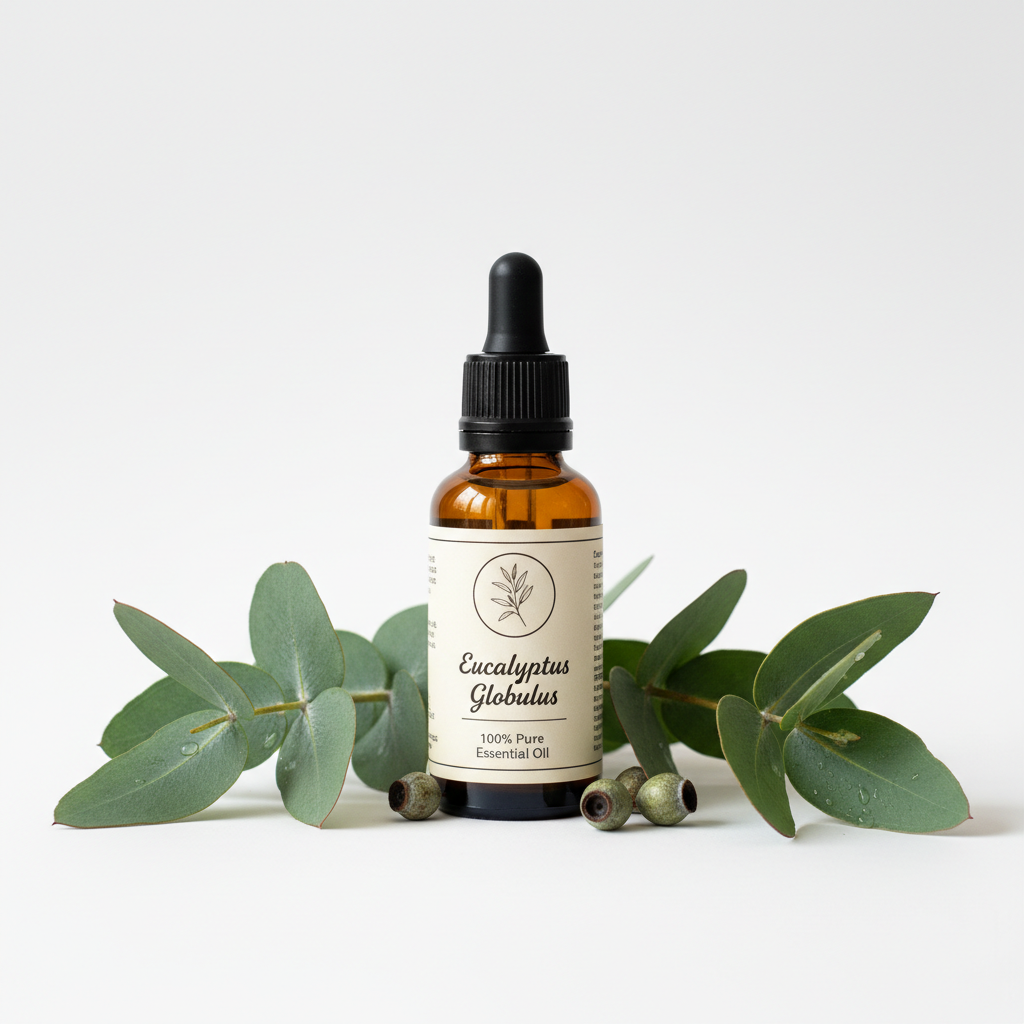
Eucalyptus Essential Oil
Eucalyptus globulus
Eucalyptus essential oil is a powerful and refreshing oil known for its wide range of therapeutic properties. This aromatic oil is extracted from the leaves of the eucalyptus tree, specifically from the species Eucalyptus globulus, which is native to Australia. The leaves are typically steam distilled to capture the pure essence of the plant, resulting in an oil that is both invigorating and beneficial for various health issues. ### Origin and Extraction Method The eucalyptus tree, often referred to as the "blue gum tree," thrives in warm climates and can grow up to 50 meters tall. The oil is extracted from fresh leaves through a process called steam distillation, where steam passes through the plant material, vaporizing the essential oil. Once cooled, the resulting liquid separates into water and oil, with the essential oil floating on top due to its lighter density. ### Botanical Information Eucalyptus is part of the Myrtaceae family and has over 700 species, but the most commonly used for essential oil production is the Eucalyptus globulus. This evergreen tree has a distinctive aroma, and its leaves contain a significant amount of cineole (also known as eucalyptol), which is responsible for many of its therapeutic properties. ### Therapeutic Properties and Benefits Eucalyptus essential oil is known for its impressive therapeutic attributes. It is often used in aromatherapy to promote respiratory health. The oil's expectorant properties help clear mucus and phlegm from the airways, making it particularly helpful for conditions such as colds, coughs, and sinusitis. Furthermore, the refreshing scent can help boost mental clarity and focus, making it an excellent oil for those needing an extra mental boost during stressful situations. In addition to respiratory benefits, eucalyptus oil has anti-inflammatory properties, which can soothe sore muscles and relieve tension when used in topical applications or massage blends. Many athletes and fitness enthusiasts incorporate it into their post-workout routines to promote muscle recovery. ### Historical and Traditional Uses Historically, eucalyptus has been used by Indigenous Australians for its healing properties. The leaves were used to treat wounds and fevers due to their antibacterial qualities. In traditional medicine, eucalyptus oil was often utilized for its analgesic (pain-relieving) and antipyretic (fever-reducing) effects. ### Scientific Facts and Research Research has shown that eucalyptus essential oil possesses antimicrobial properties, making it effective against certain bacteria and fungi. Scientific studies have also highlighted its potential benefits for respiratory health, showcasing its ability to improve lung function and reduce inflammation in the airways. As more research is conducted, the therapeutic applications of eucalyptus oil continue to expand, confirming its place as a staple in natural health remedies. ### Aroma Profile and Characteristics Eucalyptus essential oil has a fresh, medicinal, and slightly sweet aroma that invigorates the senses. The distinctive scent is often described as clean and crisp, resembling that of menthol, which can provide a cooling sensation when inhaled. ### Common Applications and Methods Eucalyptus oil can be used in various ways: - **Aromatherapy**: Diffuse a few drops in a diffuser to clean the air and promote respiratory health. - **Topical Use**: Dilute with a carrier oil (such as coconut or jojoba oil) for massage or to relieve muscle soreness. - **Bath Additive**: Add a few drops to bathwater for a refreshing, invigorating soak. - **Steam Inhalation**: Add a few drops to a bowl of hot water, cover your head with a towel, and inhale the steam for congestion relief. ### Interesting Facts and Trivia - The eucalyptus tree is not only valued for its oil; its wood is also used in construction and furniture making due to its durability. - Eucalyptus oil is a common ingredient in many over-the-counter cough and cold preparations. - In Australia, the leaves of the eucalyptus tree are the primary food source for koalas, which have an incredible ability to digest the tough eucalypt leaves. In conclusion, eucalyptus essential oil is a remarkable oil with a rich history and a variety of applications in health and wellness. Its benefits for respiratory health, combined with its invigorating aroma, make it a favorite among essential oil users. Whether you are new to essential oils or an experienced user, adding eucalyptus essential oil to your collection can enhance your natural health and well-being.