Search
Found 23 results for "pure"
Essential Oils
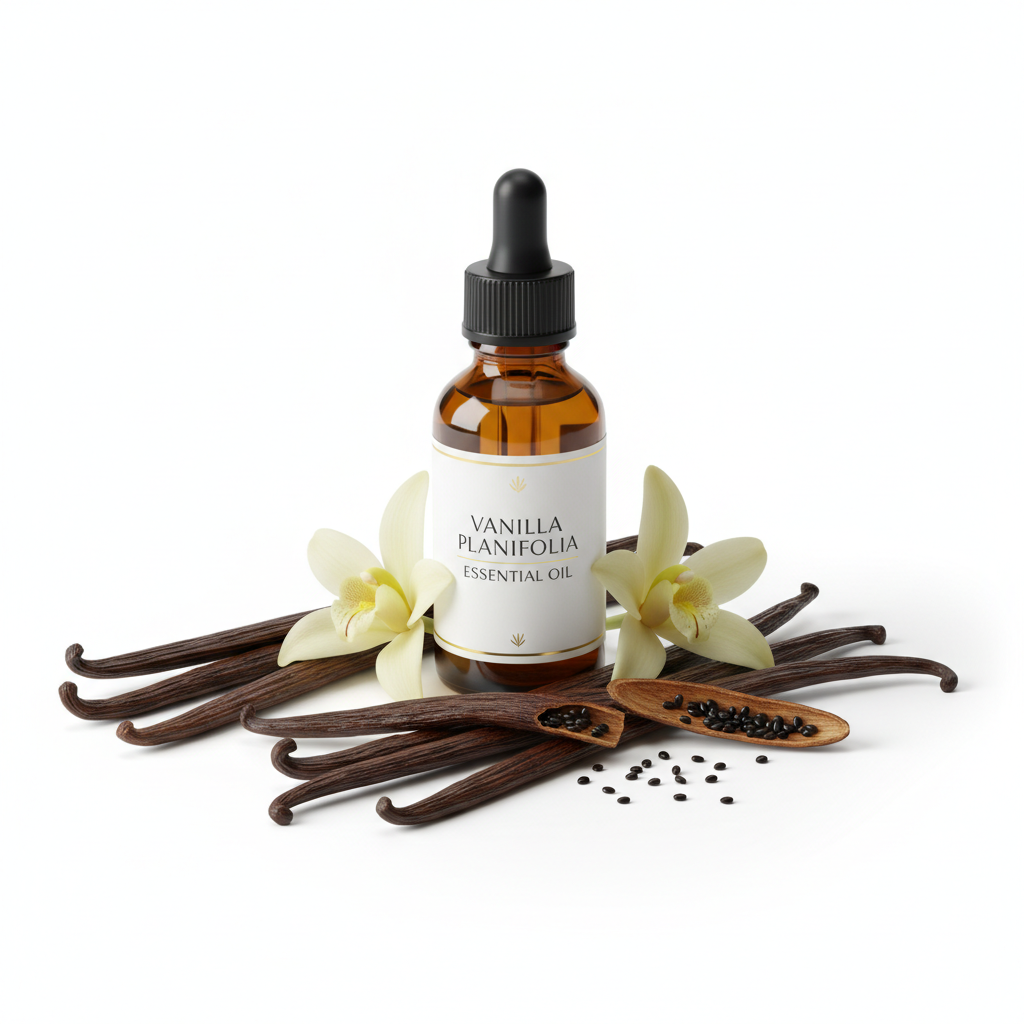
Vanilla Essential Oil
Vanilla planifolia
### Vanilla Essential Oil: An In-Depth Look at Its Properties and Uses Vanilla essential oil, derived from the fragrant pods of the *Vanilla planifolia* plant, has captured hearts and senses for centuries. This delightful oil originated in Mexico and has a storied history, both in culinary arts and traditional medicine. In this article, we will explore the origin, extraction methods, therapeutic properties, and diverse applications of vanilla essential oil. #### Origin and Extraction Method *Vanilla planifolia* is a tropical orchid native to Mexico, known for its beautiful flowers and pods that contain the precious vanilla beans. The extraction of vanilla essential oil primarily occurs through two methods: solvent extraction and carbon dioxide (CO2) extraction. Solvent extraction uses chemical solvents to separate the oil from the plant material, producing a thick, rich oil with the complete aromatic profile. CO2 extraction, on the other hand, utilizes high-pressure carbon dioxide to gently extract the oil, ensuring a pure and high-quality product without harmful residues. Both methods yield a warm, sweet aroma that evokes comfort and nostalgia, making vanilla oil a favorite in numerous applications. #### Botanical Information The *Vanilla planifolia* plant belongs to the family Orchidaceae and thrives in tropical climates. The botanical structure includes a long vine that can climb up to 30 meters. The plant blooms with exquisite, pale yellow flowers that bloom for just one day, requiring pollination to produce vanilla beans. Each pod is harvested and cured to develop the full spectrum of flavor and aroma associated with vanilla. This intricate process contributes to the oil's high value. #### Therapeutic Properties and Benefits Vanilla essential oil is treasured not just for its scent but also for its therapeutic effects. Here are some of its notable benefits: - **Promotes Relaxation:** The soothing aroma encourages a calming atmosphere, helping to ease stress and anxiety. Using vanilla in aromatherapy can lead to enhanced relaxation during practice or meditation. - **Enhances Mood:** The uplifting scent of vanilla oil can foster a sense of joy and optimism, making it a popular choice for those seeking emotional upliftment. - **Facilitates Emotional Healing:** Vanilla's calming properties can be beneficial for those dealing with grief or sadness, providing comfort during tough times. - **Encourages Self-Love:** Its warm scent is linked with boosting self-esteem and promoting feelings of worth and acceptance. - **Supports Mental Clarity:** Vanilla oil is said to help clear negative thoughts, promoting a positive outlook on life. - **Aids Digestive Health:** Traditionally used to alleviate digestive discomfort, vanilla essential oil can help reduce bloating and other digestive issues. - **Supports Respiratory Health:** The oil's soothing nature may ease respiratory irritations and coughs, making it useful in respiratory care. - **Enhances Sexual Wellness:** Vanilla is often recognized for its aphrodisiac properties that can enhance libido and intimacy between partners. - **Relieves Headaches:** The calming aroma can help reduce headache tension and promote overall headache relief. - **Moisturizes Skin:** Vanilla essential oil is known for its hydrating properties, making it an excellent addition to skincare routines for improved skin elasticity. #### Historical and Traditional Uses Historically, vanilla has been used for centuries in various cultures. The Aztecs utilized vanilla not only for its flavor but also as an aphrodisiac and medicinal agent. In the 16th century, Spanish conquistadors brought vanilla to Europe, where it soon gained popularity. It became a staple for both culinary creations and perfumery, thus cementing its status as a valued commodity. #### Aroma Profile and Characteristics The aroma of vanilla essential oil is sweet, warm, and inviting. Its fragrance is often described as comforting, with hints of creamy tones, making it versatile for myriad applications—from perfumes to cooking. When diffused, vanilla creates a cozy environment, perfect for relaxation. #### Common Applications and Methods Vanilla essential oil can be used in various ways: - **Aromatherapy:** Add a few drops to a diffuser for a relaxing atmosphere. - **Skincare:** Dilute with a carrier oil and use in massages or facial treatments. - **Culinary Uses:** Incorporate into baked goods, desserts, or beverages for a gourmet touch. - **Bathing Products:** Add to baths for a luxurious and calming experience. #### Interesting Facts and Trivia - Vanilla is the second most expensive spice after saffron due to its labor-intensive cultivation. - The process of curing vanilla beans can take several months, during which their rich flavor develops. - Vanilla is frequently used in perfumes to create warm, inviting fragrances beloved worldwide. ### Conclusion Vanilla essential oil is more than just a delightful scent. Its diverse range of therapeutic properties makes it an invaluable addition to aromatherapy and wellness routines. Whether used in self-care practices, culinary explorations, or simply to enhance the atmosphere of a space, vanilla essential oil remains a timeless favorite.
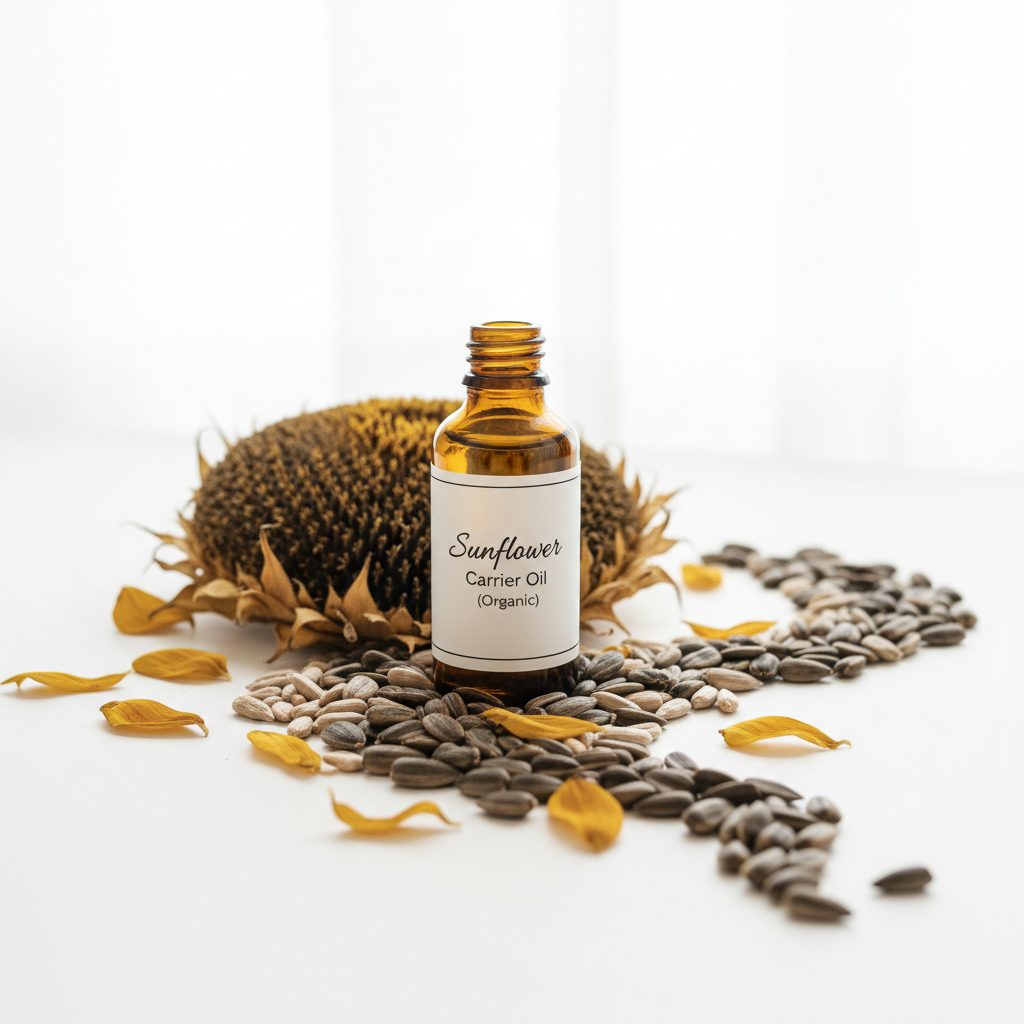
Sunflower Carrier Oil
Helianthus annuus
### Sunflower Carrier Oil: A Comprehensive Guide to Benefits and Uses #### Origin and Extraction Method Sunflower Carrier Oil is extracted from the seeds of the **Helianthus annuus** plant using the cold-press method. This means the seeds are mechanically pressed to extract the oil without the use of harmful chemicals or excessive heat, which allows the oil to retain its beneficial properties. Sunflower oil is predominantly cultivated in regions with abundant sunlight, such as North America, Europe, and parts of Africa, ensuring a high-quality extract that is both pure and sustainable. #### Botanical Information The **Helianthus annuus** is a flowering plant known commonly as the sunflower. This cheerful yellow flower is not only prized for its beauty but also for its oil-rich seeds. Sunflowers flourish in sunny environments, showcasing their sunny disposition suggestive of the health benefits they offer. The seeds are harvested and processed to yield the oil, which is characterized by its light texture and pale yellow color. #### Therapeutic Properties and Benefits Sunflower Carrier Oil is celebrated for its numerous therapeutic properties: - **Emollient:** It is highly moisturizing, making it ideal for dry skin. - **High in Vitamins:** Rich in Vitamin E, it provides antioxidant protection, promotes skin health, and aids in healing. - **Anti-inflammatory:** This oil can help reduce inflammation and is suitable for sensitive skin types. - **Rich in Fatty Acids:** Its high linoleic acid content supports skin barrier function and retains moisture, crucial for maintaining skin hydration. #### Historical and Traditional Uses Historically, Sunflower Carrier Oil has been cherished since ancient times. Indigenous cultures in North America and Europe utilized its benefits for both culinary and medicinal purposes. It was often used in traditional cooking and as a remedy for various ailments. In herbal medicine practices, it has been employed topically to soothe skin irritations and improve overall skin health. #### Scientific Facts and Research Research has shown that Sunflower Oil’s high linoleic acid content can improve atopic dermatitis, providing relief from scaly and itchy skin. Its Vitamin E content also plays a crucial role in reducing the appearance of scars and stretch marks. Various studies highlight its effectiveness as a barrier oil that helps protect the skin against environmental stressors. #### Aroma Profile and Characteristics With a light, neutral scent, Sunflower Carrier Oil does not overpower essential oils, making it an excellent carrier for aromatherapy. Its versatility allows it to blend seamlessly with a variety of essential oils, enhancing their properties without altering their aroma profiles. This makes it a go-to choice for creating your personalized essential oil blends. #### Common Applications and Methods Sunflower Carrier Oil can be used in a variety of ways: - **Massage Oil:** Combining it with essential oils can facilitate relaxation and stress relief. - **Cosmetic Applications:** It is frequently utilized in lotions, creams, and hair products to enhance hydration and shine. - **Aromatherapy Blends:** A perfect addition to synergy blends to promote emotional balance and uplift mood. When used in diffusers or added to bathwater, it enhances the overall experience of the aromatherapy session. - **Culinary Uses:** Aside from its cosmetic benefits, organic sunflower oil is also a popular cooking oil due to its light flavor and high smoke point, ideal for frying or sautéing. #### Interesting Facts and Trivia - Sunflowers were cultivated by Native Americans as early as 3000 B.C. for their nutritious seeds and oil. - The seeds contain essential fatty acids that are vital for overall health, making the oil beneficial not only for topical applications but also as a part of a balanced diet. - In ancient cultures, sunflower oil was revered as a source of light and health, symbolizing warmth and nourishment. In conclusion, **Sunflower Carrier Oil** is a versatile, nutritious oil that supports both health and beauty. Whether used in cooking, cosmetic preparations, or aromatherapy, it is a powerful ally in promoting wellness. With its rich history and myriad benefits, sunflower oil continues to be cherished and embraced in various cultures worldwide.
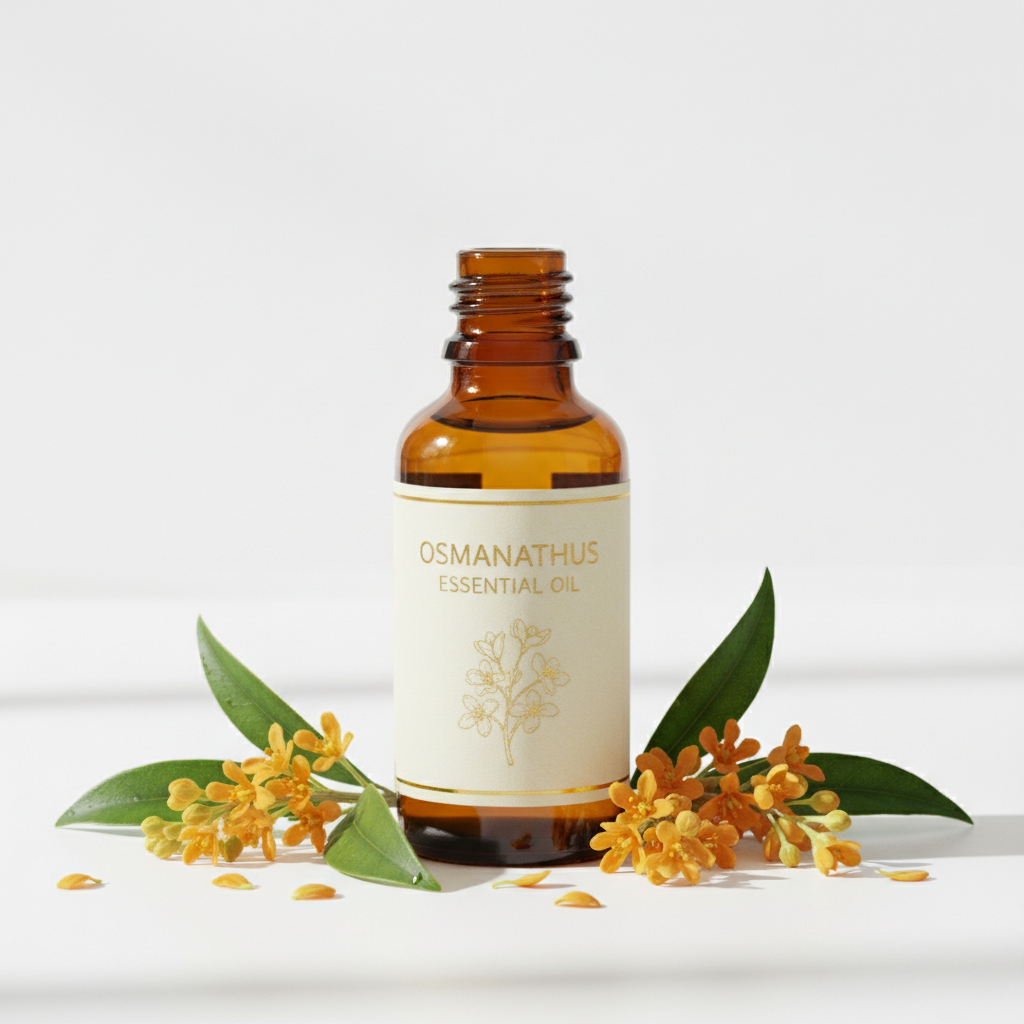
Osmanthus Essential Oil
Osmanthus fragrans
### Introduction to Osmanthus Essential Oil Osmanthus essential oil, derived from the delicate flowers of *Osmanthus fragrans*, is a cherished treasure in aromatherapy and perfumery. Native to Asia, particularly China, this flowering plant boasts a sweet, floral scent that evokes the aroma of apricots and is highly regarded for its therapeutic benefits. The oil is primarily extracted through a method known as steam distillation, a technique that preserves the oil's intoxicating fragrance and beneficial properties, making it a popular choice among essential oil enthusiasts. ### Origin and Extraction Method Osmanthus essential oil is obtained from the small, fragrant flowers of the *Osmanthus fragrans* plant. This plant thrives in subtropical climates and is celebrated for its beauty and fragrance in gardens and parks. The extraction process involves steam distillation, a gentle method that uses steam to vaporize the essential oils, which are then condensed back into liquid form. This method not only captures the oil's aromatic profile but also retains its beneficial compounds, making it both potent and pure. ### Botanical Information *Osmanthus fragrans* is a flowering shrub in the olive family, Oleaceae. The plant can reach a height of 3 to 10 meters and blooms in clusters of small, creamy-white to yellow flowers, typically from late summer to autumn. The flowers are the primary source of the essential oil, and they are often harvested during peak blooming periods to ensure maximum potency and fragrance. ### Therapeutic Properties and Benefits The therapeutic properties of osmanthus essential oil are extensive, making it a versatile addition to holistic health and wellness practices. Its benefits include: - **Emotional Balance**: The soothing scent of osmanthus can enhance mood, alleviate stress, and promote feelings of joy. - **Romantic Enhancement**: Often linked to romantic settings, the floral aroma is known to stimulate emotional connections and improve intimacy. - **Mindfulness**: The calming properties encourage a meditative state, helping users to focus and attain clarity. - **Skin Hydration**: With moisturizing qualities, the essential oil can provide nourishment to the skin, leaving it soft and supple. - **Minor Skin Irritation Relief**: Due to its anti-inflammatory nature, osmanthus oil can reduce redness and soothe minor skin irritations. - **Respiratory Support**: The oil may aid in easing breathing difficulties through its comforting aroma. - **Menstrual Discomfort Relief**: Its analgesic properties can help ease menstrual cramping and discomfort. - **Natural Deodorizer**: The pleasant scent serves as an effective deodorizer, neutralizing unpleasant odors in the environment. ### Historical and Traditional Uses Historically, osmanthus has been revered in Chinese culture as a symbol of love and beauty. The flowers have been used in traditional teas and culinary dishes, along with their inclusion in perfumes. In ancient Chinese literature, osmanthus is often associated with sweetness and romantic themes, making it a popular gift during the Moon Festival, symbolizing reunion and harmony. ### Scientific Facts and Research Recent studies have explored the essential oil's potential health benefits, particularly focusing on its antidepressant and anxiolytic (anxiety-reducing) effects. Research indicates that inhaling osmanthus essential oil may lead to a decrease in anxiety levels, highlighting its usefulness in aromatherapy practices. Its antioxidant properties also suggest potential skin benefits, fostering a deeper interest in its application in skincare formulations. ### Aroma Profile and Characteristics The aroma profile of osmanthus essential oil is complex and captivating. It is characterized by a sweet, floral fragrance intertwined with fruity and honey-like notes. This rich scent can elevate the ambiance of any space, making it a favorite for diffusers and personal fragrances alike. The uplifting notes are appreciated in both personal and commercial products, from candles to skincare lines. ### Common Applications and Methods Osmanthus essential oil can be used in various ways: - **Aromatherapy Diffusion**: Add a few drops to a diffuser to fill your space with its uplifting aroma and reap its emotional benefits. - **Topical Application**: Dilute with a carrier oil and apply to the skin for moisturizing and soothing effects. - **Bath Additive**: Add to bathwater for a luxurious and fragrant experience that can enhance both mind and body relaxation. - **Natural Perfume**: Use it in custom fragrance blends to add depth and sweetness. ### Interesting Facts and Trivia - The name “osmanthus” comes from the Greek words ‘osme’ meaning fragrance and ‘anthos’ meaning flower. - Osmanthus flowers bloom in late summer and can remain fragrant even after they fall from the tree. - This oil is often included in high-end perfumes due to its unique and alluring scent. ### Conclusion Osmanthus essential oil is not just a beautiful fragrance; it's a powerful tool for emotional and physical well-being. Incorporating this oil into your daily routine can enhance mood, support skin health, and promote relaxation, making it a worthy addition to any essential oil collection.
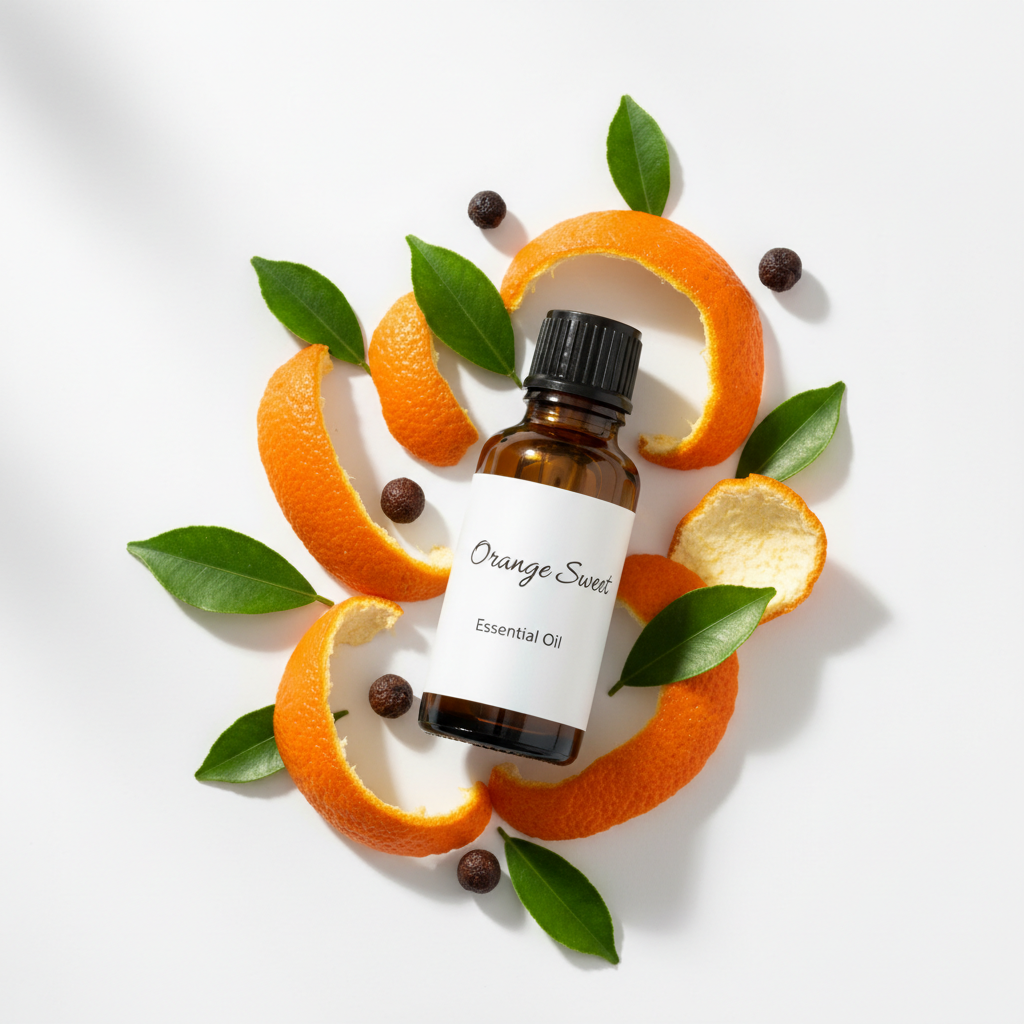
Orange Sweet Essential Oil
Citrus sinensis
**Orange Sweet Essential Oil: Comprehensive Guide** Orange Sweet Essential Oil, scientifically known as Citrus sinensis, provides both a captivating aroma and numerous therapeutic benefits. Extracted primarily through the cold pressing of orange peels, this essential oil captures the vibrant essence of the fruit, ensuring that its uplifting properties are maintained without the degradation that heat can cause. ### Origin and Extraction Method The Zest of Citrus sinensis has been appreciated since ancient times, with origins tracing back to Southeast Asia. The oil is extracted using a process known as cold pressing, where the outer peel of the orange is mechanically pressed to release the oil. This method is preferred as it preserves the essential nutrients and aromatic compounds, providing a pure and potent oil. ### Botanical Information Citrus sinensis is a species of orange tree that belongs to the Rutaceae family. This evergreen tree can reach heights of up to 30 feet and is characterized by glossy, dark green leaves and fragrant white flowers. The fruit is cultivated worldwide, contributing not only to the essential oil industry, but also to the culinary and beverage industries. ### Therapeutic Properties and Benefits Orange Sweet Essential Oil is revered for its impressive array of therapeutic properties. Here are some of its key benefits: - **Mood Enhancer**: The sweet, tangy scent is widely recognized for its ability to uplift spirits and promote feelings of happiness and joy. - **Calming Effects**: Incorporating this oil into your routine can help alleviate stress and anxiety, fostering a peaceful atmosphere conducive to relaxation. - **Mood Stabilizer**: Known for its potential to balance emotions, the oil can be particularly beneficial for those experiencing mood swings. - **Energizing Properties**: The bright aroma is invigorating, enhancing focus and concentration, making it an excellent companion for work or study sessions. - **Comforting Presence**: Many find solace in the warm scent during challenging times, utilizing it in diffusers or personal care products for added comfort. - **Physical Benefits**: Orange oil is also credited with improving circulation, easing muscle tension, and supporting detoxification processes in the body. ### Historical and Traditional Uses Historically, Orange Sweet Essential Oil has been utilized not only for its fragrance but also for its medicinal properties. Ancient cultures valued the oil for purification and were known to use it in ceremonial rituals. In traditional remedies, it was employed to combat various ailments, ranging from digestive issues to mental fatigue. ### Aroma Profile and Characteristics The aroma of Orange Sweet Essential Oil is distinctly fresh and fruity, often associated with feelings of warmth and cheer. Its natural sweetness can be likened to biting into a juicy orange, making it a delightful scent for both personal enjoyment and holistic applications. ### Common Applications and Methods Orange Sweet Essential Oil can be used in various ways, including: - **Aromatherapy**: Using a diffuser, the oil can be dispersed throughout the room, creating an uplifting space. - **Topical Application**: When diluted with a carrier oil, it can be applied to the skin to enhance mood during massages. - **Natural Cleaning**: Its antibacterial properties make it effective in homemade cleaning products. - **Culinary Uses**: The oil is also used in cooking and baking, adding a unique citrus flavor to dishes. ### Interesting Facts and Trivia - **Cultural Significance**: In some cultures, the orange tree is considered a symbol of prosperity and good luck. - **Versatile Use**: It is one of the most popular essential oils used in perfumes and cosmetics due to its appealing fragrance. - **Mood-Boosting Science**: Studies suggest that citrus scents can help reduce feelings of stress and promote a general sense of well-being. In conclusion, Orange Sweet Essential Oil is not only a fragrant addition to any home but also serves as a powerful tool for enhancing emotional and physical well-being. Whether used in aromatherapy or personal care, its benefits extend far beyond its delightful scent.
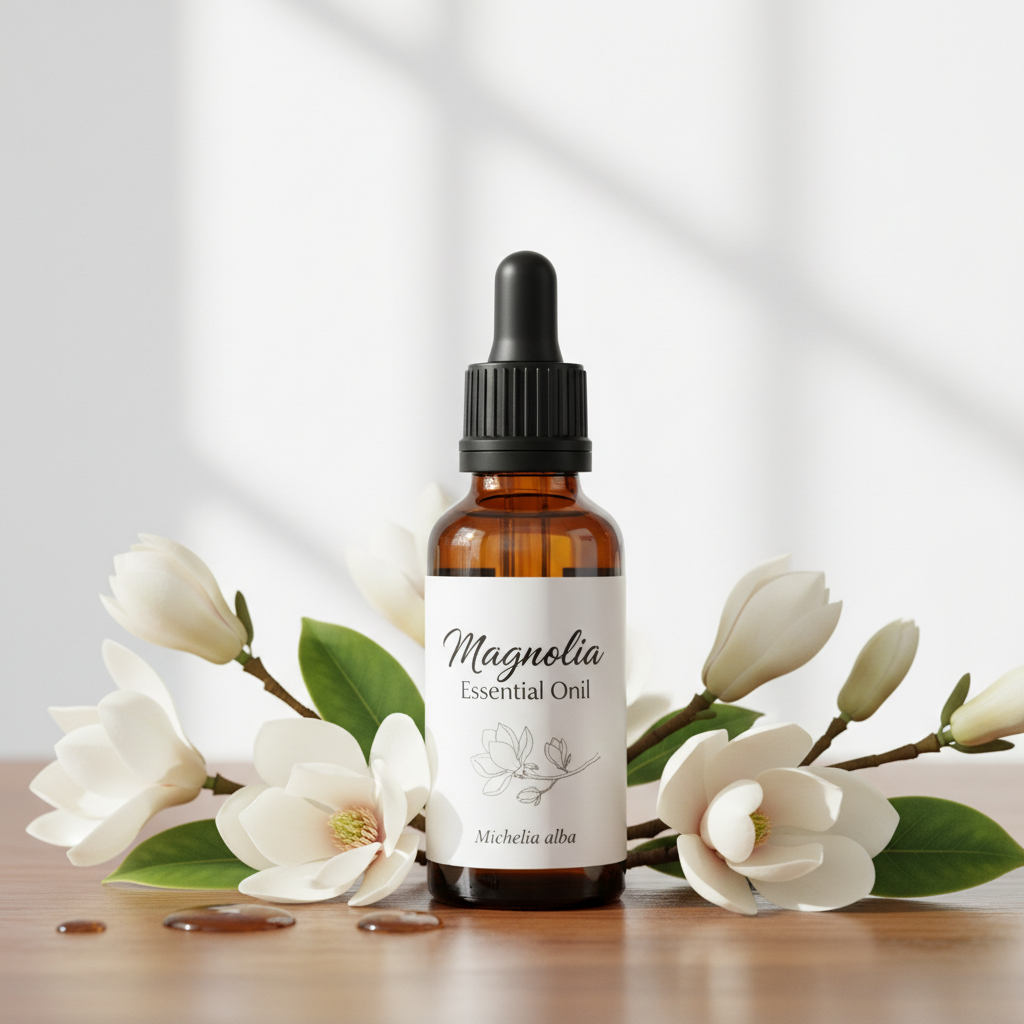
Magnolia Essential Oil
Michelia alba
**Magnolia Essential Oil: Comprehensive Guide** **Origin and Extraction Method** Magnolia essential oil is derived from the delicate flowers of the *Michelia alba* tree, commonly known as the white magnolia. This tree is native to Southeast Asia, particularly China, where it holds a significant place in traditional medicine. The extraction of magnolia oil is primarily performed through steam distillation, a method that captures the fragrant compounds of the flowers while preserving their therapeutic properties. The result is a pure, high-quality essential oil that embodies the rich, floral aroma of the magnolia blossom. **Botanical Information** The magnolia tree belongs to the Magnoliaceae family, which encompasses over 200 species. *Michelia alba* is particularly prized for its large, fragrant, creamy-white flowers that bloom in the spring. The flowers are often harvested in the early morning to ensure maximum potency of fragrance. Magnolia is not only loved for its ornamental beauty but is also cultivated for its essential oil, which has numerous health benefits. **Therapeutic Properties and Benefits** The therapeutic properties of magnolia essential oil are extensive. This oil is known for its powerful calming and soothing effects on the mind and body. Some of the key benefits include: - **Stress Reduction:** Magnolia oil helps alleviate stress and anxiety, making it a popular choice for aromatherapy. Its soothing aroma promotes relaxation and a sense of tranquility, ideal after a busy day. - **Emotional Support:** It enhances mood and encourages positive emotional states, providing comfort during challenging times. Many individuals use it to help ground themselves during meditation, promoting mindfulness and spiritual connection. - **Physical Wellness:** This essential oil also supports physical wellness, known for assisting with headaches and tension headaches, particularly those related to stress. - **Respiratory Health:** Magnolia essential oil may ease respiratory discomfort; its properties can help relieve tension in the airways, supporting more effective breathing. - **Menstrual Comfort:** Women also find it beneficial for alleviating menstrual discomfort, promoting overall reproductive health. **Historical and Traditional Uses** Magnolia has a long history of use in traditional Chinese medicine, where it has been used to treat various ailments, including digestive issues, respiratory problems, and stress-related conditions. Its calming properties are believed to promote emotional balance, making it a favored oil for supporting mental health. Ancient cultures also utilized magnolia in spiritual practices, where its scent was thought to foster a sense of peace and clarity. **Scientific Facts and Research** Recent studies into magnolia essential oil have uncovered its potential health benefits, particularly in stress reduction and emotional healing. Components such as honokiol and magnolol found in magnolia oil have been linked to anti-anxiety effects, supporting its use in aromatherapy and holistic wellness. These compounds exhibit calming effects on the nervous system, and research suggests that inhaling the aroma may help reduce levels of the stress hormone cortisol. **Aroma Profile and Characteristics** The aroma of magnolia essential oil is often described as sweet, floral, and exotic, with a hint of earthiness. This distinctive scent is uplifting and refreshing, making it popular in perfumes and cosmetics as well as in diffusers for creating a serene atmosphere. The essential oil can also be blended with other oils such as sandalwood, bergamot, and jasmine to create unique fragrance blends that enhance its calming properties. **Common Applications and Methods** Magnolia essential oil can be utilized in several ways: - **Aromatherapy:** Use in a diffuser to fill your living space with its calming aroma. - **Topical Application:** Dilute with a carrier oil and apply on pulse points for its therapeutic benefits. - **Bathing:** Add a few drops to a warm bath to enhance relaxation and relieve tension. - **Massage:** Incorporate into massage blends for added benefits to emotional well-being and stress relief. **Interesting Facts and Trivia** - Magnolia oil is often considered a symbol of purity and nobility. - The magnolia flower is one of the oldest flowering plants, with fossils dating back around 95 million years. - In traditional Asian culture, the magnolia flower is revered as a symbol of dignity and perseverance. In conclusion, magnolia essential oil not only enhances emotional well-being but also contributes to physical health. Its rich history, combined with modern research supporting its benefits, makes it a powerful addition to anyone’s essential oil collection. Embrace the calming and healing properties of magnolia oil and discover its place in your wellness routine.
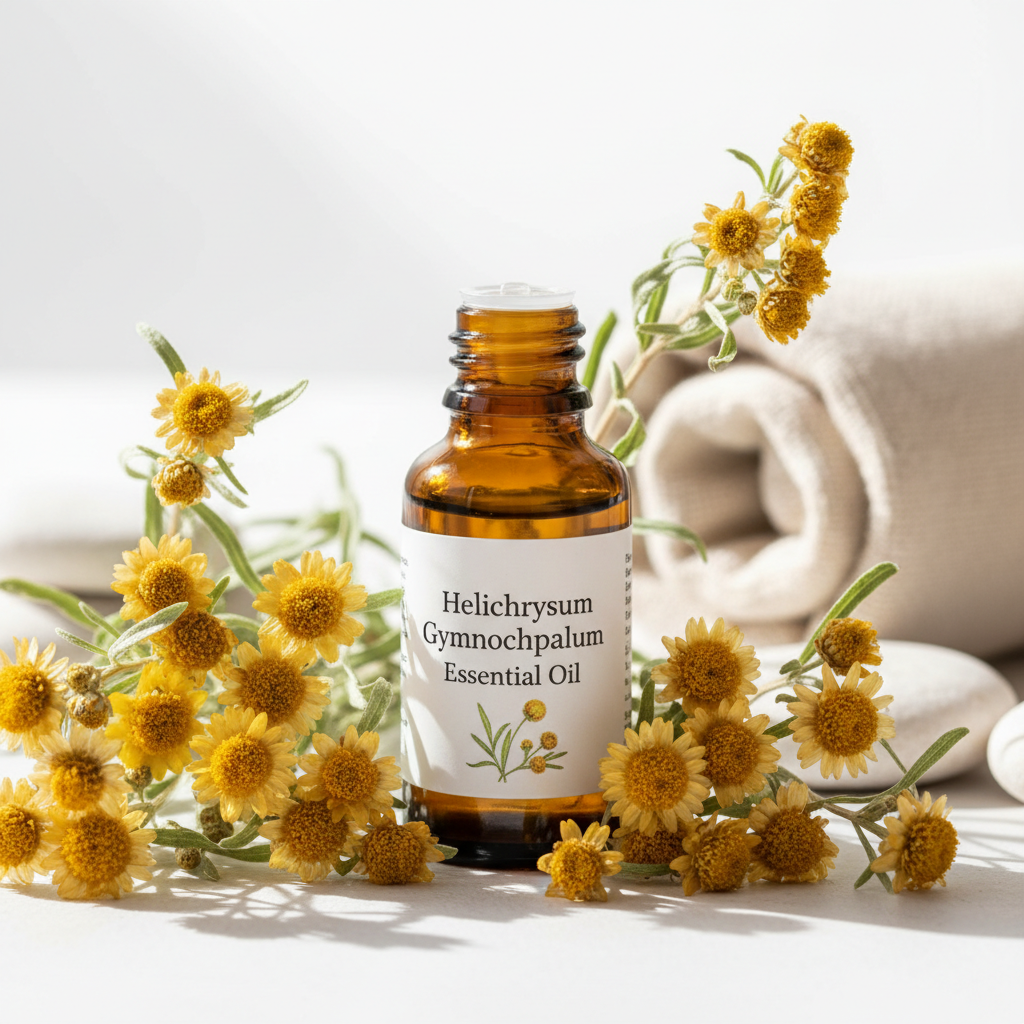
Helichrysum Gymnocephalum Essential Oil
Helichrysum gymnocephalum
### Introduction to Helichrysum Gymnocephalum Essential Oil Helichrysum Gymnocephalum essential oil is derived from the vibrant flowers and leaves of the Helichrysum gymnocephalum plant. This plant is predominantly found in several regions of Africa, especially in Madagascar and the Comoros Islands. Known for its remarkable aromatic qualities and therapeutic benefits, this essential oil is gaining popularity in aromatherapy and holistic health practices. ### Origin and Extraction Method The extraction of Helichrysum Gymnocephalum essential oil is achieved through steam distillation, a method that ensures the preservation of its potent attributes and unique scent profile. This process involves passing steam through the plant material, which vaporizes the volatile compounds that are then condensed back into liquid form. The result is a pure, high-quality essential oil that retains the essence of the Helichrysum gymnocephalum plant. ### Botanical Information Helichrysum gymnocephalum belongs to the Asteraceae family, commonly known as the daisy family. It is characterized by its yellow flowers and distinct leaves that are similar to other species within the Helichrysum genus. Botanically, the plant is valued not just for its oil but for its beautiful appearance, often attracting pollinators and contributing to local ecosystems. ### Therapeutic Properties and Benefits Helichrysum Gymnocephalum essential oil is renowned for its diverse therapeutic properties: - **Anti-inflammatory:** The oil possesses strong anti-inflammatory effects, making it beneficial for soothing skin irritations, reducing redness, and alleviating discomfort. - **Antimicrobial:** It has been shown to combat various pathogens, helping to purify the skin and promote healing. - **Emotionally Balancing:** The oil is revered for enhancing emotional well-being. It promotes relaxation, eases stress, and can be extremely helpful in meditation practices. - **Skin Rejuvenation:** Due to its regenerative properties, it is effective in reducing the appearance of scars, stretch marks, and blemishes, leading to healthier-looking skin overall. ### Historical and Traditional Uses Historically, cultures in Africa have utilized Helichrysum Gymnocephalum not only for its aromatic properties but also as a traditional medicine. It has been used to treat various ailments, including respiratory issues and skin conditions. The oil’s calming aroma has also made it a staple in spiritual practices, where it is used to center the mind and promote clarity. ### Scientific Facts and Research Recent studies highlight the potency of Helichrysum Gymnocephalum essential oil. Research indicates that its compounds may possess antioxidant properties, helping to protect the skin from environmental damage. More studies are underway to confirm and expand upon these findings, underscoring the oil’s potential as a significant natural remedy. ### Aroma Profile and Characteristics The aroma of Helichrysum Gymnocephalum essential oil is rich, warm, and subtly sweet, embodying a floral yet earthy profile. It is often described as being invigorating and calming at the same time, making it a versatile choice for various applications in aromatherapy. ### Common Applications and Methods Helichrysum Gymnocephalum essential oil can be used in numerous ways: - **Aromatherapy Diffusion:** Add a few drops to a diffuser to create a calming ambiance. - **Topical Application:** Dilute with a carrier oil (like jojoba or coconut oil) and apply directly to areas of concern on the skin. - **Massage Therapy:** Incorporating this oil into massages can promote relaxation and enhance emotional well-being. ### Interesting Facts and Trivia - Helichrysum Gymnocephalum is sometimes referred to as the "everlasting" flower due to its long-lasting blooms and potent essential oil. - This essential oil has gained traction in the cosmetics industry due to its skin-enhancing properties, appearing in various skincare formulations. - The rich tradition surrounding Helichrysum Gymnocephalum essential oil reflects the deep connection between nature and cultural practices in Africa, highlighting its importance beyond mere utility. ### Conclusion Helichrysum Gymnocephalum essential oil is a powerful addition to the world of essential oils, renowned for its therapeutic benefits, aromatic qualities, and rich historical significance. Whether used for emotional balance, skin health, or spiritual practices, its versatility makes it a must-have in any essential oil collection.