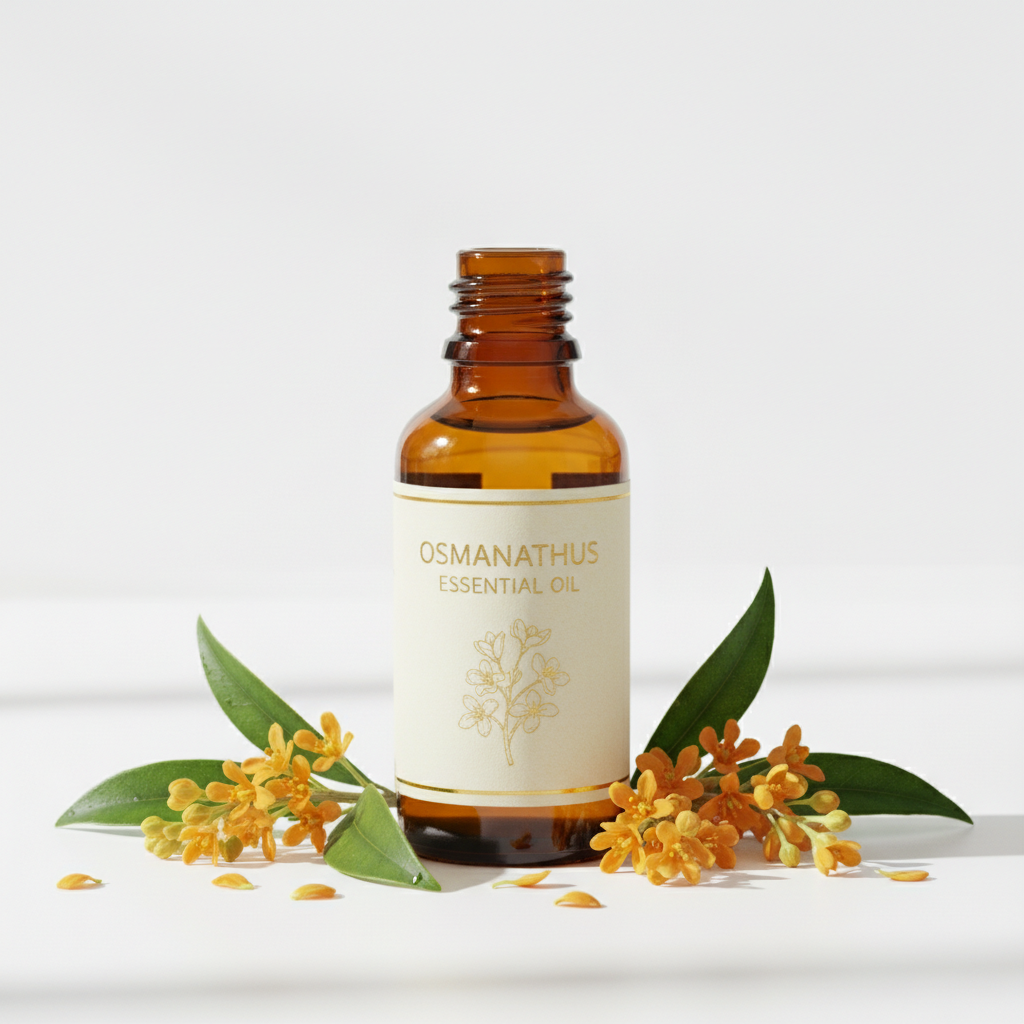
Osmanthus Essential Oil
Osmanthus fragrans
Plant Source
Flowers
Scent Family
Floral
"Discover the enchanting benefits of Osmanthus essential oil, from mood enhancement to skin hydration. Learn about its origins, uses, and therapeutic properties."
Introduction to Osmanthus Essential Oil
Osmanthus essential oil, derived from the delicate flowers of Osmanthus fragrans, is a cherished treasure in aromatherapy and perfumery. Native to Asia, particularly China, this flowering plant boasts a sweet, floral scent that evokes the aroma of apricots and is highly regarded for its therapeutic benefits. The oil is primarily extracted through a method known as steam distillation, a technique that preserves the oil's intoxicating fragrance and beneficial properties, making it a popular choice among essential oil enthusiasts.
Origin and Extraction Method
Osmanthus essential oil is obtained from the small, fragrant flowers of the Osmanthus fragrans plant. This plant thrives in subtropical climates and is celebrated for its beauty and fragrance in gardens and parks. The extraction process involves steam distillation, a gentle method that uses steam to vaporize the essential oils, which are then condensed back into liquid form. This method not only captures the oil's aromatic profile but also retains its beneficial compounds, making it both potent and pure.
Botanical Information
Osmanthus fragrans is a flowering shrub in the olive family, Oleaceae. The plant can reach a height of 3 to 10 meters and blooms in clusters of small, creamy-white to yellow flowers, typically from late summer to autumn. The flowers are the primary source of the essential oil, and they are often harvested during peak blooming periods to ensure maximum potency and fragrance.
Therapeutic Properties and Benefits
The therapeutic properties of osmanthus essential oil are extensive, making it a versatile addition to holistic health and wellness practices. Its benefits include:
- Emotional Balance: The soothing scent of osmanthus can enhance mood, alleviate stress, and promote feelings of joy.
- Romantic Enhancement: Often linked to romantic settings, the floral aroma is known to stimulate emotional connections and improve intimacy.
- Mindfulness: The calming properties encourage a meditative state, helping users to focus and attain clarity.
- Skin Hydration: With moisturizing qualities, the essential oil can provide nourishment to the skin, leaving it soft and supple.
- Minor Skin Irritation Relief: Due to its anti-inflammatory nature, osmanthus oil can reduce redness and soothe minor skin irritations.
- Respiratory Support: The oil may aid in easing breathing difficulties through its comforting aroma.
- Menstrual Discomfort Relief: Its analgesic properties can help ease menstrual cramping and discomfort.
- Natural Deodorizer: The pleasant scent serves as an effective deodorizer, neutralizing unpleasant odors in the environment.
Historical and Traditional Uses
Historically, osmanthus has been revered in Chinese culture as a symbol of love and beauty. The flowers have been used in traditional teas and culinary dishes, along with their inclusion in perfumes. In ancient Chinese literature, osmanthus is often associated with sweetness and romantic themes, making it a popular gift during the Moon Festival, symbolizing reunion and harmony.
Scientific Facts and Research
Recent studies have explored the essential oil's potential health benefits, particularly focusing on its antidepressant and anxiolytic (anxiety-reducing) effects. Research indicates that inhaling osmanthus essential oil may lead to a decrease in anxiety levels, highlighting its usefulness in aromatherapy practices. Its antioxidant properties also suggest potential skin benefits, fostering a deeper interest in its application in skincare formulations.
Aroma Profile and Characteristics
The aroma profile of osmanthus essential oil is complex and captivating. It is characterized by a sweet, floral fragrance intertwined with fruity and honey-like notes. This rich scent can elevate the ambiance of any space, making it a favorite for diffusers and personal fragrances alike. The uplifting notes are appreciated in both personal and commercial products, from candles to skincare lines.
Common Applications and Methods
Osmanthus essential oil can be used in various ways:
- Aromatherapy Diffusion: Add a few drops to a diffuser to fill your space with its uplifting aroma and reap its emotional benefits.
- Topical Application: Dilute with a carrier oil and apply to the skin for moisturizing and soothing effects.
- Bath Additive: Add to bathwater for a luxurious and fragrant experience that can enhance both mind and body relaxation.
- Natural Perfume: Use it in custom fragrance blends to add depth and sweetness.
Interesting Facts and Trivia
- The name “osmanthus” comes from the Greek words ‘osme’ meaning fragrance and ‘anthos’ meaning flower.
- Osmanthus flowers bloom in late summer and can remain fragrant even after they fall from the tree.
- This oil is often included in high-end perfumes due to its unique and alluring scent.
Conclusion
Osmanthus essential oil is not just a beautiful fragrance; it's a powerful tool for emotional and physical well-being. Incorporating this oil into your daily routine can enhance mood, support skin health, and promote relaxation, making it a worthy addition to any essential oil collection.
Ask AI About Osmanthus Essential Oil
Get instant answers about this essential oil
Benefits & Uses
- Promotes emotional balance: Can enhance mood and relieve stress, creating a calming atmosphere.
- Uplifting: The sweet aroma can uplift spirits and invoke feelings of joy and happiness.
- Supports romance: The floral scent is often associated with love and romance, enhancing emotional connections.
- Reduces feelings of sadness: Helps to alleviate feelings of melancholy and promote a sense of contentment.
- Encourages mindfulness: The aroma encourages a meditative state, enhancing focus and clarity.
- Enhances skin hydration: Provides moisture and nourishment to the skin, making it feel soft and supple.
- Soothes minor skin irritations: Helps alleviate redness or discomfort due to its anti-inflammatory properties.
- May ease symptoms of respiratory issues: Aids in better breathing through its soothing scent.
- Helps in alleviating menstrual discomfort: May provide relief during menstrual cramps due to its analgesic effects.
- Acts as a natural deodorizer: The pleasant scent can help neutralize unpleasant odors.
- Facial oil: Used as part of a facial blend to enhance hydration and provide a radiant glow.
- Anti-aging serum: Actively incorporated into serums to reduce the appearance of wrinkles and fine lines.
- Soothing balm: Can be added to balms for calming red and irritated skin.
- Perfumed lotion: Infuses body lotions with a captivating scent while adding moisturizer.
- Natural air freshener: Used in diffusers or room sprays to create an inviting ambiance.
- Scented sachets: Can be used in homemade sachets to scent drawers and closets.
- Cleaning products: Infused in natural cleaning solutions to provide a pleasant fragrance while cleaning.
- Candles: Complement other essential oils in homemade candles for a luxurious scent.
How to Use
Diffuser
For a small room, use 3-5 drops; for a medium room, 5-8 drops; and for a large room, 8-12 drops. Diffuse for 30-60 minutes at a time, up to 2-3 times daily. Mornings can be for energizing, while evenings for relaxation.
Topical
Adult dilution 2-3% (12-18 drops per ounce of carrier), Children 0.5-1% (3-6 drops per ounce), Elderly 1-2% (6-12 drops per ounce). Use carrier oils such as jojoba or sweet almond. Apply to pulse points or as needed, massaging gently for enhanced absorption, waiting 30 minutes post-application.
Inhalation
For direct inhalation, place 1-2 drops on a tissue and breathe in; for steam inhalation, place 2-3 drops in hot water, covering your head with a towel for 5-10 minutes. For a personal inhaler, add 5-10 drops to the wick of an inhaler and use as needed.
Safety & Precautions
Perform a patch test to check for allergic reactions before topical use. Photosensitivity is a risk; avoid sun exposure after topical application. Pregnant or nursing women and those on medication should consult a healthcare provider prior to use. Store in a cool, dark place and use within 2 years for optimal potency.
Who should avoid:
- Pregnant women during the first trimester,
- Individuals with severe allergies to floral scents,
- Those with respiratory conditions should consult before use,
- Infants and young children should avoid unless advised by a professional.
Recommended Products

Understanding the aromatic layers of Osmanthus Essential Oil
Top Notes
Heart Notes
Base Notes
Scent Evolution
Top Notes: First impression, evaporate quickly (15-30 min)
Heart Notes: Main character, last 2-4 hours
Base Notes: Lasting foundation, linger for hours
Complementary essential oils that pair beautifully with Osmanthus Essential Oil
Allspice Essential Oil
Pimenta dioica
✓traditional pairing in aromatherapy
Ammi Visnaga Essential Oil
Ammi visnaga
✓enhanced aromatherapy benefits
Amyris Essential Oil
Amyris balsamifera
✓similar chemical compositions
Angelica Essential Oil
Angelica archangelica
✓complementary therapeutic properties
Angelica Root Essential Oil
Angelica archangelica
✓balanced scent profile
Anise Essential Oil
Pimpinella anisum
✓similar chemical compositions
Blending Tips
- • Start with 2-3 oils for simple blends
- • Use 3-5 drops total per 10ml carrier oil
- • Let blends sit for 24-48 hours to marry
- • Test on a small skin area first
Calculating for: Osmanthus Essential Oil
Recommended: 2% | Max safe: 5%
29.57 ml
Your Recipe
0.59 ml
28.98 ml
💡 Dilution Tips
- • Always do a patch test before full application
- • Children and elderly need lower dilutions (1-2%)
- • Facial products should be gentle (0.5-1%)
- • 1 drop ≈ 0.05 ml (20 drops per ml)
- • Common carrier oils: fractionated coconut, jojoba, sweet almond
Related Recipes

DIY Acne Calming Gel Spot Treatment Recipe for Clear Skin
Explore our DIY acne calming gel spot treatment recipe to soothe inflammation and fight breakouts using natural ingredients for healthier skin.

DIY Essential Oil Foaming Hand Soap Recipe
Craft your own moisturizing foaming hand soap using essential oils! This DIY recipe combines natural ingredients for clean, soft hands. Perfect for home use!
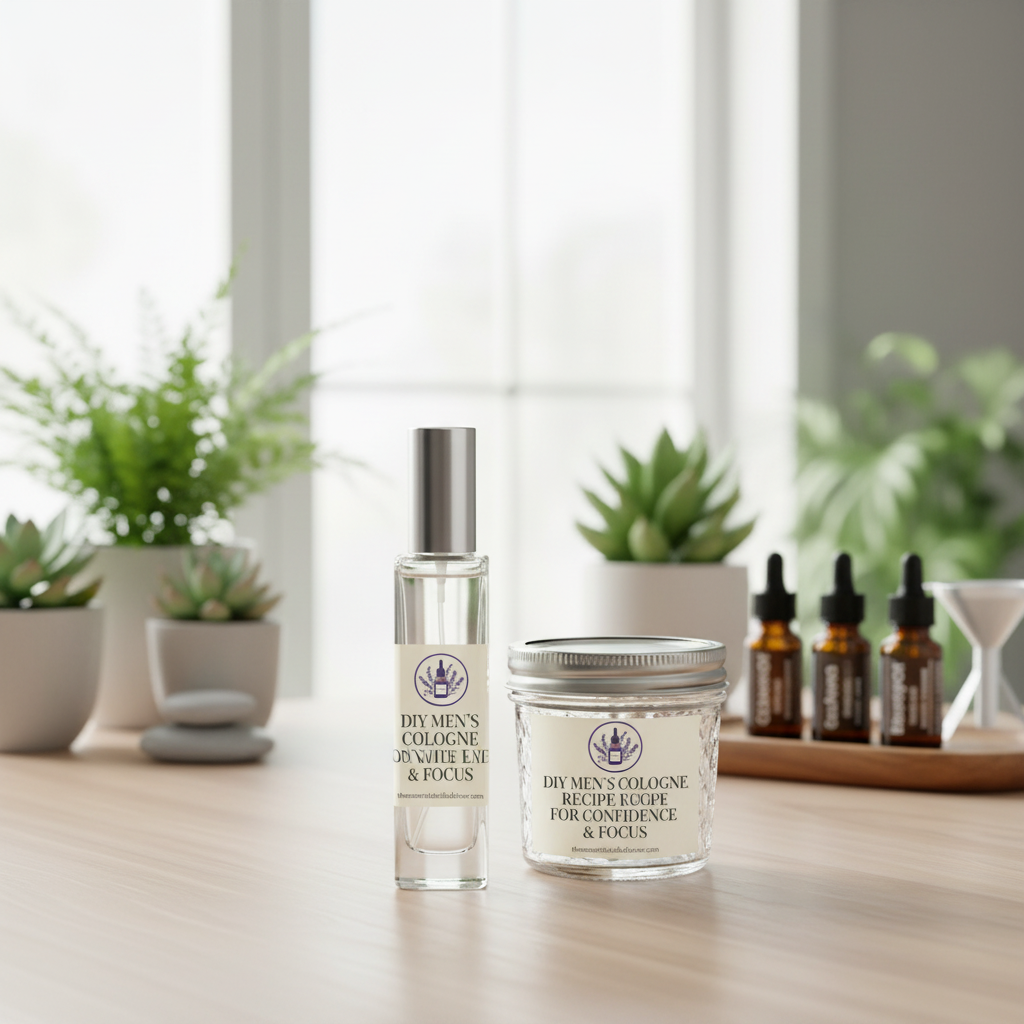
DIY Men's Cologne Recipe for Confidence & Focus
Discover how to craft a unique men's cologne with essential oils that boosts confidence and improves mood. Learn about each ingredient's benefits and uses.

Lavender Essential Oil Body Wash Recipe
Discover the perfect Sandalwood essential oil body wash recipe that promotes relaxation, relieves stress, and moisturizes your skin with natural ingredients.
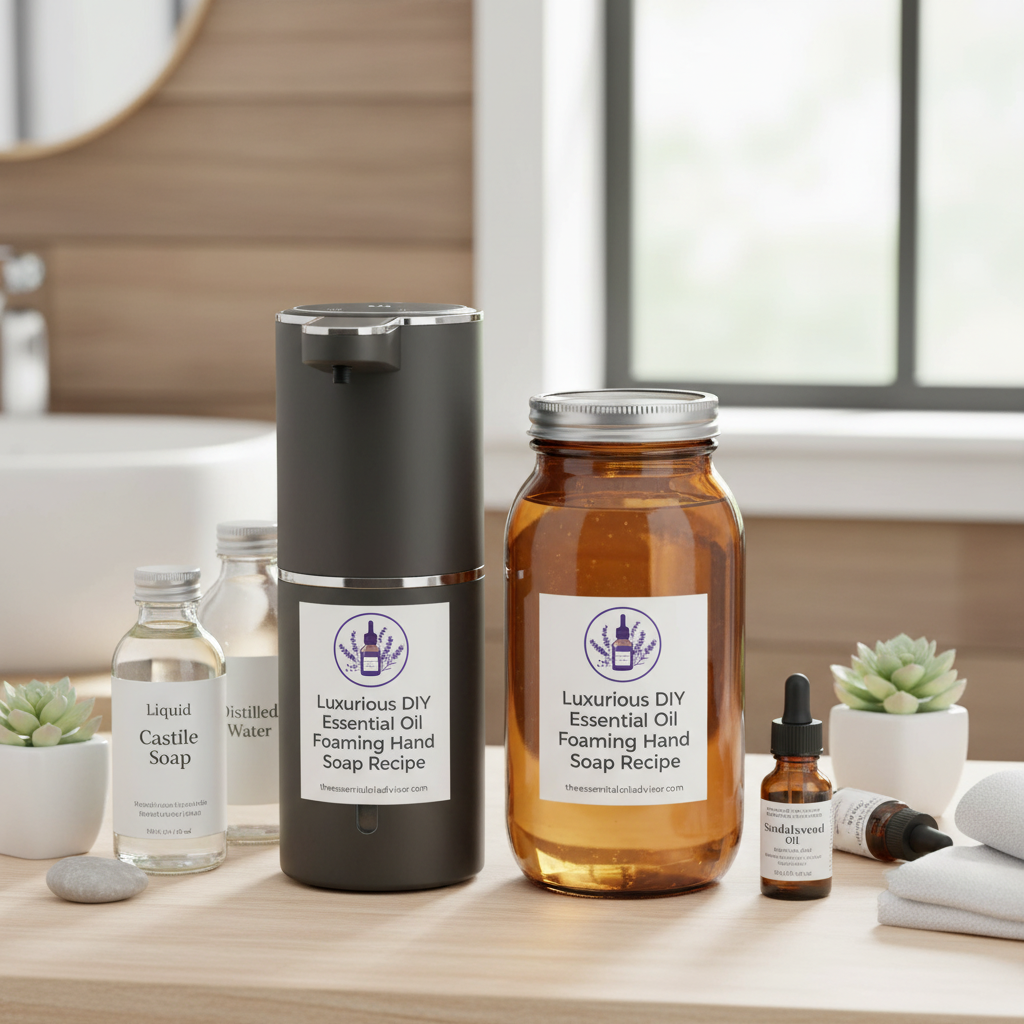
Luxurious DIY Essential Oil Foaming Hand Soap Recipe
Discover this nourishing recipe for a luxurious DIY essential oil foaming hand soap that cleans and hydrates sensitive skin beautifully!
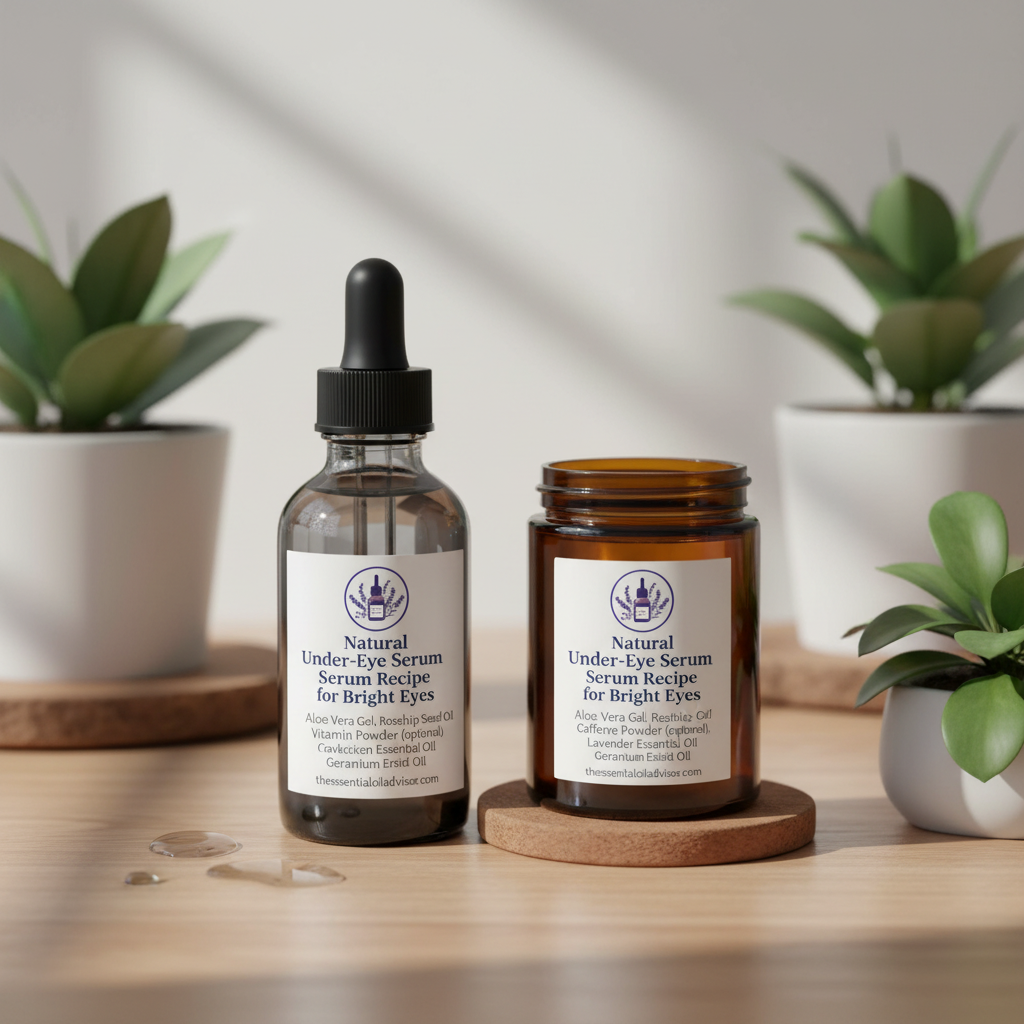
Natural Under-Eye Serum Recipe for Bright Eyes
Create a natural under-eye serum recipe to brighten eyes and reduce puffiness and fine lines in just 150-160 characters.