Sandalwood After-Bath Body Oil Recipe for Glowing Skin
Pamper your skin with our sandalwood after-bath body oil recipe. Easy to make, this luxurious blend leaves you moisturized, fragrant, and rejuvenated!
Benefits & What to Expect
What is This Recipe Good For?
Our Sandalwood After-Bath Body Oil recipe is designed to pamper your skin while providing deep hydration and a soothing aroma. This luxurious blend not only leaves your skin feeling soft and rejuvenated but also brings a sense of relaxation and comfort after a warm bath. It can be an excellent addition to your skincare routine, especially during the dry seasons, or after a long day when your skin may need some extra care.
After using this body oil, expect to notice not just an immediate difference in hydration levels, but also a lasting glow and fragrance that can uplift your mood. The blend of nourishing oils works synergistically to improve the skin's texture while leaving a subtle scent that doesn't overpower but instead complements your natural aroma.
Purpose and Who It Helps
This body oil is particularly beneficial for those seeking an easy and effective way to moisturize their skin post-bathing. It's ideal for individuals with dry, flaky, or itchy skin, as the rich oils penetrate deeply to provide lasting hydration. The combination of oils can also aid those who often experience stress, as the sandalwood and lavender oils promote relaxation. By using this product regularly, you can help maintain smooth, healthy skin while enjoying self-care moments that enhance your overall well-being.
Ingredient Breakdown
- Sweet Almond Oil: This oil is rich in vitamins A and E and provides a nourishing base that hydrates and revitalizes the skin while being gentle enough for all skin types.
- Jojoba Oil: Known for its similarity to the skin's natural sebum, jojoba oil helps to balance oil production and provides a lightweight moisture that absorbs quickly without greasiness.
- Sandalwood Essential Oil: Renowned for its calming properties, sandalwood oil not only adds a delightful fragrance but also has anti-inflammatory benefits that can soothe irritated skin.
- Lavender Essential Oil: This essential oil is famed for its aromatic properties that promote relaxation and can help calm the mind, making it a perfect addition to post-bath care.
- Vitamin E Oil: Acts as a natural antioxidant, supporting skin health and protecting against environmental damage while contributing to skin softness and smoothness.
Usage Scenarios and Practical Tips
The Sandalwood After-Bath Body Oil can be applied daily after your bath or shower. To maximize its benefits, take a small amount and massage it into your skin using circular motions until fully absorbed. This practice not only helps lock in moisture but also promotes better circulation, enhancing your skin's natural glow. For an additional treat, consider using the oil before bedtime as part of your nighttime routine, allowing its calming properties to aid in relaxation and prepare your body for restful sleep.
Results Timeline
While immediate softness can be felt right after application, consistent use of this body oil will lead to noticeable improvements over time. You may see enhanced skin texture, increased moisture retention, and an overall healthier appearance within a few days to a week. Keep in mind that individual results can vary based on skin type and overall routine, so be patient and give your skin the time it needs to absorb the oil's benefits.
Safety and Dilution Guidance
- Always perform a patch test on a small area of skin to ensure no allergic reactions occur.
- If irritation occurs, discontinue use immediately.
- This oil should be kept away from children.
- Pregnant or nursing women should consult a healthcare professional before use.
How to Use
Apply a small amount of the body oil to your skin after bathing, massaging gently in circular motions until fully absorbed. This will help to lock in moisture, leaving your skin feeling soft and hydrated. Use daily for best results.
Original Recipe (below is the converted recipe into different container sizes)
- 8 ozSweet Almond Oil
- 8 ozJojoba Oil
- 40 mlSandalwood Essential Oil
- 20 mlLavender Essential Oil
- 0.07 ozVitamin E Oil
Equipment
Instructions
- 1
Prepare Your Workspace: Clean and organize your space to ensure a smooth process.
- 2
Combine the Base Oils: Measure and pour the each of sweet almond oil (see the ingredients list for the exact amount) and jojoba oil into a mixing bowl.
- 3
Add Essential Oils: Incorporate the sandalwood (see the ingredients list for the exact amount) and the lavender essential oils (see the ingredients list for the exact amount).
- 4
Include Vitamin E Oil: Measure the Vitamin E oil (see the ingredients list for the exact amount) and add to the mixture.
- 5
Mix and Blend: Stir all the ingredients together until they are thoroughly combined.
- 6
Transfer the Mixture: Use a funnel to pour the mix into the glass bottle, leaving some space at the top.
- 7
Seal and Store: Secure the bottle cap and store it in a cool, dark place.
Scaled Ingredients
2 oz to 8 oz
| Ingredient | 2 oz | 4 oz | 8 oz |
|---|---|---|---|
| Sweet Almond Oil | 0.88 oz | 1.77 oz | 3.54 oz |
| Jojoba Oil | 0.88 oz | 1.77 oz | 3.54 oz |
| Sandalwood Essential Oil | 4.5 ml | 8.75 ml | 17.75 ml |
| Lavender Essential Oil | 2.25 ml | 4.5 ml | 8.75 ml |
| Vitamin E Oil | 0.01 oz | 0.01 oz | 0.03 oz |
16 oz to 128 oz
| Ingredient | 16 oz | 32 oz | 64 oz | 128 oz |
|---|---|---|---|---|
| Sweet Almond Oil | 7.07 oz | 14.1 oz | 28.3 oz | 56.6 oz |
| Jojoba Oil | 7.07 oz | 14.1 oz | 28.3 oz | 56.6 oz |
| Sandalwood Essential Oil | 35.25 ml | 70.75 ml | 141.5 ml | 283 ml |
| Lavender Essential Oil | 17.75 ml | 35.25 ml | 70.75 ml | 141.5 ml |
| Vitamin E Oil | 0.06 oz | 0.12 oz | 0.24 oz | 0.48 oz |
Looking for something else?
Essential Oils Used
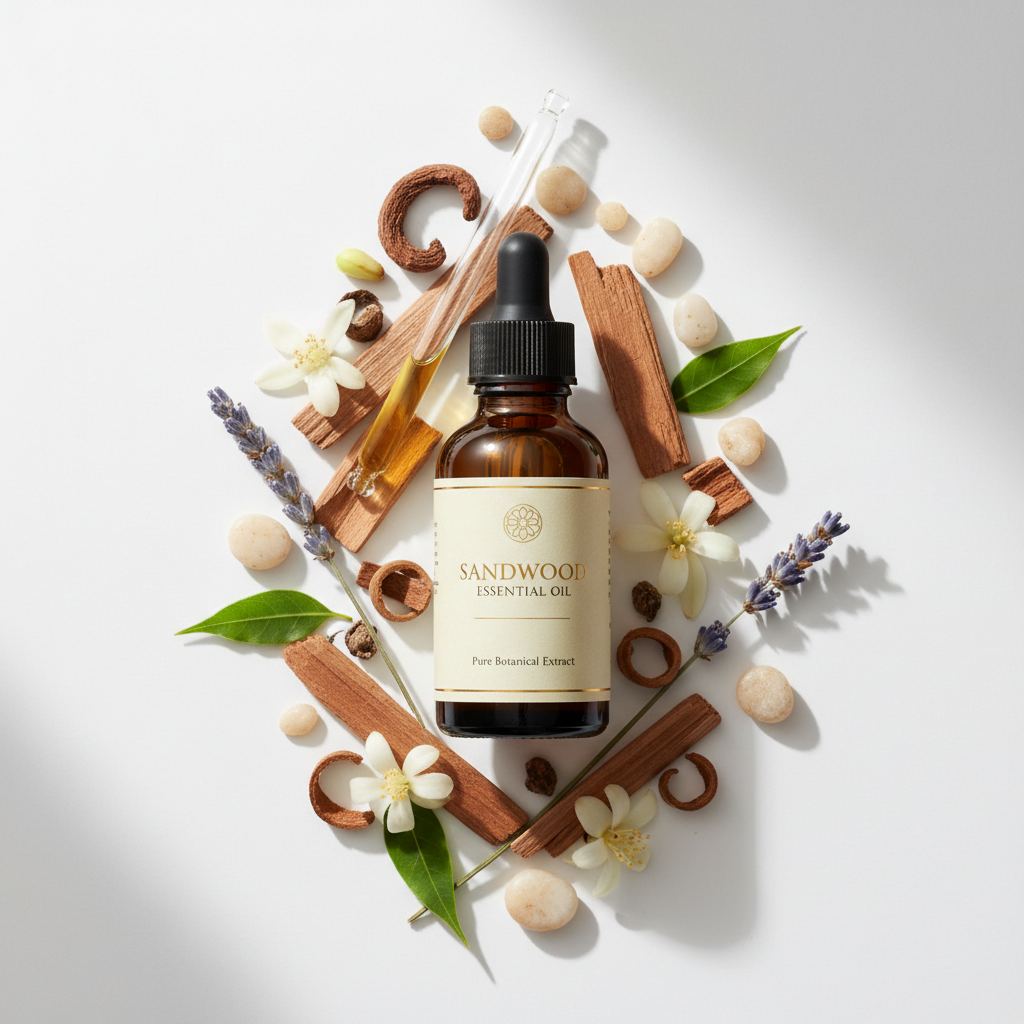
Sandalwood Essential Oil
Santalum album
## Introduction Sandalwood essential oil, extracted from the heartwood of the Santalum album tree, is renowned for its warm, rich, and woody aroma. This precious oil has been a significant part of spiritual practices and wellness regimens across various cultures for centuries. In this comprehensive guide, we will explore the origin, extraction methods, therapeutic properties, and myriad applications of sandalwood essential oil. ### Origin and Extraction Method The sandalwood tree is native to India, Australia, and various parts of East Asia. The oil is primarily derived from the heartwood of the tree, which is rich in aromatic compounds. Extraction typically occurs through steam distillation, a process that ensures the preservation of the oil's fragrant properties. The trees can take decades to mature, making sandalwood essential oil a rare and valuable commodity. ### Botanical Information Sandalwood belongs to the Santalaceae family, and the most commonly used species for its essential oil is Santalum album. The heartwood, which is the key part of the tree from which the oil is extracted, has a dense structure and is known for its exceptional aromatic qualities. Sandalwood oil is composed mainly of santalol, which accounts for its distinctive scent and therapeutic effects. ### Therapeutic Properties and Benefits Sandalwood essential oil is esteemed for its numerous health benefits. Here are some of the key therapeutic properties: - **Calming Effects:** Its warm aroma is celebrated for its ability to calm the mind and promote feelings of tranquility, making it a popular choice for meditation and relaxation. - **Mental Clarity:** Many individuals find that sandalwood oil enhances focus and concentration, aiding in mental clarity during mindfulness practices. - **Emotional Balance:** The oil serves as an emotional stabilizer, reducing feelings of anxiety and promoting a sense of balance. - **Skin Health:** Sandalwood essential oil possesses anti-inflammatory properties that help soothe skin irritations and may assist in reducing blemishes. It also acts as a natural moisturizer, beneficial for dry skin. - **Respiratory Support:** Inhalation of sandalwood oil may help ease respiratory discomfort and alleviate coughs, making it a great addition to steam inhalations. ### Historical and Traditional Uses Historically, sandalwood has been used in various cultural practices for thousands of years. In India, it is used in religious ceremonies and rituals, valued for its grounding properties. Ancient cultures also utilized sandalwood in perfumes, incense, and traditional medicine due to its calming effects and aromatic profile. ### Scientific Facts and Research Scientific research continues to substantiate the therapeutic claims surrounding sandalwood essential oil. Studies have found that sandalwood oil exhibits anti-inflammatory and antimicrobial properties. Additionally, research highlights its potential to influence mood positively, corroborating its traditional uses in promoting emotional wellness. ### Aroma Profile and Characteristics Having a deep, woody scent with sweet undertones, sandalwood oil is characterized by its rich fragrance profile. The oil’s aroma can be described as smooth and creamy, making it a favorite among perfumers and aromatherapists alike. It blends well with various other essential oils, including lavender, bergamot, and patchouli, amplifying their aromatic and therapeutic effects. ### Common Applications and Methods Sandalwood essential oil can be used in various ways: - **Aromatherapy:** Diffuse the oil in a room to create a peaceful ambiance or add a few drops to your bath for relaxation. - **Topical Use:** Dilute sandalwood oil with a carrier oil (like coconut or jojoba oil) and apply it to the skin for its soothing properties. - **Facial Care:** Incorporate it into skincare routines to help maintain healthy skin and reduce blemishes. - **Meditation Practices:** Use the oil to enhance meditation sessions, instilling a sense of calm and deepening mindfulness practices. ### Interesting Facts and Trivia - **Historical Value:** The trade of sandalwood dates back to ancient times, with the wood once used as a form of currency in several cultures. - **Sustainability Issues:** Due to overharvesting and habitat loss, sandalwood trees are now considered endangered, making sustainable sourcing crucial. - **Cultural Significance:** Sandalwood has significant cultural importance in religions such as Hinduism and Buddhism, where it is often used in rituals and sacred spaces. ### Conclusion Sandalwood essential oil is a powerful tool for enhancing well-being, promoting relaxation, and supporting mental clarity. Its rich history, along with its therapeutic properties and versatility in use, makes it a treasured element in holistic health practices. Whether you are looking to alleviate stress, enhance meditation, or improve skin health, sandalwood essential oil is a valuable addition to any essential oil collection.
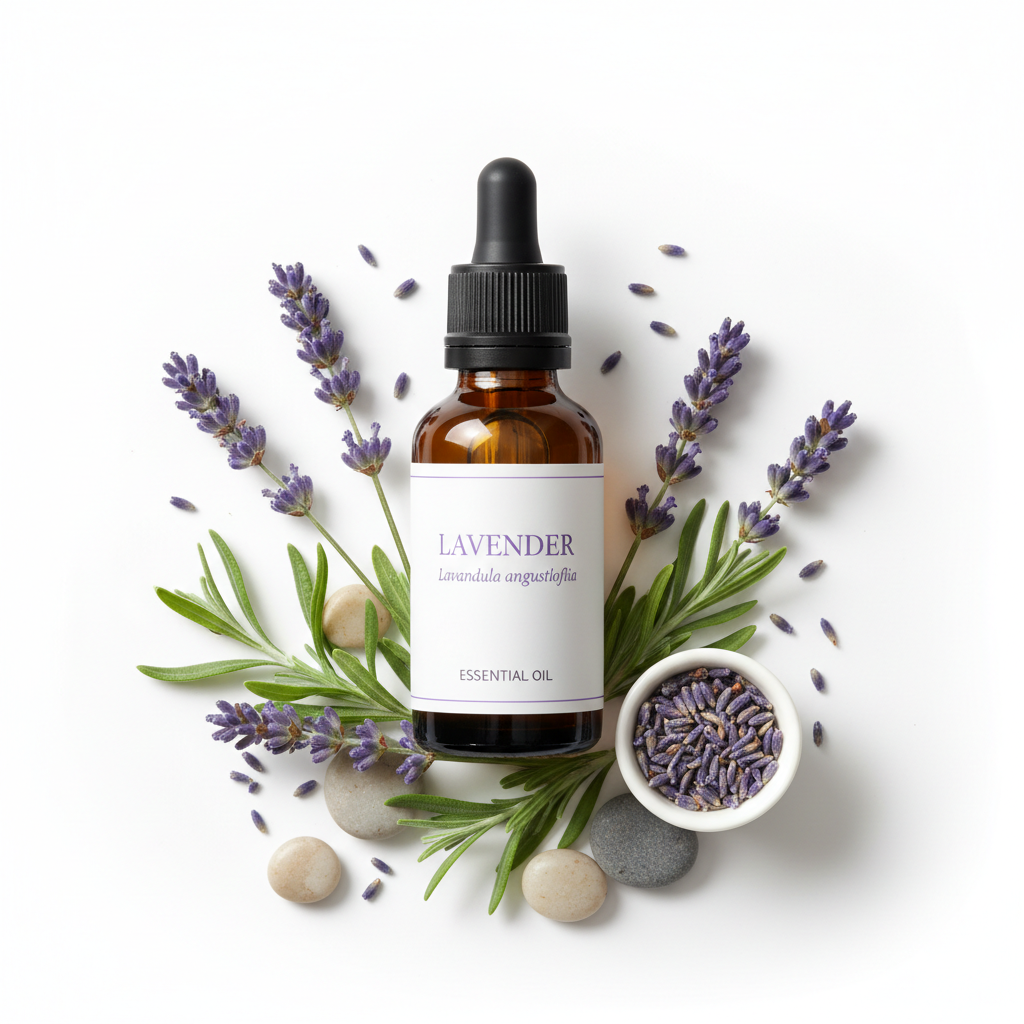
Lavender Essential Oil
Lavandula angustifolia
## Lavender Essential Oil: A Comprehensive Guide Lavender essential oil, extracted from the lavender plant (Lavandula angustifolia), is one of the most well-known and widely used essential oils today. It is celebrated for its relaxing properties and a range of therapeutic benefits that promote mental, emotional, and physical well-being. ### Origin and Extraction Method Lavender is native to the Mediterranean region, especially in areas of France, Italy, and Spain, where it flourishes in dry, sunny climates. The oil is obtained through steam distillation of the delicate flowering tops of the lavender plant. This method preserves the oil's delicate chemical composition, fostering its aromatic and therapeutic qualities, making it a staple in aromatherapy and natural health practices. ### Botanical Information Lavandula angustifolia, commonly known as true lavender, belongs to the Lamiaceae (mint) family. The plant typically reaches about 1 meter in height and has slender, greenish-gray leaves adorned with vibrant purple flowers. The distinctive aroma emanates from the plant's essential oil, which comprises various aromatic compounds such as linalool, linalyl acetate, and camphor, recognized for their calming effects. ### Therapeutic Properties and Benefits Lavender essential oil offers a myriad of therapeutic benefits, including: - **Promoting Relaxation:** Known as an anxiolytic, lavender oil effectively reduces anxiety and stress, helping to promote a sense of calm and tranquility. - **Improving Sleep Quality:** It is widely recommended as a natural remedy for insomnia and sleep disturbances. Adding a few drops to a diffuser or pillow can help induce restful sleep. - **Enhancing Mood and Emotional Balance:** Lavender oil can uplift mood and support emotional stability, making it beneficial for those experiencing sadness or irritability. - **Alleviating Headaches and Migraines:** Inhaling lavender oil or applying diluted oil to the temples may provide relief from headaches and migraines. - **Soothing Muscle Tension:** The anti-inflammatory properties of lavender oil make it effective for soothing sore muscles and reducing tension. - **Supporting Respiratory Health:** With its antiseptic properties, lavender oil may alleviate symptoms associated with colds, allergies, and respiratory infections. ### Historical and Traditional Uses Historically, lavender has been treasured for its medicinal and aromatic properties for centuries. Ancient Egyptians utilized lavender for mummification and as a cosmetic fragrance. Romans added it to their baths to relieve stress and enhance mood. In the Middle Ages, lavender symbolized purity, often used in perfumes and sachets, and its presence was common in homes to ward off pests. ### Scientific Facts and Research Numerous scientific studies have validated the benefits of lavender essential oil. Research published in *Evidence-Based Complementary and Alternative Medicine* confirmed that individuals who inhaled lavender experienced significant reductions in anxiety and improved sleep quality compared to placebo groups. Furthermore, studies indicate that lavender oil may influence neurotransmitter systems, enhancing its sedative effects. ### Aroma Profile and Characteristics Lavender essential oil possesses a sweet, floral, and herbaceous aroma that is both uplifting and calming. Its scent, often described as fresh and clean, makes it a popular choice in aromatherapy blends, personal care products, and home fragrances. The calming aroma can cultivate a serene environment, ideal for meditation and relaxation practices. ### Common Applications and Methods Lavender essential oil's versatility allows for a variety of applications: - **Aromatherapy:** Diffusing lavender oil in your home purifies the air and creates a relaxing atmosphere, beneficial for stress relief. - **Topical Use:** Diluting lavender oil with a carrier oil for massages or targeted skin applications helps alleviate pain and supports skin health. - **Baths:** Adding lavender oil to bathwater not only promotes relaxation but also eases muscle tension and soothes the mind. - **Culinary Uses:** When used in moderation, lavender adds a unique flavor to culinary dishes, commonly included in herbal teas, desserts, and infused syrups. ### Interesting Facts and Trivia - Lavender is often regarded as the “universal oil” due to its myriad benefits and applications across different practices. - It takes approximately 250 pounds of lavender flowers to produce about 1 pound of essential oil, demonstrating its value and potency. - The color purple, associated with lavender, symbolizes tranquility and peace, reflecting its effects on the mind and body. - Additionally, lavender is renowned for attracting pollinators like bees and butterflies, contributing positively to local biodiversity. In conclusion, lavender essential oil is not only remarkable with its profound history but also offers extensive benefits and versatile applications. Whether used to promote relaxation, enhance mood, or enjoy aromatic qualities, it plays an essential role in holistic health. Incorporate lavender essential oil into your daily routine for a touch of serenity and a pathway to balance your emotional and physical well-being.