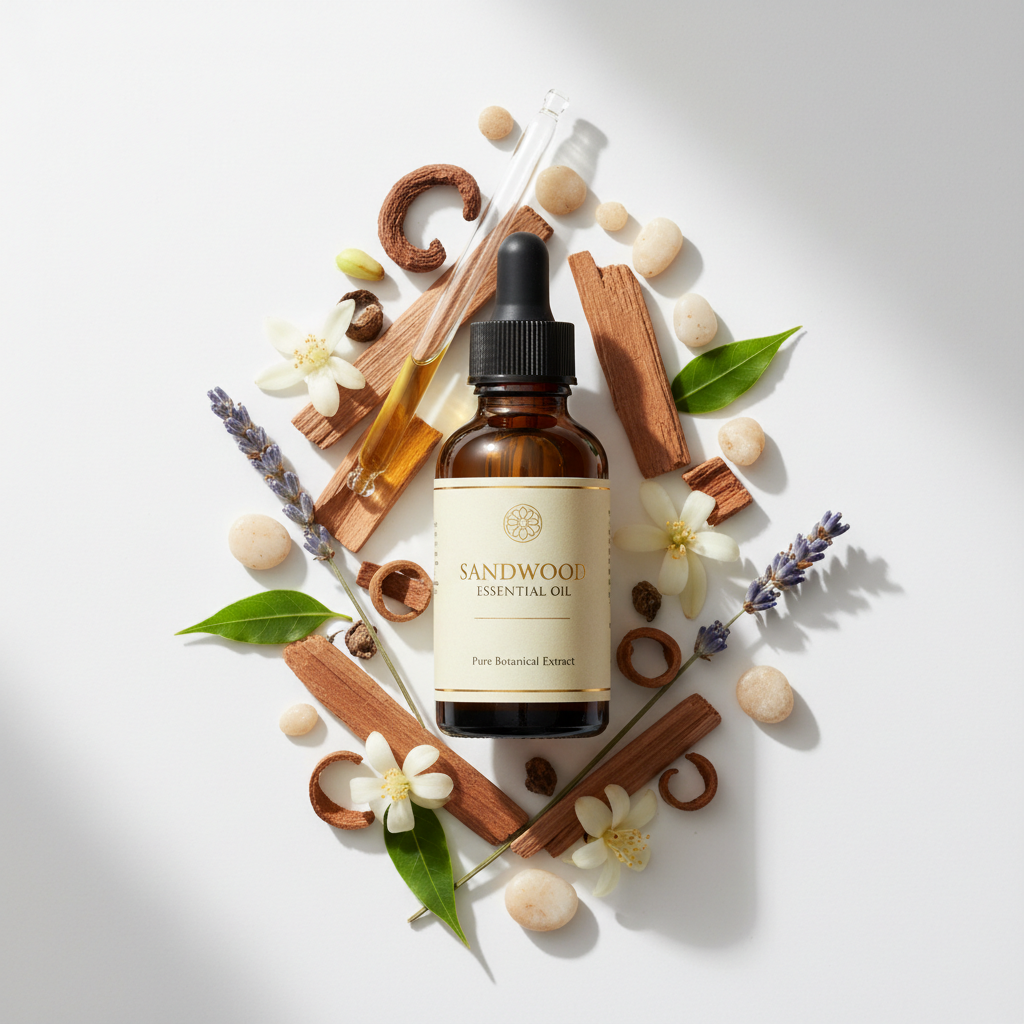
Sandalwood Essential Oil
Santalum album
Plant Source
Sandalwood tree (the wood)
"Sandalwood essential oil, with its warm, woody aroma, promotes relaxation, mental clarity, and emotional balance. Explore its benefits and uses today."
Introduction
Sandalwood essential oil, extracted from the heartwood of the Santalum album tree, is renowned for its warm, rich, and woody aroma. This precious oil has been a significant part of spiritual practices and wellness regimens across various cultures for centuries. In this comprehensive guide, we will explore the origin, extraction methods, therapeutic properties, and myriad applications of sandalwood essential oil.
Origin and Extraction Method
The sandalwood tree is native to India, Australia, and various parts of East Asia. The oil is primarily derived from the heartwood of the tree, which is rich in aromatic compounds. Extraction typically occurs through steam distillation, a process that ensures the preservation of the oil's fragrant properties. The trees can take decades to mature, making sandalwood essential oil a rare and valuable commodity.
Botanical Information
Sandalwood belongs to the Santalaceae family, and the most commonly used species for its essential oil is Santalum album. The heartwood, which is the key part of the tree from which the oil is extracted, has a dense structure and is known for its exceptional aromatic qualities. Sandalwood oil is composed mainly of santalol, which accounts for its distinctive scent and therapeutic effects.
Therapeutic Properties and Benefits
Sandalwood essential oil is esteemed for its numerous health benefits. Here are some of the key therapeutic properties:
- Calming Effects: Its warm aroma is celebrated for its ability to calm the mind and promote feelings of tranquility, making it a popular choice for meditation and relaxation.
- Mental Clarity: Many individuals find that sandalwood oil enhances focus and concentration, aiding in mental clarity during mindfulness practices.
- Emotional Balance: The oil serves as an emotional stabilizer, reducing feelings of anxiety and promoting a sense of balance.
- Skin Health: Sandalwood essential oil possesses anti-inflammatory properties that help soothe skin irritations and may assist in reducing blemishes. It also acts as a natural moisturizer, beneficial for dry skin.
- Respiratory Support: Inhalation of sandalwood oil may help ease respiratory discomfort and alleviate coughs, making it a great addition to steam inhalations.
Historical and Traditional Uses
Historically, sandalwood has been used in various cultural practices for thousands of years. In India, it is used in religious ceremonies and rituals, valued for its grounding properties. Ancient cultures also utilized sandalwood in perfumes, incense, and traditional medicine due to its calming effects and aromatic profile.
Scientific Facts and Research
Scientific research continues to substantiate the therapeutic claims surrounding sandalwood essential oil. Studies have found that sandalwood oil exhibits anti-inflammatory and antimicrobial properties. Additionally, research highlights its potential to influence mood positively, corroborating its traditional uses in promoting emotional wellness.
Aroma Profile and Characteristics
Having a deep, woody scent with sweet undertones, sandalwood oil is characterized by its rich fragrance profile. The oil’s aroma can be described as smooth and creamy, making it a favorite among perfumers and aromatherapists alike. It blends well with various other essential oils, including lavender, bergamot, and patchouli, amplifying their aromatic and therapeutic effects.
Common Applications and Methods
Sandalwood essential oil can be used in various ways:
- Aromatherapy: Diffuse the oil in a room to create a peaceful ambiance or add a few drops to your bath for relaxation.
- Topical Use: Dilute sandalwood oil with a carrier oil (like coconut or jojoba oil) and apply it to the skin for its soothing properties.
- Facial Care: Incorporate it into skincare routines to help maintain healthy skin and reduce blemishes.
- Meditation Practices: Use the oil to enhance meditation sessions, instilling a sense of calm and deepening mindfulness practices.
Interesting Facts and Trivia
- Historical Value: The trade of sandalwood dates back to ancient times, with the wood once used as a form of currency in several cultures.
- Sustainability Issues: Due to overharvesting and habitat loss, sandalwood trees are now considered endangered, making sustainable sourcing crucial.
- Cultural Significance: Sandalwood has significant cultural importance in religions such as Hinduism and Buddhism, where it is often used in rituals and sacred spaces.
Conclusion
Sandalwood essential oil is a powerful tool for enhancing well-being, promoting relaxation, and supporting mental clarity. Its rich history, along with its therapeutic properties and versatility in use, makes it a treasured element in holistic health practices. Whether you are looking to alleviate stress, enhance meditation, or improve skin health, sandalwood essential oil is a valuable addition to any essential oil collection.
Ask AI About Sandalwood Essential Oil
Get instant answers about this essential oil
Benefits & Uses
- Promotes relaxation and a sense of calm
- Enhances focus and concentration
- Supports emotional balance and reduces anxiety
- Encourages a peaceful mind for meditation and mindfulness practices
- May help alleviate feelings of stress and tension
- May support respiratory health and ease coughs
- Possesses anti-inflammatory properties that can soothe discomfort
- Helps maintain healthy skin and may reduce the appearance of blemishes
- Provides moisturizing benefits for dry skin
- Can aid in promoting a balanced mood affecting overall physical wellness
- Used in facial blends to hydrate and nourish dry skin
- May help with acne and blemish-prone skin due to its anti-inflammatory properties
- Acts as a natural perfume due to its pleasant aroma without harsh chemicals
- Can be added to massages for its soothing effects on the skin
- Used in hair care products for its moisturizing and calming properties
- Effective for creating a calming atmosphere in living spaces
- Can be used in natural cleaning products for its antibacterial properties
- Acts as a natural insect repellent when diffused
- Used in potpourri or sachets for its pleasant scent
- Ideal for enhancing relaxation spaces such as spas or meditation rooms
How to Use
Diffuser
Add 3-5 drops of sandalwood essential oil to your diffuser with water according to the manufacturer's instructions. Diffuse for 30-60 minutes at a time to create a tranquil environment.
Topical
Dilute sandalwood essential oil with a carrier oil (such as jojoba or coconut oil) at a ratio of 1-2 drops of essential oil per teaspoon of carrier oil. Apply to pulse points or desired areas of the body.
Inhalation
For direct inhalation, place 1-2 drops of sandalwood essential oil on a tissue or cotton ball and inhale deeply. For steam inhalation, add 3-5 drops to a bowl of hot water, cover your head with a towel, and lean over the bowl to inhale the steam.
Safety & Precautions
Always conduct a patch test before applying topically to ensure no allergic reaction occurs. Dilute appropriately as mentioned above. Pregnant women and individuals with allergies should consult a healthcare practitioner before use.
Who should avoid:
- Pregnant women without prior consultation
- Individuals with sensitive skin or allergies to sandalwood
- Those with certain medical conditions; consult a healthcare professional before use
Recommended Products

Understanding the aromatic layers of Sandalwood Essential Oil
Top Notes
Heart Notes
Base Notes
Scent Evolution
Top Notes: First impression, evaporate quickly (15-30 min)
Heart Notes: Main character, last 2-4 hours
Base Notes: Lasting foundation, linger for hours
Complementary essential oils that pair beautifully with Sandalwood Essential Oil
Abyssinian Carrier Oil
Crambe abyssinica
✓balanced scent profile
Agarwood Essential Oil
Aquilaria
✓similar chemical compositions
Ajowan Seed Essential Oil
Trachyspermum ammi
✓traditional pairing in aromatherapy
Ammi Visnaga Essential Oil
Ammi visnaga
✓complementary therapeutic properties
Amyris Essential Oil
Amyris balsamifera
✓traditional pairing in aromatherapy
Angelica Essential Oil
Angelica archangelica
✓similar chemical compositions
Blending Tips
- • Start with 2-3 oils for simple blends
- • Use 3-5 drops total per 10ml carrier oil
- • Let blends sit for 24-48 hours to marry
- • Test on a small skin area first
Calculating for: Sandalwood Essential Oil
Recommended: 2% | Max safe: 5%
29.57 ml
Your Recipe
0.59 ml
28.98 ml
💡 Dilution Tips
- • Always do a patch test before full application
- • Children and elderly need lower dilutions (1-2%)
- • Facial products should be gentle (0.5-1%)
- • 1 drop ≈ 0.05 ml (20 drops per ml)
- • Common carrier oils: fractionated coconut, jojoba, sweet almond
Recipes Using Sandalwood Essential Oil
Related Recipes
Aromatherapy Recipe: Under-Bed Storage Drawer Bombs
Discover this simple recipe for Under-Bed Storage Drawer Aroma Bombs, perfect for freshening up your space with delightful scents!
Calming Essential Oil Pillow Mist Recipe for Relaxation
Discover this easy recipe for a soothing pillow mist that features lavender and bergamot for ultimate relaxation and better sleep.
Calming Lavender Linen Spray Recipe
A gentle, relaxing linen and room spray that promotes restful sleep and calm using lavender, chamomile, and cedarwood essential oils.
DIY Acne Calming Gel Spot Treatment Recipe for Clear Skin
Explore our DIY acne calming gel spot treatment recipe to soothe inflammation and fight breakouts using natural ingredients for healthier skin.
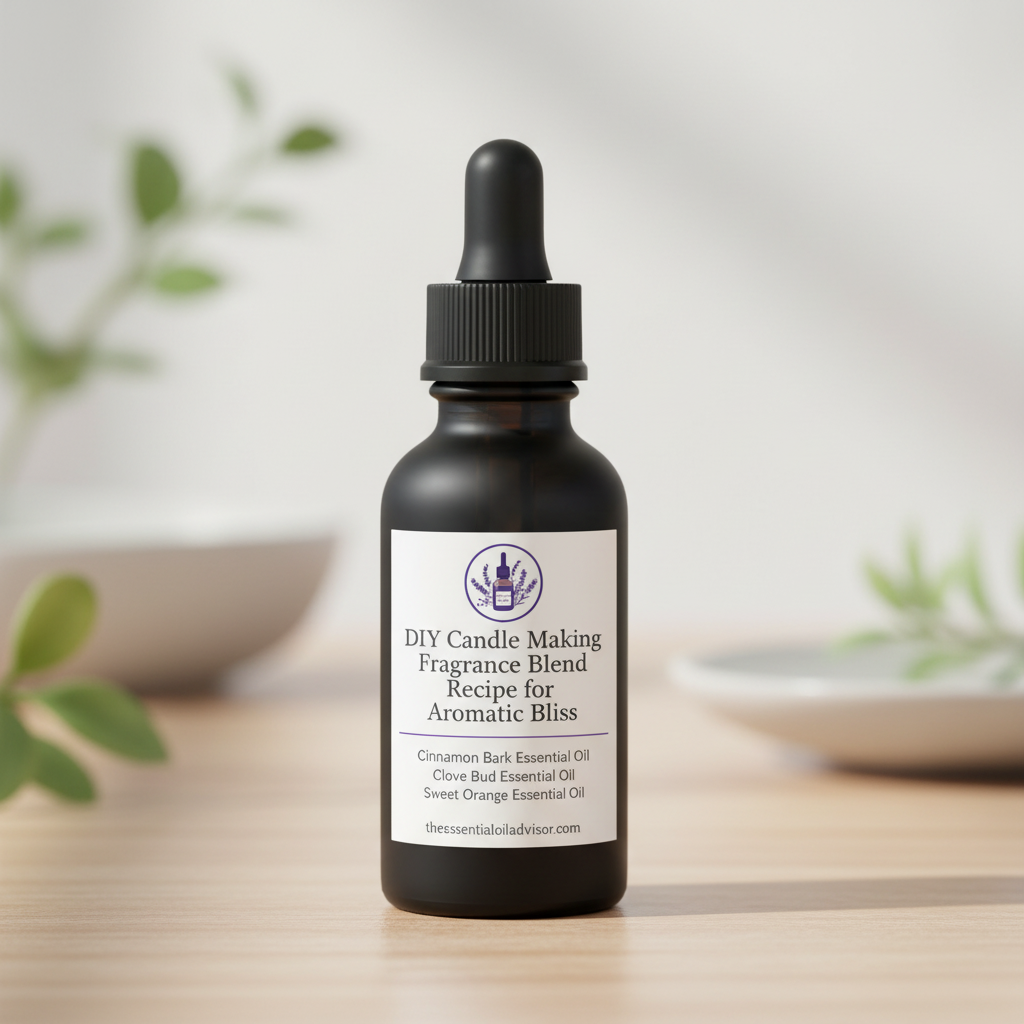
DIY Candle Making Fragrance Blend Recipe for Aromatic Bliss
Discover how to create a delightful essential oil blend recipe tailored for your candle making needs, enhancing your home with captivating scents.
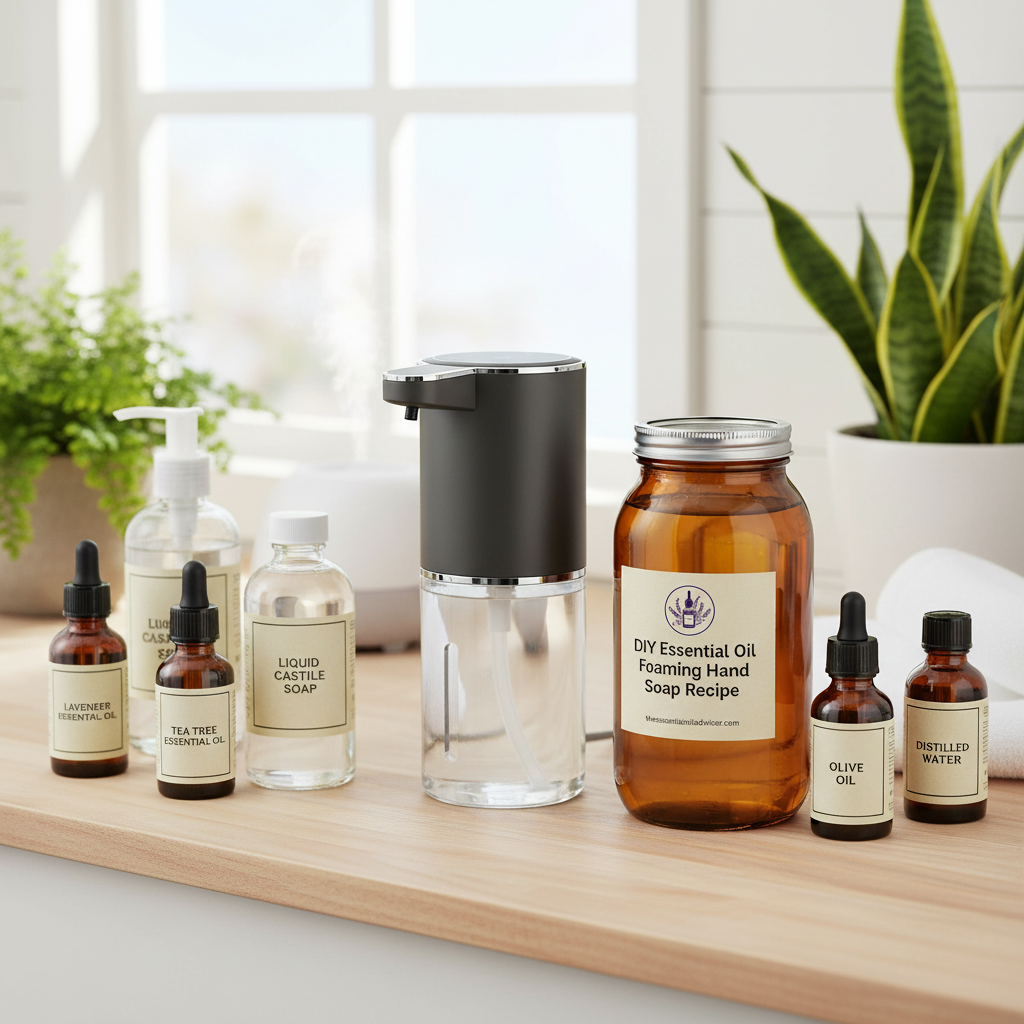
DIY Essential Oil Foaming Hand Soap Recipe
Craft your own moisturizing foaming hand soap using essential oils! This DIY recipe combines natural ingredients for clean, soft hands. Perfect for home use!