Search
Found 20 results for "Cedarwood"
Essential Oils
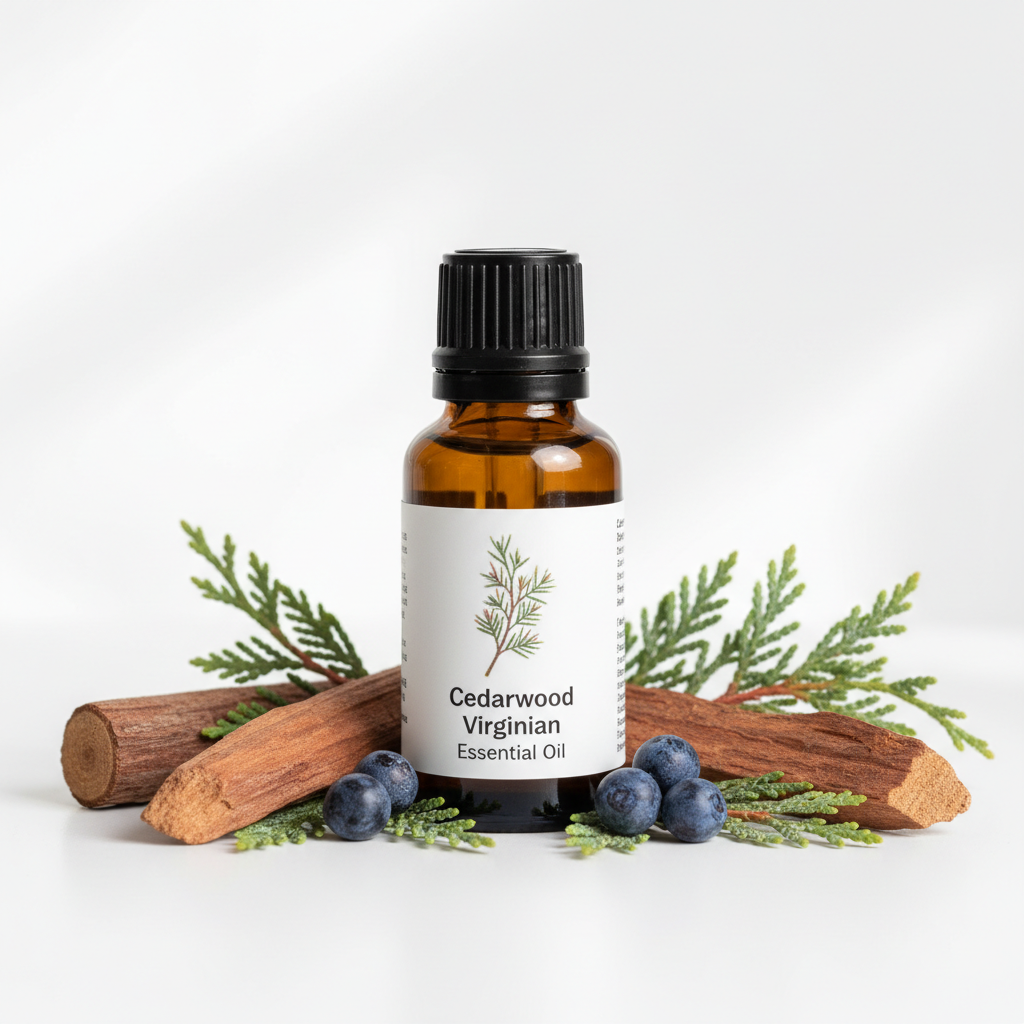
Cedarwood Virginian Essential Oil
Juniperus virginiana
Cedarwood Virginian Essential Oil, derived from the heartwood of the Juniperus virginiana tree, is a highly valued essential oil known for its rich earthy and woody aroma. This species is native to North America, predominantly found in the eastern United States. The extraction of this fragrant oil occurs through steam distillation, a method that preserves the oil’s potent properties and aromatic qualities, making it a sought-after ingredient in aromatherapy and natural wellness practices. **Origin and Extraction Method** Juniperus virginiana, commonly known as the Eastern Red Cedar, flourishes in various environments ranging from dry to moist forests. The wood used for essential oil production is sourced from sustainably harvested trees, ensuring minimal environmental impact. The steam distillation method allows for a high yield of oil while maintaining the integrity of its beneficial compounds, making Cedarwood oil a pure and effective choice for various applications. **Botanical Information** Cedarwood Virginian Essential Oil falls under the Cupressaceae family. It contains a range of chemical constituents, with the primary components being cedrol, cedrene, and thujopsene. These compounds contribute significantly to its unique aroma and therapeutic effects. The oil is characterized by its yellow-brown hue and a thick consistency, often used in perfumery, cosmetics, and aromatherapy. **Therapeutic Properties and Benefits** Cedarwood essential oil is esteemed for its numerous therapeutic properties. It is well-known for promoting emotional balance and relaxation, reducing feelings of anxiety, stress, and restlessness. The calming effects of Cedarwood make it an excellent support for meditation and enhancing deeper spiritual practices. When inhaled or diffused, it can ease nervous energy and promote a serene atmosphere. In addition to its psychological benefits, Cedarwood oil has physical health advantages. It has been shown to help clear respiratory issues by acting as an expectorant, aiding in cough relief and respiratory tract health when used in inhalation therapies. As a natural antiseptic, it can also assist in treating minor cuts and skin irritations, making it ideal for skincare applications. Furthermore, Cedarwood oil can help reduce oily skin and alleviate conditions like acne due to its astringent properties. **Historical and Traditional Uses** Historically, Cedarwood has been utilized by various civilizations for its healing properties. The ancient Egyptians used cedarwood oil in the embalming process and for cosmetics, recognizing its preservative and aromatic qualities. Native American tribes also valued the wood and oil for their spiritual significance and medicinal properties, often utilizing it in rituals and natural remedies. **Scientific Facts and Research** Recent studies on Cedarwood oil have highlighted its anti-inflammatory and antimicrobial properties. Research suggests that cedrol, one of the main components, can exhibit anxiolytic effects, promoting relaxation and reducing stress levels. Additionally, Cedarwood oil has been examined for its potential in enhancing cognitive function and improving memory performance, indicating its versatility in supporting overall well-being. **Aroma Profile and Characteristics** Cedarwood Virginian Essential Oil has a warm, woodsy fragrance that evokes a sense of tranquility and grounding. The scent is often described as rich and balsamic, with a hint of sweetness. This compelling aroma makes it popular in aromatherapy blends and perfumery, often used to evoke feelings of strength, comfort, and connection to nature. **Common Applications and Methods** Cedarwood essential oil can be used in various ways, including: 1. **Diffusion:** Add a few drops to a diffuser or vaporizer to create a calming environment. 2. **Massage:** Dilute with a carrier oil and use it in massage for muscle tension relief. 3. **Skincare:** Combine with carrier oils for topical applications aimed at treating acne or oily skin. 4. **Bathing:** Add drops to bathwater for a relaxing soak. 5. **Inhalation:** Use in steam inhalation to help with respiratory issues. **Interesting Facts and Trivia** - Cedarwood has been used in traditional medicine for centuries across various cultures. - The oil’s insect-repelling qualities make it a natural pest deterrent, often sought for use in closets and storage. - Cedarwood is often found in blends for emotional support, as it pairs well with other essential oils like lavender and frankincense. In conclusion, Cedarwood Virginian Essential Oil is a powerful and multifaceted oil with origin stories, diverse applications, and a rich history. Its numerous therapeutic benefits and pleasant aroma make it a valuable addition to any essential oil collection, cementing its status as a beloved staple in both holistic healing and everyday wellness routines.
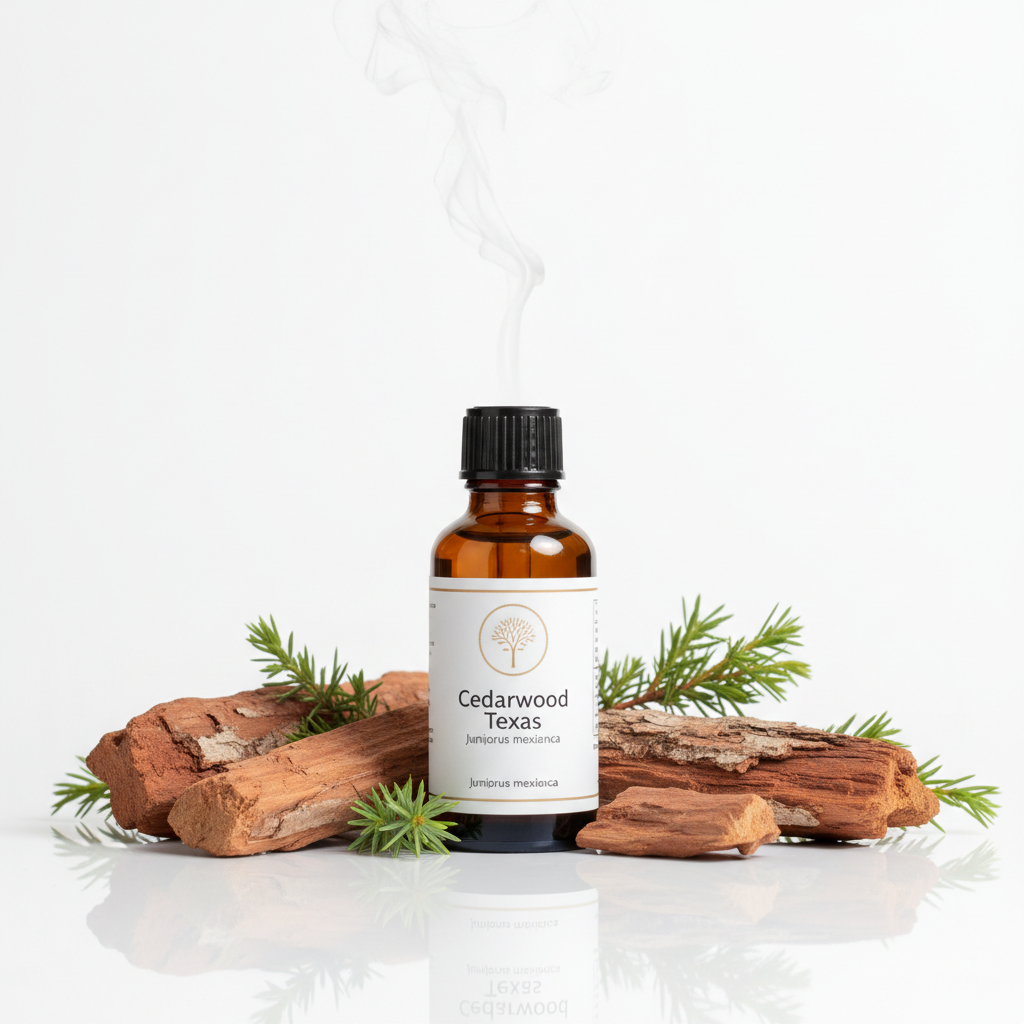
Cedarwood Texas Essential Oil
Juniperus mexicana
Cedarwood Texas Essential Oil is derived from the wood of the Juniperus mexicana tree, a species indigenous to North America. This essential oil, valued for its rich aroma and numerous therapeutic properties, has deep roots in the traditions of Native American cultures, where it was often used in rituals and for natural healing. ### Origin and Extraction Method Cedarwood essential oil is extracted through steam distillation, a process that preserves the oil's aromatic profile and therapeutic benefits. This technique involves steaming the wood, which prompts the release of the oil contained within the cedarwood. The result is a deeply aromatic oil that captures the essence of the cedar tree's earthy, woody scent, making it a favorite in aromatherapy and natural wellness practices. ### Botanical Information Botanical Name: Juniperus mexicana Family: Cupressaceae Plant Part: Wood Extraction Method: Steam Distillation Cedarwood Texas Essential Oil is often identified by its warm and comforting aroma, reminiscent of a wooded forest. The oil has a pale yellow to golden color and a viscous texture, desirable qualities that make it valuable in the production of fragrance oils and natural body products. ### Therapeutic Properties and Benefits Cedarwood essential oil is lauded for its numerous benefits, which include: - **Promotes Relaxation**: Known for its calming and grounding properties, cedarwood can help soothe the mind during meditation and provide emotional support amidst life's stresses. - **Enhances Focus**: The oil's ability to promote mental clarity makes it beneficial for maintaining concentration, especially during demanding tasks. - **Supports Emotional Wellness**: Cedarwood encourages emotional release, assisting individuals in overcoming negative emotions like anger, fear, and anxiety. It acts as an anchor during periods of emotional turmoil. - **Aid in Relaxation**: Often used in massage therapy, Cedarwood oil can help relax muscles and alleviate tension after physical exertion, promoting overall well-being. - **Skin Care**: Cedarwood is useful in skincare routines due to its soothing properties. It can help reduce irritations, blemishes, and support healthy skin appearance. - **Respiratory Support**: This oil can alleviate respiratory congestion, making it a great addition to blends used in diffusers or topical applications for supporting clear airways. - **Metabolic Support**: When used appropriately, cedarwood may assist with metabolic functions, contributing positively to holistic wellness routines. ### Historical and Traditional Uses Cedarwood has been used for centuries by various Native American tribes, revered not only for its aromatic properties but also for its spiritual significance. The oil was often used in purification ceremonies, helping to create a sacred space for meditation and reflection. Beyond its spiritual applications, cedarwood has been appreciated for its protective qualities, thought to ward off negative energies and promote harmony in one’s surroundings. ### Aroma Profile and Characteristics The aroma of Cedarwood Texas Essential Oil is warm, woody, and slightly sweet, evoking a sense of being in the heart of nature. This complex scent profile makes it an excellent base note in perfumery, providing depth and richness to various fragrance blends. ### Common Applications and Methods Cedarwood oil can be used in several effective methods: - **Diffusion**: Add a few drops to a diffuser to create a calming atmosphere. - **Topical Application**: Blend with carrier oils for massages or apply diluted to the skin for its soothing benefits. - **Inhalation**: Inhaling the scent directly from the bottle can provide immediate grounding effects. - **Bath**: Adding a few drops to a warm bath can enhance relaxation and promote a tranquil state. ### Interesting Facts and Trivia - Cedarwood oil is believed to resonate with the root chakra, encouraging grounding and emotional balance. - The enduring aroma of cedarwood is often used in incense and sacred rituals, symbolizing protection and healing. - It can blend beautifully with other essential oils, such as lavender, bergamot, and frankincense, enhancing their collective benefits while creating harmonizing scents. In conclusion, Cedarwood Texas Essential Oil is not just a delightful fragrance; it embodies a wealth of history, tradition, and therapeutic properties that make it a staple in natural wellness practices. Whether you're seeking tranquility in your day-to-day life or looking for a natural skincare solution, this essential oil provides a multitude of uses that are deeply rooted in both tradition and modern wellness.
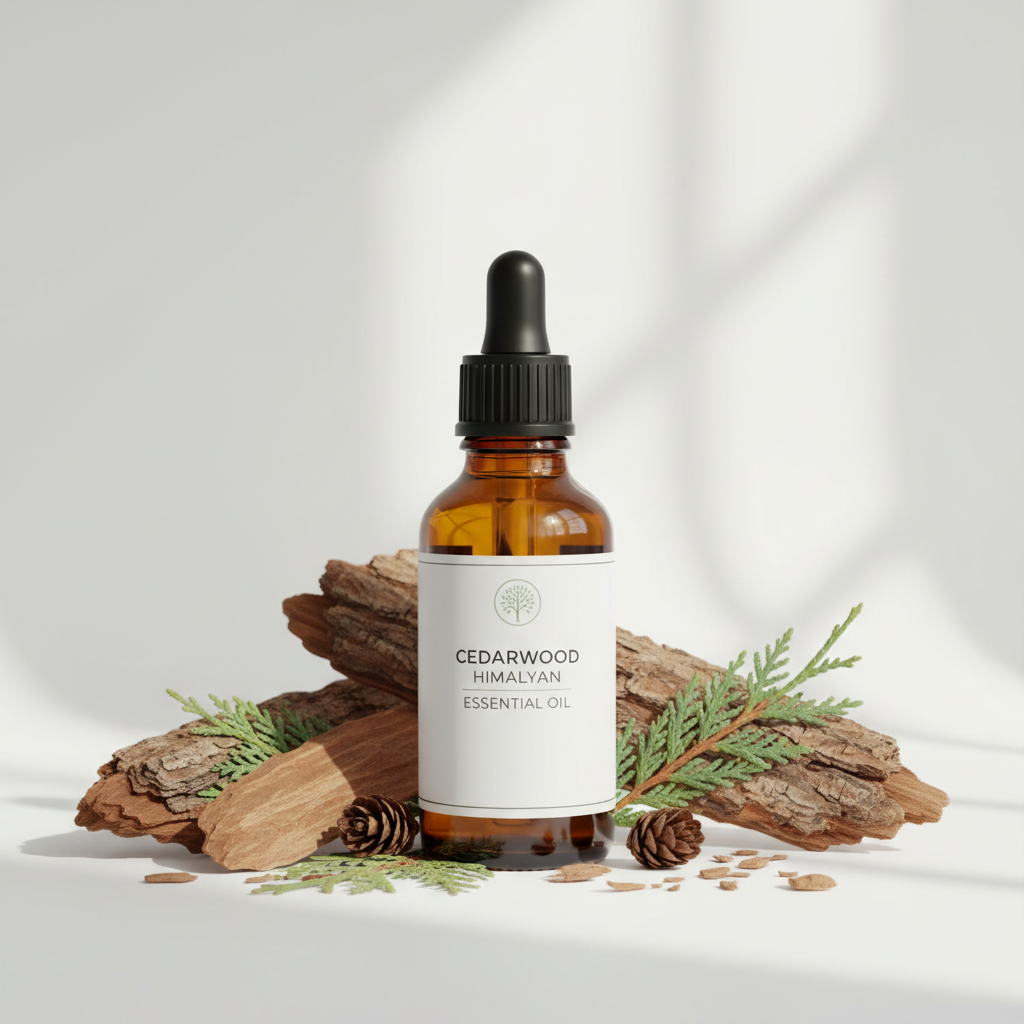
Cedarwood Himalayan Essential Oil
Cedrus deodara
Cedarwood Himalayan Essential Oil is extracted from the wood of the Cedrus deodara tree, which is native to the majestic Himalayan mountains. The extraction process employs steam distillation, a method that ensures the preservation of the oil's aromatic and therapeutic properties. With its warm, woody aroma, Cedarwood essential oil stands out for its grounding effects, making it a favorite among aromatherapy enthusiasts. ### Origin and Extraction Cedrus deodara, also known as Himalayan Cedar, is revered for its durability and aromatic qualities. The trees can reach heights of up to 200 feet and are known for their beautiful, straight trunks. These trees thrive in the high altitudes of the Himalayas, where the cool, moist climate fosters the growth of robust wood. The steam distillation process involves extracting the essential oil from the wood chips, capturing the multifaceted aroma while retaining the plant’s beneficial compounds. ### Botanical Information Botanically, Cedrus deodara belongs to the Pinaceae family and is an evergreen conifer. Its fragrant wood has both aesthetic and practical uses, historically being used in construction and the creation of religious artifacts. The essential oil, derived from the heartwood, is rich in compounds such as alpha-cedrene and cedrol, which contribute to its distinctive scent and therapeutic properties. ### Therapeutic Properties and Benefits Cedarwood Himalayan Essential Oil is celebrated for numerous therapeutic benefits: - **Grounding and Calming Effects**: Its rich, woody scent promotes relaxation and emotional balance, making it an excellent choice during stressful moments. - **Mental Clarity**: The oil can enhance focus and support cognitive function, making it ideal for those practicing meditation or studying. - **Respiratory Support**: Cedarwood oil may alleviate symptoms of cough and congestion, promoting clear airways and easier breathing. - **Anti-inflammatory Properties**: Its ability to reduce muscle tension and pain makes it useful for physical post-exercise recovery. - **Skin Rejuvenation**: Cedarwood oil can help cleanse and nourish the skin, making it a popular choice in skincare formulations. - **Detoxification Support**: This oil aids in the body's natural detox processes, acting as a natural diuretic. ### Historical and Traditional Uses Historically, Cedarwood was used in ancient cultures for various sacred rituals. It was often burned as incense in temples, symbolizing purification and protection. As far back as the Egyptians, Cedarwood was utilized in embalming due to its preservative properties. Today, it continues to be a staple in essential oil blends for promoting tranquility and emotional wellness. ### Aroma Profile and Characteristics The aroma of Cedarwood Himalayan Essential Oil is warm, woody, and slightly sweet, reflecting the serene environment of the highlands it originates from. This captivating scent not only adds depth to aromatherapy blends but also has the power to create a tranquil atmosphere in any space. ### Common Applications and Methods To maximize the benefits of Cedarwood Himalaya Essential Oil, consider the following applications: - **Diffusion**: Add a few drops to a diffuser to create a calming environment during meditation or yoga. - **Topical Use**: Dilute with a carrier oil and apply to your skin to enjoy its rejuvenating properties. Perform a patch test prior to widespread use. - **Bath Soaks**: A few drops in your bath can help soothe sore muscles and promote relaxation. ### Interesting Facts and Trivia - Cedarwood essential oil has been featured in various cultures for its spiritual significance. - The wood from Cedarwood trees is naturally resistant to decay, making it valuable in the construction industry. - Many ancient civilizations believed that the scent of Cedarwood could ward off negative energies. In conclusion, Cedarwood Himalayan Essential Oil is not only cherished for its soothing aroma but also for its multifaceted therapeutic benefits. From emotional balance to physical well-being, this essential oil is a powerful ally in enhancing your overall health. Whether you’re seeking relaxation, mental clarity, or skin rejuvenation, Cedarwood essential oil can play a vital role in your wellness journey.
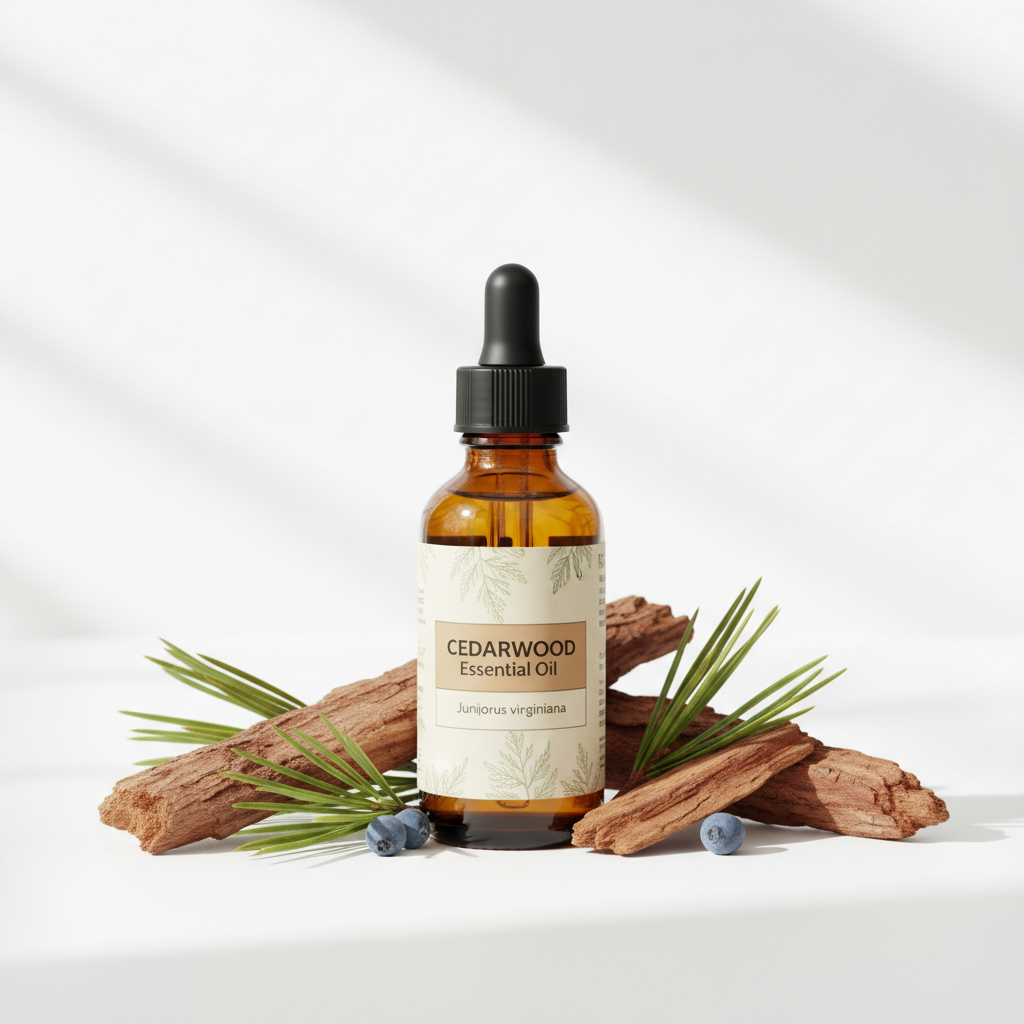
Cedarwood Essential Oil
Juniperus virginiana
Cedarwood essential oil, derived from the wood of the Juniperus virginiana tree, is a revered fragrance with deep historical roots and a multitude of therapeutic benefits. Known for its warm, woody aroma, this essential oil has been used for centuries across various cultures, valued for its grounding and calming properties. In this comprehensive guide, we will explore the origins, benefits, scientific facts, and uses of Cedarwood essential oil. ### Origin and Extraction Method Cedarwood essential oil is extracted through steam distillation, a method that preserves the delicate compounds and aroma of the cedar tree. The Juniperus virginiana, commonly known as Eastern Red Cedar, is native to North America, and its wood has been used historically by Native American tribes for various purposes, including ceremonial practices and medicinal applications. The steam distillation process not only captures the scent but also concentrates its therapeutic properties, making it a valuable addition to aromatherapy and natural health. ### Botanical Information Cedarwood trees can grow to be quite large, reaching heights of up to 50 feet. They are evergreen conifers, with needle-like leaves and distinctive bark. The essential oil extracted from the wood contains a rich blend of compounds, including cedrol and thujopsene, contributing to its unique fragrance and properties. ### Therapeutic Properties and Benefits Cedarwood essential oil is renowned for its numerous therapeutic benefits: - **Calming Effects**: The warm scent of Cedarwood is effective in promoting relaxation and reducing stress. It is often used in meditation practices to create a serene environment. - **Emotional Clarity**: By enhancing emotional grounding, this oil helps users navigate transitions in life, alleviating feelings of loneliness and promoting a sense of safety. - **Focus and Concentration**: Its aroma is believed to boost mental clarity and focus, making it beneficial in creative and intellectual pursuits. - **Skin Health**: When diluted with a carrier oil, Cedarwood can alleviate skin irritations, support clearer skin, and help maintain a healthy scalp and hair ecosystem. - **Muscle Relaxation**: Used in massage therapy, Cedarwood essential oil may help reduce muscle stiffness and soreness. - **Support for Circulation**: Some studies suggest that Cedarwood oil can enhance healthy circulation, contributing to overall cardiovascular health. - **Headache Relief**: Its relaxing properties can also assist in alleviating tension headaches by promoting overall relaxation. ### Historical and Traditional Uses Historically, Cedarwood has been employed in many cultures for both practical and spiritual purposes. Ancient Egyptians used it in their embalming processes, while Indian Ayurvedic traditions recognize Cedarwood for its balancing and calming effects on the mind and body. In North America, Indigenous peoples utilized Cedarwood in ceremonies and as a natural remedy for various ailments, highlighting its importance in cultural practices. ### Scientific Facts and Research Recent research has begun to explore the potential health benefits of Cedarwood essential oil more extensively. Studies have indicated that compounds in Cedarwood can have anti-inflammatory and antimicrobial properties, supporting its use in skincare and overall wellness. Additionally, the calming effects of Cedarwood have garnered interest in the fields of psychology and holistic health, prompting further investigation into its efficacy for stress management and emotional well-being. ### Aroma Profile and Characteristics Cedarwood essential oil offers a rich, woody aroma that evokes feelings of nature and tranquility. The scent is grounding, providing a sense of comfort and stability, making it a popular choice for those looking to create a peaceful sanctuary in their home or workspace. Its fragrance blends well with other essential oils such as lavender, bergamot, and eucalyptus, enhancing its calming effects and creating harmonious blends. ### Common Applications and Methods Cedarwood essential oil can be used in various ways: - **Diffusion**: Add a few drops of Cedarwood oil to a diffuser to create an uplifting and calming atmosphere. - **Topical Applications**: Dilute with a carrier oil for massage or skincare treatments, targeting areas of discomfort or irritation. - **Hair Care**: Incorporate a few drops into your shampoo or conditioner to promote a healthy scalp and strong hair. - **Candle and Soap Making**: Its delightful aroma makes it ideal for natural candles and soaps, adding a luxurious touch to homemade products. ### Interesting Facts and Trivia - Cedarwood has been considered sacred in many cultures, often associated with purification and protection. - The wood of the Cedar tree is naturally resistant to decay, which is why it has been used for centuries in construction and carvings. - In addition to its aromatic qualities, Cedarwood essential oil is also valued in the fragrance industry, used in perfumes and scented products for its warm, enticing notes. In conclusion, Cedarwood essential oil is not only a fragrant addition to any essential oil collection but also a powerhouse of therapeutic benefits, deeply rooted in history and tradition. Whether used for emotional support, skincare, or simply to enhance your home atmosphere, Cedarwood offers a myriad of applications that can enrich your well-being.
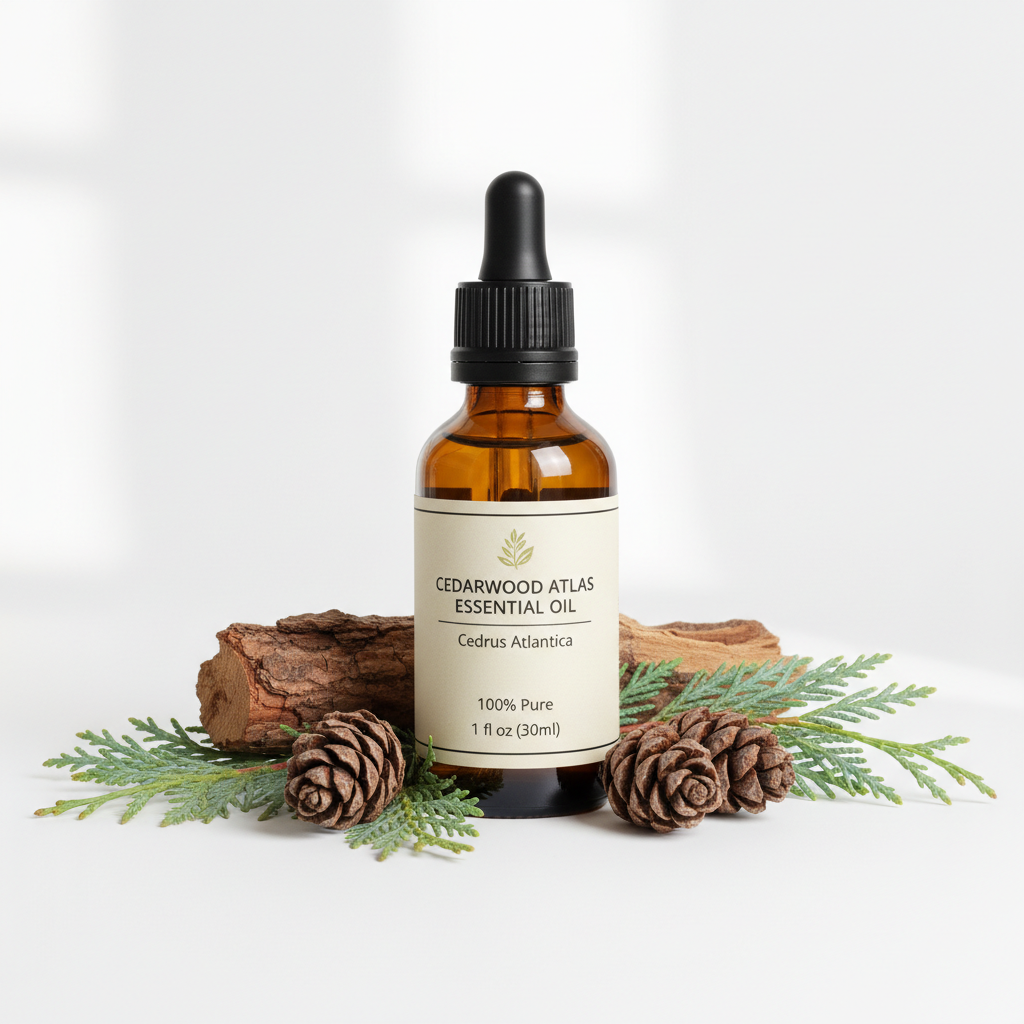
Cedarwood Atlas Essential Oil
Cedrus atlantica
### Cedarwood Atlas Essential Oil: A Comprehensive Guide Cedarwood Atlas Essential Oil, extracted from the wood of the **Cedrus atlantica** tree, is a beloved essence with a rich history and a wide array of benefits. This aromatic oil is not only celebrated for its enticing woody fragrance but also for its therapeutic properties that have been utilized for centuries across different cultures. #### Origin and Extraction Method Cedarwood Atlas is native to the Atlas Mountains of Morocco. The oil is obtained through **steam distillation**, a meticulous process that involves passing steam through the wood to release its highly concentrated volatile compounds. This method effectively preserves the oil’s rich properties, ensuring that each drop is potent and aromatic. #### Botanical Information The **Cedrus atlantica** tree falls under the Pine family and can grow up to 40 meters tall. Its bark is thick and furrowed, and the tree’s evergreen needles lend it a majestic appearance. The oil extracted from the tree is known for its deep amber color and robust woody scent, which can evoke a sense of tranquility and connection to nature. #### Therapeutic Properties and Benefits Cedarwood Atlas Essential Oil offers numerous therapeutic benefits: - **Aromatherapy Uses**: It creates a calming atmosphere, ideal for meditation and mindfulness practices. Its grounding scent can ease stress and anxiety, promoting a sense of relaxation. - **Emotional Healing**: This oil is widely regarded for its ability to enhance emotional balance, alleviate feelings of sadness, and boost self-confidence. It helps in developing a deeper connection with oneself, fostering introspection and emotional clarity. - **Respiratory Health**: Cedarwood oil may assist in respiratory functions; its properties can help clear congestion and promote easier breathing. - **Skin Care**: When diluted appropriately for topical use, Cedarwood Atlas can manage minor skin irritations and balance oily skin conditions due to its astringent qualities. - **Muscle Relaxation**: The oil is known to aid in muscle relaxation after intense physical activity, making it a useful addition to post-workout routines. #### Historical and Traditional Uses Historically, Cedarwood has been utilized in ancient civilizations for its durability and aromatic properties. Egyptians used cedar oil in the embalming process, and it has been an integral part of various religious ceremonies. In traditional medicine, it was used to treat respiratory disorders and skin conditions due to its antimicrobial properties. #### Scientific Facts and Research Research has indicated that **Cedarwood Atlas Essential Oil** contains ingredients like **cedrol and thujopsene**, which are responsible for its calming effects. Studies have shown that inhalation of cedarwood scent may promote increased feelings of calm and stability. Furthermore, its antimicrobial nature suggests potential in supporting skin health and preserving products in natural formulations. #### Aroma Profile and Characteristics Cedarwood Atlas has an earthy, woody aroma with sweet undertones, making it a versatile essential oil. It blends well with other oils such as lavender, bergamot, and frankincense, enhancing both the scent and therapeutic properties of blends. Its versatile aroma is suitable for various applications, from personal care products to home fragrance. #### Common Applications and Methods There are multiple ways to incorporate Cedarwood Atlas Essential Oil: - **Diffusion**: Adding a few drops to an essential oil diffuser can create a peaceful environment in your home or workspace. - **Topical Use**: When diluted with a carrier oil like jojoba or coconut oil, it can be applied to the skin for its calming and antimicrobial benefits. - **Baths**: A few drops added to bathwater can enhance relaxation and relieve body tension. - **Inhalation**: Direct inhalation or using it in steam inhalation can promote respiratory health. #### Interesting Facts and Trivia - Cedarwood Atlas is often referred to as the “tree of life” in many cultures, symbolizing longevity and wisdom. - This essential oil not only benefits humans but is believed to have positive effects on animals, particularly for calming pets during stressful situations. In conclusion, Cedarwood Atlas Essential Oil is more than just a pleasing scent; it is a powerful therapeutic oil with a rich history and numerous health benefits. Whether you are seeking emotional balance, respiratory support, or simply looking to add a beautiful aroma to your space, Cedarwood Atlas is a superb choice. Always ensure you’re using high-quality oil and following proper guidelines for use.
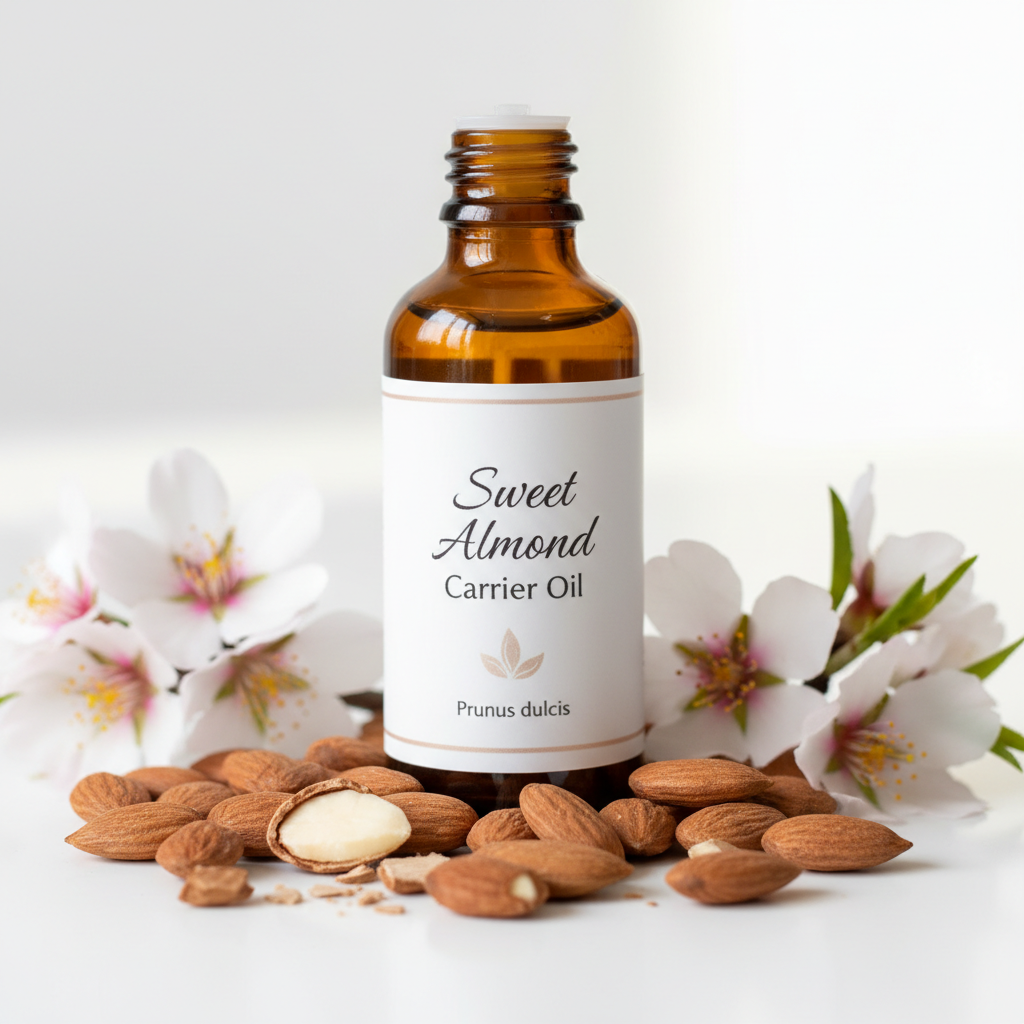
Sweet Almond Carrier Oil
Prunus dulcis
### Sweet Almond Carrier Oil: Origins and Extraction Method Sweet Almond Carrier Oil, derived from the seeds of the **Prunus dulcis** tree, is a prized oil that has been celebrated for its numerous benefits and applications for centuries. It is predominantly cultivated in regions such as California, Spain, and Italy, where the warm climate and fertile soil are ideal for almond cultivation. The extraction of the oil is predominantly accomplished through **cold pressing**. This method involves pressing the seeds at low temperatures to retain the oil's beneficial properties, ensuring that it remains nutrient-dense and suitable for a variety of applications in personal care and aromatherapy. ### Botanical Information The Prunus dulcis tree is a deciduous tree that can reach heights of up to 10 meters. The seeds, often referred to as almonds, are not only a popular snack but also a key component in numerous cosmetic preparations. Sweet Almond Carrier Oil is light in texture, pale yellow in color, and has a mildly nutty aroma that is both pleasant and soothing, making it an excellent addition to various blends. ### Therapeutic Properties and Benefits Sweet Almond Carrier Oil is lauded for its rich nutrient profile, which includes **vitamins E, A, and D**, essential fatty acids, proteins, and various antioxidants. These components contribute to its remarkable therapeutic benefits: - **Soothing and Anti-Inflammatory**: It provides calming effects that can help reduce feelings of stress and anxiety, making it ideal for massage therapy. - **Skin Nourishment**: The oil is known for its ability to deeply nourish the skin, aid in healing minor wounds, and soothe irritations or dry patches. It acts as a natural moisturizer, helping to maintain skin elasticity and hydration. - **Hair Health**: Regular application of Sweet Almond Oil can nourish the scalp, promote shiny, healthy hair, and prevent dandruff. Its conditioning properties make it a beneficial treatment for dry or damaged hair. - **Anti-Aging Properties**: Due to its high antioxidant content, it helps reduce the appearance of fine lines and wrinkles, making it a sought-after ingredient in anti-aging formulations. - **Digestive Support**: While primarily used topically, it can also be ingested in moderation to help alleviate digestive discomfort. ### Historical and Traditional Uses Historically, Sweet Almond Carrier Oil has been used in various cultures for its healing properties. In ancient Egypt, it was utilized for skin and hair care, while traditional Ayurvedic practices have integrated it for centuries in body and scalp massages. Additionally, it has been used in cosmetics, cooking, and as a base for herbal remedies. ### Aroma Profile and Characteristics The aroma of Sweet Almond Carrier Oil is mild and slightly nutty, making it a favorite among aromatherapy enthusiasts. It is an excellent carrier oil for blending with essential oils such as lavender, chamomile, and cedarwood, enhancing their therapeutic effects while providing a nurturing base. ### Common Applications and Methods 1. **Massage Oil**: Mix with essential oils to create a calming massage blend. 2. **Skincare**: Use as a daily moisturizer or in DIY skincare recipes for creams and lotions. 3. **Hair Treatments**: Apply directly to the scalp or incorporate into hair masks for deep conditioning. 4. **Bath Additive**: Add a few drops to bathwater for a relaxing soak. 5. **Aromatherapy**: Use in aroma diffusers to create a soothing environment. ### Interesting Facts and Trivia - Sweet Almond Oil is often confused with bitter almond oil, which is derived from a different variety and can be toxic due to its cyanide content. - The oil's lightweight and non-greasy texture make it suitable for all skin types, including sensitive skin. - It has a long shelf life, thanks to its natural antioxidant properties, which inhibit rancidity. In conclusion, Sweet Almond Carrier Oil is not only versatile but also an essential ingredient in both personal care and therapeutic practices. Its numerous benefits and historic significance make it a must-have for anyone interested in natural wellness and skincare.
Recipes

Calming Lavender Linen Spray Recipe
A gentle, relaxing linen and room spray that promotes restful sleep and calm using lavender, chamomile, and cedarwood essential oils.

Refreshing Tropical Foaming Hand Soap Recipe for Home
Discover how to make this refreshing tropical foaming hand soap recipe. This bright, fruity blend delivers a delightful beach-scented experience every day!

Aromatherapy Recipe: Under-Bed Storage Drawer Bombs
Discover this simple recipe for Under-Bed Storage Drawer Aroma Bombs, perfect for freshening up your space with delightful scents!

Deep Sleep Inhaler Recipe for Restful Sleep and Relaxation
Discover our easy-to-follow Deep Sleep Inhaler recipe designed to promote relaxation and a restful night's sleep. Perfect for calming your mind and body!

Natural Bug Deterrent Lotion Recipe Using Essential Oils
Learn how to make a natural bug deterrent lotion using essential oils. This easy recipe repels insects safely and effectively while nourishing your skin.

Delightful Sleep-Enhancing Pillow Sachets Recipe for Restful Nights
Discover how to create a calming sleep environment with this easy recipe for pillow sachets infused with soothing essential oils to improve your sleep quality.