Search
Found 27 results for "Digestive Support"
Essential Oils
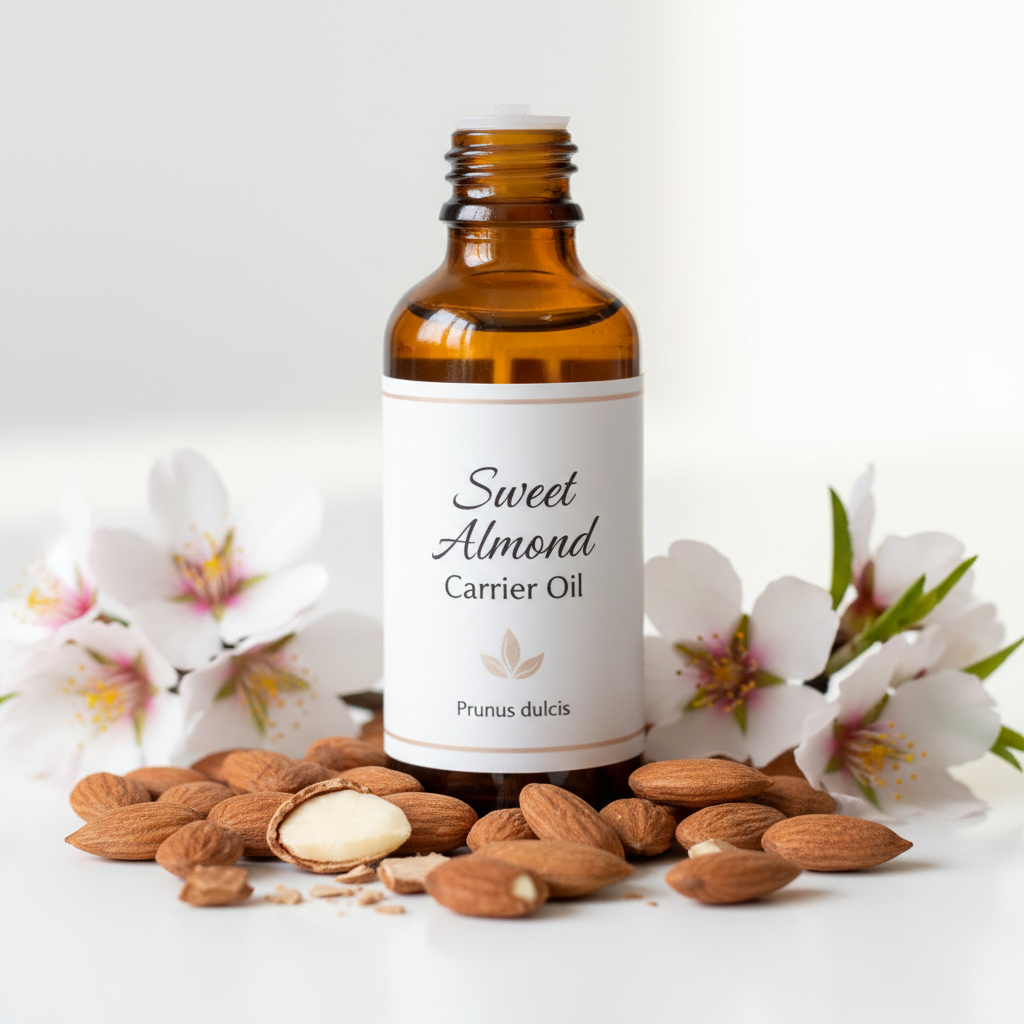
Sweet Almond Carrier Oil
Prunus dulcis
### Sweet Almond Carrier Oil: Origins and Extraction Method Sweet Almond Carrier Oil, derived from the seeds of the **Prunus dulcis** tree, is a prized oil that has been celebrated for its numerous benefits and applications for centuries. It is predominantly cultivated in regions such as California, Spain, and Italy, where the warm climate and fertile soil are ideal for almond cultivation. The extraction of the oil is predominantly accomplished through **cold pressing**. This method involves pressing the seeds at low temperatures to retain the oil's beneficial properties, ensuring that it remains nutrient-dense and suitable for a variety of applications in personal care and aromatherapy. ### Botanical Information The Prunus dulcis tree is a deciduous tree that can reach heights of up to 10 meters. The seeds, often referred to as almonds, are not only a popular snack but also a key component in numerous cosmetic preparations. Sweet Almond Carrier Oil is light in texture, pale yellow in color, and has a mildly nutty aroma that is both pleasant and soothing, making it an excellent addition to various blends. ### Therapeutic Properties and Benefits Sweet Almond Carrier Oil is lauded for its rich nutrient profile, which includes **vitamins E, A, and D**, essential fatty acids, proteins, and various antioxidants. These components contribute to its remarkable therapeutic benefits: - **Soothing and Anti-Inflammatory**: It provides calming effects that can help reduce feelings of stress and anxiety, making it ideal for massage therapy. - **Skin Nourishment**: The oil is known for its ability to deeply nourish the skin, aid in healing minor wounds, and soothe irritations or dry patches. It acts as a natural moisturizer, helping to maintain skin elasticity and hydration. - **Hair Health**: Regular application of Sweet Almond Oil can nourish the scalp, promote shiny, healthy hair, and prevent dandruff. Its conditioning properties make it a beneficial treatment for dry or damaged hair. - **Anti-Aging Properties**: Due to its high antioxidant content, it helps reduce the appearance of fine lines and wrinkles, making it a sought-after ingredient in anti-aging formulations. - **Digestive Support**: While primarily used topically, it can also be ingested in moderation to help alleviate digestive discomfort. ### Historical and Traditional Uses Historically, Sweet Almond Carrier Oil has been used in various cultures for its healing properties. In ancient Egypt, it was utilized for skin and hair care, while traditional Ayurvedic practices have integrated it for centuries in body and scalp massages. Additionally, it has been used in cosmetics, cooking, and as a base for herbal remedies. ### Aroma Profile and Characteristics The aroma of Sweet Almond Carrier Oil is mild and slightly nutty, making it a favorite among aromatherapy enthusiasts. It is an excellent carrier oil for blending with essential oils such as lavender, chamomile, and cedarwood, enhancing their therapeutic effects while providing a nurturing base. ### Common Applications and Methods 1. **Massage Oil**: Mix with essential oils to create a calming massage blend. 2. **Skincare**: Use as a daily moisturizer or in DIY skincare recipes for creams and lotions. 3. **Hair Treatments**: Apply directly to the scalp or incorporate into hair masks for deep conditioning. 4. **Bath Additive**: Add a few drops to bathwater for a relaxing soak. 5. **Aromatherapy**: Use in aroma diffusers to create a soothing environment. ### Interesting Facts and Trivia - Sweet Almond Oil is often confused with bitter almond oil, which is derived from a different variety and can be toxic due to its cyanide content. - The oil's lightweight and non-greasy texture make it suitable for all skin types, including sensitive skin. - It has a long shelf life, thanks to its natural antioxidant properties, which inhibit rancidity. In conclusion, Sweet Almond Carrier Oil is not only versatile but also an essential ingredient in both personal care and therapeutic practices. Its numerous benefits and historic significance make it a must-have for anyone interested in natural wellness and skincare.
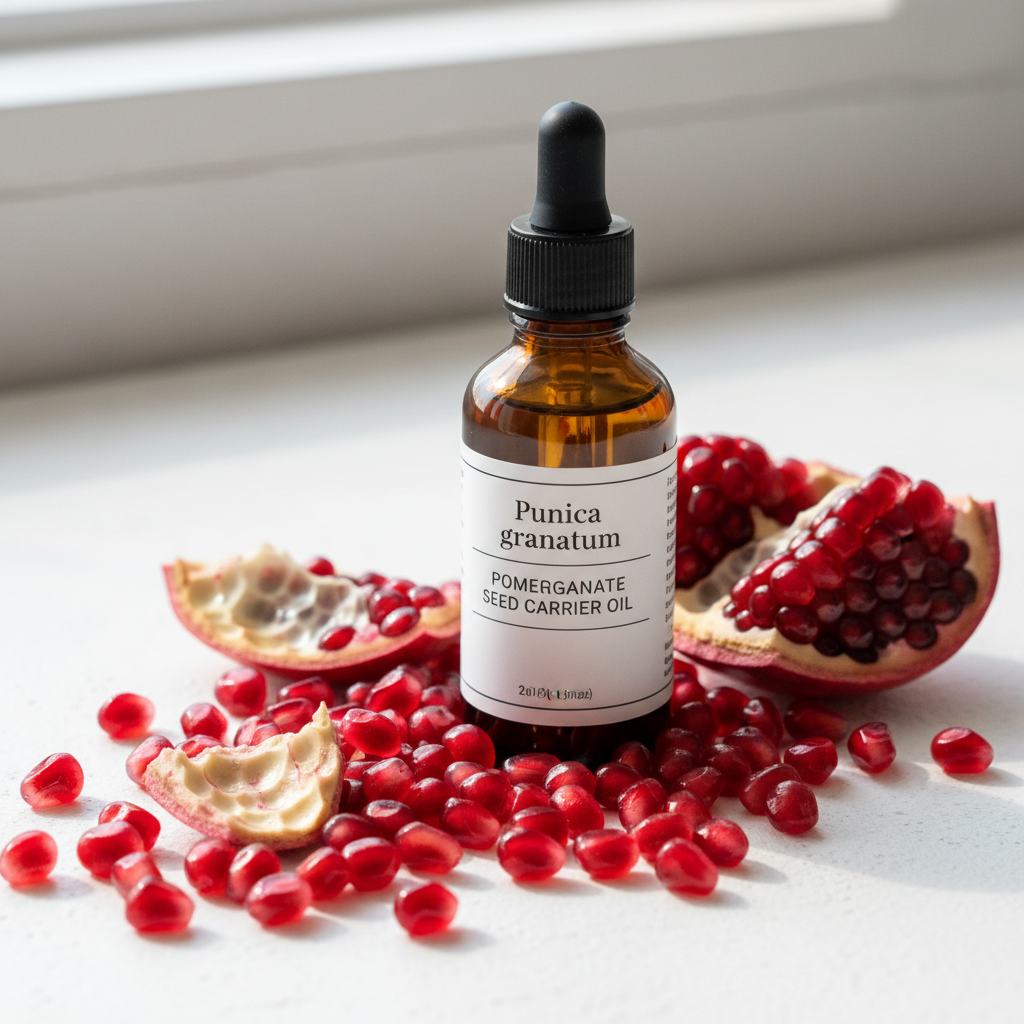
Pomegranate Seed Carrier Oil
Punica granatum
## Pomegranate Seed Oil: An In-Depth Guide ### Origin and Extraction Method Pomegranate Seed Oil is derived from the seeds (arils) of the fruit of the Punica granatum tree, commonly known as the pomegranate. This ancient fruit has been celebrated across cultures for millennia, both for its culinary uses and its health benefits. The oil is obtained through a cold-press extraction method, which preserves the nutrients and bioactive compounds found in the seeds. This careful extraction process yields a vibrant, dark red oil that is rich in antioxidants and essential fatty acids. ### Botanical Information Punica granatum, the botanical name for the pomegranate, is a small deciduous tree that typically grows between 5 to 10 meters in height. It produces vibrant red flowers that give way to the iconic fruit, which contains bright red juicy seeds. The pomegranate is native to the Mediterranean region, and its cultivation dates back thousands of years. ### Therapeutic Properties and Benefits 1. **Antioxidant Properties**: Pomegranate Seed Oil is renowned for its high content of punicic acid, a potent antioxidant that helps combat free radicals in the body, promoting overall health and slowing signs of aging. 2. **Skin Benefits**: Rich in vitamins C and E, this oil aids in skin repair, reduces inflammation, and enhances skin elasticity. It's particularly beneficial for dry or sensitive skin, helping to retain moisture and improve texture. 3. **Anti-Aging Properties**: The oil's ability to rejuvenate skin makes it a popular choice in anti-aging formulations, as it appears to minimize fine lines and wrinkles. 4. **Hair Nourishment**: Not only is it beneficial for the skin, but Pomegranate Seed Oil is also effective for hair health. It can restore shine, soften dry hair, and even promote scalp health. 5. **Digestive Support**: When consumed appropriately, this oil may support healthy digestion and overall gut health. ### Historical and Traditional Uses Pomegranate has been a symbol of health and fertility since ancient times. This oil has been commonly used in traditional medicine, particularly in Ayurvedic practices, where it has been used to treat various ailments. In Mediterranean cultures, the oil has been regarded as a skin tonic and is often included in cosmetic formulations to enhance beauty. ### Scientific Facts and Research Recent studies highlight the efficacy of Pomegranate Seed Oil in promoting skin health due to its anti-inflammatory and antioxidant properties. Research has also indicated potential benefits in supporting cardiovascular health and hormonal balance. The oil’s unique composition, rich in omega-5 fatty acids, has sparked interest in its application within the health and wellness industry. ### Aroma Profile and Characteristics Pomegranate Seed Oil has a subtle, fruity aroma that is mildly sweet and earthy, making it an appealing addition to skincare formulations and aromatherapy practices. This comforting scent can evoke a sense of relaxation and enjoyment when used in topical applications or diffused in the air. ### Common Applications and Methods - **Skincare**: Pomegranate Seed Oil can be applied directly to the skin or incorporated into creams and lotions. It is ideal for use in facial serums, moisturizers, and sun protection products. - **Haircare**: Use it as a hair serum or mix it with shampoos and conditioners for added nourishment and shine. - **Aromatherapy**: Blending it with other essential oils can create a nurturing environment, enhancing mood and promoting emotional well-being. - **Culinary Uses**: In moderation, Pomegranate Seed Oil can be used in salad dressings or drizzled over dishes, providing both flavor and health benefits. ### Interesting Facts and Trivia - Pomegranates have been called “the fruit of the gods” in various cultures due to their rich symbolism in mythology and literature. - The oil is known to have a unique combination of omega-5 fatty acids, which is rare among seed oils. - Pomegranate is often featured in beauty products aimed at anti-aging due to its ability to regenerate skin cells. ### Conclusion Pomegranate Seed Oil is a remarkable carrier oil with a wide range of therapeutic and cosmetic benefits. Its unique properties make it a valuable ingredient in skincare, haircare, and even culinary applications. As more individuals seek natural and holistic options for health and beauty, this ancient oil continues to stand out as a powerful ally in maintaining wellness and vitality.
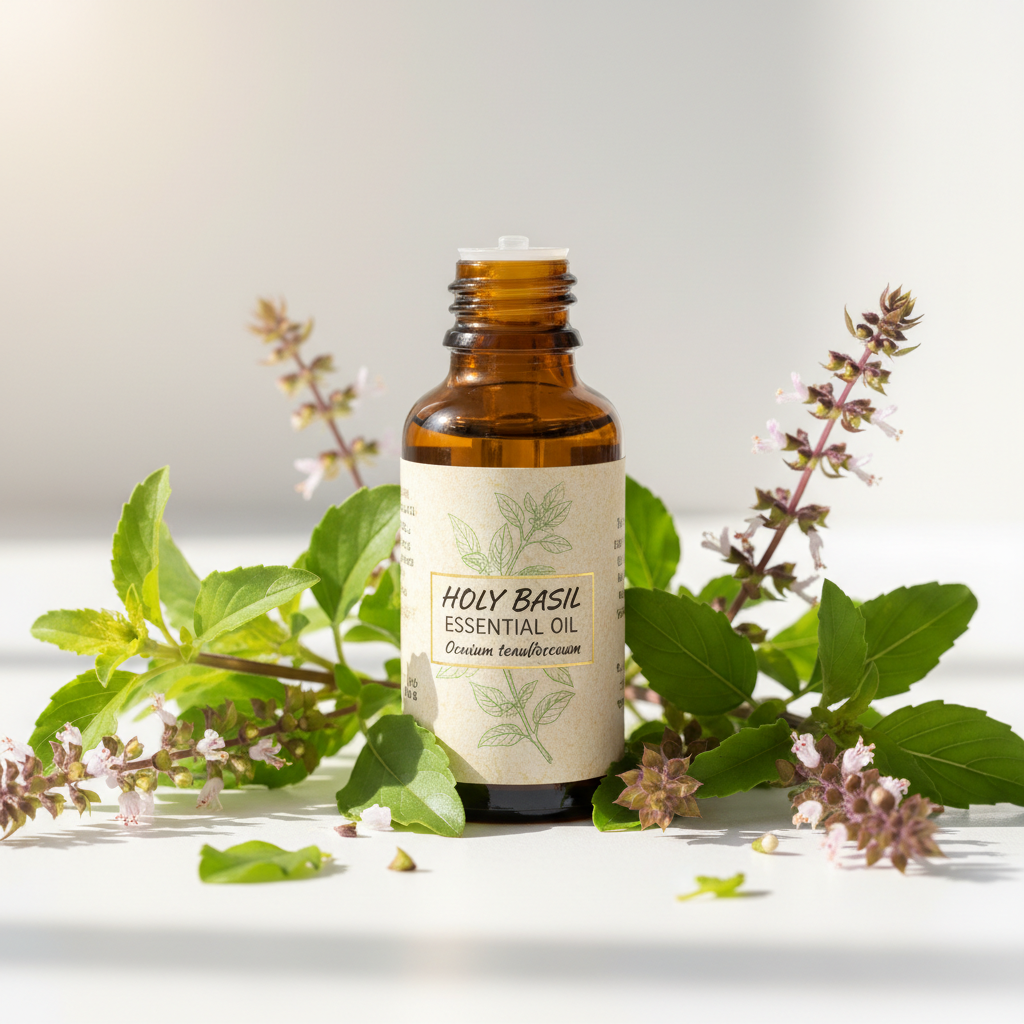
Holy Basil Essential Oil
Ocimum tenuiflorum
Holy Basil Essential Oil, known scientifically as Ocimum tenuiflorum, is a revered essential oil that has been celebrated in Ayurvedic medicine for centuries. This aromatic oil is derived from the leaves and flowering tops of the Holy Basil plant, also called Tulsi, which holds significant cultural value in India, where it symbolizes purity and spiritual healing. ### Origin and Extraction Method Holy Basil essential oil is extracted through a meticulous steam distillation process. This method ensures that the oil retains its complete aroma and therapeutic properties, providing a rich and fragrant oil that captures the essence of the plant. The Holy Basil plant thrives in tropical climates and is mainly cultivated in India and Southeast Asia. ### Botanical Information Holy Basil belongs to the Lamiaceae family and is characterized by its green, serrated leaves and purplish flowers. There are various varieties of Holy Basil, including Rama Tulsi, Krishna Tulsi, and Vana Tulsi, each having slight variations in aroma and therapeutic benefits. The botanical classification of this plant enhances our understanding of its traditional and modern uses in herbal medicine. ### Therapeutic Properties and Benefits Holy Basil Essential Oil is touted for its impressive range of therapeutic properties. Among its primary benefits are: - **Adaptogenic properties**: This oil helps the body adapt to stress and promotes overall balance in physical and emotional aspects of well-being. - **Mental clarity and focus**: In aromatherapy, inhaling Holy Basil oil can enhance cognitive performance, encouraging better concentration during tasks. - **Stress reduction**: Its calming scent can effectively manage daily stressors, creating a soothing environment for relaxation. - **Mood enhancement**: The uplifting aroma of Holy Basil essential oil can foster feelings of happiness and contentment. - **Emotional resilience**: It supports individuals dealing with emotional challenges by encouraging a positive mindset and resilience to stress. - **Mindfulness promotion**: The oil is frequently used in meditation practices, aiding individuals in achieving inner peace and tranquility. - **Immune function support**: Rich in antioxidants, it may help bolster the body's defenses against ailments and maintain overall health. - **Respiratory benefits**: Holy Basil oil can assist in relieving symptoms of respiratory distress, making it beneficial for individuals suffering from colds or allergies. - **Headache relief**: Its calming effects can help alleviate tension headaches and migraines. - **Skin health enhancement**: With its antimicrobial properties, this essential oil can be used in skincare to promote a healthier complexion. - **Digestive support**: Holy Basil oil can aid digestion and ease gastrointestinal discomfort, making it a useful addition to digestive wellness. ### Historical and Traditional Uses In traditional Ayurvedic practices, Holy Basil has been utilized for its holistic healing properties, often consumed as a tea or used in poultices. Ancient texts refer to the plant as "the elixir of life", underlining its significance in promoting health and longevity. It is often included in rituals and spiritual practices as a means to purify the environment and uplift the spirit. ### Scientific Facts and Research Recent studies have looked into the phytochemical constituents of Holy Basil essential oil, finding that it contains eugenol, a compound known for its anti-inflammatory and antioxidant properties. Research suggests that these compounds may contribute to improved mental health and stress recovery, further validating its use in holistic therapies. ### Aroma Profile and Characteristics Holy Basil Essential Oil has a warm, spicy, and slightly sweet aroma with fresh, herbaceous undertones. Its scent not only uplifts the spirit but also invigorates the mind, making it a favorite in both personal care products and wellness practices. ### Common Applications and Methods This versatile oil can be used in several ways: - **Diffusion**: Add a few drops to a diffuser to enjoy its aromatic benefits throughout your home or workspace. - **Topical application**: Dilute it with a carrier oil, such as coconut or jojoba oil, for use on skin or during massage. - **Aromatherapy**: Inhale directly from the bottle or add to a personal inhaler for on-the-go stress relief. - **Baths**: Add a few drops to a warm bath for a calming and soothing experience. ### Interesting Facts and Trivia - Holy Basil is often referred to as the "Queen of Herbs" due to its esteemed place in Ayurvedic medicine. - In India, it is customary to have a Tulsi plant in every household, believed to protect family health and spiritual well-being. - The leaves are often offered to deities in Hindu rituals, further emphasizing its sacred status. In conclusion, Holy Basil Essential Oil is not only a fragrant addition to your essential oil collection but also a multifaceted oil with numerous health benefits and a rich cultural heritage. Whether you seek to enhance your emotional well-being, support your immune system, or simply enjoy its beautiful scent, Holy Basil essential oil remains an invaluable asset for holistic health.
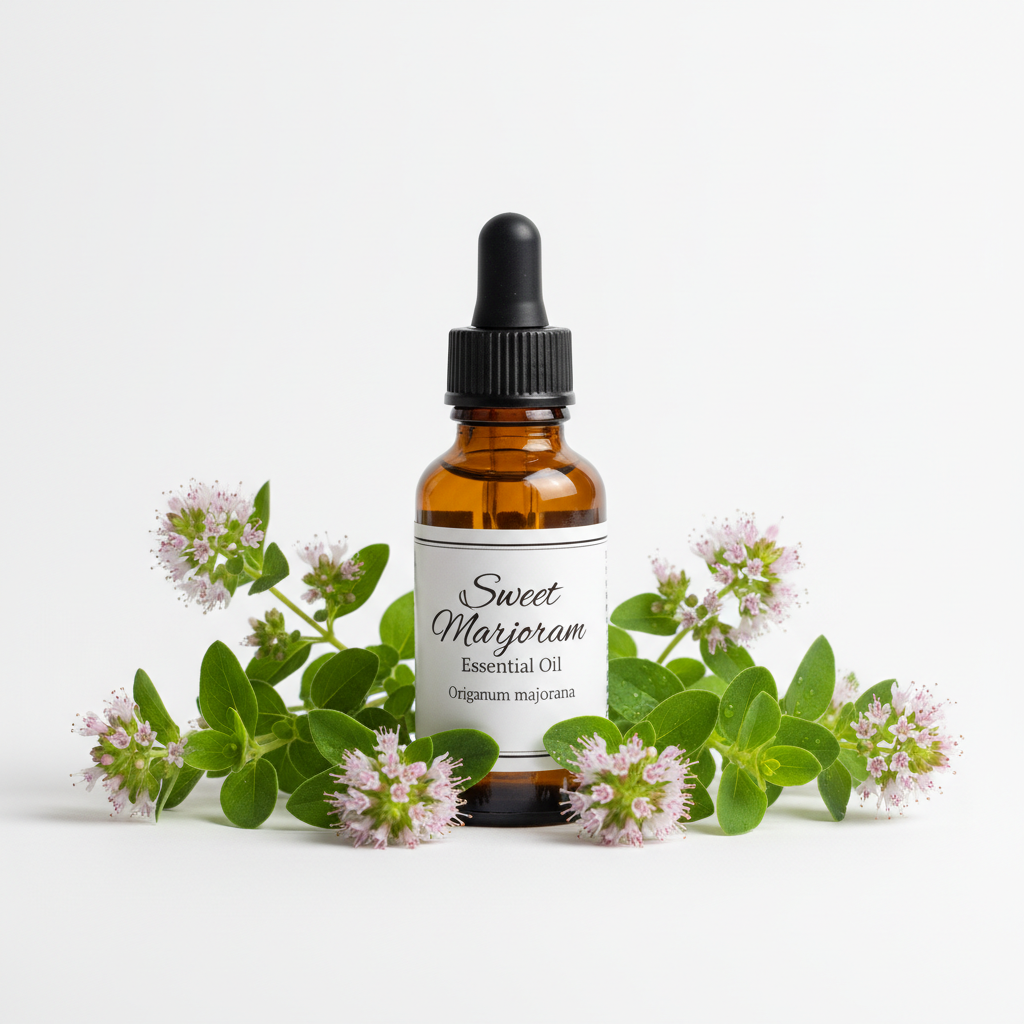
Sweet Marjoram Essential Oil
Origanum majorana
Sweet Marjoram Essential Oil, scientifically known as *Origanum majorana*, is a cherished oil extracted from the leaves and flowering tops of the sweet marjoram plant. This herb, native to the Mediterranean region, has a long history of use in cooking and traditional medicine. The extraction method employed for this essential oil is steam distillation, a process that effectively captures the oil's delicate aroma and potent therapeutic properties. ### Origin and Extraction Method Sweet Marjoram has been cultivated for centuries, with evidence of its use dating back to the ancient Greeks and Romans who valued it as a symbol of happiness and protection. The essential oil is produced via steam distillation of the plant’s leaves and flowering tops, which preserves its volatile compounds and rich, sweet scent. This extraction method leaves the oil with both aroma and therapeutic benefits intact, making it ideal for various applications. ### Botanical Information *Origanum majorana*, belonging to the Lamiaceae family, is a perennial herb characterized by its rich green leaves and small white or pink flowers. The plant typically grows to about 60 cm in height and flourishes in warm, sunny climates. The oil extracted from the leaves is light yellow to amber in color, with a distinctive sweet, herbaceous fragrance. ### Therapeutic Properties and Benefits Sweet Marjoram Essential Oil is celebrated for its wide array of therapeutic benefits: - **Relaxation and Calmness**: Known for promoting tranquility, this oil is often used in aromatherapy to reduce stress and support mental clarity and relaxation. - **Anti-inflammatory Effects**: It possesses anti-inflammatory properties that are beneficial in soothing sore muscles and easing discomfort, making it a popular addition to massage blends. - **Digestive Health**: This oil aids digestion, helping to alleviate bloating and discomfort after meals. - **Respiratory Relief**: Its soothing attributes can help ease respiratory issues, promoting clear airways and relieving congestion. - **Emotional Balance**: Sweet Marjoram encourages emotional stability, reducing mood swings and providing comfort during periods of grief or emotional stress. ### Historical and Traditional Uses Historically, Sweet Marjoram has been used in various cultures for both culinary and medicinal purposes. Ancient Greeks believed it signified love and joy and used it in wedding ceremonies. In traditional medicine, it has been utilized to treat ailments such as colds, coughs, and digestive issues. Its soothing properties have also made it a staple in the herbal remedies of many cultures. ### Scientific Facts and Research Recent studies have highlighted the antimicrobial and antioxidant properties of Sweet Marjoram Essential Oil. Research indicates that its compounds may help inhibit the growth of harmful bacteria and support overall health by combating oxidative stress in the body. These findings have sparked interest in its use as a natural remedy in various health and wellness contexts. ### Aroma Profile and Characteristics The aroma of Sweet Marjoram Essential Oil is soft, sweet, and slightly spicy, with herbaceous notes that are calming and soothing. This fragrance profile makes it an excellent choice for diffusion in homes or during yoga and meditation sessions, fostering an environment that promotes peace and relaxation. ### Common Applications and Methods Sweet Marjoram Essential Oil can be employed in numerous ways: - **Diffusion**: Add a few drops to a diffuser to promote a calming environment. - **Massage**: Blend with a carrier oil and apply to sore areas to relieve tension and soreness. - **Bath**: Add a few drops to a warm bath for a soothing, relaxing experience. - **Inhalation**: Use during stressful moments by inhaling directly from the bottle or via a steam inhalation method. ### Interesting Facts and Trivia Did you know that sweet marjoram is often confused with oregano? While they share similar scent profiles, sweet marjoram is milder and has a sweeter fragrance. Another interesting fact is that marjoram was traditionally used as an aphrodisiac and in love potions in ancient times! In conclusion, Sweet Marjoram Essential Oil is not only a versatile addition to your essential oil collection but also a powerful ally in promoting physical health and emotional well-being. Its rich history, combined with its numerous benefits, makes it a staple in aromatherapy and natural health practices.
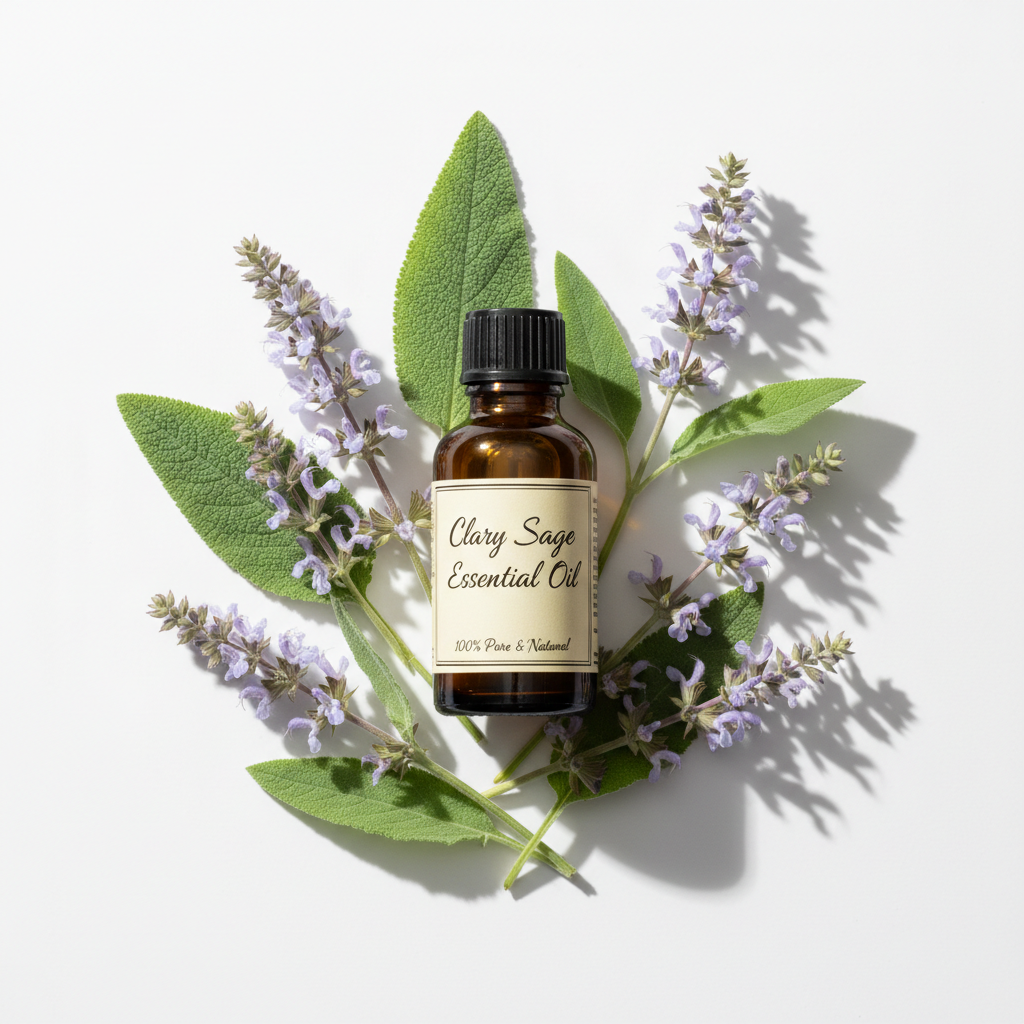
Clary Sage Essential Oil
Salvia sclarea
**Clary Sage Essential Oil: Origins and Properties** Clary Sage Essential Oil, scientifically known as *Salvia sclarea*, is a remarkable oil derived from the leaves and flowers of the Clary Sage plant, which is native to the Mediterranean region, particularly in Southern Europe. The extraction method used for this precious oil is steam distillation, a process that captures the aromatic characteristics while preserving the therapeutic properties. **Botanical Information** The Clary Sage plant is an herbaceous perennial that can grow up to 3 feet tall with large, soft leaves and striking blue or purple flowers. This plant thrives in well-drained soils and is often found growing wild in its native habitats. The essential oil extracted from the leaves and flowering tops is rich in various beneficial compounds, including linalyl acetate and linalool, which contribute to its soothing and uplifting properties. **Therapeutic Properties and Benefits** Clary Sage Essential Oil has a long history of therapeutic applications. Historically, it was known in ancient Roman times for its health benefits. It is celebrated for its calming effects on the mind and body, making it a popular choice for aromatherapy to relieve stress and promote relaxation. Users often report enhanced emotional stability, which can be bolstered by its ability to reduce symptoms of anxiety. The oil is also lauded for its potential to encourage creativity and clarity of thought, allowing individuals to harness their creative energies. Additionally, Clary Sage Essential Oil supports self-acceptance and promotes a positive body image, making it a valuable tool in personal wellness routines. **Health Benefits and Applications** In terms of physical health, Clary Sage Essential Oil has several notable benefits. It is recognized for its ability to alleviate menstrual cramps and regulate menstrual cycles due to its natural hormone-balancing properties. Furthermore, it supports digestive health by reducing bloating and discomfort. Users may also find relief from migraines and tension headaches as the oil can relieve muscle tension and improve circulation. The respiratory system may benefit from Clary Sage through its potential to ease breathing-related issues. Its soothing aroma can support deeper breathing, making it beneficial for individuals with respiratory concerns. In skin care, it is often used in formulations to enhance skin health, promoting a clearer and more radiant complexion. Its antimicrobial properties may help combat skin irritations and infections, making it a versatile addition to natural beauty products. **How to Use Clary Sage Essential Oil** Clary Sage Essential Oil can be incorporated into a variety of applications. In aromatherapy, it can be diffused with other calming oils like lavender to create a serene atmosphere. For topical applications, it should be diluted with a carrier oil to ensure safe skin contact. This oil can also be included in massage blends to relieve muscle tension and stress. When added to bathwater, Clary Sage Essential Oil provides a fragrant experience, promoting relaxation. Many also use it in homemade body products, such as lotions or body scrubs, to enhance mood and skin vitality. **Interesting Facts and Trivia** Did you know that Clary Sage was once referred to as ‘clear eye’ due to its historical use in treating eye-related ailments? It was also commonly used in medieval Europe to flavor wines and foods, highlighting its versatility not just as an essential oil but also as an herb. Furthermore, its naturally sweet and herbaceous aroma has made it a favorite for perfumers looking to create warm, rich fragrances. In conclusion, Clary Sage Essential Oil is not just a fragrant addition to your collection; it embodies a rich history of therapeutic use and wellness benefits. From its historical roots to modern applications, this essential oil has proven to be a powerful ally in promoting emotional, mental, and physical health.
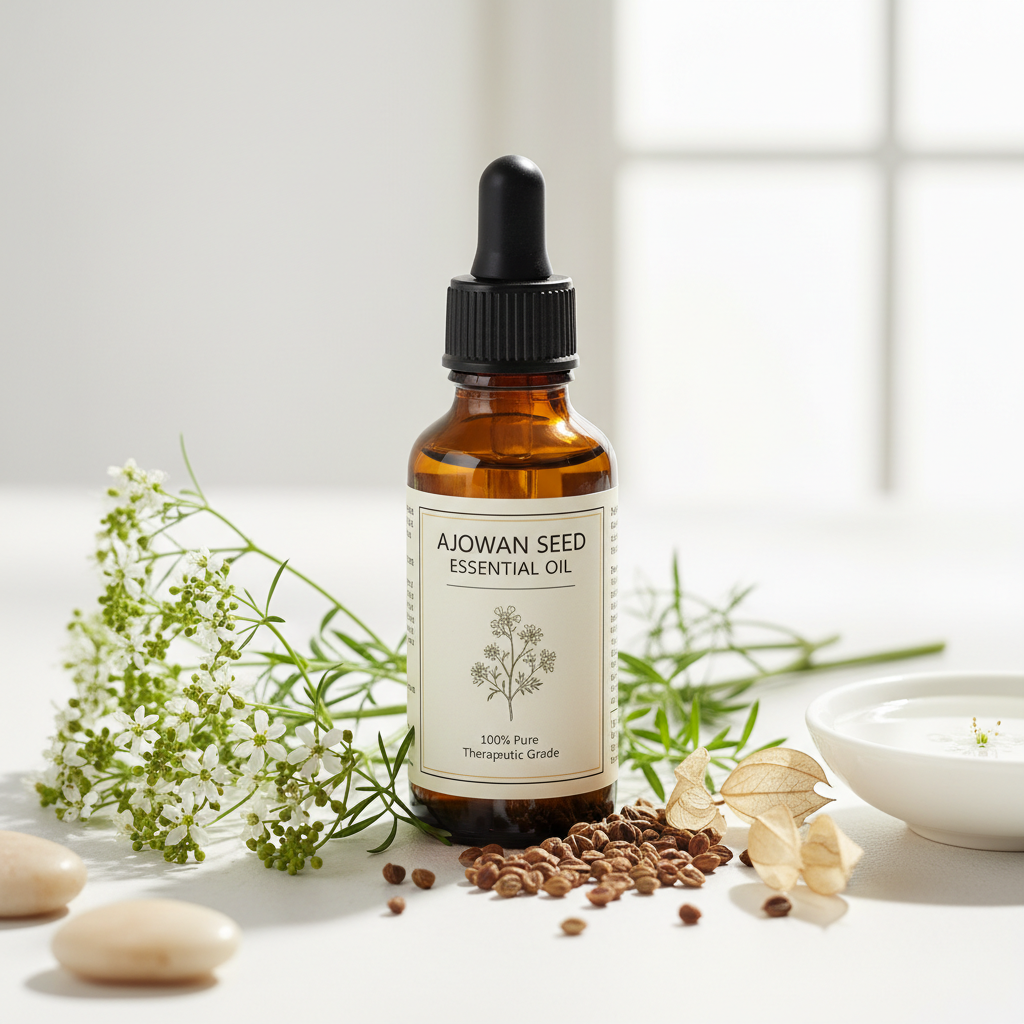
Ajowan Seed Essential Oil
Trachyspermum ammi
**Ajowan Seed Essential Oil: Comprehensive Overview** Ajowan Seed Essential Oil, extracted from the seeds of the Ajowan plant (Trachyspermum ammi), is renowned for its distinct warm, herbaceous aroma, reminiscent of thyme and oregano. This essential oil, often referred to simply as ajowan oil, has deep roots in both culinary and medicinal traditions, making it a valuable component in aromatherapy and holistic health. **Origin and Extraction Method** The Ajowan plant is native to parts of India and the Middle East, thriving in warm, temperate climates. The seeds are typically harvested when fully matured, after which they undergo a steam distillation process to yield the essential oil. This method helps capture the volatile compounds within the seeds, ensuring a pure and potent oil that retains its therapeutic properties. **Botanical Information** Trachyspermum ammi is a member of the Apiaceae family, often categorized along with other herbs such as caraway and cumin. Its small, brown seeds are known for their high concentration of thymol, a powerful compound that contributes to both its aromatic profile and health benefits. Ajowan has been used historically not only as a spice but also for its medicinal qualities. **Therapeutic Properties and Benefits** Ajowan Seed Essential Oil offers a plethora of therapeutic benefits: - **Promotes Mental Clarity:** The stimulating properties of ajowan oil can help enhance concentration and focus. It is often used during meditation or study to clear mental fog. - **Reduces Stress and Anxiety:** The calming qualities of this oil promote emotional balance, making it an excellent choice for alleviating feelings of stress and tension. - **Supports Digestion:** Ajowan oil has a long history of traditional use as a digestive aid. It can help relieve bloating, gas, and other digestive discomforts. - **Boosts Immune System:** With its anti-inflammatory and antibacterial properties, ajowan oil can support overall immune health, helping the body fend off illnesses. - **Aids in Respiratory Health:** The oil's antiseptic qualities can provide relief from respiratory issues, helping to clear congestion and soothe coughs. **Historical and Traditional Uses** The use of Ajowan dates back thousands of years. In Ayurvedic medicine, it is highly valued for its ability to improve digestion and as a remedy for various ailments. Traditionally, ajowan seeds were utilized in cooking for flavor and preservation, but their health benefits were soon recognized, leading to the extraction of their essential oil for use in various alternative medicinal practices. **Scientific Facts and Research** Various studies have explored the health benefits of Ajowan Seed Essential Oil. Research highlights its potential as an antimicrobial agent, effective against multiple strains of bacteria. Other studies suggest its efficacy in promoting digestive health and managing stress levels. Ongoing research into the therapeutic uses of ajowan oil continues to uncover its valuable properties. **Aroma Profile and Characteristics** The aroma of Ajowan Seed Essential Oil is complex and rich, characterized by a warm, spicy, and slightly bitter scent. This captivating fragrance not only enhances any aromatherapy blend but also serves as a natural insect repellent, making it beneficial for pest control in the home. **Common Applications and Methods** Ajowan Seed Essential Oil can be utilized in various ways: - **Aromatherapy:** Use a diffuser to disperse the oil in your space, promoting relaxation and mental clarity. - **Topical Application:** Dilute ajowan oil with a carrier oil and apply to affected areas to relieve muscle soreness or digestive discomfort. - **Massage:** Incorporate ajowan oil into massage blends for rejuvenating effects on the body. - **Inhalation:** Direct inhalation of the oil can help relieve respiratory issues. **Interesting Facts and Trivia** - Ajowan is often referred to as "carom seeds" in many societies, reflecting its culinary importance. - This essential oil is sometimes used as a traditional remedy for both skin and hair care, helping to keep them healthy. - It is a popular ingredient in Indian cuisine, especially in pickle preparation, owing to its preservative properties. In conclusion, Ajowan Seed Essential Oil stands out not only for its distinct flavor profile but also for its extensive array of health benefits. Whether through aromatherapy, traditional medicine, or culinary applications, ajowan oil proves invaluable for enhancing wellness and nurturing the mind and body. Incorporating Ajowan Seed Essential Oil into your routine can offer both physical and emotional support.