Search
Found 25 results for "Hair Care"
Essential Oils
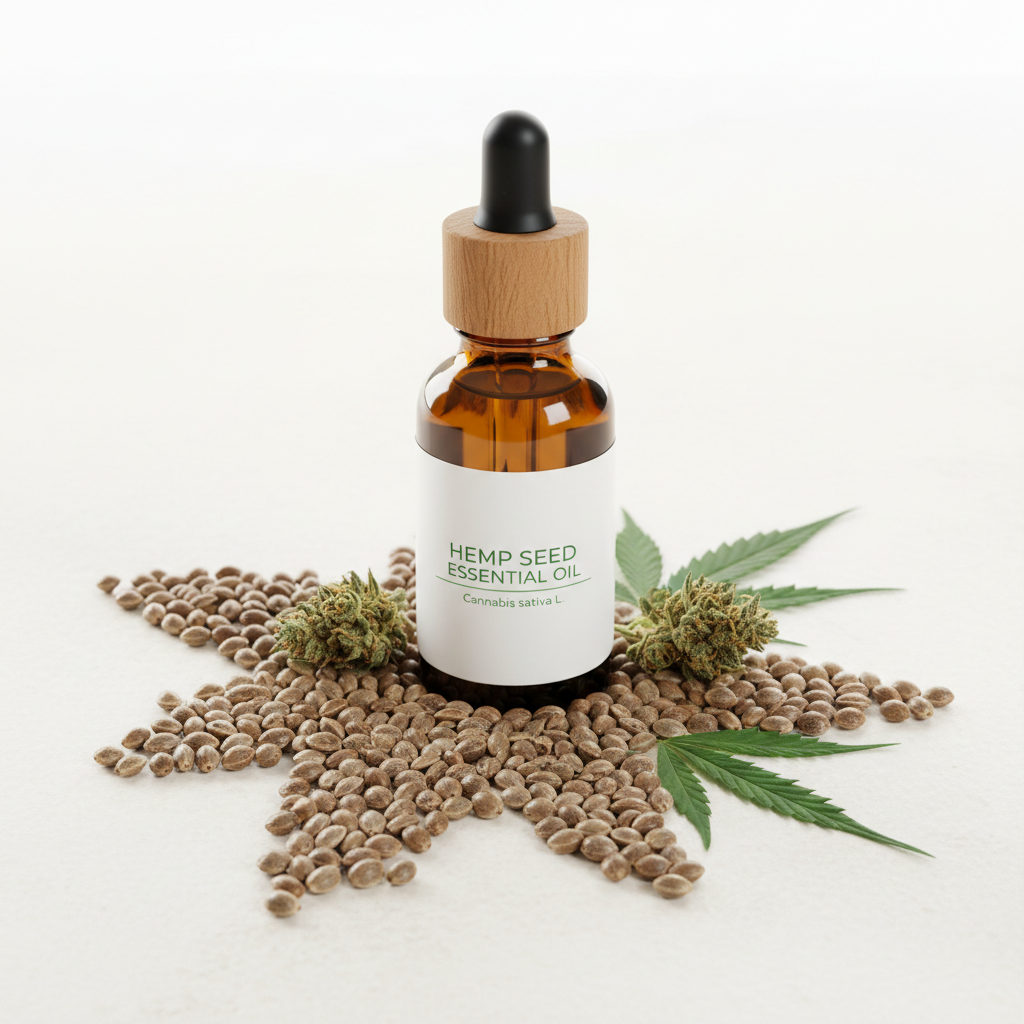
Hemp Seed Essential Oil
Cannabis sativa L.
### Hemp Seed Essential Oil: Benefits, Uses, and Origins Hemp Seed Essential Oil, derived from the seeds of the Cannabis sativa L. plant, has garnered attention for its impressive array of benefits and uses in both modern and traditional holistic practices. Unlike other oils in the hemp family, hemp seed oil is extracted from the seeds, not the flowers, making it a non-psychoactive carrier oil that is rich in essential fatty acids. #### Origin and Extraction Method Hemp has been cultivated for thousands of years, with its origins tracing back to Central Asia. It is one of the earliest domesticated plants, prized for its versatile uses. The oil is extracted from hemp seeds using a cold-pressing method, which preserves the integrity of the nutrients within. This method not only maintains the oil's beneficial properties but also ensures that it remains free from harmful chemicals or solvents. #### Botanical Information Botanically, Cannabis sativa L. belongs to the Cannabaceae family. The seeds used for oil extraction contain high levels of omega-3 and omega-6 fatty acids, alongside other vital nutrients such as proteins, vitamins, and antioxidants. This unique composition contributes to the oil's nourishing and moisturizing properties, making it a popular choice for skin and hair care products. #### Therapeutic Properties and Benefits Hemp Seed Essential Oil is widely reputed for its therapeutic benefits: - **Hydration & Nourishment**: The oil deeply hydrates, helping to restore moisture to dry skin and preventing moisture loss. - **Skin Repair**: It promotes cellular regeneration, making it beneficial for damaged, aging skin or conditions like eczema and psoriasis. - **Joint and Muscle Support**: Known for its anti-inflammatory properties, it may alleviate discomfort from joint and muscle soreness. - **Stress Relief**: The anti-anxiety properties promote a calming effect on both the body and mind, enhancing relaxation and reducing stress levels. - **Immunity Boosting**: Interestingly, hemp seed oil can support the immune system due to its rich nutrient profile. #### Historical and Traditional Uses Historically, hemp has been recognized not just for its oil but also for its fibers used in textiles. Ancient cultures utilized hemp seeds for their nutritional benefits, considering them a source of energy and healing. In traditional medicine, it has been employed as a remedy for various ailments, including skin diseases and inflammation. #### Scientific Facts and Research Recent scientific studies have explored the vast potential of hemp oil, highlighting its role in skin health and inflammation reduction. For instance, research published in the Journal of Dermatological Treatment confirms that hemp seed oil's composition makes it effective for treating atopic dermatitis. Furthermore, its rich omega-3 and omega-6 fatty acids can help maintain skin's elasticity and mitigate signs of aging. #### Aroma Profile and Characteristics Hemp Seed Essential Oil has a subtle, nutty aroma that is not overpowering. This makes it an excellent base for blending with other essential oils, enhancing therapeutic applications (like calming blends). Its lightweight texture allows for easy absorption, making it suitable for topical applications. #### Common Applications and Methods Hemp seed oil can be utilized in various ways: - **Topical Use**: Apply directly to the skin for hydration or use it in massage to relieve muscle tension. - **Cosmetics & Skincare**: Incorporate it into lotions, creams, and serums for enhanced moisturizing properties. - **Aromatherapy**: When diffused with other essential oils, it can elevate mood and promote a sense of well-being. #### Interesting Facts and Trivia - Did you know that hemp seed oil is sometimes referred to as a “superfood” due to its rich profile of nutrients? - Cannabis sativa L. has been used in traditional medicine for over 5000 years, proving its long-standing reputation as a valuable plant. - Unlike other cannabis oils, hemp seed oil will not cause psychoactive effects, making it suitable for those looking to benefit from the plant without high-induced effects. In conclusion, Hemp Seed Essential Oil blends ancient wisdom with modern wellness, making it a valuable addition to any holistic health routine. Whether used for skin nourishment, emotional support, or general well-being, this nutritious oil deserves a spot in your wellness kit.
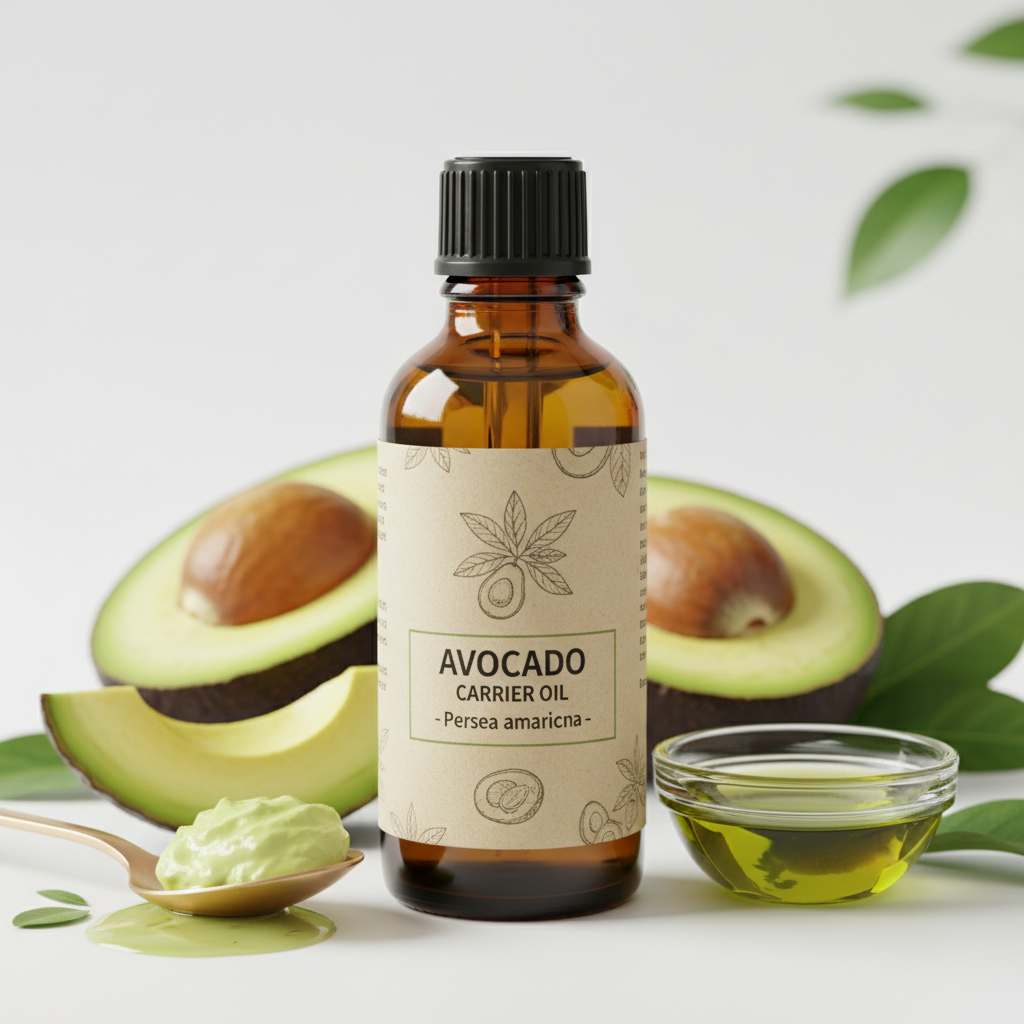
Avocado Carrier Oil
Persea americana
### Introduction to Avocado Essential Oil Avocado essential oil is extracted from the pulp of the Persea americana fruit, primarily through a cold-pressed method that preserves its nutritional integrity. Renowned for its numerous health benefits and versatility, avocado oil has gained popularity in both holistic and culinary practices. Its unique properties make it an excellent carrier oil, suitable for diluting essential oils for safe application on the skin. ### Origin and Extraction Method Avocado oil originates from the avocado tree, which is native to Central Mexico but is now grown in many tropical and Mediterranean climates around the world. The cold-pressed extraction method is highly efficient, providing a rich, dark green oil packed with vitamins and nutrients. This process ensures that the beneficial properties of the oil are preserved, making it a staple in various wellness and beauty regimens. ### Botanical Information The avocado tree belongs to the Lauraceae family, which also includes cinnamon and bay laurel. The oil is rich in oleic acid (a monounsaturated fat) and high in other beneficial compounds like vitamin E, vitamin K, and various phytosterols. These components contribute to the oil's moisturizing and healing properties, making it especially useful for skin and hair care. ### Therapeutic Properties and Benefits Avocado essential oil is celebrated for its extensive therapeutic properties. Here are some of the key benefits: 1. **Moisturization**: Avocado oil acts as a natural moisturizer, penetrating deep into the skin and providing lasting hydration, making it ideal for dry or aging skin. 2. **Skin Health**: It possesses anti-inflammatory properties that can help soothe skin irritations such as eczema and psoriasis, promoting a clearer complexion. 3. **Hair Care**: Rich in fatty acids, avocado oil helps to nourish hair, reduce frizz, and enhance shine. Regular application can strengthen strands and promote growth. 4. **Pain Relief**: When used in massage, its anti-inflammatory properties may alleviate muscle pain and joint discomfort, promoting overall body relaxation. 5. **Emotional Well-being**: The soothing fragrance of avocado essential oil may help calm the mind, reduce stress, and promote a sense of tranquility. ### Historical and Traditional Uses For centuries, various cultures have harnessed the benefits of avocado oil in traditional medicine and culinary practices. The Aztecs referred to avocados as “aguacate,” which means testicle, reflecting the fruit's shape and its reputed aphrodisiac properties. Avocado oil has been used in beauty regimens dating back to these ancient times, known for its skin-enhancing qualities. ### Scientific Facts and Research Recent studies have shown that the high levels of antioxidants in avocado oil can help protect against oxidative stress and may contribute to improved cardiovascular health. Additionally, research suggests that using avocado oil as part of a balanced diet may aid in lowering cholesterol levels, thanks to its monounsaturated fats. ### Aroma Profile and Characteristics Avocado essential oil boasts a mild, buttery aroma that is often described as earthy and smooth. Its unique scent makes it a pleasant addition to homemade skin care products, blending well with other essential oils such as lemon, lavender, or peppermint. ### Common Applications and Methods Avocado oil is incredibly versatile and can be used in various ways: - **Skin Care**: Apply it as a moisturizer or add a few drops to your favorite creams and lotions. - **Hair Treatments**: Use it as a hair mask or add it to your shampoo for added hydration. - **Massage Oil**: Blend with essential oils for effective massage treatments. - **Culinary Use**: Avocado oil is also a popular cooking oil due to its high smoke point and rich flavor, making it perfect for sautéing and baking. ### Interesting Facts and Trivia - Did you know that avocados are technically berries? In botanical terms, they meet the criteria for large berries with a single seed. - The avocado tree can grow up to 60 feet tall, and it takes about 10 years for an avocado tree to bear fruit! - Avocado's popularity has skyrocketed in recent years, becoming a staple in health-conscious diets and a favorite for vegan recipes. ### Conclusion In conclusion, avocado essential oil is not only a beneficial carrier oil for essential oils but also a powerful oil in its own right with numerous health benefits. From its origins in ancient cultures to modern wellness practices, its multifunctional uses make it a valuable addition to any oil collection. Whether used in skincare, haircare, or cooking, its nutritional and therapeutic properties are sure to enhance overall well-being.
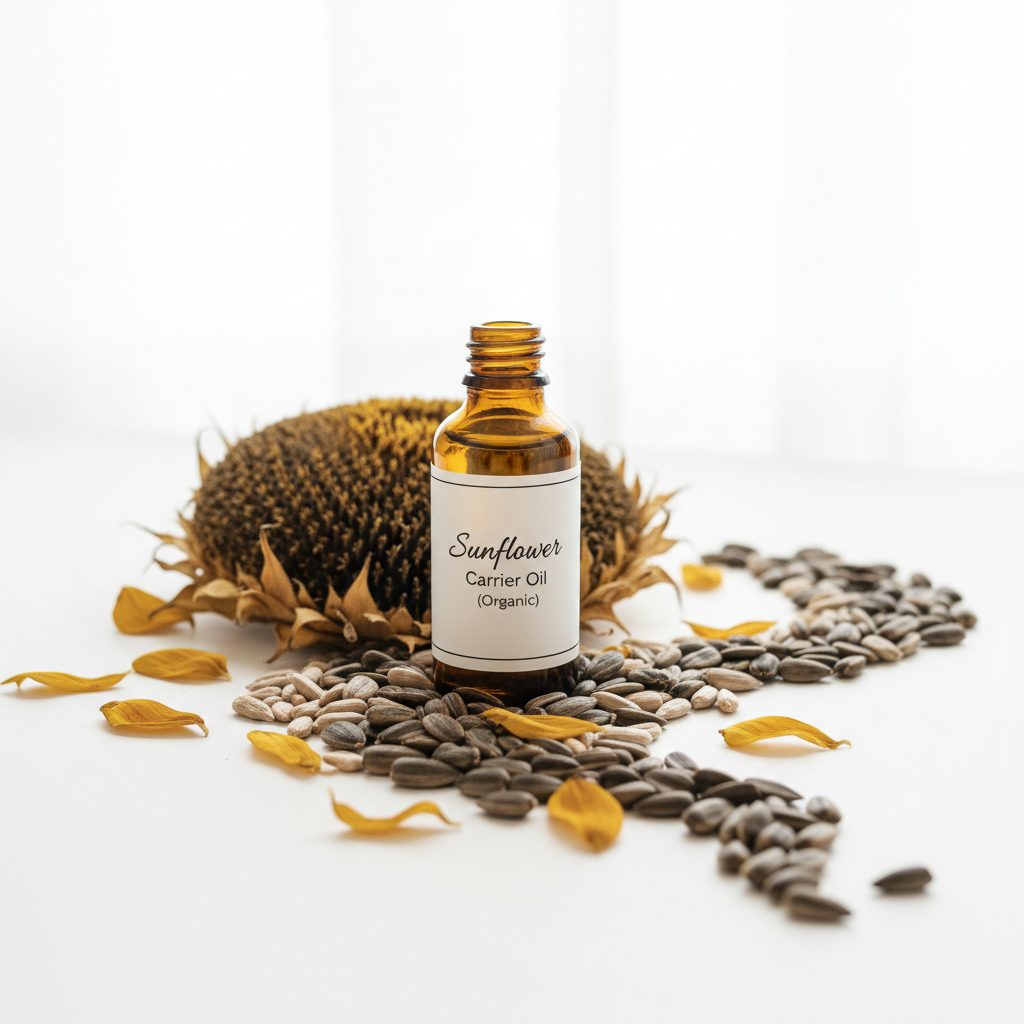
Sunflower Carrier Oil
Helianthus annuus
### Sunflower Carrier Oil: A Comprehensive Guide to Benefits and Uses #### Origin and Extraction Method Sunflower Carrier Oil is extracted from the seeds of the **Helianthus annuus** plant using the cold-press method. This means the seeds are mechanically pressed to extract the oil without the use of harmful chemicals or excessive heat, which allows the oil to retain its beneficial properties. Sunflower oil is predominantly cultivated in regions with abundant sunlight, such as North America, Europe, and parts of Africa, ensuring a high-quality extract that is both pure and sustainable. #### Botanical Information The **Helianthus annuus** is a flowering plant known commonly as the sunflower. This cheerful yellow flower is not only prized for its beauty but also for its oil-rich seeds. Sunflowers flourish in sunny environments, showcasing their sunny disposition suggestive of the health benefits they offer. The seeds are harvested and processed to yield the oil, which is characterized by its light texture and pale yellow color. #### Therapeutic Properties and Benefits Sunflower Carrier Oil is celebrated for its numerous therapeutic properties: - **Emollient:** It is highly moisturizing, making it ideal for dry skin. - **High in Vitamins:** Rich in Vitamin E, it provides antioxidant protection, promotes skin health, and aids in healing. - **Anti-inflammatory:** This oil can help reduce inflammation and is suitable for sensitive skin types. - **Rich in Fatty Acids:** Its high linoleic acid content supports skin barrier function and retains moisture, crucial for maintaining skin hydration. #### Historical and Traditional Uses Historically, Sunflower Carrier Oil has been cherished since ancient times. Indigenous cultures in North America and Europe utilized its benefits for both culinary and medicinal purposes. It was often used in traditional cooking and as a remedy for various ailments. In herbal medicine practices, it has been employed topically to soothe skin irritations and improve overall skin health. #### Scientific Facts and Research Research has shown that Sunflower Oil’s high linoleic acid content can improve atopic dermatitis, providing relief from scaly and itchy skin. Its Vitamin E content also plays a crucial role in reducing the appearance of scars and stretch marks. Various studies highlight its effectiveness as a barrier oil that helps protect the skin against environmental stressors. #### Aroma Profile and Characteristics With a light, neutral scent, Sunflower Carrier Oil does not overpower essential oils, making it an excellent carrier for aromatherapy. Its versatility allows it to blend seamlessly with a variety of essential oils, enhancing their properties without altering their aroma profiles. This makes it a go-to choice for creating your personalized essential oil blends. #### Common Applications and Methods Sunflower Carrier Oil can be used in a variety of ways: - **Massage Oil:** Combining it with essential oils can facilitate relaxation and stress relief. - **Cosmetic Applications:** It is frequently utilized in lotions, creams, and hair products to enhance hydration and shine. - **Aromatherapy Blends:** A perfect addition to synergy blends to promote emotional balance and uplift mood. When used in diffusers or added to bathwater, it enhances the overall experience of the aromatherapy session. - **Culinary Uses:** Aside from its cosmetic benefits, organic sunflower oil is also a popular cooking oil due to its light flavor and high smoke point, ideal for frying or sautéing. #### Interesting Facts and Trivia - Sunflowers were cultivated by Native Americans as early as 3000 B.C. for their nutritious seeds and oil. - The seeds contain essential fatty acids that are vital for overall health, making the oil beneficial not only for topical applications but also as a part of a balanced diet. - In ancient cultures, sunflower oil was revered as a source of light and health, symbolizing warmth and nourishment. In conclusion, **Sunflower Carrier Oil** is a versatile, nutritious oil that supports both health and beauty. Whether used in cooking, cosmetic preparations, or aromatherapy, it is a powerful ally in promoting wellness. With its rich history and myriad benefits, sunflower oil continues to be cherished and embraced in various cultures worldwide.
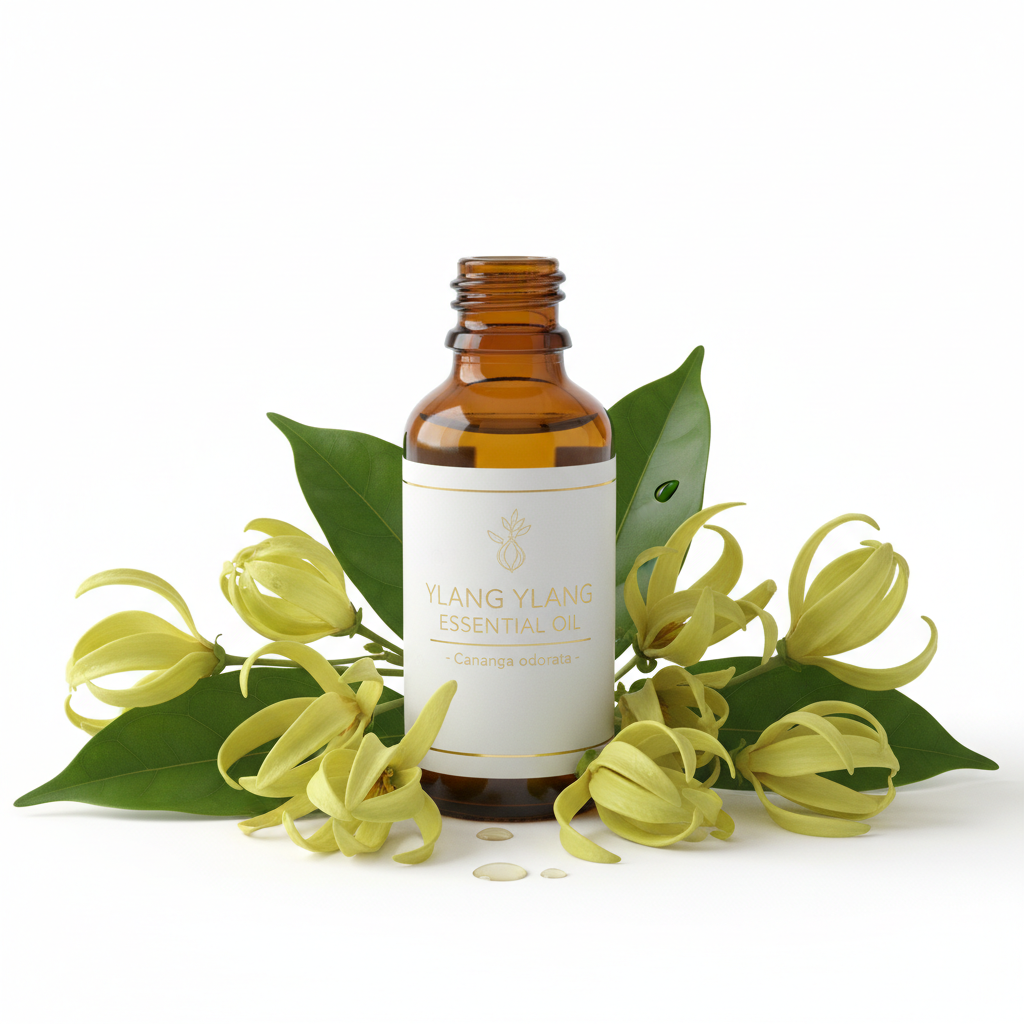
Ylang Ylang Essential Oil
Cananga odorata
Ylang Ylang Essential Oil: An In-Depth Guide Ylang Ylang essential oil, extracted from the vibrant yellow flowers of the Cananga odorata tree, is celebrated for its sweet, floral aroma and numerous therapeutic properties. Known as "the flower of flowers," Ylang Ylang originates from Southeast Asia and has been treasured by ancient cultures for centuries. ### Origin and Extraction Method The Cananga odorata tree thrives in tropical climates, especially in countries like Indonesia, the Philippines, and Madagascar. Ylang Ylang essential oil is primarily extracted using steam distillation, which captures the delicate fragrance and beneficial compounds from the blossoms. The extraction process is crucial, as it defines the quality of the oil, with different distillation durations resulting in various grades: Ylang Ylang Extra, Grade I, II, and III. Each grade possesses unique aromatic qualities and potency. ### Botanical Information Ylang Ylang, a flowering plant in the Annonaceae family, can grow up to 20 meters tall. Its striking yellow flowers bloom in clusters and have historically symbolized love and beauty. Rich in monoterpene compounds such as linalool and geranyl acetate, Ylang Ylang essential oil boasts a chemical profile that contributes to its calming and balancing properties. ### Therapeutic Properties and Benefits Ylang Ylang essential oil is revered in aromatherapy for its diverse range of benefits, including: 1. **Stress Relief**: The oil has calming effects known to reduce anxiety and stress levels, promoting tranquility in daily life. 2. **Mood Enhancement**: Its floral scent serves as a natural mood lifter, helping to alleviate feelings of sadness and negativity. 3. **Emotional Balance**: Many employ Ylang Ylang to stabilize emotions, providing support for those experiencing mood swings or emotional upheaval. 4. **Romantic Atmosphere**: Known for its aphrodisiac qualities, it is often used in romantic settings to strengthen emotional connections. 5. **Skin Nourishment**: This essential oil enhances skin texture and hydration, making it wonderful for adding to skincare routines, particularly for dry or aging skin. 6. **Hair Care**: Ylang Ylang is recognized for promoting healthy hair growth and scalp health, frequently included in shampoos and hair treatments. 7. **Inflammation Reduction**: It may aid in reducing inflammation and soothing irritation, providing relief for various discomforts. 8. **Digestive Support**: The oil can assist with digestive issues, alleviating symptoms such as bloating and nausea. 9. **Respiratory Aid**: Often used in diffusion, it supports respiratory functions by calming the passages, making it easier to breathe during colds or allergies. ### Historical and Traditional Uses Ylang Ylang has a rich history, traditionally utilized in Southeast Asian cultures for spiritual and medicinal purposes. In Indonesia, flower petals were spread on the beds of newlywed couples to enhance romance. In traditional medicine, Ylang Ylang is used to treat a variety of ailments, including skin infections and hypertension. Its integration into religious and cultural rituals highlights its significance across generations. ### Scientific Facts and Research Recent scientific studies have explored the oil's potential health benefits, with research indicating its effectiveness in reducing cortisol levels, thereby alleviating stress. Studies also suggest its positive impact on mental health, helping to combat depression and anxiety through its uplifting aroma. ### Aroma Profile and Characteristics Ylang Ylang essential oil has a distinctive, sweet floral scent with hints of fruity and spicy undertones. The unique aroma profile makes it a popular choice in perfumery and cosmetic applications, where it is used to create luxurious fragrances. The scent's complexity means it can blend beautifully with other essential oils, such as bergamot and sandalwood, enhancing its aromatic appeal. ### Common Applications and Methods Ylang Ylang essential oil can be used in various ways: - **Aromatherapy**: Diffusing the oil in a space can create a calming atmosphere. - **Massage**: Diluting with a carrier oil allows for therapeutic massage, enhancing relaxation. - **Skincare**: Adding to skincare formulations can nourish and rejuvenate the skin. - **Hair Care**: Incorporate into shampoos or conditioners for added hydration and care. ### Interesting Facts and Trivia - Ylang Ylang essential oil is one of the key ingredients in the famous Chanel No. 5 perfume. - The name "Ylang Ylang" comes from the Tagalog language, meaning "flower of flowers." - Its antiseptic properties make it valuable in natural health remedies. In conclusion, Ylang Ylang essential oil is not only a fragrant addition to aromatherapy and cosmetics but also a compound with diverse therapeutic properties and historical significance. Whether used for relaxation, skincare, or enhancing romantic encounters, its applications are vast, making it a cherished essential oil in holistic wellness.
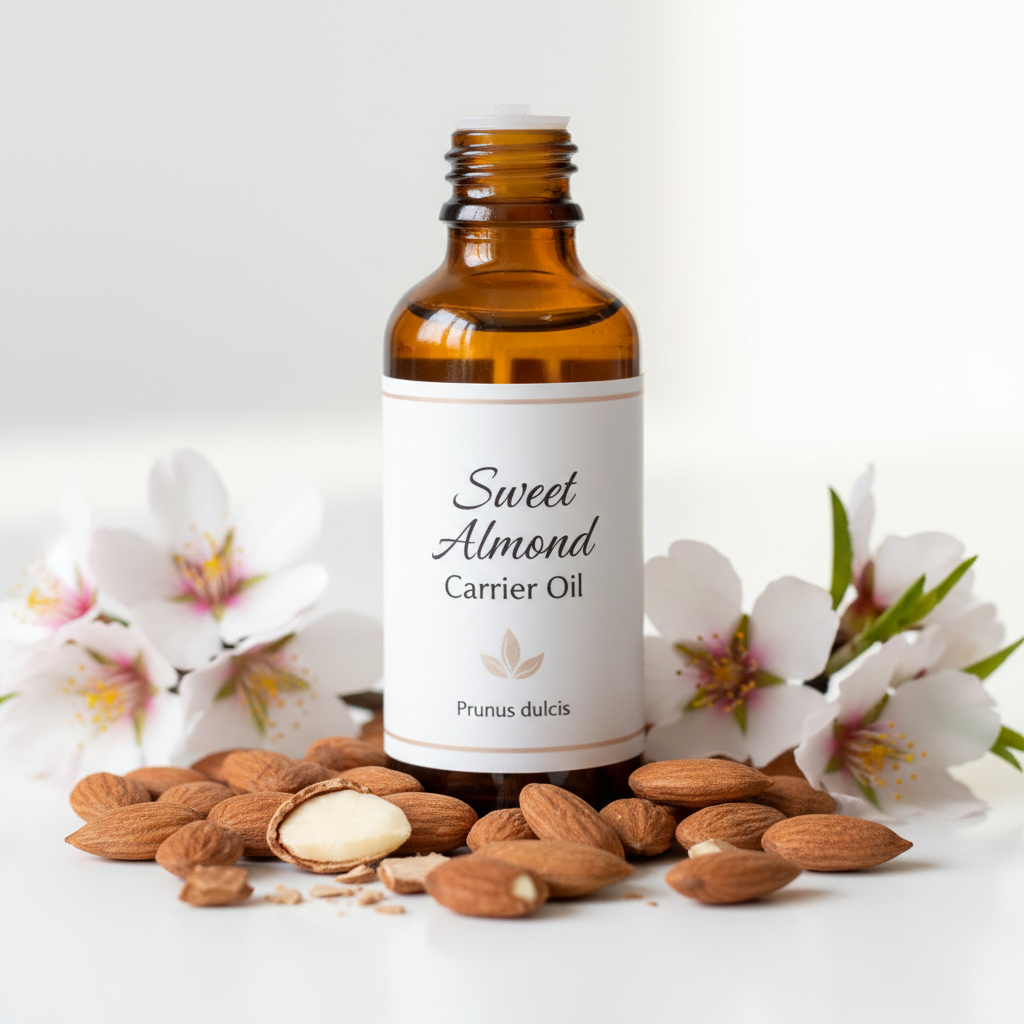
Sweet Almond Carrier Oil
Prunus dulcis
### Sweet Almond Carrier Oil: Origins and Extraction Method Sweet Almond Carrier Oil, derived from the seeds of the **Prunus dulcis** tree, is a prized oil that has been celebrated for its numerous benefits and applications for centuries. It is predominantly cultivated in regions such as California, Spain, and Italy, where the warm climate and fertile soil are ideal for almond cultivation. The extraction of the oil is predominantly accomplished through **cold pressing**. This method involves pressing the seeds at low temperatures to retain the oil's beneficial properties, ensuring that it remains nutrient-dense and suitable for a variety of applications in personal care and aromatherapy. ### Botanical Information The Prunus dulcis tree is a deciduous tree that can reach heights of up to 10 meters. The seeds, often referred to as almonds, are not only a popular snack but also a key component in numerous cosmetic preparations. Sweet Almond Carrier Oil is light in texture, pale yellow in color, and has a mildly nutty aroma that is both pleasant and soothing, making it an excellent addition to various blends. ### Therapeutic Properties and Benefits Sweet Almond Carrier Oil is lauded for its rich nutrient profile, which includes **vitamins E, A, and D**, essential fatty acids, proteins, and various antioxidants. These components contribute to its remarkable therapeutic benefits: - **Soothing and Anti-Inflammatory**: It provides calming effects that can help reduce feelings of stress and anxiety, making it ideal for massage therapy. - **Skin Nourishment**: The oil is known for its ability to deeply nourish the skin, aid in healing minor wounds, and soothe irritations or dry patches. It acts as a natural moisturizer, helping to maintain skin elasticity and hydration. - **Hair Health**: Regular application of Sweet Almond Oil can nourish the scalp, promote shiny, healthy hair, and prevent dandruff. Its conditioning properties make it a beneficial treatment for dry or damaged hair. - **Anti-Aging Properties**: Due to its high antioxidant content, it helps reduce the appearance of fine lines and wrinkles, making it a sought-after ingredient in anti-aging formulations. - **Digestive Support**: While primarily used topically, it can also be ingested in moderation to help alleviate digestive discomfort. ### Historical and Traditional Uses Historically, Sweet Almond Carrier Oil has been used in various cultures for its healing properties. In ancient Egypt, it was utilized for skin and hair care, while traditional Ayurvedic practices have integrated it for centuries in body and scalp massages. Additionally, it has been used in cosmetics, cooking, and as a base for herbal remedies. ### Aroma Profile and Characteristics The aroma of Sweet Almond Carrier Oil is mild and slightly nutty, making it a favorite among aromatherapy enthusiasts. It is an excellent carrier oil for blending with essential oils such as lavender, chamomile, and cedarwood, enhancing their therapeutic effects while providing a nurturing base. ### Common Applications and Methods 1. **Massage Oil**: Mix with essential oils to create a calming massage blend. 2. **Skincare**: Use as a daily moisturizer or in DIY skincare recipes for creams and lotions. 3. **Hair Treatments**: Apply directly to the scalp or incorporate into hair masks for deep conditioning. 4. **Bath Additive**: Add a few drops to bathwater for a relaxing soak. 5. **Aromatherapy**: Use in aroma diffusers to create a soothing environment. ### Interesting Facts and Trivia - Sweet Almond Oil is often confused with bitter almond oil, which is derived from a different variety and can be toxic due to its cyanide content. - The oil's lightweight and non-greasy texture make it suitable for all skin types, including sensitive skin. - It has a long shelf life, thanks to its natural antioxidant properties, which inhibit rancidity. In conclusion, Sweet Almond Carrier Oil is not only versatile but also an essential ingredient in both personal care and therapeutic practices. Its numerous benefits and historic significance make it a must-have for anyone interested in natural wellness and skincare.
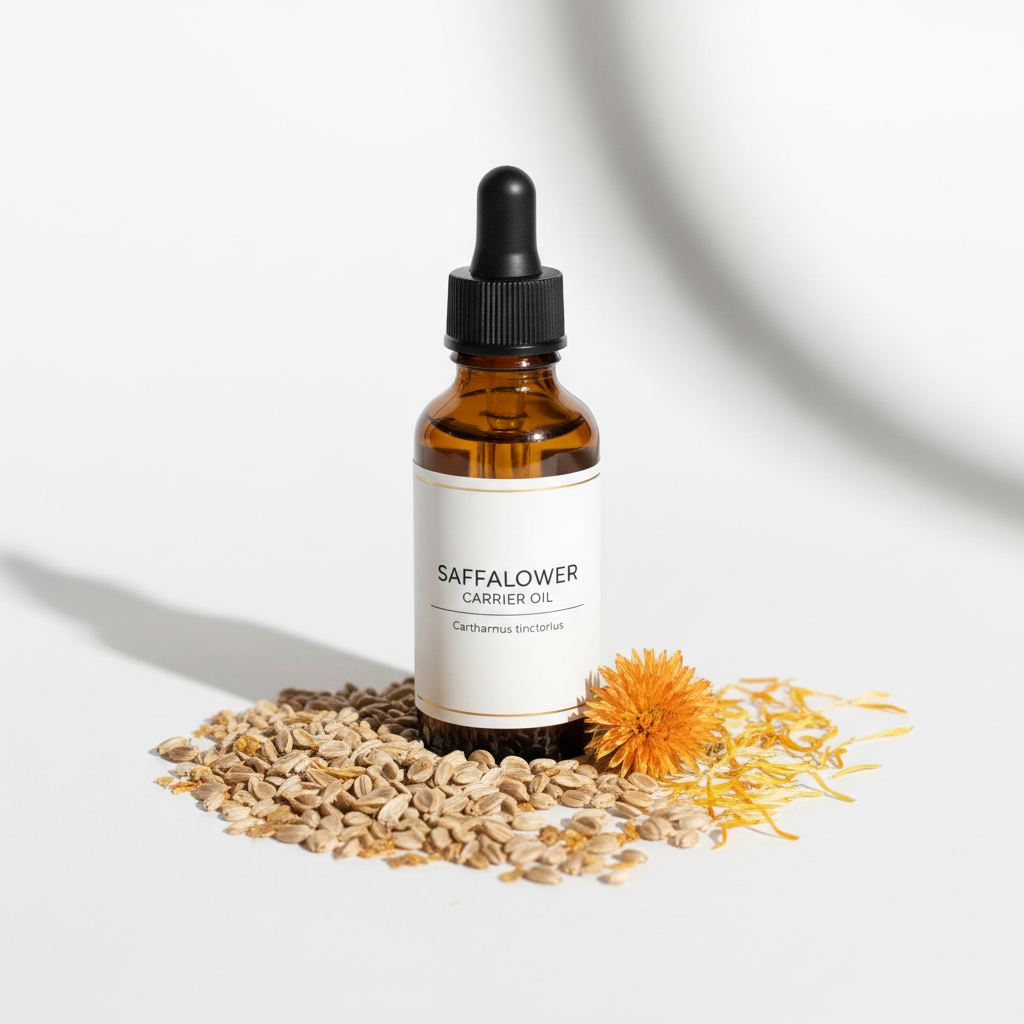
Safflower Carrier Oil
Carthamus tinctorius
### Safflower Carrier Oil: Origin and Extraction Safflower Carrier Oil is extracted from the seeds of the **Carthamus tinctorius** plant, a thistle-like flowering plant native to Africa and Asia. The oil is primarily obtained through a cold-pressing method, which preserves its rich nutrient profile, including essential fatty acids and vitamins. Safflower seeds contain approximately 25-40% oil, ensuring that the extraction process yields a light, non-greasy carrier oil ideal for cosmetic applications and aromatherapy. ### Botanical Information The botanical name, **Carthamus tinctorius**, signifies not only a source of oil but also its historical usage as a natural dye. In ancient times, safflower was cultivated for its vibrant flowers, which were used to create yellow dye for textiles. The oil derived from these seeds, however, has gained prominence in skincare and therapeutic applications due to its nutritional richness. ### Therapeutic Properties and Benefits Safflower Carrier Oil boasts several skin-loving benefits: - **Hydration**: Rich in **linoleic acid**, a crucial fatty acid, it aids in moisture retention and supports the skin barrier, making it excellent for dry or dehydrated skin. - **Soothing**: It helps to calm irritated skin, alleviating redness and itchiness associated with conditions like eczema or dermatitis. - **Nourishing**: High in vitamins A, E, and K, it nourishes the skin and promotes a healthy complexion. - **Hair Care**: The oil is also beneficial for hair, enhancing moisture and shine, while reducing breakage and dullness. ### Historical and Traditional Uses Historically, safflower was also used in cooking and as a medicinal herb. Traditional medicine practices from various cultures utilized safflower for its anti-inflammatory properties, incorporating it into remedies for conditions like arthritis and muscle pain. In some cultures, safflower petals were brewed as teas to promote general well-being and as a natural colorant in foods. ### Scientific Facts and Research Research indicates that the linoleic acid in safflower oil plays a significant role in skin health. A study published in the *American Journal of Clinical Dermatology* highlights its effectiveness in managing acne and improving overall skin hydration. The oil's anti-inflammatory properties have made it a subject of interest for further studies in personal care formulations. ### Aroma Profile and Characteristics Unlike many scented essential oils, safflower carrier oil has a very light, almost neutral aroma, making it an excellent base for essential oil blending. This feature allows it to carry other scents without overpowering them, providing a perfect medium for therapeutic applications in aromatherapy. ### Common Applications and Methods Safflower Carrier Oil is multi-faceted in its applications: - **Cosmetic Use**: Often used in cream formulations, lotions, and serums due to its lightweight texture. - **Massage oil**: Acts as an effective base due to its soothing properties, allowing for easy application during massage therapy. - **Hair treatments**: Used in hair masks or leave-in conditioners to boost moisture and manageability. - **Dilution of Essential Oils**: It is commonly employed to dilute essential oils for safe topical application, given its compatibility with many oils. ### Interesting Facts and Trivia - Safflower has been cultivated for over 3,000 years, illustrating its longstanding importance across various cultures. - The vibrant yellow color of safflower petals was historically used as a substitute for saffron in cooking due to its similar hue. - Safflower oil is considered one of the healthiest oils for cooking due to its high smoke point and health-beneficial fatty acid composition. In summary, Safflower Carrier Oil is not only versatile in its applications but is also rich in historical significance and health benefits. It continues to be a popular choice in the beauty and wellness industries, making it a staple for anyone looking to enhance their skin and hair care routines.