Search
Found 4 results for "Roman Chamomile"
Essential Oils
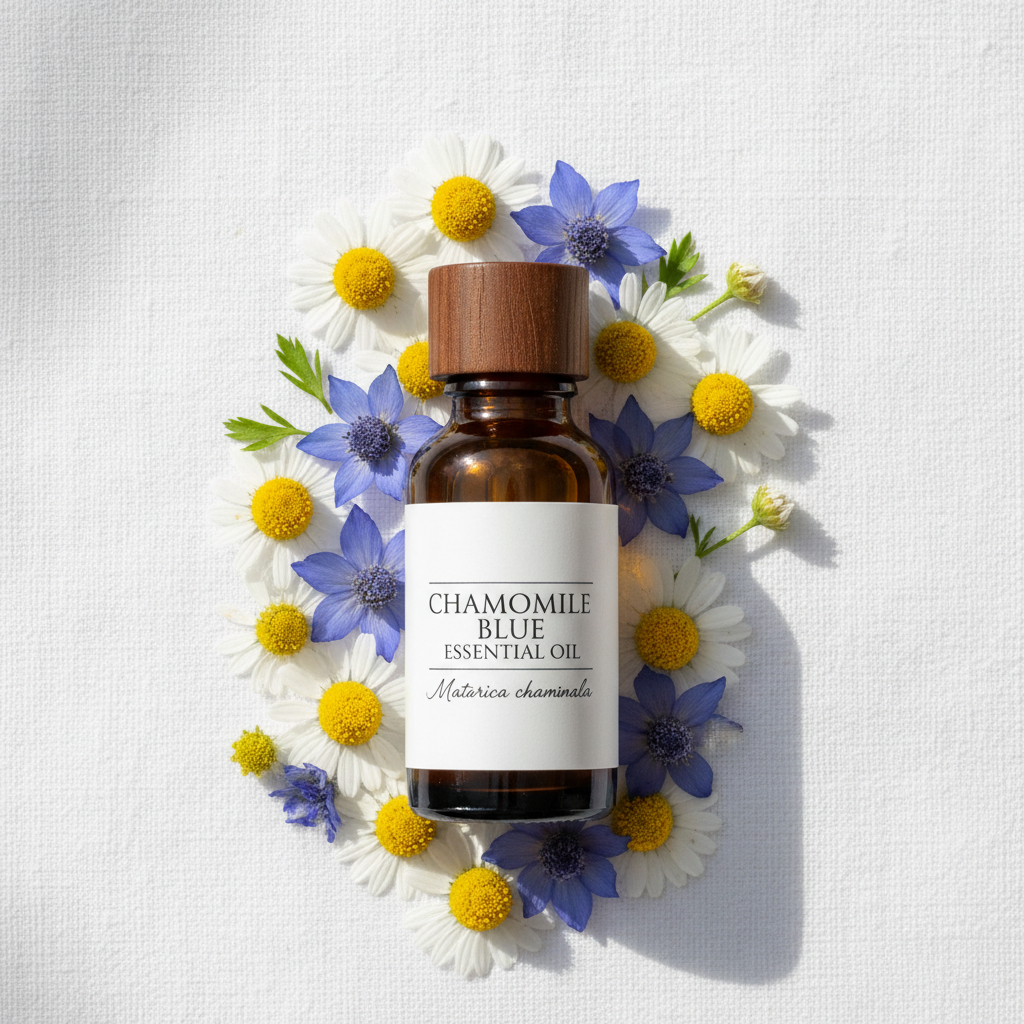
Chamomile Blue Essential Oil
Matricaria chamomilla
Chamomile Blue Essential Oil is a highly regarded essential oil derived from the flowers of the plant Matricaria chamomilla, commonly known as Roman chamomile. This aromatic oil, known for its vibrant deep blue hue, is extracted through the steam distillation method, stunningly capturing the essence of chamomile. The distinctive color comes from the presence of chamazulene, a compound renowned for its soothing and calming effects. ### Origin and Extraction Method Chamomile has a long-standing reputation in the world of aromatherapy and holistic health. Originating from Europe, Chamomile plants flourish in warm climates and are often cultivated in gardens for both ornamental and medicinal purposes. The steam distillation process used to extract Chamomile Blue Essential Oil ensures that the beneficial properties of the plant are maintained. This careful extraction method captures essential phytochemicals like bisabolol, alpha-bisabolol oxide, and chamazulene, which contribute to the oil's calming and therapeutic effects. ### Botanical Information Botanically, Matricaria chamomilla belongs to the Asteraceae family, which includes a variety of flowering plants. Chamomile flowers are characterized by their white petals and yellow centers and have been used since ancient times in herbal medicine. Rich in antioxidants and other therapeutic compounds, Chamomile has been a staple in herbal remedies across various cultures. ### Therapeutic Properties and Benefits Chamomile Blue Essential Oil is lauded for its numerous therapeutic properties. Some of its key benefits include: - **Anxiolytic Effects**: Many users find this oil effective at reducing anxiety and promoting a sense of peace. - **Anti-inflammatory**: Its ability to reduce inflammation makes it beneficial for skin irritations and conditions such as eczema or dermatitis. - **Digestive Aid**: Traditionally, chamomile has been used to soothe digestive issues like bloating and discomfort. - **Sleep Aid**: By promoting relaxation, it can help individuals struggling with insomnia or sleep disturbances. - **Menstrual Relief**: Chamomile is often used to alleviate menstrual cramps and discomfort. ### Historical and Traditional Uses Historically, chamomile has been utilized in various cultures for its medicinal properties. Ancient Egyptians revered the flower for its healing capabilities, frequently using it in remedies. The Greeks and Romans also valued its calming and restorative qualities, ensuring its place in traditional medicine. In herbalism, chamomile has been utilized to remedy ailments from digestive troubles to skin conditions, establishing its importance in holistic health practices. ### Scientific Facts and Research Recent studies have delved into the compounds present in Chamomile Blue Essential Oil, revealing its potential health benefits. Research indicates that chamazulene and bisabolol possess anti-inflammatory and analgesic properties. Furthermore, various studies have highlighted the efficacy of chamomile extracts in reducing symptoms of anxiety and improving sleep quality, affirming its historical use in promoting tranquility and emotional well-being. ### Aroma Profile and Characteristics Chamomile Blue Essential Oil has a rich, sweet, and fruity aroma, with herbaceous undertones. Its distinctive scent can evoke feelings of warmth and comfort, making it a favorite in aromatherapy. Whether used in diffusers or massage oils, its calming fragrance is an asset for relaxation practices. ### Common Applications and Methods Chamomile Blue Essential Oil can be used in various ways: - **Aromatherapy**: Use in a diffuser or inhale directly for stress relief. - **Topical Application**: Dilute with a carrier oil for application to the skin to reduce irritation and inflammation. - **Bathing**: Add to bathwater for a soothing and relaxing experience. - **Massage**: Incorporate in massage oils to enhance relaxation. ### Interesting Facts and Trivia - Chamomile was once considered a sacred flower by the Egyptians and is still celebrated for its medicinal properties in modern herbal medicine. - The blue color of chamomile oil is a unique trait, influenced by the extraction method, and is evidence of the quality of the oil produced. - In folklore, chamomile is referred to as a symbol of ‘strength’ and ‘patience,’ often associated with emotional resilience. In conclusion, Chamomile Blue Essential Oil not only offers a range of soothing and restorative benefits but also carries a rich history that enhances its appeal in the world of essential oils. Whether used for relaxation, skin care, or emotional healing, its comprehensive benefits make it an essential component of holistic health practices.

Chamomile Essential Oil
Chamaemelum nobile
### Chamomile Essential Oil: A Comprehensive Guide Chamomile essential oil, derived from the flowers of the **Chamaemelum nobile** plant, is one of the most revered essential oils, celebrated for its extensive range of therapeutic properties. This oil, commonly referred to as Roman chamomile, is extracted primarily through steam distillation, ensuring that the delicate constituents of the flowers are preserved in the oil. The history of chamomile use can be traced back to ancient Egypt, where it was prized not only for its medicinal benefits but also for its association with the sun and its reputed ability to bring protection and wellness. #### Origin and Extraction Method The **Chamaemelum nobile** plant is native to Europe and North Africa. Its flowers are small, daisy-like, and widespread in temperate habitats. The extraction of chamomile essential oil via steam distillation involves passing steam through the plant material, which carries the volatile compounds with it. When the steam is cooled, the oil condenses and separates, resulting in the fragrant essential oil we commonly use today. #### Botanical Information Chamomile belongs to the Asteraceae family and is characterized by its white petals and yellow disc florets. The plant typically grows to about 15–30 cm in height and has a sweet, apple-like scent which is a defining characteristic of its essential oil. #### Therapeutic Properties and Benefits Chamomile essential oil is known for its myriad therapeutic properties: - **Promotes relaxation:** The oil has potent calming effects, making it an excellent choice for use in evening routines to help ease tension and stress. - **Reduces emotional stress:** Chamomile is known to relieve feelings of anxiety and overwhelming emotions, providing comfort in times of emotional distress. - **Boosts mood:** Its sweet aroma can uplift your spirit, fostering a more positive and serene mindset. - **Enhances sleep quality:** Known for inducing a tranquil state, chamomile essential oil is often used in diffusers before bedtime to create a calming environment. - **Supports emotional balance:** It helps ground emotions, addressing irritability and mood swings effectively. Chamomile oil is also beneficial for physical ailments: - **Soothes skin irritations:** Effective against conditions like eczema and dermatitis, it can help reduce inflammation and promote skin health. - **Alleviates headaches:** Its anti-inflammatory properties make it useful in easing tension headaches when used in aromatherapy. - **Relieves menstrual discomfort:** Chamomile oil can help ease the pain and discomfort associated with menstrual cramps. - **Promotes digestive health:** It is also known to assist with digestive issues, alleviating symptoms like bloating and indigestion. #### Historical and Traditional Uses Historically, chamomile was used extensively in traditional medicine across various cultures. The Egyptians, for instance, revered it as a sacred herb, often utilizing it in herbal teas and remedies. In ancient Greece, it was used to treat fevers and inflammatory conditions, appreciating its healing properties. #### Scientific Facts and Research Scientific studies have revealed that chamomile essential oil contains potent compounds such as **bisabolol** and **chamazulene**, which are responsible for its anti-inflammatory and calming effects. This has garnered interest in its use within modern herbal medicine and aromatherapy practices. #### Aroma Profile and Characteristics The aroma of chamomile essential oil is sweet, floral, and somewhat fruity, providing a gentle and soothing scent profile. It is commonly used in personal care products due to its pleasant fragrance and skin-soothing qualities. #### Common Applications and Methods Chamomile essential oil can be utilized in various ways: - **Aromatherapy:** Diffuse the oil in a room to promote relaxation. - **Topical application:** Dilute the oil with a carrier oil and apply to affected skin areas or use in massages. - **Baths:** Add a few drops to a warm bath for a soothing experience. #### Interesting Facts and Trivia - Chamomile tea, made from the same flowers, is one of the most popular herbal teas worldwide. - The name chamomile is derived from the Greek word ‘chamaimelon’, meaning ‘earth apple’ due to its apple-like scent. - Chamomile is often referred to as the ‘plant’s physician’ because it is thought to have properties that support the healing of other plants when grown nearby. In conclusion, chamomile essential oil is a versatile and beneficial oil that has found its place in modern health and wellness practices as well as traditional uses. Its calming properties and extensive historical background make it a staple in any essential oil collection.
Recipes
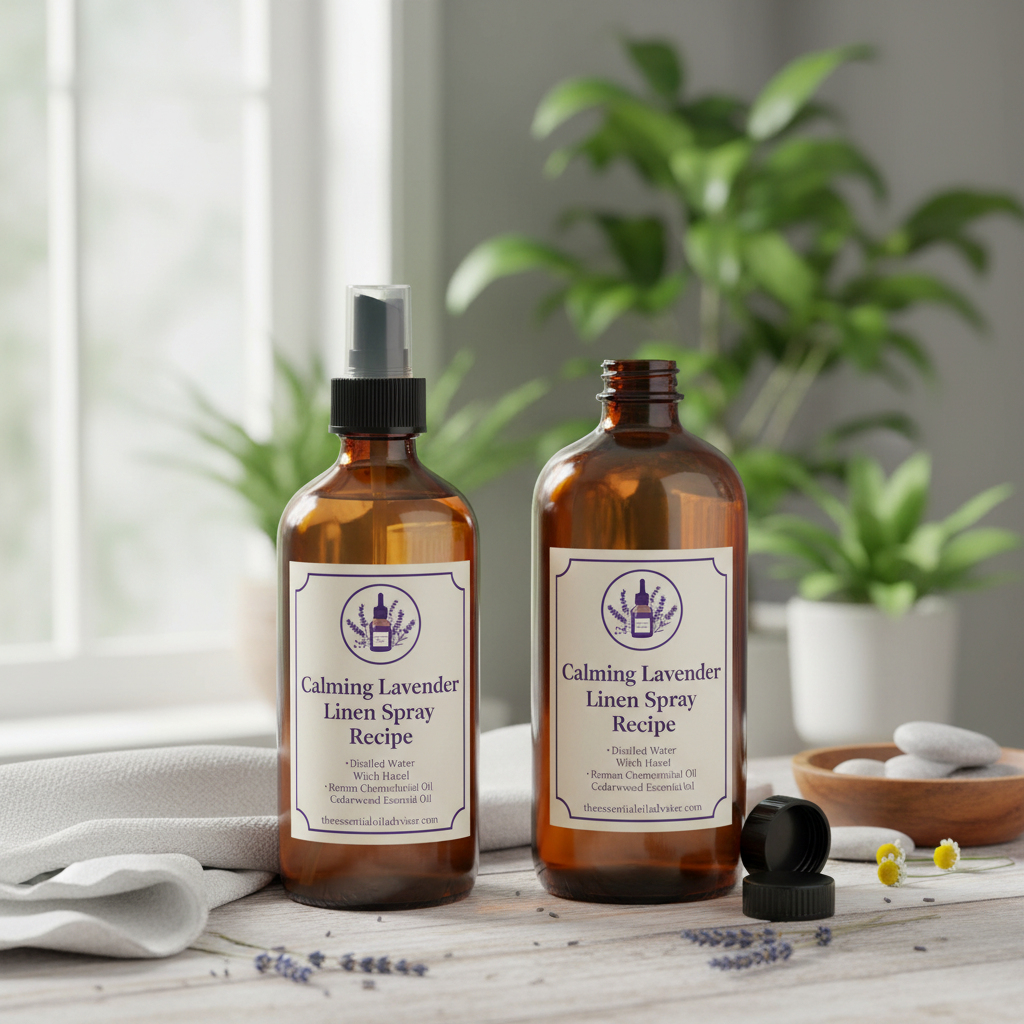
Calming Lavender Linen Spray Recipe
A gentle, relaxing linen and room spray that promotes restful sleep and calm using lavender, chamomile, and cedarwood essential oils.

Deep Sleep Inhaler Recipe for Restful Sleep and Relaxation
Discover our easy-to-follow Deep Sleep Inhaler recipe designed to promote relaxation and a restful night's sleep. Perfect for calming your mind and body!