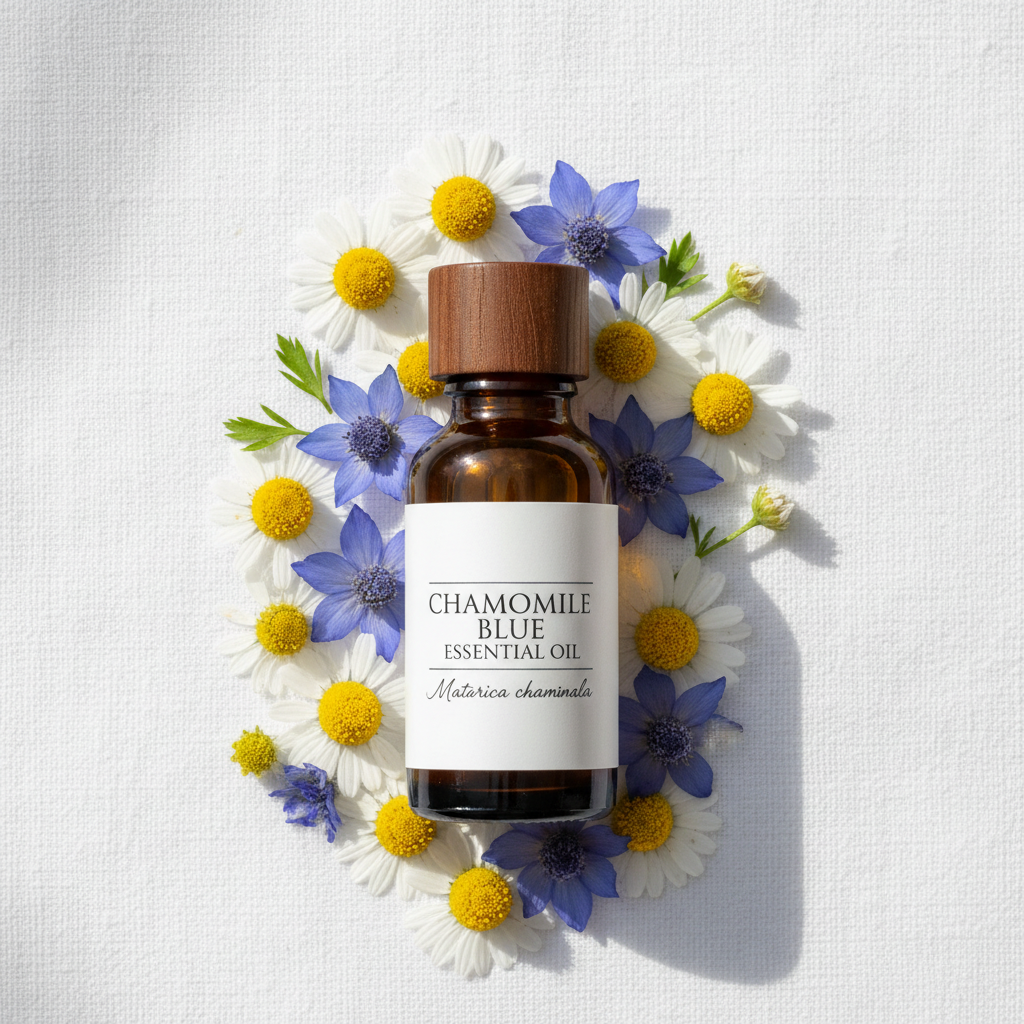
Chamomile Blue Essential Oil
Matricaria chamomilla
Plant Source
Flowers
Scent Family
Floral
"Discover Chamomile Blue Essential Oil, its extraction method, therapeutic benefits, and historical uses in traditional medicine for holistic well-being."
Chamomile Blue Essential Oil is a highly regarded essential oil derived from the flowers of the plant Matricaria chamomilla, commonly known as Roman chamomile. This aromatic oil, known for its vibrant deep blue hue, is extracted through the steam distillation method, stunningly capturing the essence of chamomile. The distinctive color comes from the presence of chamazulene, a compound renowned for its soothing and calming effects.
Origin and Extraction Method
Chamomile has a long-standing reputation in the world of aromatherapy and holistic health. Originating from Europe, Chamomile plants flourish in warm climates and are often cultivated in gardens for both ornamental and medicinal purposes. The steam distillation process used to extract Chamomile Blue Essential Oil ensures that the beneficial properties of the plant are maintained. This careful extraction method captures essential phytochemicals like bisabolol, alpha-bisabolol oxide, and chamazulene, which contribute to the oil's calming and therapeutic effects.
Botanical Information
Botanically, Matricaria chamomilla belongs to the Asteraceae family, which includes a variety of flowering plants. Chamomile flowers are characterized by their white petals and yellow centers and have been used since ancient times in herbal medicine. Rich in antioxidants and other therapeutic compounds, Chamomile has been a staple in herbal remedies across various cultures.
Therapeutic Properties and Benefits
Chamomile Blue Essential Oil is lauded for its numerous therapeutic properties. Some of its key benefits include:
- Anxiolytic Effects: Many users find this oil effective at reducing anxiety and promoting a sense of peace.
- Anti-inflammatory: Its ability to reduce inflammation makes it beneficial for skin irritations and conditions such as eczema or dermatitis.
- Digestive Aid: Traditionally, chamomile has been used to soothe digestive issues like bloating and discomfort.
- Sleep Aid: By promoting relaxation, it can help individuals struggling with insomnia or sleep disturbances.
- Menstrual Relief: Chamomile is often used to alleviate menstrual cramps and discomfort.
Historical and Traditional Uses
Historically, chamomile has been utilized in various cultures for its medicinal properties. Ancient Egyptians revered the flower for its healing capabilities, frequently using it in remedies. The Greeks and Romans also valued its calming and restorative qualities, ensuring its place in traditional medicine. In herbalism, chamomile has been utilized to remedy ailments from digestive troubles to skin conditions, establishing its importance in holistic health practices.
Scientific Facts and Research
Recent studies have delved into the compounds present in Chamomile Blue Essential Oil, revealing its potential health benefits. Research indicates that chamazulene and bisabolol possess anti-inflammatory and analgesic properties. Furthermore, various studies have highlighted the efficacy of chamomile extracts in reducing symptoms of anxiety and improving sleep quality, affirming its historical use in promoting tranquility and emotional well-being.
Aroma Profile and Characteristics
Chamomile Blue Essential Oil has a rich, sweet, and fruity aroma, with herbaceous undertones. Its distinctive scent can evoke feelings of warmth and comfort, making it a favorite in aromatherapy. Whether used in diffusers or massage oils, its calming fragrance is an asset for relaxation practices.
Common Applications and Methods
Chamomile Blue Essential Oil can be used in various ways:
- Aromatherapy: Use in a diffuser or inhale directly for stress relief.
- Topical Application: Dilute with a carrier oil for application to the skin to reduce irritation and inflammation.
- Bathing: Add to bathwater for a soothing and relaxing experience.
- Massage: Incorporate in massage oils to enhance relaxation.
Interesting Facts and Trivia
- Chamomile was once considered a sacred flower by the Egyptians and is still celebrated for its medicinal properties in modern herbal medicine.
- The blue color of chamomile oil is a unique trait, influenced by the extraction method, and is evidence of the quality of the oil produced.
- In folklore, chamomile is referred to as a symbol of ‘strength’ and ‘patience,’ often associated with emotional resilience.
In conclusion, Chamomile Blue Essential Oil not only offers a range of soothing and restorative benefits but also carries a rich history that enhances its appeal in the world of essential oils. Whether used for relaxation, skin care, or emotional healing, its comprehensive benefits make it an essential component of holistic health practices.
Ask AI About Chamomile Blue Essential Oil
Get instant answers about this essential oil
Benefits & Uses
- Promotes relaxation and helps in reducing stress, making it beneficial for those facing daily anxieties.
- Enhances mood and emotional balance, providing a sense of calm during challenging circumstances.
- Supports emotional healing, particularly in those coping with grief or loss.
- Encourages restful sleep, aiding individuals struggling with insomnia or sleep disturbances.
- Alleviates menstrual cramps and discomfort, providing relief during menstruation.
- Reduces redness and irritation in the skin, particularly for sensitive or inflamed conditions.
- Supports respiratory health by soothing respiratory tract inflammation.
- Helps in treating minor wounds and skin irritations, promoting faster healing.
- Enhances immune function, aiding the body in warding off invaders.
- Calms skin irritations such as eczema and dermatitis when diluted with a carrier oil.
- Helps lighten hyperpigmentation and promotes an even skin tone.
- Provides natural hydration and nourishment, beneficial in formulations for dry and sensitive skin.
- Acts as a soothing agent in skincare products intended for after-sun use.
- Acts as a natural remedy for minor household ailments, included in homemade cleaning solutions for its antibacterial properties.
- Adds a calming scent to laundry when added to dryer balls or fabric softeners.
- Enhances room ambiance in diffusers or simmer pots for a calming atmosphere.
How to Use
Diffuser
For small rooms, use 3-5 drops; for medium rooms, add 5-8 drops; and for large areas, 8-12 drops. Diffuse for 30-60 minutes and can be repeated 2-3 times daily. Best diffused in the evening or during stressful times.
Topical
For adults, dilute to 2-3%; for children, 0.5-1%; for the elderly, 1-2%. Mix with carrier oils like jojoba or sweet almond, and apply to areas of concern using gentle massage. Allow for absorption before covering the area.
Inhalation
For direct inhalation, place 1-2 drops on a tissue and inhale; for steam inhalation, add 2-3 drops to hot water and inhale steam for 5-10 minutes. Personal inhalers can also be prepared with a few drops for on-the-go use.
Safety & Precautions
Always perform a patch test before topical application. Avoid sun exposure after topical use due to potential photosensitivity; pregnant or nursing individuals should consult a healthcare provider. Store away from direct sunlight and heat, maintaining a shelf life of about 1-3 years. Consult a healthcare provider regarding potential interactions with medications.
Who should avoid:
- Individuals with allergies to chamomile or related plants.
- Pregnant women in their first trimester.
- Individuals taking anticoagulant medications.
- Those with severe skin sensitivities.
Recommended Products
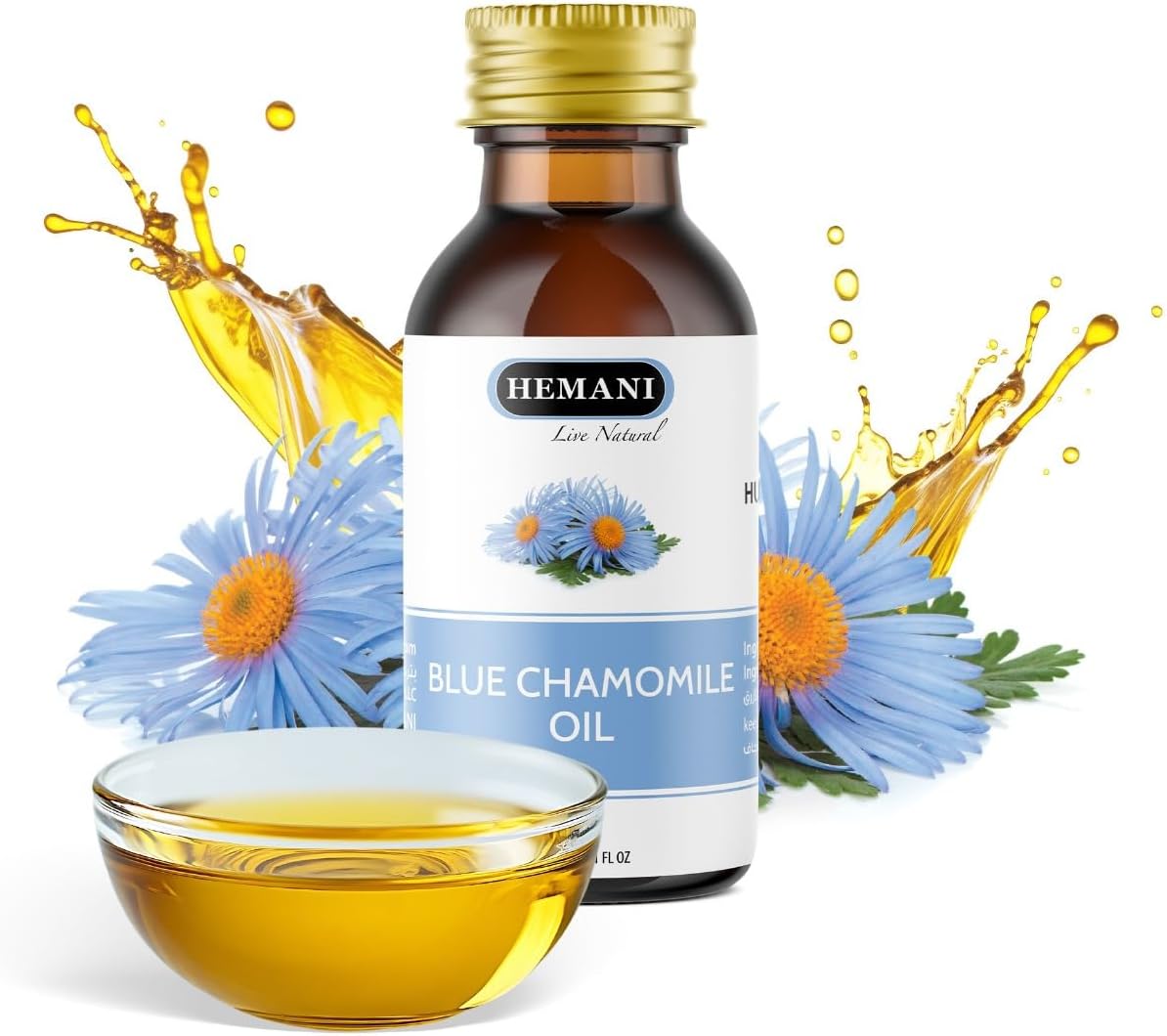
Understanding the aromatic layers of Chamomile Blue Essential Oil
Top Notes
Heart Notes
Base Notes
Scent Evolution
Top Notes: First impression, evaporate quickly (15-30 min)
Heart Notes: Main character, last 2-4 hours
Base Notes: Lasting foundation, linger for hours
Complementary essential oils that pair beautifully with Chamomile Blue Essential Oil
Abyssinian Carrier Oil
Crambe abyssinica
✓traditional pairing in aromatherapy
Agarwood Essential Oil
Aquilaria
✓similar chemical compositions
Allspice Essential Oil
Pimenta dioica
✓traditional pairing in aromatherapy
Ammi Visnaga Essential Oil
Ammi visnaga
✓enhanced aromatherapy benefits
Amyris Essential Oil
Amyris balsamifera
✓balanced scent profile
Angelica Essential Oil
Angelica archangelica
✓complementary therapeutic properties
Blending Tips
- • Start with 2-3 oils for simple blends
- • Use 3-5 drops total per 10ml carrier oil
- • Let blends sit for 24-48 hours to marry
- • Test on a small skin area first
Calculating for: Chamomile Blue Essential Oil
Recommended: 2% | Max safe: 5%
29.57 ml
Your Recipe
0.59 ml
28.98 ml
💡 Dilution Tips
- • Always do a patch test before full application
- • Children and elderly need lower dilutions (1-2%)
- • Facial products should be gentle (0.5-1%)
- • 1 drop ≈ 0.05 ml (20 drops per ml)
- • Common carrier oils: fractionated coconut, jojoba, sweet almond
Related Recipes
Allergy Calming Mattress Spray Recipe for Better Sleep
Discover the calming recipe for a mattress spray that relieves allergy symptoms and promotes a restful night's sleep in your home.

Calming Essential Oil Pillow Mist Recipe for Relaxation
Discover this easy recipe for a soothing pillow mist that features lavender and bergamot for ultimate relaxation and better sleep.

Calming Lavender Linen Spray Recipe
A gentle, relaxing linen and room spray that promotes restful sleep and calm using lavender, chamomile, and cedarwood essential oils.

DIY Acne Calming Gel Spot Treatment Recipe for Clear Skin
Explore our DIY acne calming gel spot treatment recipe to soothe inflammation and fight breakouts using natural ingredients for healthier skin.

DIY Essential Oil Foaming Hand Soap Recipe
Craft your own moisturizing foaming hand soap using essential oils! This DIY recipe combines natural ingredients for clean, soft hands. Perfect for home use!
Deep Tissue Pain Relief Oil Recipe
Discover the powerful essential oil recipe for deep tissue pain relief. Learn how to relieve muscle tension and soreness with all-natural ingredients.
Related Oils
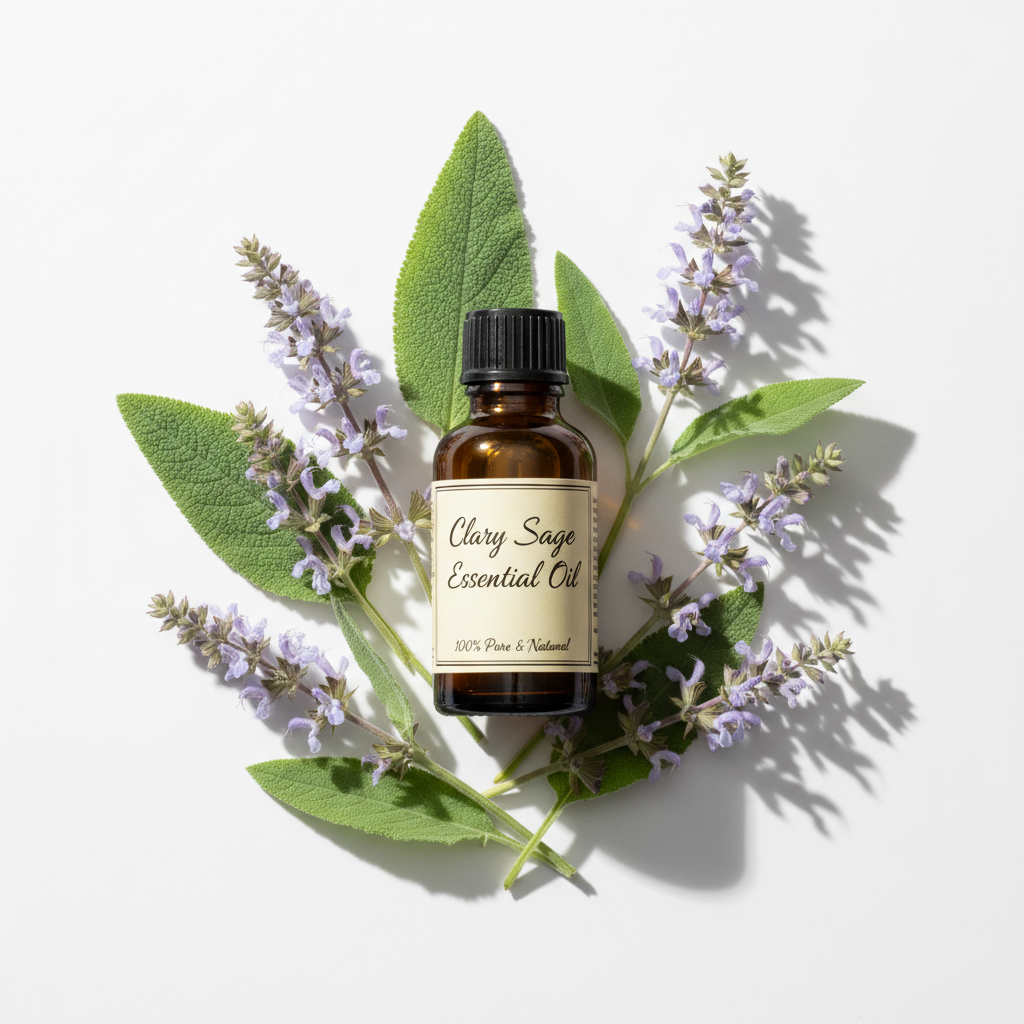
Clary Sage Essential Oil
Salvia sclarea
**Clary Sage Essential Oil: Origins and Properties** Clary Sage Essential Oil, scientifically known as *Salvia sclarea*, is a remarkable oil derived from the leaves and flowers of the Clary Sage plant, which is native to the Mediterranean region, particularly in Southern Europe. The extraction method used for this precious oil is steam distillation, a process that captures the aromatic characteristics while preserving the therapeutic properties. **Botanical Information** The Clary Sage plant is an herbaceous perennial that can grow up to 3 feet tall with large, soft leaves and striking blue or purple flowers. This plant thrives in well-drained soils and is often found growing wild in its native habitats. The essential oil extracted from the leaves and flowering tops is rich in various beneficial compounds, including linalyl acetate and linalool, which contribute to its soothing and uplifting properties. **Therapeutic Properties and Benefits** Clary Sage Essential Oil has a long history of therapeutic applications. Historically, it was known in ancient Roman times for its health benefits. It is celebrated for its calming effects on the mind and body, making it a popular choice for aromatherapy to relieve stress and promote relaxation. Users often report enhanced emotional stability, which can be bolstered by its ability to reduce symptoms of anxiety. The oil is also lauded for its potential to encourage creativity and clarity of thought, allowing individuals to harness their creative energies. Additionally, Clary Sage Essential Oil supports self-acceptance and promotes a positive body image, making it a valuable tool in personal wellness routines. **Health Benefits and Applications** In terms of physical health, Clary Sage Essential Oil has several notable benefits. It is recognized for its ability to alleviate menstrual cramps and regulate menstrual cycles due to its natural hormone-balancing properties. Furthermore, it supports digestive health by reducing bloating and discomfort. Users may also find relief from migraines and tension headaches as the oil can relieve muscle tension and improve circulation. The respiratory system may benefit from Clary Sage through its potential to ease breathing-related issues. Its soothing aroma can support deeper breathing, making it beneficial for individuals with respiratory concerns. In skin care, it is often used in formulations to enhance skin health, promoting a clearer and more radiant complexion. Its antimicrobial properties may help combat skin irritations and infections, making it a versatile addition to natural beauty products. **How to Use Clary Sage Essential Oil** Clary Sage Essential Oil can be incorporated into a variety of applications. In aromatherapy, it can be diffused with other calming oils like lavender to create a serene atmosphere. For topical applications, it should be diluted with a carrier oil to ensure safe skin contact. This oil can also be included in massage blends to relieve muscle tension and stress. When added to bathwater, Clary Sage Essential Oil provides a fragrant experience, promoting relaxation. Many also use it in homemade body products, such as lotions or body scrubs, to enhance mood and skin vitality. **Interesting Facts and Trivia** Did you know that Clary Sage was once referred to as ‘clear eye’ due to its historical use in treating eye-related ailments? It was also commonly used in medieval Europe to flavor wines and foods, highlighting its versatility not just as an essential oil but also as an herb. Furthermore, its naturally sweet and herbaceous aroma has made it a favorite for perfumers looking to create warm, rich fragrances. In conclusion, Clary Sage Essential Oil is not just a fragrant addition to your collection; it embodies a rich history of therapeutic use and wellness benefits. From its historical roots to modern applications, this essential oil has proven to be a powerful ally in promoting emotional, mental, and physical health.
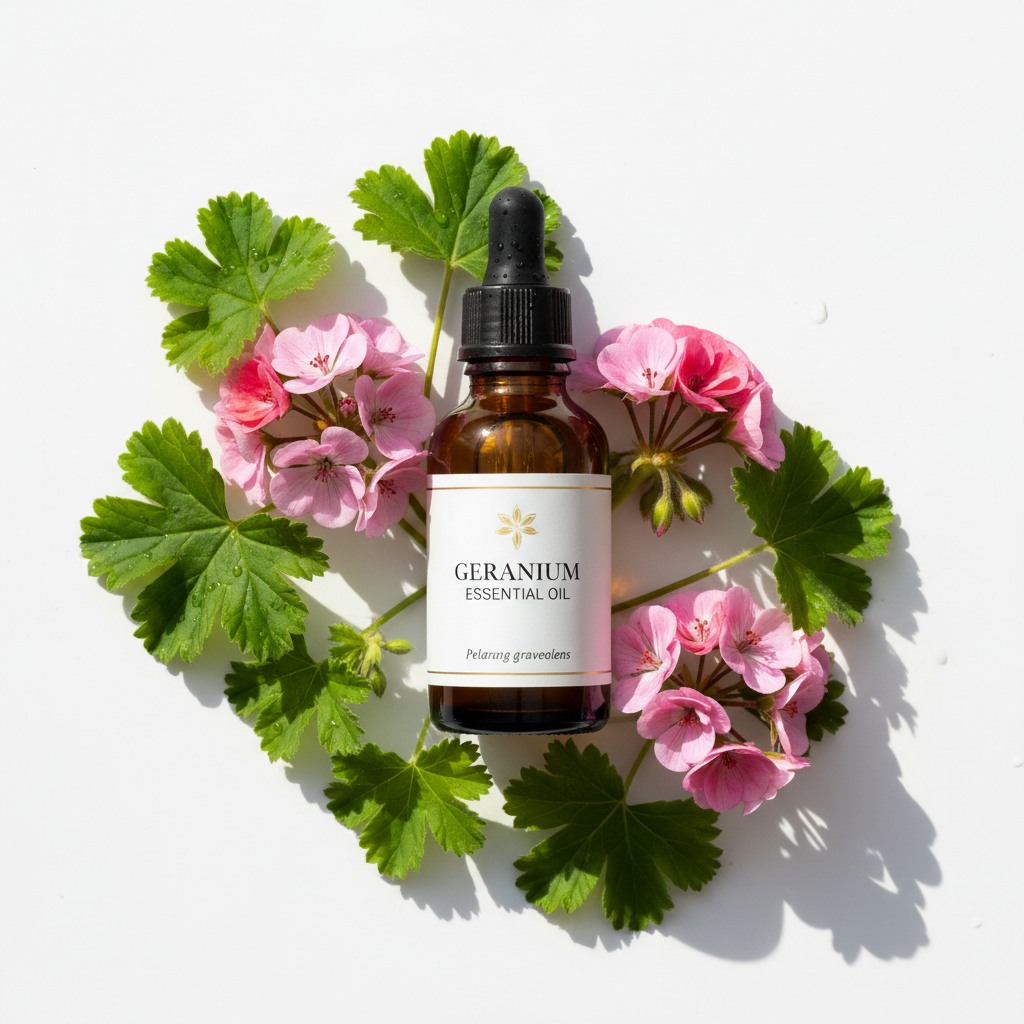
Geranium Essential Oil
Pelargonium graveolens
### Geranium Essential Oil: Benefits, Uses, and History **Origin and Extraction Method** Geranium Essential Oil is derived from the leaves and flowers of the *Pelargonium graveolens*, a plant native to South Africa. It is extracted using the steam distillation method, which preserves the oil's potent aroma and its myriad of beneficial compounds. This process involves passing steam through the plant material, vaporizing the volatile compounds, which are then condensed back into liquid form. The steam distillation method is esteemed for its ability to capture the plant’s essence without the use of chemical additives, making it a pure and natural oil. **Botanical Information** The botanical classification places Geranium within the Geraniaceae family. The plant typically grows up to 1 meter in height and features round, serrated, green leaves that release a sweet, floral scent when crushed. The small, pink or white flowers bloom in clusters and provide a lively appearance that reflects the vibrancy of the oil itself. Besides its ornamental value, the plant's fragrant leaves are what make the oil sought after in aromatherapy and perfumery. **Therapeutic Properties and Benefits** Geranium Essential Oil is renowned for its diverse therapeutic properties, making it a staple in aromatherapy. Here are some notable benefits associated with its use: - **Promotes Relaxation**: Known for its calming properties, Geranium oil can help ease feelings of stress and tension, fostering a peaceful mindset. - **Mood Enhancement**: The uplifting properties of Geranium oil can elevate spirits, making it an effective remedy for combating feelings of sadness and anxiety. - **Grounding Effect**: It provides a sense of stability during emotional turmoil, making it an excellent companion during times of uncertainty. - **Emotional Release**: Many users find that this oil assists in processing complex emotions, offering support during challenging periods. - **Skin Rejuvenation**: Geranium oil is celebrated for its ability to support skin health, helping with rejuvenation and healing, thus enhancing overall skin appearance. - **Balancing Oil Production**: This oil is particularly beneficial for individuals with oily or acne-prone skin as it helps regulate sebum production. - **Enhancing Circulation**: Geranium oil stimulates blood circulation, which is beneficial for the delivery of nutrients to skin and tissues. - **Supporting Respiratory Health**: The oil can assist in clearing airways and may improve breathing, making it useful in cases of respiratory distress. **Historical and Traditional Uses** Historically, Geranium Essential Oil has been prized in various cultures for its medicinal properties. It was used in traditional medicine to address various ailments, from skin issues to anxiety. In ancient Egypt, it was applied for skincare and beauty treatments, while in traditional European herbal medicine, it was often used to alleviate digestive problems. Moreover, due to its pleasant aroma, it quickly became a favorite in perfumery, bridging the gap between therapeutic and aesthetic uses. **Scientific Facts and Research** Modern research into Geranium Essential Oil has reaffirmed many traditional beliefs about its effectiveness. Studies highlight its anti-inflammatory properties, along with its role as an antimicrobial agent, making it particularly useful for skincare. Research also supports its emotional benefits, suggesting it can reduce anxiety and improve feelings of emotional well-being when used in aromatherapy. **Aroma Profile and Characteristics** Geranium Essential Oil has a sweet, floral, and slightly minty aroma that is refreshing and uplifting. Its scent is often described as rosy, with herbaceous undertones, making it a popular choice in perfume formulations and as a scent additive in various cosmetic products. **Common Applications and Methods** Geranium oil can be used in several ways: - **Aromatherapy**: Diffusing the oil in a room can help elevate mood and reduce stress. - **Topical Application**: Diluting with a carrier oil allows it to be used directly on the skin, making it beneficial for various skin types. - **Bathing**: Adding a few drops to bath water can create a soothing, aromatic experience, promoting relaxation. - **Massage**: Used in massage oils, it provides both aromatic pleasure and skin benefits. **Interesting Facts and Trivia** - Despite its name, Geranium Essential Oil is primarily derived from *Pelargonium* plants and not true geraniums, which belong to a different genus. - It has been used in traditional perfumes for centuries, appreciated for its balancing properties, both physically and emotionally. In conclusion, Geranium Essential Oil is a versatile and valuable oil, characterized by its rich history and numerous benefits. Whether you seek emotional support or skincare solutions, incorporating this essential oil into your routine may provide holistic advantages.
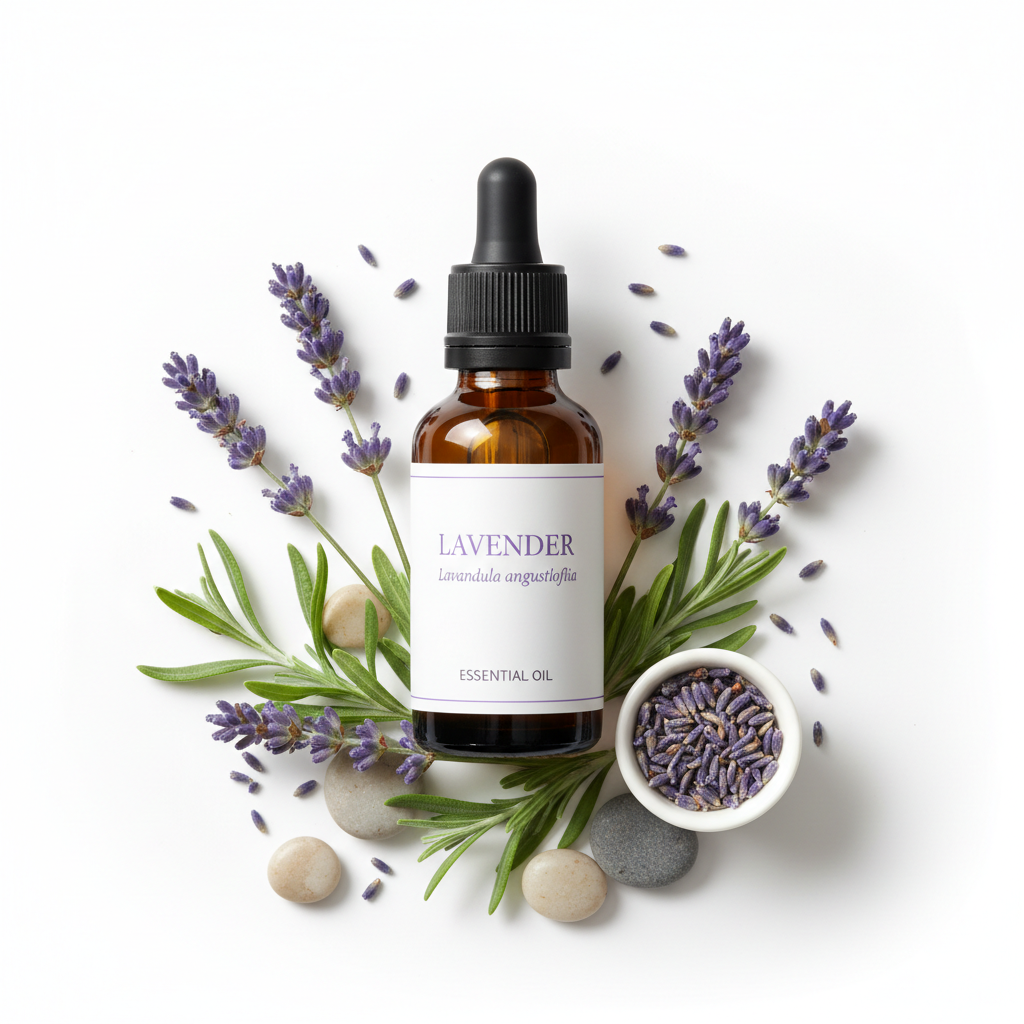
Lavender Essential Oil
Lavandula angustifolia
## Lavender Essential Oil: A Comprehensive Guide Lavender essential oil, extracted from the lavender plant (Lavandula angustifolia), is one of the most well-known and widely used essential oils today. It is celebrated for its relaxing properties and a range of therapeutic benefits that promote mental, emotional, and physical well-being. ### Origin and Extraction Method Lavender is native to the Mediterranean region, especially in areas of France, Italy, and Spain, where it flourishes in dry, sunny climates. The oil is obtained through steam distillation of the delicate flowering tops of the lavender plant. This method preserves the oil's delicate chemical composition, fostering its aromatic and therapeutic qualities, making it a staple in aromatherapy and natural health practices. ### Botanical Information Lavandula angustifolia, commonly known as true lavender, belongs to the Lamiaceae (mint) family. The plant typically reaches about 1 meter in height and has slender, greenish-gray leaves adorned with vibrant purple flowers. The distinctive aroma emanates from the plant's essential oil, which comprises various aromatic compounds such as linalool, linalyl acetate, and camphor, recognized for their calming effects. ### Therapeutic Properties and Benefits Lavender essential oil offers a myriad of therapeutic benefits, including: - **Promoting Relaxation:** Known as an anxiolytic, lavender oil effectively reduces anxiety and stress, helping to promote a sense of calm and tranquility. - **Improving Sleep Quality:** It is widely recommended as a natural remedy for insomnia and sleep disturbances. Adding a few drops to a diffuser or pillow can help induce restful sleep. - **Enhancing Mood and Emotional Balance:** Lavender oil can uplift mood and support emotional stability, making it beneficial for those experiencing sadness or irritability. - **Alleviating Headaches and Migraines:** Inhaling lavender oil or applying diluted oil to the temples may provide relief from headaches and migraines. - **Soothing Muscle Tension:** The anti-inflammatory properties of lavender oil make it effective for soothing sore muscles and reducing tension. - **Supporting Respiratory Health:** With its antiseptic properties, lavender oil may alleviate symptoms associated with colds, allergies, and respiratory infections. ### Historical and Traditional Uses Historically, lavender has been treasured for its medicinal and aromatic properties for centuries. Ancient Egyptians utilized lavender for mummification and as a cosmetic fragrance. Romans added it to their baths to relieve stress and enhance mood. In the Middle Ages, lavender symbolized purity, often used in perfumes and sachets, and its presence was common in homes to ward off pests. ### Scientific Facts and Research Numerous scientific studies have validated the benefits of lavender essential oil. Research published in *Evidence-Based Complementary and Alternative Medicine* confirmed that individuals who inhaled lavender experienced significant reductions in anxiety and improved sleep quality compared to placebo groups. Furthermore, studies indicate that lavender oil may influence neurotransmitter systems, enhancing its sedative effects. ### Aroma Profile and Characteristics Lavender essential oil possesses a sweet, floral, and herbaceous aroma that is both uplifting and calming. Its scent, often described as fresh and clean, makes it a popular choice in aromatherapy blends, personal care products, and home fragrances. The calming aroma can cultivate a serene environment, ideal for meditation and relaxation practices. ### Common Applications and Methods Lavender essential oil's versatility allows for a variety of applications: - **Aromatherapy:** Diffusing lavender oil in your home purifies the air and creates a relaxing atmosphere, beneficial for stress relief. - **Topical Use:** Diluting lavender oil with a carrier oil for massages or targeted skin applications helps alleviate pain and supports skin health. - **Baths:** Adding lavender oil to bathwater not only promotes relaxation but also eases muscle tension and soothes the mind. - **Culinary Uses:** When used in moderation, lavender adds a unique flavor to culinary dishes, commonly included in herbal teas, desserts, and infused syrups. ### Interesting Facts and Trivia - Lavender is often regarded as the “universal oil” due to its myriad benefits and applications across different practices. - It takes approximately 250 pounds of lavender flowers to produce about 1 pound of essential oil, demonstrating its value and potency. - The color purple, associated with lavender, symbolizes tranquility and peace, reflecting its effects on the mind and body. - Additionally, lavender is renowned for attracting pollinators like bees and butterflies, contributing positively to local biodiversity. In conclusion, lavender essential oil is not only remarkable with its profound history but also offers extensive benefits and versatile applications. Whether used to promote relaxation, enhance mood, or enjoy aromatic qualities, it plays an essential role in holistic health. Incorporate lavender essential oil into your daily routine for a touch of serenity and a pathway to balance your emotional and physical well-being.