Search
Found 37 results for "citrus"
Essential Oils
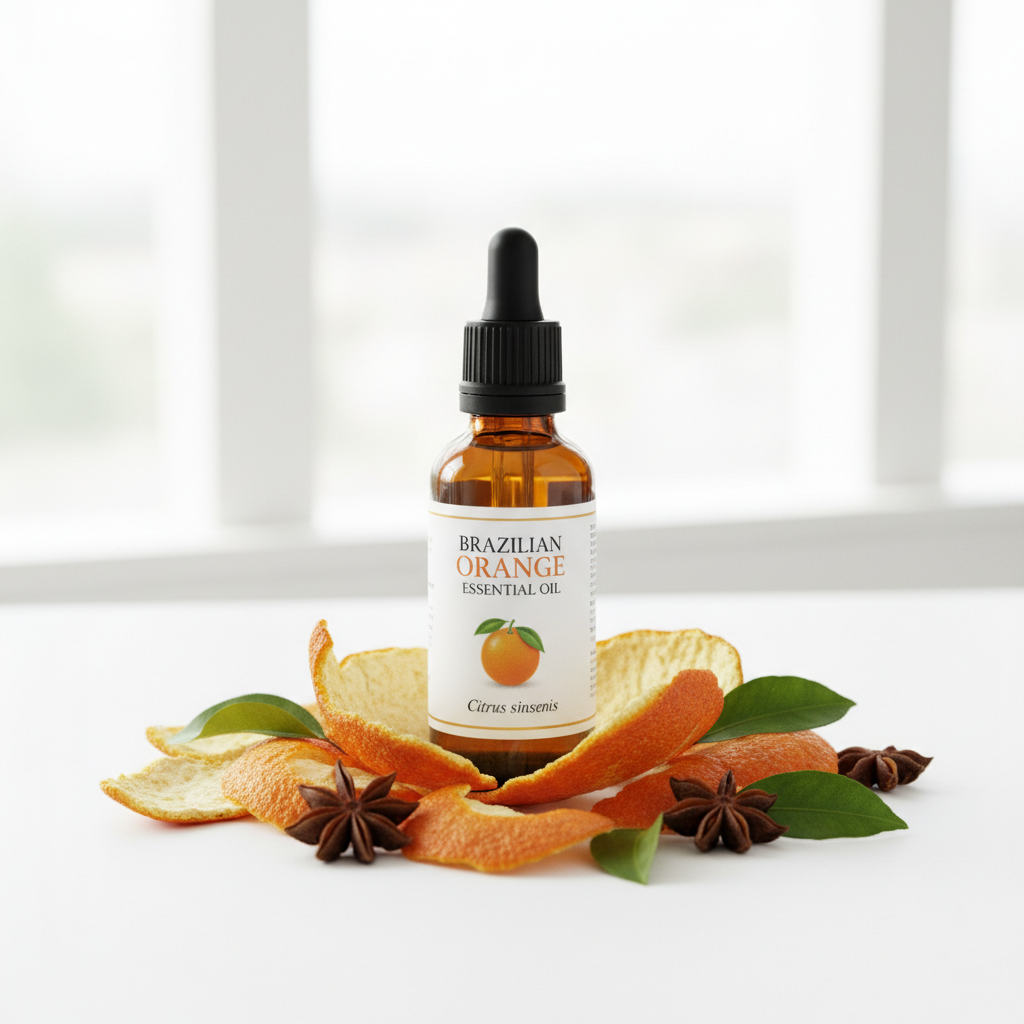
Brazilian Orange Essential Oil
Citrus sinensis
Brazilian Orange Essential Oil, also known as Citrus sinensis, is highly esteemed for its refreshing and uplifting aroma. This essential oil is extracted meticulously from the bright orange peels of oranges that thrive in the warm Brazilian climate. The extraction method primarily employed is cold-pressing, which helps to maintain the oil's vibrant scent and beneficial properties, ensuring a high-quality product for aromatherapy and holistic health applications. ### Origin and Extraction Method Brazilian oranges are native to Brazil and have been cultivated there for centuries, celebrated for their delicious sweetness and juiciness. The essential oil is obtained through a cold-press process that mechanically presses the peels to release their essential oils without the application of heat, thus preserving the oil’s natural characteristics and potency. This careful extraction process guarantees that the extracted oil captures the fruit’s fresh essence and therapeutic benefits. ### Botanical Information Citrus sinensis belongs to the Rutaceae family, which is known for its citrus fruits. These oranges are not only enjoyed fresh but also contribute significantly to the production of delicious, aromatic essential oil. The plant features glossy leaves and fragrant white flowers, which are a delight to the senses. ### Therapeutic Properties and Benefits Brazilian Orange Essential Oil is renowned for its myriad of benefits, particularly in the realm of emotional and mental well-being. Here are some of the major therapeutic properties: 1. **Mood Booster**: The sweet, citrus scent is uplifting and can help improve your mood, making it an excellent choice for combating feelings of sadness or fatigue. 2. **Stress Relief**: Inhaling the aroma of Brazilian orange oil can significantly lower stress and anxiety levels, promoting a sense of tranquility and calmness. 3. **Mental Clarity**: This essential oil aids in improving mental clarity and focus. It is particularly useful for those needing to concentrate or enhance cognitive function. 4. **Emotional Balance**: The oil’s ability to harmonize emotions makes it an effective tool for those dealing with mood swings or emotional turbulence. 5. **Increased Energy**: The invigorating scent acts as a natural energizer, helping to fight off fatigue and boost overall vitality. 6. **Supports Respiratory Health**: Brazilian Orange Essential Oil can help clear airways and promote easier breathing, making it an ideal addition to various respiratory remedies. 7. **Skin Rejuvenation**: When diluted properly, this oil can help enhance the appearance of skin by improving skin tone and reducing blemishes. 8. **Eliminates Odors**: As a natural deodorizer, it effectively neutralizes unpleasant smells, making it perfect for home and personal care uses. 9. **Promotes Digestive Comfort**: Brazilian orange oil can soothe occasional digestive discomfort when applied correctly in diluted forms. 10. **Acts as a Natural Insect Repellent**: Its fragrant aroma is not only delightfully appealing to humans but is also effective in deterring bugs and insects. ### Historical and Traditional Uses Historically, Brazilian Orange Essential Oil has been used in various traditional medicinal practices in Brazil. The bright aroma was employed for its therapeutic effects in traditional healing, with practitioners using it to promote emotional and physical well-being. ### Scientific Facts and Research Research has shown that essential oils like Brazilian orange possess active properties that can positively impact human health. Studies highlight their ability to reduce cortisol levels, thereby enhancing mood and alleviating stress, which is a significant breakthrough in aromatherapy practices. ### Aroma Profile and Characteristics The aroma profile of Brazilian Orange Essential Oil is characterized by its sweet, fresh, and tangy scent. The euphoric fragrance fills the space with warmth and positivity, making it a popular choice in diffusers and personal perfumes. ### Common Applications and Methods Brazilian Orange Essential Oil is widely used in various applications, including: - **Aromatherapy**: Used in diffusers or inhaled directly for mood enhancement. - **Topical Use**: Must be diluted with carrier oils for skincare applications. - **Home Fragrance**: A few drops in cleaning products or air fresheners. - **Massage Therapy**: Added to massage oils for relaxation and rejuvenation during therapies. ### Interesting Facts and Trivia - Brazilian Orange is often referred to as "sweet orange" due to the health benefits and palatable fruit. - The vibrant color of oranges is not just beautiful; it is chemically indicative of its rich vitamin C content, making the oil not only aromatic but also nutritionally beneficial. In conclusion, Brazilian Orange Essential Oil (Citrus sinensis) is a remarkable oil known for its range of therapeutic benefits, uplifting aroma, and extensive applications in health and wellness. Incorporating it into your daily routine can enhance not only emotional balance and mental well-being but also offer practical benefits in your home.
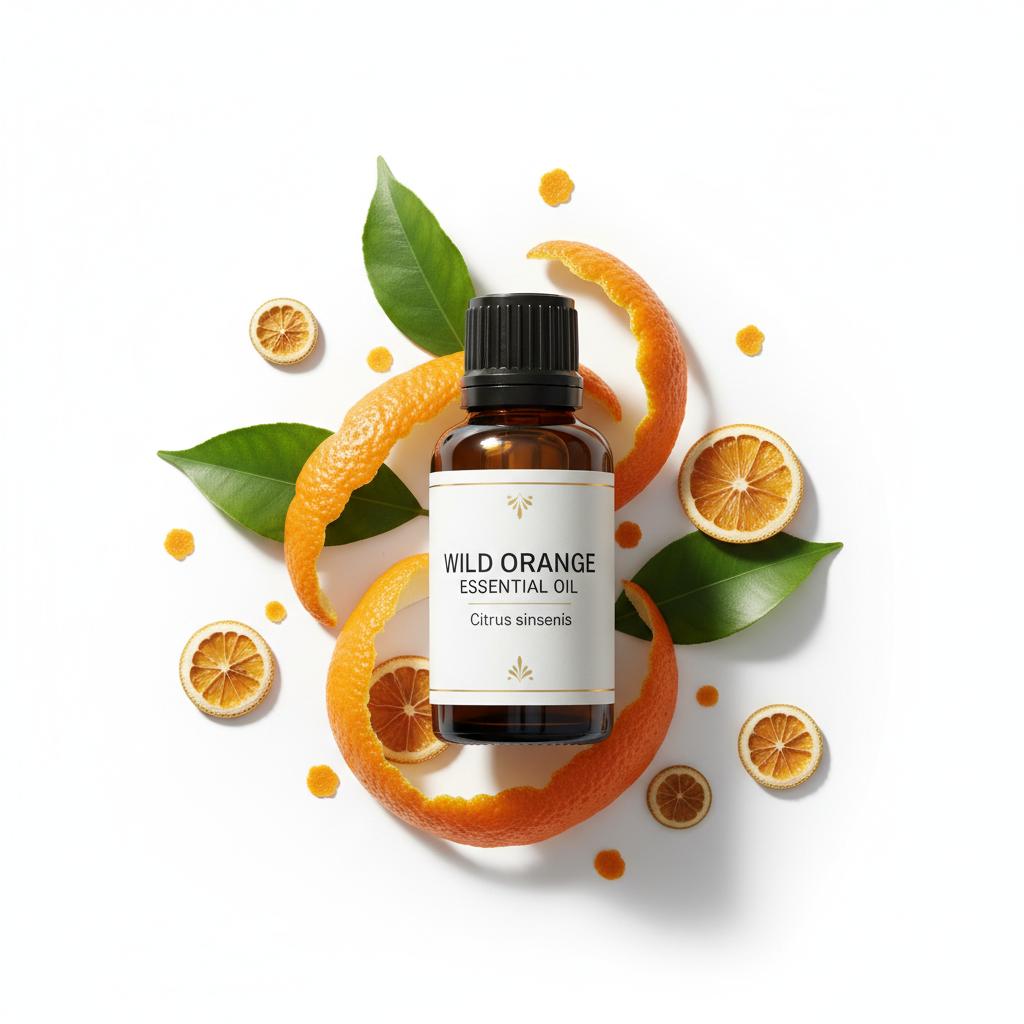
Wild Orange Essential Oil
Citrus sinensis
### Wild Orange Essential Oil: An In-Depth Exploration #### Origin and Extraction Method Wild Orange Essential Oil, scientifically known as Citrus sinensis, is extracted from the bright orange peel of the sweet orange fruit. The process of obtaining this oil primarily utilizes **cold pressing**, a method that involves mechanically pressing the peels to release their fragrant oils without the use of heat. This process not only captures the vibrant scent of the fruit but also preserves its **therapeutic properties**, making it a popular choice among aromatherapists and health enthusiasts. #### Botanical Information The orange tree, a hybrid of the pomelo and mandarin, grows in tropical and subtropical climates worldwide. It can reach heights of up to 30 feet, adorned with glossy green leaves and fragrant white flowers that give way to the famous round, orange fruit. Known for its sweet and tangy flavor, the sweet orange is not only a staple in kitchens but also in the world of essential oils. #### Therapeutic Properties and Benefits 1. **Mood Enhancement**: Wild Orange Essential Oil is celebrated for its uplifting aroma. It may elevate mood and promote a sense of well-being, making it a favorite in aromatherapy. 2. **Stress Reduction**: Inhaling its citrus scent can help reduce feelings of stress and anxiety, providing a calming effect that can be beneficial in today’s fast-paced lifestyles. 3. **Focus and Clarity**: Its invigorating fragrance can enhance mental clarity, aiding concentration during tasks, making it ideal for studying or working. 4. **Immune Support**: Wild Orange Oil is thought to support the immune system, potentially providing increased defense against colds and other seasonal issues. 5. **Energy Boost**: This essential oil serves as a natural stimulant, known for its ability to combat fatigue and energize both the mind and body. 6. **Digestive Aid**: It may soothe digestive discomfort, helping to relieve issues such as bloating or indigestion when used in topical applications or inhalation. 7. **Skin Enhancer**: The oil is believed to improve skin appearance by promoting healthy circulation and providing a refreshing, radiant look. 8. **Cleaning Properties**: Due to its antimicrobial properties, Wild Orange Oil is commonly used in cleaning products, offering a clean, refreshing aroma that also helps eliminate germs. #### Historical and Traditional Uses Historically, citrus fruits have been revered for their health benefits and uplifting properties. Ancient cultures utilized orange peels for their medicinal qualities, incorporating them into various traditional remedies. In aromatherapy, Wild Orange Essential Oil has been used for centuries, particularly in holistic practices focused on wellness and emotional balance. #### Scientific Facts and Research Research has shown that citrus scents, including Wild Orange Oil, may help reduce stress levels. A study published in the **Journal of Nutrition** indicates that citrus aromas can influence mood positively and enhance cognitive performance. Additionally, the oil's potential antioxidant properties are being studied for their effects on overall health and well-being. #### Aroma Profile and Characteristics Wild Orange Essential Oil boasts a bright, citrusy aroma that is both sweet and tangy. Its scent is often associated with feelings of warmth and happiness, creating an inviting atmosphere wherever it is diffused. The fresh, sharp notes make it popular in both personal fragrance blends and household products. #### Common Applications and Methods - **Aromatherapy**: Diffuse the oil in a room to uplift mood and create a calming environment. - **Topical Application**: When diluted with a carrier oil, it can be massaged onto the skin to relieve digestive discomfort or improve circulation. - **Cleaning Solutions**: Add to homemade cleaning products for a natural and effective way to keep your home fresh and sanitized. - **Mood Enhancer**: Inhale directly from the bottle whenever you're feeling low for an instant pick-me-up. #### Interesting Facts and Trivia - **Symbol of Happiness**: In many cultures, the orange fruit symbolizes happiness and good luck, often used in festive decorations. - **Culinary Uses**: Beyond its therapeutic uses, the zest and juice of the orange are widely utilized in cooking and baking for their sweet and tangy flavor. - **Environmental Impact**: The popularity of citrus oils is driving sustainable farming practices, ensuring that orange groves can be preserved for future generations while benefiting from the aromatic oils. ### Conclusion Wild Orange Essential Oil is a versatile and beneficial essential oil that serves various purposes beyond its refreshing scent. Its wide range of applications, supported by historical use and emerging scientific research, make this oil a valuable addition to aromatherapy practices and natural health routines. With countless ways to incorporate it into daily life, Wild Orange Oil truly embodies the essence of joy and vitality.
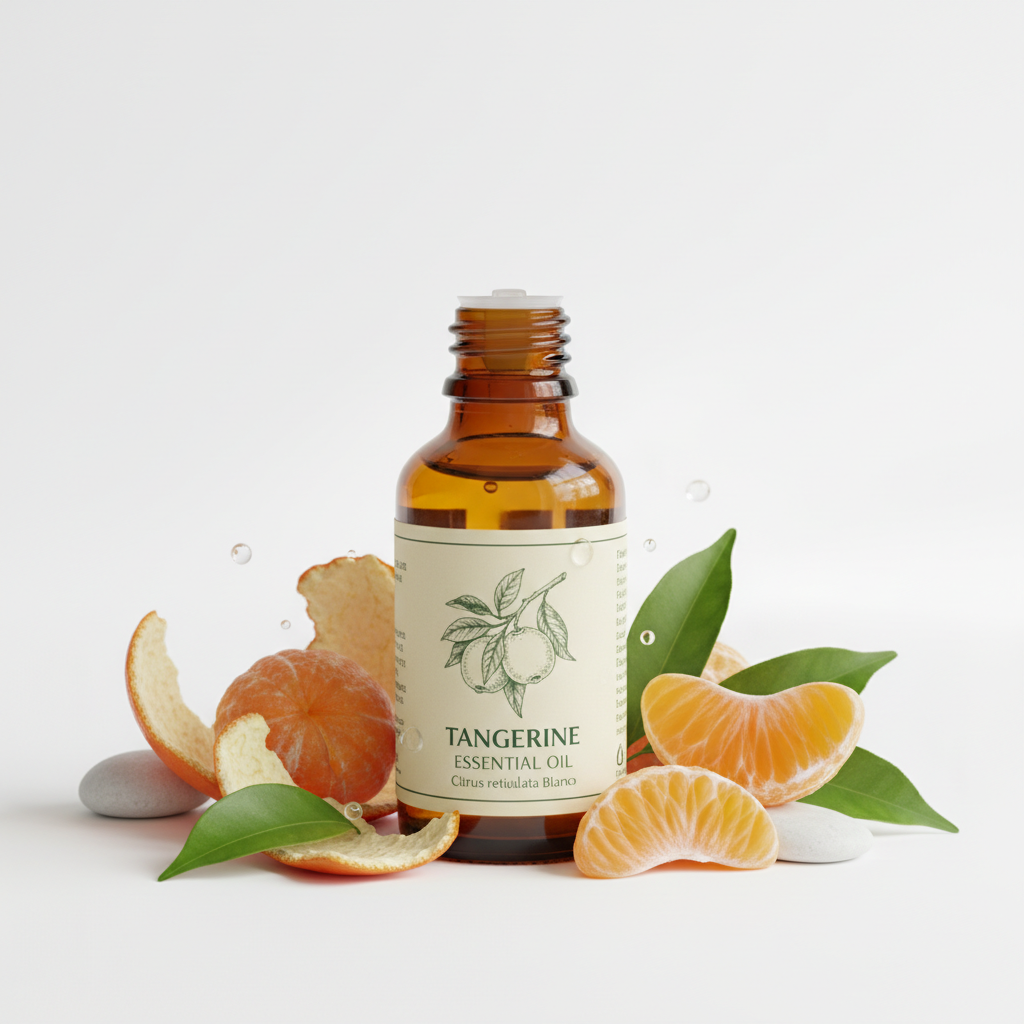
Tangerine Essential Oil
Citrus reticulata Blanco
Tangerine essential oil, scientifically known as Citrus reticulata, is derived from the peel of the tangerine fruit, which has its origins rooted in the lush Mediterranean region. The oil is extracted through cold pressing, a method that maintains the oil's integrity and retains its potent aroma and beneficial properties. This delightful oil is characterized by its bright, sweet citrus fragrance, which makes it a preferred choice in aromatherapy and natural wellness practices. **Origin and Extraction Method** Tangerines are part of the citrus family and have been cultivated for centuries. The essential oil is extracted from the outer peel of the fruit, where the aromatic compounds are concentrated. Cold pressing involves mechanically pressing the peel to release the oil without the application of heat, preserving the oil's rich constituents, making it both high-quality and effective for various applications. **Botanical Information** The tangerine tree, which can grow up to 30 feet tall, is characterized by its dark green, glossy leaves and fragrant white flowers. The peel of the fruit contains essential oils that provide various health benefits and a vibrant color that emits a pleasurable scent. Botanically, tangerine essential oil is noted for its high levels of limonene, a compound known for its uplifting properties. **Therapeutic Properties and Benefits** Tangerine essential oil has a myriad of therapeutic properties, making it valuable in both aromatherapy and alternative medicine: - **Stress Relief**: The uplifting aroma can significantly reduce stress and anxiety, creating a calming atmosphere and promoting mental clarity. It's often used in diffusers during meditation to enhance relaxation. - **Mood Enhancer**: Its sweet scent is associated with joy and positivity, helping to combat feelings of sadness and depression. The oil has a reputation for fostering an uplifting mood. - **Relaxation Support**: Frequently incorporated in massage oils and baths, tangerine oil is known to soothe the mind, making it a popular choice during yoga and relaxation sessions. - **Emotional Balance**: This essential oil is thought to assist in regulating emotions and providing support during emotional swings or periods of grief. - **Skin Rejuvenation**: When diluted with a carrier oil, tangerine essential oil is praised for its ability to improve dull skin's appearance and can aid in reducing scars. It can also help clear blemishes due to its astringent properties. - **Liver Support**: Traditionally, tangerine oil has been used to support liver function and assist in detoxification, helping the body eliminate toxins safely. - **Immune Support**: High in vitamin C, tangerine essential oil may help bolster the immune system, especially during cold and flu seasons. - **Respiratory Support**: The oil can act as a natural decongestant, promoting easier breathing and soothing respiratory discomfort. **Historical and Traditional Uses** Historically, tangerines were cherished as symbols of good fortune and prosperity, especially in Asian cultures. Their bright color and enticing aroma have long been associated with happiness, and tangerine essential oil has been used in ancient rituals for purification and spiritual well-being. **Scientific Facts and Research** Research has highlighted the potential benefits of limonene, the primary constituent of tangerine essential oil, in reducing stress and providing antioxidant benefits. Studies suggest that the inhalation of citrus scents can decrease cortisol levels in the body, further establishing the calming effects of this essential oil. **Aroma Profile and Characteristics** The aroma of tangerine essential oil is vibrant, sweet, and refreshing. Its unique fragrance not only appeals to the senses but also makes it versatile for various applications, including perfumes, skincare products, and household cleaners. **Common Applications and Methods** Tangerine essential oil can be used in several ways: - **Diffusion**: Add a few drops to a diffuser to enhance mood and create an uplifting environment. - **Topical Application**: Dilute with a carrier oil for safe use on the skin to reap its rejuvenating benefits. - **Inhalation**: Inhale directly from the bottle or place a drop on a cotton ball to experience its calming effects. - **Household Cleaner**: Mix with vinegar or water to create a natural, fragrant cleaner. **Interesting Facts and Trivia** - Tangerines are often referred to as "mandarins" in various regions, highlighting the diverse names for this beloved fruit. - In many cultures, tangerines are exchanged as gifts during celebrations to symbolize prosperity and well-being. - Their delightful taste and aroma have made them a staple during the holiday season, especially in Chinese New Year celebrations. In conclusion, tangerine essential oil is not only refreshing but is also packed with numerous health benefits and traditional uses. Its vibrant aroma and range of applications make it a must-have in any essential oil collection.
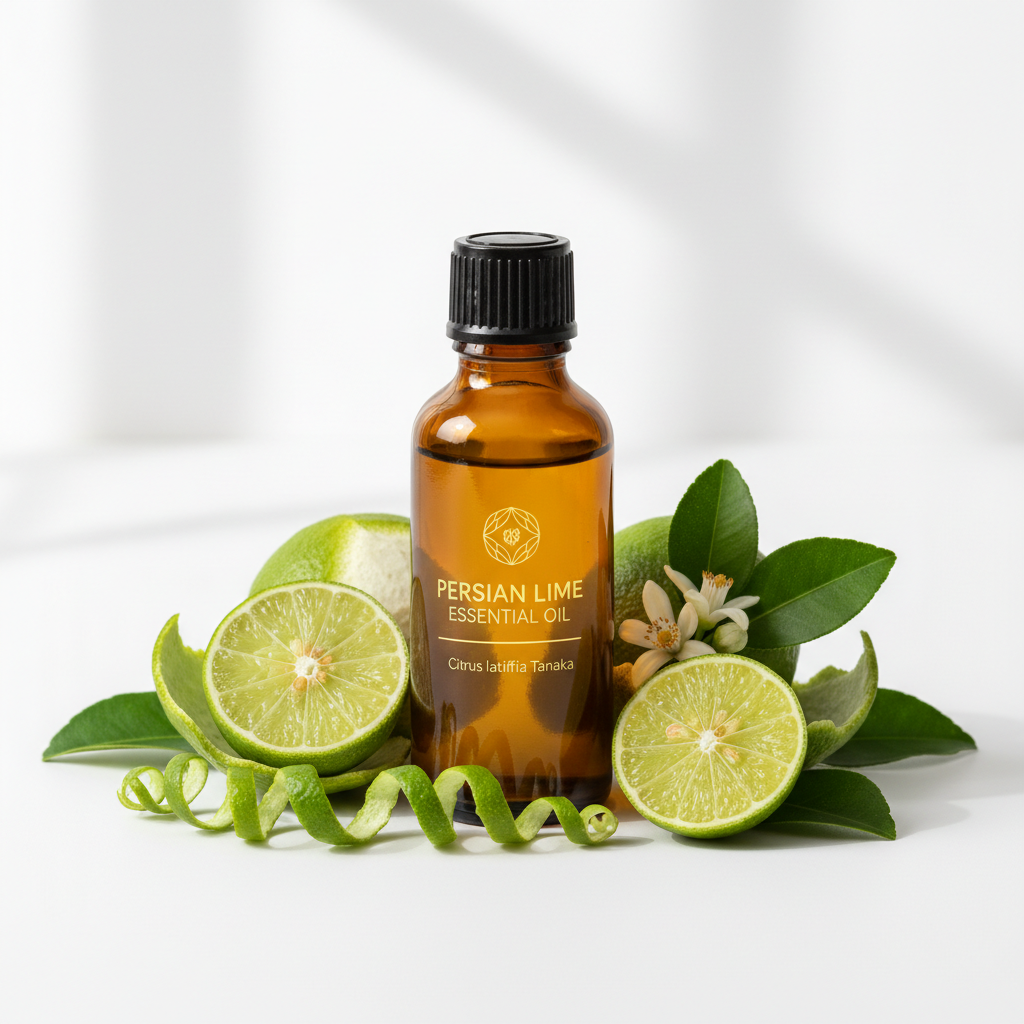
Persian Lime Essential Oil
Citrus latifolia Tanaka
**Persian Lime Essential Oil: Comprehensive Guide** Persian Lime essential oil, scientifically known as *Citrus latifolia Tanaka*, is a vibrant and invigorating oil extracted through the cold-press method from the peels of the fruit. This extraction process preserves the oil's rich aromatic properties, making it highly valued in aromatherapy, perfumery, and culinary applications. ### Origin and Extraction Method The Persian Lime tree thrives in tropical and subtropical climates, primarily in regions of Southeast Asia and the Americas. Cold-pressing involves mechanically pressing the fresh peels to extract the essential oil. This method ensures the retention of the oil's natural aroma and therapeutic components. The result is a crisp, fresh scent that embodies the essence of sun-ripened limes. ### Botanical Information Botanically classified under the Rutaceae family, Persian Lime trees can grow up to 15 feet tall and produce small, round green fruits. The oil is characterized by its bright yellow-green color and refreshing citrus aroma, which is both uplifting and energizing. ### Therapeutic Properties and Benefits Persian Lime essential oil is renowned for its diverse therapeutic properties, making it a popular choice in holistic healing practices. Its benefits include: - **Uplifting Mood**: The zesty fragrance enhances mood, promotes feelings of joy, and reduces stress. - **Energizing**: The invigorating aroma revitalizes energy levels, making it ideal for daytime use, especially in lowering fatigue during work or study sessions. - **Calming Effects**: Despite its energizing properties, it also provides a calming effect, helping to alleviate anxiety and promote emotional stability. - **Mental Clarity**: It is known to improve focus and concentration, making it beneficial for those needing to enhance productivity. - **Confident Aura**: The essential oil promotes feelings of confidence and self-assurance, positively impacting personal and professional interactions. - **Immune Support**: Persian Lime essential oil may support the immune system, helping the body to defend against seasonal illnesses. - **Respiratory Health**: Inhalation can clear congestion and improve breathing, providing relief during respiratory issues. - **Pain Relief**: Inhaling or topical application (diluted) can soothe headaches and tension. - **Skin Health**: It balances oily skin, reduces blemishes, and may promote a healthy complexion. - **Digestive Health**: When used appropriately, it can alleviate nausea and support overall digestive wellness. ### Historical and Traditional Uses Historically, Persian Lime has played a crucial role in both traditional medicine and culinary arts. In Southeast Asia, lime juice and zest were commonly used as natural remedies for digestive issues and skin ailments. The oil has also been incorporated into various culinary traditions, adding flavor and vibrancy to dishes and beverages. Its use as a flavoring agent in detoxifying drinks became increasingly popular in health-conscious communities. ### Aroma Profile and Characteristics The aroma of Persian Lime essential oil is bright, fresh, and zesty, with a sweet undertone that appeals to many. This scent profile makes it an excellent choice for uplifting spaces, enhancing mood, and creating a refreshing environment in homes and workplaces. ### Common Applications and Methods Persian Lime essential oil can be utilized in various ways, including: - **Diffusing**: Add a few drops to a diffuser for an uplifting aromatic experience. - **Topical Application**: Dilute with a carrier oil for application on skin, aiding in skin health and tension relief. - **Culinary Uses**: Incorporate in food and beverages for flavor enhancement and potential digestive benefits. - **Homemade Cleaning Products**: Utilize its antibacterial properties in eco-friendly cleaners. ### Interesting Facts and Trivia - Persian Lime is often mistaken for Key Lime due to their similarities, but they're distinct varieties with different flavor profiles. - The oil's antibacterial properties make it a common natural remedy in products aiming for skin clarity and freshness. - Additionally, Persian Lime essential oil is often included in blends for its ability to unify and complement other scents in aromatherapy. ### Conclusion Overall, Persian Lime essential oil stands out not only for its delightful scent and versatility but also for its numerous health benefits and historical significance. Whether you're looking to enhance your mood, improve your focus, or enjoy its culinary zest, this essential oil is an excellent addition to your collection.
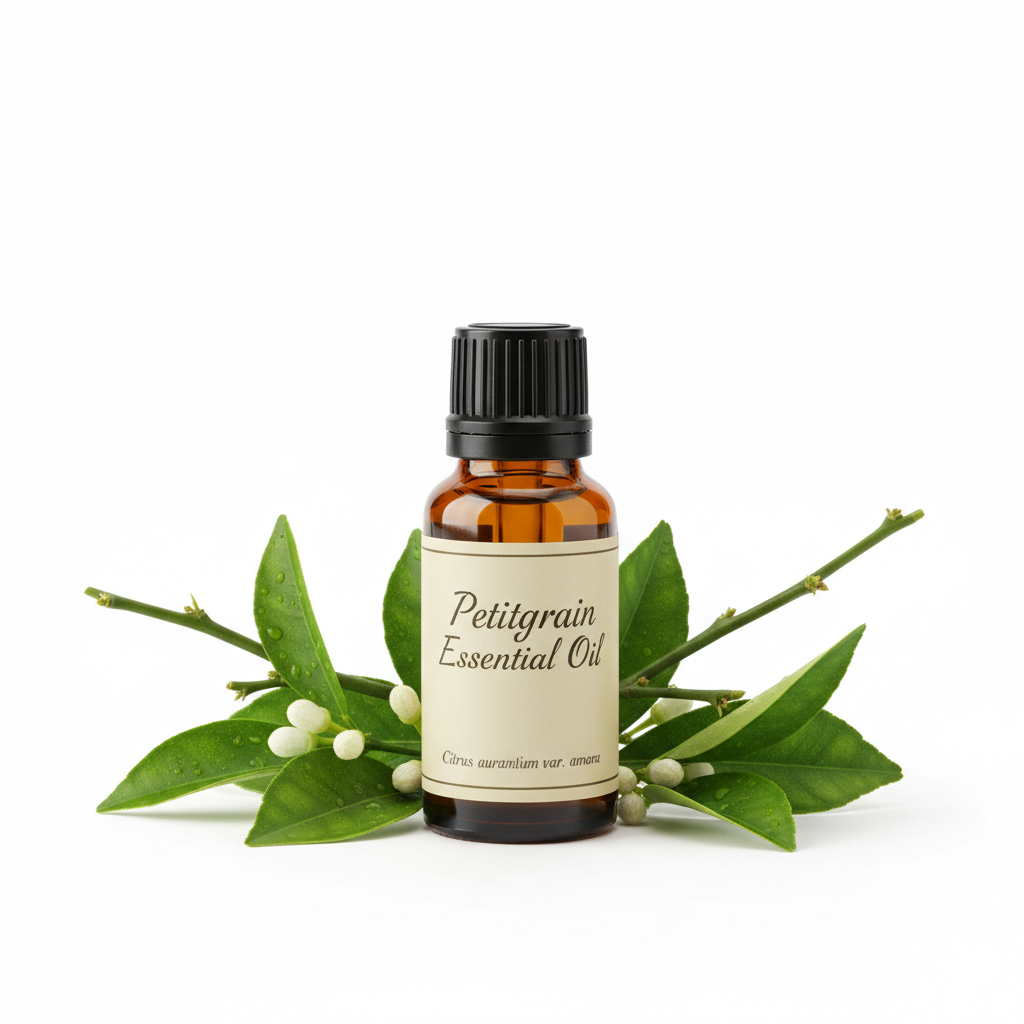
Petitgrain Essential Oil
Citrus aurantium var. amara
Petitgrain essential oil is a unique and versatile oil derived from the leaves and twigs of the bitter orange tree, scientifically known as Citrus aurantium var. amara. This oil, often overlooked in the many applications of essential oils, has a host of benefits and uses that make it a valuable addition to any aromatherapy toolkit. Here, we delve into the various aspects of Petitgrain essential oil, including its origin, extraction process, therapeutic properties, historical uses, scientific research, aroma profile, and common applications. **Origin and Extraction Method** Petitgrain essential oil is predominantly extracted through the process of steam distillation. This method allows the oil to retain the fresh, green scent characteristic of its citrus origins, as it captures the aromatic compounds from the leaves and twigs of the bitter orange tree. The tree is native to Asia but has been widely cultivated in various regions, especially in France, where the oil is primarily produced. The name "Petitgrain" translates to "little grains," which originally referred to the small unripe oranges processed to extract essential oil; however, the name now primarily pertains to the oil sourced from the leaves and twigs. **Botanical Information** The bitter orange tree grows up to 10 meters tall and features glossy green leaves and white fragrant flowers. It belongs to the Rutaceae family and is cherished not only for its essential oil but also for its fruit, which is used in making marmalade and flavoring for liqueurs. The extraction of Petitgrain oil helps in utilizing parts of the tree that might otherwise go unharvested, promoting sustainability. **Therapeutic Properties and Benefits** Petitgrain essential oil possesses numerous therapeutic properties. Known for its calming effects, it is traditionally used to alleviate feelings of stress and anxiety. The oil's sedative characteristics can help promote better sleep quality, making it an excellent choice for those struggling with insomnia. Additionally, Petitgrain can enhance mood by fostering a positive emotional state and reducing irritability, contributing to emotional resilience in the face of life's challenges. The oil's benefits extend beyond mental well-being; it may also assist with physical issues. For example, it has been noted to help with muscle tension and spasms, providing relief and promoting physical relaxation. Its calming effect has been used to ease headaches related to stress and tension. Furthermore, Petitgrain may support digestive ease, particularly for individuals experiencing bloating and cramping. **Historical and Traditional Uses** Historically, Petitgrain essential oil has been cherished in perfumery due to its fresh, invigorating scent. It was commonly used in traditional medicine practices across various cultures to treat anxiety and improve emotional well-being. Even today, many find it beneficial as part of a holistic approach to wellness, utilizing its properties in massage therapy and other relaxation techniques. **Scientific Facts and Research** Research into the effects of Petitgrain essential oil has highlighted its potential in promoting relaxation and reducing anxiety. Studies indicate that its application can lower heart rate and reduce stress markers, suggesting physiological benefits in addition to its psychological effects. While more research is needed to fully understand the scope of its benefits, initial findings support its use in aromatherapy. **Aroma Profile and Characteristics** The aroma of Petitgrain essential oil is often described as fresh, crisp, and slightly floral, with hints of woodiness and green notes. This unique fragrance profile lends itself well to a variety of applications. It can be used in diffusers for aromatherapy, added to bath oils for a relaxing soak, or blended into carrier oils for topical use. **Common Applications and Methods** 1. **Aromatherapy:** Add a few drops to a diffuser to promote relaxation and improve mood. 2. **Massage Oils:** Mix with carrier oils for a soothing massage experience. 3. **Bath Products:** Incorporate into bath salts for a calming soak. 4. **Skin Care:** Dilute for topical application, where its skin-healing properties can be beneficial. **Interesting Facts and Trivia** Many enthusiasts of essential oils do not realize that Petitgrain oil is often a primary ingredient in high-end perfumes due to its exquisite fragrance. Additionally, it can serve as a natural insect repellent, making it useful in outdoor settings. Its sustainability aspect is also noteworthy, as using the leaves and twigs of the bitter orange tree contributes to the overall utilization of the plant. In conclusion, Petitgrain essential oil is a remarkable oil packed with numerous benefits for both mental and physical well-being. Its calming properties, rich historical background, and versatility in application make it an essential item for anyone interested in harnessing the power of natural remedies.
Orange Essential Oil
Citrus sinensis
**Orange Essential Oil: Comprehensive Guide to Benefits, Uses, and Properties** **Introduction** Orange essential oil is derived from the peel of the Citrus sinensis fruit, commonly known as the sweet orange. This delightful oil is celebrated worldwide for its bright, uplifting aroma and extensive therapeutic properties. Extracted through cold-pressing, orange essential oil has been used since ancient times for various applications in aromatherapy and traditional medicine. **Origin and Extraction Method** The history of orange essential oil dates back to thousands of years, originating from Southeast Asia. It is primarily extracted from the peels of ripe oranges through a method called cold-pressing. This technique involves mechanically pressing the peels to release the essential oils, preserving their aromatic compounds without the use of heat or chemicals. This method ensures a high-quality oil that retains the natural fragrance and therapeutic benefits. **Botanical Information** Citrus sinensis, belonging to the Rutaceae family, is a subtropical fruit tree. This evergreen tree can grow up to 30 feet tall and produces fragrant white flowers. The fruit, characterized by its round shape and vibrant orange color, is the source of the essential oil. The essential oil is often used in both personal care and household products due to its refreshing scent and antibacterial properties. **Therapeutic Properties and Benefits** Orange essential oil boasts numerous therapeutic properties that contribute to its popularity in aromatherapy: 1. **Mood Enhancer**: The cheerful scent of orange essential oil can inspire feelings of happiness and positivity, making it an excellent choice for combating feelings of sadness or anxiety. 2. **Stress Reliever**: Its calming properties help alleviate stress and tension, contributing to a peaceful environment in homes and workplaces. 3. **Cognitive Support**: The invigorating aroma enhances concentration and focus, making it a favorite among students and professionals alike. 4. **Emotional Balance**: The oil can assist in easing irritability, frustration, and emotional instability, supporting overall emotional well-being. 5. **Calming Influence**: Known for its ability to promote a sense of calm, orange essential oil is beneficial during stressful times, providing comfort and relaxation. 6. **Immune Support**: Orange essential oil may possess immune-boosting qualities, helping to strengthen the body's defense mechanisms. 7. **Improved Circulation**: The stimulating properties of the oil can enhance blood circulation, increasing energy levels and vitality. 8. **Digestive Aid**: It can soothe digestive discomforts like bloating and nausea, making it useful during periods of digestive distress. 9. **Detoxifying Agent**: Orange oil contributes to the detoxification processes, helping cleanse the lymphatic system. **Historical and Traditional Uses** Historically, orange essential oil has been utilized in various cultures for medicinal and culinary purposes. In ancient Greece, oranges were considered symbols of prosperity and good fortune. In traditional Chinese medicine, orange peel has been used to help with digestion and respiratory issues. Over time, the oil has gained prominence in modern aromatherapy as a key oil for promoting mental clarity and emotional stability. **Scientific Facts and Research** Research shows that orange essential oil contains compounds such as limonene, which are known for their potential antioxidant and anti-inflammatory capabilities. Studies have indicated that inhaling orange essential oil can reduce stress levels and improve mood, further validating its effectiveness in aromatherapy and mental wellness practices. **Aroma Profile and Characteristics** Orange essential oil has a bright, sweet, and citrusy aroma that is instantly uplifting. Its refreshing scent is often associated with summertime freshness, evoking feelings of joy and warmth. The oil can be used in diffusers, blends, or as a natural air freshener to enhance the ambiance of any space. **Common Applications and Methods** Orange essential oil can be used in numerous ways, including: - **Aromatherapy**: Add a few drops to a diffuser or an oil burner to fill your space with its uplifting aroma. - **Topical Use**: Mix with a carrier oil and apply to the skin for its benefits, keeping in mind to avoid sun exposure after application as it can be phototoxic. - **Household Cleaner**: Its antibacterial properties make it a great addition to homemade cleaning solutions. - **Culinary Uses**: A few drops can enhance the flavor of various dishes and desserts, embodying a delightful citrus flavor. **Interesting Facts and Trivia** - Did you know that orange essential oil is one of the most widely used essential oils in the world? - It's also utilized in the food industry not only for its flavor but for its fragrant essence in beverages and confections. - The oil has become a popular ingredient in personal care products such as shampoos, soaps, and lotions due to its invigorating scent and skin benefits. In summary, orange essential oil is not only a delightful fragrance but also offers a plethora of health benefits. Its versatility in applications makes it a must-have in any essential oil collection.