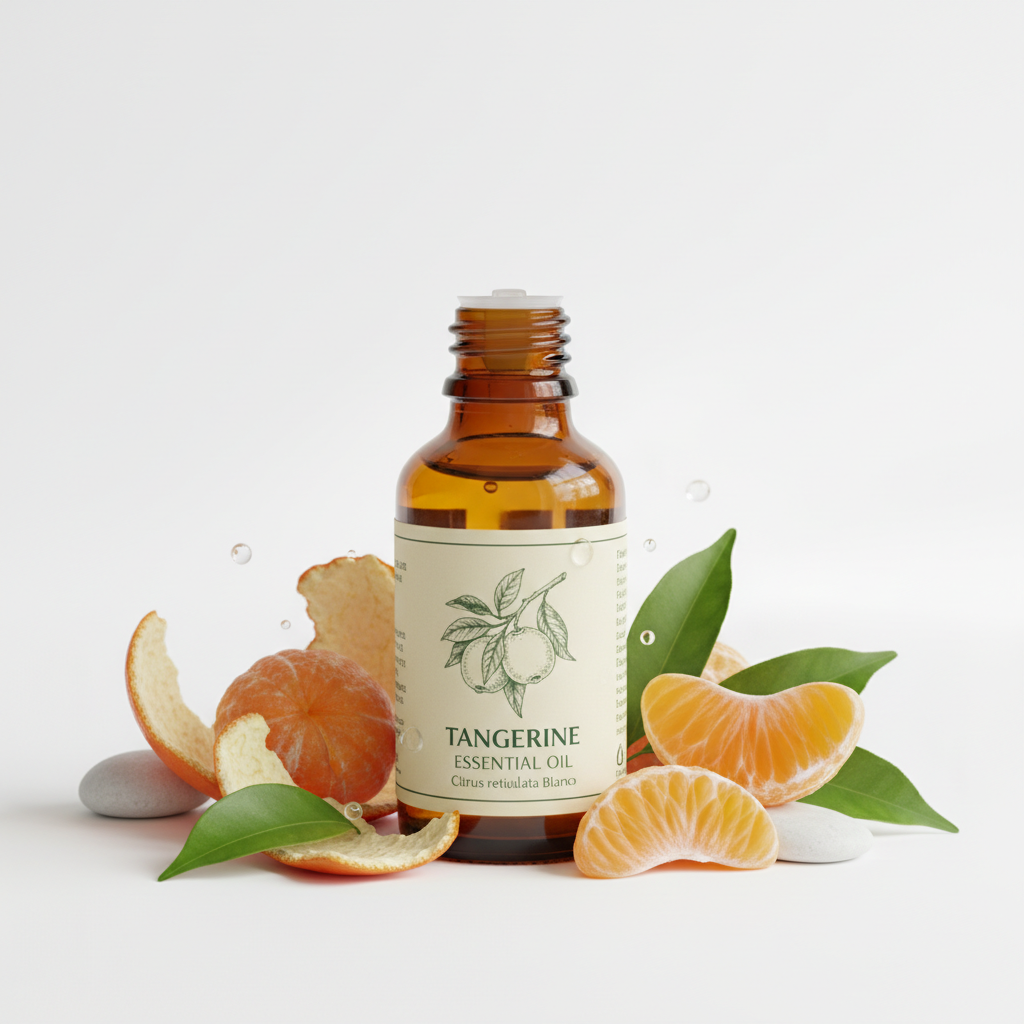
Tangerine Essential Oil
Citrus reticulata Blanco
Plant Source
Fruit Peel
Scent Family
Citrus
"Discover tangerine essential oil's benefits, uses, and origins. Learn about this vibrant oil's therapeutic properties and how it can enhance your well-being."
Tangerine essential oil, scientifically known as Citrus reticulata, is derived from the peel of the tangerine fruit, which has its origins rooted in the lush Mediterranean region. The oil is extracted through cold pressing, a method that maintains the oil's integrity and retains its potent aroma and beneficial properties. This delightful oil is characterized by its bright, sweet citrus fragrance, which makes it a preferred choice in aromatherapy and natural wellness practices.
Origin and Extraction Method
Tangerines are part of the citrus family and have been cultivated for centuries. The essential oil is extracted from the outer peel of the fruit, where the aromatic compounds are concentrated. Cold pressing involves mechanically pressing the peel to release the oil without the application of heat, preserving the oil's rich constituents, making it both high-quality and effective for various applications.
Botanical Information
The tangerine tree, which can grow up to 30 feet tall, is characterized by its dark green, glossy leaves and fragrant white flowers. The peel of the fruit contains essential oils that provide various health benefits and a vibrant color that emits a pleasurable scent. Botanically, tangerine essential oil is noted for its high levels of limonene, a compound known for its uplifting properties.
Therapeutic Properties and Benefits
Tangerine essential oil has a myriad of therapeutic properties, making it valuable in both aromatherapy and alternative medicine:
- Stress Relief: The uplifting aroma can significantly reduce stress and anxiety, creating a calming atmosphere and promoting mental clarity. It's often used in diffusers during meditation to enhance relaxation.
- Mood Enhancer: Its sweet scent is associated with joy and positivity, helping to combat feelings of sadness and depression. The oil has a reputation for fostering an uplifting mood.
- Relaxation Support: Frequently incorporated in massage oils and baths, tangerine oil is known to soothe the mind, making it a popular choice during yoga and relaxation sessions.
- Emotional Balance: This essential oil is thought to assist in regulating emotions and providing support during emotional swings or periods of grief.
- Skin Rejuvenation: When diluted with a carrier oil, tangerine essential oil is praised for its ability to improve dull skin's appearance and can aid in reducing scars. It can also help clear blemishes due to its astringent properties.
- Liver Support: Traditionally, tangerine oil has been used to support liver function and assist in detoxification, helping the body eliminate toxins safely.
- Immune Support: High in vitamin C, tangerine essential oil may help bolster the immune system, especially during cold and flu seasons.
- Respiratory Support: The oil can act as a natural decongestant, promoting easier breathing and soothing respiratory discomfort.
Historical and Traditional Uses
Historically, tangerines were cherished as symbols of good fortune and prosperity, especially in Asian cultures. Their bright color and enticing aroma have long been associated with happiness, and tangerine essential oil has been used in ancient rituals for purification and spiritual well-being.
Scientific Facts and Research
Research has highlighted the potential benefits of limonene, the primary constituent of tangerine essential oil, in reducing stress and providing antioxidant benefits. Studies suggest that the inhalation of citrus scents can decrease cortisol levels in the body, further establishing the calming effects of this essential oil.
Aroma Profile and Characteristics
The aroma of tangerine essential oil is vibrant, sweet, and refreshing. Its unique fragrance not only appeals to the senses but also makes it versatile for various applications, including perfumes, skincare products, and household cleaners.
Common Applications and Methods
Tangerine essential oil can be used in several ways:
- Diffusion: Add a few drops to a diffuser to enhance mood and create an uplifting environment.
- Topical Application: Dilute with a carrier oil for safe use on the skin to reap its rejuvenating benefits.
- Inhalation: Inhale directly from the bottle or place a drop on a cotton ball to experience its calming effects.
- Household Cleaner: Mix with vinegar or water to create a natural, fragrant cleaner.
Interesting Facts and Trivia
- Tangerines are often referred to as "mandarins" in various regions, highlighting the diverse names for this beloved fruit.
- In many cultures, tangerines are exchanged as gifts during celebrations to symbolize prosperity and well-being.
- Their delightful taste and aroma have made them a staple during the holiday season, especially in Chinese New Year celebrations.
In conclusion, tangerine essential oil is not only refreshing but is also packed with numerous health benefits and traditional uses. Its vibrant aroma and range of applications make it a must-have in any essential oil collection.
Ask AI About Tangerine Essential Oil
Get instant answers about this essential oil
Benefits & Uses
- Reduces stress: The uplifting scent can alleviate feelings of tension and promote mental clarity.
- Enhances mood: The sweet aroma is associated with joyful feelings and can reduce feelings of sadness.
- Promotes relaxation: Traditionally used to encourage calmness during meditation and relaxation practices.
- Supports emotional balance: Useful in managing emotional swings and enhancing overall emotional well-being.
- Skin rejuvenation: Helps improve the appearance of dull skin and can reduce the appearance of scars.
- Liver support: Traditionally used for its ability to support liver function and detoxification processes.
- Immune support: May bolster the immune system due to its high vitamin C content.
- Respiratory support: Can help clear the airways and ease breathing during cold season.
- Brightening: Can be added to skincare routines to brighten skin tone and reduce blemishes.
- Hydrating: Blended with carrier oils to provide moisture and nourishment to dry skin.
- Astringent: Acts as a natural astringent, tightening pores and improving oily skin.
- Exfoliation: Used in DIY scrubs to gently exfoliate and rejuvenate the skin.
- Refreshing air spray: Can be mixed with water in a spray bottle for a natural room freshener.
- Surface cleaner: Effective in homemade cleaners due to its antibacterial properties.
- Insect repellent: The scent helps to deter insects when used in candles or oils.
- Laundry freshener: Adds a pleasant scent to laundry when added during the rinse cycle.
How to Use
Diffuser
For small rooms, use 3-5 drops, for medium spaces, 5-8 drops, and for large rooms, 8-12 drops. Diffuse for 30-60 minutes sessions, up to 2-3 times daily, ideally in the morning or during stressful periods.
Topical
For topical use, dilute Tangerine essential oil to 2-3% for adults, 0.5-1% for children, and 1-2% for the elderly. Good carrier oils include jojoba, sweet almond, or coconut. Massage into desired area and allow for 20 minutes absorption time.
Inhalation
For direct inhalation, place 1-2 drops on a tissue or cotton ball and breathe deeply. For steam inhalation, add 2-3 drops to hot water and inhale for 5-10 minutes. For a personal inhaler, add a few drops of oil to the inhaler wick.
Safety & Precautions
Always conduct a patch test prior to topical use. Avoid sun exposure for at least 12 hours after topical application due to potential photosensitivity. Consult a healthcare provider before use during pregnancy or nursing. Store in a cool, dark place, and use within 1-2 years for optimal quality.
Who should avoid:
- Individuals with citrus allergies.
- Pregnant women, particularly in the first trimester.
- People with certain skin sensitivities or irritations.
Recommended Products

Understanding the aromatic layers of Tangerine Essential Oil
Top Notes
Heart Notes
Base Notes
Scent Evolution
Top Notes: First impression, evaporate quickly (15-30 min)
Heart Notes: Main character, last 2-4 hours
Base Notes: Lasting foundation, linger for hours
Complementary essential oils that pair beautifully with Tangerine Essential Oil
Agarwood Essential Oil
Aquilaria
✓complementary therapeutic properties
Allspice Essential Oil
Pimenta dioica
✓enhanced aromatherapy benefits
Ammi Visnaga Essential Oil
Ammi visnaga
✓similar chemical compositions
Amyris Essential Oil
Amyris balsamifera
✓enhanced aromatherapy benefits
Angelica Essential Oil
Angelica archangelica
✓enhanced aromatherapy benefits
Angelica Root Essential Oil
Angelica archangelica
✓similar chemical compositions
Blending Tips
- • Start with 2-3 oils for simple blends
- • Use 3-5 drops total per 10ml carrier oil
- • Let blends sit for 24-48 hours to marry
- • Test on a small skin area first
Calculating for: Tangerine Essential Oil
Recommended: 2% | Max safe: 5%
29.57 ml
Your Recipe
0.59 ml
28.98 ml
💡 Dilution Tips
- • Always do a patch test before full application
- • Children and elderly need lower dilutions (1-2%)
- • Facial products should be gentle (0.5-1%)
- • 1 drop ≈ 0.05 ml (20 drops per ml)
- • Common carrier oils: fractionated coconut, jojoba, sweet almond
Related Recipes

Calming Essential Oil Pillow Mist Recipe for Relaxation
Discover this easy recipe for a soothing pillow mist that features lavender and bergamot for ultimate relaxation and better sleep.

Calming Lavender Linen Spray Recipe
A gentle, relaxing linen and room spray that promotes restful sleep and calm using lavender, chamomile, and cedarwood essential oils.

DIY Acne Calming Gel Spot Treatment Recipe for Clear Skin
Explore our DIY acne calming gel spot treatment recipe to soothe inflammation and fight breakouts using natural ingredients for healthier skin.

DIY Essential Oil Foaming Hand Soap Recipe
Craft your own moisturizing foaming hand soap using essential oils! This DIY recipe combines natural ingredients for clean, soft hands. Perfect for home use!

DIY Essential Oil Inhaler Recipe for Focus
Boost your mental clarity and energy with this DIY essential oil inhaler recipe! Learn how to craft your invigorating inhalers at home easily.
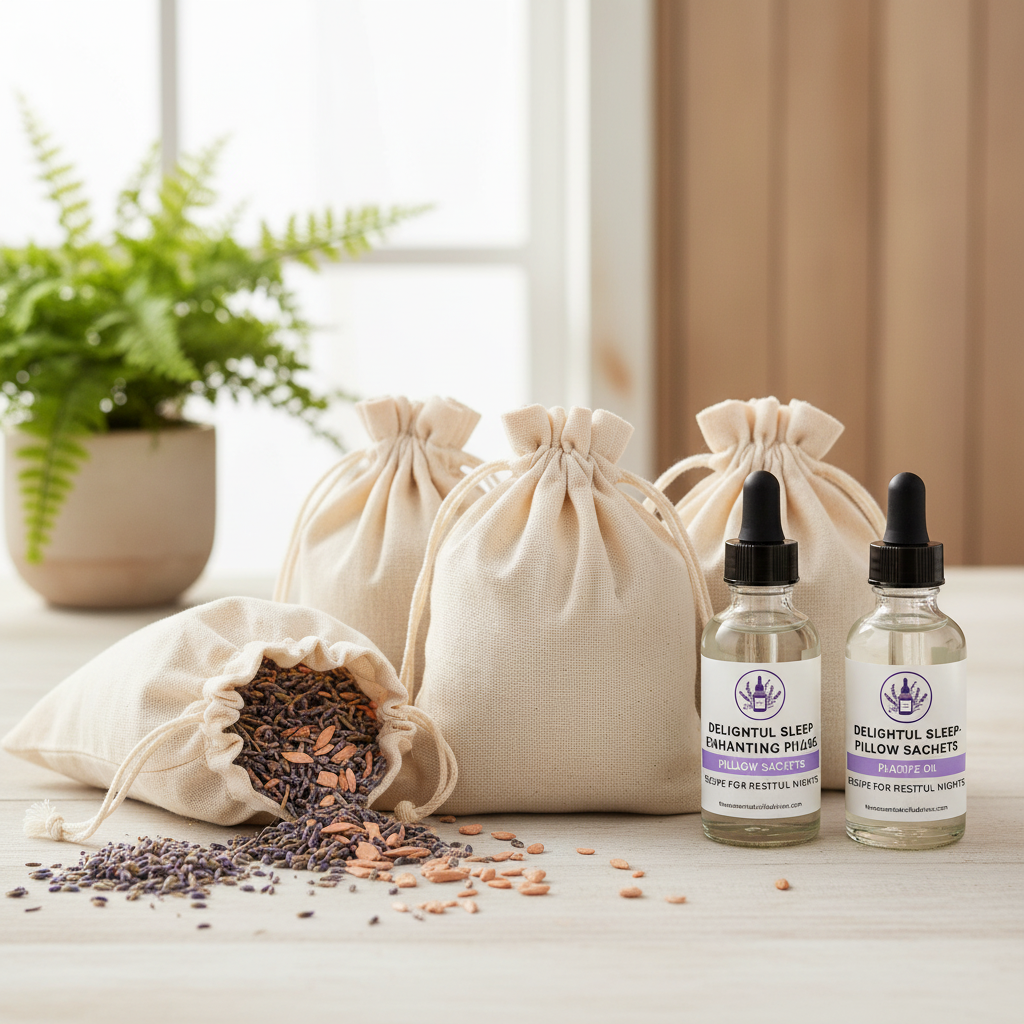
Delightful Sleep-Enhancing Pillow Sachets Recipe for Restful Nights
Discover how to create a calming sleep environment with this easy recipe for pillow sachets infused with soothing essential oils to improve your sleep quality.
Related Oils
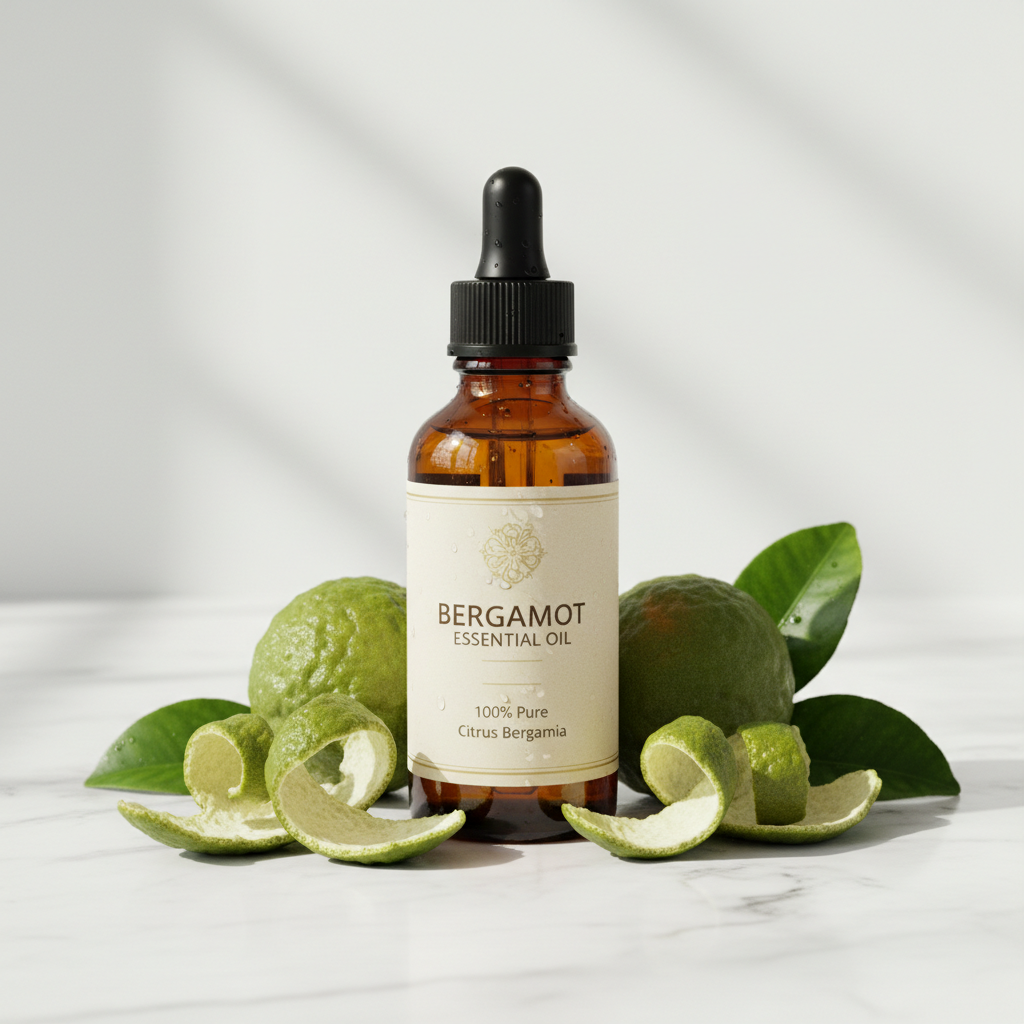
Bergamot Essential Oil
Citrus bergamia
### Introduction to Bergamot Essential Oil Bergamot essential oil is extracted from the peel of the Citrus bergamia fruit, a small citrus fruit primarily grown in the Mediterranean region, particularly in Calabria, Italy. Known for its bright, uplifting, and soothing scent, this essential oil has garnered a reputation beyond just aromatherapy; it's widely utilized in the perfume industry and wellness practices alike. ### Origin and Extraction Method The extraction of bergamot essential oil is primarily performed through cold pressing, a method that involves mechanically pressing the fruit peel without heat. This process preserves the oil's vibrant and fresh aroma along with its therapeutic characteristics. The cold-pressed technique allows for a pure and potent oil that retains the natural qualities of the bergamot fruit. ### Botanical Information Botanically, bergamot belongs to the Rutaceae family and is classified as Citrus bergamia. The plant typically grows to about 3 to 4 meters tall and features glossy green leaves and fragrant white or pale yellow flowers. The fruit itself resembles a lime or small orange, and its unique scent profile is a blend of citrusy and floral notes. ### Therapeutic Properties and Benefits Bergamot essential oil is celebrated for an array of therapeutic properties, including: - **Mood Enhancement:** One of the primary benefits of bergamot essential oil is its ability to uplift and enhance mood. When diffused or applied topically, it is known for creating a sense of calm and well-being, particularly valuable for those experiencing anxiety or stress. - **Stress Relief:** The soothing scent of bergamot is often used in aromatherapy practices to alleviate stress and promote relaxation. It helps reduce cortisol levels, making it an excellent addition to any stress-relief routine. - **Emotional Balance:** Bergamot supports emotional health, assisting with feelings of grief or sadness. It fosters a sense of emotional stability, making it beneficial for individuals experiencing mood swings or emotional turmoil. - **Facilitates Meditation:** Incorporating bergamot into meditation or yoga practices enhances the overall mindfulness experience. Its calming aroma can create a serene environment conducive to deeper relaxation and focus. ### Historical and Traditional Uses Historically, bergamot has been used in various traditional practices, particularly in Italian folk medicine. The oil was often employed to help with digestive issues, reduce fever, and as a remedy for skin ailments. Additionally, it is famously used to flavor Earl Grey tea, imparting its unique taste and aroma to this popular beverage. ### Scientific Facts and Research Research supports the many benefits of bergamot essential oil. Studies indicate that bergamot can reduce anxiety and stress levels, with some focusing on its ability to lower heart rate and blood pressure. Its antibacterial and antifungal properties have also been recognized, making it useful in skincare regimens and for overall skin health. ### Aroma Profile and Characteristics The aroma of bergamot essential oil is often described as fresh, citrusy, and slightly floral. This inviting scent profile makes it a popular choice for perfumers and aromatherapists alike. Its versatility allows it to blend beautifully with other essential oils, such as lavender, cedarwood, and geranium, enhancing their collective aroma and benefits. ### Common Applications and Methods Bergamot essential oil is versatile and can be used in numerous applications: - **Aromatherapy:** Diffuse in an essential oil diffuser or inhale directly from the bottle for an instant mood boost. - **Topical Application:** Dilute with carrier oils and apply to pulse points or problematic skin areas for therapeutic effects. - **Baths:** Add a few drops to a warm bath for a calming soak that relieves stress and promotes relaxation. - **DIY Products:** Use in homemade lotions, creams, or candles to enjoy its delightful scent while reaping its benefits. ### Interesting Facts and Trivia - Bergamot essential oil is prized for its use in creating perfumes, with its scent being a key ingredient in the iconic Eau de Cologne. - The oil is often used in culinary dishes as well, especially in desserts, to add a unique citrus flavor. - Bergamot trees can produce fruit for over 50 years, making them a sustainable source of essential oil. ### Conclusion With its enchanting aroma and array of therapeutic benefits, bergamot essential oil proves to be a valuable addition to any essential oil collection. Whether you're seeking mood enhancement, emotional support, or simply wish to enjoy its delightful scent, bergamot offers a rich history and robust health benefits that make it a must-try essential oil.
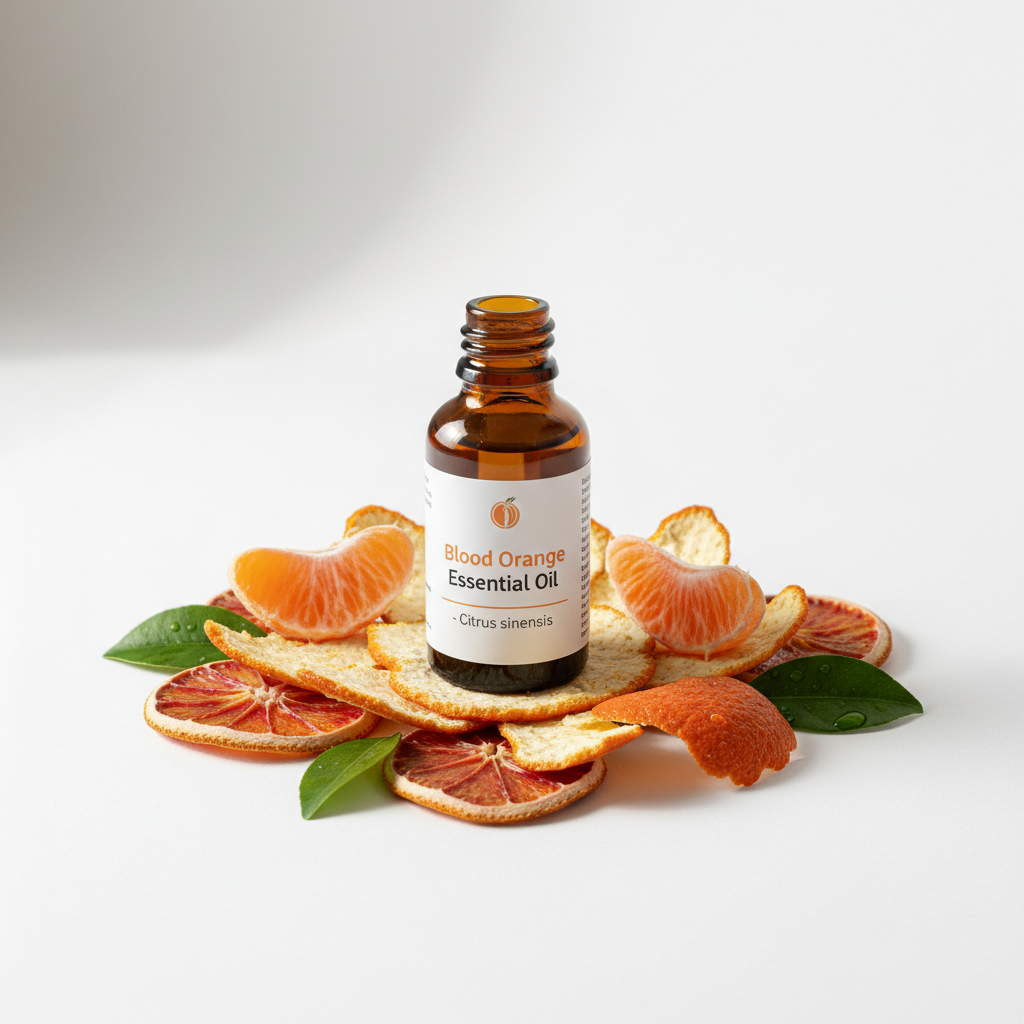
Blood Orange Essential Oil
Citrus sinensis
**Blood Orange Essential Oil: Comprehensive Guide** Blood Orange Essential Oil, scientifically known as *Citrus sinensis*, is an aromatic oil derived from the vibrant peel of the blood orange fruit. This unique fruit, recognized for its stunning color and sweet, tangy flavor, has captured the hearts of many across the world. In this guide, we will delve into the numerous aspects of Blood Orange Essential Oil, covering its origin, extraction methods, therapeutic properties, and applications in various domains. **Origin and Extraction Method** Blood Orange Essential Oil is primarily sourced from Mediterranean regions, notably Italy, where the climate provides ideal growing conditions for citrus fruits. The extraction method used for obtaining this essential oil is cold pressing, a process that preserves the oil's natural fragrance and therapeutic properties. During cold pressing, the outer peel of the fruit is mechanically pressed to extract the essential oil, ensuring that no heat is applied which could degrade the oil's quality. **Botanical Information** The blood orange tree belongs to the Rutaceae family and is a variety of the common orange. Unlike the standard orange, blood oranges have a deep crimson hue on the inside, resulting from high anthocyanin levels, a type of antioxidant. **Therapeutic Properties and Benefits** Blood Orange Essential Oil is renowned for its uplifting aroma and therapeutic benefits. Here are some of the key properties associated with this oil: - **Mood Booster**: The lively, cheerful scent is commonly used in aromatherapy to uplift spirits, enhance mood, and create a positive atmosphere. - **Stress Relief**: Its calming properties can help alleviate stress and anxiety, promoting relaxation and tranquility. - **Energizing**: Many people use this oil to boost energy levels and combat feelings of fatigue, making it an excellent choice for midday pick-me-ups. - **Emotional Balance**: It can support emotional stability, especially during challenging times, by helping to dispel negative emotions. - **Digestive Aid**: When used in massages or diluted in carrier oils, it may aid digestion and alleviate stomach discomfort. - **Immunity Support**: Blood Orange Essential Oil possesses immune-boosting qualities that can help the body fend off illnesses and infections. - **Skin Soother**: With its brightening and soothing properties, this oil is often added to skincare products for its benefits on skin health and appearance. - **Circulation Enhancer**: It may also promote healthy blood circulation, which is essential for overall vitality and wellness. **Historical and Traditional Uses** Historically, blood oranges have been valued not only for their unique taste but also for their medicinal properties. Ancient Egyptians used citrus oils in their health practices, and Mediterranean cultures have long incorporated blood oranges into their culinary delights and wellness rituals. **Aroma Profile and Characteristics** Blood Orange Essential Oil boasts a sweet, citrus aroma that is both refreshing and invigorating. It has warm, fruity notes, making it a popular choice in diffusers, personal care products, and culinary applications. The delightful scent lends itself well to enhancing the ambiance of spaces, making it a preferred choice for relaxation and revitalization. **Common Applications and Methods** 1. **Aromatherapy**: Use in a diffuser to create an uplifting atmosphere in your home or workspace. 2. **Massage**: Dilute with a carrier oil like jojoba or coconut oil for a therapeutic massage. 3. **Skincare**: Add a few drops to lotions or creams to enhance your skincare routine. 4. **Cooking**: Blood Orange Essential Oil can be used in minimal amounts for flavoring dishes, desserts, or beverages, though it is essential to ensure its food-grade quality. **Interesting Facts and Trivia** - The vibrant color of blood oranges makes them not only a healthful fruit but also an aesthetically appealing ingredient for culinary presentations. - Blood Orange Essential Oil's refreshing properties make it a favorite among essential oil enthusiasts seeking a natural way to elevate their mood. - In ancient cultures, citrus fruits were often linked to prosperity and protection, believed to ward off evil spirits. **Conclusion** Blood Orange Essential Oil proves to be much more than just a fragrant addition to essential oil collections; its benefits extend to emotional well-being, digestive health, and skincare applications. Whether used in aromatherapy, personal care products, or culinary dishes, it's a versatile oil with a rich history and numerous therapeutic properties. Dive into the world of Blood Orange Essential Oil, and experience firsthand the uplifting essence it can bring to your life!
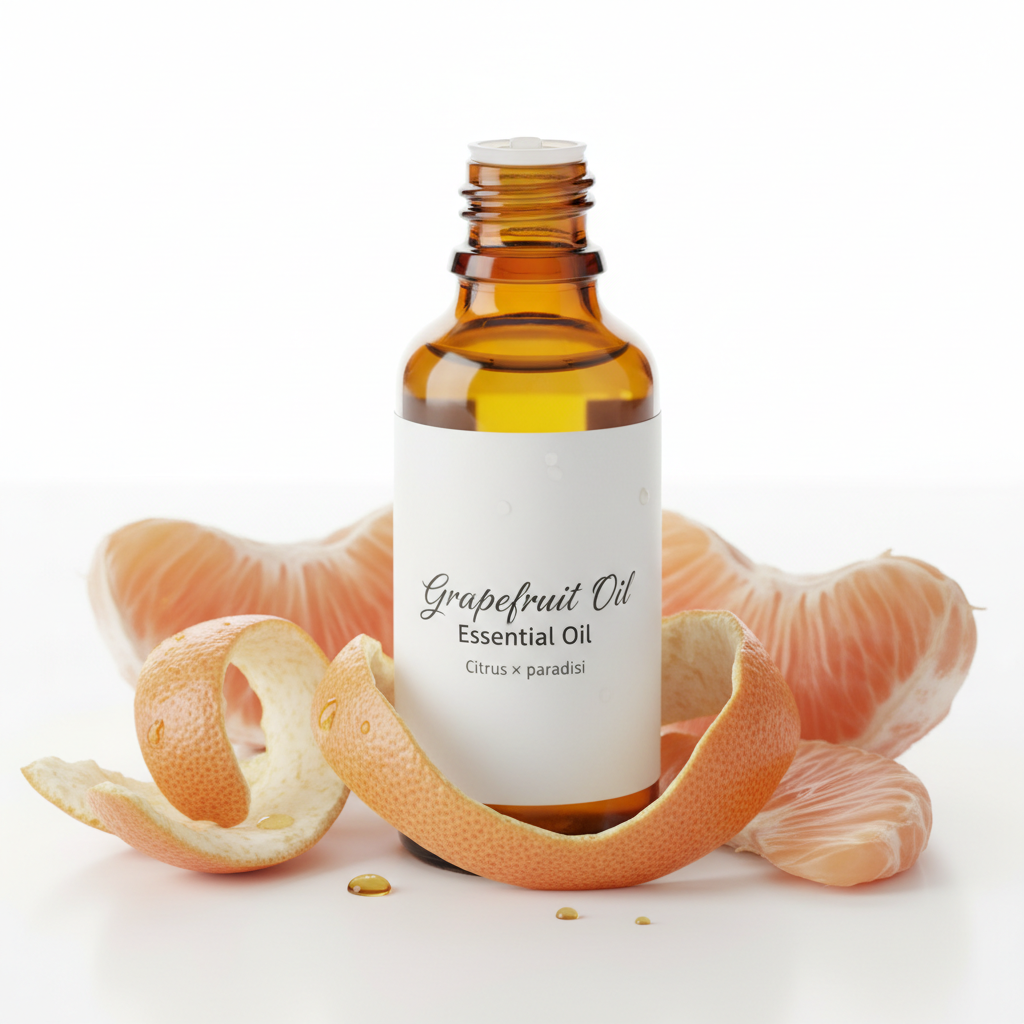
Grapefruit Essential Oil
Citrus × paradisi
Grapefruit essential oil, derived from the peel of the grapefruit fruit (Citrus × paradisi), is celebrated for its refreshing, zesty aroma and multitude of therapeutic benefits. This essential oil is extracted using a cold pressing method, which preserves the vibrant qualities and integrity of the oil. The grapefruit tree is native to the Caribbean but has spread in cultivation throughout subtropical regions worldwide, including parts of the United States, Mediterranean regions, and South America. ### Botanical Information Grapefruit (Citrus × paradisi) is a hybrid fruit that originated from the cross-pollination of the sweet orange (Citrus sinensis) and the pomelo (Citrus maxima). The botanical composition includes various compounds primarily limonene, which accounts for its delightful scent and many of its effects. Grapefruit essential oil is a bright pale yellow to a nearly clear liquid that possesses a fresh, tangy fragrance that can energize and uplift those who experience it. ### Therapeutic Properties and Benefits Grapefruit essential oil is renowned for its wide array of therapeutic properties: - **Uplifting Mood:** The oil is known to have a positive effect on emotional well-being, often helping to reduce feelings of depression and anxiety, thanks to its invigorating aroma. - **Energy Booster:** Many use grapefruit essential oil to enhance physical energy, making it a preferred choice to include in morning routines or during a mid-afternoon slump. - **Mental Clarity:** Its stimulating aroma improves focus and cognitive function, making it beneficial during studies or work sessions. - **Circulation Support:** Grapefruit oil encourages better blood circulation, contributing to a healthy, vibrant body and can help alleviate fatigue. - **Weight Management Aid:** Often found in massage blends, many people believe that grapefruit essential oil can support efforts to manage weight and reduce the appearance of cellulite. ### Historical and Traditional Uses Historically, grapefruit was first documented in the 18th century. Indigenous Caribbean populations utilized the fruit for various purposes, including as a food source and for its health benefits. Over time, grapefruit essential oil began to gain recognition in the realms of aromatherapy and natural medicine, becoming a staple in tension-relieving massage blends and refreshingly scented home products. ### Scientific Facts and Research Research studies have indicated that grapefruit essential oil may offer several health benefits due to its active constituents. For instance, a study published in the *Journal of Clinical Psychiatry* discovered that the aroma of grapefruit essential oil could positively affect mood and reduce stress by enhancing serotonin levels in the brain. ### Aroma Profile and Characteristics The aroma of grapefruit essential oil is fresh, bright, and juicy, characterized by its tangy, citrus notes. Many describe it as a revitalizing scent that evokes a sense of joy and cleanliness. Its light and refreshing scent make it a popular choice for diffusers, personal care products, and candles. ### Common Applications and Methods Grapefruit essential oil can be used in various ways: - **Aromatherapy:** Perfect for diffusing to enhance mood, boost energy, and improve mental clarity. - **Topical Applications:** Often blended with carrier oils for massage to aid in weight management and enhance skin appearance. For skin use, perform a patch test to ensure no allergic reactions occur. - **Household Products:** Due to its natural antibacterial properties, it’s often included in cleaner formulations, promoting not only cleanliness but also a citrusy aroma. ### Interesting Facts and Trivia - Grapefruit is technically a "forbidden fruit" due to the way it was cultivated by crossing two citrus species. - The name "grapefruit" is derived from the way the fruits grow in clusters on the tree, resembling grapes. - Grapefruit essential oil is often utilized in natural perfumes due to its fresh scent, paired well with other citrus and floral oils. In conclusion, grapefruit essential oil is more than just a delightful fragrance; it is a versatile oil with numerous benefits and applications, rooted deeply in history, science, and holistic wellness. Whether you are looking to enhance your mood or explore its many uses, grapefruit essential oil remains an excellent addition to any essential oil collection.