Search
Found 155 results for "focus"
Essential Oils
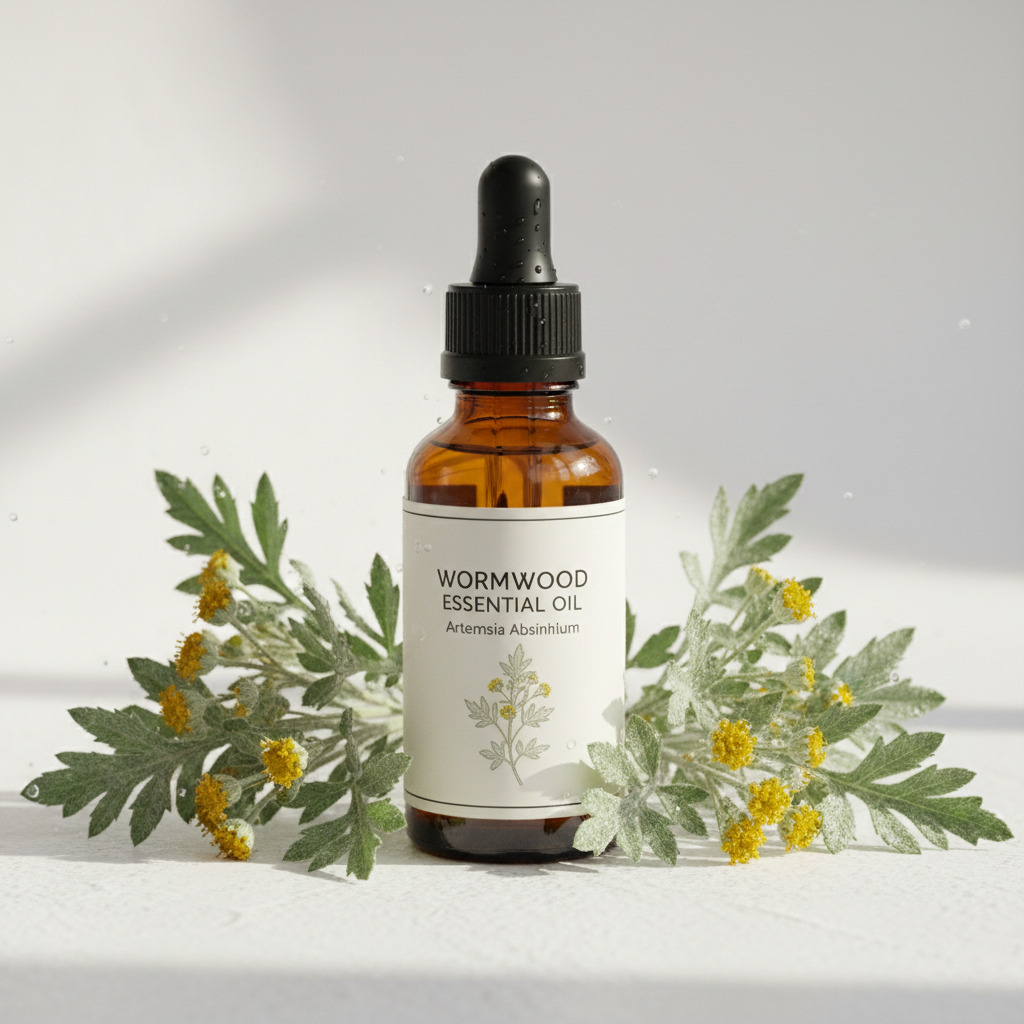
Wormwood Essential Oil
Artemisia absinthium
Wormwood essential oil, extracted from the leaves and flowering tops of the Artemisia absinthium plant, holds a significant place both in history and modern wellness practices. This unique essential oil is renowned for its complex composition and myriad of therapeutic applications, making it a valuable addition to any essential oil collection. ### Origin and Extraction Method Wormwood, a perennial shrub native to Europe, Asia, and North Africa, has been used for centuries for its medicinal properties. The oil is obtained through steam distillation of the plant’s foliage and flowers, a method that captures the oil's potent active compounds while preserving its aromatic profile. The extraction process necessitates careful timing, as the ideal period for harvesting is when the plant is in bloom, ensuring maximum oil yield and potency. ### Botanical Information The botanical name of wormwood is Artemisia absinthium, belonging to the Asteraceae family. This herbaceous plant can grow up to 1.2 meters in height, with gray-green leaves that are deeply lobed and a strong, bitter taste. Its flowers are small, yellow, and grouped in clusters, which makes it distinguishable during the summer months. The plant has been historically associated with various culinary uses, especially in absinthe, a famous alcoholic beverage. ### Therapeutic Properties and Benefits Wormwood essential oil is believed to possess numerous therapeutic properties, making it a versatile choice in aromatherapy. It is particularly valued for its potential to: - **Aid Digestion**: Traditionally, wormwood has been associated with stimulating appetite and alleviating digestive discomfort. This can be particularly beneficial for those suffering from bloating or gastrointestinal issues. - **Reduce Stress and Anxiety**: The calming effect of wormwood essential oil may help manage stress levels and foster emotional stability, making it a popular choice for those seeking tranquility in their daily lives. - **Enhance Mood**: This essential oil might uplift mood and assist in reducing feelings of despair or sadness, promoting overall emotional well-being. - **Improve Focus and Clarity**: Many users report enhanced mental clarity and concentration, making it beneficial for studying, working, or any task requiring prolonged focus. - **Support Respiratory Health**: Its potential to clear congestion can be advantageous during seasonal allergies or respiratory challenges, offering relief during colds or flu. - **Alleviate Pain**: Wormwood essential oil also shows promise for natural pain relief, particularly for headaches and muscle aches, by potentially reducing inflammation and discomfort. - **Exhibit Anti-parasitic Properties**: Historically, this oil has been used to address intestinal parasites, suggesting that it could play a role in cleansing protocols. ### Historical and Traditional Uses Wormwood has a rich traditional background, having been used since ancient civilizations for various medicinal purposes. The name "wormwood" itself is derived from its historical use as a remedy for intestinal worms. In folklore, it was believed to ward off evil spirits, which led to its inclusion in various rituals and practices. ### Scientific Facts and Research Recent studies have begun to unravel the scientific basis for some of wormwood's claimed benefits. Research indicates that certain compounds within the oil, such as thujone, exhibit antimicrobial and anti-inflammatory properties. These findings add credibility to its traditional uses while promoting further exploration in the fields of natural medicine and aromatherapy. ### Aroma Profile and Characteristics Wormwood essential oil has a distinctive, sharp, and herbaceous aroma, often described as bitter and slightly sweet with earthy undertones. Its unique scent can help create a grounding atmosphere, making it a popular choice for diffusing in spaces designated for meditation or relaxation. The oil is typically considered potent, so it is important to use it in moderation. ### Common Applications and Methods Wormwood essential oil can be used in various ways: - **Aromatherapy**: Diffusing the oil or adding it to a personal inhaler can help with stress relief and mood enhancement. - **Topical Use**: When diluted with a carrier oil, wormwood can be applied to the skin to support digestion or alleviate muscle soreness. - **Baths**: Adding a few drops to a warm bath can enhance relaxation and provide soothing benefits. ### Interesting Facts and Trivia - Wormwood is one of the core ingredients in absinthe, contributing to its characteristic flavor and effects. - In ancient times, it was often used in ritualistic practices, believed to have protective qualities. - Despite its bitter taste, wormwood has been used in various culinary solutions, particularly in Italian vermouths. In summary, wormwood essential oil is much more than just a fragrant extraction; it is a complex blend of therapeutic properties, a rich historical legacy, and a valuable tool for emotional and physical well-being. Its diverse applications in aromatherapy make it an essential oil worth exploring.
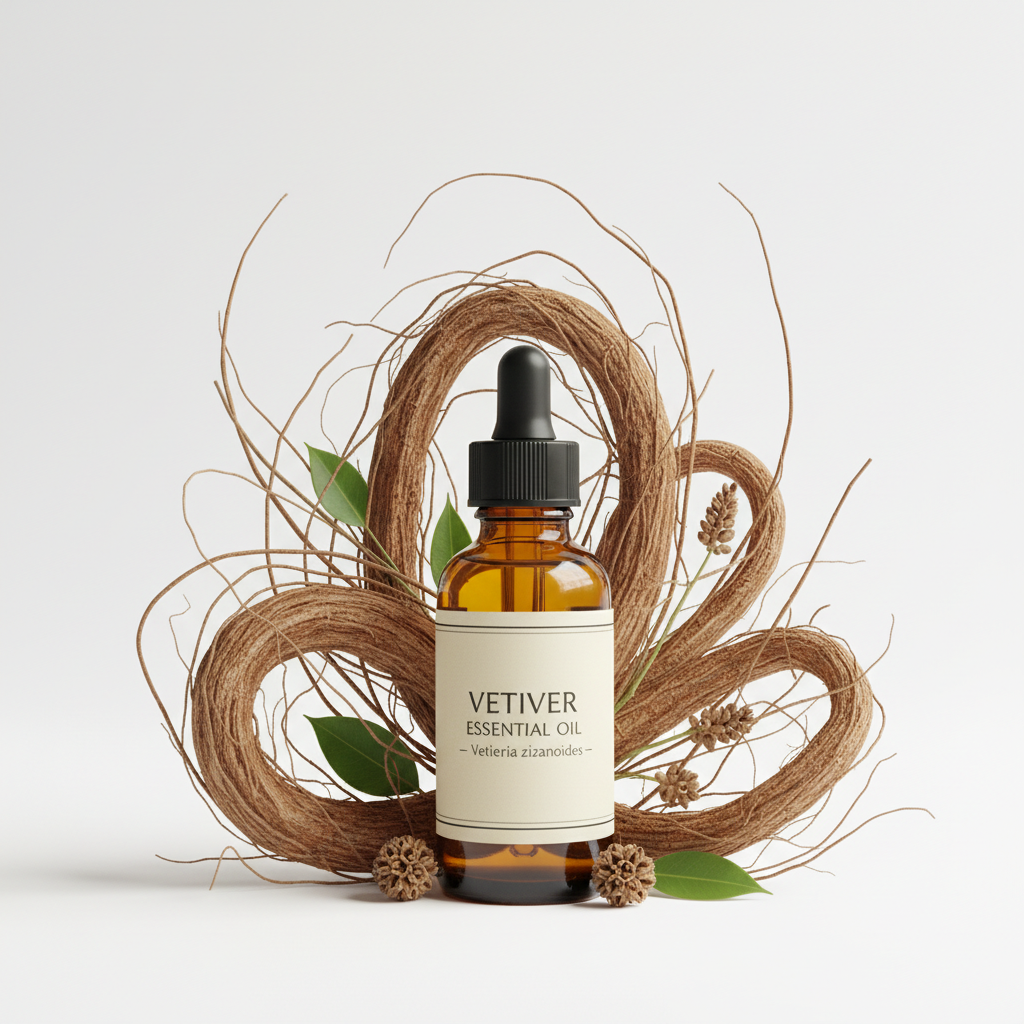
Vetiver Essential Oil
Vetiveria zizanoides
### Vetiver Essential Oil: An In-Depth Exploration Vetiver essential oil, known as the ‘oil of tranquility’, is derived from the roots of the **Chrysopogon zizanioides** or **Vetiveria zizanoides** plant. This unique oil has a long-standing reputation, not only for its captivating aroma but also for its extensive array of therapeutic properties. #### Origin and Extraction Method Vetiver essential oil originates from tropical regions of Asia, particularly India, Madagascar, and Java. The oil is extracted through a meticulous steam distillation process that ensures the preservation of its potent qualities. The roots of the vetiver plant are harvested and steam-distilled, a method that yields a thick, viscous oil characterized by its deep brown color and earthy scent. #### Botanical Information The vetiver plant, classified botanically as a perennial grass, has long, intricate root systems that contribute to soil erosion control, making it ecological beneficial as well. Its lush growth can reach heights of up to 1.5 meters, with slender stems and slender, needle-like leaves. This grass thrives in tropical climates and is celebrated for both its aromatic properties and environmental benefits. #### Therapeutic Properties and Benefits Vetiver essential oil is widely revered for its numerous therapeutic benefits. A brief overview of these advantages includes: - **Grounding effects**: Vetiver oil is often used in aromatherapy to anchor emotions and create a sense of stability, especially during stressful times. - **Stress relief**: Its rich, calming scent helps alleviate feelings of tension and anxiety, making it a popular choice for relaxation and emotional balance. - **Increased focus**: Many users report enhanced concentration and mental clarity when diffusing vetiver oil during tasks or studying. - **Meditative support**: The grounding nature of vetiver promotes a peaceful ambiance, aiding in meditation and mindfulness practices. - **Skin rejuvenation**: Vetiver essential oil possesses regenerative properties, making it beneficial for restoring skin vitality, particularly for dry or mature skin types. - **Wound healing**: With natural antifungal and antiseptic properties, vetiver oil encourages faster healing of minor cuts and scrapes. - **Muscle relaxation**: Often incorporated into massage oils, vetiver can soothe muscle tension and alleviate aches. - **Detoxifying properties**: This essential oil may support the body in its natural detoxification processes, contributing to overall wellness. - **Oral health benefits**: When used in small amounts, vetiver oil can help maintain oral hygiene, promoting fresh breath. #### Historical and Traditional Uses For centuries, vetiver essential oil has been utilized in both traditional Ayurvedic practices and in perfumery. In India, it has played a crucial role in ritualistic practices, often used to calm the mind and spirit. It’s also historically significant in the making of perfumes, where its rich and bold scent forms a base note in many fragrances. #### Scientific Facts and Research Research has shown that vetiver essential oil contains compounds such as **vetiverol**, **vetivenes**, and **aqua polymer**, which contribute to its therapeutic properties. Studies suggest that these constituents exhibit anti-anxiety effects, making vetiver valuable not only in holistic practices but also in modern aromatherapy. #### Aroma Profile and Characteristics The aroma of vetiver essential oil is deeply earthy, woody, and slightly sweet. Many users describe the scent as comforting and grounding, providing an immediate sense of calm when diffused or applied topically. It blends well with other essential oils, such as lavender, bergamot, and sandalwood, enhancing its uses in various aromatic applications. #### Common Applications and Methods Vetiver essential oil can be integrated into daily routines in several ways: - **Aromatherapy**: Diffuse in a room to create a tranquil atmosphere. - **Topical Application**: Dilute with a carrier oil for facial treatments or massage oil. - **Baths**: Add a few drops to a warm bath for relaxation. - **Skincare**: Use in homemade lotions for skin rejuvenation. #### Interesting Facts and Trivia - Vetiver is often referred to as the "scent of the earth" due to its strong aroma and grounding effects. - The traditional use of vetiver for making mats and hats helps in natural cooling, especially in hot climates. - Vetiver’s roots have been used in traditional medicine to combat ailments like insomnia and skin disorders. In summary, Vetiver essential oil is an exceptional oil with a wealth of benefits supported by historical and scientific research. From enhancing emotional wellness to providing skin healing properties, it offers a versatile addition to any essential oil collection.
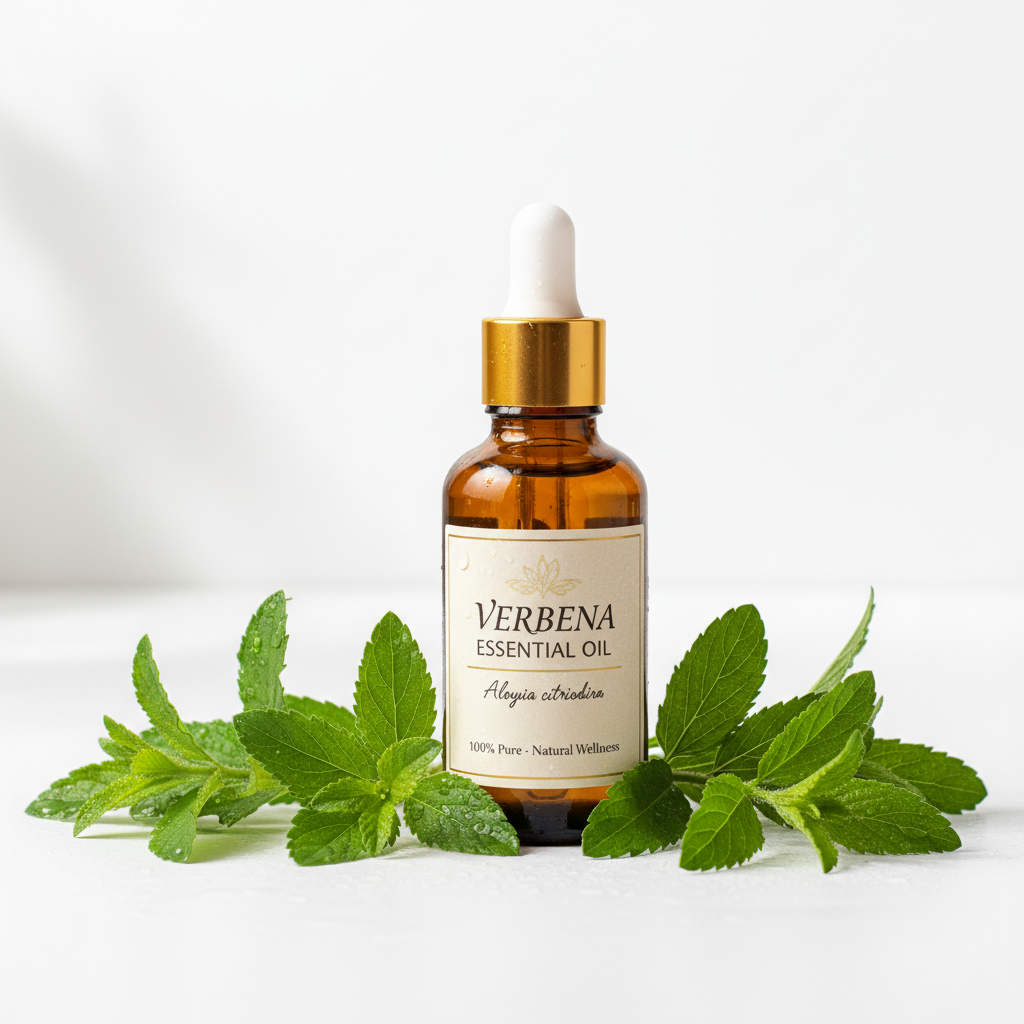
Verbena Essential Oil
Aloysia citriodora
### Verbena Essential Oil: Exploring Its Rich Benefits #### Origin and Extraction Method Verbena essential oil is derived from the leaves of the **Aloysia citriodora** plant, also commonly known as lemon verbena. This fragrant herb is native to South America, where it has been cultivated for centuries due to its numerous health benefits and aromatic properties. The oil is typically extracted through **steam distillation**, a method that helps maintain the integrity of its fragrant compounds and therapeutic qualities. This gentle extraction process results in a high-quality essential oil that captures the plant's refreshing, lemony scent, making it a favorite in aromatherapy and natural wellness practices. #### Botanical Information **Aloysia citriodora** is a perennial shrub that can grow up to 3 feet in height, producing small, white to pale purple flowers and elongated, delicate leaves. The leaves are the primary part used for oil extraction due to their high concentration of aromatic compounds, particularly **citral**, which is responsible for its distinctive lemon scent. The rich chemical composition of lemon verbena oil varies based on factors like climate, harvest time, and processing methods, making each batch unique. #### Therapeutic Properties and Benefits Verbena essential oil is celebrated for a variety of therapeutic properties, including: - **Relaxation and Stress Relief:** The soothing aroma promotes relaxation, helping to alleviate stress and anxiety while lifting the spirits. - **Mood Enhancement:** Its invigorating scent is known to improve mood and provide emotional clarity, making it popular among individuals seeking upliftment and positivity. - **Mental Clarity:** Verbena oil assists in enhancing focus and clarity, particularly during periods of mental fatigue; it can also foster a sense of calmness in chaotic environments. - **Meditation Enhancement:** The tranquil aroma can enrich meditation practices, helping individuals to enter a deeper state of relaxation and mindfulness. - **Muscle Relief:** When used in massages, verbena essential oil can ease tight muscles and alleviate discomfort, thanks to its anti-inflammatory properties. - **Respiratory Support:** Inhalation of its fragrant vapors can support clear breathing and improve respiratory function, making it beneficial during cold seasons. - **Detoxification Aid:** Incorporating this oil into massage blends can support the body’s natural detoxification processes by encouraging the elimination of toxins. - **Menstrual Comfort:** Verbena essential oil may help reduce menstrual pain and discomfort when diluted and applied topically. #### Historical and Traditional Uses Historically, lemon verbena has been utilized by indigenous cultures in South America as a medicinal plant. It was known not only for its uplifting qualities but also as a herb for digestive support and overall wellness. In European traditional medicine, it was commonly used as an herbal tea for relaxation and to reduce insomnia. The oil became popular throughout the 18th and 19th centuries as European colonists recognized its benefits, often incorporating it into perfumes and cosmetic products. #### Scientific Facts and Research Recent studies have begun to explore the potential therapeutic benefits of lemon verbena essential oil. Research has indicated that its main components, such as citral and geraniol, may exhibit antioxidant and antimicrobial properties. Additionally, some studies suggest that inhaling lemon verbena fragrance can help reduce anxiety levels and improve mood stability in stressed populations. #### Aroma Profile and Characteristics The aroma profile of verbena essential oil is characterized by its light, lemony fragrance, often described as fresh, crisp, and slightly herbaceous. This distinctive scent makes it a fantastic addition to candles, diffusers, and personal care products. Its pleasant aroma can also be blended with other essential oils like lavender, eucalyptus, and peppermint, creating a harmonious and uplifting blend. #### Common Applications and Methods Verbena essential oil can be used in several ways: - **Diffusion:** Add a few drops to a diffuser for a refreshing atmosphere that promotes relaxation and clarity. - **Massage:** Dilute with a carrier oil such as sweet almond or jojoba oil for a soothing massage experience. - **Bathing:** Incorporate it into bathwater for a luxurious and stress-relieving bath. - **Topical Use:** Dilute with carrier oil for direct application to alleviate muscle tension or menstrual discomfort. - **Inhalation:** Use in steam inhalation practices to support respiratory health. #### Interesting Facts and Trivia - Lemon verbena has been cultivated for its fragrance and flavor in gardens and herb farms worldwide. - It is often included in herbal teas and culinary dishes for its unique lemon flavor, providing an aromatic twist to various recipes. - Verbena essential oil is commonly found in skincare products, noted for its ability to refresh and invigorate the skin while providing a pleasant scent. In conclusion, Verbena essential oil is not only a delightful addition to your aromatherapy collection but also a versatile oil with numerous health benefits. Whether for mental clarity, relaxation, or skincare, this essential oil is a natural solution embraced across cultures and centuries.
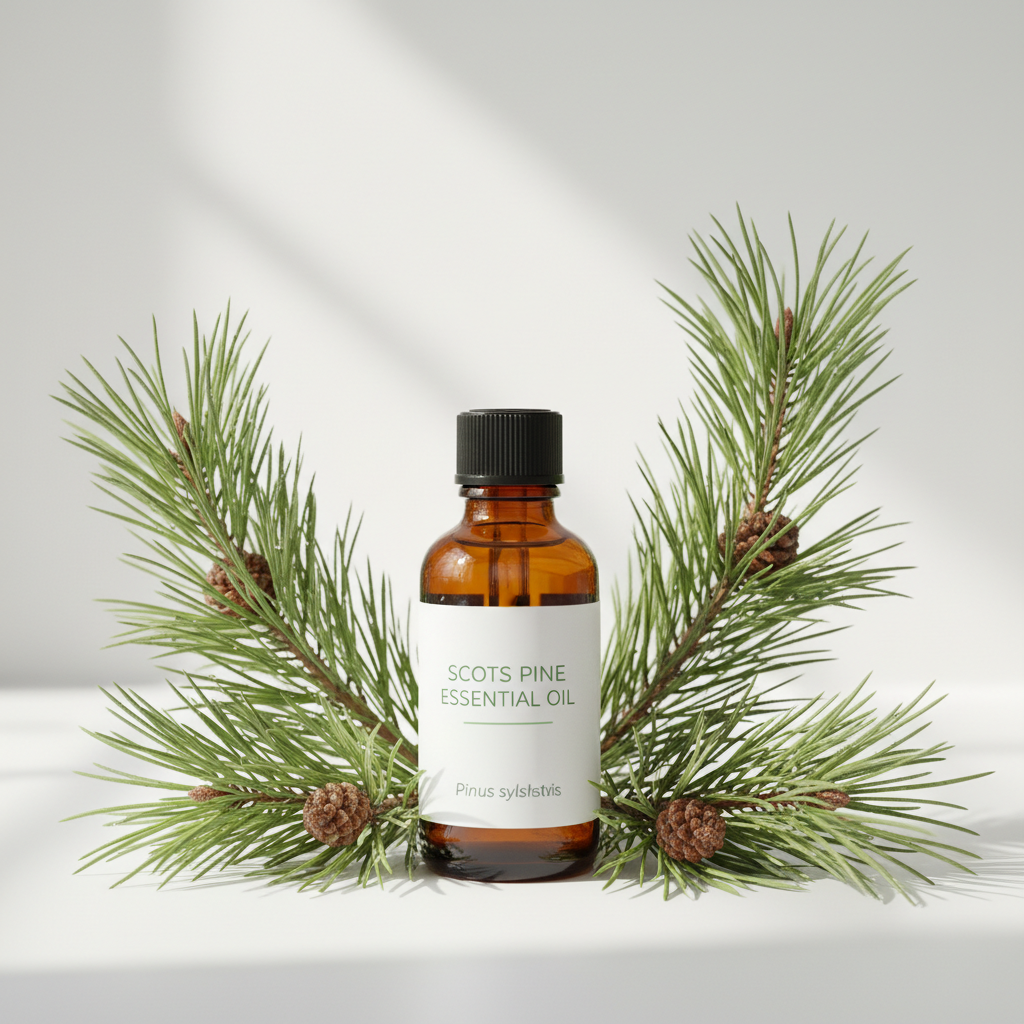
Scots Pine Essential Oil
Pinus sylvestris
### Introduction to Scots Pine Essential Oil Scots Pine Essential Oil, derived from the needles of the **Pinus sylvestris** tree, boasts a fresh, invigorating aroma reminiscent of lush forests after rain. This essential oil is commonly used for its uplifting properties and myriad therapeutic benefits. Let's explore the origin, extraction methods, benefits, and uses of this remarkable oil. ### Origin and Extraction Method Scots Pine is a native tree found across Europe and parts of North America, thriving in well-drained sandy soils. The essential oil is obtained through steam distillation of the tree's needles, twigs, and cones, a process that effectively maintains the oil's bioactive compounds, ensuring its purity and potency. This method results in a clear to pale yellow liquid that captures the essence of the forest. ### Botanical Information - **Botanical Name:** Pinus sylvestris - **Family:** Pinaceae - **Plant Part Used:** Needles and twigs - **Aroma Profile:** Fresh, woody, and slightly sweet. This evergreen tree can grow up to 35-40 meters tall and is characterized by its long, slender needles grouped in pairs, which contribute to its distinctive aroma. ### Therapeutic Properties and Benefits 1. **Mental Clarity and Focus:** The refreshing scent of Scots Pine Essential Oil is known to enhance concentration and improve mental clarity, making it perfect for study or work environments. 2. **Grounding and Stability:** The oil promotes feelings of stability and grounding, effective in alleviating stress, anxiety, and emotional fatigue. It supports mental well-being by inducing feelings of calm. 3. **Mood Uplifting:** Its invigorating aroma has been reported to uplift mood, combat lethargy, and inspire creativity, which can be beneficial during periods of low energy or motivation. 4. **Respiratory Support:** Scots Pine is often used to ease respiratory issues, especially in cold seasons, by helping to clear nasal passages and improve overall lung function. 5. **Muscle Tension Relief:** When used in massage, Scots Pine Oil effectively alleviates muscle tension and promotes relaxation, making it a popular choice among athletes and those with active lifestyles. 6. **Joint Pain Relief:** Its anti-inflammatory properties may provide relief from joint pain, particularly for individuals suffering from arthritis or similar conditions. 7. **Skin Health Improvement:** This oil can enhance skin health by reducing irritation, promoting a clearer complexion, and aiding in the healing of minor wounds and blemishes. ### Historical and Traditional Uses Historically, Scots Pine has held a significant place in various cultures. Native American tribes utilized the tree for its medicinal properties, using pine needle tea for respiratory health and as a source of vitamins during winter months. Additionally, Scots Pine was revered in ancient cultures for its purifying properties, often used in rituals to ward off negative energies and promote physical and emotional well-being. ### Scientific Facts and Research Scots Pine Essential Oil has been the subject of numerous studies highlighting its antibacterial and antifungal properties. Research demonstrates its efficacy in enhancing mood and cognitive function, thanks to its ability to reduce stress hormones in the body, thus promoting overall mental clarity and vitality. ### Aroma Profile and Characteristics Scots Pine Oil's aroma is characterized by its sharp, woodsy notes with sweet undertones. It carries respiratory-refreshing qualities, reminiscent of a wild forest, encouraging a sense of vitality and rejuvenation. ### Common Applications and Methods - **Aromatic Use:** Add a few drops to diffusers to purify the air and uplift mood. - **Topical Application:** Dilute with a carrier oil for massage or skincare applications to relieve muscle tension and enhance skin health. - **Baths:** Add to bathwater for a refreshing and relaxing experience that also promotes respiratory health. ### Interesting Facts and Trivia - The Scots Pine is one of the most widely distributed pines in Europe, known for its resilience and ability to withstand harsh conditions. - Essential oils derived from various pine species have been used in many traditional medicines for centuries, establishing their place in aromatherapy today. ### Conclusion In summary, Scots Pine Essential Oil is a versatile, potent oil that offers a myriad of benefits ranging from mental clarity to physical wellness. Incorporating this oil into your daily routine can greatly enhance your well-being and promote a deeper connection to nature.
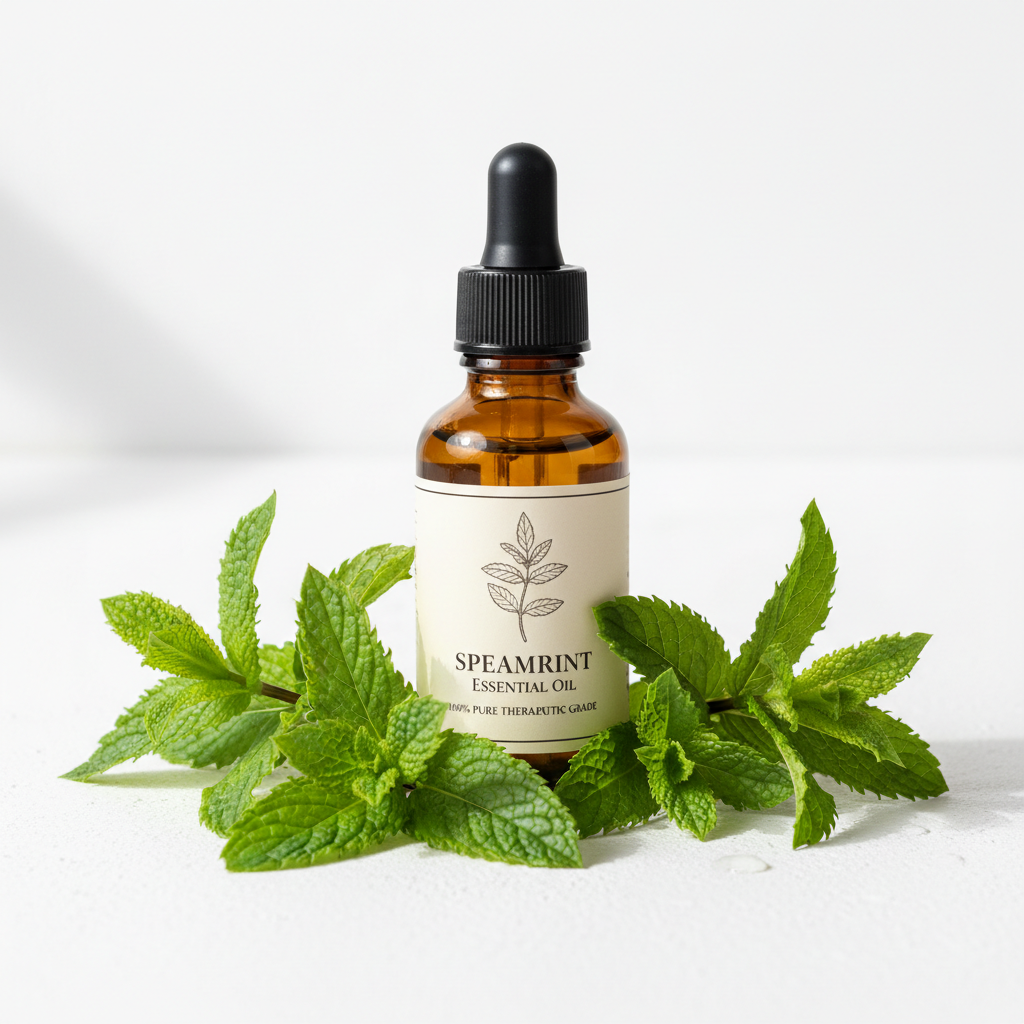
Spearmint Essential Oil
Mentha spicata
Spearmint Essential Oil, scientifically known as Mentha spicata, is derived from the vibrant green leaves of the spearmint plant, a member of the Lamiaceae (mint) family. This essential oil is extracted through steam distillation, a method that ensures the retention of the plant’s natural aromatic properties while providing a high-quality oil that is refreshing and invigorating. ### Origin and Extraction Method Spearmint is native to Europe but is now cultivated in various parts of the world, thanks to its popularity and many benefits. The oil is extracted from the fresh leaves of the spearmint plant, which have a characteristic bright green color and a bright, fresh scent. The steam distillation process involves passing steam through the plant material, causing the oil to evaporate and subsequently condense into liquid form, resulting in an essential oil that is both potent and aromatic. ### Botanical Information The botanical name, Mentha spicata, highlights its distinctive flowering spikes, with leaves that are lanceolate and serrated. The plant grows to about 30-100 cm in height and is known for attracting various pollinators, including bees and butterflies, making it a beneficial addition to gardens. ### Therapeutic Properties and Benefits Spearmint Essential Oil is celebrated for its numerous therapeutic benefits: - **Digestive Aid:** Traditionally used to alleviate digestive discomfort, it can help to soothe symptoms like bloating and gas. - **Mental Clarity:** The oil is known to promote mental clarity, enhance focus, and improve mood, making it a popular choice for aromatherapy applications aimed at reducing mental fatigue. - **Stress Relief:** Inhaling spearmint oil can uplift the spirits and provide a feeling of rejuvenation, helping to alleviate stress and anxiety. ### Historical and Traditional Uses Historically, spearmint has been valued not only for its delightful flavor in culinary dishes but also as a remedy in traditional medicine. Ancient cultures have utilized spearmint for its digestive health benefits, often consumed in teas or as an infusion. It was also used in baths and during massage practices for its soothing and refreshing properties. ### Scientific Facts and Research Recent studies have recognized the antimicrobial properties of spearmint oil, finding it effective against certain bacterial strains. Research into its potential benefits continues, with findings suggesting that its aroma can enhance cognitive function and potentially have a positive impact on mood disorders. ### Aroma Profile and Characteristics Spearmint Essential Oil is characterized by its sweet, minty, and refreshing aroma. The scent is often described as more gentle and sweeter compared to other mints like peppermint, making it a favorite in many homes and wellness practices. The oil’s fresh scent can invigorate the air and create an uplifting atmosphere when diffused. ### Common Applications and Methods Spearmint Oil has various applications: 1. **Aromatherapy:** Use in a diffuser to improve mood and clarity of thought. 2. **Topical Use:** Dilute with a carrier oil and apply to temples to relieve tension headaches or sore muscles. 3. **Baths:** Add a few drops to warm water for a refreshing bathing experience. 4. **Cooking Uses:** Sometimes used in culinary applications, although it is essential to ensure it is food-grade quality. ### Interesting Facts and Trivia - Spearmint is often added to dental products for its flavor and freshening effect, symbolizing its longstanding association with oral health. - In folklore, spearmint has been linked with love and devotion, often used as a garnish for romantic meals. - The oil is also used in natural insect repellents, capitalizing on its strong aroma to deter pests. In conclusion, Spearmint Essential Oil is a versatile and beneficial oil with a rich history of use for wellness and health. Its fresh and lively aroma, along with its therapeutic properties, make it a must-have for aromatherapy enthusiasts and those seeking natural health solutions.
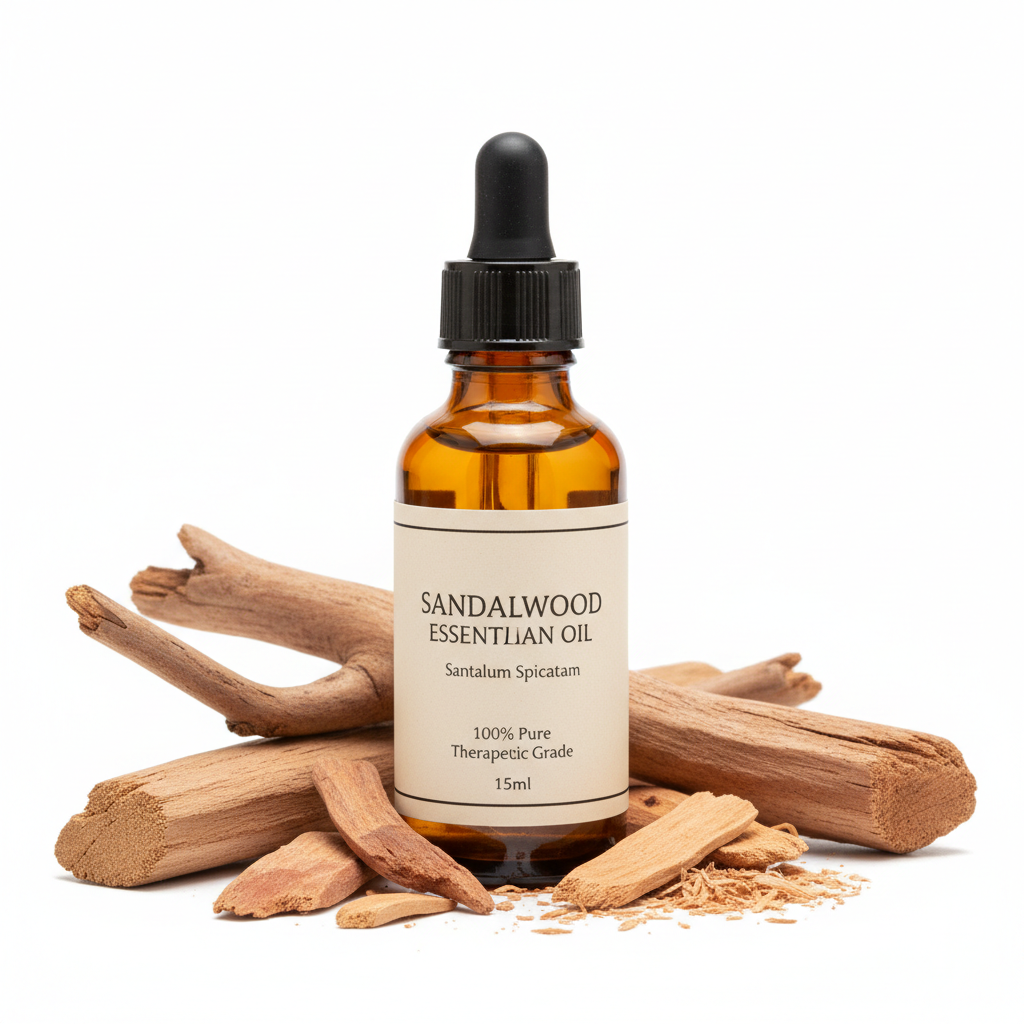
Sandalwood Australian Essential Oil
Santalum spicatum
**Australian Sandalwood Essential Oil: Uncovering Its Rich Heritage and Benefits** Australian Sandalwood Essential Oil is derived from the heartwood of the *Santalum spicatum* tree, an evergreen native to the southern regions of Australia. This exceptional wood has been harvested for centuries, valued for its deep, woody aroma and myriad therapeutic properties. The oil is produced through a careful steam distillation process, which ensures that its rich and distinctive scent is preserved along with its beneficial compounds. **Botanical Information** The *Santalum spicatum* tree can grow up to 10 meters in height and is characterized by its dense foliage and yellow flowers. Interestingly, sandalwood trees are hemiparasitic, feeding on their host plants' roots, which contributes to the complex aromatic profile of the oil. This species is considered endangered due to overharvesting, which has led to strict regulations surrounding its cultivation and trade. **Therapeutic Properties** Australian Sandalwood Essential Oil is renowned for its calming effects on the mind and body. It is known to promote emotional stability, offering a sense of grounding and tranquility during stressful times. Studies have shown that sandalwood oil may significantly reduce anxiety and enhance mood, making it an excellent choice for aromatherapy practices focusing on emotional well-being. In addition to its psychological benefits, this oil supports respiratory health. When inhaled during meditation or deep-breathing exercises, it can ease feelings of tightness in the chest and promote clearer breathing. Furthermore, sandalwood oil is believed to have anti-inflammatory properties that may assist in calming muscle tension, rendering it an excellent choice for topical applications in massages. **Historical Significance** The use of sandalwood dates back thousands of years, often employed in traditional medicine, rituals, and perfumery across various cultures. Ancient Egyptians utilized sandalwood in their embalming practices, while in India, it has been integral to Ayurvedic treatments. Emperors and royalty have long considered sandalwood a symbol of wealth, further enhancing its desirability. **Scientific Research** Numerous studies reveal that sandalwood oil possesses a variety of chemical constituents that contribute to its effectiveness. Key compounds such as alpha-santalol and beta-santalol have been identified as major components that exhibit anti-inflammatory and antimicrobial properties. These findings support the traditional uses of sandalwood oil for skin health, showing potential in reducing the appearance of scars, blemishes, and signs of aging. **Aroma Profile** Australian Sandalwood Essential Oil is characterized by its rich, creamy, woody scent, which has a subtle sweetness. The aroma is grounding and calming, making it a favorite choice for meditation and spiritual practices. The lasting scent of sandalwood has made it a popular base note in perfumery, often blended with floral and spicy notes to create balanced fragrance profiles. **Common Applications** This essential oil can be used in numerous ways. In aromatherapy, a few drops can be added to a diffuser to create a peaceful environment. It can also be applied topically in diluted forms, as it promotes healthy skin hydration and suppleness, contributing to an overall radiant complexion. Try adding a few drops to your bath or carrier oil for a soothing massage experience, or incorporate it into skincare formulations for enhanced skin health. **Interesting Facts** Did you know that sandalwood can help in promoting better sleep? Many users report improved sleep quality due to its calming effects. Additionally, the oil's association with spirituality can enhance your meditation sessions, as it helps maintain focus and encourages a deeper state of relaxation. Overall, Australian Sandalwood Essential Oil offers a wealth of benefits, enhancing not only physical well-being but also fostering emotional balance and mental peace. With its rich history and extensive therapeutic uses, this oil is certainly a valuable addition to any essential oil collection.
Benefits
Boost Focus with Essential Oils
Enhance your concentration and productivity with the power of essential oils.
Energy & Focus
Natural boost for alertness and concentration
Stress Relief
Calm your mind and body with soothing essential oils.
Recipes
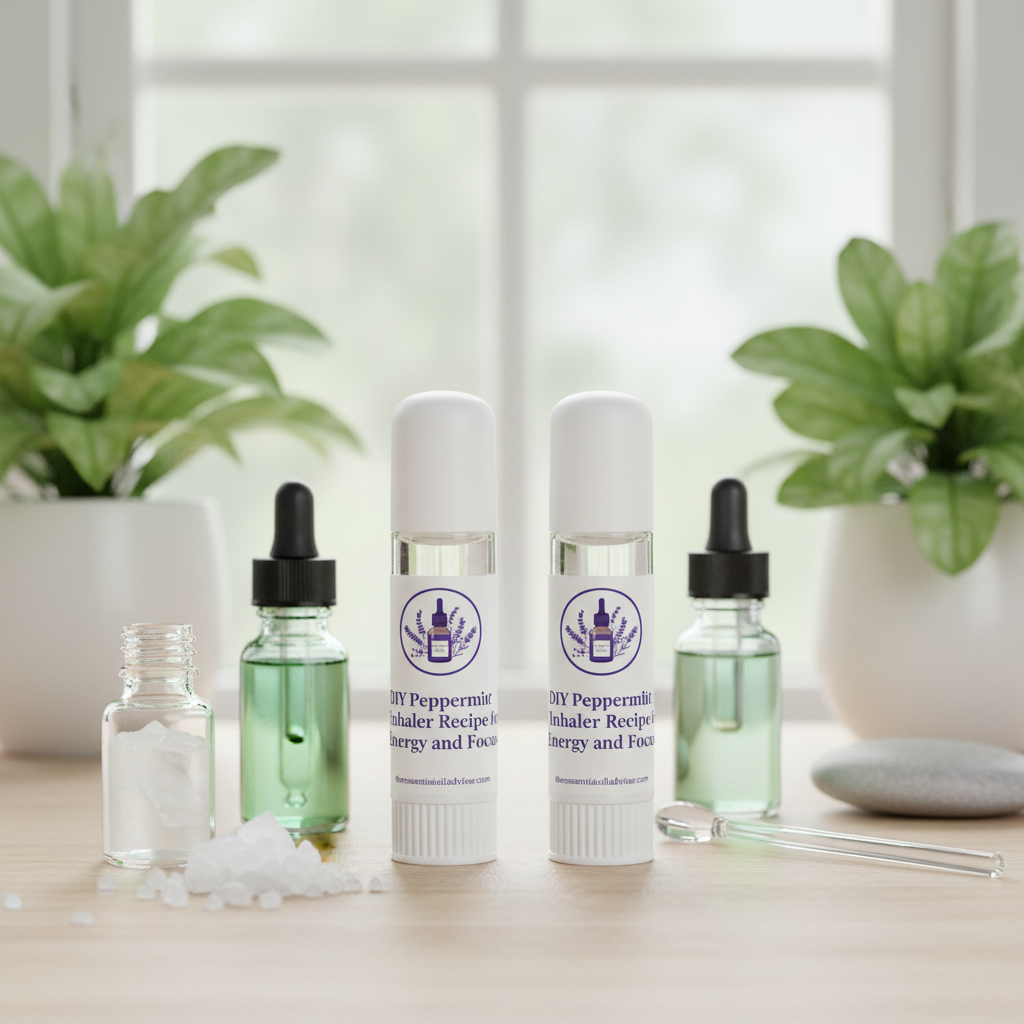
DIY Peppermint Inhaler Recipe for Energy and Focus
Boost your mental clarity and energy with this invigorating DIY peppermint inhaler recipe, perfect for alleviating headaches anytime!

DIY Essential Oil Inhaler Recipe for Focus
Boost your mental clarity and energy with this DIY essential oil inhaler recipe! Learn how to craft your invigorating inhalers at home easily.
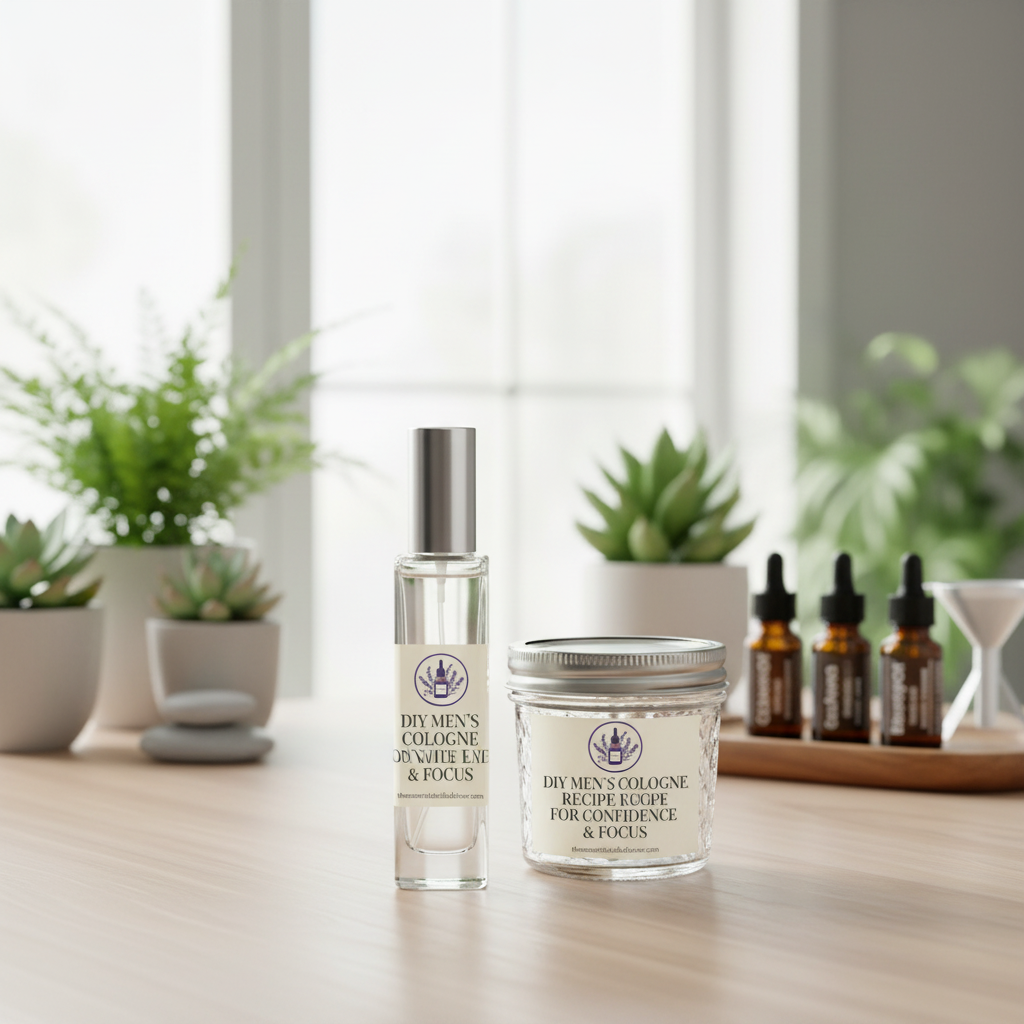
DIY Men's Cologne Recipe for Confidence & Focus
Discover how to craft a unique men's cologne with essential oils that boosts confidence and improves mood. Learn about each ingredient's benefits and uses.