Search
Found 60 results for "herbal"
Essential Oils
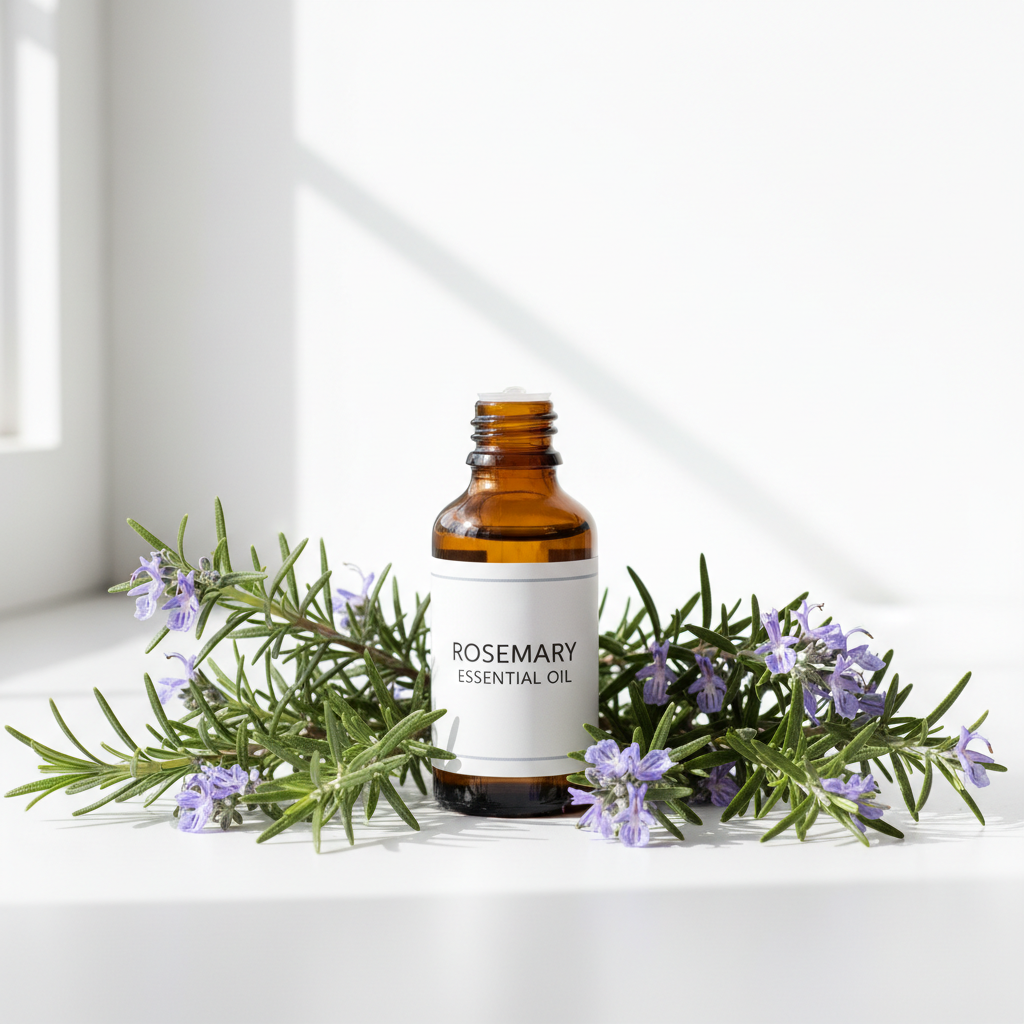
Rosemary Essential Oil
Rosmarinus officinalis
Rosemary essential oil is derived from the flowering tops of the Rosmarinus officinalis plant, a perennial herb native to the Mediterranean regions. This aromatic oil has been utilized for centuries, both for its invigorating scent and its numerous therapeutic benefits, making it a staple in aromatherapy and natural health practices. **Origin and Extraction Method** The name "rosemary" is derived from the Latin phrase "ros marinus," which translates to "dew of the sea," hinting at its coastal origins. The essential oil is extracted through steam distillation, a method that helps preserve the oil's potent properties and aromatic compounds. This process involves passing steam through the plant material, which creates vapor that is then condensed back into liquid form, releasing the essential oil. **Botanical Information** Rosmarinus officinalis belongs to the Lamiaceae family, which includes herbs like mint and basil. The plant features needle-like leaves and small blue or white flowers, and it grows best in well-drained soil and sunny conditions. Rich in phytochemicals, rosemary contains compounds like camphor, 1,8-cineole, and rosmarinic acid, contributing to its unique aroma and health benefits. **Therapeutic Properties and Benefits** Rosemary essential oil is known for its medicinal properties, including: - **Cognitive Enhancement**: Known to improve mental clarity and enhance memory, rosemary is often used in study settings to help increase focus and cognitive performance. - **Mood Upliftment**: The oil is believed to alleviate feelings of stress, fatigue, and anxiety, promoting an uplifted spirit and improved concentration. - **Physical Health**: Rosemary oil has been shown to improve circulation, which enhances energy levels and vitality. Additionally, it may help support respiratory health by alleviating congestion and promoting better breathing. - **Pain Relief**: When applied topically, rosemary oil can reduce muscle tension and alleviate joint pain, thanks to its anti-inflammatory properties. - **Hair Care**: As a natural stimulant for hair follicles, rosemary essential oil is commonly used in hair care products to promote hair growth and improve overall scalp health. **Historical and Traditional Uses** Historically, rosemary has been a symbol of fidelity and remembrance, often used in wedding ceremonies and memorials. In ancient Rome and Greece, rosemary was associated with memory and was believed to enhance intellectual capabilities. Traditional herbalists have used rosemary not only as a culinary herb but also as a remedy for various ailments, including digestive issues and headaches. **Scientific Facts and Research** Recent scientific studies have supported many of rosemary’s traditional uses. Research has demonstrated its effectiveness in improving memory retention and cognitive performance, as well as its potential in reducing anxiety-related symptoms. The antimicrobial properties of rosemary oil have also been noted, making it useful in combatting common colds and flu. **Aroma Profile and Characteristics** The aroma of rosemary essential oil is fresh, herbaceous, and slightly camphoraceous. It is often described as invigorating and energizing, making it a popular choice in diffusers and personal care products. **Common Applications and Methods** Rosemary essential oil can be used in a variety of ways: - **Diffusion**: Adding a few drops to a diffuser helps purify the air and boost mood. - **Topical Application**: Mixed with a carrier oil, it can be massaged into the skin to relieve muscle tension or improve scalp health. - **Cooking**: Used in moderation, rosemary oil can enhance the flavor of dishes. **Interesting Facts and Trivia** - Rosemary is often referred to as the "herb of remembrance" and has been used in traditional medicine across various cultures. - In medieval times, rosemary was burned as incense to purify spaces and enhance the atmosphere during gatherings. - It is believed that the essential oil can help prevent cognitive decline as one ages, making it a unique ally in holistic health practices. In conclusion, rosemary essential oil is not only a versatile ingredient in cooking but also a powerful ally in holistic health. Its invigorating scent and therapeutic benefits make it a valuable addition to anyone's wellness routine. Whether you are looking to enhance your memory, reduce stress, or support your hair health, rosemary essential oil stands out as a remarkable natural remedy.
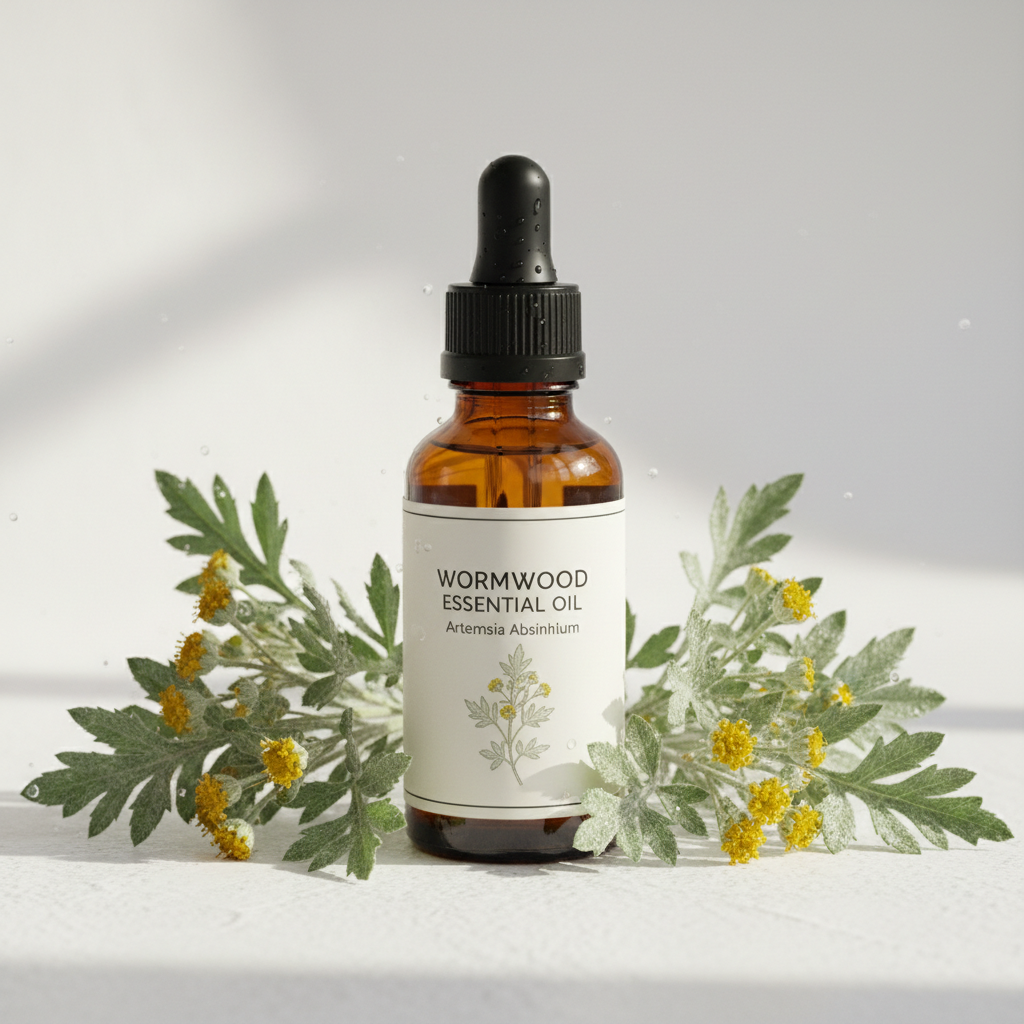
Wormwood Essential Oil
Artemisia absinthium
Wormwood essential oil, extracted from the leaves and flowering tops of the Artemisia absinthium plant, holds a significant place both in history and modern wellness practices. This unique essential oil is renowned for its complex composition and myriad of therapeutic applications, making it a valuable addition to any essential oil collection. ### Origin and Extraction Method Wormwood, a perennial shrub native to Europe, Asia, and North Africa, has been used for centuries for its medicinal properties. The oil is obtained through steam distillation of the plant’s foliage and flowers, a method that captures the oil's potent active compounds while preserving its aromatic profile. The extraction process necessitates careful timing, as the ideal period for harvesting is when the plant is in bloom, ensuring maximum oil yield and potency. ### Botanical Information The botanical name of wormwood is Artemisia absinthium, belonging to the Asteraceae family. This herbaceous plant can grow up to 1.2 meters in height, with gray-green leaves that are deeply lobed and a strong, bitter taste. Its flowers are small, yellow, and grouped in clusters, which makes it distinguishable during the summer months. The plant has been historically associated with various culinary uses, especially in absinthe, a famous alcoholic beverage. ### Therapeutic Properties and Benefits Wormwood essential oil is believed to possess numerous therapeutic properties, making it a versatile choice in aromatherapy. It is particularly valued for its potential to: - **Aid Digestion**: Traditionally, wormwood has been associated with stimulating appetite and alleviating digestive discomfort. This can be particularly beneficial for those suffering from bloating or gastrointestinal issues. - **Reduce Stress and Anxiety**: The calming effect of wormwood essential oil may help manage stress levels and foster emotional stability, making it a popular choice for those seeking tranquility in their daily lives. - **Enhance Mood**: This essential oil might uplift mood and assist in reducing feelings of despair or sadness, promoting overall emotional well-being. - **Improve Focus and Clarity**: Many users report enhanced mental clarity and concentration, making it beneficial for studying, working, or any task requiring prolonged focus. - **Support Respiratory Health**: Its potential to clear congestion can be advantageous during seasonal allergies or respiratory challenges, offering relief during colds or flu. - **Alleviate Pain**: Wormwood essential oil also shows promise for natural pain relief, particularly for headaches and muscle aches, by potentially reducing inflammation and discomfort. - **Exhibit Anti-parasitic Properties**: Historically, this oil has been used to address intestinal parasites, suggesting that it could play a role in cleansing protocols. ### Historical and Traditional Uses Wormwood has a rich traditional background, having been used since ancient civilizations for various medicinal purposes. The name "wormwood" itself is derived from its historical use as a remedy for intestinal worms. In folklore, it was believed to ward off evil spirits, which led to its inclusion in various rituals and practices. ### Scientific Facts and Research Recent studies have begun to unravel the scientific basis for some of wormwood's claimed benefits. Research indicates that certain compounds within the oil, such as thujone, exhibit antimicrobial and anti-inflammatory properties. These findings add credibility to its traditional uses while promoting further exploration in the fields of natural medicine and aromatherapy. ### Aroma Profile and Characteristics Wormwood essential oil has a distinctive, sharp, and herbaceous aroma, often described as bitter and slightly sweet with earthy undertones. Its unique scent can help create a grounding atmosphere, making it a popular choice for diffusing in spaces designated for meditation or relaxation. The oil is typically considered potent, so it is important to use it in moderation. ### Common Applications and Methods Wormwood essential oil can be used in various ways: - **Aromatherapy**: Diffusing the oil or adding it to a personal inhaler can help with stress relief and mood enhancement. - **Topical Use**: When diluted with a carrier oil, wormwood can be applied to the skin to support digestion or alleviate muscle soreness. - **Baths**: Adding a few drops to a warm bath can enhance relaxation and provide soothing benefits. ### Interesting Facts and Trivia - Wormwood is one of the core ingredients in absinthe, contributing to its characteristic flavor and effects. - In ancient times, it was often used in ritualistic practices, believed to have protective qualities. - Despite its bitter taste, wormwood has been used in various culinary solutions, particularly in Italian vermouths. In summary, wormwood essential oil is much more than just a fragrant extraction; it is a complex blend of therapeutic properties, a rich historical legacy, and a valuable tool for emotional and physical well-being. Its diverse applications in aromatherapy make it an essential oil worth exploring.
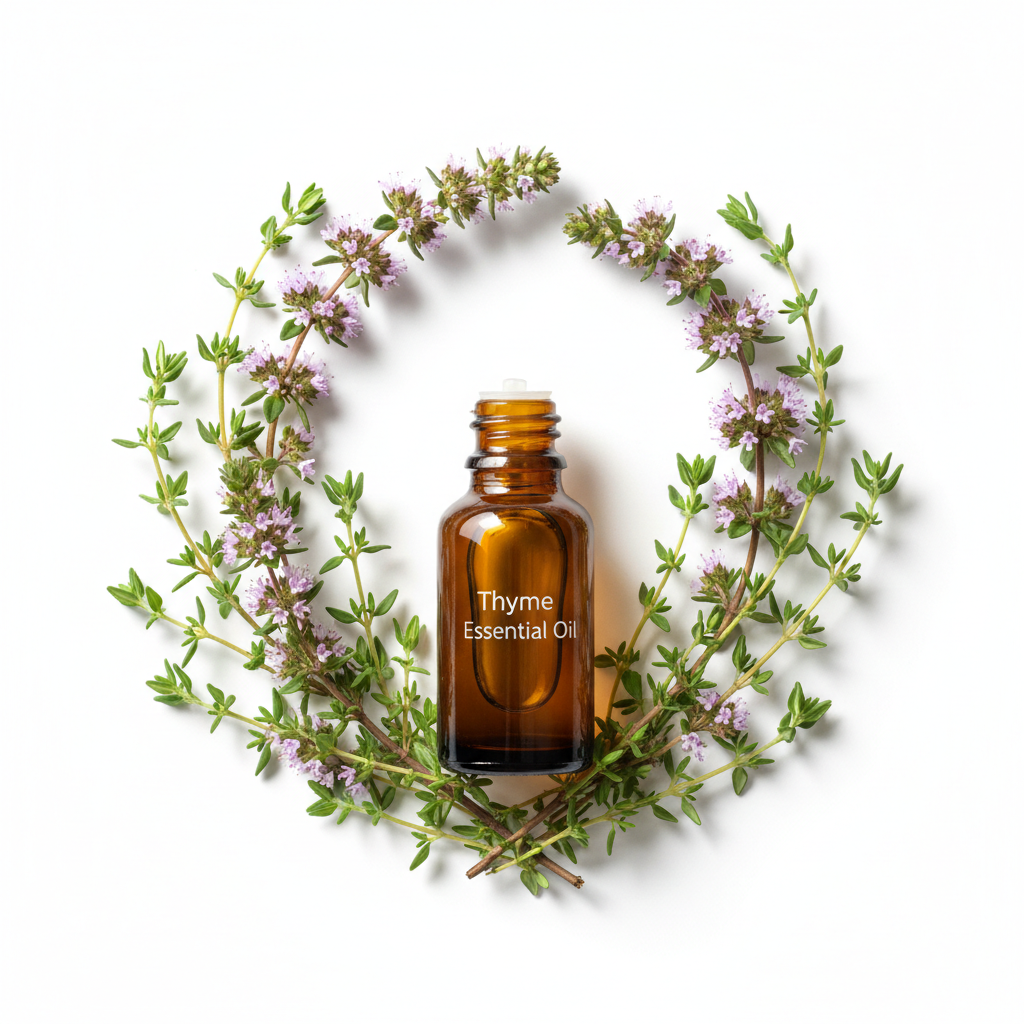
Thyme Essential Oil
Thymus vulgaris
### Overview of Thyme Essential Oil Thyme essential oil, derived from the leaves and flowering tops of the *Thymus vulgaris* plant, is renowned for its robust therapeutic properties and rich historical legacy. This essential oil has been used for centuries in traditional medicine and culinary practices, making it one of the most cherished oils in aromatherapy and holistic wellness. ### Origin and Extraction Method Thyme essential oil is extracted through a process called steam distillation, which involves passing steam through the plant material to release the oil without the use of solvents. This method ensures that the oil retains its potent therapeutic properties and aromatic compounds. *Thymus vulgaris*, native to southern Europe, is cultivated widely due to its versatility and resilience in various climates. ### Botanical Information Botanically, thyme belongs to the Lamiaceae family, which includes other popular herbs like mint and basil. The plant grows low to the ground and produces small, tubular flowers that can range in color from pink to purple. The leaves are aromatic and are rich in phenolic compounds, particularly thymol and carvacrol, renowned for their antimicrobial properties. ### Therapeutic Properties and Benefits Thyme essential oil is celebrated for its diverse therapeutic effects. It is primarily known for: - **Antimicrobial Action**: Contains powerful compounds that help combat bacteria and fungi, making it ideal for use in home remedies and natural cleaning products. - **Respiratory Support**: Acts as a natural expectorant, helpful in relieving coughs and clearing congestion during colds and respiratory infections. - **Emotional Well-being**: Known to enhance mood, improve mental clarity, and alleviate feelings of anxiety and fatigue, making it beneficial in stressful situations. - **Muscle Relief**: When diluted and applied topically, it can soothe sore muscles and improve circulation, making it popular among athletes. - **Skin Health**: Thyme essential oil can be beneficial for oily or acne-prone skin when used in skincare formulations, helping to reduce outbreaks and promote a clearer complexion. ### Historical and Traditional Uses Historically, thyme has been appreciated for its various uses in ancient civilizations. The Egyptians used it in embalming practices due to its preservative properties, while the Romans utilized thyme in baths for its invigorating scent. In the Middle Ages, thyme was often associated with bravery and was used in rituals and as a symbol of courage. ### Scientific Facts and Research Recent studies have highlighted the numerous health benefits of thyme essential oil. Research shows that thymol, a major component of thymus oil, possesses antifungal and antiseptic characteristics. Investigations into its role in respiratory health have demonstrated its effectiveness in supporting the immune system, particularly during peak cold and flu seasons. ### Aroma Profile and Characteristics The aroma of thyme essential oil is fresh, herbaceous, and slightly spicy. Its unique scent profile can invigorate the mind and body, making it an excellent choice for diffusion in living spaces and during meditative practices. The oil blends well with other essential oils, such as lavender, eucalyptus, and lemon, enhancing the overall aroma and effectiveness of blends. ### Common Applications and Methods Thyme essential oil can be used in a variety of ways: - **Aromatherapy**: Diffusion in a diffuser for mental clarity and mood upliftment. - **Topical Application**: Diluted with a carrier oil for muscle relief or skincare applications. - **Inhalation**: Direct inhalation from the bottle or added to steam inhalation for respiratory support. - **Cleaning Products**: Adding thyme oil to homemade cleaning agents to leverage its antimicrobial properties. ### Interesting Facts and Trivia - Thyme is a perennial plant that can live for several years with proper care and conditions. - The name 'thyme' is derived from the Greek word 'thumus', meaning 'courage', reflecting its historical associations with bravery. - Thyme oil is often used in culinary dishes, adding aromatic flavor to meats, soups, and sauces, enhancing both taste and health benefits. In conclusion, thyme essential oil is a remarkable oil with numerous benefits ranging from health to emotional balance. Its historical significance and versatility make it a staple in both modern holistic practices and traditional medicine.
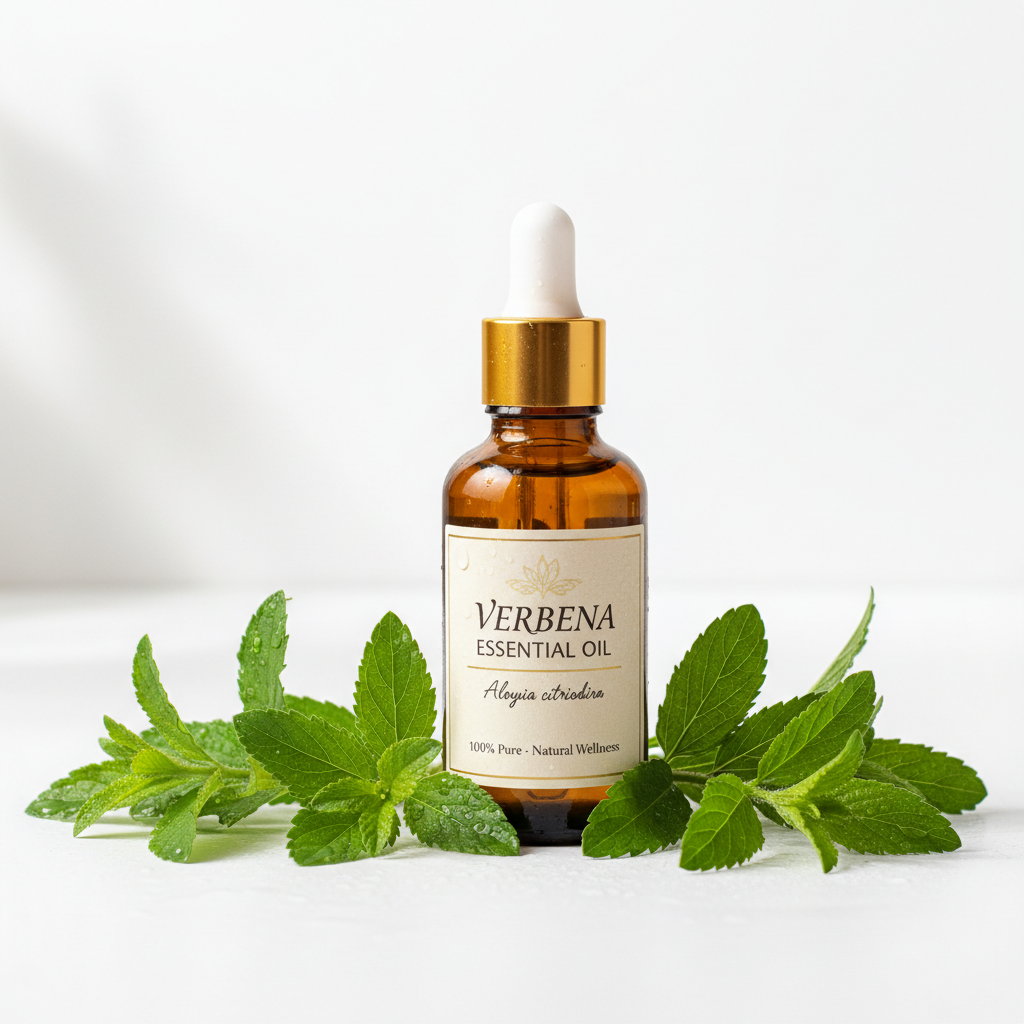
Verbena Essential Oil
Aloysia citriodora
### Verbena Essential Oil: Exploring Its Rich Benefits #### Origin and Extraction Method Verbena essential oil is derived from the leaves of the **Aloysia citriodora** plant, also commonly known as lemon verbena. This fragrant herb is native to South America, where it has been cultivated for centuries due to its numerous health benefits and aromatic properties. The oil is typically extracted through **steam distillation**, a method that helps maintain the integrity of its fragrant compounds and therapeutic qualities. This gentle extraction process results in a high-quality essential oil that captures the plant's refreshing, lemony scent, making it a favorite in aromatherapy and natural wellness practices. #### Botanical Information **Aloysia citriodora** is a perennial shrub that can grow up to 3 feet in height, producing small, white to pale purple flowers and elongated, delicate leaves. The leaves are the primary part used for oil extraction due to their high concentration of aromatic compounds, particularly **citral**, which is responsible for its distinctive lemon scent. The rich chemical composition of lemon verbena oil varies based on factors like climate, harvest time, and processing methods, making each batch unique. #### Therapeutic Properties and Benefits Verbena essential oil is celebrated for a variety of therapeutic properties, including: - **Relaxation and Stress Relief:** The soothing aroma promotes relaxation, helping to alleviate stress and anxiety while lifting the spirits. - **Mood Enhancement:** Its invigorating scent is known to improve mood and provide emotional clarity, making it popular among individuals seeking upliftment and positivity. - **Mental Clarity:** Verbena oil assists in enhancing focus and clarity, particularly during periods of mental fatigue; it can also foster a sense of calmness in chaotic environments. - **Meditation Enhancement:** The tranquil aroma can enrich meditation practices, helping individuals to enter a deeper state of relaxation and mindfulness. - **Muscle Relief:** When used in massages, verbena essential oil can ease tight muscles and alleviate discomfort, thanks to its anti-inflammatory properties. - **Respiratory Support:** Inhalation of its fragrant vapors can support clear breathing and improve respiratory function, making it beneficial during cold seasons. - **Detoxification Aid:** Incorporating this oil into massage blends can support the body’s natural detoxification processes by encouraging the elimination of toxins. - **Menstrual Comfort:** Verbena essential oil may help reduce menstrual pain and discomfort when diluted and applied topically. #### Historical and Traditional Uses Historically, lemon verbena has been utilized by indigenous cultures in South America as a medicinal plant. It was known not only for its uplifting qualities but also as a herb for digestive support and overall wellness. In European traditional medicine, it was commonly used as an herbal tea for relaxation and to reduce insomnia. The oil became popular throughout the 18th and 19th centuries as European colonists recognized its benefits, often incorporating it into perfumes and cosmetic products. #### Scientific Facts and Research Recent studies have begun to explore the potential therapeutic benefits of lemon verbena essential oil. Research has indicated that its main components, such as citral and geraniol, may exhibit antioxidant and antimicrobial properties. Additionally, some studies suggest that inhaling lemon verbena fragrance can help reduce anxiety levels and improve mood stability in stressed populations. #### Aroma Profile and Characteristics The aroma profile of verbena essential oil is characterized by its light, lemony fragrance, often described as fresh, crisp, and slightly herbaceous. This distinctive scent makes it a fantastic addition to candles, diffusers, and personal care products. Its pleasant aroma can also be blended with other essential oils like lavender, eucalyptus, and peppermint, creating a harmonious and uplifting blend. #### Common Applications and Methods Verbena essential oil can be used in several ways: - **Diffusion:** Add a few drops to a diffuser for a refreshing atmosphere that promotes relaxation and clarity. - **Massage:** Dilute with a carrier oil such as sweet almond or jojoba oil for a soothing massage experience. - **Bathing:** Incorporate it into bathwater for a luxurious and stress-relieving bath. - **Topical Use:** Dilute with carrier oil for direct application to alleviate muscle tension or menstrual discomfort. - **Inhalation:** Use in steam inhalation practices to support respiratory health. #### Interesting Facts and Trivia - Lemon verbena has been cultivated for its fragrance and flavor in gardens and herb farms worldwide. - It is often included in herbal teas and culinary dishes for its unique lemon flavor, providing an aromatic twist to various recipes. - Verbena essential oil is commonly found in skincare products, noted for its ability to refresh and invigorate the skin while providing a pleasant scent. In conclusion, Verbena essential oil is not only a delightful addition to your aromatherapy collection but also a versatile oil with numerous health benefits. Whether for mental clarity, relaxation, or skincare, this essential oil is a natural solution embraced across cultures and centuries.
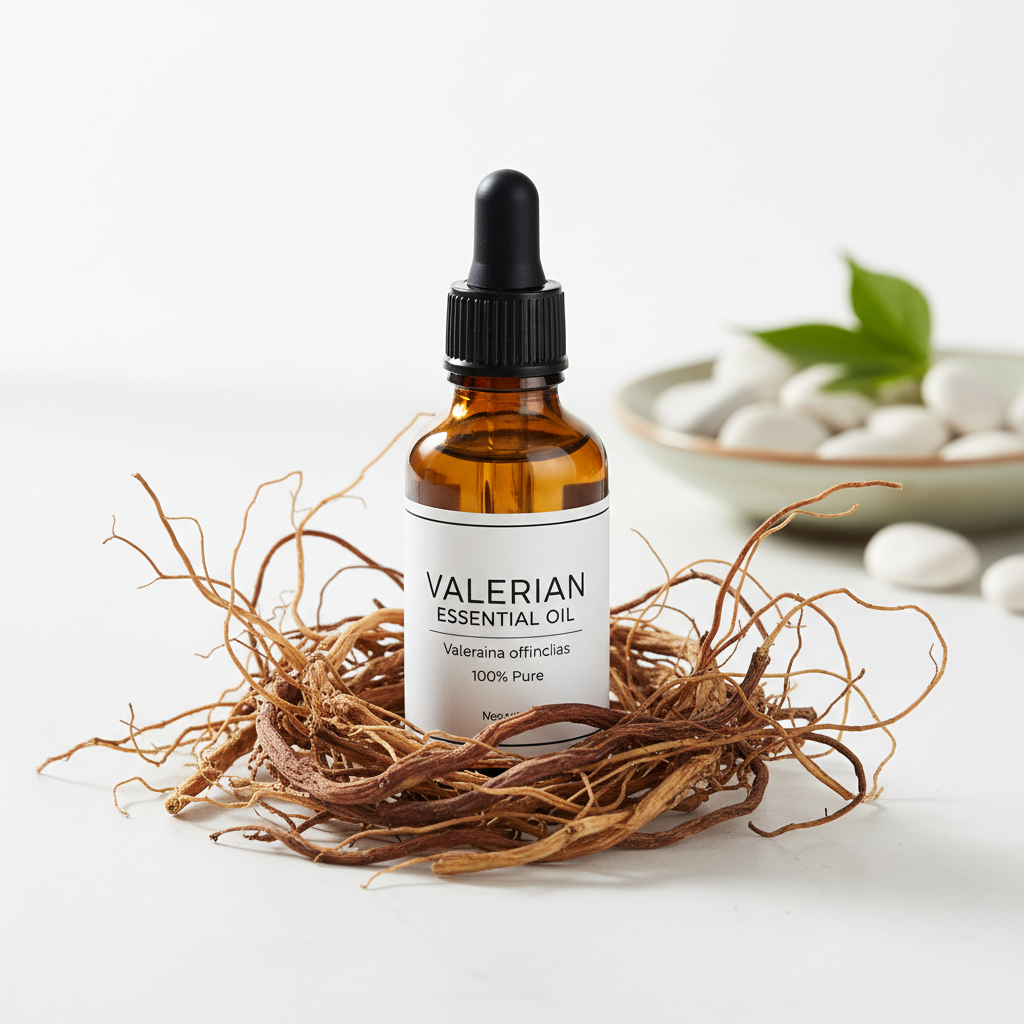
Valerian Essential Oil
Valeriana officinalis
### Valerian Essential Oil: Comprehensive Guide to Benefits and Uses **Introduction** Valerian essential oil, derived from the roots of the Valeriana officinalis plant, has been cherished for centuries for its calming and sedative effects. With a rich history rooted in ancient herbal remedies, this oil is known to promote relaxation, enhance mood, and support restful sleep. In this extensive guide, we will delve into the various aspects of Valerian essential oil, including its origin, therapeutic benefits, and cultural significance. #### Origin and Extraction Method Valerian essential oil is extracted through steam distillation from the dried roots of the Valeriana officinalis plant, which flourishes in Europe and Asia. The harvesting process is meticulous, with the roots typically dug up in the late summer or early autumn when their concentration of essential oil is highest. This extraction method ensures that the therapeutic properties and the earthy aroma of the oil are preserved. #### Botanical Information Valeriana officinalis, commonly known as valerian, is a flowering perennial plant belonging to the Valerianaceae family. It can grow up to 1.5 meters in height, characterized by its tall stems, feathery leaves, and small, pale pink or white flowers that bloom in clusters. The roots are where the essential oil is concentrated, containing notable compounds such as valerenic acid, which contributes to its tranquilizing effects. #### Therapeutic Properties and Benefits Valerian essential oil is predominantly recognized for its multitude of therapeutic properties. Here are some key benefits: - **Promotes Restful Sleep:** Valerian oil is widely used to support individuals struggling with insomnia or sleep disturbances, as it can enhance the quality of sleep and help users fall asleep more quickly. - **Reduces Anxiety and Stress:** The soothing aroma of valerian essential oil helps to alleviate feelings of anxiety, tension, and irritability, making it a popular choice for those in high-stress environments. - **Encourages Relaxation:** It serves as an effective aid for mindfulness practices and meditation, assisting users in quieting their minds and encouraging a state of calm. - **Eases Digestive Discomfort:** Valerian oil may alleviate stress-related digestive issues, including bloating and cramping, providing a holistic approach to wellness. - **Relieves Muscle Tension:** After physical activity, valerian oil can help relax tight muscles and ease discomfort. - **Calming the Nervous System:** The regular use of valerian essential oil can support the management of stress-related physical symptoms, promoting overall emotional well-being. #### Historical and Traditional Uses Valerian has a long history of therapeutic use dating back to ancient times. The ancient Greeks and Romans utilized valerian for its calming properties, while traditional Chinese medicine also recognized its potential benefits. Throughout history, valerian has been employed in herbal remedies, often in combination with other soothing herbs to amplify its calming effects. #### Scientific Facts and Research Numerous studies have investigated the effectiveness of valerian essential oil for sleep and anxiety. A notable study found that valerian can significantly improve sleep quality in people with insomnia. The active compounds in valerian are thought to be responsible for its sedative effects, as they interact with neurotransmitters in the brain to promote a state of relaxation and well-being. #### Aroma Profile and Characteristics The aroma of valerian essential oil is unique, often described as earthy, woody, and slightly sweet. Its deep, rich scent can be incredibly grounding, making it suitable for various aromatic applications in the home or therapeutic settings. The oil blends well with other essential oils, particularly lavender, chamomile, and bergamot, to enhance its calming effects. #### Common Applications and Methods Valerian essential oil can be utilized in several ways: - **Aromatherapy:** Diffusing valerian oil in a diffuser or adding a few drops to a warm bath can create a soothing atmosphere conducive to relaxation and sleep. - **Topical Application:** When diluted with a carrier oil, valerian oil can be massaged onto the skin to relieve muscle tension or applied to pulse points for calming effects. - **Inhalation:** Inhaling the aroma directly from the bottle or through steam inhalation can provide immediate anxiety relief. #### Interesting Facts and Trivia - Valerian was known as the “philosopher’s balm” in ancient times and was often associated with relaxation and contemplation. - The name 'valerian' is derived from the Latin word "valere," which means "to be strong or to be healthy". - In addition to its essential oil, valerian root is commonly available in herbal teas, tinctures, and capsules, offering a variety of options for those seeking its benefits. **Conclusion** Valerian essential oil stands out as a potent natural remedy for promoting relaxation and combative moments of stress and anxiety. Whether you are looking to enhance your sleep quality or create a calming atmosphere in your space, incorporating valerian essential oil into your wellness routine can be a beneficial choice.
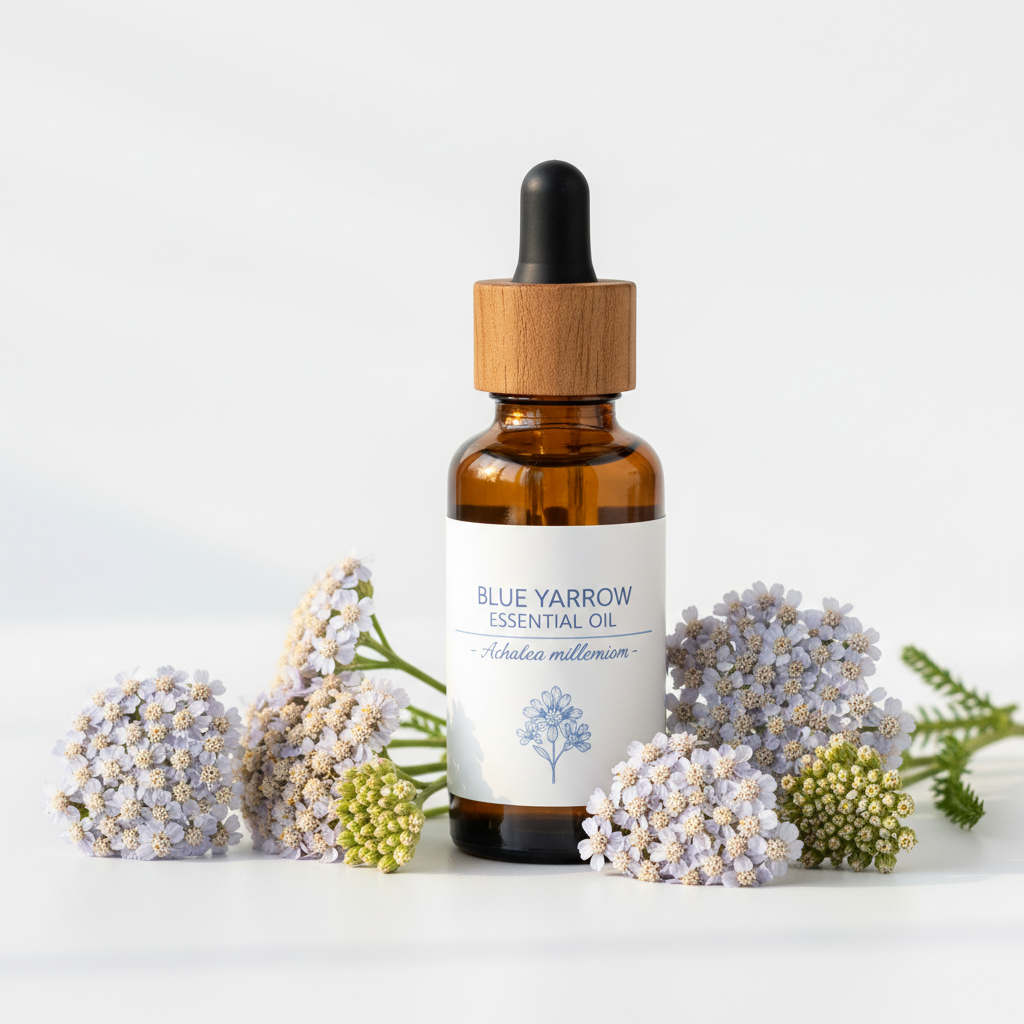
Blue Yarrow Essential Oil
Achillea millefolium
### Introduction to Blue Yarrow Essential Oil Blue Yarrow Essential Oil, extracted from the flowering tops of the Achillea millefolium plant, is a powerful and versatile oil in the world of aromatherapy and holistic health. Known for its vibrant blue color and rich therapeutic properties, this essential oil has been celebrated for centuries for its healing abilities. In this guide, we will delve into the origin, extraction methods, benefits, and applications of Blue Yarrow Essential Oil, providing a comprehensive understanding for those looking to incorporate it into their wellness routine. ### Origin and Extraction Method The plant Achillea millefolium, commonly known as yarrow, is native to Europe and Asia but is now found in many temperate regions worldwide. Blue Yarrow Essential Oil is derived through the steam distillation method, which involves passing steam through the plant material to vaporize the volatile compounds. This not only preserves the oil's beneficial properties but also captures its unique aroma. The result is a potent and aromatic essential oil that retains the essence of this remarkable plant. ### Botanical Information Blue Yarrow belongs to the Asteraceae family and features finely dissected leaves and clustered flower heads, typically appearing in shades of yellow, pink, and white. The essential oil’s characteristic blue color is due to the presence of chamazulene, a compound that contributes to its anti-inflammatory and soothing properties. Botanical studies indicate that yarrow has been used since antiquity, with references found in ancient texts by Hippocrates and Dioscorides. ### Therapeutic Properties and Benefits Blue Yarrow Essential Oil is renowned for its numerous therapeutic benefits, including: - **Anti-inflammatory**: Helps reduce inflammation in the body, making it useful for various inflammatory conditions. - **Antiseptic**: Possesses natural antiseptic properties, promoting wound healing and preventing infection when applied topically. - **Relaxant**: Acts as a natural relaxant, helping to soothe anxiety, stress, and emotional tension. - **Circulatory Aid**: Improves circulation, making it beneficial for those suffering from cold hands and feet or circulatory issues. - **Digestive Support**: Traditionally used to ease digestive complaints and enhance appetite. ### Historical and Traditional Uses Historically, Blue Yarrow was employed by various cultures for its impressive healing capabilities. Native Americans utilized it as a protective herb and for treating wounds, while soldiers carried it into battle as a wound herb. In ancient times, yarrow leaves were often used to treat fevers and intestinal issues, reflecting its historical significance in herbal medicine. ### Scientific Facts and Research Recent studies have confirmed many of the traditional uses of Blue Yarrow Essential Oil. Research highlights its potential as an anti-inflammatory agent, demonstrating its efficacy against inflammatory cytokines in vitro. Additionally, its antioxidant properties are gaining attention, showcasing the oil's ability to combat oxidative stress in cells. ### Aroma Profile and Characteristics Blue Yarrow Essential Oil has a unique and complex aroma, featuring herbal, floral, and slightly sweet notes. Its taste is often described as fresh and green, which makes it an appealing choice for those looking to enhance their home environment with uplifting scents. Its aroma profile can contribute to mood enhancement and create a calming atmosphere during meditation or yoga practices. ### Common Applications and Methods There are numerous ways to use Blue Yarrow Essential Oil effectively: - **Aromatherapy**: Diffuse the oil in your home to create a soothing environment. - **Topical Use**: Dilute with a carrier oil and apply to affected areas for skin issues or muscle tension. - **Bathing**: Add a few drops to your bathwater for an invigorating and relaxing experience. - **Massage**: Blend with a carrier oil for a calming massage that helps relieve stress and muscle tightness. ### Interesting Facts and Trivia - Blue Yarrow is often called "soldier's woundwort" due to its historical use in treating injuries on the battlefield. - Chamazulene, the component responsible for the blue color, also contributes to its powerful anti-inflammatory effects. ### Conclusion Blue Yarrow Essential Oil is not just another essential oil; it is a multifaceted tool for emotional and physical wellness. With its rich history, therapeutic properties, and diverse applications, it deserves a place in every holistic health toolkit. Whether used in aromatherapy, topical treatments, or baths, Blue Yarrow connects us to herbal traditions while offering modern-day benefits.