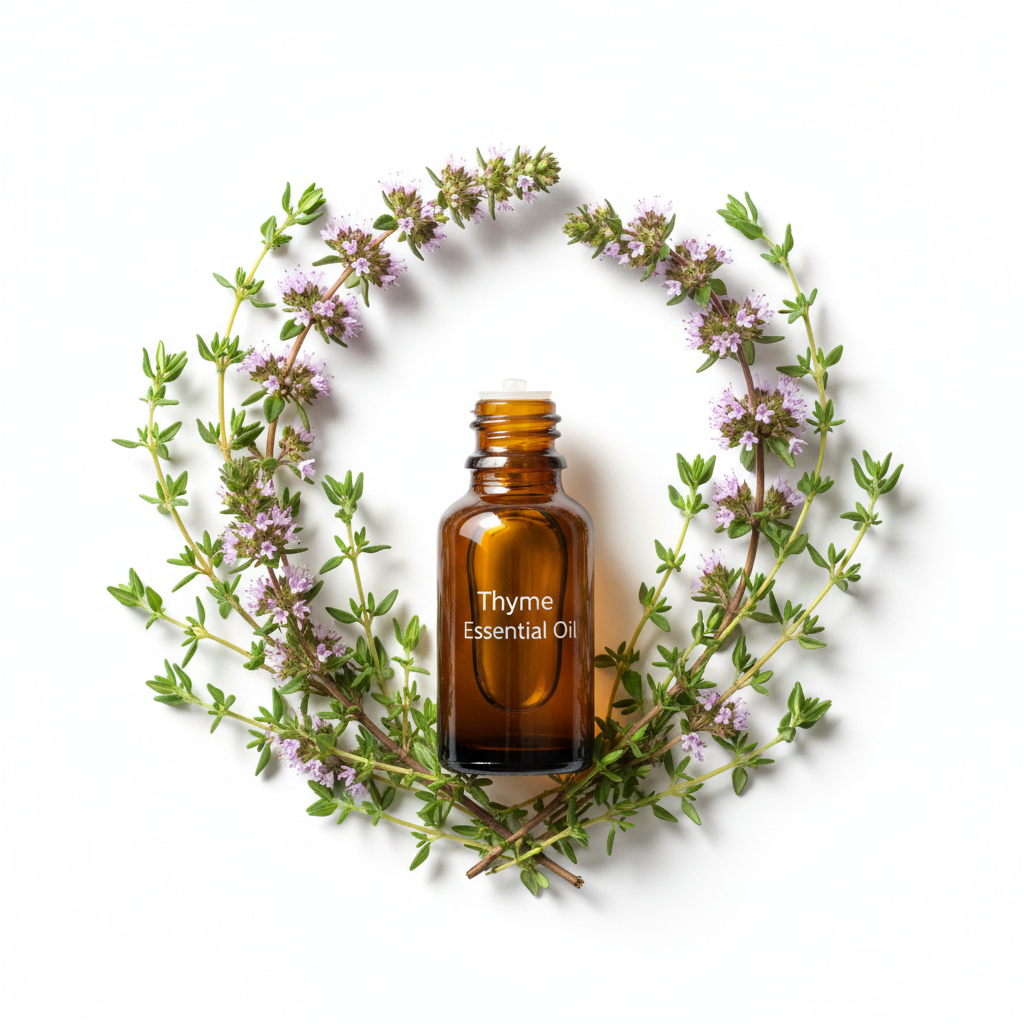
Thyme Essential Oil
Thymus vulgaris
Plant Source
Leaves and flowering tops
Scent Family
Herbal
"Discover the benefits and uses of Thyme essential oil, derived from the Thymus vulgaris plant, historically valued for its therapeutic properties."
Overview of Thyme Essential Oil
Thyme essential oil, derived from the leaves and flowering tops of the Thymus vulgaris plant, is renowned for its robust therapeutic properties and rich historical legacy. This essential oil has been used for centuries in traditional medicine and culinary practices, making it one of the most cherished oils in aromatherapy and holistic wellness.
Origin and Extraction Method
Thyme essential oil is extracted through a process called steam distillation, which involves passing steam through the plant material to release the oil without the use of solvents. This method ensures that the oil retains its potent therapeutic properties and aromatic compounds. Thymus vulgaris, native to southern Europe, is cultivated widely due to its versatility and resilience in various climates.
Botanical Information
Botanically, thyme belongs to the Lamiaceae family, which includes other popular herbs like mint and basil. The plant grows low to the ground and produces small, tubular flowers that can range in color from pink to purple. The leaves are aromatic and are rich in phenolic compounds, particularly thymol and carvacrol, renowned for their antimicrobial properties.
Therapeutic Properties and Benefits
Thyme essential oil is celebrated for its diverse therapeutic effects. It is primarily known for:
- Antimicrobial Action: Contains powerful compounds that help combat bacteria and fungi, making it ideal for use in home remedies and natural cleaning products.
- Respiratory Support: Acts as a natural expectorant, helpful in relieving coughs and clearing congestion during colds and respiratory infections.
- Emotional Well-being: Known to enhance mood, improve mental clarity, and alleviate feelings of anxiety and fatigue, making it beneficial in stressful situations.
- Muscle Relief: When diluted and applied topically, it can soothe sore muscles and improve circulation, making it popular among athletes.
- Skin Health: Thyme essential oil can be beneficial for oily or acne-prone skin when used in skincare formulations, helping to reduce outbreaks and promote a clearer complexion.
Historical and Traditional Uses
Historically, thyme has been appreciated for its various uses in ancient civilizations. The Egyptians used it in embalming practices due to its preservative properties, while the Romans utilized thyme in baths for its invigorating scent. In the Middle Ages, thyme was often associated with bravery and was used in rituals and as a symbol of courage.
Scientific Facts and Research
Recent studies have highlighted the numerous health benefits of thyme essential oil. Research shows that thymol, a major component of thymus oil, possesses antifungal and antiseptic characteristics. Investigations into its role in respiratory health have demonstrated its effectiveness in supporting the immune system, particularly during peak cold and flu seasons.
Aroma Profile and Characteristics
The aroma of thyme essential oil is fresh, herbaceous, and slightly spicy. Its unique scent profile can invigorate the mind and body, making it an excellent choice for diffusion in living spaces and during meditative practices. The oil blends well with other essential oils, such as lavender, eucalyptus, and lemon, enhancing the overall aroma and effectiveness of blends.
Common Applications and Methods
Thyme essential oil can be used in a variety of ways:
- Aromatherapy: Diffusion in a diffuser for mental clarity and mood upliftment.
- Topical Application: Diluted with a carrier oil for muscle relief or skincare applications.
- Inhalation: Direct inhalation from the bottle or added to steam inhalation for respiratory support.
- Cleaning Products: Adding thyme oil to homemade cleaning agents to leverage its antimicrobial properties.
Interesting Facts and Trivia
- Thyme is a perennial plant that can live for several years with proper care and conditions.
- The name 'thyme' is derived from the Greek word 'thumus', meaning 'courage', reflecting its historical associations with bravery.
- Thyme oil is often used in culinary dishes, adding aromatic flavor to meats, soups, and sauces, enhancing both taste and health benefits.
In conclusion, thyme essential oil is a remarkable oil with numerous benefits ranging from health to emotional balance. Its historical significance and versatility make it a staple in both modern holistic practices and traditional medicine.
Ask AI About Thyme Essential Oil
Get instant answers about this essential oil
Benefits & Uses
- Enhances focus and concentration, ideal for studying or working on complex tasks.
- Boosts mood by alleviating feelings of sadness or fatigue, promoting a sense of vitality.
- Supports a balanced emotional state, ideal for those experiencing anxiety or nervous tension.
- Promotes mental clarity, helping to clear mental fog during challenging situations.
- Encourages motivation and zest for life, making it a great oil for a daily pick-me-up.
- Supports respiratory health, aiding clearance of congestion and cough relief.
- Helps soothe sore muscles after physical activity when used in massage.
- Contributes to skin health by reducing acne and oily skin when diluted properly.
- May assist in improving circulation, promoting overall wellness.
- Can support a healthy immune system, particularly during cold and flu season.
- Helps improve complexion by balancing oil production and reducing acne.
- Acts as a natural preservative in DIY skincare products due to its antimicrobial properties.
- May be used in scalp treatments to promote healthy hair growth.
- Effective in soothing insect bites and minor skin irritations when diluted.
- Natural disinfectant for cleaning surfaces and combating odors.
- Repels insects when used in home sprays or diffused in rooms.
- Freshens laundry when added to washing machines, leaving a clean, herbal scent.
- Incorporates into potpourri for a refreshing, herbal aroma around the house.
How to Use
Diffuser
For a small room, use 3-5 drops; medium room 5-8 drops; and large room 8-12 drops. Diffuse for 30-60 minutes, 2-3 times daily. Best times include morning for energizing effects or during work for increased focus.
Topical
For adults, dilute to 2-3% (12-18 drops per 1 oz of carrier oil); for children, 0.5-1% (3-6 drops per 1 oz); for elderly, 1-2% (6-12 drops per 1 oz). Carrier oils can include jojoba, sweet almond, or coconut oil. Apply directly to muscle tension or add to massage oils; absorption time is typically 20-30 minutes.
Inhalation
Direct inhalation: Place 1-2 drops on a tissue or in your hands and inhale deeply. For steam inhalation, add 2-3 drops to hot water and inhale the steam for 5-10 minutes. Personal inhalers can also be prepared for on-the-go use.
Safety & Precautions
Perform a patch test before topical use to check for sensitivities. Avoid sun exposure after topical application due to potential photosensitivity. Pregnant and nursing women should consult a healthcare provider before use. Store in a cool, dark place; shelf life is typically 2-3 years. Take care to avoid contact with mucous membranes and eyes.
Who should avoid:
- Pregnant women, especially during the first trimester.
- Individuals with hypersensitivity to thyme or related plants.
- Those with certain respiratory conditions such as asthma.
- Children under the age of 2 without professional guidance.
Recommended Products
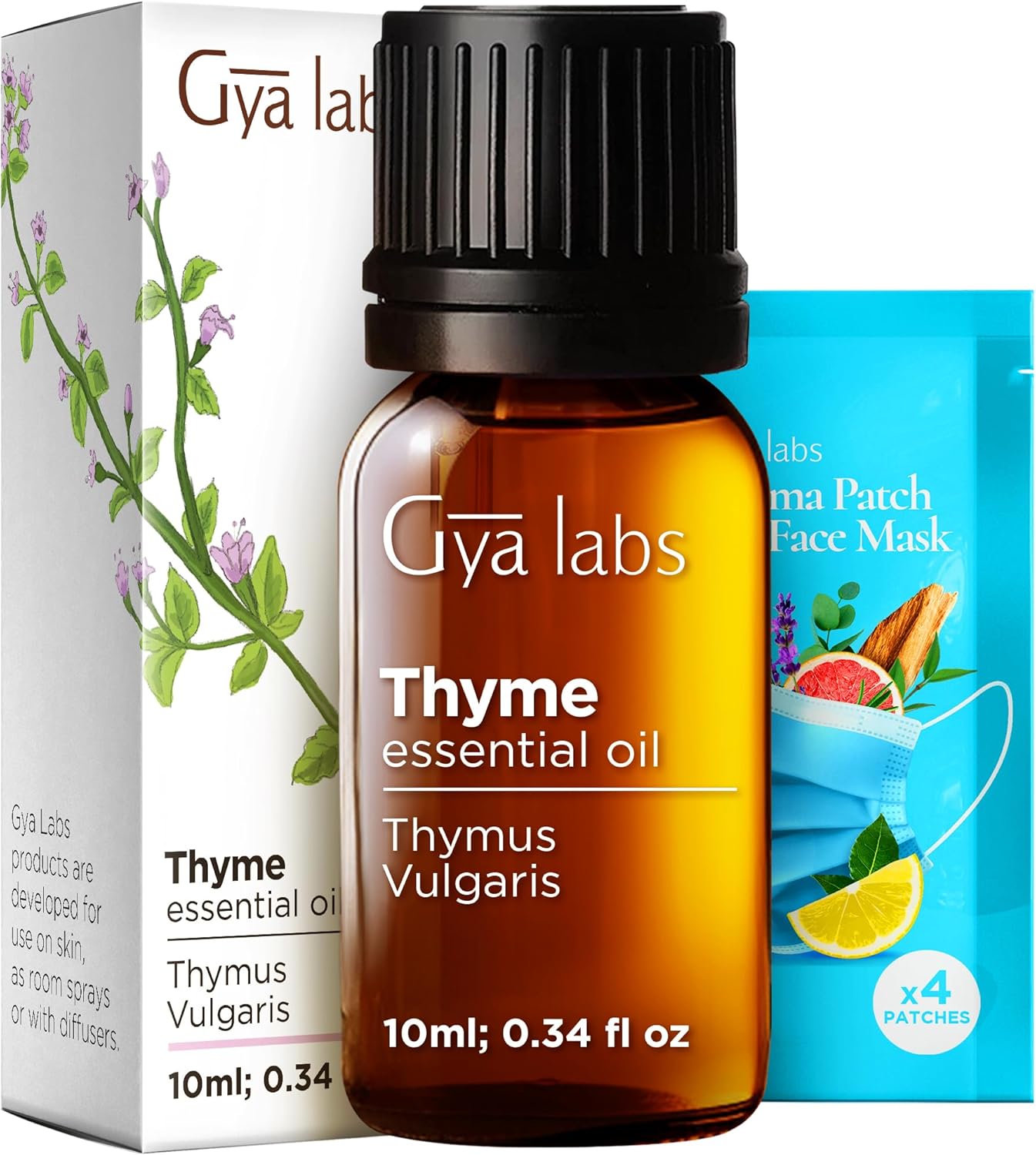
Understanding the aromatic layers of Thyme Essential Oil
Top Notes
Heart Notes
Base Notes
Scent Evolution
Top Notes: First impression, evaporate quickly (15-30 min)
Heart Notes: Main character, last 2-4 hours
Base Notes: Lasting foundation, linger for hours
Complementary essential oils that pair beautifully with Thyme Essential Oil
Abyssinian Carrier Oil
Crambe abyssinica
✓enhanced aromatherapy benefits
Allspice Essential Oil
Pimenta dioica
✓complementary therapeutic properties
Ammi Visnaga Essential Oil
Ammi visnaga
✓complementary therapeutic properties
Amyris Essential Oil
Amyris balsamifera
✓enhanced aromatherapy benefits
Angelica Essential Oil
Angelica archangelica
✓traditional pairing in aromatherapy
Angelica Root Essential Oil
Angelica archangelica
✓complementary therapeutic properties
Blending Tips
- • Start with 2-3 oils for simple blends
- • Use 3-5 drops total per 10ml carrier oil
- • Let blends sit for 24-48 hours to marry
- • Test on a small skin area first
Calculating for: Thyme Essential Oil
Recommended: 2% | Max safe: 5%
29.57 ml
Your Recipe
0.59 ml
28.98 ml
💡 Dilution Tips
- • Always do a patch test before full application
- • Children and elderly need lower dilutions (1-2%)
- • Facial products should be gentle (0.5-1%)
- • 1 drop ≈ 0.05 ml (20 drops per ml)
- • Common carrier oils: fractionated coconut, jojoba, sweet almond
Related Recipes

DIY Acne Calming Gel Spot Treatment Recipe for Clear Skin
Explore our DIY acne calming gel spot treatment recipe to soothe inflammation and fight breakouts using natural ingredients for healthier skin.
DIY Essential Oil Equipment Cleaner Recipe for Pristine Tools
This DIY essential oil equipment cleaner recipe ensures tools are residue-free, enhancing the quality of your blends while being eco-friendly and effective.

DIY Essential Oil Foaming Hand Soap Recipe
Craft your own moisturizing foaming hand soap using essential oils! This DIY recipe combines natural ingredients for clean, soft hands. Perfect for home use!

DIY Essential Oil Inhaler Recipe for Focus
Boost your mental clarity and energy with this DIY essential oil inhaler recipe! Learn how to craft your invigorating inhalers at home easily.
DIY Sal Suds All-Purpose Cleaner Recipe
Discover how to make an all-purpose cleaner spray using essential oils. Our easy recipe with Sal Suds is perfect for tackling dirt and grime effectively.
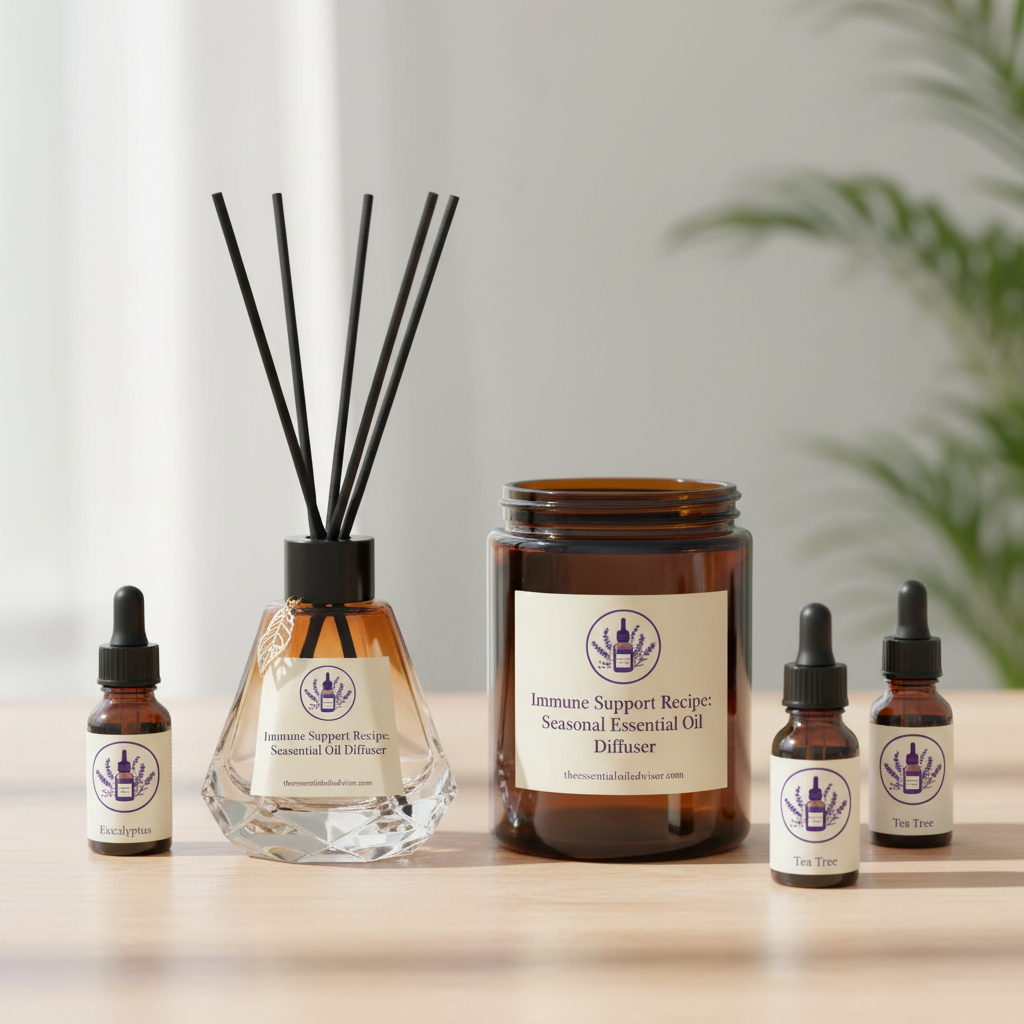
Immune Support Recipe: Seasonal Essential Oil Diffuser
Discover this immune support recipe to create an essential oil diffuser blend that boosts health, especially during seasonal changes.