Search
Found 15 results for "herbs"
Essential Oils
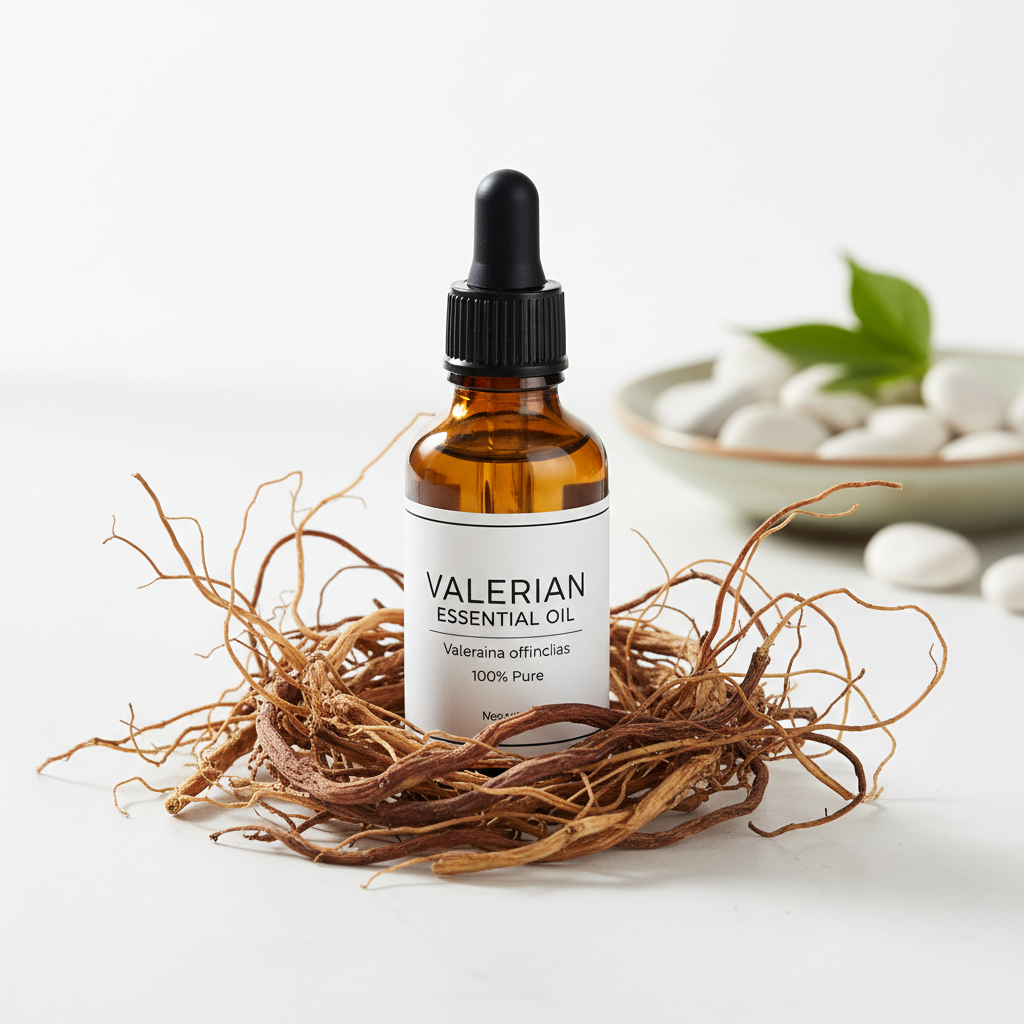
Valerian Essential Oil
Valeriana officinalis
### Valerian Essential Oil: Comprehensive Guide to Benefits and Uses **Introduction** Valerian essential oil, derived from the roots of the Valeriana officinalis plant, has been cherished for centuries for its calming and sedative effects. With a rich history rooted in ancient herbal remedies, this oil is known to promote relaxation, enhance mood, and support restful sleep. In this extensive guide, we will delve into the various aspects of Valerian essential oil, including its origin, therapeutic benefits, and cultural significance. #### Origin and Extraction Method Valerian essential oil is extracted through steam distillation from the dried roots of the Valeriana officinalis plant, which flourishes in Europe and Asia. The harvesting process is meticulous, with the roots typically dug up in the late summer or early autumn when their concentration of essential oil is highest. This extraction method ensures that the therapeutic properties and the earthy aroma of the oil are preserved. #### Botanical Information Valeriana officinalis, commonly known as valerian, is a flowering perennial plant belonging to the Valerianaceae family. It can grow up to 1.5 meters in height, characterized by its tall stems, feathery leaves, and small, pale pink or white flowers that bloom in clusters. The roots are where the essential oil is concentrated, containing notable compounds such as valerenic acid, which contributes to its tranquilizing effects. #### Therapeutic Properties and Benefits Valerian essential oil is predominantly recognized for its multitude of therapeutic properties. Here are some key benefits: - **Promotes Restful Sleep:** Valerian oil is widely used to support individuals struggling with insomnia or sleep disturbances, as it can enhance the quality of sleep and help users fall asleep more quickly. - **Reduces Anxiety and Stress:** The soothing aroma of valerian essential oil helps to alleviate feelings of anxiety, tension, and irritability, making it a popular choice for those in high-stress environments. - **Encourages Relaxation:** It serves as an effective aid for mindfulness practices and meditation, assisting users in quieting their minds and encouraging a state of calm. - **Eases Digestive Discomfort:** Valerian oil may alleviate stress-related digestive issues, including bloating and cramping, providing a holistic approach to wellness. - **Relieves Muscle Tension:** After physical activity, valerian oil can help relax tight muscles and ease discomfort. - **Calming the Nervous System:** The regular use of valerian essential oil can support the management of stress-related physical symptoms, promoting overall emotional well-being. #### Historical and Traditional Uses Valerian has a long history of therapeutic use dating back to ancient times. The ancient Greeks and Romans utilized valerian for its calming properties, while traditional Chinese medicine also recognized its potential benefits. Throughout history, valerian has been employed in herbal remedies, often in combination with other soothing herbs to amplify its calming effects. #### Scientific Facts and Research Numerous studies have investigated the effectiveness of valerian essential oil for sleep and anxiety. A notable study found that valerian can significantly improve sleep quality in people with insomnia. The active compounds in valerian are thought to be responsible for its sedative effects, as they interact with neurotransmitters in the brain to promote a state of relaxation and well-being. #### Aroma Profile and Characteristics The aroma of valerian essential oil is unique, often described as earthy, woody, and slightly sweet. Its deep, rich scent can be incredibly grounding, making it suitable for various aromatic applications in the home or therapeutic settings. The oil blends well with other essential oils, particularly lavender, chamomile, and bergamot, to enhance its calming effects. #### Common Applications and Methods Valerian essential oil can be utilized in several ways: - **Aromatherapy:** Diffusing valerian oil in a diffuser or adding a few drops to a warm bath can create a soothing atmosphere conducive to relaxation and sleep. - **Topical Application:** When diluted with a carrier oil, valerian oil can be massaged onto the skin to relieve muscle tension or applied to pulse points for calming effects. - **Inhalation:** Inhaling the aroma directly from the bottle or through steam inhalation can provide immediate anxiety relief. #### Interesting Facts and Trivia - Valerian was known as the “philosopher’s balm” in ancient times and was often associated with relaxation and contemplation. - The name 'valerian' is derived from the Latin word "valere," which means "to be strong or to be healthy". - In addition to its essential oil, valerian root is commonly available in herbal teas, tinctures, and capsules, offering a variety of options for those seeking its benefits. **Conclusion** Valerian essential oil stands out as a potent natural remedy for promoting relaxation and combative moments of stress and anxiety. Whether you are looking to enhance your sleep quality or create a calming atmosphere in your space, incorporating valerian essential oil into your wellness routine can be a beneficial choice.
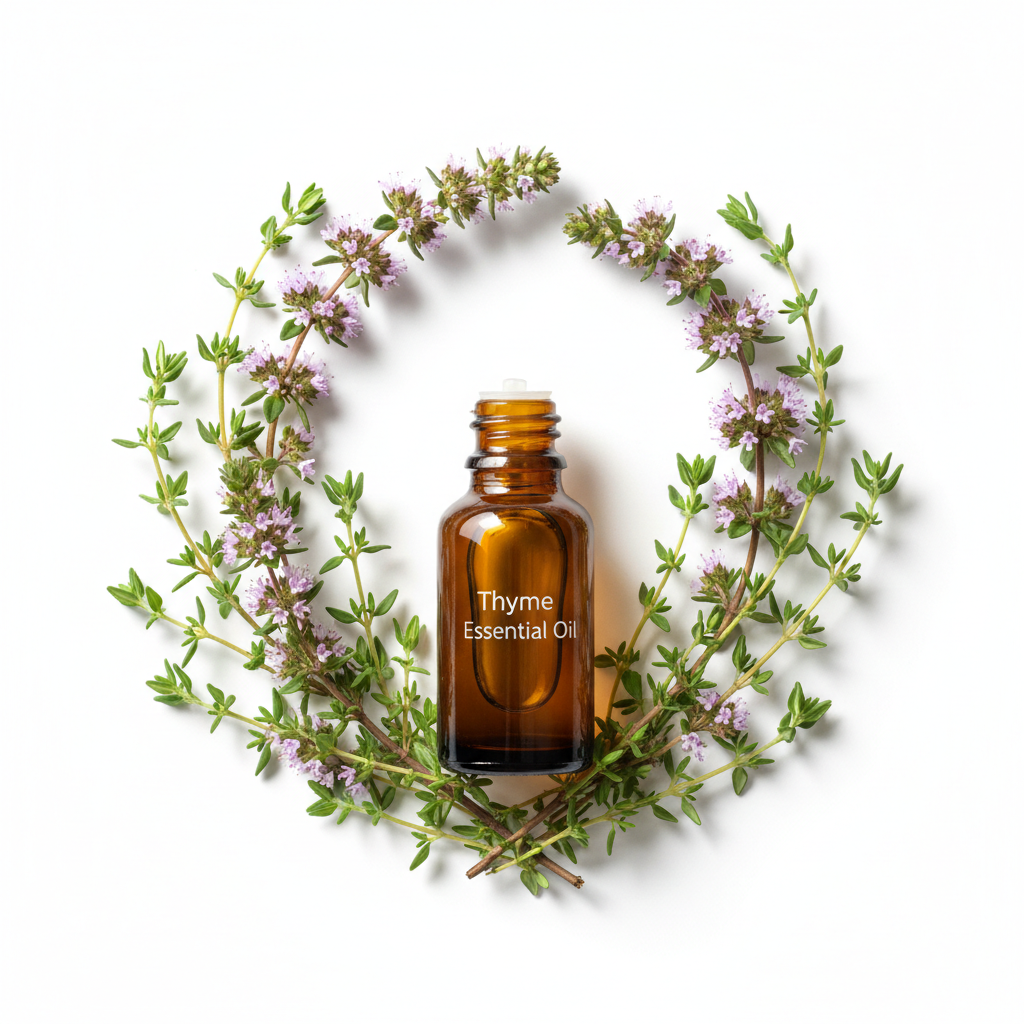
Thyme Essential Oil
Thymus vulgaris
### Overview of Thyme Essential Oil Thyme essential oil, derived from the leaves and flowering tops of the *Thymus vulgaris* plant, is renowned for its robust therapeutic properties and rich historical legacy. This essential oil has been used for centuries in traditional medicine and culinary practices, making it one of the most cherished oils in aromatherapy and holistic wellness. ### Origin and Extraction Method Thyme essential oil is extracted through a process called steam distillation, which involves passing steam through the plant material to release the oil without the use of solvents. This method ensures that the oil retains its potent therapeutic properties and aromatic compounds. *Thymus vulgaris*, native to southern Europe, is cultivated widely due to its versatility and resilience in various climates. ### Botanical Information Botanically, thyme belongs to the Lamiaceae family, which includes other popular herbs like mint and basil. The plant grows low to the ground and produces small, tubular flowers that can range in color from pink to purple. The leaves are aromatic and are rich in phenolic compounds, particularly thymol and carvacrol, renowned for their antimicrobial properties. ### Therapeutic Properties and Benefits Thyme essential oil is celebrated for its diverse therapeutic effects. It is primarily known for: - **Antimicrobial Action**: Contains powerful compounds that help combat bacteria and fungi, making it ideal for use in home remedies and natural cleaning products. - **Respiratory Support**: Acts as a natural expectorant, helpful in relieving coughs and clearing congestion during colds and respiratory infections. - **Emotional Well-being**: Known to enhance mood, improve mental clarity, and alleviate feelings of anxiety and fatigue, making it beneficial in stressful situations. - **Muscle Relief**: When diluted and applied topically, it can soothe sore muscles and improve circulation, making it popular among athletes. - **Skin Health**: Thyme essential oil can be beneficial for oily or acne-prone skin when used in skincare formulations, helping to reduce outbreaks and promote a clearer complexion. ### Historical and Traditional Uses Historically, thyme has been appreciated for its various uses in ancient civilizations. The Egyptians used it in embalming practices due to its preservative properties, while the Romans utilized thyme in baths for its invigorating scent. In the Middle Ages, thyme was often associated with bravery and was used in rituals and as a symbol of courage. ### Scientific Facts and Research Recent studies have highlighted the numerous health benefits of thyme essential oil. Research shows that thymol, a major component of thymus oil, possesses antifungal and antiseptic characteristics. Investigations into its role in respiratory health have demonstrated its effectiveness in supporting the immune system, particularly during peak cold and flu seasons. ### Aroma Profile and Characteristics The aroma of thyme essential oil is fresh, herbaceous, and slightly spicy. Its unique scent profile can invigorate the mind and body, making it an excellent choice for diffusion in living spaces and during meditative practices. The oil blends well with other essential oils, such as lavender, eucalyptus, and lemon, enhancing the overall aroma and effectiveness of blends. ### Common Applications and Methods Thyme essential oil can be used in a variety of ways: - **Aromatherapy**: Diffusion in a diffuser for mental clarity and mood upliftment. - **Topical Application**: Diluted with a carrier oil for muscle relief or skincare applications. - **Inhalation**: Direct inhalation from the bottle or added to steam inhalation for respiratory support. - **Cleaning Products**: Adding thyme oil to homemade cleaning agents to leverage its antimicrobial properties. ### Interesting Facts and Trivia - Thyme is a perennial plant that can live for several years with proper care and conditions. - The name 'thyme' is derived from the Greek word 'thumus', meaning 'courage', reflecting its historical associations with bravery. - Thyme oil is often used in culinary dishes, adding aromatic flavor to meats, soups, and sauces, enhancing both taste and health benefits. In conclusion, thyme essential oil is a remarkable oil with numerous benefits ranging from health to emotional balance. Its historical significance and versatility make it a staple in both modern holistic practices and traditional medicine.
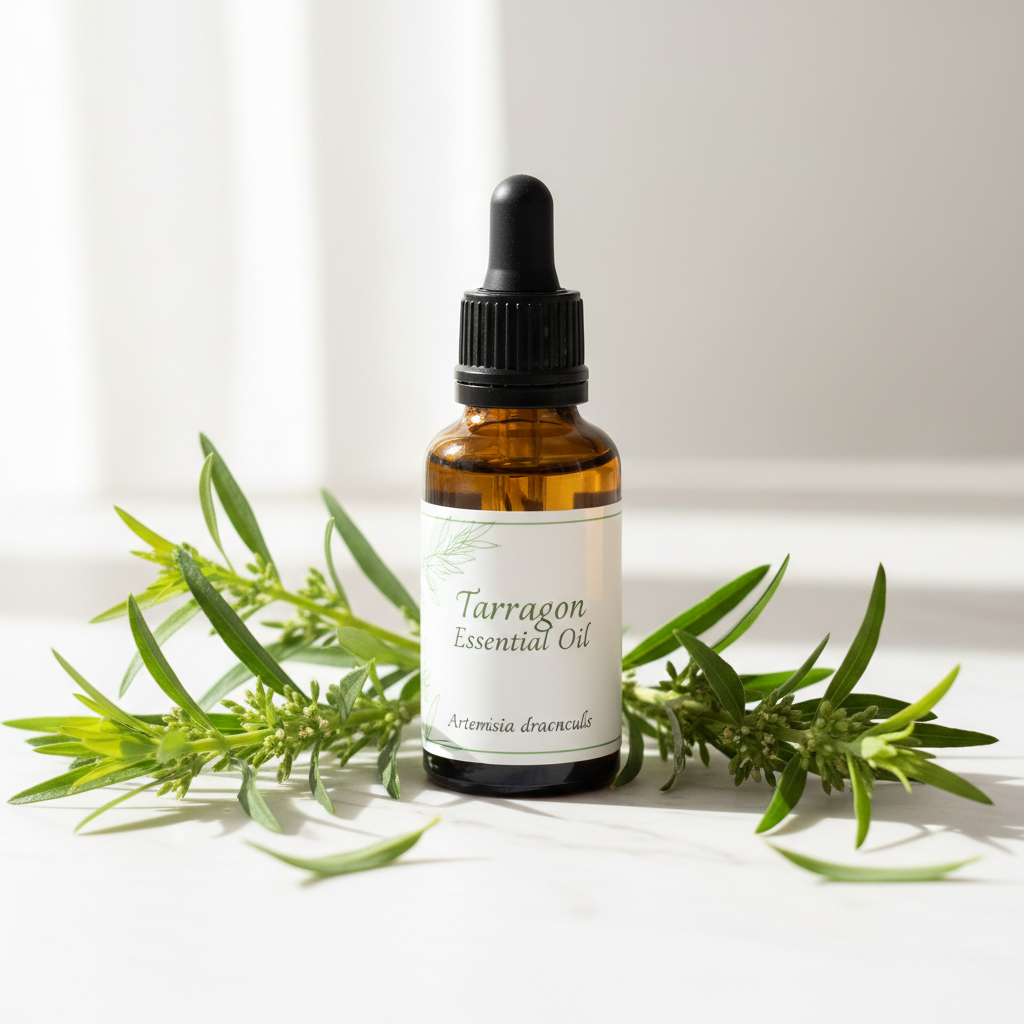
Tarragon Essential Oil
Artemisia dracunculus
### Tarragon Essential Oil: Comprehensive Guide #### Origin and Extraction Method Tarragon essential oil is derived from the leaves of the plant ***Artemisia dracunculus***, commonly known as tarragon. This aromatic herb is native to Eurasia but is now cultivated worldwide. The essential oil is extracted using **steam distillation**, a method that captures the plant's volatile compounds without compromising their natural qualities. During this process, steam passes through the plant material, vaporizing the essential oil, which is then condensed back into liquid form. This extraction method is favored for its ability to retain the aromatic and therapeutic properties of tarragon. #### Botanical Information Tarragon belongs to the **Asteraceae family** and is characterized by its long, slender leaves and distinctive flavor reminiscent of anise. The plant can grow up to 1 meter tall and typically flourishes in temperate climates. It is often used both in culinary applications and in traditional medicine, embodying a dual purpose that enhances its usefulness. #### Therapeutic Properties and Benefits Tarragon essential oil is reputed for its diverse therapeutic properties. Here are some of the key benefits: - **Digestive Aid**: It is known to stimulate appetite and improve digestion by easing gastrointestinal discomfort. - **Calming Effects**: Its soothing aroma makes it an excellent choice for promoting relaxation and reducing stress levels. - **Mood Enhancer**: The oil can positively influence mood, helping to alleviate feelings of anxiety and emotional imbalance. - **Cognitive Support**: Tarragon is believed to enhance mental clarity and cognitive functions, sharpening focus and concentration. - **Nervine Properties**: As a natural nervine, it helps support the nervous system, providing comfort during challenging times. - **Pain Relief**: Topical application may deliver relief from minor aches and pains due to its anti-inflammatory properties. - **Respiratory Support**: Inhalation of the oil can help ease respiratory discomfort, making it a helpful companion during allergy season. - **Muscle Relaxation**: Used in massage blends, tarragon oil may aid in relaxing tense muscles. - **Skin Health**: It possesses antiseptic qualities that can assist with minor skin irritations and blemishes when diluted in a carrier oil. #### Historical and Traditional Uses Historically, tarragon has been used for centuries in culinary practices, particularly within French cuisine, where it is prized for its culinary value. Traditional healers have utilized tarragon to treat various ailments, from digestive issues to stress relief. It's also steeped in folk medicine, where tarragon tea was consumed for its calming effects. #### Scientific Facts and Research Recent studies support some traditional claims surrounding tarragon's benefits. Research indicates that the oil contains compounds like ***estragole*** and ***methyleugenol*** which contribute to its therapeutic effects. These compounds exhibit significant antimicrobial and anti-inflammatory properties, supporting its use in holistic health practices. However, caution is advised as high doses of certain constituents can have adverse effects, thus moderation is key. #### Aroma Profile and Characteristics Tarragon essential oil boasts a warm, herbaceous aroma with a hint of sweetness and anise. Its distinctive scent makes it a delightful addition to aromatherapy blends, enhancing mood and promoting relaxation. When diffused, it creates a serene atmosphere well-suited for unwinding after a long day. #### Common Applications and Methods - **Aromatherapy**: Diffuse in your space to promote emotional well-being. - **Massage Oils**: Combine with a carrier oil for a soothing massage to relieve muscle tension. - **Skincare**: Dilute with a carrier oil for topical application on affected areas to support skin health. - **Culinary Uses**: While primarily available as an essential oil, tarragon can also be used to flavor dishes, though it should be used sparingly due to its potent flavor. #### Interesting Facts and Trivia - Tarragon is often referred to as the “king of herbs” in French cooking due to its flavor profile. - It has been suggested that tarragon can help improve sleep quality, making it a versatile herb for wellness enthusiasts. - The plant’s popularity grew in the 15th and 16th centuries, leading to its cultivation across Europe and into the United States. In conclusion, tarragon essential oil exemplifies the intersection of culinary arts and holistic wellness. Its broad spectrum of benefits, rich aroma, and historical significance make it a valuable addition to any essential oil collection.
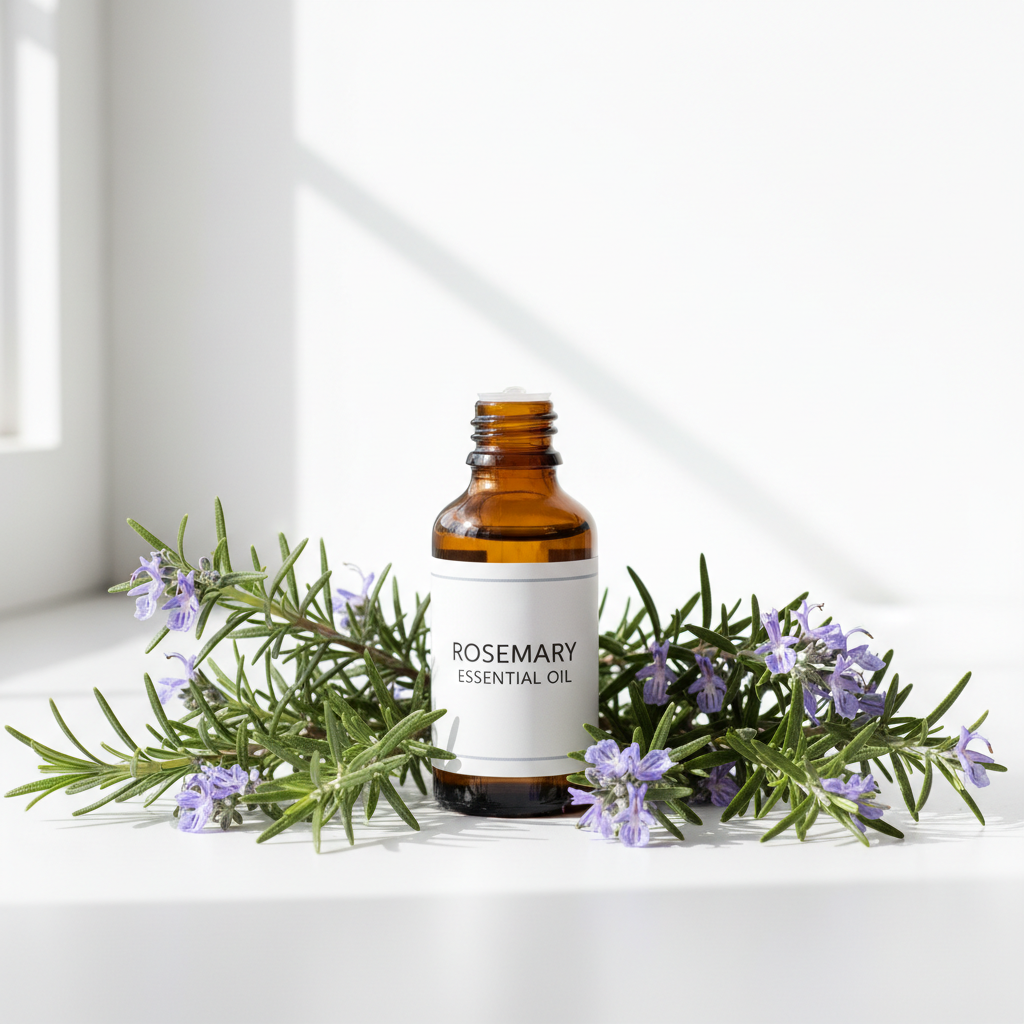
Rosemary Essential Oil
Rosmarinus officinalis
Rosemary essential oil is derived from the flowering tops of the Rosmarinus officinalis plant, a perennial herb native to the Mediterranean regions. This aromatic oil has been utilized for centuries, both for its invigorating scent and its numerous therapeutic benefits, making it a staple in aromatherapy and natural health practices. **Origin and Extraction Method** The name "rosemary" is derived from the Latin phrase "ros marinus," which translates to "dew of the sea," hinting at its coastal origins. The essential oil is extracted through steam distillation, a method that helps preserve the oil's potent properties and aromatic compounds. This process involves passing steam through the plant material, which creates vapor that is then condensed back into liquid form, releasing the essential oil. **Botanical Information** Rosmarinus officinalis belongs to the Lamiaceae family, which includes herbs like mint and basil. The plant features needle-like leaves and small blue or white flowers, and it grows best in well-drained soil and sunny conditions. Rich in phytochemicals, rosemary contains compounds like camphor, 1,8-cineole, and rosmarinic acid, contributing to its unique aroma and health benefits. **Therapeutic Properties and Benefits** Rosemary essential oil is known for its medicinal properties, including: - **Cognitive Enhancement**: Known to improve mental clarity and enhance memory, rosemary is often used in study settings to help increase focus and cognitive performance. - **Mood Upliftment**: The oil is believed to alleviate feelings of stress, fatigue, and anxiety, promoting an uplifted spirit and improved concentration. - **Physical Health**: Rosemary oil has been shown to improve circulation, which enhances energy levels and vitality. Additionally, it may help support respiratory health by alleviating congestion and promoting better breathing. - **Pain Relief**: When applied topically, rosemary oil can reduce muscle tension and alleviate joint pain, thanks to its anti-inflammatory properties. - **Hair Care**: As a natural stimulant for hair follicles, rosemary essential oil is commonly used in hair care products to promote hair growth and improve overall scalp health. **Historical and Traditional Uses** Historically, rosemary has been a symbol of fidelity and remembrance, often used in wedding ceremonies and memorials. In ancient Rome and Greece, rosemary was associated with memory and was believed to enhance intellectual capabilities. Traditional herbalists have used rosemary not only as a culinary herb but also as a remedy for various ailments, including digestive issues and headaches. **Scientific Facts and Research** Recent scientific studies have supported many of rosemary’s traditional uses. Research has demonstrated its effectiveness in improving memory retention and cognitive performance, as well as its potential in reducing anxiety-related symptoms. The antimicrobial properties of rosemary oil have also been noted, making it useful in combatting common colds and flu. **Aroma Profile and Characteristics** The aroma of rosemary essential oil is fresh, herbaceous, and slightly camphoraceous. It is often described as invigorating and energizing, making it a popular choice in diffusers and personal care products. **Common Applications and Methods** Rosemary essential oil can be used in a variety of ways: - **Diffusion**: Adding a few drops to a diffuser helps purify the air and boost mood. - **Topical Application**: Mixed with a carrier oil, it can be massaged into the skin to relieve muscle tension or improve scalp health. - **Cooking**: Used in moderation, rosemary oil can enhance the flavor of dishes. **Interesting Facts and Trivia** - Rosemary is often referred to as the "herb of remembrance" and has been used in traditional medicine across various cultures. - In medieval times, rosemary was burned as incense to purify spaces and enhance the atmosphere during gatherings. - It is believed that the essential oil can help prevent cognitive decline as one ages, making it a unique ally in holistic health practices. In conclusion, rosemary essential oil is not only a versatile ingredient in cooking but also a powerful ally in holistic health. Its invigorating scent and therapeutic benefits make it a valuable addition to anyone's wellness routine. Whether you are looking to enhance your memory, reduce stress, or support your hair health, rosemary essential oil stands out as a remarkable natural remedy.
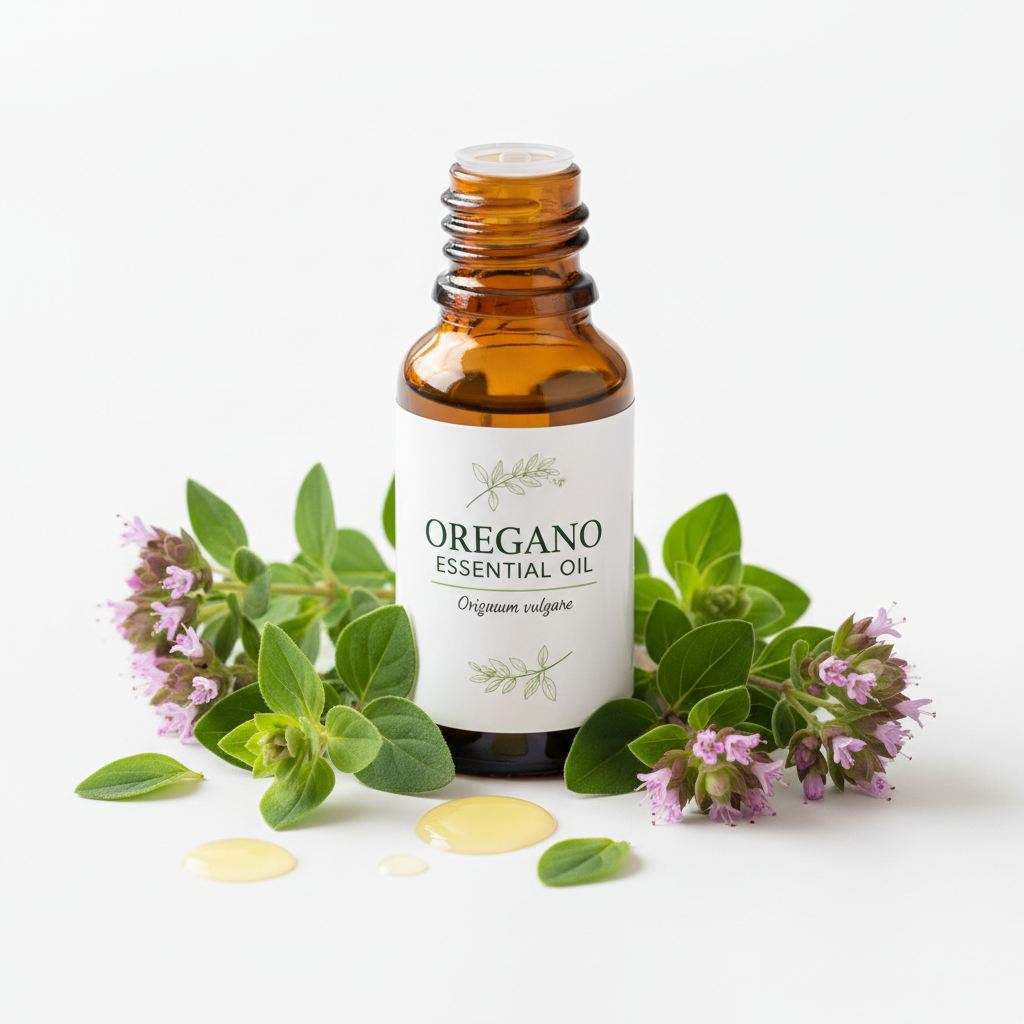
Oregano Essential Oil
Origanum vulgare
### Oregano Essential Oil: Extraction, Benefits, and Uses Oregano Essential Oil, derived from the leaves and flowering tops of the **Origanum vulgare** plant, has been cherished for centuries due to its extensive therapeutic properties and culinary uses, particularly within Mediterranean cuisine. This oil carries with it a rich history, having been utilized in traditional medicine for its remarkable health benefits. #### Origin and Extraction Method The **Origanum vulgare** plant, belonging to the mint family, is native to Europe but is now cultivated in various parts of the world, including the Mediterranean, Asia, and North America. The extraction of Oregano Essential Oil is achieved through **steam distillation** of the plant material, which effectively captures the oil's potent aroma and therapeutic benefits. During this process, the heat and steam help to release the oil from the plant's cells, resulting in a high-quality essential oil that retains its natural constituents. #### Botanical Information Botanically, Oregano is categorized under the **Lamiaceae** family, which includes other aromatic herbs like mint, basil, and thyme. The active compounds in oregano oil include **carvacrol** and **thymol**, which contribute to its impressive antimicrobial and antioxidant properties. With a warm, herbaceous, and slightly spicy aroma, Oregano Essential Oil is both invigorating and comforting, enhancing its appeal for various applications. #### Therapeutic Properties and Benefits Oregano Essential Oil is renowned for its numerous health benefits, which are supported by both historical applications and recent scientific research. Here are some of the key therapeutic properties: - **Antimicrobial**: Oregano oil has been found to combat bacteria, fungi, and viruses, making it a natural choice for maintaining health and preventing infections. - **Antioxidant**: The oil is rich in antioxidants, which help to neutralize free radicals in the body, thereby supporting overall health and wellness. - **Anti-inflammatory**: Oregano Essential Oil has potent anti-inflammatory effects that can assist in reducing inflammation and pain within the body. #### Historical and Traditional Uses Historically, Oregano was used by ancient Greeks and Romans not only for culinary purposes but also for its medicinal properties. It was believed to promote good health and was commonly used in herbal remedies. Ancient cultures often used oregano for its digestive benefits, and it was applied to wounds for its antimicrobial effects. #### Scientific Facts and Research Recent studies have validated many of the traditional uses of Oregano Essential Oil. Research has shown that the oil's constituent, **carvacrol**, exhibits potent antibacterial properties against various pathogens. Additionally, studies indicate that oregano oil may enhance respiratory function, offering relief from colds and respiratory infections. #### Aroma Profile and Characteristics With its warm, spicy, and herbaceous scent, Oregano Essential Oil provides an uplifting aroma that can invigorate the environment. The scent is not only pleasing but also possesses emotional benefits, including improved focus and stress relief. #### Common Applications and Methods Oregano Essential Oil can be utilized in a variety of ways: - **Aromatherapy**: Diffusing oregano oil in the air can enhance mood and promote emotional well-being. - **Topical Application**: Diluted with a carrier oil, Oregano Essential Oil can be applied to the skin for muscle relief or to support skin health, especially in treating acne or minor infections. - **Culinary Uses**: Oregano oil can be added to meals for flavor as well as its health benefits, although its strong potency necessitates caution in usage. #### Interesting Facts and Trivia - Oregano means "joy of the mountain" in Greek, reflecting its native habitat. - Ancient Greeks used oregano in their bath to promote relaxation and seduction. - Oregano is also a natural pesticide due to its antimicrobial properties, helping to protect gardens from harmful insects. In conclusion, Oregano Essential Oil is a multifaceted oil that serves not only culinary enthusiasts but also those seeking natural remedies for health and well-being. Its impressive array of benefits, along with its delightful aroma, makes it a staple in both households and medicine cabinets alike.
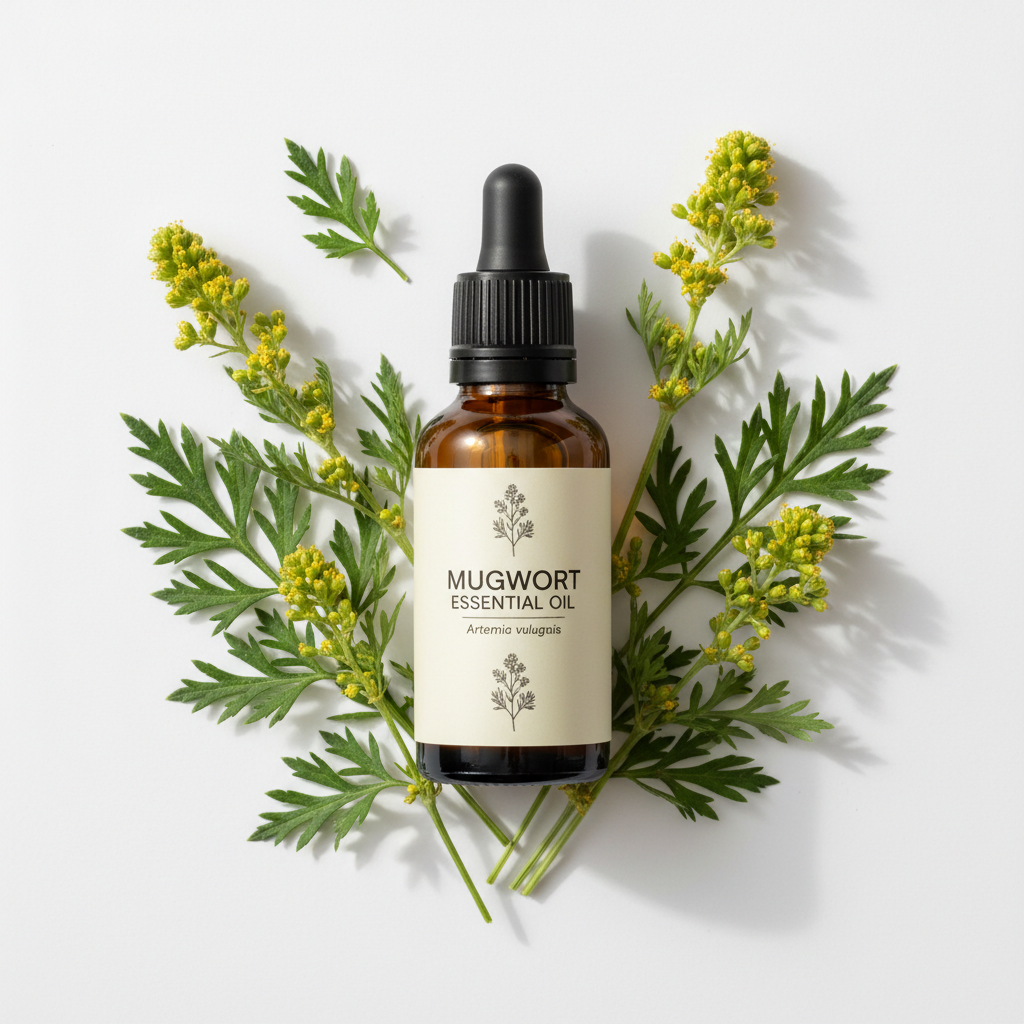
Mugwort Essential Oil
Artemisia vulgaris
## Mugwort Essential Oil: Properties, Uses, and Benefits Mugwort essential oil, derived from the leaves and flowering tops of the **Artemisia vulgaris** plant, is steeped in history, with roots in both culinary and medicinal traditions. Known for its calming and soothing properties, this essential oil has been utilized for centuries across various cultures, celebrated not just for its health benefits but also for its enchanting aroma and intriguing qualities. ### Origin and Extraction Method Mugwort essential oil is primarily extracted through **steam distillation**. The leaves and flowering tops of the plant are harvested at peak oil concentration, usually just before flowering. Artemisia vulgaris is native to Europe, Asia, and North Africa, and it grows abundantly in various climates. This aromatic plant has long been associated with divination, protection, and even culinary uses in European dishes. ### Botanical Information Mugwort is a perennial herb that showcases feathery, dark green leaves and small, clustered flowers that bloom in late summer. Its botanical family is Asteraceae, which includes many well-known herbs. Known by various names globally, including **wormwood** and **common mugwort**, this plant carries a rich tradition in herbal medicine and folklore. ### Therapeutic Properties and Benefits Mugwort essential oil is renowned for its therapeutic qualities: - **Enhances Dream Recall**: Many enthusiasts use Mugwort oil in dreamwork, claiming it aids in vivid dreams and supports lucid dreaming. - **Reduces Stress**: Known for its calming effects, the oil may promote relaxation and alleviate stress and tension. - **Supports Emotional Balance**: This oil can assist in achieving emotional clarity and stability, making it a favorite among individuals seeking mental well-being. - **Encourages Creativity**: Users often report that Mugwort opens the mind to new ideas and inspirations, beneficial for artists and creatives. - **Fosters a Sense of Grounding**: It is believed to help individuals feel centered and connected, enhancing mindfulness practices. - **Headache Relief**: Inhalation of Mugwort oil may alleviate headaches and migraines. - **Respiratory Support**: The oil can promote easier breathing, benefiting those with respiratory issues. - **Gynecological Health**: It's also noted for relieving menstrual discomfort and issues related to women's reproductive health. - **Nausea Relief**: Inhalation can help reduce feelings of nausea. - **Improves Circulation**: Enhancing blood circulation can lead to elevated energy levels, vital for overall health. ### Historical and Traditional Uses Traditionally, Mugwort has been used in various cultures, from ancient Rome where it was considered a sacred herb, to its role in Chinese medicine for its potent healing properties. Throughout the Middle Ages, it was often used as a protective charm and was believed to ward off evil spirits. In culinary traditions, it has been used to flavor beers and dishes, showcasing its versatility. ### Aroma Profile and Characteristics Mugwort essential oil possesses a unique **aroma profile** that is often described as warm, herbaceous, and slightly sweet, with earthy undertones. The complexity of its scent makes it a cherished addition to aromatherapy practices, often blended with other oils to enhance the experience. Users enjoy its grounding qualities, which contribute to a calming atmosphere during meditation or relaxation sessions. ### Common Applications and Methods Mugwort essential oil can be utilized in various ways: - **Diffusion**: Add a few drops to an essential oil diffuser to create a calming environment. This can be particularly effective before sleep. - **Topical Application**: Diluted with a carrier oil, it can be applied to the skin to alleviate localized discomfort. - **Baths**: A drop or two in your bathwater can provide relaxation and enhance the bathing experience. - **Inhalation**: Inhale directly or use a steam inhalation to enjoy its therapeutic benefits. ### Interesting Facts and Trivia - Historically, Mugwort was called "dream herb" due to its association with dreams. Some cultures even used it during rituals to enhance prophetic dreams. - Its name, "mugwort," derives from the Old English "mucgwyrt," which means "mugwort," emphasizing its culinary uses. - Archaeological studies indicate that Mugwort may have been used in ancient brewing processes, hinting at its lengthy history in herbal applications. In conclusion, Mugwort essential oil is an excellent addition to any essential oil collection, offering multiple therapeutic benefits and a fascinating history. Whether you're seeking relaxation, emotional balance, or creative inspiration, this oil is a powerful ally in promoting overall wellness.