Search
Found 24 results for "immunity"
Essential Oils
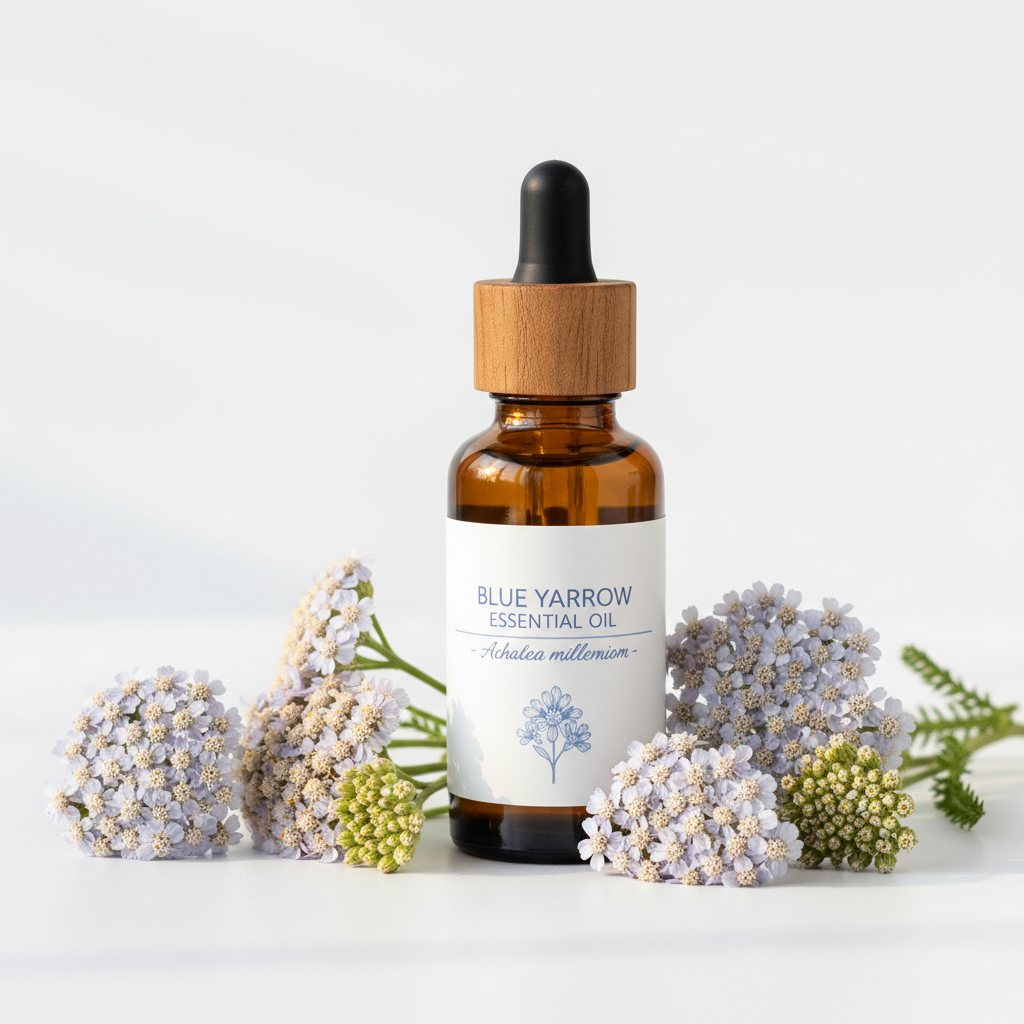
Blue Yarrow Essential Oil
Achillea millefolium
### Introduction to Blue Yarrow Essential Oil Blue Yarrow Essential Oil, extracted from the flowering tops of the Achillea millefolium plant, is a powerful and versatile oil in the world of aromatherapy and holistic health. Known for its vibrant blue color and rich therapeutic properties, this essential oil has been celebrated for centuries for its healing abilities. In this guide, we will delve into the origin, extraction methods, benefits, and applications of Blue Yarrow Essential Oil, providing a comprehensive understanding for those looking to incorporate it into their wellness routine. ### Origin and Extraction Method The plant Achillea millefolium, commonly known as yarrow, is native to Europe and Asia but is now found in many temperate regions worldwide. Blue Yarrow Essential Oil is derived through the steam distillation method, which involves passing steam through the plant material to vaporize the volatile compounds. This not only preserves the oil's beneficial properties but also captures its unique aroma. The result is a potent and aromatic essential oil that retains the essence of this remarkable plant. ### Botanical Information Blue Yarrow belongs to the Asteraceae family and features finely dissected leaves and clustered flower heads, typically appearing in shades of yellow, pink, and white. The essential oil’s characteristic blue color is due to the presence of chamazulene, a compound that contributes to its anti-inflammatory and soothing properties. Botanical studies indicate that yarrow has been used since antiquity, with references found in ancient texts by Hippocrates and Dioscorides. ### Therapeutic Properties and Benefits Blue Yarrow Essential Oil is renowned for its numerous therapeutic benefits, including: - **Anti-inflammatory**: Helps reduce inflammation in the body, making it useful for various inflammatory conditions. - **Antiseptic**: Possesses natural antiseptic properties, promoting wound healing and preventing infection when applied topically. - **Relaxant**: Acts as a natural relaxant, helping to soothe anxiety, stress, and emotional tension. - **Circulatory Aid**: Improves circulation, making it beneficial for those suffering from cold hands and feet or circulatory issues. - **Digestive Support**: Traditionally used to ease digestive complaints and enhance appetite. ### Historical and Traditional Uses Historically, Blue Yarrow was employed by various cultures for its impressive healing capabilities. Native Americans utilized it as a protective herb and for treating wounds, while soldiers carried it into battle as a wound herb. In ancient times, yarrow leaves were often used to treat fevers and intestinal issues, reflecting its historical significance in herbal medicine. ### Scientific Facts and Research Recent studies have confirmed many of the traditional uses of Blue Yarrow Essential Oil. Research highlights its potential as an anti-inflammatory agent, demonstrating its efficacy against inflammatory cytokines in vitro. Additionally, its antioxidant properties are gaining attention, showcasing the oil's ability to combat oxidative stress in cells. ### Aroma Profile and Characteristics Blue Yarrow Essential Oil has a unique and complex aroma, featuring herbal, floral, and slightly sweet notes. Its taste is often described as fresh and green, which makes it an appealing choice for those looking to enhance their home environment with uplifting scents. Its aroma profile can contribute to mood enhancement and create a calming atmosphere during meditation or yoga practices. ### Common Applications and Methods There are numerous ways to use Blue Yarrow Essential Oil effectively: - **Aromatherapy**: Diffuse the oil in your home to create a soothing environment. - **Topical Use**: Dilute with a carrier oil and apply to affected areas for skin issues or muscle tension. - **Bathing**: Add a few drops to your bathwater for an invigorating and relaxing experience. - **Massage**: Blend with a carrier oil for a calming massage that helps relieve stress and muscle tightness. ### Interesting Facts and Trivia - Blue Yarrow is often called "soldier's woundwort" due to its historical use in treating injuries on the battlefield. - Chamazulene, the component responsible for the blue color, also contributes to its powerful anti-inflammatory effects. ### Conclusion Blue Yarrow Essential Oil is not just another essential oil; it is a multifaceted tool for emotional and physical wellness. With its rich history, therapeutic properties, and diverse applications, it deserves a place in every holistic health toolkit. Whether used in aromatherapy, topical treatments, or baths, Blue Yarrow connects us to herbal traditions while offering modern-day benefits.
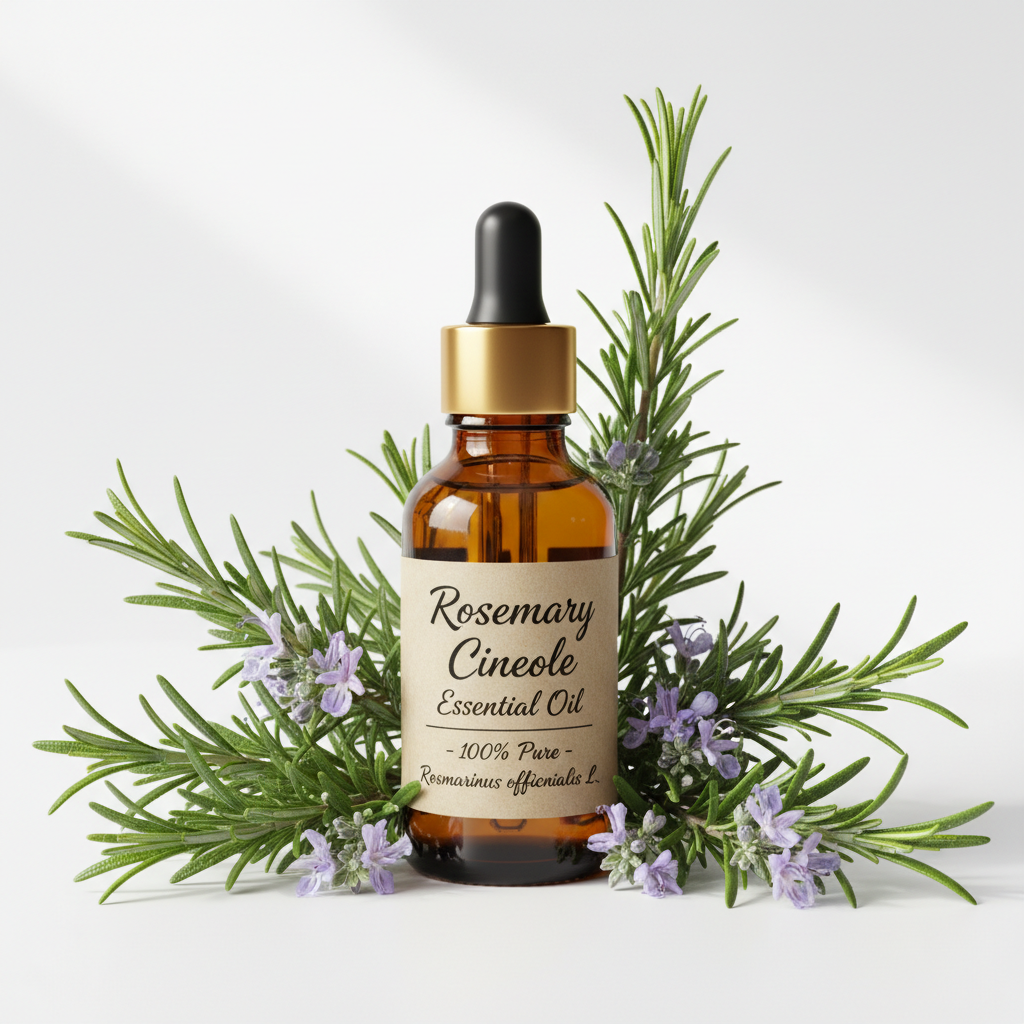
Rosemary Cineole Essential Oil
Rosmarinus officinalis L.
### Rosemary Essential Oil: A Comprehensive Guide #### Introduction Rosemary essential oil, derived from the leaves and flowering tops of the *Rosmarinus officinalis* plant, is a powerful essential oil celebrated for its diverse therapeutic benefits and rich aromatic profile. This versatile oil has found its way into aromatherapy, beautification, and culinary applications due to its blend of invigorating scents and health-promoting properties. #### Origin and Extraction Method Originating from the Mediterranean region, rosemary has been cherished since antiquity. The primary extraction method—steam distillation—enhances the preservation of its natural compounds. During this process, steam passes through the plant material, allowing the essential oil to be captured and condensed, creating a high-quality oil that retains the plant’s essence. This method ensures a potent aromatherapy experience and allows users to reap the full benefits of the oil’s chemical constituents. #### Botanical Information Rosemary is a robust perennial herb and a member of the Lamiaceae family, known for its needle-like leaves and small pale blue flowers. It flourishes in warm, sunny, and well-drained environments, typically found in Mediterranean climates. **Key constituents** of rosemary essential oil include alpha-pinene, camphor, and 1,8-cineole, each contributing distinct therapeutic properties and aroma. #### Therapeutic Properties and Benefits 1. **Enhances Concentration**: Rosemary essential oil is renowned for improving mental clarity and focus. Its invigorating scent stimulates brain activity, essential for studies and workplaces, increasing productivity. 2. **Mood Booster**: The uplifting aroma helps alleviate stress and anxiety, promoting a more positive outlook. Diffusing the oil can transform a tense atmosphere into a calming sanctuary. 3. **Mental Refreshment**: Effective against mental fatigue, rosemary oil provides a refreshing energy boost, sharpening mental acuity crucial during taxing periods. 4. **Supports Respiratory Health**: Its expectorant properties help relieve nasal congestion and support healthy respiratory function, making it invaluable in cold seasons. 5. **Promotes Hair Health**: In the beauty world, rosemary oil is popularly celebrated for stimulating hair follicles, contributing to scalp health, and preventing dandruff when included in hair care products. 6. **Relieves Muscle Tension**: Often used in massage oil blends, rosemary oil soothes sore muscles and alleviates tension due to its analgesic effects. 7. **Supports Immune Function**: Its inherent antimicrobial properties boost the body’s defenses against pathogens, making rosemary essential oil valuable in wellness regimes. #### Historical and Traditional Uses Rosemary has a rich history as a medicinal herb. Ancient Greeks and Romans incorporated it into rituals and utilized it as a culinary spice. In folk medicine, rosemary essential oil has been valued for its antiviral and anti-inflammatory properties; historically symbolizing remembrance and fidelity, it is often used in wedding ceremonies and funerals. #### Aroma Profile and Characteristics Rosemary essential oil features a fresh, herbaceous, and slightly woody aroma, reminiscent of a sun-drenched herb garden. This vibrant fragrance stimulates the mind and soothes the spirit, making it a favored choice for spaces dedicated to meditation and relaxation practices. #### Common Applications and Methods - **Diffusion**: Add a few drops of rosemary essential oil to a diffuser to fill your space with an invigorating and rejuvenating atmosphere. - **Topical Use**: When mixed with a carrier oil, rosemary oil can be applied to the skin to relieve muscle pain or promote scalp health. - **Inhalation**: Simply inhaling rosemary oil directly from the bottle or via a personal inhaler can provide immediate mental clarity. #### Interesting Facts and Trivia - Ancient Greeks burned rosemary to enhance memory, giving rise to the phrase "rosemary for remembrance." - Rosemary plants can live for over 30 years, symbolizing longevity, fidelity, and resilience. #### Conclusion Rosemary essential oil is an enriching addition to any wellness and beauty regimen. Its captivating aroma, coupled with its extensive therapeutic properties, positions it as a vital component in holistic health practices. Whether you wish to enhance your cognitive function, uplift your mood, or improve your hair health, rosemary essential oil is an impressive and versatile option worth incorporating into your lifestyle.

Oregano Essential Oil
Origanum vulgare
### Oregano Essential Oil: Extraction, Benefits, and Uses Oregano Essential Oil, derived from the leaves and flowering tops of the **Origanum vulgare** plant, has been cherished for centuries due to its extensive therapeutic properties and culinary uses, particularly within Mediterranean cuisine. This oil carries with it a rich history, having been utilized in traditional medicine for its remarkable health benefits. #### Origin and Extraction Method The **Origanum vulgare** plant, belonging to the mint family, is native to Europe but is now cultivated in various parts of the world, including the Mediterranean, Asia, and North America. The extraction of Oregano Essential Oil is achieved through **steam distillation** of the plant material, which effectively captures the oil's potent aroma and therapeutic benefits. During this process, the heat and steam help to release the oil from the plant's cells, resulting in a high-quality essential oil that retains its natural constituents. #### Botanical Information Botanically, Oregano is categorized under the **Lamiaceae** family, which includes other aromatic herbs like mint, basil, and thyme. The active compounds in oregano oil include **carvacrol** and **thymol**, which contribute to its impressive antimicrobial and antioxidant properties. With a warm, herbaceous, and slightly spicy aroma, Oregano Essential Oil is both invigorating and comforting, enhancing its appeal for various applications. #### Therapeutic Properties and Benefits Oregano Essential Oil is renowned for its numerous health benefits, which are supported by both historical applications and recent scientific research. Here are some of the key therapeutic properties: - **Antimicrobial**: Oregano oil has been found to combat bacteria, fungi, and viruses, making it a natural choice for maintaining health and preventing infections. - **Antioxidant**: The oil is rich in antioxidants, which help to neutralize free radicals in the body, thereby supporting overall health and wellness. - **Anti-inflammatory**: Oregano Essential Oil has potent anti-inflammatory effects that can assist in reducing inflammation and pain within the body. #### Historical and Traditional Uses Historically, Oregano was used by ancient Greeks and Romans not only for culinary purposes but also for its medicinal properties. It was believed to promote good health and was commonly used in herbal remedies. Ancient cultures often used oregano for its digestive benefits, and it was applied to wounds for its antimicrobial effects. #### Scientific Facts and Research Recent studies have validated many of the traditional uses of Oregano Essential Oil. Research has shown that the oil's constituent, **carvacrol**, exhibits potent antibacterial properties against various pathogens. Additionally, studies indicate that oregano oil may enhance respiratory function, offering relief from colds and respiratory infections. #### Aroma Profile and Characteristics With its warm, spicy, and herbaceous scent, Oregano Essential Oil provides an uplifting aroma that can invigorate the environment. The scent is not only pleasing but also possesses emotional benefits, including improved focus and stress relief. #### Common Applications and Methods Oregano Essential Oil can be utilized in a variety of ways: - **Aromatherapy**: Diffusing oregano oil in the air can enhance mood and promote emotional well-being. - **Topical Application**: Diluted with a carrier oil, Oregano Essential Oil can be applied to the skin for muscle relief or to support skin health, especially in treating acne or minor infections. - **Culinary Uses**: Oregano oil can be added to meals for flavor as well as its health benefits, although its strong potency necessitates caution in usage. #### Interesting Facts and Trivia - Oregano means "joy of the mountain" in Greek, reflecting its native habitat. - Ancient Greeks used oregano in their bath to promote relaxation and seduction. - Oregano is also a natural pesticide due to its antimicrobial properties, helping to protect gardens from harmful insects. In conclusion, Oregano Essential Oil is a multifaceted oil that serves not only culinary enthusiasts but also those seeking natural remedies for health and well-being. Its impressive array of benefits, along with its delightful aroma, makes it a staple in both households and medicine cabinets alike.
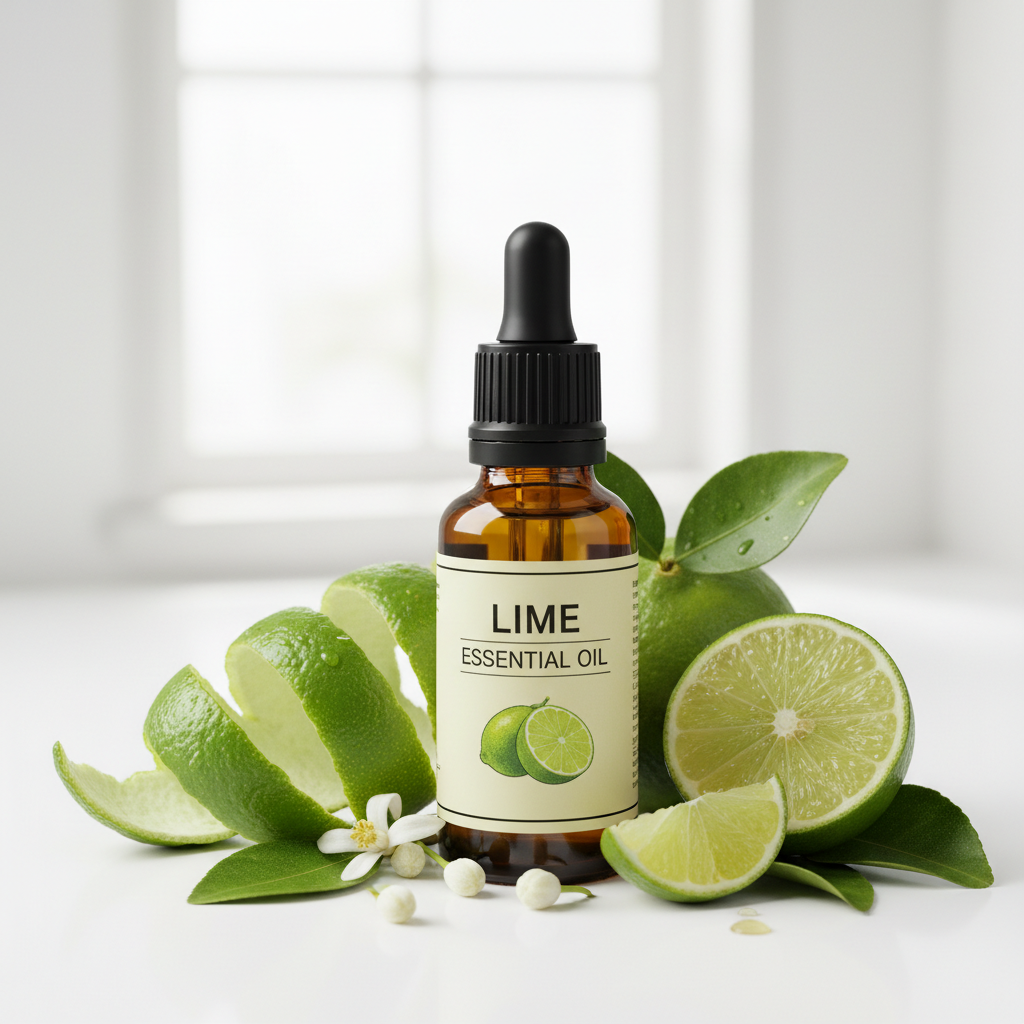
Lime Essential Oil
Citrus aurantifolia
Lime Essential Oil, derived from the fresh peels of the Citrus aurantifolia fruit, offers a multitude of health benefits and applications. Known for its vibrant and uplifting aroma, lime oil has been a staple in both traditional medicine and modern wellness practices. This essential oil is not just a fragrant addition to your space; it has therapeutic properties that promote overall well-being. ### Origin and Extraction Methods The extraction of Lime Essential Oil typically follows the cold-press method. This technique involves mechanically pressing the fresh lime peels to release the aromatic oils without the application of heat. This method preserves the oil's natural properties, ensuring a potent aroma that captures the essence of fresh limes. The primary regions producing lime oil include Mexico, the West Indies, and various parts of North America, with the key variety being the Persian or Tahiti lime. ### Botanical Information Lime belongs to the family Rutaceae and is a small citrus tree that produces small, round fruits filled with juicy, acidic flesh surrounded by a fragrant peel. The scientific classification of lime is Citrus aurantifolia, with the essential oil extracted primarily from the fruit's peel. ### Therapeutic Properties and Benefits Lime Essential Oil is well-regarded for its numerous health benefits. It possesses antifungal, antibacterial, and antiviral properties, making it helpful in combating infections. Its uplifting aroma is known to elevate mood and reduce feelings of anxiety and stress. In aromatherapy, lime oil is often used to stimulate the mind, boost energy, and increase alertness. Additionally, it can be effective in digestion support, as traditional uses suggest its capability to alleviate digestive discomfort. ### Historical and Traditional Uses Historically, lime oil has enjoyed a prominent place in both culinary and medicinal uses. Ancient cultures utilized lime for its stabilizing properties and flavor enhancement in dishes, particularly in Middle Eastern and Mediterranean cuisines. Additionally, it was used in traditional medicine to treat colds and flu symptoms, positioning it as a natural remedy across various cultures. ### Scientific Facts and Research Research highlights lime oil’s potential benefits, particularly its high antioxidant content and antimicrobial properties. Studies have indicated that components such as limonene and beta-pinene contribute significantly to these effects. Furthermore, aromatherapy studies demonstrate lime oil's effectiveness in reducing emotional distress and enhancing cognitive processing, solidifying its role in holistic health practices. ### Aroma Profile and Characteristics Lime Essential Oil features a bright, zesty, and fresh scent that invigorates the senses. Its citrusy aroma is sharp and crisp, making it highly sought after in fragrances and air fresheners. This oil pairs wonderfully with complementary scents like peppermint, eucalyptus, or orange, enhancing its refreshing quality. ### Common Applications and Methods Lime Essential Oil is versatile and can be used in various ways. In aromatherapy, it is commonly diffused to create an uplifting atmosphere. For topical applications, it can be combined with carrier oils for massage or added to skincare products. Additionally, lime oil can enhance culinary dishes or beverages, providing a refreshing twist. When using lime oil on the skin, it is essential to dilute it properly and perform a patch test to avoid potential irritation, especially since citrus oils can cause photosensitivity. ### Interesting Facts and Trivia Did you know lime is not just an ingredient in cocktails? It has been a favorite in aromatherapy and natural skincare for its cleansing and invigorating qualities. In traditional culture, limes were considered a source of vitality and youth, often referred to as a symbol of prosperity. The vibrant green hue of the fruit is also linked to freshness and rejuvenation. In conclusion, Lime Essential Oil is more than just a fragrant oil; it is a powerful ally in promoting health and well-being. From its captivating aroma to its numerous therapeutic benefits, lime oil is a must-have in any essential oil collection.

Copaiba Essential Oil
Copaifera officinalis
Copaiba essential oil, derived from the resin of the Copaifera officinalis tree, is a remarkable natural remedy indigenous to South America's Amazon Rainforest. Known for its therapeutic properties, this oil has become increasingly popular in aromatherapy and natural health practices. In this comprehensive guide, we will explore its origins, extraction methods, therapeutic benefits, and much more. **Origin and Extraction Method** Copaiba oil is extracted from the resin of the Copaifera officinalis tree, commonly found in Brazil, Peru, and Colombia. The extraction process involves drilling into the tree to collect the resin, which is then distilled to produce the essential oil. This method not only preserves the oil's beneficial properties but also ensures that the extraction process does not harm the tree, allowing for sustainable harvesting practices. **Botanical Information** Copaifera officinalis is a tall tree that can reach heights of over 150 feet. It features large, oval leaves that can grow up to 10 inches long, and its flowers are small, yellowish or white, blooming in clusters. The resin, which is the primary source of copaiba oil, is collected without killing the tree, making it a sustainable resource. **Therapeutic Properties and Benefits** Copaiba essential oil boasts a variety of therapeutic properties that make it a powerhouse in natural remedies. Some of its primary benefits include: - **Anti-inflammatory**: Copaiba oil is known to reduce inflammation, making it valuable for conditions such as arthritis and other chronic pain syndromes. - **Antimicrobial**: Research suggests that copaiba oil may possess antimicrobial qualities that help combat various pathogens. - **Analgesic**: This oil can alleviate pain when applied topically, providing relief for sore muscles and joints. - **Skin Healing**: Copaiba oil has properties that can soothe skin irritations, such as eczema and dermatitis, promoting overall skin health. **Historical and Traditional Uses** Historically, the indigenous peoples of the Amazon relied on copaiba oil for its healing properties, using it in traditional medicine for centuries. It was often employed to treat wounds, infections, and digestive issues. The oil was also used in rituals and ceremonies, highlighting its cultural significance. **Scientific Facts and Research** Recent studies have begun to validate the traditional uses of copaiba essential oil. Research indicates that the oil's active compounds, such as beta-caryophyllene, may have anti-inflammatory and analgesic effects. These findings support its employment in modern wellness practices and encourage further exploration into its medicinal uses. **Aroma Profile and Characteristics** Copaiba essential oil has a unique aroma, often described as warm, woody, and slightly sweet. It has a calming scent, making it an excellent choice for aromatherapy, particularly in calming blends aimed at promoting relaxation and reducing stress. **Common Applications and Methods** Copaiba oil can be used in various ways: - **Aromatherapy**: Diffuse the oil to create a serene environment or blend it with other essential oils, such as lavender, for enhanced relaxation. - **Topical Application**: Dilute copaiba oil with a carrier oil, like coconut or jojoba oil, before applying it to sore muscles, inflamed skin, or as part of your skincare routine. - **Inhalation**: Inhale directly from the bottle or add a few drops to a bowl of steaming water for respiratory benefits. **Interesting Facts and Trivia** - Copaiba oil is sometimes categorized with other tree resins, such as frankincense and myrrh, all known for their healing properties. - It is a non-toxic essential oil, making it safe for use in various applications. - The oil does not have the psychoactive effects associated with cannabis, even though it shares compounds such as beta-caryophyllene, making it a safe alternative for those seeking natural relief. In summary, copaiba essential oil is a profound natural remedy with a wealth of benefits. Its historical significance, combined with modern scientific validation and diverse applications, makes it an essential addition to any natural health enthusiast's collection. Whether used for its anti-inflammatory properties or simply enjoyed for its calming aroma, copaiba oil holds a vital place in the world of essential oils.
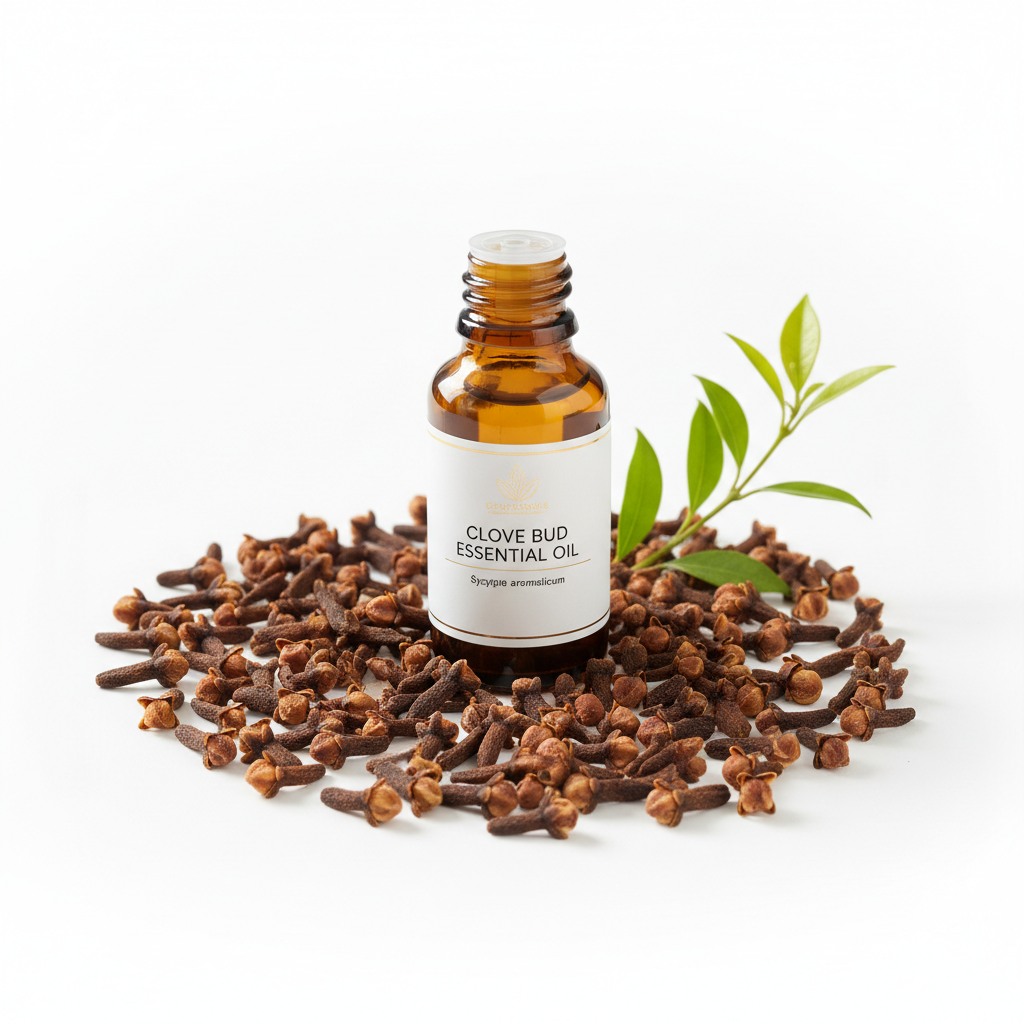
Clove Bud Essential Oil
Syzygium aromaticum
### Introduction to Clove Bud Essential Oil Clove Bud Essential Oil is derived from the flower buds of the **Syzygium aromaticum**, a tropical evergreen tree native to the Maluku Islands in Indonesia, also known as the Spice Islands. This essential oil is renowned for its rich, warm, and spicy aroma, making it highly valued in aromatherapy and natural health practices. Through steam distillation, the oil captures the essence of the clove buds, giving it potent therapeutic properties that have been cherished for centuries. ### Origin and Extraction Method The extraction of Clove Bud Essential Oil involves the meticulous process of harvesting the flower buds from the Syzygium aromaticum tree. Once harvested, these buds are dried and then subjected to steam distillation, a gentle method that preserves the oil’s potent aroma and benefits. This method has been practiced since ancient times, highlighting the historical significance of clove in the spice trade. ### Botanical Information Clove trees can grow up to 8-12 meters tall and have large leaves that are waxy and oval-shaped. The flower buds are small, pale green, and turn bright red when they bloom. Clove oil’s primary active component is **eugenol**, which constitutes around 80-90% of its chemical composition. Eugenol is responsible for many of the oil's therapeutic properties, including its anti-inflammatory and analgesic effects. ### Therapeutic Properties and Benefits Clove Bud Essential Oil is known for its impressive array of therapeutic benefits, making it a staple in holistic health: - **Stress Relief**: The warm, spicy aroma of clove oil can help soothe anxiety, promoting a calming effect on the mind and body. - **Cognitive Enhancement**: Clove oil has been shown to enhance focus and mental clarity, making it beneficial for studying or during tasks requiring concentration. - **Pain Relief**: The analgesic properties of clove oil make it effective for alleviating headaches, joint pain, and muscle discomfort when used in massage oils or compresses. - **Respiratory Health**: Clove oil can help clear the airways and is often included in blends for treating colds and respiratory issues due to its expectorant properties. - **Oral Health**: It is widely used in dental products because of its ability to combat oral infections, reduce inflammation, and freshen breath. - **Digestive Support**: Clove oil supports healthy digestion and can help alleviate nausea and gastrointestinal discomfort. ### Historical and Traditional Uses Historically, clove oil has played a significant role in various cultures. Ancient Egyptians used it in the embalming process, and it was highly sought-after during the Middle Ages, traded at a premium price. The essence of clove was also utilized in Traditional Chinese Medicine and Ayurveda for its medicinal properties, emphasizing its long-standing importance in health practices. ### Aroma Profile and Characteristics The aroma profile of Clove Bud Essential Oil is warm, spicy, and sweet, with a slightly woody undertone. Its scent is invigorating yet grounding, making it suitable for use in meditation and relaxation practices. In perfumery, it is often blended with other essential oils such as lavender, rosemary, and citrus oils to create balanced fragrances. ### Common Applications and Methods Clove oil can be used in various applications, including: - **Aromatherapy**: Diffusing clove oil in a diffuser can elevate mood and provide relaxation. - **Massage**: When diluted with a carrier oil, it can be used for therapeutic massages, targeting areas of pain or tension. - **Skincare**: As a natural antimicrobial, it can be added to skincare formulations targeting acne or inflammation. Always dilute before use on the skin to avoid irritation. - **Cleaning Products**: Its antimicrobial properties make clove oil a natural disinfectant, perfect for homemade cleaning solutions. ### Interesting Facts and Trivia 1. Clove oil has a long shelf life, making it a stable choice for long-term storage of essential oils. 2. The clove tree can take up to six years to produce its first flower buds, but once established, it continues to yield for many years. 3. Eugenol, the primary compound in clove oil, is also used in dentistry as a temporary analgesic and antiseptic. ### Conclusion Clove Bud Essential Oil is a remarkable oil that not only has a rich history and captivating aroma but also a multitude of health benefits. Whether utilized for therapeutic purposes, in skincare routines, or simply enjoyed for its scent, clove oil offers a versatile addition to any natural wellness practice.
