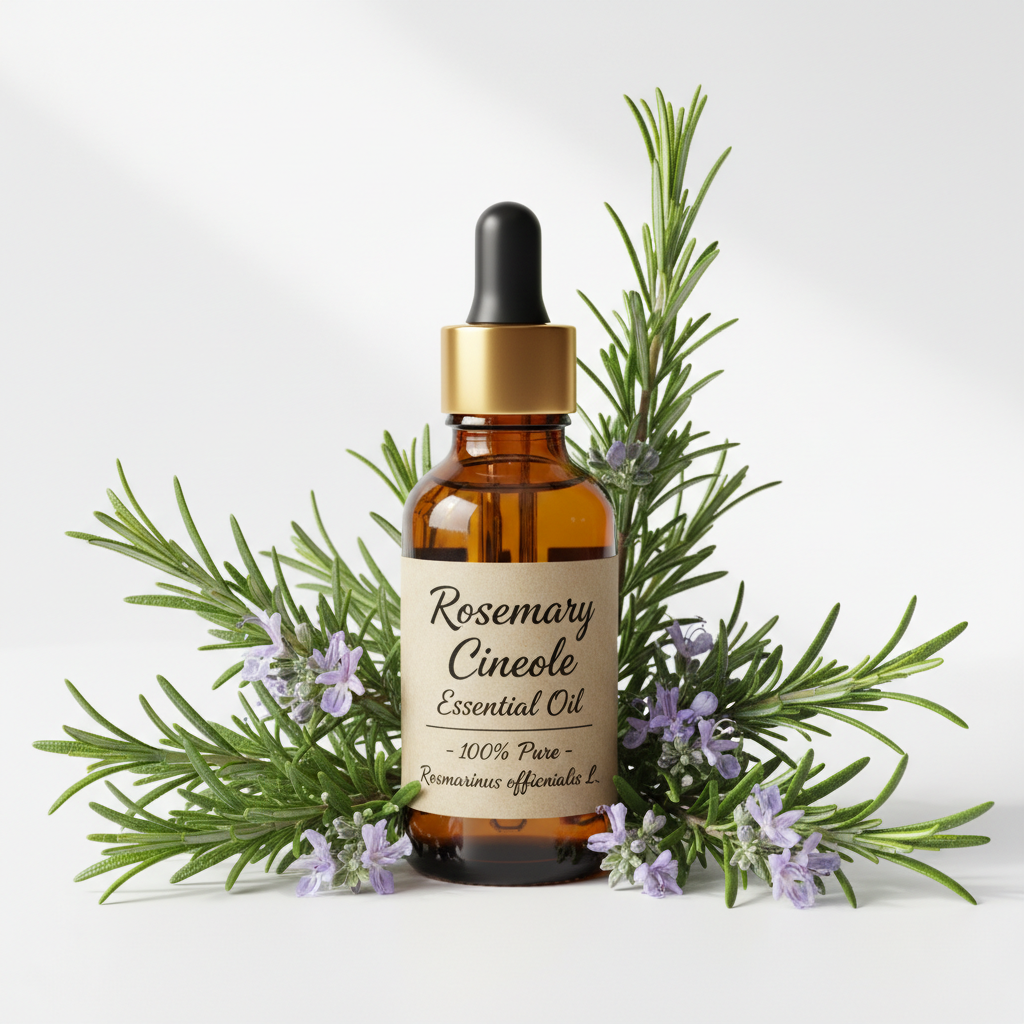
Rosemary Cineole Essential Oil
Rosmarinus officinalis L.
Plant Source
leaves and flowering tops
Scent Family
Herbal
"Explore the benefits, uses, and extraction of rosemary essential oil. Learn about its aroma, properties, and how it enhances wellness and beauty routines."
Rosemary Essential Oil: A Comprehensive Guide
Introduction
Rosemary essential oil, derived from the leaves and flowering tops of the Rosmarinus officinalis plant, is a powerful essential oil celebrated for its diverse therapeutic benefits and rich aromatic profile. This versatile oil has found its way into aromatherapy, beautification, and culinary applications due to its blend of invigorating scents and health-promoting properties.
Origin and Extraction Method
Originating from the Mediterranean region, rosemary has been cherished since antiquity. The primary extraction method—steam distillation—enhances the preservation of its natural compounds. During this process, steam passes through the plant material, allowing the essential oil to be captured and condensed, creating a high-quality oil that retains the plant’s essence. This method ensures a potent aromatherapy experience and allows users to reap the full benefits of the oil’s chemical constituents.
Botanical Information
Rosemary is a robust perennial herb and a member of the Lamiaceae family, known for its needle-like leaves and small pale blue flowers. It flourishes in warm, sunny, and well-drained environments, typically found in Mediterranean climates. Key constituents of rosemary essential oil include alpha-pinene, camphor, and 1,8-cineole, each contributing distinct therapeutic properties and aroma.
Therapeutic Properties and Benefits
- Enhances Concentration: Rosemary essential oil is renowned for improving mental clarity and focus. Its invigorating scent stimulates brain activity, essential for studies and workplaces, increasing productivity.
- Mood Booster: The uplifting aroma helps alleviate stress and anxiety, promoting a more positive outlook. Diffusing the oil can transform a tense atmosphere into a calming sanctuary.
- Mental Refreshment: Effective against mental fatigue, rosemary oil provides a refreshing energy boost, sharpening mental acuity crucial during taxing periods.
- Supports Respiratory Health: Its expectorant properties help relieve nasal congestion and support healthy respiratory function, making it invaluable in cold seasons.
- Promotes Hair Health: In the beauty world, rosemary oil is popularly celebrated for stimulating hair follicles, contributing to scalp health, and preventing dandruff when included in hair care products.
- Relieves Muscle Tension: Often used in massage oil blends, rosemary oil soothes sore muscles and alleviates tension due to its analgesic effects.
- Supports Immune Function: Its inherent antimicrobial properties boost the body’s defenses against pathogens, making rosemary essential oil valuable in wellness regimes.
Historical and Traditional Uses
Rosemary has a rich history as a medicinal herb. Ancient Greeks and Romans incorporated it into rituals and utilized it as a culinary spice. In folk medicine, rosemary essential oil has been valued for its antiviral and anti-inflammatory properties; historically symbolizing remembrance and fidelity, it is often used in wedding ceremonies and funerals.
Aroma Profile and Characteristics
Rosemary essential oil features a fresh, herbaceous, and slightly woody aroma, reminiscent of a sun-drenched herb garden. This vibrant fragrance stimulates the mind and soothes the spirit, making it a favored choice for spaces dedicated to meditation and relaxation practices.
Common Applications and Methods
- Diffusion: Add a few drops of rosemary essential oil to a diffuser to fill your space with an invigorating and rejuvenating atmosphere.
- Topical Use: When mixed with a carrier oil, rosemary oil can be applied to the skin to relieve muscle pain or promote scalp health.
- Inhalation: Simply inhaling rosemary oil directly from the bottle or via a personal inhaler can provide immediate mental clarity.
Interesting Facts and Trivia
- Ancient Greeks burned rosemary to enhance memory, giving rise to the phrase "rosemary for remembrance."
- Rosemary plants can live for over 30 years, symbolizing longevity, fidelity, and resilience.
Conclusion
Rosemary essential oil is an enriching addition to any wellness and beauty regimen. Its captivating aroma, coupled with its extensive therapeutic properties, positions it as a vital component in holistic health practices. Whether you wish to enhance your cognitive function, uplift your mood, or improve your hair health, rosemary essential oil is an impressive and versatile option worth incorporating into your lifestyle.
Ask AI About Rosemary Cineole Essential Oil
Get instant answers about this essential oil
Benefits & Uses
- Enhances Concentration: Helps to improve mental clarity and focus, benefiting study or work sessions.
- Mood Booster: Known for uplifting the spirit and reducing feelings of stress and anxiety, promoting a positive mood.
- Mental Refreshment: Aids in mental fatigue and lethargy, revitalizing mental energy during times of stress.
- Supports Respiratory Health: May help clear congestion and support breathing during colds.
- Promotes Hair Health: Can stimulate hair follicles and contribute to scalp health when added to hair care products.
- Relieves Muscle Tension: Used in massage blends to help ease sore muscles and tension in the body.
- Supports Immune Function: With its antimicrobial properties, may enhance immune response.
- Toner for Oily Skin: Can be used in facial toners to help balance oily complexions.
- Scalp Treatment: Used in hair care products to promote hair growth and soothe the scalp.
- Anti-Aging Blend: With anti-oxidative properties, it can be blended into serums to combat signs of aging.
- Acne Treatment: Due to its antimicrobial effects, it can assist in reducing acne breakouts when diluted properly.
- Air Freshener: Used in diffusers to purify and energize indoor air.
- Natural Insect Repellent: Can deter insects when added to homemade sprays or candles.
- Household Cleaner: Effective in DIY cleaners for its antimicrobial properties, promoting cleanliness.
- Laundry Freshener: Can be added to laundry for a fresh, herbal aroma.
How to Use
Diffuser
For small rooms, use 3-5 drops of Rosemary Cineole. For medium rooms, 5-8 drops, and for large spaces, 8-12 drops. Run the diffuser for 30-60 minutes, 2-3 times daily, preferably during work hours to enhance focus and energy.
Topical
For adults, dilute Rosemary Cineole essential oil to 2-3% (12-18 drops per ounce of carrier oil). For children, dilute to 0.5-1% (3-6 drops). For the elderly, use 1-2% (6-12 drops). Recommended carrier oils include jojoba or sweet almond oil. Apply to areas of tension or pulse points with gentle massage to aid absorption.
Inhalation
Direct inhalation can be done by placing 1-2 drops on a tissue and inhaling deeply, or adding 1-2 drops to cupped hands over the nose. For steam inhalation, add 2-3 drops to hot water and inhale the steam for 5-10 minutes. Personal inhalers can also be made by adding 5-10 drops to an inhaler stick.
Safety & Precautions
Always perform a patch test prior to topical application. Avoid sun exposure for 12 hours following topical use due to potential photosensitivity. Pregnant or nursing women, and those with epilepsy should consult healthcare providers before use. Store in a cool, dark place and ensure a tight cap to maintain potency. Shelf life is generally 2-3 years when stored properly.
Understanding the aromatic layers of Rosemary Cineole Essential Oil
Top Notes
Heart Notes
Base Notes
Scent Evolution
Top Notes: First impression, evaporate quickly (15-30 min)
Heart Notes: Main character, last 2-4 hours
Base Notes: Lasting foundation, linger for hours
Complementary essential oils that pair beautifully with Rosemary Cineole Essential Oil
Allspice Essential Oil
Pimenta dioica
✓enhanced aromatherapy benefits
Ammi Visnaga Essential Oil
Ammi visnaga
✓balanced scent profile
Amyris Essential Oil
Amyris balsamifera
✓traditional pairing in aromatherapy
Angelica Essential Oil
Angelica archangelica
✓complementary therapeutic properties
Angelica Root Essential Oil
Angelica archangelica
✓similar chemical compositions
Anise Essential Oil
Pimpinella anisum
✓traditional pairing in aromatherapy
Blending Tips
- • Start with 2-3 oils for simple blends
- • Use 3-5 drops total per 10ml carrier oil
- • Let blends sit for 24-48 hours to marry
- • Test on a small skin area first
Calculating for: Rosemary Cineole Essential Oil
Recommended: 2% | Max safe: 5%
29.57 ml
Your Recipe
0.59 ml
28.98 ml
💡 Dilution Tips
- • Always do a patch test before full application
- • Children and elderly need lower dilutions (1-2%)
- • Facial products should be gentle (0.5-1%)
- • 1 drop ≈ 0.05 ml (20 drops per ml)
- • Common carrier oils: fractionated coconut, jojoba, sweet almond
Related Recipes
DIY Acne Calming Gel Spot Treatment Recipe for Clear Skin
Explore our DIY acne calming gel spot treatment recipe to soothe inflammation and fight breakouts using natural ingredients for healthier skin.
DIY Essential Oil Foaming Hand Soap Recipe
Craft your own moisturizing foaming hand soap using essential oils! This DIY recipe combines natural ingredients for clean, soft hands. Perfect for home use!
DIY Essential Oil Inhaler Recipe for Focus
Boost your mental clarity and energy with this DIY essential oil inhaler recipe! Learn how to craft your invigorating inhalers at home easily.

Lavender Essential Oil Body Wash Recipe
Discover the perfect Sandalwood essential oil body wash recipe that promotes relaxation, relieves stress, and moisturizes your skin with natural ingredients.
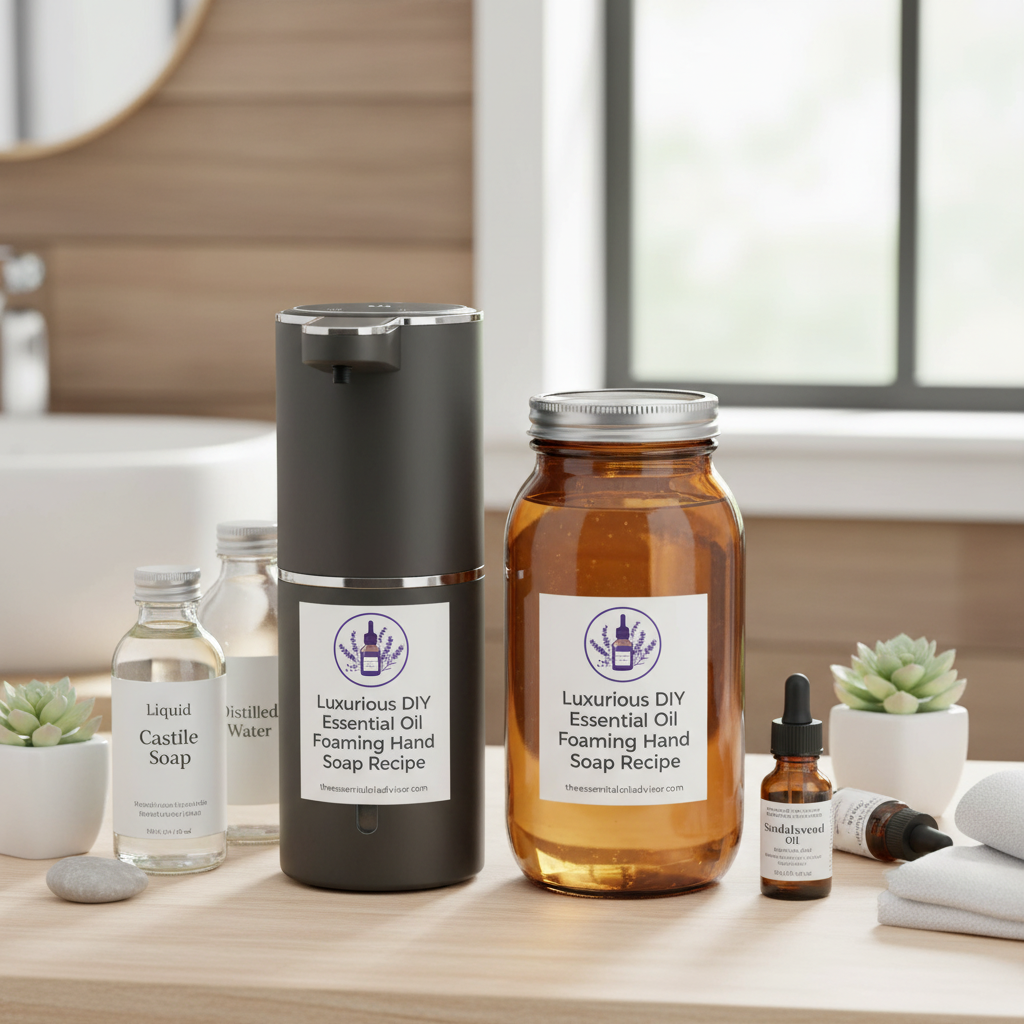
Luxurious DIY Essential Oil Foaming Hand Soap Recipe
Discover this nourishing recipe for a luxurious DIY essential oil foaming hand soap that cleans and hydrates sensitive skin beautifully!
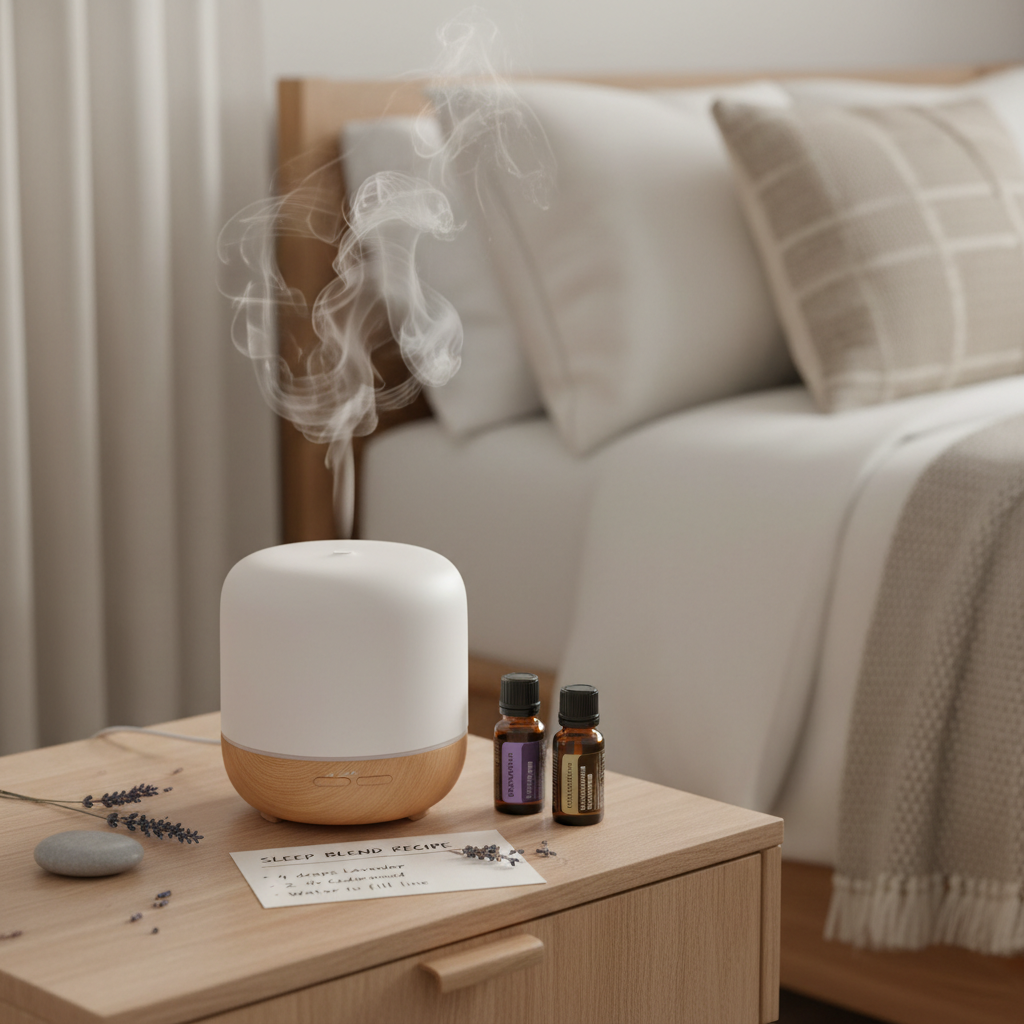
Relaxing Lavender Bergamot Essential Oil Recipe for Sleep
Discover a soothing Lavender Bergamot essential oil recipe to promote relaxation and restorative sleep after stressful days.