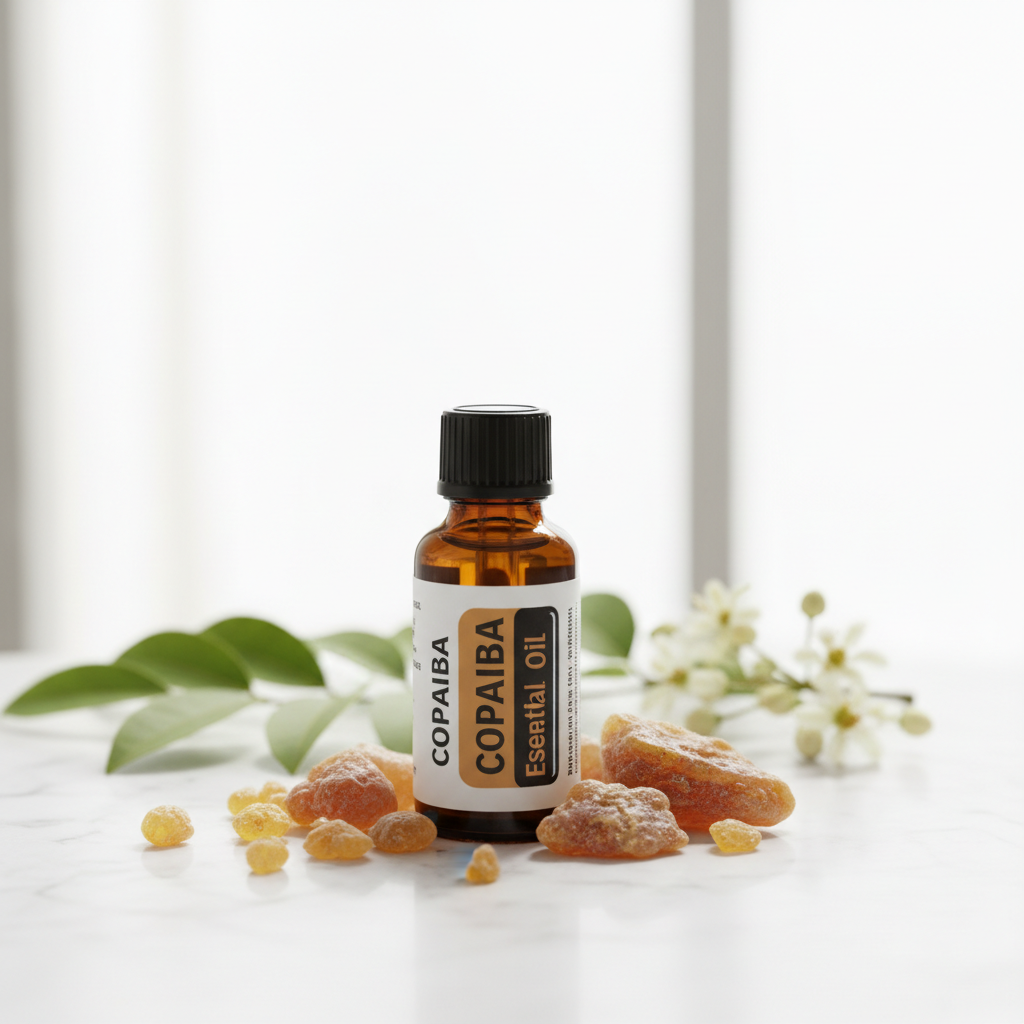
Copaiba Essential Oil
Copaifera officinalis
Plant Source
Resin
Scent Family
Woody
"Unlock the power of Copaiba essential oil for wellness. Explore its benefits, uses, and origins from the Amazon rainforest. Learn more today!"
Copaiba essential oil, derived from the resin of the Copaifera officinalis tree, is a remarkable natural remedy indigenous to South America's Amazon Rainforest. Known for its therapeutic properties, this oil has become increasingly popular in aromatherapy and natural health practices. In this comprehensive guide, we will explore its origins, extraction methods, therapeutic benefits, and much more.
Origin and Extraction Method Copaiba oil is extracted from the resin of the Copaifera officinalis tree, commonly found in Brazil, Peru, and Colombia. The extraction process involves drilling into the tree to collect the resin, which is then distilled to produce the essential oil. This method not only preserves the oil's beneficial properties but also ensures that the extraction process does not harm the tree, allowing for sustainable harvesting practices.
Botanical Information Copaifera officinalis is a tall tree that can reach heights of over 150 feet. It features large, oval leaves that can grow up to 10 inches long, and its flowers are small, yellowish or white, blooming in clusters. The resin, which is the primary source of copaiba oil, is collected without killing the tree, making it a sustainable resource.
Therapeutic Properties and Benefits Copaiba essential oil boasts a variety of therapeutic properties that make it a powerhouse in natural remedies. Some of its primary benefits include:
- Anti-inflammatory: Copaiba oil is known to reduce inflammation, making it valuable for conditions such as arthritis and other chronic pain syndromes.
- Antimicrobial: Research suggests that copaiba oil may possess antimicrobial qualities that help combat various pathogens.
- Analgesic: This oil can alleviate pain when applied topically, providing relief for sore muscles and joints.
- Skin Healing: Copaiba oil has properties that can soothe skin irritations, such as eczema and dermatitis, promoting overall skin health.
Historical and Traditional Uses Historically, the indigenous peoples of the Amazon relied on copaiba oil for its healing properties, using it in traditional medicine for centuries. It was often employed to treat wounds, infections, and digestive issues. The oil was also used in rituals and ceremonies, highlighting its cultural significance.
Scientific Facts and Research Recent studies have begun to validate the traditional uses of copaiba essential oil. Research indicates that the oil's active compounds, such as beta-caryophyllene, may have anti-inflammatory and analgesic effects. These findings support its employment in modern wellness practices and encourage further exploration into its medicinal uses.
Aroma Profile and Characteristics Copaiba essential oil has a unique aroma, often described as warm, woody, and slightly sweet. It has a calming scent, making it an excellent choice for aromatherapy, particularly in calming blends aimed at promoting relaxation and reducing stress.
Common Applications and Methods Copaiba oil can be used in various ways:
- Aromatherapy: Diffuse the oil to create a serene environment or blend it with other essential oils, such as lavender, for enhanced relaxation.
- Topical Application: Dilute copaiba oil with a carrier oil, like coconut or jojoba oil, before applying it to sore muscles, inflamed skin, or as part of your skincare routine.
- Inhalation: Inhale directly from the bottle or add a few drops to a bowl of steaming water for respiratory benefits.
Interesting Facts and Trivia
- Copaiba oil is sometimes categorized with other tree resins, such as frankincense and myrrh, all known for their healing properties.
- It is a non-toxic essential oil, making it safe for use in various applications.
- The oil does not have the psychoactive effects associated with cannabis, even though it shares compounds such as beta-caryophyllene, making it a safe alternative for those seeking natural relief.
In summary, copaiba essential oil is a profound natural remedy with a wealth of benefits. Its historical significance, combined with modern scientific validation and diverse applications, makes it an essential addition to any natural health enthusiast's collection. Whether used for its anti-inflammatory properties or simply enjoyed for its calming aroma, copaiba oil holds a vital place in the world of essential oils.
Ask AI About Copaiba Essential Oil
Get instant answers about this essential oil
Benefits & Uses
- Promotes relaxation, making it ideal for stress relief and anxiety reduction.
- Enhances mental clarity and focus, helping to improve concentration during times of mental fatigue.
- Supports emotional balancing, aiding those who may feel overwhelmed or emotionally drained.
- Encourages a sense of calm and tranquility, perfect for use during meditation or introspective activities.
- Reduces muscle and joint discomfort, making it helpful for those with chronic pain conditions.
- Helps in soothing skin irritations and conditions such as eczema or dermatitis.
- Supports the body’s natural immune response, potentially reducing the occurrence of common ailments.
- Enhances lymphatic drainage, which may assist in detoxification processes.
- Effective in reducing the appearance of scars and stretch marks due to its healing properties.
- May help balance oily skin and reduce breakouts when used in formulations for acne-prone skin.
- Provides hydration and nourishment, making it suitable for dry and sensitive skin types.
- Can be added to homemade facial blends or lotions for its soothing benefits.
- Can be used in DIY cleaning products due to its antimicrobial properties.
- Acts as a natural air freshener when diffused, creating a calming environment.
- Useful in handmade candles for a subtle yet grounding scent.
- Can be incorporated into natural insect repellents to deter pests.
How to Use
Diffuser
For small rooms, add 3-5 drops of Copaiba essential oil; for medium rooms, use 5-8 drops; and for large rooms, use 8-12 drops. Diffuse for 30-60 minutes and repeat 2-3 times daily, best used in the morning to boost mood or in the evening to promote relaxation.
Topical
For topical use, dilute Copaiba essential oil to 2-3% for adults (10-15 drops in 1 oz of carrier oil), 0.5-1% for children (2-5 drops), and 1-2% for elderly individuals. Apply to sore areas or include in massage oils. Suggested carrier oils include coconut, sweet almond, or jojoba.
Inhalation
For direct inhalation, place 1-2 drops on a tissue or cotton ball and breathe in deeply. For steam inhalation, add 2-3 drops in hot water and inhale the steam for 5-10 minutes. Personal inhalers can also be prepared for on-the-go use.
Safety & Precautions
Always perform a patch test prior to topical application to check for skin sensitivity. Copaiba essential oil is not known to be phototoxic but should still be used with caution in sensitive individuals. Pregnant or nursing women should consult healthcare providers before use. Store in a cool, dark place away from direct sunlight to preserve potency. Shelf life is generally around 2-3 years.
Who should avoid:
- Pregnant or nursing women without prior consultation.
- Individuals with known allergies to Copaifera species.
- Those on blood-thinning medications.
Recommended Products

Understanding the aromatic layers of Copaiba Essential Oil
Top Notes
Heart Notes
Base Notes
Scent Evolution
Top Notes: First impression, evaporate quickly (15-30 min)
Heart Notes: Main character, last 2-4 hours
Base Notes: Lasting foundation, linger for hours
Complementary essential oils that pair beautifully with Copaiba Essential Oil
Agarwood Essential Oil
Aquilaria
✓balanced scent profile
Allspice Essential Oil
Pimenta dioica
✓complementary therapeutic properties
Ammi Visnaga Essential Oil
Ammi visnaga
✓balanced scent profile
Amyris Essential Oil
Amyris balsamifera
✓similar chemical compositions
Angelica Essential Oil
Angelica archangelica
✓enhanced aromatherapy benefits
Angelica Root Essential Oil
Angelica archangelica
✓balanced scent profile
Blending Tips
- • Start with 2-3 oils for simple blends
- • Use 3-5 drops total per 10ml carrier oil
- • Let blends sit for 24-48 hours to marry
- • Test on a small skin area first
Calculating for: Copaiba Essential Oil
Recommended: 2% | Max safe: 5%
29.57 ml
Your Recipe
0.59 ml
28.98 ml
💡 Dilution Tips
- • Always do a patch test before full application
- • Children and elderly need lower dilutions (1-2%)
- • Facial products should be gentle (0.5-1%)
- • 1 drop ≈ 0.05 ml (20 drops per ml)
- • Common carrier oils: fractionated coconut, jojoba, sweet almond
Related Recipes
Allergy Calming Mattress Spray Recipe for Better Sleep
Discover the calming recipe for a mattress spray that relieves allergy symptoms and promotes a restful night's sleep in your home.

Calming Essential Oil Pillow Mist Recipe for Relaxation
Discover this easy recipe for a soothing pillow mist that features lavender and bergamot for ultimate relaxation and better sleep.

Calming Lavender Linen Spray Recipe
A gentle, relaxing linen and room spray that promotes restful sleep and calm using lavender, chamomile, and cedarwood essential oils.

DIY Acne Calming Gel Spot Treatment Recipe for Clear Skin
Explore our DIY acne calming gel spot treatment recipe to soothe inflammation and fight breakouts using natural ingredients for healthier skin.
DIY Detoxifying Nail Soak Recipe with Essential Oils
Learn how to create a holistic detoxifying nail soak recipe that promotes healthy nails and cuticles while providing essential oils’ soothing benefits.

DIY Essential Oil Foaming Hand Soap Recipe
Craft your own moisturizing foaming hand soap using essential oils! This DIY recipe combines natural ingredients for clean, soft hands. Perfect for home use!