Search
Found 94 results for "meditation"
Essential Oils
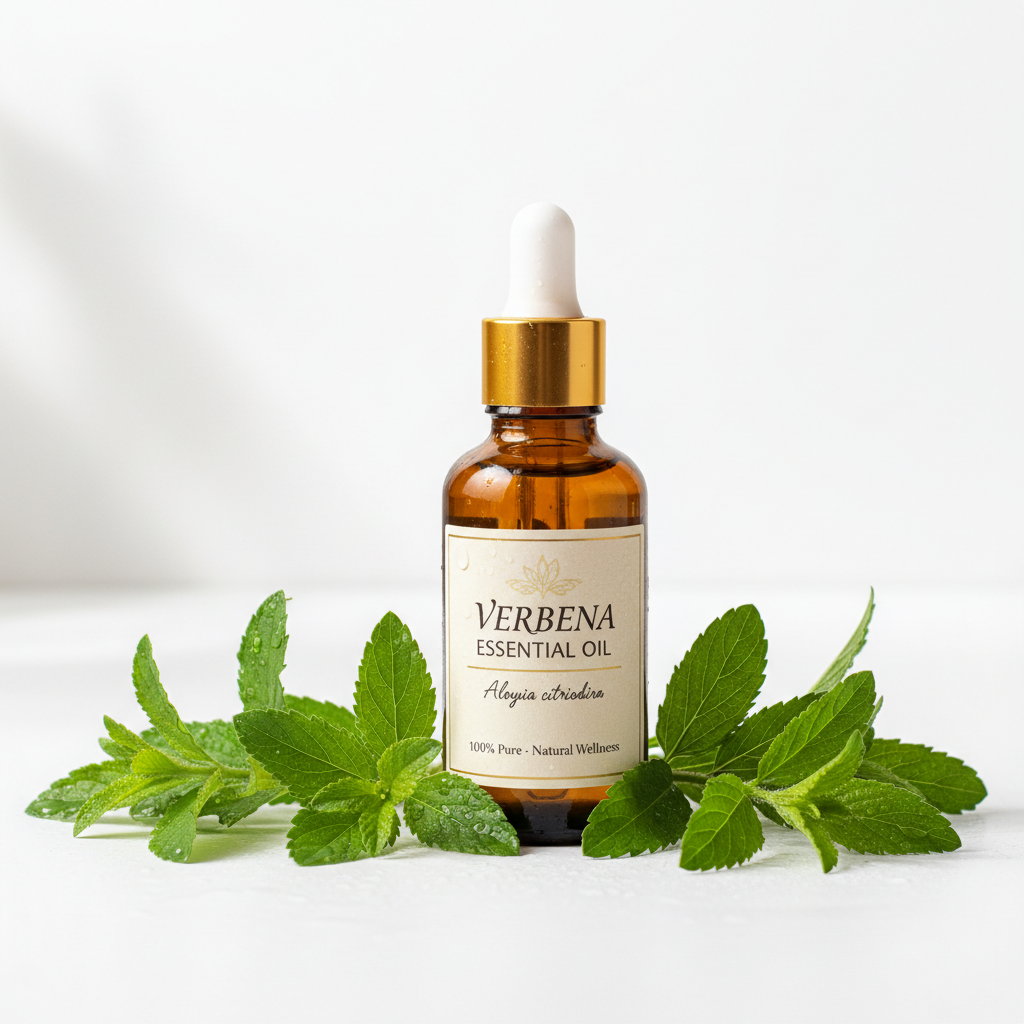
Verbena Essential Oil
Aloysia citriodora
### Verbena Essential Oil: Exploring Its Rich Benefits #### Origin and Extraction Method Verbena essential oil is derived from the leaves of the **Aloysia citriodora** plant, also commonly known as lemon verbena. This fragrant herb is native to South America, where it has been cultivated for centuries due to its numerous health benefits and aromatic properties. The oil is typically extracted through **steam distillation**, a method that helps maintain the integrity of its fragrant compounds and therapeutic qualities. This gentle extraction process results in a high-quality essential oil that captures the plant's refreshing, lemony scent, making it a favorite in aromatherapy and natural wellness practices. #### Botanical Information **Aloysia citriodora** is a perennial shrub that can grow up to 3 feet in height, producing small, white to pale purple flowers and elongated, delicate leaves. The leaves are the primary part used for oil extraction due to their high concentration of aromatic compounds, particularly **citral**, which is responsible for its distinctive lemon scent. The rich chemical composition of lemon verbena oil varies based on factors like climate, harvest time, and processing methods, making each batch unique. #### Therapeutic Properties and Benefits Verbena essential oil is celebrated for a variety of therapeutic properties, including: - **Relaxation and Stress Relief:** The soothing aroma promotes relaxation, helping to alleviate stress and anxiety while lifting the spirits. - **Mood Enhancement:** Its invigorating scent is known to improve mood and provide emotional clarity, making it popular among individuals seeking upliftment and positivity. - **Mental Clarity:** Verbena oil assists in enhancing focus and clarity, particularly during periods of mental fatigue; it can also foster a sense of calmness in chaotic environments. - **Meditation Enhancement:** The tranquil aroma can enrich meditation practices, helping individuals to enter a deeper state of relaxation and mindfulness. - **Muscle Relief:** When used in massages, verbena essential oil can ease tight muscles and alleviate discomfort, thanks to its anti-inflammatory properties. - **Respiratory Support:** Inhalation of its fragrant vapors can support clear breathing and improve respiratory function, making it beneficial during cold seasons. - **Detoxification Aid:** Incorporating this oil into massage blends can support the body’s natural detoxification processes by encouraging the elimination of toxins. - **Menstrual Comfort:** Verbena essential oil may help reduce menstrual pain and discomfort when diluted and applied topically. #### Historical and Traditional Uses Historically, lemon verbena has been utilized by indigenous cultures in South America as a medicinal plant. It was known not only for its uplifting qualities but also as a herb for digestive support and overall wellness. In European traditional medicine, it was commonly used as an herbal tea for relaxation and to reduce insomnia. The oil became popular throughout the 18th and 19th centuries as European colonists recognized its benefits, often incorporating it into perfumes and cosmetic products. #### Scientific Facts and Research Recent studies have begun to explore the potential therapeutic benefits of lemon verbena essential oil. Research has indicated that its main components, such as citral and geraniol, may exhibit antioxidant and antimicrobial properties. Additionally, some studies suggest that inhaling lemon verbena fragrance can help reduce anxiety levels and improve mood stability in stressed populations. #### Aroma Profile and Characteristics The aroma profile of verbena essential oil is characterized by its light, lemony fragrance, often described as fresh, crisp, and slightly herbaceous. This distinctive scent makes it a fantastic addition to candles, diffusers, and personal care products. Its pleasant aroma can also be blended with other essential oils like lavender, eucalyptus, and peppermint, creating a harmonious and uplifting blend. #### Common Applications and Methods Verbena essential oil can be used in several ways: - **Diffusion:** Add a few drops to a diffuser for a refreshing atmosphere that promotes relaxation and clarity. - **Massage:** Dilute with a carrier oil such as sweet almond or jojoba oil for a soothing massage experience. - **Bathing:** Incorporate it into bathwater for a luxurious and stress-relieving bath. - **Topical Use:** Dilute with carrier oil for direct application to alleviate muscle tension or menstrual discomfort. - **Inhalation:** Use in steam inhalation practices to support respiratory health. #### Interesting Facts and Trivia - Lemon verbena has been cultivated for its fragrance and flavor in gardens and herb farms worldwide. - It is often included in herbal teas and culinary dishes for its unique lemon flavor, providing an aromatic twist to various recipes. - Verbena essential oil is commonly found in skincare products, noted for its ability to refresh and invigorate the skin while providing a pleasant scent. In conclusion, Verbena essential oil is not only a delightful addition to your aromatherapy collection but also a versatile oil with numerous health benefits. Whether for mental clarity, relaxation, or skincare, this essential oil is a natural solution embraced across cultures and centuries.
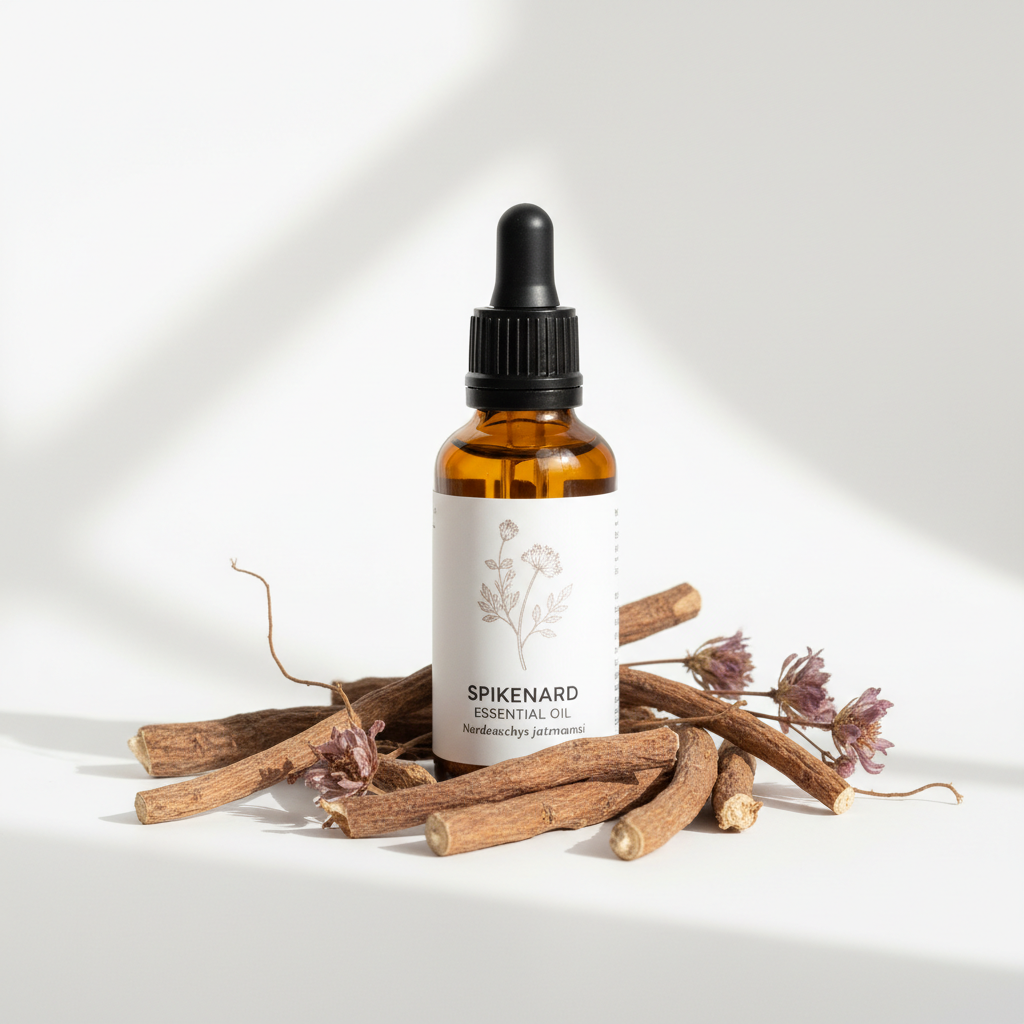
Spikenard Essential Oil
Nardostachys jatamansi
### Spikenard Essential Oil: A Comprehensive Guide #### Origin and Extraction Method Spikenard essential oil is derived from the rhizomes of the Nardostachys jatamansi plant, a perennial herb that thrives in the high altitudes of the Himalayas. The oil is extracted through a meticulous steam distillation process that carefully preserves its rich properties and aromatic profile. This traditional method ensures that the essential oil retains its therapeutic qualities, making it highly sought after in both wellness and aromatherapy circles. #### Botanical Information The Nardostachys jatamansi plant boasts a long history of usage in ancient cultures. Its roots contain an array of active compounds, including sesquiterpenes and other phytochemicals that contribute to its aromatic and therapeutic benefits. The plant's unique environment influences its growth and composition, leading to variations in oil quality that aficionados seek out. #### Therapeutic Properties and Benefits Spikenard essential oil is widely recognized for its multitude of therapeutic properties: - **Calming Effects**: Known for promoting relaxation and tranquility, Spikenard oil is a perfect companion for practices such as meditation and yoga. It may help ease anxiety and stress, allowing users to find moments of peace. - **Mood Enhancer**: The oil is also reputed for its ability to uplift mood and promote emotional balance, making it beneficial for anyone experiencing feelings of sadness or emotional turbulence. - **Emotional Healing**: It is believed to assist in releasing buried emotions, thus fostering a sense of clarity and emotional well-being. - **Headache Relief**: When inhaled, Spikenard oil can provide relief from tension headaches, making it a useful addition to your wellness toolkit. - **Digestive Aid**: Used cautiously, it may help soothe the gastrointestinal tract, promoting digestive health. #### Historical and Traditional Uses Historically, Spikenard has been revered for its fragrant and therapeutic qualities. It is frequently mentioned in ancient texts, including the Bible, where it was used in anointing oils and sacred rituals. This deep-rooted cultural significance reflects its value in both spiritual and practical applications. In Ayurvedic medicine, Spikenard has been utilized for centuries to support emotional balance and well-being. #### Scientific Facts and Research Recent studies have started to support many historical claims surrounding Spikenard oils benefits. Research has indicated that the oil possesses anti-inflammatory properties, which can benefit overall health. These scientific insights help validate the traditional uses while encouraging new applications in holistic practices. #### Aroma Profile and Characteristics Spikenard essential oil is characterized by a rich, earthy aroma that is both grounding and calming. Its scent is often described as woody, musky, and slightly sweet, creating a serene ambiance perfect for relaxation and meditation. Its deep fragrance enhances not just the olfactory experience but also elevates emotional states, creating a holistic sensory environment. #### Common Applications and Methods Spikenard essential oil can be utilized in various ways: - **Aromatherapy**: Diffuse it in your living space to create a tranquil atmosphere. - **Topical Use**: When diluted with a carrier oil, it can be applied to the skin to alleviate irritations or assist in muscle recovery through massage. - **Bath Additive**: Add a few drops to your bath for a luxurious spa experience that soothes both body and mind. - **Emotional Support**: Inhale the scent directly or sit quietly with the oil on your palms to foster mindfulness and connection. #### Interesting Facts and Trivia - In ancient Rome, Spikenard was so highly valued that it became synonymous with luxury and wealth. - The oil was often reserved for royalty, due to its association with sacred rituals and ceremonies. - Today, it remains a treasured oil among practitioners of holistic medicine and is gaining popularity in modern aromatherapy. In conclusion, Spikenard essential oil not only boasts numerous health benefits but also carries a rich historical legacy. Its calming effects, coupled with its unique aromatic profile, make it an essential addition for those seeking to enhance their emotional and physical well-being. With applications ranging from massage and aromatherapy to emotional healing, it offers a versatile tool for improving quality of life.
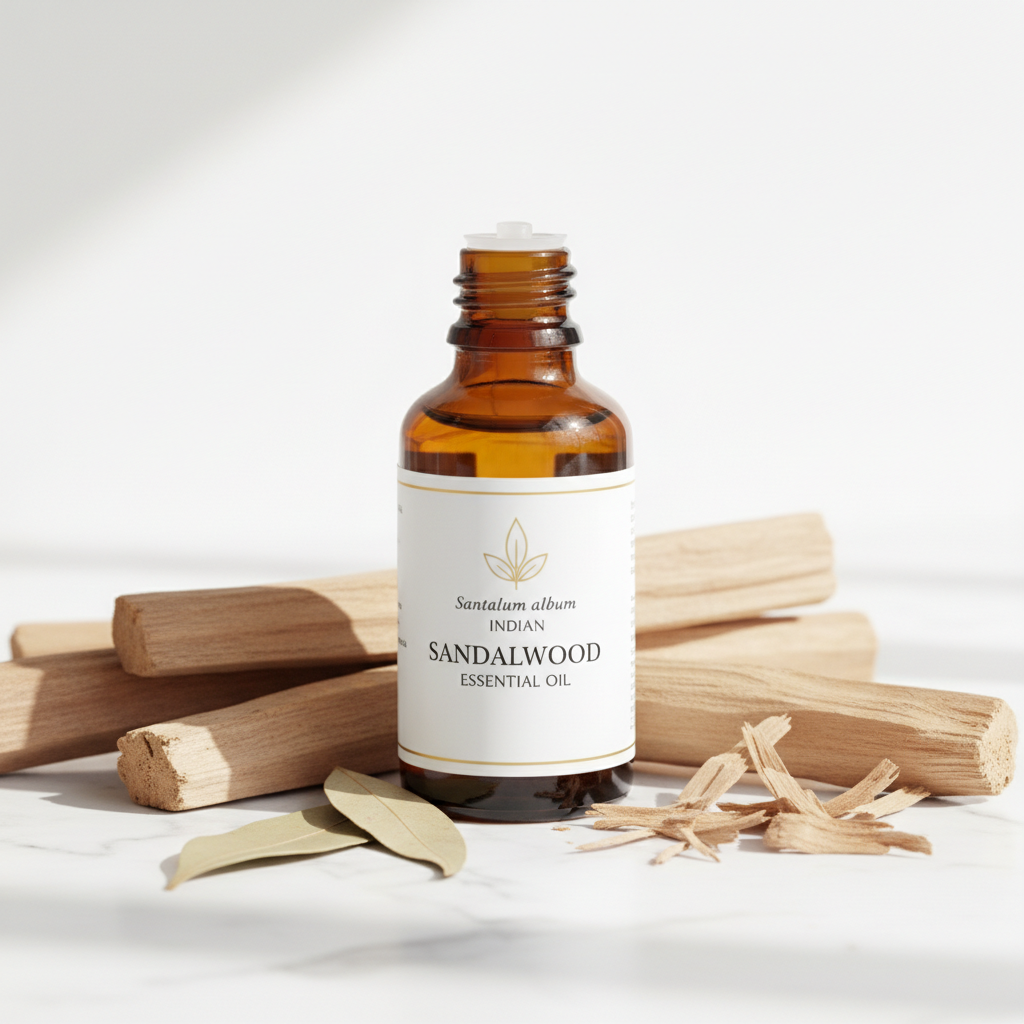
Sandalwood Indian Essential Oil
Santalum album
### Introduction to Sandalwood Essential Oil Sandalwood Essential Oil is a highly prized oil, extracted from the heartwood of the Santalum album tree, native to India and parts of Southeast Asia. Renowned for its rich, creamy aroma, this essential oil has been utilized for millennia in various cultures and traditions for its multitude of therapeutic benefits. ### Origin and Extraction Method The Santalum album tree takes years to mature, which contributes to its high value. The essential oil is typically extracted through steam distillation of the heartwood, yielding a golden to pale yellow liquid. This method preserves the integrity of the oil's aromatic and therapeutic properties. ### Botanical Information - **Botanical Name**: Santalum album - **Family**: Santalaceae - **Common Names**: Sandalwood, White Sandalwood - **Scent Profile**: Rich, woody, creamy, slightly sweet The oil’s composition includes santalol, which is primarily responsible for its calming properties, along with other constituents that enhance its aromatic profile. ### Therapeutic Properties and Benefits Sandalwood Essential Oil offers an array of therapeutic benefits: - **Calming Effect**: Known to soothe the mind, Sandalwood helps in reducing anxiety and creating a sense of tranquility. - **Mood Lifter**: The oil can help alleviate feelings of sadness or despair, enhancing overall mood and allowing for greater emotional balance. - **Meditation Enhancement**: Its grounding aroma assists practitioners in enhancing their meditation practices. - **Focus and Clarity**: Many users report improved concentration and mental clarity, making it a useful companion during study or work sessions. - **Skin Benefits**: Sandalwood Oil is often included in skincare formulations for its anti-inflammatory and moisturizing properties. It can soothe irritations and redness, making it suitable for sensitive skin. ### Historical and Traditional Uses Historically, Sandalwood has held great significance in various cultures. In ancient India, it was used in Ayurvedic medicine not just for its fragrance but also for its healing properties. Sandalwood has also been a deeply rooted component in rituals, often used as a sacred offering in religious ceremonies. Its aromatic profile made it popular in perfumery as well, symbolizing purity and calmness. ### Aroma Profile and Characteristics Sandalwood Essential Oil boasts a warm, woody scent, interlaced with creamy, soft undertones. This distinctive aroma is both grounding and uplifting, making it ideal for use in aromatherapy recipes, personal fragrances, and spiritual rituals. The oil's lingering scent profile is known to provoke nostalgia and emotional healing, fostering a calming environment. ### Common Applications and Methods - **Aromatherapy**: Diffusing Sandalwood Essential Oil can create a serene atmosphere, perfect for meditation or personal enjoyment. - **Topical Use**: Diluted in a carrier oil, it can be applied to the skin to help with irritation and redness or used in massage to alleviate tension. - **Bathing**: Adding a few drops to a warm bath can enhance relaxation and calm the senses. - **Skincare**: Its natural emollient properties make it excellent for moisturizing formulations, particularly for dry or sensitive skin types. - **Candle Making**: Utilizing Sandalwood in candle formulations can provide an enchanting scent and create a peaceful glow in any space. ### Scientific Facts and Research Studies have shown that the main constituent santalol found in Sandalwood Essential Oil possesses anti-inflammatory, antimicrobial, and calming properties. Research indicates that inhalation of sandalwood oil can lead to lower levels of stress hormones and enhanced mood. ### Interesting Facts and Trivia - **Sustainability**: Sustainable sourcing is essential for Santalum album, as over-harvesting has threatened natural populations. - **Cultural Significance**: In Indian culture, sandalwood is often carved into intricate designs and used in various handicrafts, making it both an aromatic and artistic treasure. - **Market Value**: Due to its rarity and the long growing period of the Santalum album tree, Sandalwood Oil is considered one of the most expensive essential oils available. ### Conclusion Sandalwood Essential Oil is much more than just a fragrant oil; it embodies a rich history of therapeutic uses and cultural significance. Its calming properties, coupled with numerous applications, make it a staple in the realms of aromatherapy, skincare, and spiritual practices. Whether used for relaxation, meditation, or skin care, Sandalwood Oil continues to be cherished for its timeless benefits.
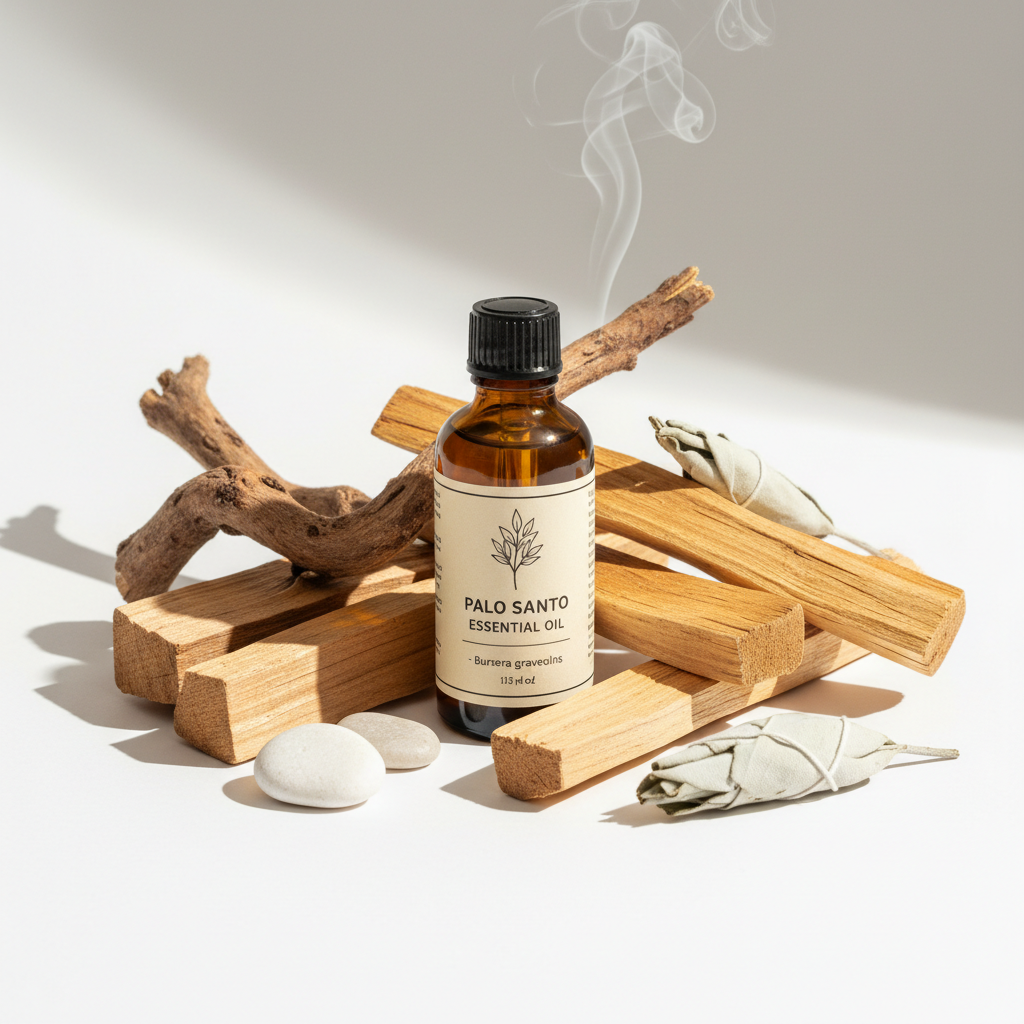
Palo Santo Essential Oil
Bursera graveolens
**Palo Santo Essential Oil: Comprehensive Guide to Benefits and Uses** Palo Santo essential oil is extracted from the wood of the Bursera graveolens tree, a tree native to the coastal regions of South America. Revered for centuries by indigenous cultures, Palo Santo, which translates to "holy wood" in Spanish, has a rich history intertwined with spirituality, healing, and tradition. ### **Origin and Extraction Method** The Bursera graveolens tree grows in dry tropical forests and is known for its sweet, woody scent. The essential oil is extracted through a careful steam distillation process, which preserves its potent properties and aromatic qualities. This method not only ensures the purity of the oil but also respects the ecological balance of its source, as the tree is allowed to grow and thrive in its natural habitat. ### **Botanical Information** Belonging to the Burseraceae family, Palo Santo is a small tree that can reach up to 20 feet tall. Its oil contains numerous beneficial compounds such as limonene, terpineol, and alpha-terpineol, each contributing to its therapeutic effects and pleasant aroma. The trees typically must die naturally and age for several years before the oil can be sustainably harvested. This practice underscores the sacred nature of Palo Santo and its environmental significance. ### **Therapeutic Properties and Benefits** Palo Santo essential oil is celebrated for its multitude of therapeutic properties, making it a valuable addition to holistic health practices. Key benefits include: - **Calming and Grounding**: The distinct aroma helps to reduce stress and anxiety, promoting a calm and balanced state of mind. - **Emotional Support**: Known to enhance emotional resilience, Palo Santo assists in dispelling negativity, encouraging positive thoughts and feelings. - **Spiritual Practices**: Traditionally used in rituals and meditation, it aids in maintaining focus, enhancing mindfulness, and connecting users to nature's energies. - **Antimicrobial Effects**: Its antimicrobial and antifungal properties make it useful for supporting immune function, warding off illness, and promoting respiratory health. - **Natural Insect Repellent**: The oil serves as a natural deterrent against insects, protecting users during outdoor activities. - **Muscle Relaxation**: When diluted and applied topically, it may provide relief from muscle tension and aches. - **Promoting Sleep**: Its calming effects can help to improve sleep quality by fostering relaxation before bedtime. ### **Historical and Traditional Uses** Throughout history, Palo Santo has played a significant role in various rituals and practices among South American communities. Shamans often used the wood and oil in cleansing ceremonies, believing it could purify negative energy and invoke healing. Today, its use has expanded globally, with people embracing its calming and grounding properties in various wellness routines. ### **Scientific Facts and Research** Numerous studies have been conducted on the properties of Palo Santo essential oil, revealing its active compounds as potential tools for enhancing emotional well-being and mental clarity. For example, preliminary research supports its use in alleviating symptoms of stress and anxiety, making it an ideal choice for aromatherapy and holistic health applications. ### **Aroma Profile and Characteristics** The aroma of Palo Santo essential oil is warm, woody, and slightly sweet, characterized by rich notes that evoke a sense of peace and tranquility. Its uniqueness makes it a fantastic base note in various blends, harmonizing well with other essential oils such as lavender, eucalyptus, and frankincense. ### **Common Applications and Methods** Palo Santo essential oil can be used in various ways: - **Diffusion**: Add a few drops to a diffuser to create a calming atmosphere in your home or workspace. - **Topical Use**: Dilute with a carrier oil for topical applications, especially on sore muscles or during meditation. - **Inhalation**: Inhale directly from the bottle or add to a handkerchief for instant stress relief. - **Bathing**: Incorporate a few drops into bathwater for a soothing and relaxing experience. ### **Interesting Facts and Trivia** - Palo Santo trees are considered sacred by many cultures and are often planted as part of spiritual practices. - The sustainable harvesting practices for Palo Santo help replenish the ecosystem and are critical in environmental conservation efforts. In conclusion, Palo Santo essential oil is a remarkable and multifaceted oil that offers a plethora of benefits for emotional, physical, and spiritual well-being. Whether used in meditation, aromatherapy, or as a natural remedy, it showcases the deep connection between nature and healing.

Opoponax Essential Oil
Commiphora erythraea
Opoponax essential oil is a unique and versatile oil, extracted from the resin of the Commiphora erythraea tree, which primarily grows in Somalia and parts of the Arabian Peninsula. Known for its warm and resinous aroma, Opoponax has garnered attention for both its historical significance and therapeutic benefits. In this article, we will explore the origin, extraction methods, benefits, and various applications of Opoponax essential oil. ### Origin and Extraction Method The essential oil of Opoponax is derived through steam distillation of the resin obtained from the bark of the Commiphora erythraea tree. This tree, often referred to as the "myrrh tree," thrives in arid climates and has been a part of traditional medicine and perfumery for centuries. The process of harvesting the resin involves making incisions in the tree bark, allowing the resin to seep out and harden before being collected for distillation. This meticulous harvesting method ensures the quality and potency of the essential oil. ### Botanical Information Botanically classified under the family Burseraceae, Commiphora erythraea is noted for its thorns and bushy structure. The resin produced by this tree has been used since ancient times, including in the tombs of Egyptian pharaohs, as it was believed to have divine properties. Notably, the resin’s deep historical roots in various cultures bolster its appeal in contemporary aromatherapy practices. ### Therapeutic Properties and Benefits Opoponax essential oil is revered for its grounding and calming properties. Here are some benefits: - **Emotional Stability:** Often used in aromatherapy to help stabilize emotions and induce a sense of peace, making it ideal during stressful periods. - **Aromatherapy:** Its soothing aroma helps reduce anxiety and promote mental clarity, making it a beneficial oil for meditation and reflection. - **Spiritual Connection:** Historically used in religious ceremonies as incense, Opoponax encourages introspection and emotional release. - **Physical Health Benefits:** It may enhance respiratory function, alleviate symptoms of colds, and support healthy digestion by easing gastrointestinal discomfort. - **Skin Care:** When diluted with a carrier oil, it can help improve the appearance of blemishes and dry skin, promoting skin health. - **Muscle Relief:** Opoponax may aid in reducing muscle tension and discomfort when applied topically. ### Historical and Traditional Uses The use of Opoponax dates back to ancient civilizations. In ancient Egypt, it was utilized in the embalming process to preserve bodies for the afterlife. Additionally, it was a key ingredient in religious rituals and was considered a gift for the gods. This rich tradition continues today, as many individuals use Opoponax in spiritual practices to enhance their connection to their surroundings and to foster a more profound meditative experience. ### Scientific Facts and Research Although scientific research on Opoponax is not as extensive as other essential oils, preliminary studies suggest its potential therapeutic benefits, particularly in stress reduction and emotional well-being. Its anti-inflammatory properties may also contribute to its efficacy in supporting skin health and overall wellness. Ongoing research into essential oils continues to unlock their myriad benefits, and Opoponax is likely to be included in future studies. ### Aroma Profile and Characteristics Opoponax essential oil has a sweet, balsamic, and slightly woody scent, which is often likened to a warm and inviting hug. Its diverse aroma makes it a popular choice in perfumery, where it adds depth and richness to fragrances. Rich in sesquiterpenes, Opoponax has a heavy, resinous texture that lingers in the air, promoting an environment of tranquility. ### Common Applications and Methods Opoponax essential oil can be used in various ways: - **Diffusion:** Add a few drops to a diffuser to fill your space with its calming aroma, perfect for meditation or relaxation. - **Topical Application:** Dilute with a carrier oil and massage onto areas of tension or use in skincare routines. - **Bathing:** Add it to a warm bath for a soothing soak that calms the mind and rejuvenates the body. - **Inhalation:** Inhale directly from the bottle or add a drop to your palms, rub together, and breathe deeply to experience its grounding effects. ### Interesting Facts and Trivia - Opoponax was once referred to as "The Tears of the Gods" due to its soothing and precious attributes. - Its historic use in incense made it essential in various spiritual practices across cultures, particularly within the Hindu and Christian traditions. In conclusion, Opoponax essential oil is much more than a fragrant addition to your essential oil collection; it carries a legacy of healing and spiritual significance. Whether you are looking for emotional support or a new aromatic experience, Opoponax’s rich historical background combined with its profound benefits make it a unique essential oil worth exploring.

Myrrh Essential Oil
Commiphora myrrha
Myrrh essential oil is a powerful and aromatic oil derived from the resin of the Commiphora myrrha tree, also known as myrrh. This ancient oil has been revered for centuries, celebrated for its numerous therapeutic properties and versatility in various applications. ### Origin and Extraction Method The Commiphora myrrha tree, native to the arid regions of East Africa and the Arabian Peninsula, produces myrrh resin when its bark is cut. This resin is then harvested and subjected to steam distillation to create myrrh essential oil, capturing its potent benefits and aromatic qualities. ### Botanical Information Myrrh belongs to the family Burseraceae, which encompasses various aromatic resins. The tree can grow up to 4 meters tall and has distinctive, gnarled branches and small yellow flowers. Myrrh resin’s sticky sap has a rich, earthy scent which plays a crucial role in its therapeutic appeal. ### Therapeutic Properties and Benefits The therapeutic benefits of myrrh essential oil are vast. Here are some notable properties: - **Anti-inflammatory:** Myrrh helps reduce inflammation in the body, which can alleviate symptoms of various conditions, providing comfort and easing discomfort. - **Anxiolytic:** With its calming properties, myrrh can help alleviate anxiety and promote emotional stability, assisting individuals during stressful times. - **Meditative:** Used for centuries in spiritual practices, myrrh enhances meditation and mindfulness, fostering a deeper connection to one’s inner self. - **Emotional Healing:** It is often used in therapeutic settings to help individuals process grief and trauma, promoting emotional clearing and healing. - **Skin Rejuvenation:** Myrrh essential oil is beneficial for skin care; it can reduce the appearance of scars and fine lines due to its regenerative properties. - **Immune System Support:** It strengthens the immune system, helping the body defend against infections and illnesses. - **Respiratory Health:** Known for its beneficial effects on the respiratory system, myrrh can support respiratory health during colds or infections. - **Oral Health:** Its antimicrobial properties may assist in promoting healthy gums and maintaining oral hygiene. - **Anti-aging:** The antioxidants found in myrrh oil contribute to reducing the signs of aging. ### Historical and Traditional Uses Myrrh has a rich history, celebrated not only for its aromatic qualities but also for its use in ancient medicine and religious rituals. In ancient Egypt, it was used in the embalming process, symbolizing preservation for the afterlife. Myrrh also has a significant presence in various religious texts, often symbolizing sacrifice and healing. Its use in traditional medicine spans several cultures, where it has been employed to treat wounds and ailments, further demonstrating its therapeutic prowess. ### Scientific Facts and Research Recent studies have validated many traditional claims regarding myrrh essential oil. Research indicates its effectiveness in combating inflammation, fighting pathogens, and even its potential role in cancer prevention. Ongoing studies delve into its biochemical properties and how they may benefit modern health practices. ### Aroma Profile and Characteristics Myrrh essential oil has a warm, earthy aroma that is both calming and grounding. The scent is often described as rich and slightly sweet, making it a captivating addition to various aromatic blends and therapeutic formulations. ### Common Applications and Methods - **Aromatherapy:** Use myrrh in diffusers or oil burners to create a calming atmosphere. - **Topical Uses:** Dilute in carrier oils for application on the skin, particularly for skincare routines or massage blends. - **Meditation Practices:** Add a few drops to your meditation space to enhance your spiritual practices. - **Baths:** Incorporate into bathwater for a relaxing and rejuvenating soaking experience. ### Interesting Facts and Trivia - Myrrh was one of the gifts brought by the Magi to the infant Jesus, emphasizing its historical significance. - It was used as a medicinal treatment in ancient India, highlighting its global recognition for healing. - Myrrh is still used today in various forms, such as in perfumes, herbal remedies, and even as a flavoring agent. In conclusion, myrrh essential oil is a remarkable oil with a rich history and immense therapeutic benefits. Its applications are diverse, ranging from emotional support to skin care, solidifying its place in holistic and aromatherapeutic practices. Whether you’re exploring essential oils for the first time or are a seasoned enthusiast, myrrh's unique properties make it a valuable addition to your collection.