Search
Found 8 results for "natural aroma"
Essential Oils
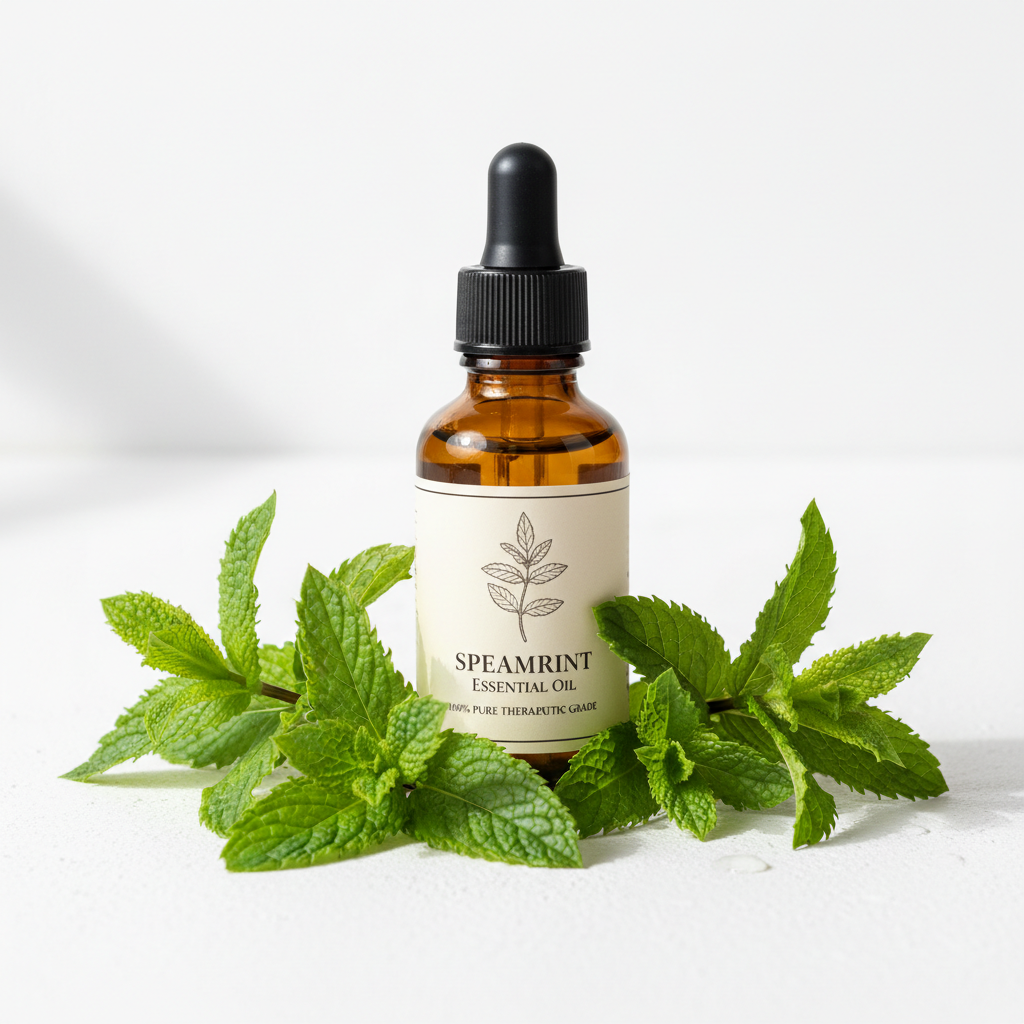
Spearmint Essential Oil
Mentha spicata
Spearmint Essential Oil, scientifically known as Mentha spicata, is derived from the vibrant green leaves of the spearmint plant, a member of the Lamiaceae (mint) family. This essential oil is extracted through steam distillation, a method that ensures the retention of the plant’s natural aromatic properties while providing a high-quality oil that is refreshing and invigorating. ### Origin and Extraction Method Spearmint is native to Europe but is now cultivated in various parts of the world, thanks to its popularity and many benefits. The oil is extracted from the fresh leaves of the spearmint plant, which have a characteristic bright green color and a bright, fresh scent. The steam distillation process involves passing steam through the plant material, causing the oil to evaporate and subsequently condense into liquid form, resulting in an essential oil that is both potent and aromatic. ### Botanical Information The botanical name, Mentha spicata, highlights its distinctive flowering spikes, with leaves that are lanceolate and serrated. The plant grows to about 30-100 cm in height and is known for attracting various pollinators, including bees and butterflies, making it a beneficial addition to gardens. ### Therapeutic Properties and Benefits Spearmint Essential Oil is celebrated for its numerous therapeutic benefits: - **Digestive Aid:** Traditionally used to alleviate digestive discomfort, it can help to soothe symptoms like bloating and gas. - **Mental Clarity:** The oil is known to promote mental clarity, enhance focus, and improve mood, making it a popular choice for aromatherapy applications aimed at reducing mental fatigue. - **Stress Relief:** Inhaling spearmint oil can uplift the spirits and provide a feeling of rejuvenation, helping to alleviate stress and anxiety. ### Historical and Traditional Uses Historically, spearmint has been valued not only for its delightful flavor in culinary dishes but also as a remedy in traditional medicine. Ancient cultures have utilized spearmint for its digestive health benefits, often consumed in teas or as an infusion. It was also used in baths and during massage practices for its soothing and refreshing properties. ### Scientific Facts and Research Recent studies have recognized the antimicrobial properties of spearmint oil, finding it effective against certain bacterial strains. Research into its potential benefits continues, with findings suggesting that its aroma can enhance cognitive function and potentially have a positive impact on mood disorders. ### Aroma Profile and Characteristics Spearmint Essential Oil is characterized by its sweet, minty, and refreshing aroma. The scent is often described as more gentle and sweeter compared to other mints like peppermint, making it a favorite in many homes and wellness practices. The oil’s fresh scent can invigorate the air and create an uplifting atmosphere when diffused. ### Common Applications and Methods Spearmint Oil has various applications: 1. **Aromatherapy:** Use in a diffuser to improve mood and clarity of thought. 2. **Topical Use:** Dilute with a carrier oil and apply to temples to relieve tension headaches or sore muscles. 3. **Baths:** Add a few drops to warm water for a refreshing bathing experience. 4. **Cooking Uses:** Sometimes used in culinary applications, although it is essential to ensure it is food-grade quality. ### Interesting Facts and Trivia - Spearmint is often added to dental products for its flavor and freshening effect, symbolizing its longstanding association with oral health. - In folklore, spearmint has been linked with love and devotion, often used as a garnish for romantic meals. - The oil is also used in natural insect repellents, capitalizing on its strong aroma to deter pests. In conclusion, Spearmint Essential Oil is a versatile and beneficial oil with a rich history of use for wellness and health. Its fresh and lively aroma, along with its therapeutic properties, make it a must-have for aromatherapy enthusiasts and those seeking natural health solutions.
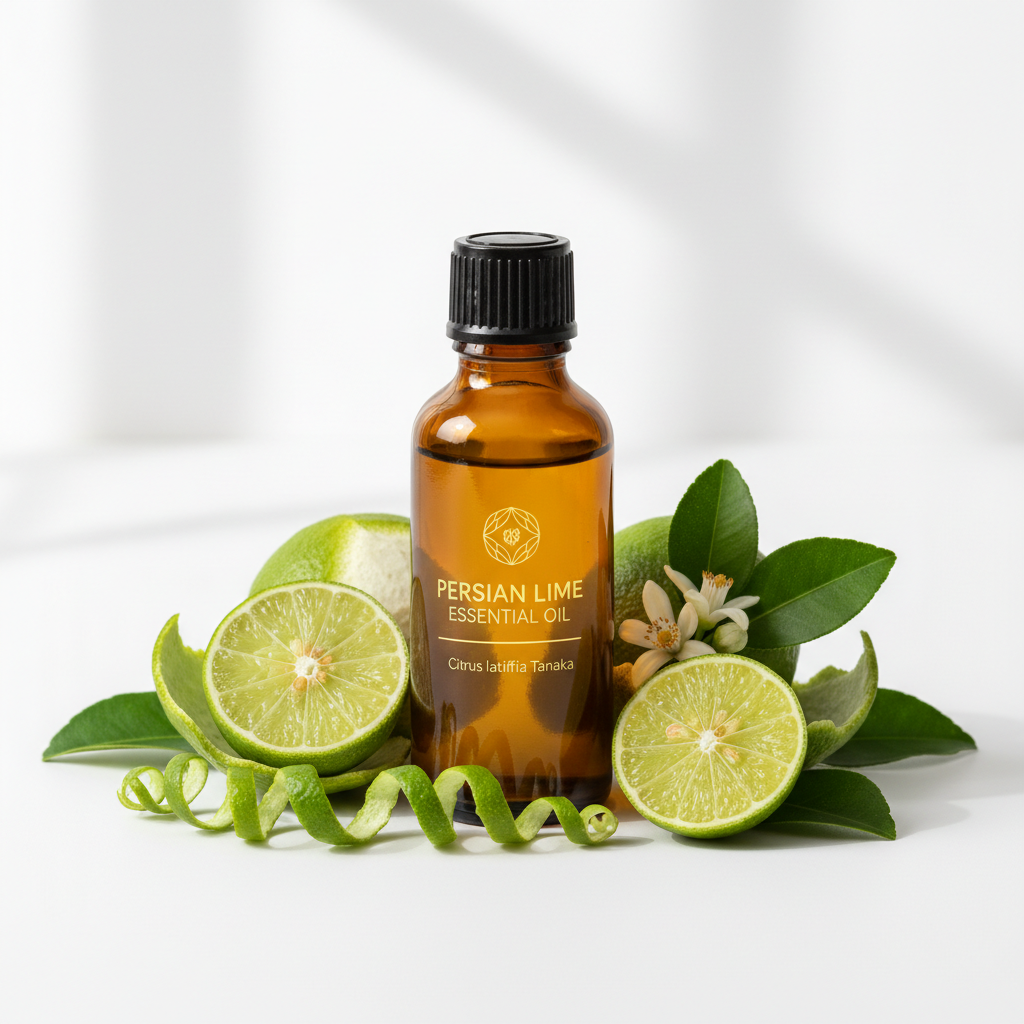
Persian Lime Essential Oil
Citrus latifolia Tanaka
**Persian Lime Essential Oil: Comprehensive Guide** Persian Lime essential oil, scientifically known as *Citrus latifolia Tanaka*, is a vibrant and invigorating oil extracted through the cold-press method from the peels of the fruit. This extraction process preserves the oil's rich aromatic properties, making it highly valued in aromatherapy, perfumery, and culinary applications. ### Origin and Extraction Method The Persian Lime tree thrives in tropical and subtropical climates, primarily in regions of Southeast Asia and the Americas. Cold-pressing involves mechanically pressing the fresh peels to extract the essential oil. This method ensures the retention of the oil's natural aroma and therapeutic components. The result is a crisp, fresh scent that embodies the essence of sun-ripened limes. ### Botanical Information Botanically classified under the Rutaceae family, Persian Lime trees can grow up to 15 feet tall and produce small, round green fruits. The oil is characterized by its bright yellow-green color and refreshing citrus aroma, which is both uplifting and energizing. ### Therapeutic Properties and Benefits Persian Lime essential oil is renowned for its diverse therapeutic properties, making it a popular choice in holistic healing practices. Its benefits include: - **Uplifting Mood**: The zesty fragrance enhances mood, promotes feelings of joy, and reduces stress. - **Energizing**: The invigorating aroma revitalizes energy levels, making it ideal for daytime use, especially in lowering fatigue during work or study sessions. - **Calming Effects**: Despite its energizing properties, it also provides a calming effect, helping to alleviate anxiety and promote emotional stability. - **Mental Clarity**: It is known to improve focus and concentration, making it beneficial for those needing to enhance productivity. - **Confident Aura**: The essential oil promotes feelings of confidence and self-assurance, positively impacting personal and professional interactions. - **Immune Support**: Persian Lime essential oil may support the immune system, helping the body to defend against seasonal illnesses. - **Respiratory Health**: Inhalation can clear congestion and improve breathing, providing relief during respiratory issues. - **Pain Relief**: Inhaling or topical application (diluted) can soothe headaches and tension. - **Skin Health**: It balances oily skin, reduces blemishes, and may promote a healthy complexion. - **Digestive Health**: When used appropriately, it can alleviate nausea and support overall digestive wellness. ### Historical and Traditional Uses Historically, Persian Lime has played a crucial role in both traditional medicine and culinary arts. In Southeast Asia, lime juice and zest were commonly used as natural remedies for digestive issues and skin ailments. The oil has also been incorporated into various culinary traditions, adding flavor and vibrancy to dishes and beverages. Its use as a flavoring agent in detoxifying drinks became increasingly popular in health-conscious communities. ### Aroma Profile and Characteristics The aroma of Persian Lime essential oil is bright, fresh, and zesty, with a sweet undertone that appeals to many. This scent profile makes it an excellent choice for uplifting spaces, enhancing mood, and creating a refreshing environment in homes and workplaces. ### Common Applications and Methods Persian Lime essential oil can be utilized in various ways, including: - **Diffusing**: Add a few drops to a diffuser for an uplifting aromatic experience. - **Topical Application**: Dilute with a carrier oil for application on skin, aiding in skin health and tension relief. - **Culinary Uses**: Incorporate in food and beverages for flavor enhancement and potential digestive benefits. - **Homemade Cleaning Products**: Utilize its antibacterial properties in eco-friendly cleaners. ### Interesting Facts and Trivia - Persian Lime is often mistaken for Key Lime due to their similarities, but they're distinct varieties with different flavor profiles. - The oil's antibacterial properties make it a common natural remedy in products aiming for skin clarity and freshness. - Additionally, Persian Lime essential oil is often included in blends for its ability to unify and complement other scents in aromatherapy. ### Conclusion Overall, Persian Lime essential oil stands out not only for its delightful scent and versatility but also for its numerous health benefits and historical significance. Whether you're looking to enhance your mood, improve your focus, or enjoy its culinary zest, this essential oil is an excellent addition to your collection.
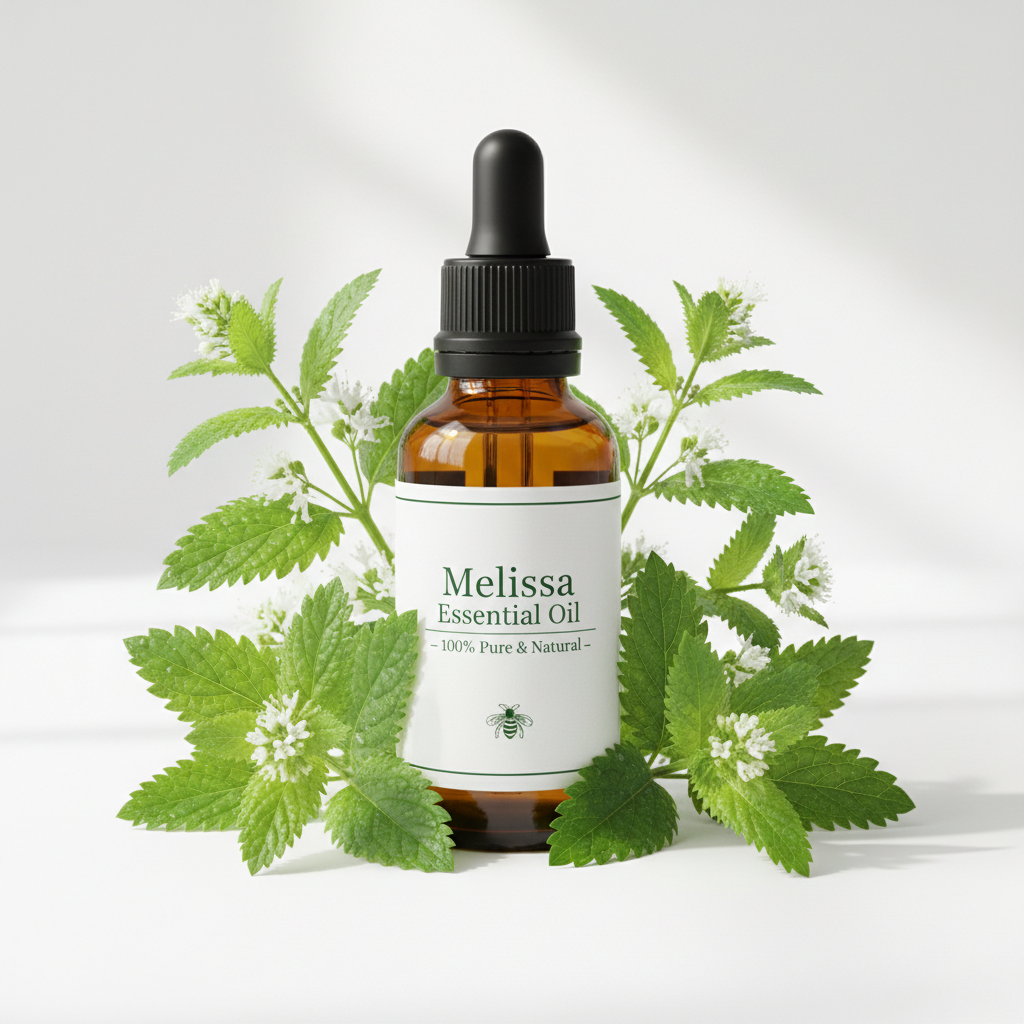
Melissa Essential Oil
Melissa officinalis
**Melissa Essential Oil: Benefits, Uses, and Properties** Melissa essential oil, extracted from the leaves of the *Melissa officinalis* plant, is commonly known as lemon balm. This aromatic oil has captivated not only the senses but also the hearts of many due to its versatility and therapeutic properties. It is produced through steam distillation, a method that preserves its delicate compounds, resulting in an oil that embodies a fresh, citrusy aroma. ### Origin and Extraction Method Melissa officinalis, a member of the mint family, is native to Europe, particularly around the Mediterranean region. The oil is derived from its vibrant green leaves, which are known for their invigorating scent. The steam distillation process ensures that the essential oils are carefully extracted while maintaining the integrity of the plant's natural aroma and chemical profile. This method involves passing steam through the plant material, which vaporizes the volatile compounds. Once cooled, the steam condenses back into liquid form, separating the essential oil from the water, which is often used for hydrosols. ### Botanical Information The botanical classification of lemon balm is as follows: - **Family**: Lamiaceae - **Genus**: Melissa - **Species**: *Melissa officinalis* This plant typically grows to about 70-150 cm in height and produces small, white to pale pink flowers that attract bees, hence the name "Melissa," which comes from the Greek word for honeybee. The leaves are serrated, slightly hairy, and possess a strong citrus scent when crushed. ### Therapeutic Properties and Benefits Melissa essential oil has a long-standing reputation for its therapeutic properties. It's primarily known for the following benefits: - **Anxiolytic Effects**: Known for its calming properties, Melissa oil can help alleviate anxiety and stress, making it a popular choice for relaxation. - **Mood Enhancer**: Regular use of this essential oil may improve mood and reduce feelings of sadness or despair, encouraging emotional balance. - **Mental Clarity**: The oil aids in improving focus and mental clarity, helping to dispel brain fog and enhance cognitive function. - **Digestive Support**: It may also aid digestive health by alleviating discomfort such as bloating and gas. - **Respiratory Health**: Melissa oil supports a healthy respiratory system, promoting clearer breathing and potentially alleviating symptoms of respiratory issues. - **Pain Relief**: The soothing properties can help relieve tension headaches, muscle soreness, and provide a comforting effect on overworked muscles. - **Skin Health**: Known for its skin-soothing properties, it can be beneficial for minor irritations, and when diluted in a carrier oil, may help with skin conditions. ### Historical and Traditional Uses Historically, lemon balm has been revered since ancient times. The Greeks and Romans used it for a variety of ailments, including digestion problems and anxiety. In medieval Europe, it was often regarded as a "happy herb," believed to bring joy and peace when consumed as a tea or used in herbal remedies. ### Scientific Facts and Research Recent studies have highlighted the efficacy of Melissa essential oil in promoting mental health and cognitive function. Research indicates that inhalation of Melissa oil may significantly reduce anxiety and stress-related symptoms, corroborating its traditional use as a calming agent. Additionally, studies have shown potential antimicrobial properties, suggesting future uses in natural healthcare. ### Aroma Profile and Characteristics Melissa essential oil possesses a fresh, sweet, and lemony scent, with a hint of herbal undertones. The aromatic profile is uplifting and calming, making it ideal for diffusion. When used in aromatherapy, it helps create a tranquil environment conducive to relaxation and stress relief. ### Common Applications and Methods Melissa essential oil can be used in various ways: - **Aromatherapy**: Diffuse a few drops of Melissa oil in a vaporizer to enjoy its calming effects. - **Topical Application**: Dilute in a carrier oil for massage or direct application to the skin. - **Bathing**: Add a few drops to your bathwater for an invigorating and soothing experience. - **Inhalation**: Inhale from the bottle or add to a tissue for on-the-go stress relief. ### Interesting Facts and Trivia - Melissa oil is often used in perfumes due to its pleasant fragrance. - The plant attracts bees, which are essential for pollination and biodiversity. - In ancient medicine, it was often infused into wines for its calming effects. In summary, Melissa essential oil is a multifaceted oil with a rich history, impressive benefits, and charming aroma, making it a valuable addition to any essential oil collection.
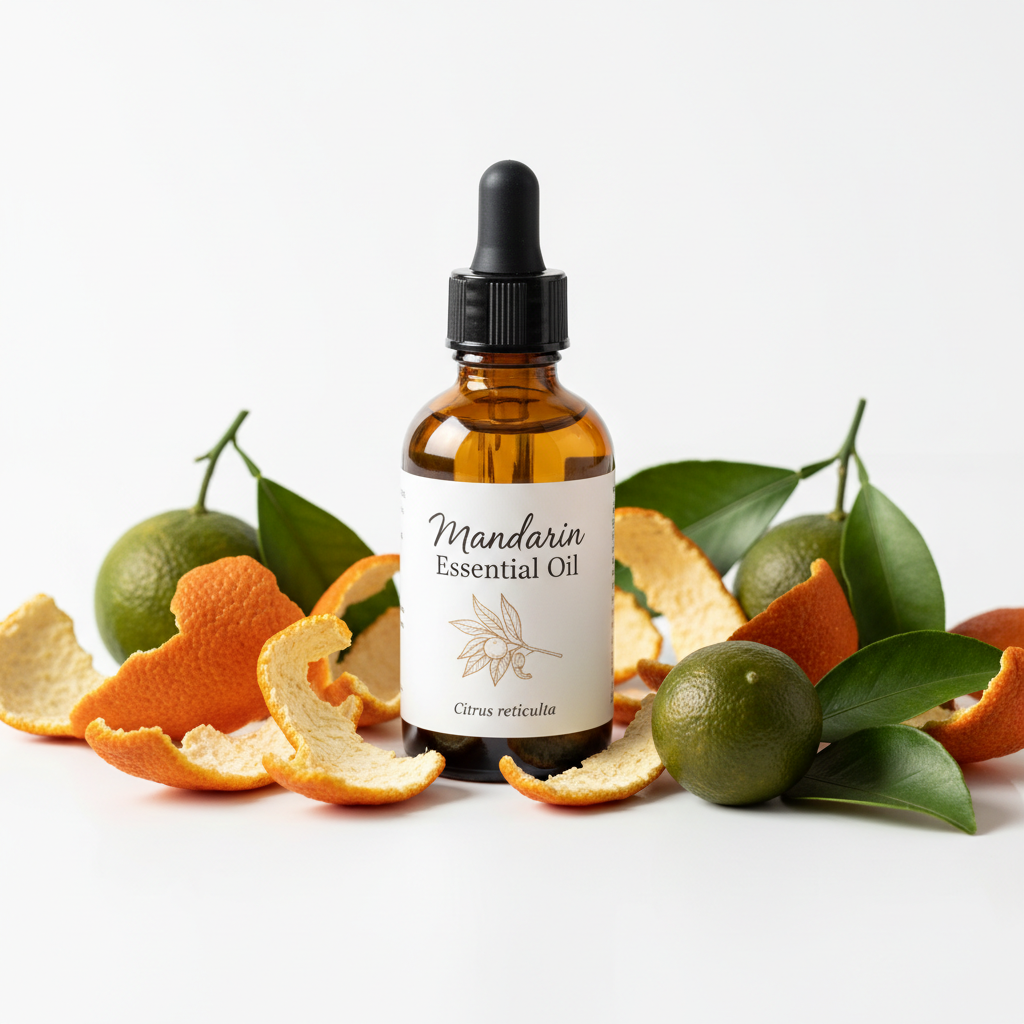
Mandarin Essential Oil
Citrus reticulata
Mandarin Essential Oil is a precious oil derived from the peels of the Citrus reticulata fruit, commonly referred to as the mandarin orange. This essential oil is celebrated for its delightful, sweet aroma and its numerous therapeutic properties, making it a favorite in both aromatherapy and natural health practices. With a rich history and numerous applications, Mandarin essential oil is a staple in many essential oil collections. **Origin and Extraction Method** Mandarin oil originates from citrus fruits, which are largely cultivated in tropical and subtropical regions, including parts of Asia, Europe, and the Americas. The oil is extracted through a cold-pressing method that involves mechanically pressing the peels of ripe mandarins. This extraction process retains the oil’s natural aroma and properties, resulting in the oil that is refreshing, bright, and uplifting. **Botanical Information** The botanical classification of Mandarin is as follows: - **Botanical Name**: Citrus reticulata - **Family**: Rutaceae - **Part Used**: Peel This information is crucial for identifying the oil and its quality and ensuring that users are acquiring authentic Mandarin essential oil. **Therapeutic Properties and Benefits** Mandarin essential oil is renowned for its uplifting and calming properties. It is known to: - Promote relaxation and reduce tension and anxiety by creating a soothing atmosphere - Enhance mood and alleviate symptoms of depression - Support emotional balance, fostering positivity and reducing irritability - Improve skin health, particularly for oily and acne-prone skin - Aid in digestion, easing symptoms like bloating and discomfort - Boost immune system function while promoting overall vitality - Soothe respiratory issues by relieving congestion when inhaled **Historical and Traditional Uses** Historically, Mandarin essential oil has been used in various cultures for its beneficial properties. In ancient China, it symbolized tranquility and was often used in rituals and ceremonies to promote peace and harmony. Ayurvedic practices in India have incorporated Mandarin oil for its uplifting effects on mood. Furthermore, it has been used in traditional medicine for its digestive and skin health benefits, showing the oil’s versatility throughout history. **Scientific Facts and Research** Recent studies have explored the benefits of Mandarin essential oil, confirming its antidepressant and anxiolytic properties. Research indicates the oil can help reduce the levels of stress hormones in the body while enhancing mood and emotional well-being. These findings further underline the oil's significance in aromatherapy and natural health practices. **Aroma Profile and Characteristics** Mandarin essential oil is characterized by its sweet and fruity aroma, reminiscent of fresh mandarin oranges. Known for its refreshing scent, it can create a cheerful and invigorating environment when diffused. This oil is often noted for its uplifting effects that can brighten any space and improve emotional state. **Common Applications and Methods** Mandarin essential oil can be used in various ways: - **Aromatherapy**: Diffusing the oil in your home can promote relaxation and enhance mood. - **Topical Applications**: When diluted with a carrier oil, it can be massaged into the skin to improve complexion and soothe irritation. Always conduct a patch test before applying to ensure no adverse reactions occur. - **Personal Care Products**: It is a popular ingredient in lotions, creams, and soaps for its skin benefits and delightful scent. - **Household Cleaner**: Its antibacterial properties make it an excellent addition to homemade cleaners, adding fragrance while providing a level of disinfection. **Interesting Facts and Trivia** - Many people find Mandarin essential oil to be a favorite for children due to its gentle nature and pleasant aroma, which helps calm children during stressful situations. - It’s often used in beauty and skincare products and can aid in reducing stretch marks and scars. - Mandarin essential oil is one of the safest essential oils for use in kids and can be beneficial in helping to ease separation anxiety. In summary, Mandarin essential oil is not just a delightful addition to any essential oil collection but also a powerful ally in promoting emotional and physical well-being. By incorporating this oil into your daily routine, you can enjoy its diverse range of therapeutic benefits while embracing the joy of its enchanting fragrance.
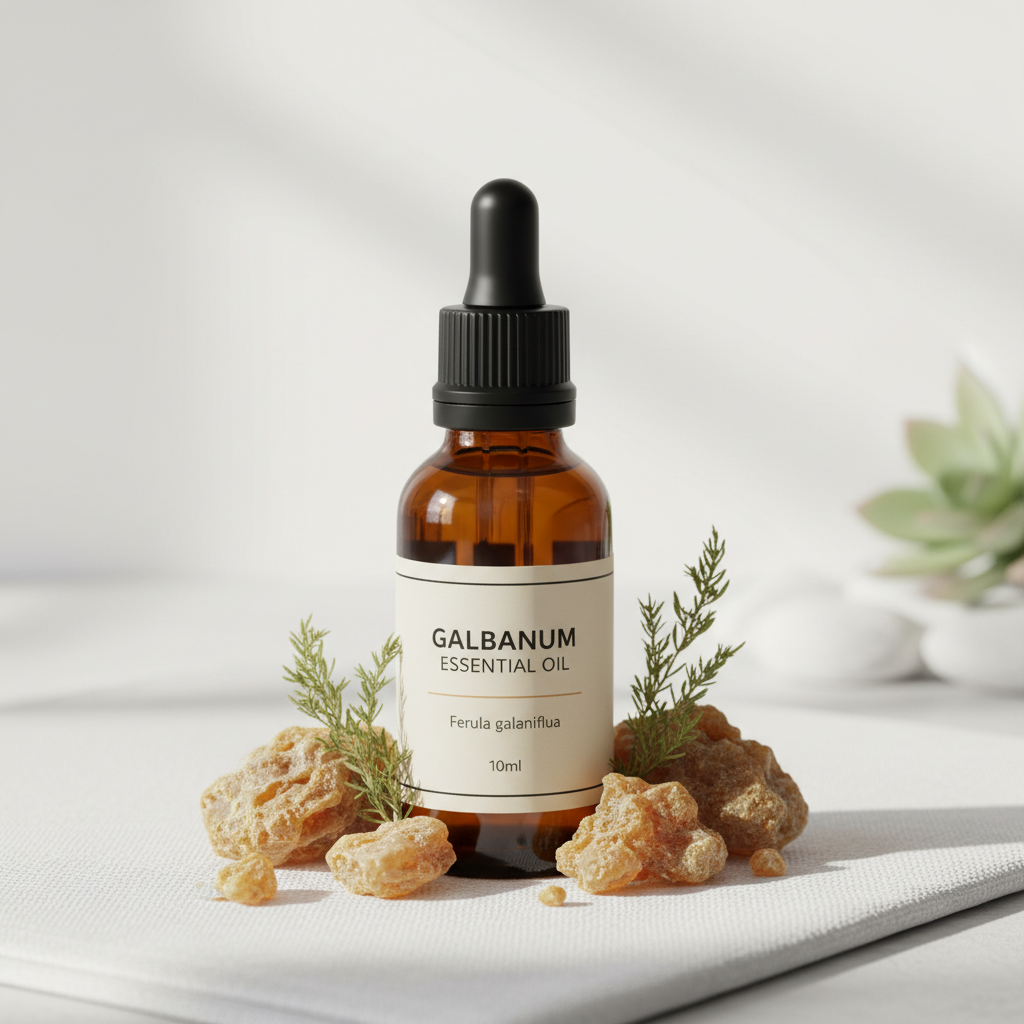
Galbanum Essential Oil
Ferula galbaniflua
Galbanum essential oil, derived from the resin of the Ferula galbaniflua plant, is a captivating aroma with a rich history that dates back to ancient civilizations. This unique essential oil is renowned for its calming and grounding properties, making it a popular choice in aromatherapy and natural health practices. ### Origin and Extraction Method Galbanum oil is extracted from the resin of the Ferula galbaniflua plant, which predominantly grows in the Middle East, particularly in regions such as Iran and Iraq. The extraction process commonly involves steam distillation, a technique that preserves the therapeutic constituents of the oil while ensuring a high-quality product. This method captures the essence of the plant, maintaining its natural aroma and beneficial properties. ### Botanical Information The Ferula galbaniflua plant belongs to the Apiaceae family. It is characterized by its tall stature and large green leaves, which produce a resinous sap that is collected and distilled to create galbanum essential oil. The oil possesses a greenish-yellow hue and a viscosity that complements its robust profile. ### Therapeutic Properties and Benefits Galbanum essential oil is celebrated for its myriad therapeutic benefits, including: - **Calming Effects:** The oil is known to promote a sense of tranquility and deep relaxation, making it ideal for meditation and stress relief. - **Emotional Healing:** Its grounding properties support emotional balance and self-reflection, helping to alleviate anxiety and nervousness. - **Mental Clarity:** Galbanum oil can enhance focus and mental clarity, reducing fatigue and confusion, thereby fostering a productive mindset. - **Anti-Inflammatory:** The oil has natural anti-inflammatory properties, making it beneficial for soothing sore muscles and joints. - **Skin Care:** Galbanum essential oil can support healthy skin by reducing irritation and promoting a clearer complexion. - **Menstrual Relief:** It may assist in relieving menstrual discomfort and regulating cycles, providing support to women’s health. - **Circulation Support:** The oil is believed to encourage circulation, enhancing overall vitality and well-being. - **Respiratory Aid:** Galbanum can help maintain respiratory health and may alleviate coughs and congestion, further supporting wellness. ### Historical and Traditional Uses Historically, galbanum essential oil was used in ancient Egypt for religious rituals and as an ingredient in perfumes. The oil was prized for its aromatic qualities as well as its therapeutic effects. In ancient texts, it was noted for its use in sacred ceremonies and was considered a gift from the gods. It has also found its place in traditional medicine systems, where it was used for various ailments and holistic healing practices. ### Scientific Facts and Research Recent studies have indicated the presence of several bioactive compounds in galbanum oil, such as terpenes, which contribute to its therapeutic efficacy. Research suggests that these compounds may exert anti-inflammatory, analgesic, and mood-enhancing effects, supporting the oil’s long-standing reputation in natural healing practices. ### Aroma Profile and Characteristics Galbanum essential oil possesses a distinctive aroma that is often described as green, woody, and somewhat earthy. This unique scent profile makes it a favored choice for formulators looking to add depth and complexity to their blends. Its aroma can uplift and refresh the mind while also providing grounding effects, allowing for a balanced sensory experience. ### Common Applications and Methods Galbanum essential oil can be used in various ways, including: - **Diffusion:** Add a few drops to an essential oil diffuser or vaporizer to enjoy its calming aroma throughout the home or workplace. - **Topical Application:** Dilute galbanum oil with a carrier oil such as jojoba or almond oil and apply it to the skin to benefit from its soothing properties. - **Bath Infusion:** Add several drops to warm bath water for a luxurious and relaxing soak. - **Massage Therapy:** Incorporate into massage oils for a grounding experience that promotes relaxation and relief from tension. ### Interesting Facts and Trivia - Galbanum oil is often associated with balance and tranquility in aromatherapy, making it a staple in holistic health practices. - It has a historical significance as one of the ingredients in the ancient Egyptian incense called ‘kykeon’ used in rituals. - The versatility of galbanum makes it an excellent ingredient in natural perfumes and cosmetics, thanks to its ability to enhance and fix other scents. In conclusion, galbanum essential oil stands out for its rich heritage and diverse applications. Its potent therapeutic properties and delightful aroma make it an essential addition to any essential oil collection.
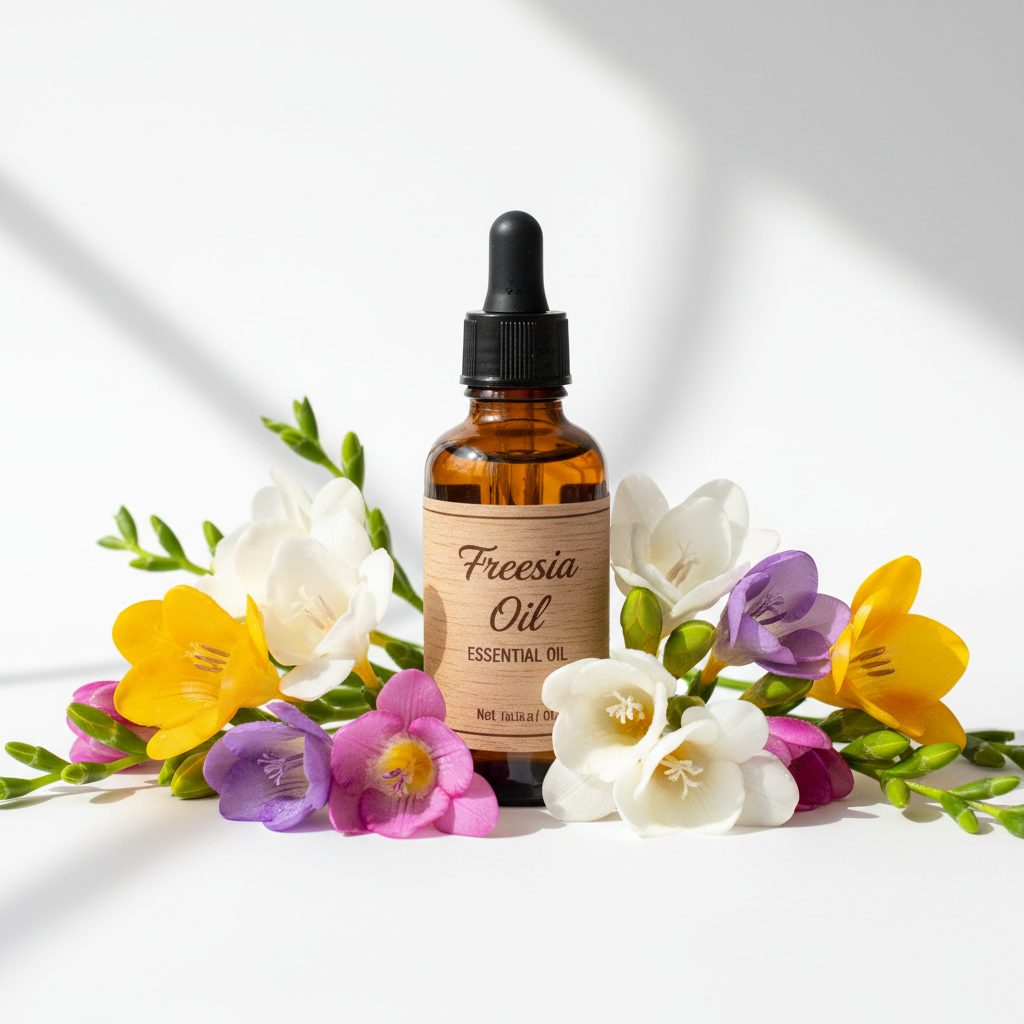
Freesia Oil Essential Oil
Freesia refracta (Jacq.) Klatt
### Introduction to Freesia Essential Oil Freesia Essential Oil is derived from the stunning blooms of the **Freesia refracta** plant, a vibrant flower with a captivating fragrance. Known for its delightful aroma and soothing properties, Freesia Oil is obtained through the process of steam distillation, which preserves the delicate compounds found in its petals. This essential oil has become increasingly popular in aromatherapy and wellness practices due to its mood-enhancing capabilities and various health benefits. ### Origin and Extraction Method The Freesia plant is native to South Africa, flourishing in a warm climate that allows its flowers to bloom beautifully. The oil is extracted specifically from the plant’s blossoms, which are harvested at the peak of their fragrance. The steam distillation process ensures that the oil maintains the integrity of its natural aroma and beneficial properties, making it ideal for therapeutic use. ### Botanical Information Freesia belongs to the Iridaceae family, which contains over 50 species. Freesia refracta, the primary species used for extracting essential oil, typically blooms in bright colors such as yellow, white, and purple. Each bloom emits a unique and potent floral scent that contributes to the oil's overall aromatic profile. Botanically, Freesia is characterized by its slender leaves and tubular flowers that attract pollinators with their sweet fragrance. ### Therapeutic Properties and Benefits Freesia Essential Oil is revered for its therapeutic properties that promote emotional balance and mental well-being. The essential oil is commonly used for: - **Reducing Stress:** The floral aroma interacts positively with brain receptors, helping to alleviate feelings of anxiety and promoting relaxation. - **Enhancing Mood:** It can uplift spirits and evoke feelings of happiness, making it beneficial during periods of emotional distress or sadness. - **Supporting Meditation and Yoga:** Freesia Oil is a popular choice for enhancing mindfulness practices, allowing users to deepen their focus and connection. - **Promoting Self-Esteem:** By improving emotional health, it supports self-acceptance and confidence. - **Respiratory Support:** When diffused, the oil can help clear the airways, making breathing easier and relieving respiratory tension. - **Headache Relief:** Its soothing scent can help ease tension headaches caused by stress. - **Improving Sleep Quality:** Utilizing Freesia Oil in a diffuser before bedtime can enhance sleep quality, leading to more restorative rest. ### Historical and Traditional Uses Historically, Freesia has been celebrated not only for its aesthetic appeal but also for its floral fragrance, often used in perfumes and sacred rituals. In many cultures, Freesia is associated with friendship, trust, and childhood innocence, making it a popular flower in botanical art and scented offerings. Traditional uses of Freesia include employing its fragrance in ceremonies to promote communal harmony and joy. ### Scientific Facts and Research Research into essential oils, including Freesia, is an expanding field. Studies suggest that the aromatic compounds in Freesia can influence mood and emotional health through the limbic system connection. The calming properties of floral aromas are often highlighted in studies focusing on reducing stress and anxiety in various populations. While specific studies on Freesia Oil are limited, its constituents align with known benefits of other floral essential oils. ### Aroma Profile and Characteristics Freesia Essential Oil is characterized by a **sweet, floral aroma** that is both uplifting and calming. It has a light and refreshing scent, making it an excellent addition to any blend or standalone application. The aroma is often described as ethereal and soft, creating a serene atmosphere suitable for relaxation and emotional healing. ### Common Applications and Methods Freesia Oil can be utilized in various ways: - **Aromatherapy Diffusion:** Add a few drops of Freesia Oil to a diffuser to create a calming ambiance. - **Topical Application:** Dilute Freesia Oil with a carrier oil (such as jojoba or sweet almond oil) and apply it to pulse points for emotional support. - **Bath Soak:** Add several drops to a warm bath to enhance relaxation. - **Massage:** Incorporate Freesia Oil into massage oils for added emotional balance during treatments. ### Interesting Facts and Trivia - Freesia is often used in floral arrangements and is a favorite among florists due to its vibrant colors and delightful fragrance. - The name "Freesia" originates from the German botanist Friedrich Freese. - Freesia blooms symbolize friendship and trust, often being gifted to friends and loved ones. ### Conclusion Freesia Essential Oil is more than just a delightful floral scent. Its therapeutic properties, coupled with its historical significance and practicality, make it a valuable addition to any essential oil collection. Whether you seek emotional balance, respiratory support, or simply want to enhance your environment’s aroma, Freesia Oil offers a world of benefits waiting to be explored.