Search
Found 4 results for "non-toxic"
Essential Oils
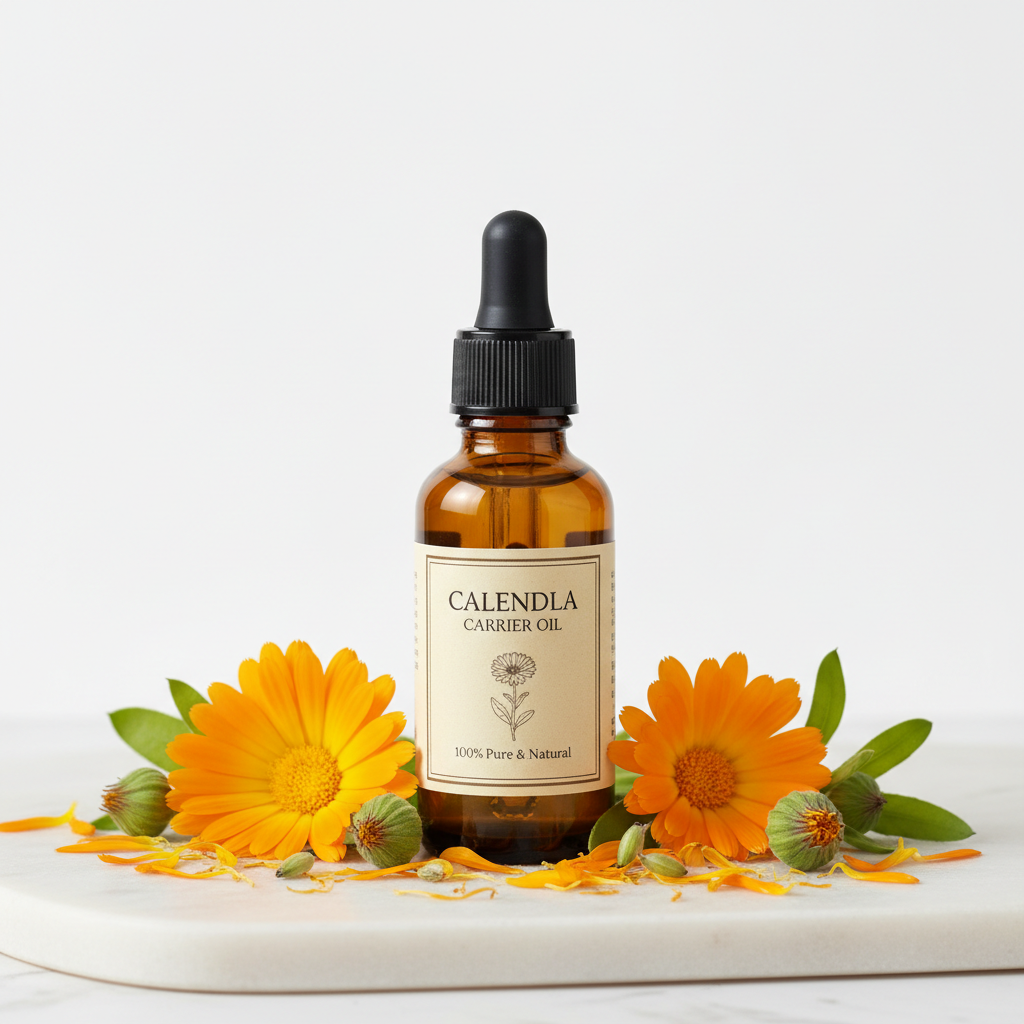
Calendula Carrier Oil
Calendula officinalis
**Calendula Carrier Oil: Origin, Benefits & Uses** **Introduction to Calendula Carrier Oil** Calendula Carrier Oil, extracted from the vibrant flowers of *Calendula officinalis*, also known as marigold, is a highly esteemed oil in herbal medicine and aromatherapy. This oil has gained popularity due to its myriad therapeutic properties, making it an essential ingredient in skin-care products, soaps, and wellness formulations. Its soft golden hue and subtle aroma contribute to its appeal. **Origin and Extraction Method** Calendula Carrier Oil is derived through a gentle cold-press extraction process, which helps preserve the oil's potent nutrients and therapeutic qualities. The calendula plant thrives in various climates, particularly in Europe, the Mediterranean, and North America. It is cultivated for ornamental purposes as well as for its medicinal properties. The flowers are harvested at peak bloom, carefully dried, and then subjected to the extraction process to create the pure oil loved by many. **Botanical Information** *Calendula officinalis* is a flowering plant in the Asteraceae family. Known for its bright yellow to orange petals, calendula has been used for centuries for its healing properties. Historically, calendula flowers have been utilized in various cultures as a remedy for skin ailments, digestive issues, and even as a dye ingredient. **Therapeutic Properties and Benefits** Calendula Carrier Oil is renowned for its anti-inflammatory, antimicrobial, and skin-repairing abilities. It is particularly effective in treating a range of skin conditions including eczema, dermatitis, and psoriasis. The oil aids in healing wounds, reducing inflammation, and speeding up the recovery process thanks to its rich composition of flavonoids and antioxidants. Additionally, it promotes skin hydration, making it an excellent option for dry or sensitive skin types. Beyond its skin benefits, calendula oil is also used to alleviate anxiety and promote relaxation. Its calming aroma can uplift moods, creating a sense of well-being and emotional balance. This dual functionality makes it a revered oil in both cosmetic and mental health applications. **Historical and Traditional Uses** Historically, calendula has been used in traditional medicine practices such as Ayurveda and European herbalism. Its therapeutic qualities are well documented, with ancient civilizations using it to ward off infections and promote skin healing. Herbalists often formulated ointments and tonics from calendula to treat wounds during battles or after surgery. **Scientific Facts and Research** Numerous scientific studies have validated the benefits of calendula oil. Research highlights its potential to reduce inflammation and improve skin health. One study published in the Journal of Ethnopharmacology found that calendula exhibited significant antifungal activity, proving its efficacy against common skin irritants. Other studies show that topical application can enhance wound healing and skin barrier function, making it instrumental in formulations for sensitive and damaged skin. **Aroma Profile and Characteristics** Calendula Carrier Oil carries a mildly sweet, earthy aroma that is soothing and comforting. Its fragrance profile contributes to a calming environment, ideal for relaxation during aromatherapy sessions. The oil's soothing scent also pairs well with various essential oils for a holistic approach to wellness. **Common Applications and Methods** Calendula Carrier Oil can be used in several ways, including: - **Massage Oil**: Combine with other carrier oils or essential oils to create a relaxing massage blend. - **Skincare**: Apply directly to skin irritations or mix with creams for enhanced benefits. - **Aromatherapy**: Use in diffusers to promote a calming atmosphere or add to bathwater for indulgent self-care. - **Hair Care**: Incorporate into conditioning treatments for moisturizing benefits. **Interesting Facts and Trivia** - Calendula flowers are often referred to as "the joy of the garden" for their vibrant colors. - The oil is non-toxic and considered safe for use on children, making it a favorite among natural parenting communities. - Aside from skincare, calendula’s edible flowers have been used to add color and flavor to food dishes in various cuisines. **Conclusion** Calendula Carrier Oil is a versatile and valuable oil with rich history and multitude of uses. From its therapeutic properties to its role in promoting relaxation and skin health, it truly is a testament to nature's gifts. Whether you are exploring natural remedies or enhancing your skincare routine, calendula carrier oil is a fantastic addition to your wellness arsenal.
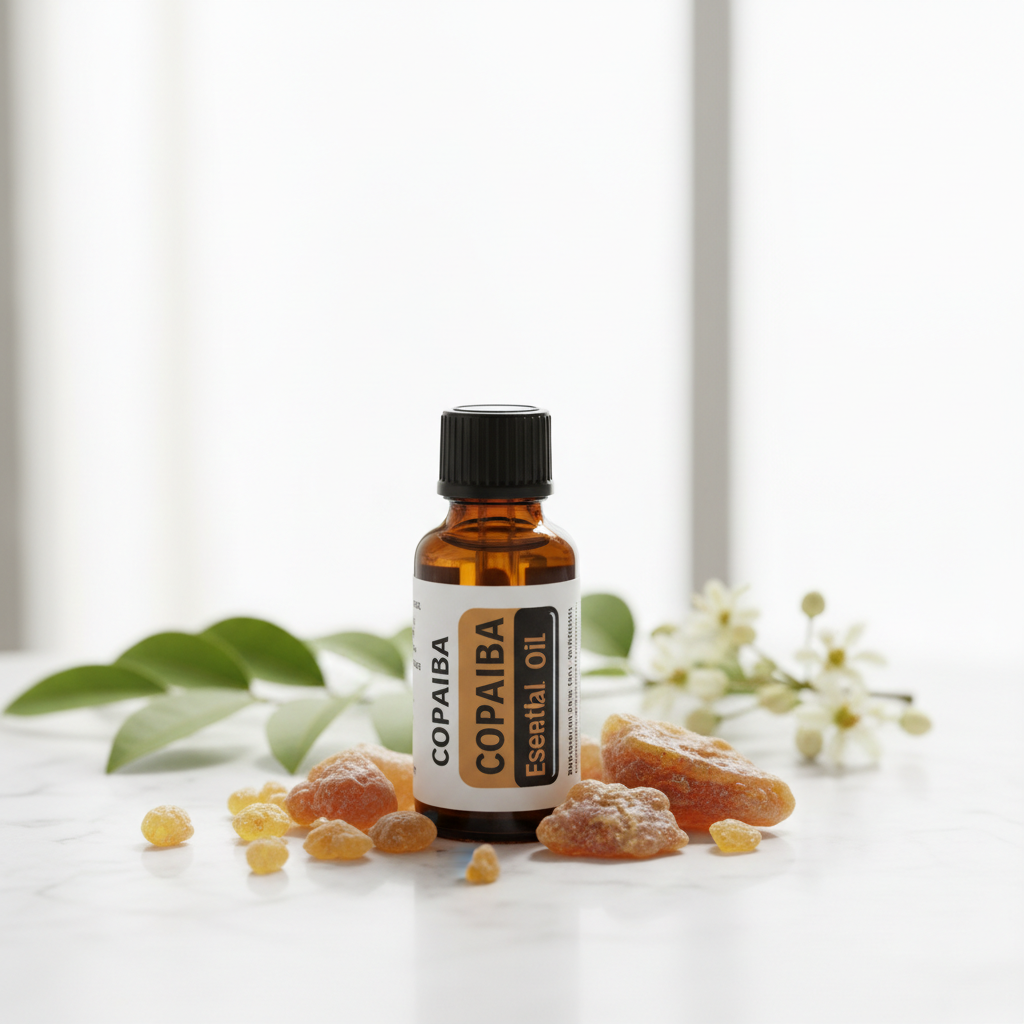
Copaiba Essential Oil
Copaifera officinalis
Copaiba essential oil, derived from the resin of the Copaifera officinalis tree, is a remarkable natural remedy indigenous to South America's Amazon Rainforest. Known for its therapeutic properties, this oil has become increasingly popular in aromatherapy and natural health practices. In this comprehensive guide, we will explore its origins, extraction methods, therapeutic benefits, and much more. **Origin and Extraction Method** Copaiba oil is extracted from the resin of the Copaifera officinalis tree, commonly found in Brazil, Peru, and Colombia. The extraction process involves drilling into the tree to collect the resin, which is then distilled to produce the essential oil. This method not only preserves the oil's beneficial properties but also ensures that the extraction process does not harm the tree, allowing for sustainable harvesting practices. **Botanical Information** Copaifera officinalis is a tall tree that can reach heights of over 150 feet. It features large, oval leaves that can grow up to 10 inches long, and its flowers are small, yellowish or white, blooming in clusters. The resin, which is the primary source of copaiba oil, is collected without killing the tree, making it a sustainable resource. **Therapeutic Properties and Benefits** Copaiba essential oil boasts a variety of therapeutic properties that make it a powerhouse in natural remedies. Some of its primary benefits include: - **Anti-inflammatory**: Copaiba oil is known to reduce inflammation, making it valuable for conditions such as arthritis and other chronic pain syndromes. - **Antimicrobial**: Research suggests that copaiba oil may possess antimicrobial qualities that help combat various pathogens. - **Analgesic**: This oil can alleviate pain when applied topically, providing relief for sore muscles and joints. - **Skin Healing**: Copaiba oil has properties that can soothe skin irritations, such as eczema and dermatitis, promoting overall skin health. **Historical and Traditional Uses** Historically, the indigenous peoples of the Amazon relied on copaiba oil for its healing properties, using it in traditional medicine for centuries. It was often employed to treat wounds, infections, and digestive issues. The oil was also used in rituals and ceremonies, highlighting its cultural significance. **Scientific Facts and Research** Recent studies have begun to validate the traditional uses of copaiba essential oil. Research indicates that the oil's active compounds, such as beta-caryophyllene, may have anti-inflammatory and analgesic effects. These findings support its employment in modern wellness practices and encourage further exploration into its medicinal uses. **Aroma Profile and Characteristics** Copaiba essential oil has a unique aroma, often described as warm, woody, and slightly sweet. It has a calming scent, making it an excellent choice for aromatherapy, particularly in calming blends aimed at promoting relaxation and reducing stress. **Common Applications and Methods** Copaiba oil can be used in various ways: - **Aromatherapy**: Diffuse the oil to create a serene environment or blend it with other essential oils, such as lavender, for enhanced relaxation. - **Topical Application**: Dilute copaiba oil with a carrier oil, like coconut or jojoba oil, before applying it to sore muscles, inflamed skin, or as part of your skincare routine. - **Inhalation**: Inhale directly from the bottle or add a few drops to a bowl of steaming water for respiratory benefits. **Interesting Facts and Trivia** - Copaiba oil is sometimes categorized with other tree resins, such as frankincense and myrrh, all known for their healing properties. - It is a non-toxic essential oil, making it safe for use in various applications. - The oil does not have the psychoactive effects associated with cannabis, even though it shares compounds such as beta-caryophyllene, making it a safe alternative for those seeking natural relief. In summary, copaiba essential oil is a profound natural remedy with a wealth of benefits. Its historical significance, combined with modern scientific validation and diverse applications, makes it an essential addition to any natural health enthusiast's collection. Whether used for its anti-inflammatory properties or simply enjoyed for its calming aroma, copaiba oil holds a vital place in the world of essential oils.
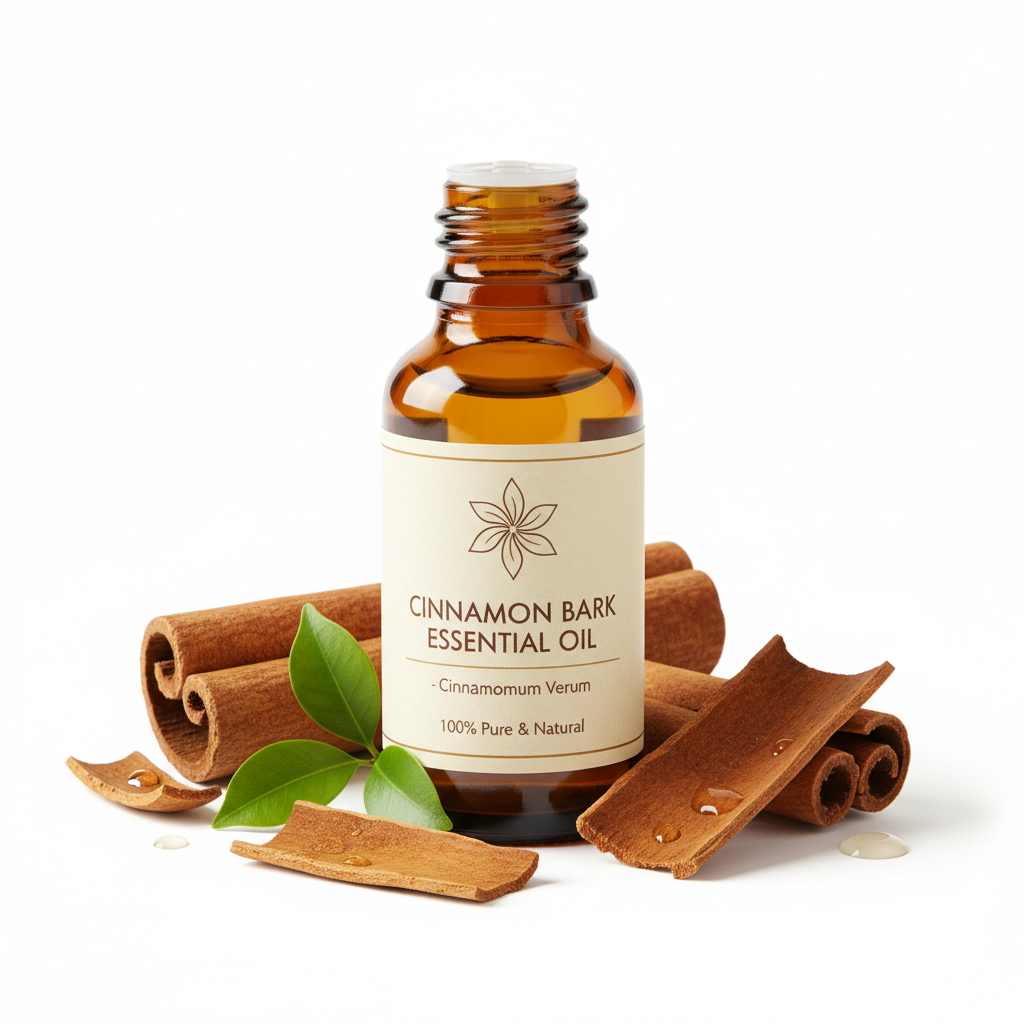
Cinnamon Bark Essential Oil
Cinnamomum verum
Cinnamon Bark Essential Oil is a highly valued essential oil known for its sweet, warm, and spicy fragrance, derived from the bark of the Cinnamomum verum tree, commonly known as true cinnamon or Ceylon cinnamon. This delightful oil has been a cherished commodity for centuries, its origins steeped in rich history and tradition. Let’s delve deeper into various aspects of Cinnamon Bark Essential Oil, spread across its historical background, extraction methods, therapeutic benefits, aroma characteristics, and practical applications in daily life. **Origin and Extraction Method** The origin of Cinnamon Bark Essential Oil traces back to Sri Lanka, where the Cinnamomum verum tree flourishes in the tropical climate. The extraction method typically utilized for capturing this oil is steam distillation. During this process, steam passes through the bark, releasing volatile compounds essential to the oil, and producing a concentrated, aromatic essence that contains many health-benefiting properties. The quality of the oil is significantly influenced by the age of the tree and the time of harvest, ensuring that only the most aromatic bark is utilized. **Botanical Information** Cinnamomum verum is a member of the Lauraceae family, characterized by its evergreen nature, glossy leaves, and small, yellowish flowers. The essential oil from cinnamon is complex, rich in cinnamaldehyde and eugenol, which contribute to its distinctive aroma and therapeutic properties. It is crucial to distinguish Cinnamomum verum from Cinnamomum cassia, commonly known as cassia cinnamon, which has a different flavor profile and therapeutic benefits. **Therapeutic Properties and Benefits** Cinnamon Bark Essential Oil is celebrated for its array of therapeutic properties. - **Antimicrobial and Antifungal**: Research indicates that cinnamon oil possesses strong antimicrobial properties, making it effective against bacteria and mold, which is beneficial for purifying the air when diffused. - **Digestive Aid**: It enhances digestive health by stimulating the production of digestive enzymes, which can alleviate issues like bloating and discomfort after meals. - **Mood Enhancer**: The warm aroma is known to promote emotional well-being, helping to elevate mood, reduce feelings of sadness, and enhance motivation. - **Supports Circulation**: Its warming properties can promote healthy blood circulation, beneficial in relieving cold hands and feet in winter. **Historical and Traditional Uses** Historically, cinnamon was regarded as a precious spice, thought to be a gift from the gods. In ancient Egypt, cinnamon was used in embalming and religious rituals due to its aromatic qualities. Traditional medicine practices across cultures utilized cinnamon for ailments like colds and digestive discomfort, reflecting its long-standing esteemed position in wellness practices. **Aroma Profile and Characteristics** The scent of Cinnamon Bark Essential Oil is warm, sweet, and spicy with a slightly woody undertone. This comforting aroma is not only inviting but is also recognized for its ability to create a cozy atmosphere, making it popular in aromatherapy and home fragrance products. **Common Applications and Methods** Cinnamon Bark Essential Oil can be integrated into daily routines in various ways: - **Diffusing**: Adding several drops to a diffuser can quickly spread its essential oils throughout a room, creating a warm and welcoming space. - **Topical Use**: Diluting cinnamon oil with a carrier oil can allow it to be applied to targeted areas for muscle relief, especially after exercise. - **DIY Products**: Incorporating this oil into homemade candles, soaps, or body lotions can elevate your crafting projects, adding both scent and therapeutic benefits. - **Culinary Uses**: While it should be used cautiously, a drop of cinnamon essential oil can enhance the flavor of beverages, desserts, and savory dishes. **Interesting Facts and Trivia** - Cinnamon Bark Essential Oil was once considered so valuable that it was used as a form of currency in trading. - It is not uncommon for ancient civilizations to use cinnamon for more than just flavor—its preservation qualities made it an important ingredient in food storage practices. - The essential oil can serve as a natural insect repellent, offering a non-toxic alternative to chemical repellents. In conclusion, Cinnamon Bark Essential Oil is not just a fragrant treasure but also a powerful ally in promoting overall health and well-being. Its rich history, combined with its diverse applications and therapeutic benefits, makes it a must-have in any essential oil collection. Embrace its warm, sweet aroma and explore how it can enhance your life in various ways!