Search
Found 44 results for "personal care"
Essential Oils
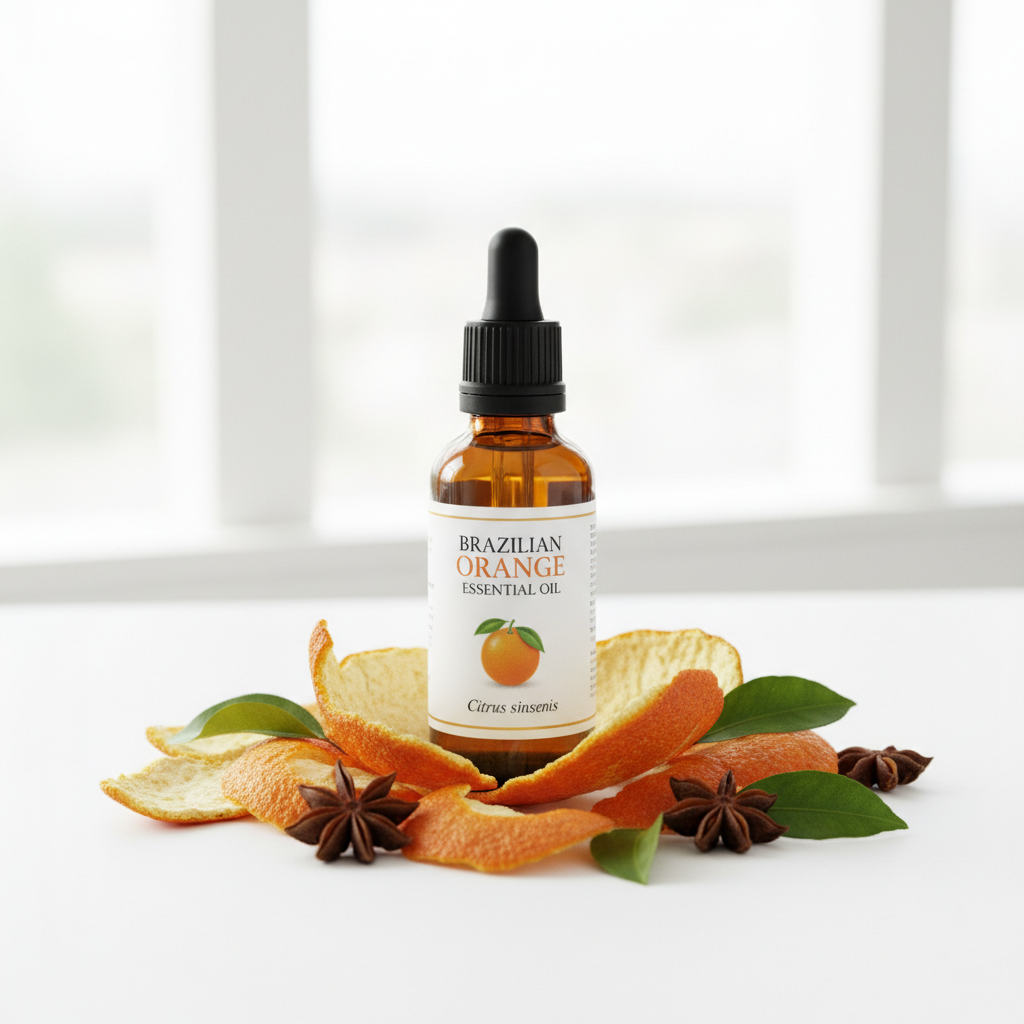
Brazilian Orange Essential Oil
Citrus sinensis
Brazilian Orange Essential Oil, also known as Citrus sinensis, is highly esteemed for its refreshing and uplifting aroma. This essential oil is extracted meticulously from the bright orange peels of oranges that thrive in the warm Brazilian climate. The extraction method primarily employed is cold-pressing, which helps to maintain the oil's vibrant scent and beneficial properties, ensuring a high-quality product for aromatherapy and holistic health applications. ### Origin and Extraction Method Brazilian oranges are native to Brazil and have been cultivated there for centuries, celebrated for their delicious sweetness and juiciness. The essential oil is obtained through a cold-press process that mechanically presses the peels to release their essential oils without the application of heat, thus preserving the oil’s natural characteristics and potency. This careful extraction process guarantees that the extracted oil captures the fruit’s fresh essence and therapeutic benefits. ### Botanical Information Citrus sinensis belongs to the Rutaceae family, which is known for its citrus fruits. These oranges are not only enjoyed fresh but also contribute significantly to the production of delicious, aromatic essential oil. The plant features glossy leaves and fragrant white flowers, which are a delight to the senses. ### Therapeutic Properties and Benefits Brazilian Orange Essential Oil is renowned for its myriad of benefits, particularly in the realm of emotional and mental well-being. Here are some of the major therapeutic properties: 1. **Mood Booster**: The sweet, citrus scent is uplifting and can help improve your mood, making it an excellent choice for combating feelings of sadness or fatigue. 2. **Stress Relief**: Inhaling the aroma of Brazilian orange oil can significantly lower stress and anxiety levels, promoting a sense of tranquility and calmness. 3. **Mental Clarity**: This essential oil aids in improving mental clarity and focus. It is particularly useful for those needing to concentrate or enhance cognitive function. 4. **Emotional Balance**: The oil’s ability to harmonize emotions makes it an effective tool for those dealing with mood swings or emotional turbulence. 5. **Increased Energy**: The invigorating scent acts as a natural energizer, helping to fight off fatigue and boost overall vitality. 6. **Supports Respiratory Health**: Brazilian Orange Essential Oil can help clear airways and promote easier breathing, making it an ideal addition to various respiratory remedies. 7. **Skin Rejuvenation**: When diluted properly, this oil can help enhance the appearance of skin by improving skin tone and reducing blemishes. 8. **Eliminates Odors**: As a natural deodorizer, it effectively neutralizes unpleasant smells, making it perfect for home and personal care uses. 9. **Promotes Digestive Comfort**: Brazilian orange oil can soothe occasional digestive discomfort when applied correctly in diluted forms. 10. **Acts as a Natural Insect Repellent**: Its fragrant aroma is not only delightfully appealing to humans but is also effective in deterring bugs and insects. ### Historical and Traditional Uses Historically, Brazilian Orange Essential Oil has been used in various traditional medicinal practices in Brazil. The bright aroma was employed for its therapeutic effects in traditional healing, with practitioners using it to promote emotional and physical well-being. ### Scientific Facts and Research Research has shown that essential oils like Brazilian orange possess active properties that can positively impact human health. Studies highlight their ability to reduce cortisol levels, thereby enhancing mood and alleviating stress, which is a significant breakthrough in aromatherapy practices. ### Aroma Profile and Characteristics The aroma profile of Brazilian Orange Essential Oil is characterized by its sweet, fresh, and tangy scent. The euphoric fragrance fills the space with warmth and positivity, making it a popular choice in diffusers and personal perfumes. ### Common Applications and Methods Brazilian Orange Essential Oil is widely used in various applications, including: - **Aromatherapy**: Used in diffusers or inhaled directly for mood enhancement. - **Topical Use**: Must be diluted with carrier oils for skincare applications. - **Home Fragrance**: A few drops in cleaning products or air fresheners. - **Massage Therapy**: Added to massage oils for relaxation and rejuvenation during therapies. ### Interesting Facts and Trivia - Brazilian Orange is often referred to as "sweet orange" due to the health benefits and palatable fruit. - The vibrant color of oranges is not just beautiful; it is chemically indicative of its rich vitamin C content, making the oil not only aromatic but also nutritionally beneficial. In conclusion, Brazilian Orange Essential Oil (Citrus sinensis) is a remarkable oil known for its range of therapeutic benefits, uplifting aroma, and extensive applications in health and wellness. Incorporating it into your daily routine can enhance not only emotional balance and mental well-being but also offer practical benefits in your home.
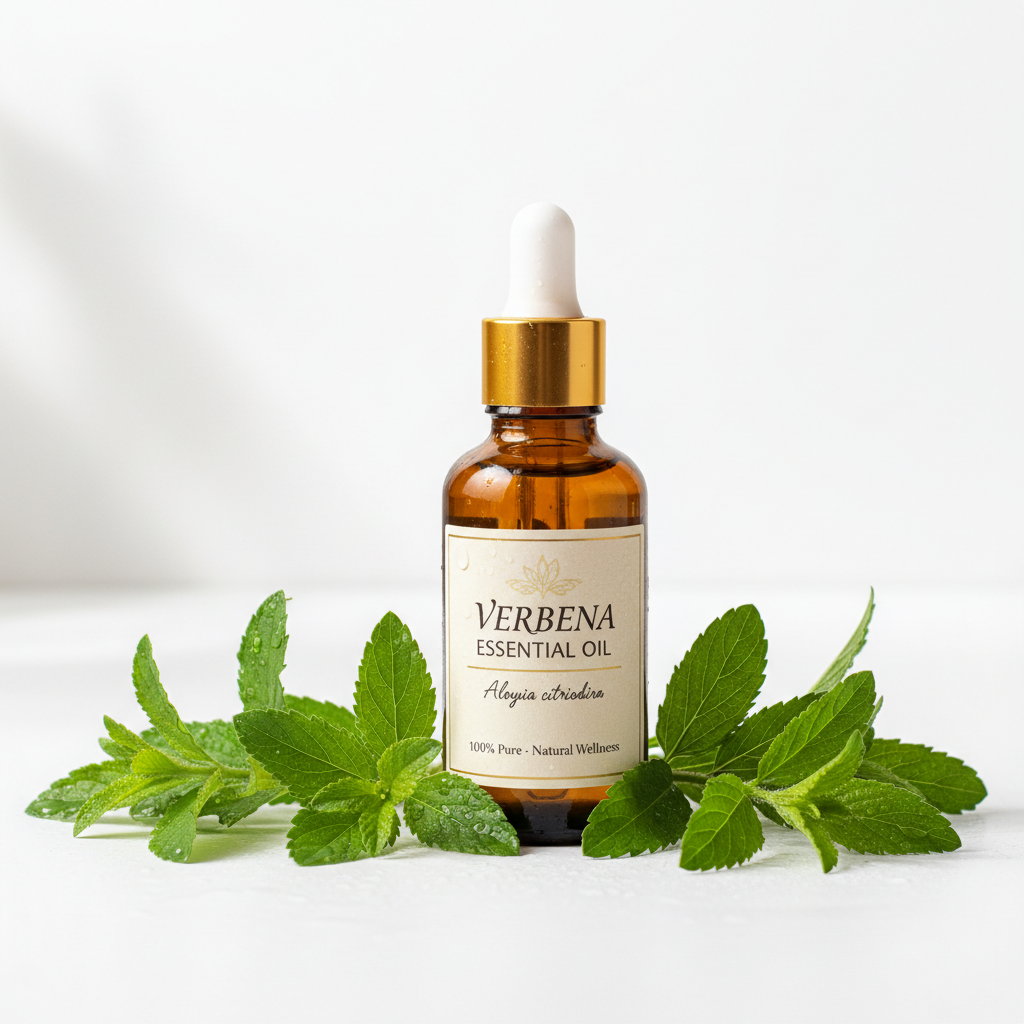
Verbena Essential Oil
Aloysia citriodora
### Verbena Essential Oil: Exploring Its Rich Benefits #### Origin and Extraction Method Verbena essential oil is derived from the leaves of the **Aloysia citriodora** plant, also commonly known as lemon verbena. This fragrant herb is native to South America, where it has been cultivated for centuries due to its numerous health benefits and aromatic properties. The oil is typically extracted through **steam distillation**, a method that helps maintain the integrity of its fragrant compounds and therapeutic qualities. This gentle extraction process results in a high-quality essential oil that captures the plant's refreshing, lemony scent, making it a favorite in aromatherapy and natural wellness practices. #### Botanical Information **Aloysia citriodora** is a perennial shrub that can grow up to 3 feet in height, producing small, white to pale purple flowers and elongated, delicate leaves. The leaves are the primary part used for oil extraction due to their high concentration of aromatic compounds, particularly **citral**, which is responsible for its distinctive lemon scent. The rich chemical composition of lemon verbena oil varies based on factors like climate, harvest time, and processing methods, making each batch unique. #### Therapeutic Properties and Benefits Verbena essential oil is celebrated for a variety of therapeutic properties, including: - **Relaxation and Stress Relief:** The soothing aroma promotes relaxation, helping to alleviate stress and anxiety while lifting the spirits. - **Mood Enhancement:** Its invigorating scent is known to improve mood and provide emotional clarity, making it popular among individuals seeking upliftment and positivity. - **Mental Clarity:** Verbena oil assists in enhancing focus and clarity, particularly during periods of mental fatigue; it can also foster a sense of calmness in chaotic environments. - **Meditation Enhancement:** The tranquil aroma can enrich meditation practices, helping individuals to enter a deeper state of relaxation and mindfulness. - **Muscle Relief:** When used in massages, verbena essential oil can ease tight muscles and alleviate discomfort, thanks to its anti-inflammatory properties. - **Respiratory Support:** Inhalation of its fragrant vapors can support clear breathing and improve respiratory function, making it beneficial during cold seasons. - **Detoxification Aid:** Incorporating this oil into massage blends can support the body’s natural detoxification processes by encouraging the elimination of toxins. - **Menstrual Comfort:** Verbena essential oil may help reduce menstrual pain and discomfort when diluted and applied topically. #### Historical and Traditional Uses Historically, lemon verbena has been utilized by indigenous cultures in South America as a medicinal plant. It was known not only for its uplifting qualities but also as a herb for digestive support and overall wellness. In European traditional medicine, it was commonly used as an herbal tea for relaxation and to reduce insomnia. The oil became popular throughout the 18th and 19th centuries as European colonists recognized its benefits, often incorporating it into perfumes and cosmetic products. #### Scientific Facts and Research Recent studies have begun to explore the potential therapeutic benefits of lemon verbena essential oil. Research has indicated that its main components, such as citral and geraniol, may exhibit antioxidant and antimicrobial properties. Additionally, some studies suggest that inhaling lemon verbena fragrance can help reduce anxiety levels and improve mood stability in stressed populations. #### Aroma Profile and Characteristics The aroma profile of verbena essential oil is characterized by its light, lemony fragrance, often described as fresh, crisp, and slightly herbaceous. This distinctive scent makes it a fantastic addition to candles, diffusers, and personal care products. Its pleasant aroma can also be blended with other essential oils like lavender, eucalyptus, and peppermint, creating a harmonious and uplifting blend. #### Common Applications and Methods Verbena essential oil can be used in several ways: - **Diffusion:** Add a few drops to a diffuser for a refreshing atmosphere that promotes relaxation and clarity. - **Massage:** Dilute with a carrier oil such as sweet almond or jojoba oil for a soothing massage experience. - **Bathing:** Incorporate it into bathwater for a luxurious and stress-relieving bath. - **Topical Use:** Dilute with carrier oil for direct application to alleviate muscle tension or menstrual discomfort. - **Inhalation:** Use in steam inhalation practices to support respiratory health. #### Interesting Facts and Trivia - Lemon verbena has been cultivated for its fragrance and flavor in gardens and herb farms worldwide. - It is often included in herbal teas and culinary dishes for its unique lemon flavor, providing an aromatic twist to various recipes. - Verbena essential oil is commonly found in skincare products, noted for its ability to refresh and invigorate the skin while providing a pleasant scent. In conclusion, Verbena essential oil is not only a delightful addition to your aromatherapy collection but also a versatile oil with numerous health benefits. Whether for mental clarity, relaxation, or skincare, this essential oil is a natural solution embraced across cultures and centuries.
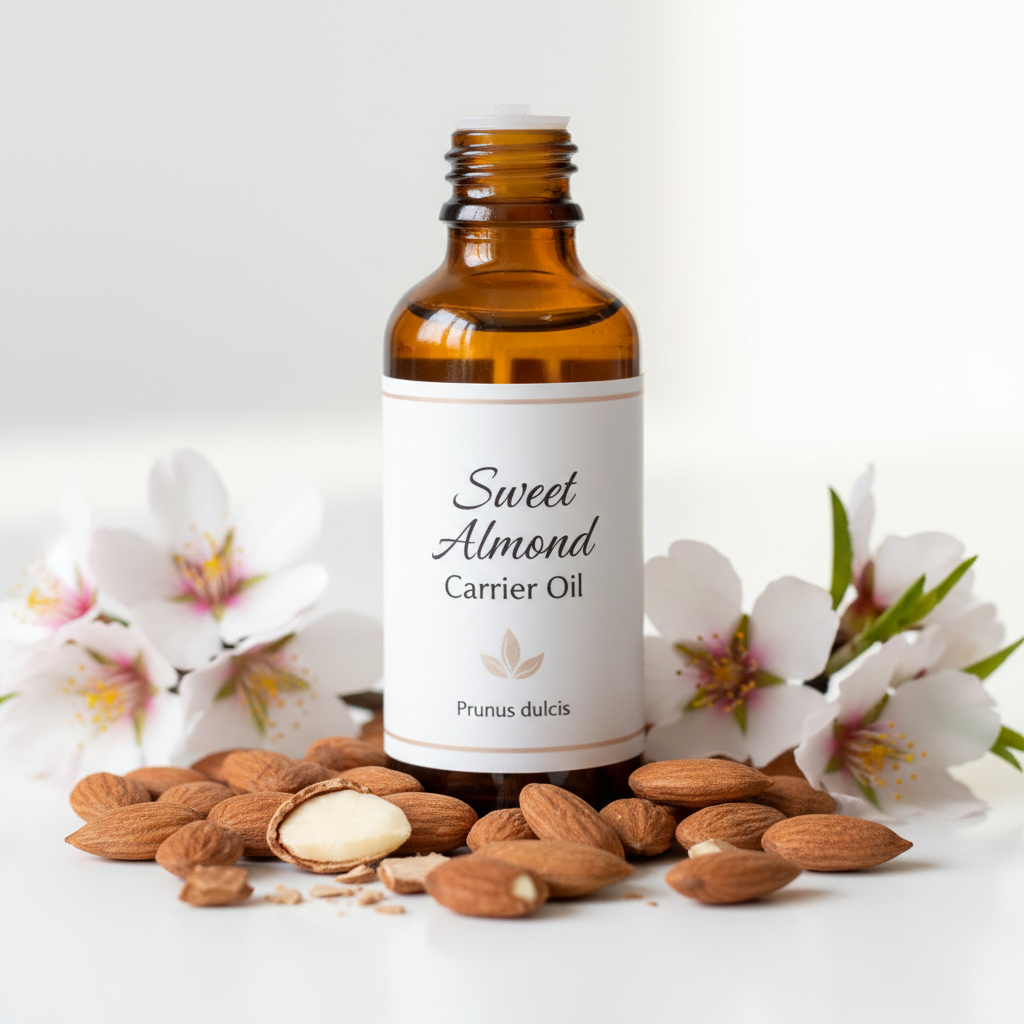
Sweet Almond Carrier Oil
Prunus dulcis
### Sweet Almond Carrier Oil: Origins and Extraction Method Sweet Almond Carrier Oil, derived from the seeds of the **Prunus dulcis** tree, is a prized oil that has been celebrated for its numerous benefits and applications for centuries. It is predominantly cultivated in regions such as California, Spain, and Italy, where the warm climate and fertile soil are ideal for almond cultivation. The extraction of the oil is predominantly accomplished through **cold pressing**. This method involves pressing the seeds at low temperatures to retain the oil's beneficial properties, ensuring that it remains nutrient-dense and suitable for a variety of applications in personal care and aromatherapy. ### Botanical Information The Prunus dulcis tree is a deciduous tree that can reach heights of up to 10 meters. The seeds, often referred to as almonds, are not only a popular snack but also a key component in numerous cosmetic preparations. Sweet Almond Carrier Oil is light in texture, pale yellow in color, and has a mildly nutty aroma that is both pleasant and soothing, making it an excellent addition to various blends. ### Therapeutic Properties and Benefits Sweet Almond Carrier Oil is lauded for its rich nutrient profile, which includes **vitamins E, A, and D**, essential fatty acids, proteins, and various antioxidants. These components contribute to its remarkable therapeutic benefits: - **Soothing and Anti-Inflammatory**: It provides calming effects that can help reduce feelings of stress and anxiety, making it ideal for massage therapy. - **Skin Nourishment**: The oil is known for its ability to deeply nourish the skin, aid in healing minor wounds, and soothe irritations or dry patches. It acts as a natural moisturizer, helping to maintain skin elasticity and hydration. - **Hair Health**: Regular application of Sweet Almond Oil can nourish the scalp, promote shiny, healthy hair, and prevent dandruff. Its conditioning properties make it a beneficial treatment for dry or damaged hair. - **Anti-Aging Properties**: Due to its high antioxidant content, it helps reduce the appearance of fine lines and wrinkles, making it a sought-after ingredient in anti-aging formulations. - **Digestive Support**: While primarily used topically, it can also be ingested in moderation to help alleviate digestive discomfort. ### Historical and Traditional Uses Historically, Sweet Almond Carrier Oil has been used in various cultures for its healing properties. In ancient Egypt, it was utilized for skin and hair care, while traditional Ayurvedic practices have integrated it for centuries in body and scalp massages. Additionally, it has been used in cosmetics, cooking, and as a base for herbal remedies. ### Aroma Profile and Characteristics The aroma of Sweet Almond Carrier Oil is mild and slightly nutty, making it a favorite among aromatherapy enthusiasts. It is an excellent carrier oil for blending with essential oils such as lavender, chamomile, and cedarwood, enhancing their therapeutic effects while providing a nurturing base. ### Common Applications and Methods 1. **Massage Oil**: Mix with essential oils to create a calming massage blend. 2. **Skincare**: Use as a daily moisturizer or in DIY skincare recipes for creams and lotions. 3. **Hair Treatments**: Apply directly to the scalp or incorporate into hair masks for deep conditioning. 4. **Bath Additive**: Add a few drops to bathwater for a relaxing soak. 5. **Aromatherapy**: Use in aroma diffusers to create a soothing environment. ### Interesting Facts and Trivia - Sweet Almond Oil is often confused with bitter almond oil, which is derived from a different variety and can be toxic due to its cyanide content. - The oil's lightweight and non-greasy texture make it suitable for all skin types, including sensitive skin. - It has a long shelf life, thanks to its natural antioxidant properties, which inhibit rancidity. In conclusion, Sweet Almond Carrier Oil is not only versatile but also an essential ingredient in both personal care and therapeutic practices. Its numerous benefits and historic significance make it a must-have for anyone interested in natural wellness and skincare.
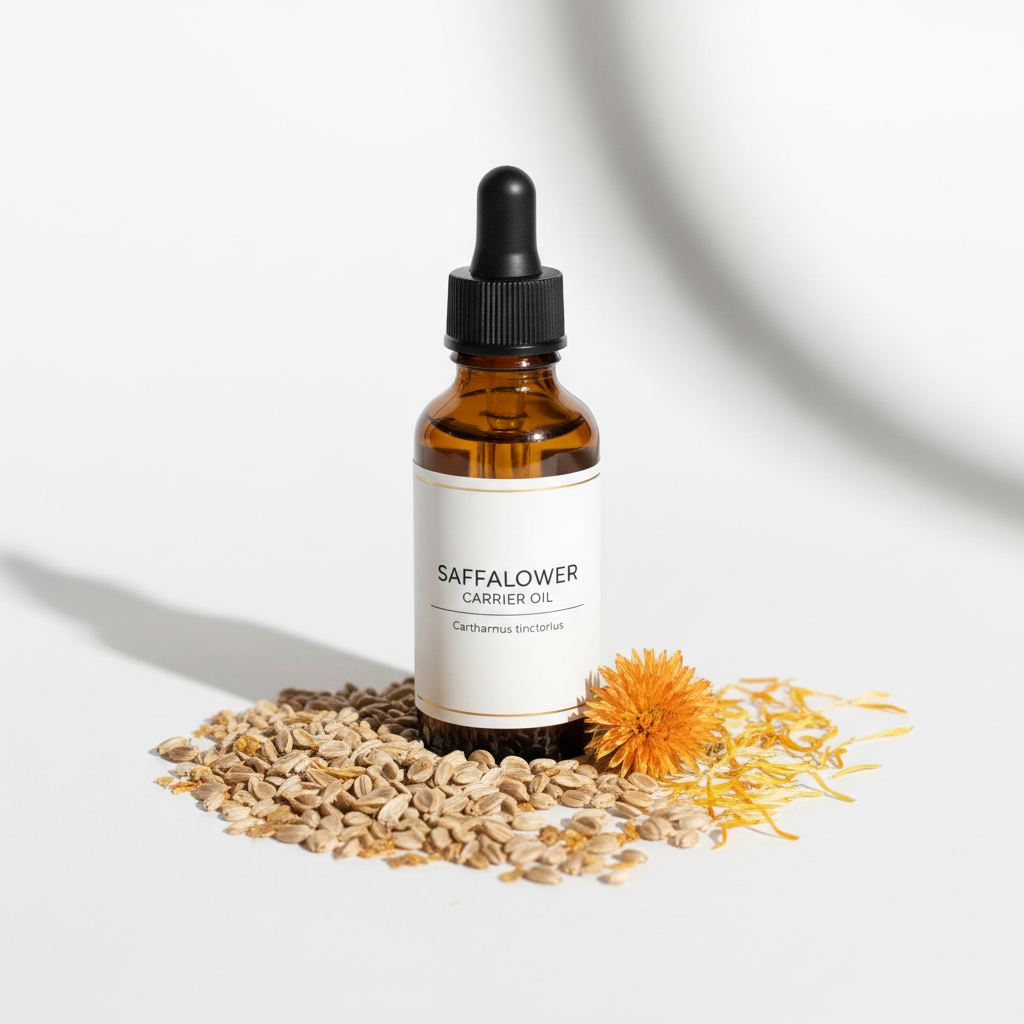
Safflower Carrier Oil
Carthamus tinctorius
### Safflower Carrier Oil: Origin and Extraction Safflower Carrier Oil is extracted from the seeds of the **Carthamus tinctorius** plant, a thistle-like flowering plant native to Africa and Asia. The oil is primarily obtained through a cold-pressing method, which preserves its rich nutrient profile, including essential fatty acids and vitamins. Safflower seeds contain approximately 25-40% oil, ensuring that the extraction process yields a light, non-greasy carrier oil ideal for cosmetic applications and aromatherapy. ### Botanical Information The botanical name, **Carthamus tinctorius**, signifies not only a source of oil but also its historical usage as a natural dye. In ancient times, safflower was cultivated for its vibrant flowers, which were used to create yellow dye for textiles. The oil derived from these seeds, however, has gained prominence in skincare and therapeutic applications due to its nutritional richness. ### Therapeutic Properties and Benefits Safflower Carrier Oil boasts several skin-loving benefits: - **Hydration**: Rich in **linoleic acid**, a crucial fatty acid, it aids in moisture retention and supports the skin barrier, making it excellent for dry or dehydrated skin. - **Soothing**: It helps to calm irritated skin, alleviating redness and itchiness associated with conditions like eczema or dermatitis. - **Nourishing**: High in vitamins A, E, and K, it nourishes the skin and promotes a healthy complexion. - **Hair Care**: The oil is also beneficial for hair, enhancing moisture and shine, while reducing breakage and dullness. ### Historical and Traditional Uses Historically, safflower was also used in cooking and as a medicinal herb. Traditional medicine practices from various cultures utilized safflower for its anti-inflammatory properties, incorporating it into remedies for conditions like arthritis and muscle pain. In some cultures, safflower petals were brewed as teas to promote general well-being and as a natural colorant in foods. ### Scientific Facts and Research Research indicates that the linoleic acid in safflower oil plays a significant role in skin health. A study published in the *American Journal of Clinical Dermatology* highlights its effectiveness in managing acne and improving overall skin hydration. The oil's anti-inflammatory properties have made it a subject of interest for further studies in personal care formulations. ### Aroma Profile and Characteristics Unlike many scented essential oils, safflower carrier oil has a very light, almost neutral aroma, making it an excellent base for essential oil blending. This feature allows it to carry other scents without overpowering them, providing a perfect medium for therapeutic applications in aromatherapy. ### Common Applications and Methods Safflower Carrier Oil is multi-faceted in its applications: - **Cosmetic Use**: Often used in cream formulations, lotions, and serums due to its lightweight texture. - **Massage oil**: Acts as an effective base due to its soothing properties, allowing for easy application during massage therapy. - **Hair treatments**: Used in hair masks or leave-in conditioners to boost moisture and manageability. - **Dilution of Essential Oils**: It is commonly employed to dilute essential oils for safe topical application, given its compatibility with many oils. ### Interesting Facts and Trivia - Safflower has been cultivated for over 3,000 years, illustrating its longstanding importance across various cultures. - The vibrant yellow color of safflower petals was historically used as a substitute for saffron in cooking due to its similar hue. - Safflower oil is considered one of the healthiest oils for cooking due to its high smoke point and health-beneficial fatty acid composition. In summary, Safflower Carrier Oil is not only versatile in its applications but is also rich in historical significance and health benefits. It continues to be a popular choice in the beauty and wellness industries, making it a staple for anyone looking to enhance their skin and hair care routines.
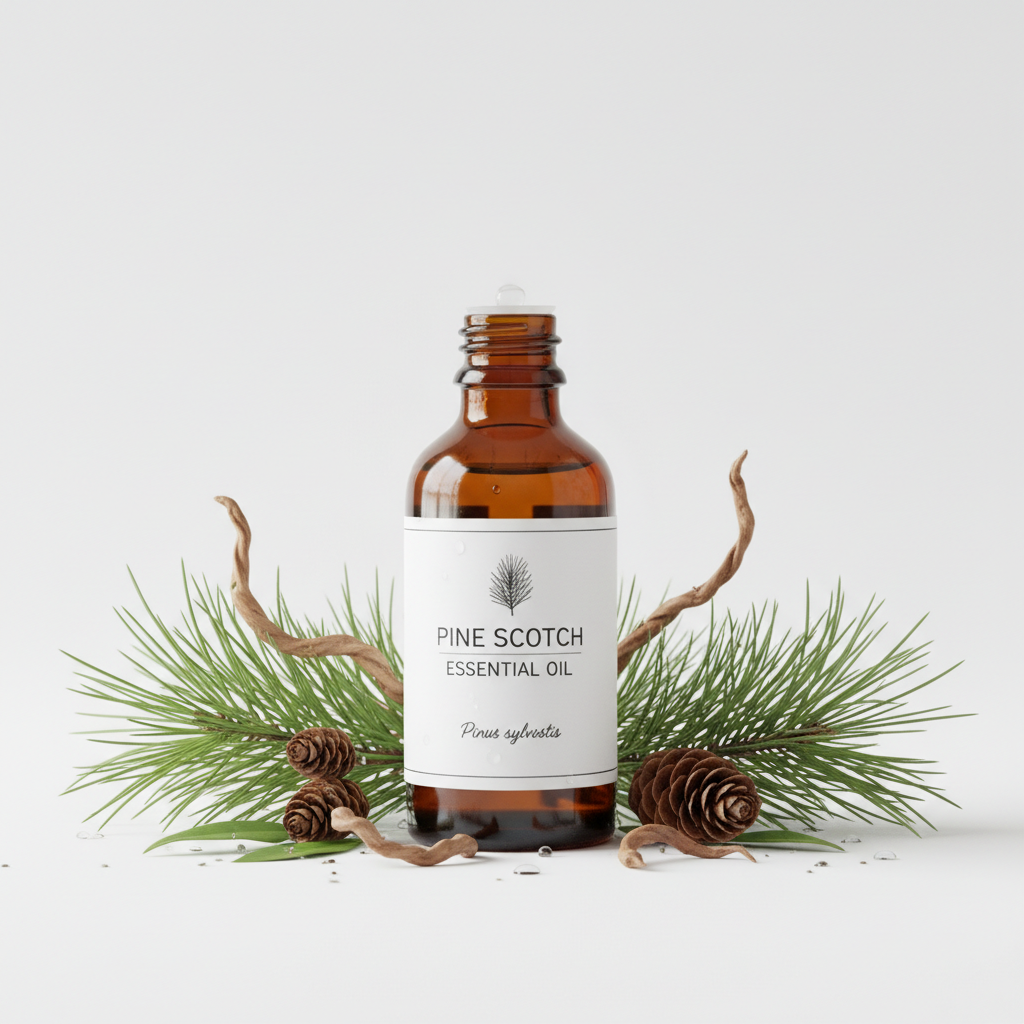
Pine Scotch Essential Oil
Pinus sylvestris
### Pine Scotch Essential Oil: Detailed Overview Pine Scotch Essential Oil, derived from **Pinus sylvestris**, is extracted from the needles and twigs of the Scotch Pine tree, native to Europe and parts of Asia. The extraction through steam distillation preserves the vibrant, fresh aroma that is widely cherished in aromatherapy and beyond. #### Origin and Extraction Method The Scotch Pine, with its tall, majestic stature and characteristic needles, has been a beloved part of European forests for centuries. The essential oil is obtained through **steam distillation**, a process that ensures the essential components are preserved, resulting in a high-quality oil that retains its natural benefits and aroma. #### Botanical Information The botanical name for Scotch Pine, **Pinus sylvestris**, reflects its place within the Pinaceae family of conifers. This tree thrives in various regions, adapting well to different climates, which contributes to the unique characteristics of the oil extracted from it. The needles of the Scotch Pine contain multiple therapeutic compounds, primarily **alpha-pinene**, known for its antimicrobial properties. #### Therapeutic Properties and Benefits Pine Scotch Essential Oil boasts a multitude of therapeutic properties: - **Respiratory Support:** Inhalation of this oil can help clear the respiratory tract, making it useful during cold and flu season. - **Emotional Clarity:** Its invigorating scent is known to help improve mental clarity, making it ideal for situations requiring focus and concentration. - **Stress Relief:** The aroma promotes calmness and reduces anxiety, providing a sense of grounding. - **Antiviral Properties:** Research indicates that this oil may possess antiviral attributes, aiding in protecting against seasonal ailments. - **Muscle Recovery:** Its anti-inflammatory properties are beneficial post-exercise, aiding muscle recovery and reducing soreness. - **Circulation Enhancement:** Inhaling or diffusing the oil may boost circulation, which can lead to increased energy levels. #### Historical and Traditional Uses Historically, Pine Scotch oil has been utilized in folk medicine and traditional practices. Many cultures have used the oil for its cleansing properties, including purifying the air and dispelling negativity. This oil has played a vital role in rituals as well, promoting vitality and strength. #### Aroma Profile and Characteristics Pine Scotch Essential Oil is characterized by a *fresh, woody aroma* that evokes the tranquil scent of pine forests. Its scent is both uplifting and grounding, making it a favorite in aromatherapy and therapeutic applications. The refreshing fragrance is highly appreciated in creating an uplifting environment and enhancing mood. #### Common Applications and Methods Pine Scotch Essential Oil can be utilized in various ways: - **Aromatherapy:** Add a few drops to a diffuser to fill your space with its invigorating scent. - **Topical Applications:** Dilute with a carrier oil for skincare applications, known to help with cleansing and minor skin irritations. - **Bathing:** Adding this oil to bath water promotes relaxation and enhances the bathing experience. - **Cleaning Products:** Its antimicrobial properties make it a great addition to homemade cleaning solutions for freshening up your home. #### Interesting Facts and Trivia - Pine essential oils have been used by many cultures for centuries, symbolizing strength and resilience. - The fresh scent of Pine Scotch is often associated with winter holidays, making it a popular addition to festive scents. - Pine oils are recognized for their grounding properties, connecting individuals to nature and encouraging mindfulness. In conclusion, Pine Scotch Essential Oil is not only valuable for its pleasant aromatic qualities but also for its numerous therapeutic benefits. Whether used in aromatherapy, personal care, or household cleaning, this oil stands out as a versatile and beneficial addition to any essential oil collection.
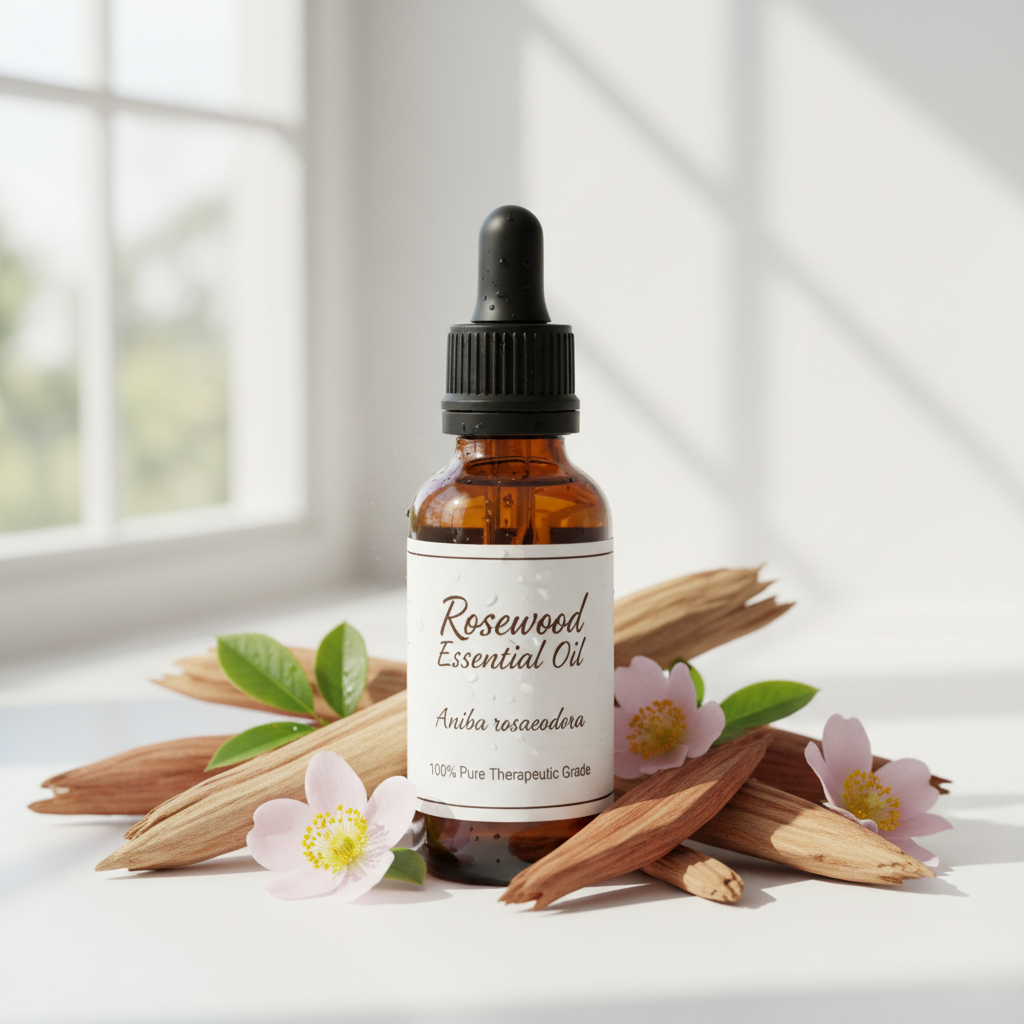
Rosewood Essential Oil
Aniba rosaeodora
### Introduction to Rosewood Essential Oil Rosewood essential oil, originating from the aromatic heartwood of the Brazilian rosewood tree (*Aniba rosaeodora*), is renowned for its luxurious fragrance and numerous therapeutic properties. Renowned in both the perfumery and aromatherapy industries, this oil has become a staple for those looking to enhance their well-being. Extracted through steam distillation, the oil captures the essence of the heartwood, offering a bouquet of benefits that resonate with both the mind and body. ### Origin and Extraction Method The Brazilian rosewood tree is a native species to the rainforests of Brazil. Unfortunately, overharvesting has led to its protected status under various environmental regulations. Today, sustainable practices in harvesting and extraction are vital to preserving this resource. The steam distillation process involves using high-pressure steam to extract the essential oils from the wood without compromising the integrity of its therapeutic properties. This meticulous process results in a high-quality essential oil that retains the woody sweet notes characteristic of rosewood. ### Botanical Information *Aniba rosaeodora* is not only valued for its aromatic qualities but also its place in traditional medicine. The tree can grow up to 30 meters in height with a trunk diameter reaching 1 meter. Its flowers are small, yellow, and fragrant, collaborating with the characteristically aromatic heartwood from which the essential oil is derived. It is a member of the Lauraceae family, which includes many other important aromatic plants. ### Therapeutic Properties and Benefits Rosewood essential oil is celebrated for its diverse therapeutic uses. Here are some key benefits: - **Calming and Grounding Effects:** It is known to promote a sense of peace and grounding, making it an ideal choice for individuals seeking to manage stress and anxiety. - **Emotional Balance:** Regular use of this oil can help stabilize emotions, fostering a sense of contentment and happiness. Researchers have found that certain oils can influence neurochemical pathways associated with mood. - **Skin Healing:** Its skin-nourishing properties make it beneficial for healing wounds and reducing the appearance of scars, fostering a smoother complexion. - **Respiratory Support:** Inhalation of rosewood oil can help soothe respiratory discomfort, providing relief during colds and allergies. - **Aiding Digestion:** The calming properties of rosewood may also extend to digestive troubles, helping to soothe stomach discomfort and promote healthy digestion. - **Headache Relief:** Aromatherapy using rosewood oil can alleviate tension headaches and enhance overall relaxation. ### Historical and Traditional Uses Historically, rosewood has been cherished not only for its fragrant wood but also for its traditional medicinal applications. Indigenous tribes have utilized rosewood in rituals and medicinal practices, recognizing its potential to promote emotional healing and spiritual wellness. The oil has been a central component in traditional herbal remedies to enhance mood and galvanize spirits. ### Aroma Profile and Characteristics In terms of scent profiles, rosewood essential oil offers a warm, sweet, and woody aroma with delicate floral undertones. This unique fragrance is often described as soothing and comforting, making it a favorite in personal care products, perfumes, and candles. The balancing nature of this oil helps create a calming atmosphere, ideal for meditation and relaxation. ### Common Applications and Methods of Use Rosewood essential oil can be used in various ways, including: - **Aromatherapy Diffusion:** Add a few drops to a diffuser to fill your space with its uplifting aroma. - **Topical Application:** Dilute with a carrier oil and apply to pulse points or affected areas for its therapeutic effects. - **Bath Additive:** Adding a few drops to your bath water can enhance relaxation and promote skin health. - **Massage Oil:** Blend with a carrier oil for use in massages, allowing the soothing scent to enhance the experience. ### Interesting Facts and Trivia - Rosewood essential oil is frequently used in luxury perfumes due to its alluring fragrance. - The demand for rosewood has prompted significant conservation efforts, emphasizing the importance of sustainably sourced essential oils. - It is often included in formulations aimed at enhancing emotional well-being and reducing stress levels in both personal and professional environments. ### Conclusion In summary, rosewood essential oil is a multifaceted oil with a rich history and an extensive range of benefits. Its enchanting aroma combined with its therapeutic properties makes it a must-have in any essential oil collection, perfect for enhancing wellness through nature's bounty.