Search
Found 3 results for "skin soothing"
Essential Oils
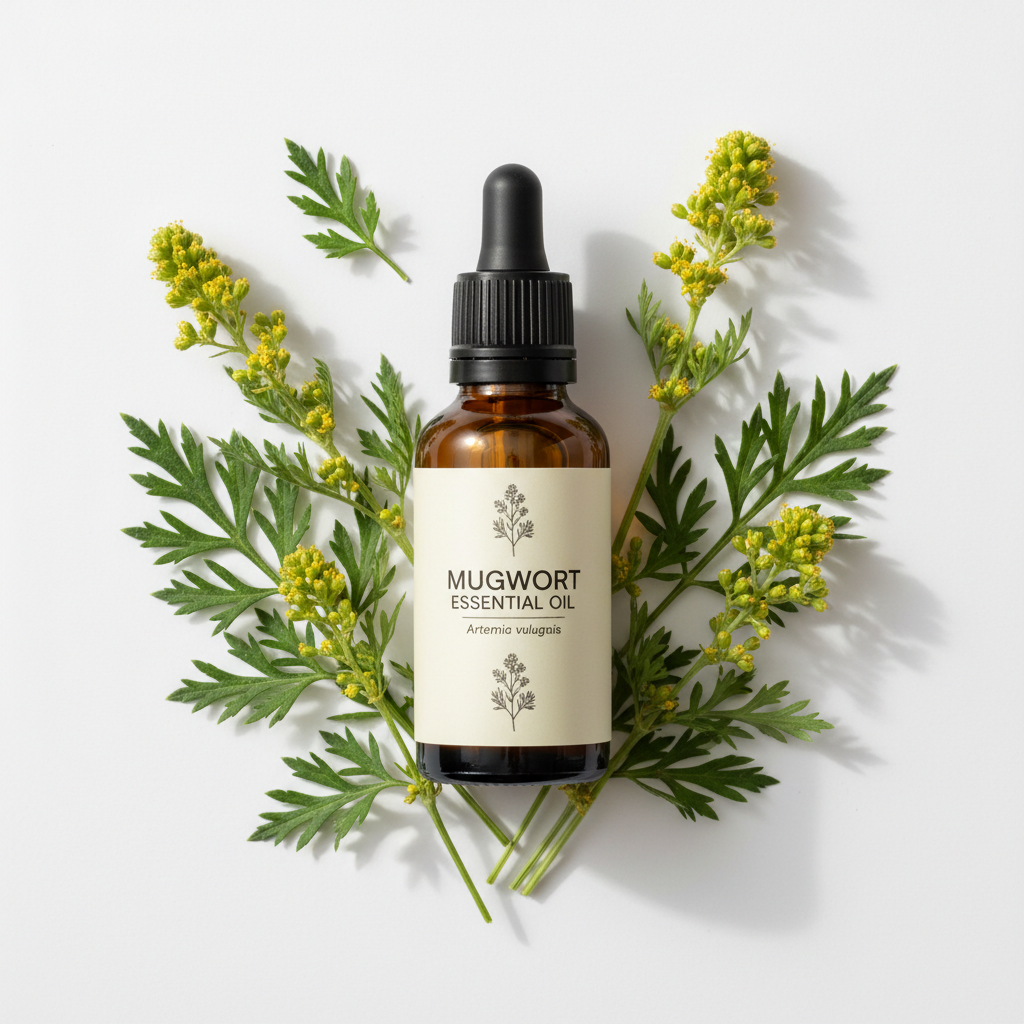
Mugwort Essential Oil
Artemisia vulgaris
## Mugwort Essential Oil: Properties, Uses, and Benefits Mugwort essential oil, derived from the leaves and flowering tops of the **Artemisia vulgaris** plant, is steeped in history, with roots in both culinary and medicinal traditions. Known for its calming and soothing properties, this essential oil has been utilized for centuries across various cultures, celebrated not just for its health benefits but also for its enchanting aroma and intriguing qualities. ### Origin and Extraction Method Mugwort essential oil is primarily extracted through **steam distillation**. The leaves and flowering tops of the plant are harvested at peak oil concentration, usually just before flowering. Artemisia vulgaris is native to Europe, Asia, and North Africa, and it grows abundantly in various climates. This aromatic plant has long been associated with divination, protection, and even culinary uses in European dishes. ### Botanical Information Mugwort is a perennial herb that showcases feathery, dark green leaves and small, clustered flowers that bloom in late summer. Its botanical family is Asteraceae, which includes many well-known herbs. Known by various names globally, including **wormwood** and **common mugwort**, this plant carries a rich tradition in herbal medicine and folklore. ### Therapeutic Properties and Benefits Mugwort essential oil is renowned for its therapeutic qualities: - **Enhances Dream Recall**: Many enthusiasts use Mugwort oil in dreamwork, claiming it aids in vivid dreams and supports lucid dreaming. - **Reduces Stress**: Known for its calming effects, the oil may promote relaxation and alleviate stress and tension. - **Supports Emotional Balance**: This oil can assist in achieving emotional clarity and stability, making it a favorite among individuals seeking mental well-being. - **Encourages Creativity**: Users often report that Mugwort opens the mind to new ideas and inspirations, beneficial for artists and creatives. - **Fosters a Sense of Grounding**: It is believed to help individuals feel centered and connected, enhancing mindfulness practices. - **Headache Relief**: Inhalation of Mugwort oil may alleviate headaches and migraines. - **Respiratory Support**: The oil can promote easier breathing, benefiting those with respiratory issues. - **Gynecological Health**: It's also noted for relieving menstrual discomfort and issues related to women's reproductive health. - **Nausea Relief**: Inhalation can help reduce feelings of nausea. - **Improves Circulation**: Enhancing blood circulation can lead to elevated energy levels, vital for overall health. ### Historical and Traditional Uses Traditionally, Mugwort has been used in various cultures, from ancient Rome where it was considered a sacred herb, to its role in Chinese medicine for its potent healing properties. Throughout the Middle Ages, it was often used as a protective charm and was believed to ward off evil spirits. In culinary traditions, it has been used to flavor beers and dishes, showcasing its versatility. ### Aroma Profile and Characteristics Mugwort essential oil possesses a unique **aroma profile** that is often described as warm, herbaceous, and slightly sweet, with earthy undertones. The complexity of its scent makes it a cherished addition to aromatherapy practices, often blended with other oils to enhance the experience. Users enjoy its grounding qualities, which contribute to a calming atmosphere during meditation or relaxation sessions. ### Common Applications and Methods Mugwort essential oil can be utilized in various ways: - **Diffusion**: Add a few drops to an essential oil diffuser to create a calming environment. This can be particularly effective before sleep. - **Topical Application**: Diluted with a carrier oil, it can be applied to the skin to alleviate localized discomfort. - **Baths**: A drop or two in your bathwater can provide relaxation and enhance the bathing experience. - **Inhalation**: Inhale directly or use a steam inhalation to enjoy its therapeutic benefits. ### Interesting Facts and Trivia - Historically, Mugwort was called "dream herb" due to its association with dreams. Some cultures even used it during rituals to enhance prophetic dreams. - Its name, "mugwort," derives from the Old English "mucgwyrt," which means "mugwort," emphasizing its culinary uses. - Archaeological studies indicate that Mugwort may have been used in ancient brewing processes, hinting at its lengthy history in herbal applications. In conclusion, Mugwort essential oil is an excellent addition to any essential oil collection, offering multiple therapeutic benefits and a fascinating history. Whether you're seeking relaxation, emotional balance, or creative inspiration, this oil is a powerful ally in promoting overall wellness.
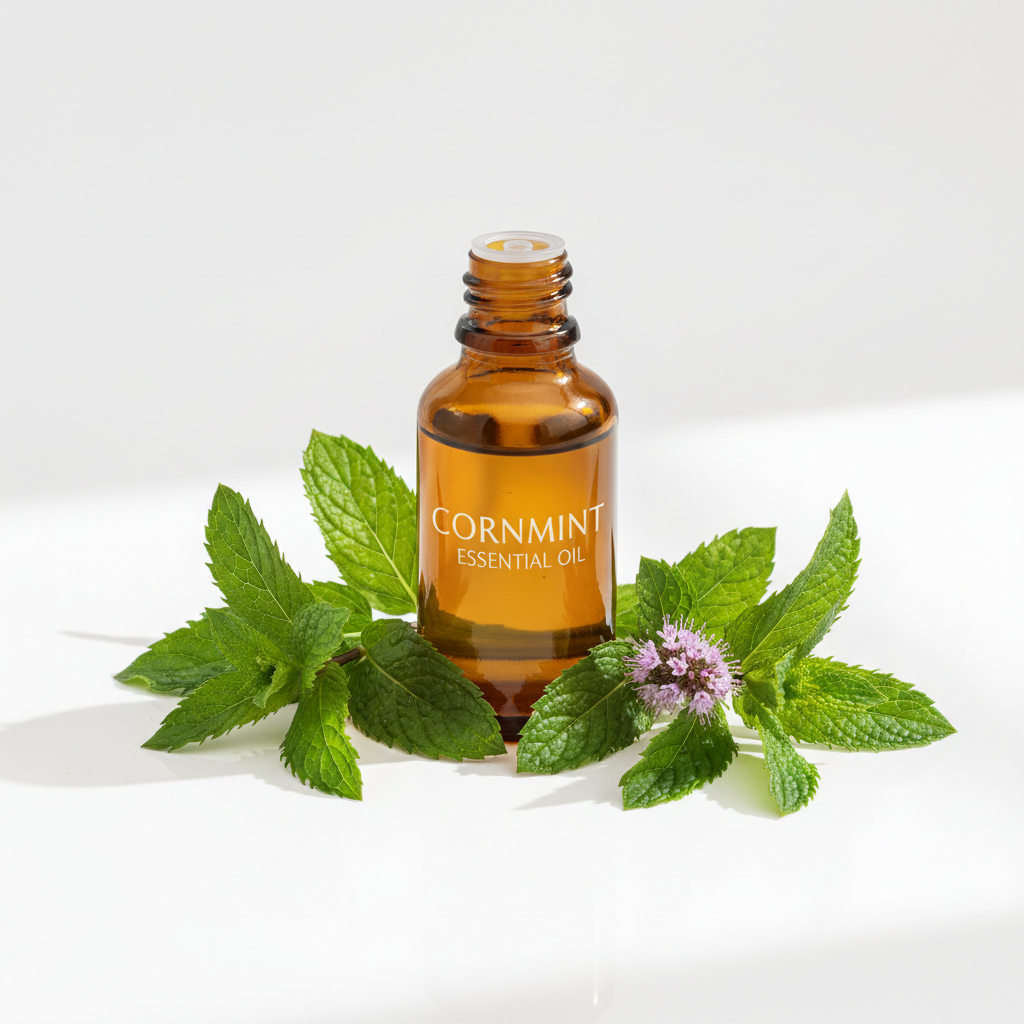
Cornmint Essential Oil
Mentha arvensis
### Cornmint Essential Oil: An In-Depth Overview Cornmint essential oil, scientifically known as **Mentha arvensis**, is extracted from the leaves of the cornmint plant through a process called **steam distillation**. This invigorating oil is renowned for its unique properties and extensive applications in traditional medicine and aromatherapy, making it a staple in various wellness routines. #### Origin and Extraction Method The cornmint plant is native to Asia and parts of Europe, thriving in moist, shady environments. The steam distillation extraction method not only preserves the oil's therapeutic properties but also enhances its fresh, menthol-rich aroma. The leaves are harvested and subjected to steam, allowing the essential oil to be captured and separated from the plant matter. #### Botanical Information Cornmint is part of the mint family (Lamiaceae), which includes other well-known mints like peppermint and spearmint. The plant grows to about 30-100 cm tall and features slender, square stems with lanceolate leaves that emit a strong mint fragrance. Its high menthol content is what sets cornmint apart, providing a cooling sensation that is widely appreciated in various applications. #### Therapeutic Properties and Benefits Cornmint essential oil boasts a variety of therapeutic benefits: - **Energizing Effects**: The uplifting aroma invigorates the mind and body, making it a perfect oil for enhancing focus and mental clarity. - **Stress Relief**: Known for its calming properties, it helps alleviate anxiety and promotes relaxation. - **Mood Booster**: Its refreshing scent can uplift spirits and enhance overall mood, making it beneficial during times of emotional strain. - **Mental Clarity**: Cornmint aids in cognitive function, serving as a great aromatic companion while studying or working on intensive tasks. - **Fatigue Reduction**: It combats mental fatigue, revitalizing the mind and refreshing the senses. - **Muscle Relaxation**: When diluted and used in massage, cornmint oil effectively eases muscle tension and soreness, providing relief after exercise. - **Respiratory Relief**: The menthol in cornmint oil helps clear congested airways, making it beneficial for respiratory issues like colds and allergies. - **Skin Soothing**: Properly diluted cornmint can soothe minor skin irritations and provide a cooling effect on inflamed skin. - **Headache Relief**: Inhaling the oil or applying it topically to the temples may reduce headache symptoms, thanks to its pain-relieving properties. - **Digestive Comfort**: It supports healthy digestion and can ease stomach discomfort when taken in moderation, often used in herbal teas. #### Historical and Traditional Uses Historically, cornmint has been used in various cultures for its health benefits. Traditional medicine practitioners utilized this oil for digestive issues, respiratory ailments, and skin irritations. Its invigorating scent has also made it a popular choice in traditional herbal formulations and teas. #### Scientific Facts and Research The therapeutic properties of cornmint are supported by various studies emphasizing its efficacy in combating headaches, reducing stress levels, and boosting respiratory and digestive health. Research indicates that the menthol in cornmint possesses anti-inflammatory and analgesic properties, contributing to its wide-ranging applications in natural medicine. #### Aroma Profile and Characteristics The aroma of cornmint essential oil is described as fresh, minty, and slightly sweet, with a pronounced menthol character. This distinctive scent not only makes it a favorite in aromatherapy but also in the flavor and fragrance industries, where it is used to flavor foods and oral care products. #### Common Applications and Methods Cornmint oil is versatile and can be utilized in various ways: - **Diffusion**: Add a few drops to a diffuser to enjoy its uplifting aroma, promoting mental clarity and reducing stress. - **Topical Application**: Always dilute with a carrier oil before applying to the skin to prevent irritation. It can be effective for muscle soreness, headaches, and minor skin issues. - **Inhalation**: Inhale directly from the bottle or add to a steam inhalation for respiratory relief. - **Baths**: Add a few drops to a warm bath for relaxation and relief of muscle tension. #### Interesting Facts and Trivia - **Culinary Use**: Cornmint oil is often used as a flavoring agent in candies, gums, and beverages, especially in peppermint-flavored products. - **Environmental Adaptation**: The cornmint plant is remarkably resilient and can thrive in a variety of environments, contributing to its widespread cultivation. - **Combining Scents**: It pairs well with other essential oils, such as lavender, eucalyptus, and rosemary, enhancing both aromatherapy benefits and fragrance profiles. In conclusion, cornmint essential oil is a powerful and versatile oil with a myriad of applications in both health and wellness. Whether utilized for its invigorating aroma, health benefits, or as a natural remedy, cornmint stands out as a remarkable essential oil worth incorporating into your holistic practices.
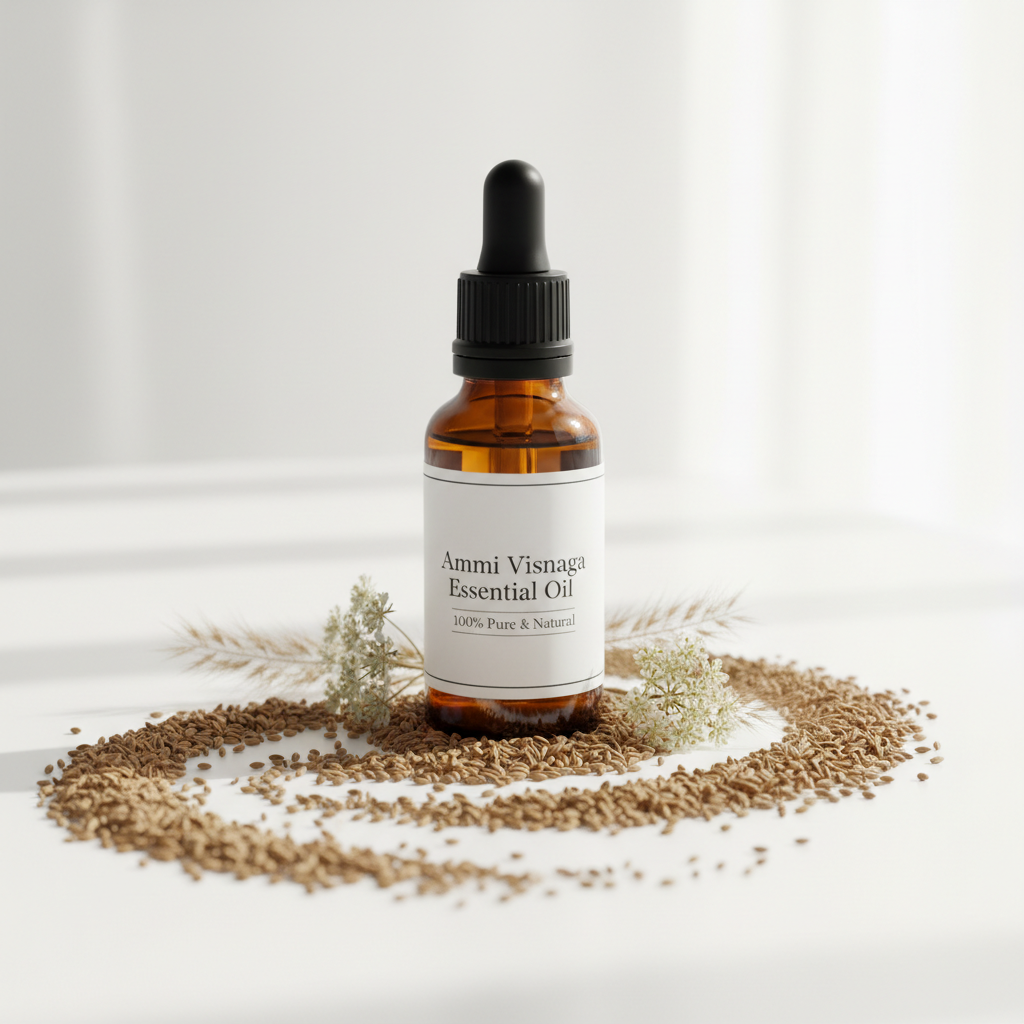
Ammi Visnaga Essential Oil
Ammi visnaga
### Ammi Visnaga Essential Oil: Comprehensive Guide to Benefits, Uses, and Properties Ammi Visnaga Essential Oil is a treasured natural product extracted from the seeds of the Ammi visnaga plant, commonly known as the toothpick plant or folk's carrot. This unique and aromatic essential oil has been celebrated for its extensive range of benefits and applications, particularly in the realm of natural health and aromatherapy. Originating from the Mediterranean region, primarily North Africa and parts of Southern Europe, this essential oil has a rich history steeped in traditional usage and therapeutic practices. #### Origin and Extraction Method The extraction of Ammi Visnaga Essential Oil is performed via steam distillation, a gentle method that effectively preserves the therapeutic compounds and aromatic qualities of the oil. This technique ensures the retention of the oil’s full profile, which is essential for both aromatherapy applications and natural health solutions. The seeds, which are the primary source of the oil, are carefully harvested to maintain their potency, making Ammi Visnaga Essential Oil a prized addition to any wellness toolkit. #### Botanical Information Ammi visnaga belongs to the Apiaceae family, which includes other renowned plants like carrots, parsley, and dill. The herb grows approximately three feet tall and displays finely dissected, feathery leaves with clusters of small white flowers. The seeds of this plant contain the essential oils that are extracted and concentrated during the distillation process, resulting in the distinct Ammi Visnaga Essential Oil. Its botanical characteristics reflect its adaptability and resilience, flourishing in a variety of soil types common in Mediterranean climates. #### Therapeutic Properties and Benefits Ammi Visnaga Essential Oil is known for its various therapeutic benefits, including: - **Relaxation and Stress Relief:** The warm, herbal aroma of this oil has calming properties that help alleviate tension and promote tranquility, making it an excellent choice for stress reduction. - **Skin Soothing:** This oil is particularly effective for addressing irritated or inflamed skin. Its anti-inflammatory properties can help soothe skin conditions, making it useful in skincare formulations. - **Respiratory Support:** The inhalation of Ammi Visnaga Essential Oil vapors can assist individuals facing respiratory difficulties, promoting unimpeded breathing. - **Digestive Aid:** Diffusing or applying the oil topically can support digestive health, easing discomfort related to indigestion or bloating. #### Historical and Traditional Uses For centuries, Ammi visnaga has held a significant place in traditional medicine, where it has been employed to support digestive health and alleviate respiratory ailments. Ancient healers relied on its healing qualities, utilizing it in various herbal formulations to promote overall well-being. The plant's historical roots in herbal folklore emphasize its esteemed status in various cultures as a natural healer, revered for its therapeutic attributes. #### Scientific Facts and Research Scientific research surrounding Ammi Visnaga Essential Oil has begun to uncover its potential health benefits. Studies have identified active compounds within the oil that exhibit antimicrobial and anti-inflammatory properties, sparking interest from both traditional herbalists and modern researchers. Ongoing studies aim to further explore its health implications and establish robust health claims associated with its use, including its possible roles in enhancing emotional well-being and mental clarity. #### Aroma Profile and Characteristics Ammi Visnaga Essential Oil features a captivating aroma profile characterized by its warm, herbal essence, complemented by subtle notes reminiscent of anise and coriander. This distinctive fragrance not only promotes calming atmospheres in meditation and relaxation practices but also infuses spaces with an uplifting, soothing scent. Its aromatic versatility allows it to be blended effectively with other essential oils for enhanced therapeutic effects. #### Common Applications and Methods Integrating Ammi Visnaga Essential Oil into daily routines can be achieved in numerous ways: - **Diffusion:** Adding the oil to a diffuser releases its calming aroma into the air, creating a serene and relaxing environment, particularly during stressful situations. - **Topical Use:** When diluted in a suitable carrier oil, it can be applied directly to the skin to enhance its calming and soothing properties, making it beneficial for redness or irritation. - **Massage:** Incorporating Ammi Visnaga Essential Oil into massage oils can assist in relieving muscle tension and enhancing relaxation, providing a holistic approach to self-care. #### Interesting Facts and Trivia - Besides its aromatic properties, Ammi Visnaga has historical significance and cultural relevance across various traditions, often used in folk medicine. - Research indicates that the oil may help improve mood and decrease feelings of anxiety, making it valuable in emotional wellness therapies. - The antimicrobial properties of Ammi Visnaga Essential Oil are being explored for potential applications in natural cleaning products, offering a user-friendly way to harness its benefits in everyday life. In summary, Ammi Visnaga Essential Oil is an exceptional essential oil celebrated for its extensive therapeutic properties, historical significance, and aromatic qualities. Whether utilized in aromatherapy, skincare routines, or traditional remedies, its multifaceted applications position it as an invaluable component of holistic health practices. Beyond promoting relaxation and stress relief, Ammi Visnaga Essential Oil enhances emotional balance, supports respiratory and digestive health, and contributes positively to overall wellness. This oil not only aids in easing tension but also supports mental clarity and focus, making it a must-have for anyone pursuing natural health.