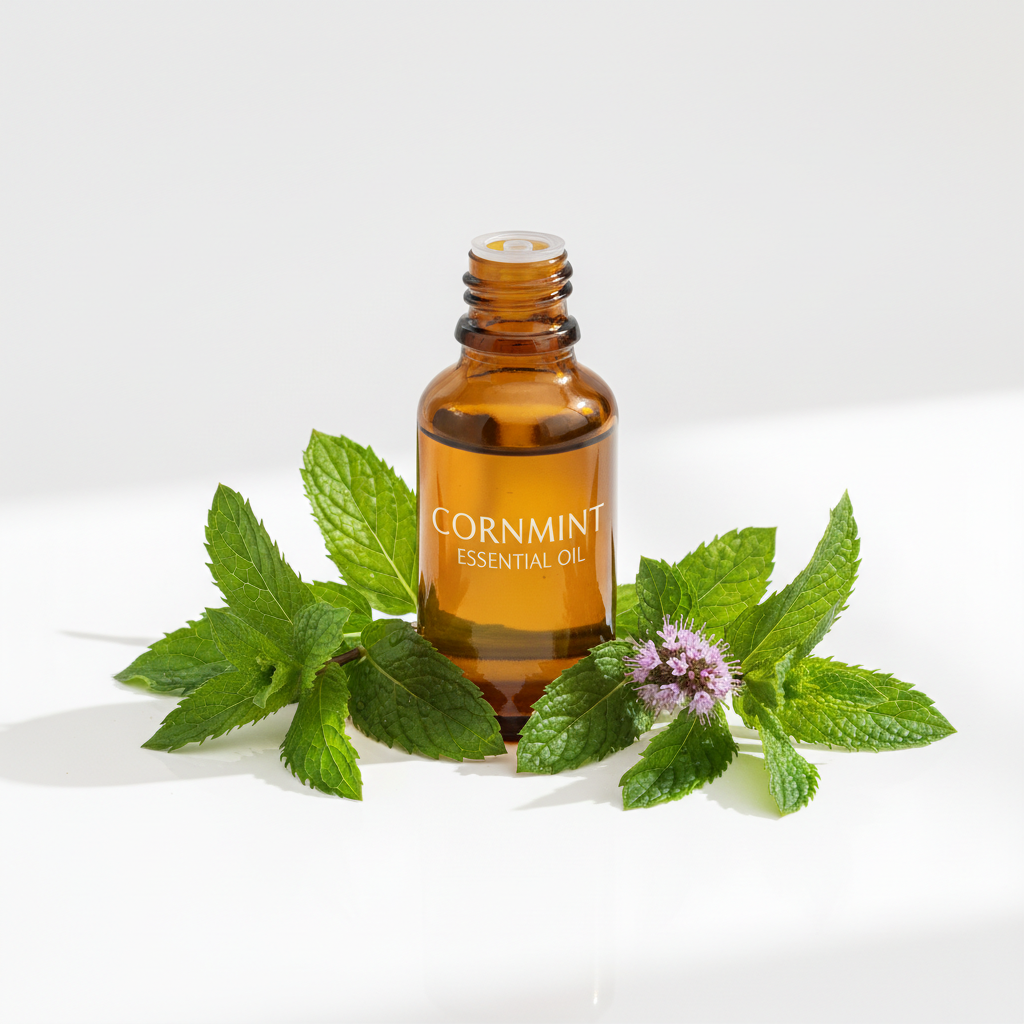
Cornmint Essential Oil
Mentha arvensis
Plant Source
leaves
Scent Family
Minty
"Explore Cornmint Essential Oil, extracted from Mentha arvensis, known for its refreshing aroma and numerous health benefits in wellness and aromatherapy."
Cornmint Essential Oil: An In-Depth Overview
Cornmint essential oil, scientifically known as Mentha arvensis, is extracted from the leaves of the cornmint plant through a process called steam distillation. This invigorating oil is renowned for its unique properties and extensive applications in traditional medicine and aromatherapy, making it a staple in various wellness routines.
Origin and Extraction Method
The cornmint plant is native to Asia and parts of Europe, thriving in moist, shady environments. The steam distillation extraction method not only preserves the oil's therapeutic properties but also enhances its fresh, menthol-rich aroma. The leaves are harvested and subjected to steam, allowing the essential oil to be captured and separated from the plant matter.
Botanical Information
Cornmint is part of the mint family (Lamiaceae), which includes other well-known mints like peppermint and spearmint. The plant grows to about 30-100 cm tall and features slender, square stems with lanceolate leaves that emit a strong mint fragrance. Its high menthol content is what sets cornmint apart, providing a cooling sensation that is widely appreciated in various applications.
Therapeutic Properties and Benefits
Cornmint essential oil boasts a variety of therapeutic benefits:
- Energizing Effects: The uplifting aroma invigorates the mind and body, making it a perfect oil for enhancing focus and mental clarity.
- Stress Relief: Known for its calming properties, it helps alleviate anxiety and promotes relaxation.
- Mood Booster: Its refreshing scent can uplift spirits and enhance overall mood, making it beneficial during times of emotional strain.
- Mental Clarity: Cornmint aids in cognitive function, serving as a great aromatic companion while studying or working on intensive tasks.
- Fatigue Reduction: It combats mental fatigue, revitalizing the mind and refreshing the senses.
- Muscle Relaxation: When diluted and used in massage, cornmint oil effectively eases muscle tension and soreness, providing relief after exercise.
- Respiratory Relief: The menthol in cornmint oil helps clear congested airways, making it beneficial for respiratory issues like colds and allergies.
- Skin Soothing: Properly diluted cornmint can soothe minor skin irritations and provide a cooling effect on inflamed skin.
- Headache Relief: Inhaling the oil or applying it topically to the temples may reduce headache symptoms, thanks to its pain-relieving properties.
- Digestive Comfort: It supports healthy digestion and can ease stomach discomfort when taken in moderation, often used in herbal teas.
Historical and Traditional Uses
Historically, cornmint has been used in various cultures for its health benefits. Traditional medicine practitioners utilized this oil for digestive issues, respiratory ailments, and skin irritations. Its invigorating scent has also made it a popular choice in traditional herbal formulations and teas.
Scientific Facts and Research
The therapeutic properties of cornmint are supported by various studies emphasizing its efficacy in combating headaches, reducing stress levels, and boosting respiratory and digestive health. Research indicates that the menthol in cornmint possesses anti-inflammatory and analgesic properties, contributing to its wide-ranging applications in natural medicine.
Aroma Profile and Characteristics
The aroma of cornmint essential oil is described as fresh, minty, and slightly sweet, with a pronounced menthol character. This distinctive scent not only makes it a favorite in aromatherapy but also in the flavor and fragrance industries, where it is used to flavor foods and oral care products.
Common Applications and Methods
Cornmint oil is versatile and can be utilized in various ways:
- Diffusion: Add a few drops to a diffuser to enjoy its uplifting aroma, promoting mental clarity and reducing stress.
- Topical Application: Always dilute with a carrier oil before applying to the skin to prevent irritation. It can be effective for muscle soreness, headaches, and minor skin issues.
- Inhalation: Inhale directly from the bottle or add to a steam inhalation for respiratory relief.
- Baths: Add a few drops to a warm bath for relaxation and relief of muscle tension.
Interesting Facts and Trivia
- Culinary Use: Cornmint oil is often used as a flavoring agent in candies, gums, and beverages, especially in peppermint-flavored products.
- Environmental Adaptation: The cornmint plant is remarkably resilient and can thrive in a variety of environments, contributing to its widespread cultivation.
- Combining Scents: It pairs well with other essential oils, such as lavender, eucalyptus, and rosemary, enhancing both aromatherapy benefits and fragrance profiles.
In conclusion, cornmint essential oil is a powerful and versatile oil with a myriad of applications in both health and wellness. Whether utilized for its invigorating aroma, health benefits, or as a natural remedy, cornmint stands out as a remarkable essential oil worth incorporating into your holistic practices.
Ask AI About Cornmint Essential Oil
Get instant answers about this essential oil
Benefits & Uses
- Energizing: The uplifting scent of Cornmint invigorates the mind and body, enhancing focus and concentration.
- Stress Relief: Helps alleviate feelings of stress and anxiety, promoting a sense of calm.
- Mood Booster: The refreshing aroma can uplift spirits and improve overall mood.
- Mental Clarity: Aids in improving cognitive function and mental clarity, making it a great oil for studying.
- Fatigue Reduction: Helps combat feelings of mental fatigue, revitalizing the mind.
- Muscle Relaxation: Effective for easing tension in sore muscles when used in massage.
- Respiratory Relief: Provides relief from symptoms of respiratory issues like congestion and sinus pressure.
- Skin Soothing: Can be used to soothe minor skin irritations when diluted properly.
- Headache Relief: Inhaled or applied topically on temples, it can help alleviate headaches.
- Digestive Comfort: Supports digestion and can be taken in moderation for easing stomach discomfort.
- Acne Treatment: Can help reduce acne breakouts due to its antimicrobial properties.
- Cooling Gel: Effective in DIY recipes for cooling gels to soothe irritated or sunburnt skin.
- Pore Refinement: Added to facial toners, it helps minimize the appearance of pores.
- Scalp Care: Used in hair products, it promotes a healthy scalp and can aid in dandruff treatment.
- Air Freshener: Diffusing Cornmint oil helps eliminate odors and refresh indoor air.
- Cleaning Solutions: Its antimicrobial properties make it a great addition to homemade cleaning products.
- Insect Repellent: Used in natural insect repellent formulations to deter pests.
- Laundry Freshener: Added to laundry detergents to impart a fresh scent to clothes.
How to Use
Diffuser
Add 3-5 drops for small rooms (up to 100 sq ft), 5-8 drops for medium rooms (100-200 sq ft), and 8-12 drops for larger spaces (200+ sq ft). Diffuse for sessions of 30-60 minutes and can be repeated 2-3 times daily, ideally morning or early afternoon for a refreshing boost.
Topical
For adults, dilute Cornmint essential oil to 2-3% using carrier oils like sweet almond or coconut (approximately 12-18 drops per ounce). For children, dilute to 0.5-1% (3-6 drops per ounce), and for the elderly to 1-2% (6-12 drops per ounce). Apply to specific areas with gentle massage, allowing time for absorption typically within 30 minutes.
Inhalation
Direct inhalation can be achieved by placing 1-2 drops on a tissue or cupping hands over the nose. For steam inhalation, add 2-3 drops in a bowl of hot water for a session lasting 5-10 minutes. Personal inhalers can also be prepared by adding 5-10 drops into an inhaler stick.
Safety & Precautions
Perform a patch test before use to check for sensitivity. May cause photosensitivity; advise clients to avoid sun exposure for 12 hours post-application. Use with caution if pregnant or nursing, and consult a healthcare provider if taking medications. Store properly in a cool, dark place, shelf life is typically 1-2 years under these conditions.
Who should avoid:
- Pregnant or nursing individuals without consulting a healthcare provider.
- Those with a history of seizures or neurological conditions.
- Individuals taking certain medications, particularly anticoagulants, should use with caution.
Recommended Products
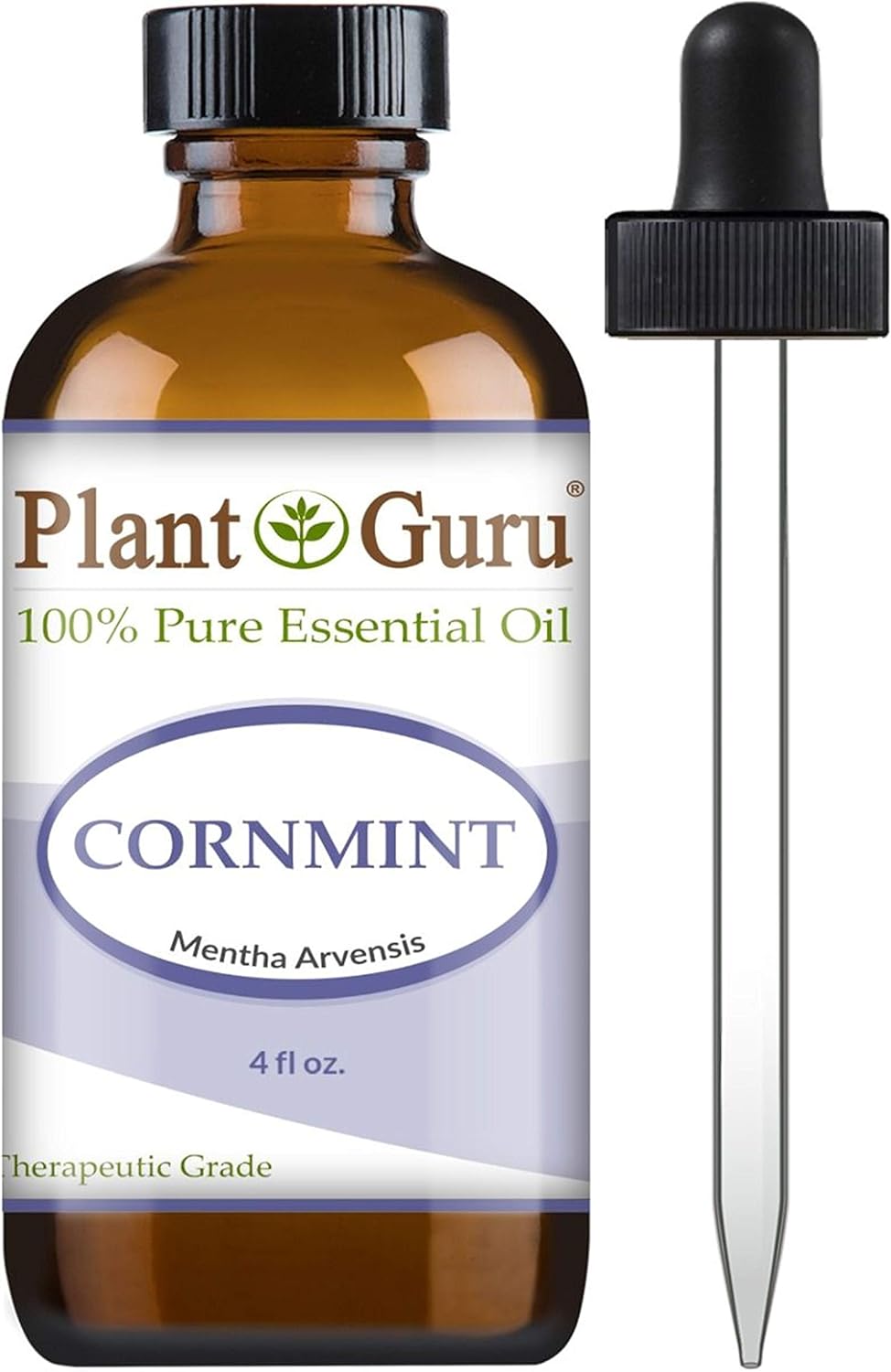
Understanding the aromatic layers of Cornmint Essential Oil
Top Notes
Heart Notes
Base Notes
Scent Evolution
Top Notes: First impression, evaporate quickly (15-30 min)
Heart Notes: Main character, last 2-4 hours
Base Notes: Lasting foundation, linger for hours
Complementary essential oils that pair beautifully with Cornmint Essential Oil
Allspice Essential Oil
Pimenta dioica
✓balanced scent profile
Ammi Visnaga Essential Oil
Ammi visnaga
✓balanced scent profile
Amyris Essential Oil
Amyris balsamifera
✓complementary therapeutic properties
Angelica Essential Oil
Angelica archangelica
✓traditional pairing in aromatherapy
Angelica Root Essential Oil
Angelica archangelica
✓traditional pairing in aromatherapy
Anise Essential Oil
Pimpinella anisum
✓enhanced aromatherapy benefits
Blending Tips
- • Start with 2-3 oils for simple blends
- • Use 3-5 drops total per 10ml carrier oil
- • Let blends sit for 24-48 hours to marry
- • Test on a small skin area first
Calculating for: Cornmint Essential Oil
Recommended: 2% | Max safe: 5%
29.57 ml
Your Recipe
0.59 ml
28.98 ml
💡 Dilution Tips
- • Always do a patch test before full application
- • Children and elderly need lower dilutions (1-2%)
- • Facial products should be gentle (0.5-1%)
- • 1 drop ≈ 0.05 ml (20 drops per ml)
- • Common carrier oils: fractionated coconut, jojoba, sweet almond
Related Recipes

DIY Acne Calming Gel Spot Treatment Recipe for Clear Skin
Explore our DIY acne calming gel spot treatment recipe to soothe inflammation and fight breakouts using natural ingredients for healthier skin.
DIY Essential Oil Equipment Cleaner Recipe for Pristine Tools
This DIY essential oil equipment cleaner recipe ensures tools are residue-free, enhancing the quality of your blends while being eco-friendly and effective.

DIY Essential Oil Foaming Hand Soap Recipe
Craft your own moisturizing foaming hand soap using essential oils! This DIY recipe combines natural ingredients for clean, soft hands. Perfect for home use!

DIY Essential Oil Inhaler Recipe for Focus
Boost your mental clarity and energy with this DIY essential oil inhaler recipe! Learn how to craft your invigorating inhalers at home easily.
DIY Sal Suds All-Purpose Cleaner Recipe
Discover how to make an all-purpose cleaner spray using essential oils. Our easy recipe with Sal Suds is perfect for tackling dirt and grime effectively.

Lavender Essential Oil Body Wash Recipe
Discover the perfect Sandalwood essential oil body wash recipe that promotes relaxation, relieves stress, and moisturizes your skin with natural ingredients.