Search
Found 161 results for "Soothing"
Essential Oils
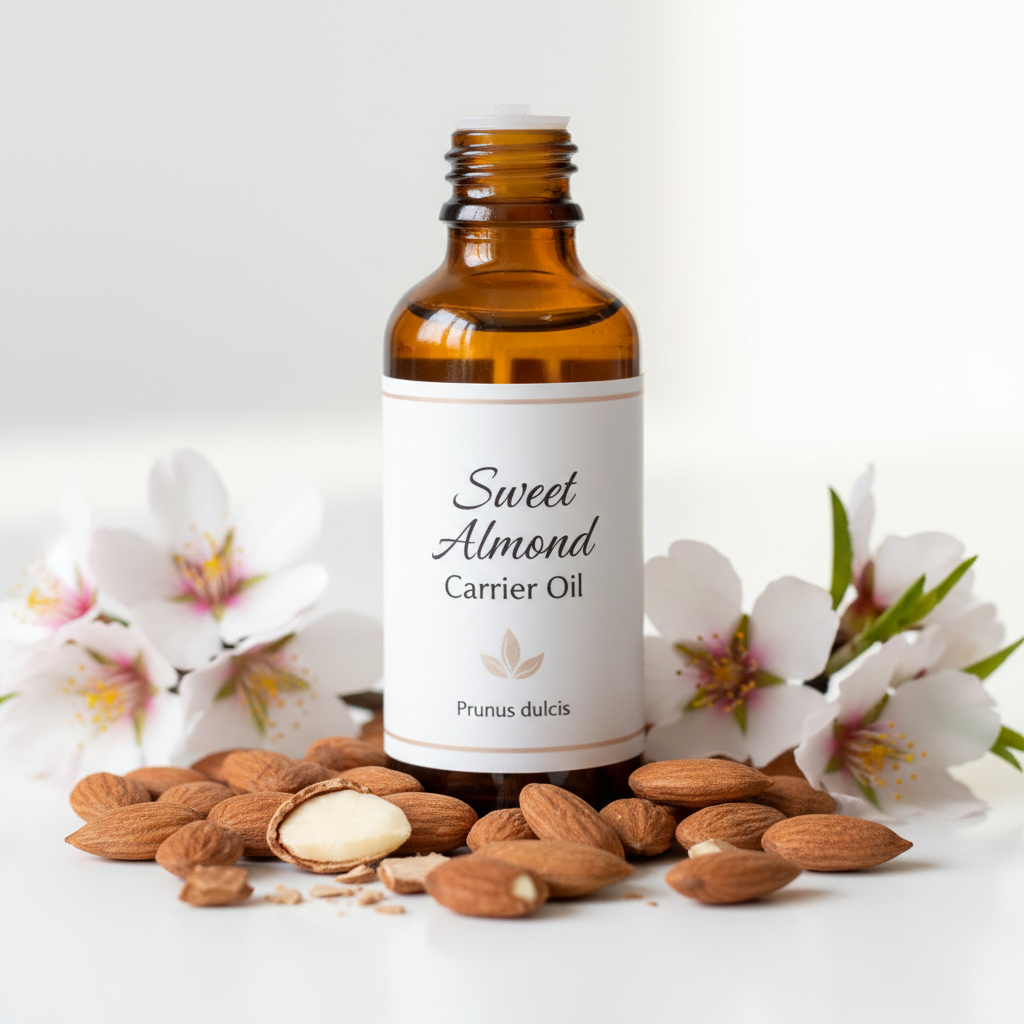
Sweet Almond Carrier Oil
Prunus dulcis
### Sweet Almond Carrier Oil: Origins and Extraction Method Sweet Almond Carrier Oil, derived from the seeds of the **Prunus dulcis** tree, is a prized oil that has been celebrated for its numerous benefits and applications for centuries. It is predominantly cultivated in regions such as California, Spain, and Italy, where the warm climate and fertile soil are ideal for almond cultivation. The extraction of the oil is predominantly accomplished through **cold pressing**. This method involves pressing the seeds at low temperatures to retain the oil's beneficial properties, ensuring that it remains nutrient-dense and suitable for a variety of applications in personal care and aromatherapy. ### Botanical Information The Prunus dulcis tree is a deciduous tree that can reach heights of up to 10 meters. The seeds, often referred to as almonds, are not only a popular snack but also a key component in numerous cosmetic preparations. Sweet Almond Carrier Oil is light in texture, pale yellow in color, and has a mildly nutty aroma that is both pleasant and soothing, making it an excellent addition to various blends. ### Therapeutic Properties and Benefits Sweet Almond Carrier Oil is lauded for its rich nutrient profile, which includes **vitamins E, A, and D**, essential fatty acids, proteins, and various antioxidants. These components contribute to its remarkable therapeutic benefits: - **Soothing and Anti-Inflammatory**: It provides calming effects that can help reduce feelings of stress and anxiety, making it ideal for massage therapy. - **Skin Nourishment**: The oil is known for its ability to deeply nourish the skin, aid in healing minor wounds, and soothe irritations or dry patches. It acts as a natural moisturizer, helping to maintain skin elasticity and hydration. - **Hair Health**: Regular application of Sweet Almond Oil can nourish the scalp, promote shiny, healthy hair, and prevent dandruff. Its conditioning properties make it a beneficial treatment for dry or damaged hair. - **Anti-Aging Properties**: Due to its high antioxidant content, it helps reduce the appearance of fine lines and wrinkles, making it a sought-after ingredient in anti-aging formulations. - **Digestive Support**: While primarily used topically, it can also be ingested in moderation to help alleviate digestive discomfort. ### Historical and Traditional Uses Historically, Sweet Almond Carrier Oil has been used in various cultures for its healing properties. In ancient Egypt, it was utilized for skin and hair care, while traditional Ayurvedic practices have integrated it for centuries in body and scalp massages. Additionally, it has been used in cosmetics, cooking, and as a base for herbal remedies. ### Aroma Profile and Characteristics The aroma of Sweet Almond Carrier Oil is mild and slightly nutty, making it a favorite among aromatherapy enthusiasts. It is an excellent carrier oil for blending with essential oils such as lavender, chamomile, and cedarwood, enhancing their therapeutic effects while providing a nurturing base. ### Common Applications and Methods 1. **Massage Oil**: Mix with essential oils to create a calming massage blend. 2. **Skincare**: Use as a daily moisturizer or in DIY skincare recipes for creams and lotions. 3. **Hair Treatments**: Apply directly to the scalp or incorporate into hair masks for deep conditioning. 4. **Bath Additive**: Add a few drops to bathwater for a relaxing soak. 5. **Aromatherapy**: Use in aroma diffusers to create a soothing environment. ### Interesting Facts and Trivia - Sweet Almond Oil is often confused with bitter almond oil, which is derived from a different variety and can be toxic due to its cyanide content. - The oil's lightweight and non-greasy texture make it suitable for all skin types, including sensitive skin. - It has a long shelf life, thanks to its natural antioxidant properties, which inhibit rancidity. In conclusion, Sweet Almond Carrier Oil is not only versatile but also an essential ingredient in both personal care and therapeutic practices. Its numerous benefits and historic significance make it a must-have for anyone interested in natural wellness and skincare.
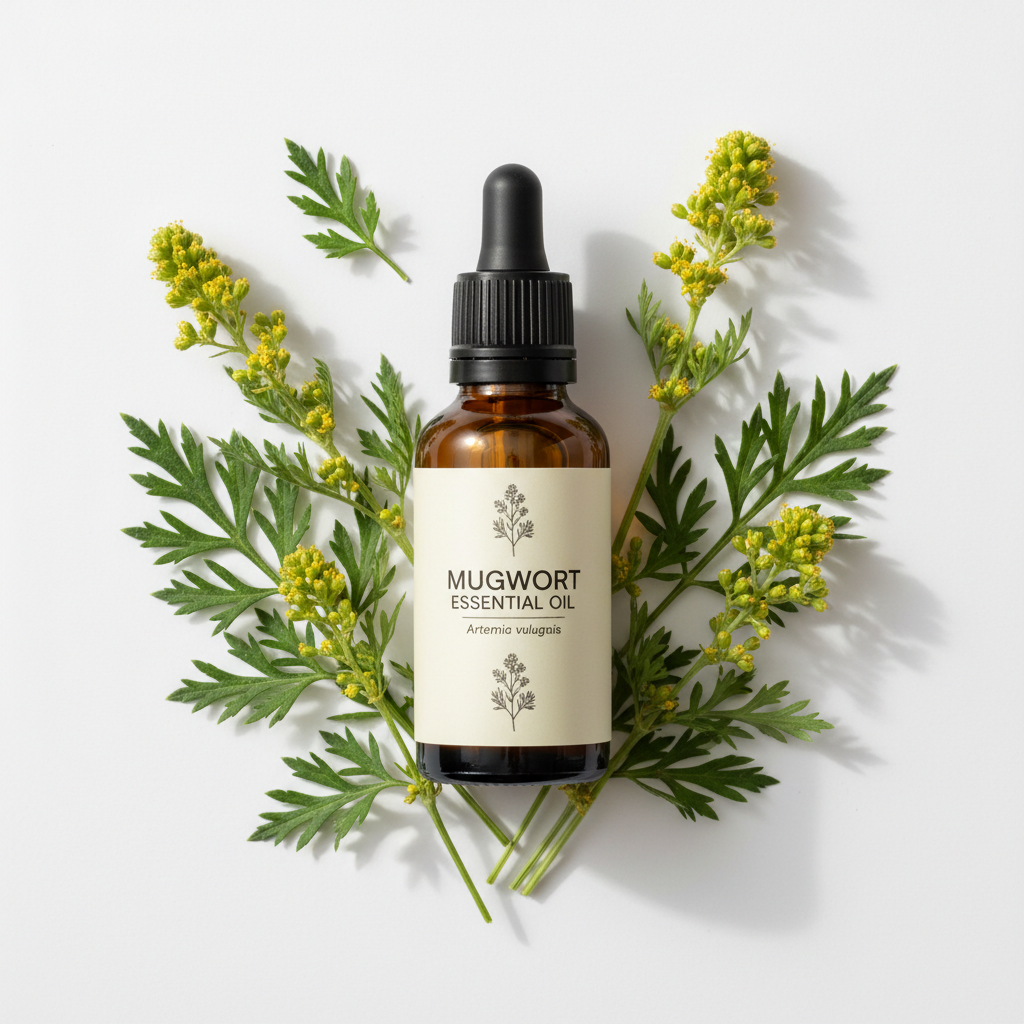
Mugwort Essential Oil
Artemisia vulgaris
## Mugwort Essential Oil: Properties, Uses, and Benefits Mugwort essential oil, derived from the leaves and flowering tops of the **Artemisia vulgaris** plant, is steeped in history, with roots in both culinary and medicinal traditions. Known for its calming and soothing properties, this essential oil has been utilized for centuries across various cultures, celebrated not just for its health benefits but also for its enchanting aroma and intriguing qualities. ### Origin and Extraction Method Mugwort essential oil is primarily extracted through **steam distillation**. The leaves and flowering tops of the plant are harvested at peak oil concentration, usually just before flowering. Artemisia vulgaris is native to Europe, Asia, and North Africa, and it grows abundantly in various climates. This aromatic plant has long been associated with divination, protection, and even culinary uses in European dishes. ### Botanical Information Mugwort is a perennial herb that showcases feathery, dark green leaves and small, clustered flowers that bloom in late summer. Its botanical family is Asteraceae, which includes many well-known herbs. Known by various names globally, including **wormwood** and **common mugwort**, this plant carries a rich tradition in herbal medicine and folklore. ### Therapeutic Properties and Benefits Mugwort essential oil is renowned for its therapeutic qualities: - **Enhances Dream Recall**: Many enthusiasts use Mugwort oil in dreamwork, claiming it aids in vivid dreams and supports lucid dreaming. - **Reduces Stress**: Known for its calming effects, the oil may promote relaxation and alleviate stress and tension. - **Supports Emotional Balance**: This oil can assist in achieving emotional clarity and stability, making it a favorite among individuals seeking mental well-being. - **Encourages Creativity**: Users often report that Mugwort opens the mind to new ideas and inspirations, beneficial for artists and creatives. - **Fosters a Sense of Grounding**: It is believed to help individuals feel centered and connected, enhancing mindfulness practices. - **Headache Relief**: Inhalation of Mugwort oil may alleviate headaches and migraines. - **Respiratory Support**: The oil can promote easier breathing, benefiting those with respiratory issues. - **Gynecological Health**: It's also noted for relieving menstrual discomfort and issues related to women's reproductive health. - **Nausea Relief**: Inhalation can help reduce feelings of nausea. - **Improves Circulation**: Enhancing blood circulation can lead to elevated energy levels, vital for overall health. ### Historical and Traditional Uses Traditionally, Mugwort has been used in various cultures, from ancient Rome where it was considered a sacred herb, to its role in Chinese medicine for its potent healing properties. Throughout the Middle Ages, it was often used as a protective charm and was believed to ward off evil spirits. In culinary traditions, it has been used to flavor beers and dishes, showcasing its versatility. ### Aroma Profile and Characteristics Mugwort essential oil possesses a unique **aroma profile** that is often described as warm, herbaceous, and slightly sweet, with earthy undertones. The complexity of its scent makes it a cherished addition to aromatherapy practices, often blended with other oils to enhance the experience. Users enjoy its grounding qualities, which contribute to a calming atmosphere during meditation or relaxation sessions. ### Common Applications and Methods Mugwort essential oil can be utilized in various ways: - **Diffusion**: Add a few drops to an essential oil diffuser to create a calming environment. This can be particularly effective before sleep. - **Topical Application**: Diluted with a carrier oil, it can be applied to the skin to alleviate localized discomfort. - **Baths**: A drop or two in your bathwater can provide relaxation and enhance the bathing experience. - **Inhalation**: Inhale directly or use a steam inhalation to enjoy its therapeutic benefits. ### Interesting Facts and Trivia - Historically, Mugwort was called "dream herb" due to its association with dreams. Some cultures even used it during rituals to enhance prophetic dreams. - Its name, "mugwort," derives from the Old English "mucgwyrt," which means "mugwort," emphasizing its culinary uses. - Archaeological studies indicate that Mugwort may have been used in ancient brewing processes, hinting at its lengthy history in herbal applications. In conclusion, Mugwort essential oil is an excellent addition to any essential oil collection, offering multiple therapeutic benefits and a fascinating history. Whether you're seeking relaxation, emotional balance, or creative inspiration, this oil is a powerful ally in promoting overall wellness.
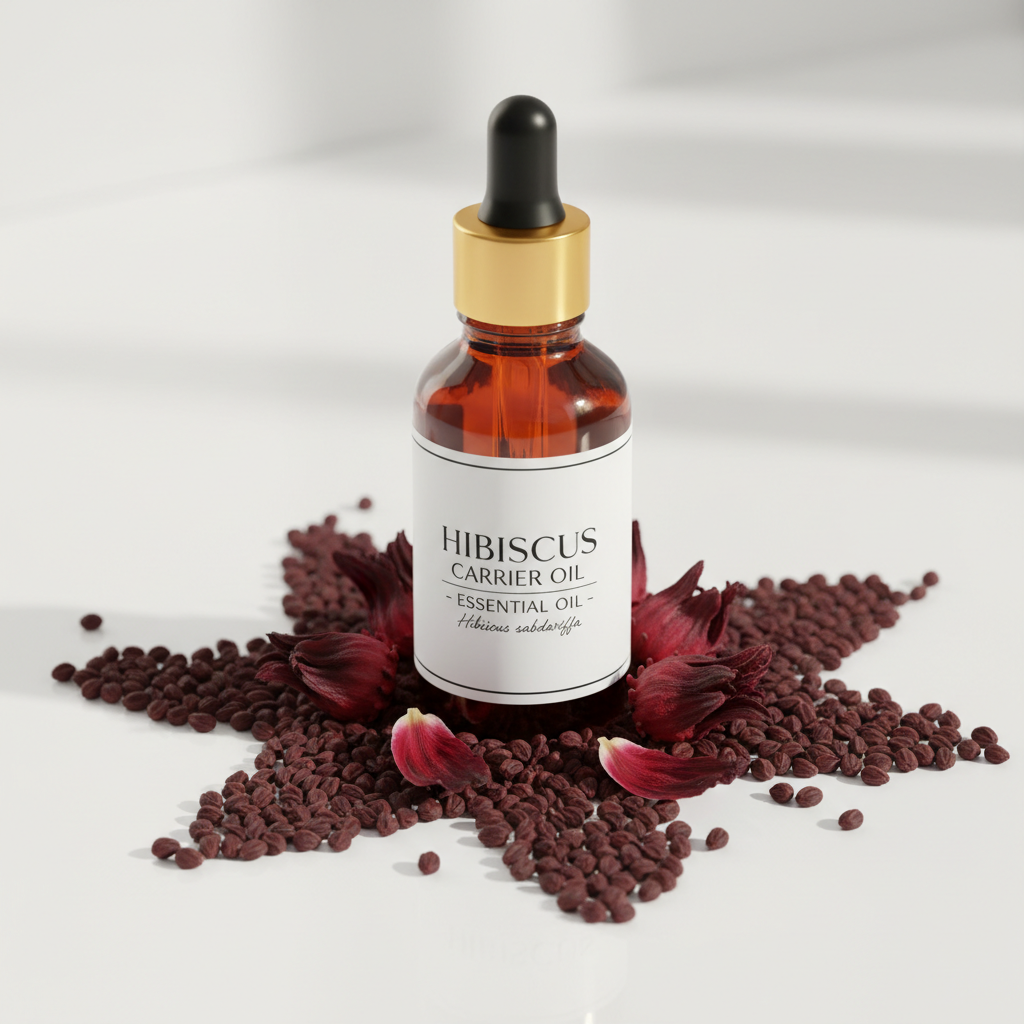
Hibiscus Carrier Oil
Hibiscus sabdariffa
Hibiscus Carrier Oil is derived from the seeds of the Hibiscus sabdariffa plant, a species that has captured the hearts of many through its delicate floral beauty and various health benefits. The oil is extracted using a cold-press method, which preserves its rich nutrients and vital properties, ensuring a high-quality carrier oil suitable for both cosmetic and aromatherapy applications. ### Origin and Extraction Method Hibiscus sabdariffa, commonly known as roselle, is native to tropical regions such as Africa, Asia, and the Caribbean. The cold-press extraction technique involves mechanically pressing the seeds to yield a vibrant oil without the use of heat or harsh chemicals, maintaining the oil's natural integrity and richness. This method is preferred for its ability to retain essential fatty acids and vitamins that are beneficial for skin and hair. ### Botanical Information From a botanical perspective, Hibiscus sabdariffa belongs to the Malvaceae family. The plant is recognized for its striking red calyces, which are often used to make teas and herbal remedies. The seeds, small but potent, pack a nutritional punch which translates into the health benefits observed in hibiscus carrier oil. ### Therapeutic Properties and Benefits 1. **Hydration**: Hibiscus oil is renowned for its ability to deeply hydrate skin and hair. It contains fatty acids that nourish and maintain moisture balance, making it perfect for dry or brittle conditions. 2. **Soothing**: The oil's anti-inflammatory properties can provide relief from skin irritations, sunburns, and redness, promoting faster healing and comfort. 3. **Antimicrobial**: The natural compounds in hibiscus oil exhibit antimicrobial properties, which can help in managing acne and preventing breakouts. 4. **Aging**: Rich in antioxidants, hibiscus oil helps combat oxidative stress that leads to premature aging, supporting skin elasticity and reducing fine lines. 5. **Hair Health**: Using hibiscus oil in hair care routines can strengthen hair, adding shine and reducing split ends, while also promoting scalp health by addressing dandruff and itchiness. ### Historical and Traditional Uses Historically, hibiscus has been valued not only for its beauty but also for its cooling properties. In traditional medicine practices, especially within Asian and African cultures, hibiscus has been used to reduce fever, hydrate the body, and soothe digestive ailments. Its roots have been harnessed for teas and tinctures believed to uplift mood and promote overall wellness. Moreover, hibiscus flowers have long been used in beauty rituals for their hydrating and skin-enhancing effects. ### Scientific Facts and Research Recent studies have highlighted the benefits of hibiscus oil. Research indicates that the antioxidants present can help in reducing oxidative damage in cells, while the oil's anti-inflammatory properties have been recognized in studies for improving skin conditions like eczema and psoriasis. Additionally, its aroma is reported in aromatherapy circles to positively affect mood and stress levels, making it a dual-purpose oil for both physical and emotional wellness. ### Aroma Profile and Characteristics Hibiscus Carrier Oil has a unique and delicate floral aroma that is both uplifting and calming. The scent is often described as sweet and herbaceous, making it an excellent addition to blends aiming for mood enhancement and relaxation. The pleasing scent can invigorate the senses, grounding the mind while simultaneously elevating emotional states. ### Common Applications and Methods Hibiscus Carrier Oil is incredibly versatile. In skin care, it can be mixed with other essential oils for massage, added to lotions, or used as a hair treatment. To utilize its aromatherapy benefits, it can be diffused in a room or added to bathwater for a soothing experience. Additionally, using hibiscus oil in DIY cosmetics, such as scrubs or masks, provides an extra layer of nourishment and aromatherapeutic benefits. ### Interesting Facts and Trivia - **Culinary Uses**: Besides its cosmetic applications, hibiscus is popular in culinary dishes, especially in teas and beverages, renowned for its tart flavor. - **Cultural Significance**: In many cultures, hibiscus flowers are a symbol of beauty and refinement, often used in garlands and ceremonial adornments. - **Vitamins**: The oil is rich in vitamins A, C, and E, which are crucial for maintaining healthy skin and cellular repair. In conclusion, Hibiscus Carrier Oil is not only a beautiful addition to your holistic health routine but also a powerhouse for your skin and hair's overall well-being. With its rich history and multifaceted uses, incorporating hibiscus oil into your wellness practices can lead to nourishing results.
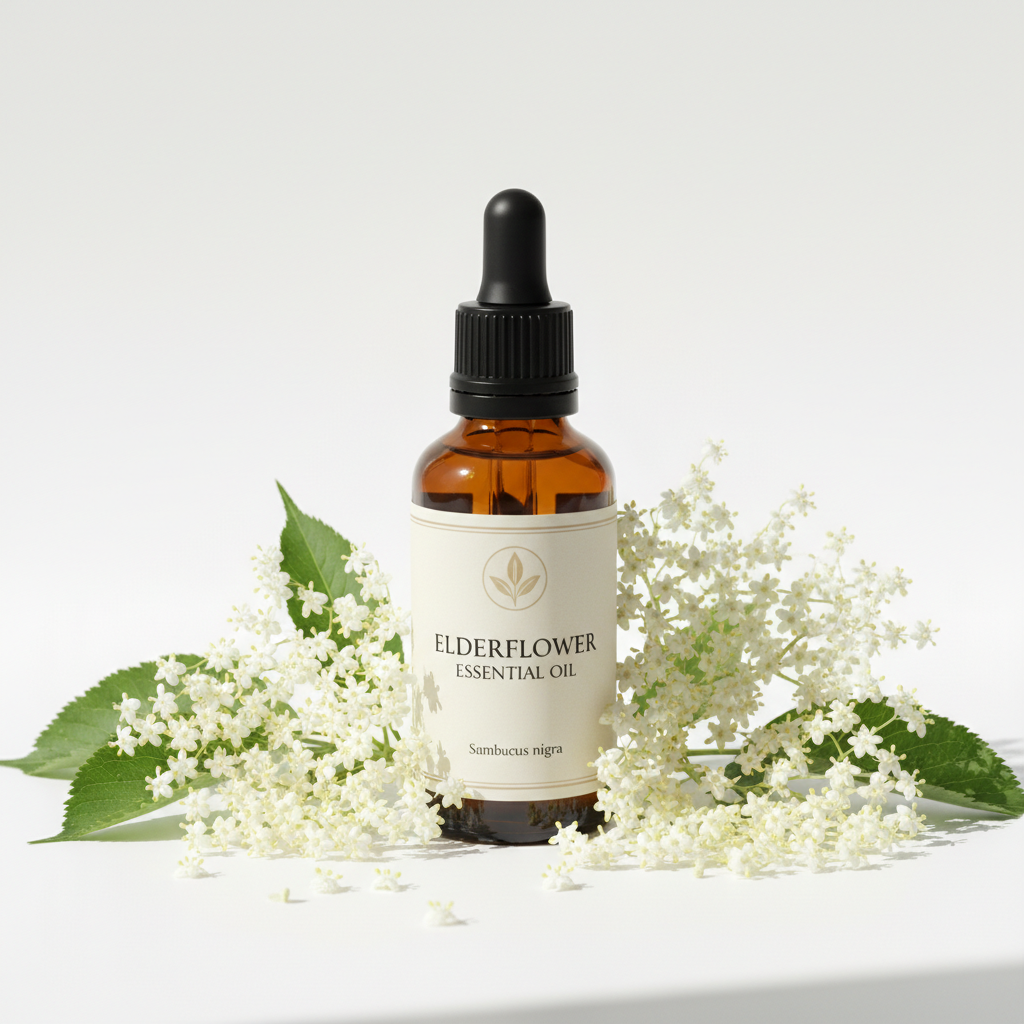
Elderflower Essential Oil
Sambucus nigra
Elderflower essential oil, derived from the lovely blossoms of the Sambucus nigra tree, also known as the European elder, is celebrated not only for its exquisite aroma but also for its historical significance in herbal medicine. The extraction of this precious oil typically occurs through steam distillation, a process that captures the flower's delicate essence while ensuring purity and potency. This essential oil has become increasingly popular in aromatherapy and natural healing, touted for its diverse therapeutic uses and unique benefits for emotional and physical well-being. ### Botanical Information The Sambucus nigra tree is a small tree or shrub commonly found throughout Europe and North America. Its flowers bloom in late spring and are characterized by small white to cream-colored clusters that have a pleasantly sweet fragrance. The oil extracted from these flowers is often referred to as elderflower oil, and it contains numerous active compounds, including flavonoids, tannins, and essential oils, which contribute to its health benefits. ### Therapeutic Properties and Benefits Elderflower essential oil is packed with therapeutic properties that are beneficial for both the mind and body: - **Calming**: The soothing aroma promotes a sense of peace and tranquility, making it ideal for stress relief and anxiety reduction. - **Mood Enhancer**: Its uplifting scent can help enhance mood during challenging times, assisting in emotional balance. - **Comforting**: The sweet floral fragrance carries connotations of warmth and nostalgia, providing emotional support through difficult moments. - **Mental Clarity**: The oil is believed to facilitate mental clarity, aiding concentration and cognitive function. - **Grounding**: It encourages mindfulness, helping individuals reconnect with the present moment and reducing feelings of overwhelm. - **Skin Rejuvenation**: Known for its skin-nourishing properties, elderflower oil can soothe irritations, promote hydration, and contribute to a radiant complexion. - **Respiratory Support**: Elderflower essential oil is often used during colder months to aid in respiratory health, alleviating discomfort associated with colds or allergies. - **Joint Relief**: The anti-inflammatory properties can provide relief to sore muscles and joints, making it useful for athletes or those with chronic pain. - **Enhancer of General Wellness**: This versatile oil can contribute to overall wellness by supporting various bodily functions. ### Historical and Traditional Uses Historically, elderflower has been used for centuries in traditional medicine, particularly by communities in Europe and North America. Ancient civilizations valued elderflower for its healing properties, using it in herbal remedies for ailments ranging from respiratory issues to skin irritations. It has also found its place in culinary traditions, flavoring syrups, teas, and desserts, showcasing its versatility. ### Aroma Profile and Characteristics The aroma of elderflower essential oil is characteristically light, sweet, and floral, with a hint of herbal undertones. Its delightful scent makes it a popular choice in perfumes and scented products, allowing users to indulge in a soft, inviting experience while reaping the oil's therapeutic benefits. The aroma can enhance emotional well-being and create a calming atmosphere, making it a favorite in aromatherapy. ### Common Applications and Methods Elderflower essential oil can be used in various ways, including: - **Diffusion**: Add a few drops to a diffuser to create a calming environment in your home or workspace. - **Topical Application**: Dilute with a carrier oil and apply to the skin to enjoy its soothing properties. - **Bathing**: Add a few drops to bathwater for a relaxing and rejuvenating soak. - **Inhalation**: Inhale directly from the bottle or add a few drops to a handkerchief for on-the-go relief. ### Interesting Facts and Trivia - Elderflower has historically been associated with folklore and mythology, often regarded as a protective plant that brings good luck. - The flowers of the elder tree are not only used for oil extraction but also have culinary uses—elderflower cordial is a popular beverage in many countries. - Sambucus nigra is known to produce berries that are also high in antioxidants and often utilized in health products. As you explore the benefits and uses of elderflower essential oil, you'll discover its potential to enhance your physical and emotional wellness. With its pleasant scent and numerous applications, this oil embodies the harmony of nature and wellness.
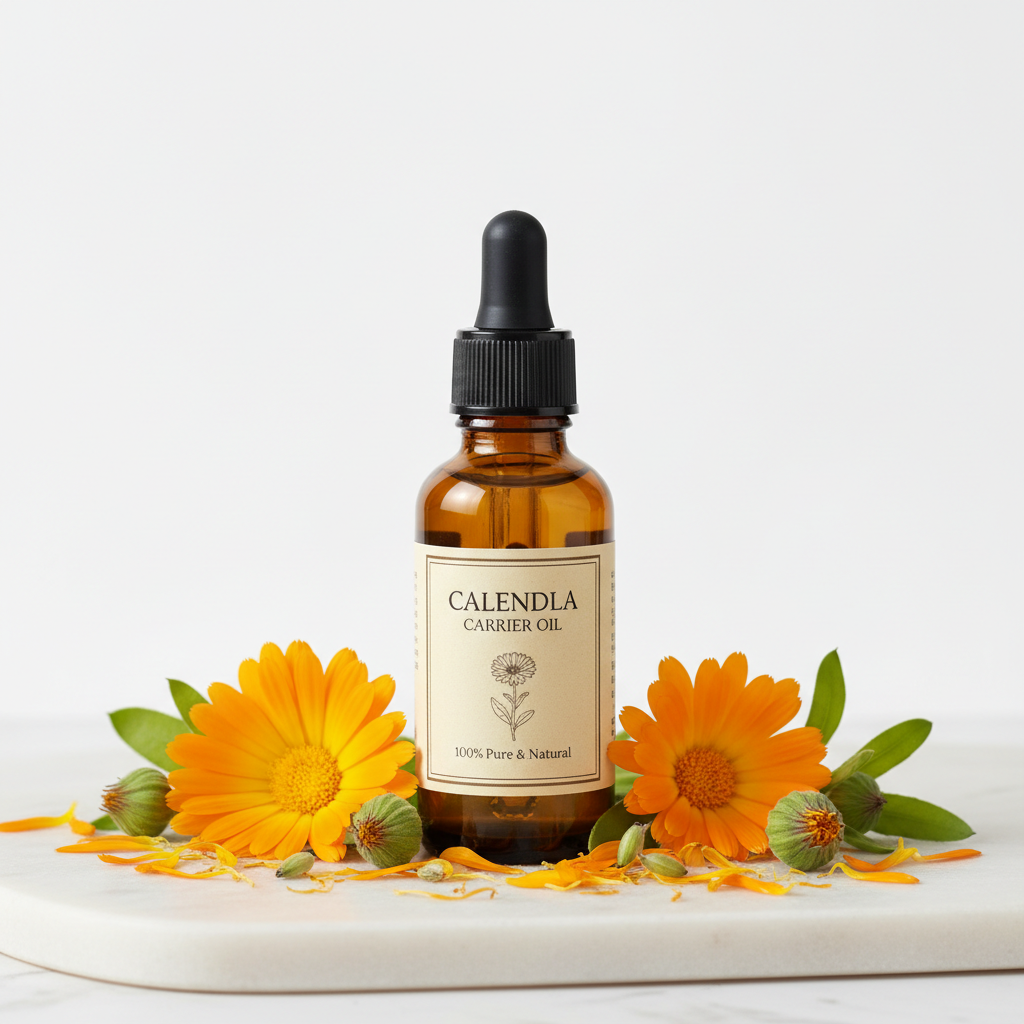
Calendula Carrier Oil
Calendula officinalis
**Calendula Carrier Oil: Origin, Benefits & Uses** **Introduction to Calendula Carrier Oil** Calendula Carrier Oil, extracted from the vibrant flowers of *Calendula officinalis*, also known as marigold, is a highly esteemed oil in herbal medicine and aromatherapy. This oil has gained popularity due to its myriad therapeutic properties, making it an essential ingredient in skin-care products, soaps, and wellness formulations. Its soft golden hue and subtle aroma contribute to its appeal. **Origin and Extraction Method** Calendula Carrier Oil is derived through a gentle cold-press extraction process, which helps preserve the oil's potent nutrients and therapeutic qualities. The calendula plant thrives in various climates, particularly in Europe, the Mediterranean, and North America. It is cultivated for ornamental purposes as well as for its medicinal properties. The flowers are harvested at peak bloom, carefully dried, and then subjected to the extraction process to create the pure oil loved by many. **Botanical Information** *Calendula officinalis* is a flowering plant in the Asteraceae family. Known for its bright yellow to orange petals, calendula has been used for centuries for its healing properties. Historically, calendula flowers have been utilized in various cultures as a remedy for skin ailments, digestive issues, and even as a dye ingredient. **Therapeutic Properties and Benefits** Calendula Carrier Oil is renowned for its anti-inflammatory, antimicrobial, and skin-repairing abilities. It is particularly effective in treating a range of skin conditions including eczema, dermatitis, and psoriasis. The oil aids in healing wounds, reducing inflammation, and speeding up the recovery process thanks to its rich composition of flavonoids and antioxidants. Additionally, it promotes skin hydration, making it an excellent option for dry or sensitive skin types. Beyond its skin benefits, calendula oil is also used to alleviate anxiety and promote relaxation. Its calming aroma can uplift moods, creating a sense of well-being and emotional balance. This dual functionality makes it a revered oil in both cosmetic and mental health applications. **Historical and Traditional Uses** Historically, calendula has been used in traditional medicine practices such as Ayurveda and European herbalism. Its therapeutic qualities are well documented, with ancient civilizations using it to ward off infections and promote skin healing. Herbalists often formulated ointments and tonics from calendula to treat wounds during battles or after surgery. **Scientific Facts and Research** Numerous scientific studies have validated the benefits of calendula oil. Research highlights its potential to reduce inflammation and improve skin health. One study published in the Journal of Ethnopharmacology found that calendula exhibited significant antifungal activity, proving its efficacy against common skin irritants. Other studies show that topical application can enhance wound healing and skin barrier function, making it instrumental in formulations for sensitive and damaged skin. **Aroma Profile and Characteristics** Calendula Carrier Oil carries a mildly sweet, earthy aroma that is soothing and comforting. Its fragrance profile contributes to a calming environment, ideal for relaxation during aromatherapy sessions. The oil's soothing scent also pairs well with various essential oils for a holistic approach to wellness. **Common Applications and Methods** Calendula Carrier Oil can be used in several ways, including: - **Massage Oil**: Combine with other carrier oils or essential oils to create a relaxing massage blend. - **Skincare**: Apply directly to skin irritations or mix with creams for enhanced benefits. - **Aromatherapy**: Use in diffusers to promote a calming atmosphere or add to bathwater for indulgent self-care. - **Hair Care**: Incorporate into conditioning treatments for moisturizing benefits. **Interesting Facts and Trivia** - Calendula flowers are often referred to as "the joy of the garden" for their vibrant colors. - The oil is non-toxic and considered safe for use on children, making it a favorite among natural parenting communities. - Aside from skincare, calendula’s edible flowers have been used to add color and flavor to food dishes in various cuisines. **Conclusion** Calendula Carrier Oil is a versatile and valuable oil with rich history and multitude of uses. From its therapeutic properties to its role in promoting relaxation and skin health, it truly is a testament to nature's gifts. Whether you are exploring natural remedies or enhancing your skincare routine, calendula carrier oil is a fantastic addition to your wellness arsenal.
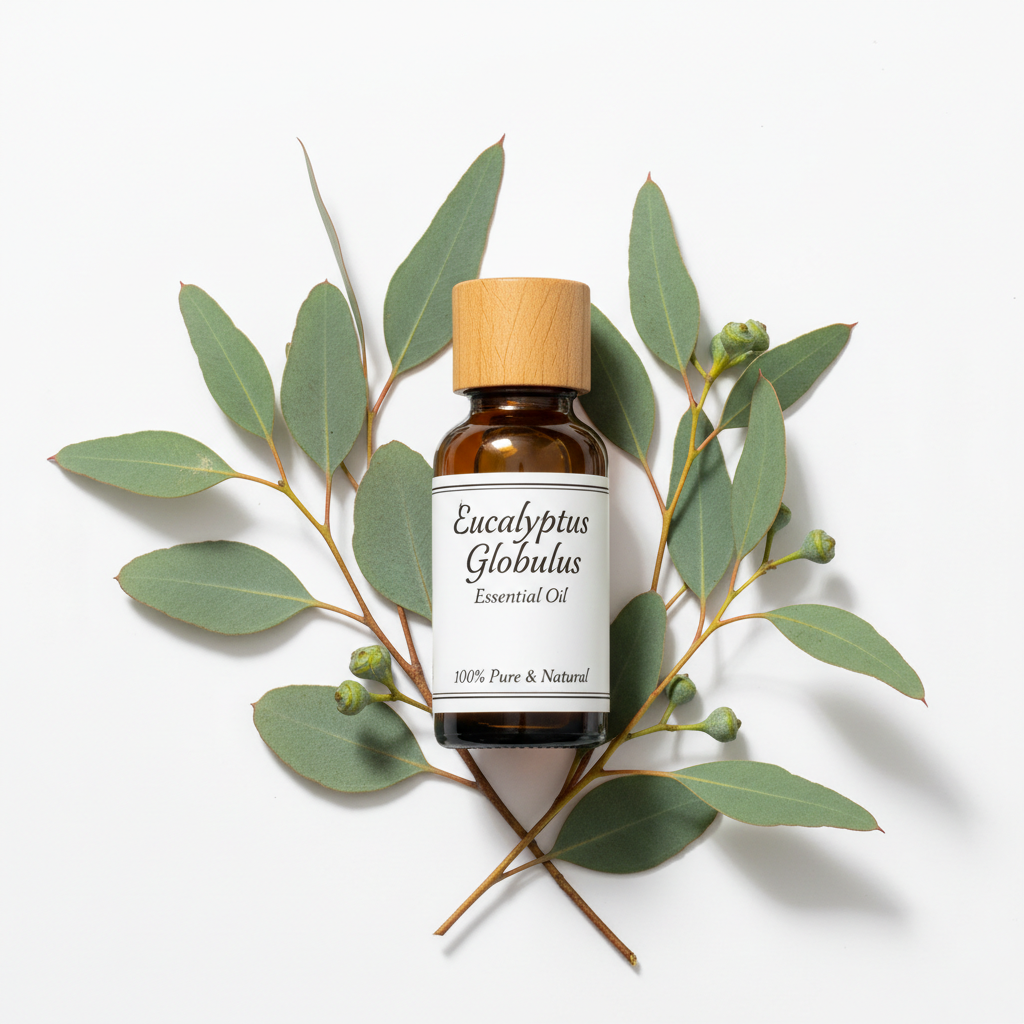
Eucalyptus Globulus Essential Oil
Eucalyptus globulus
### Eucalyptus Globulus Essential Oil: A Comprehensive Guide Eucalyptus Globulus essential oil, extracted from the leaves and twigs of the Eucalyptus tree (Eucalyptus globulus), is well-known for its refreshing and invigorating aroma. This potent essential oil is obtained through steam distillation, a method that preserves its therapeutic properties and aromatic qualities. The Eucalyptus tree, native to Australia, has been used for centuries in traditional medicine by Indigenous Australians, who utilized the leaves for their remarkable antiseptic and healing properties. #### Botanical Information Eucalyptus globulus belongs to the Myrtaceae family, which includes many aromatic plants. The tree can grow up to 60 meters tall and is characterized by its smooth bark and lance-shaped leaves that are rich in essential oils. The main chemical components of Eucalyptus Globulus essential oil are eucalyptol (roughly 70% concentration), alpha-pinene, and beta-pinene, contributing to its therapeutic effectiveness and distinctive scent. #### Therapeutic Properties and Benefits Eucalyptus essential oil is celebrated for its various health benefits: 1. **Respiratory Aid**: Known for aiding respiratory issues, eucalyptus oil helps clear airways and soothes coughs. Its expectorant properties make it ideal for relieving symptoms of colds or allergies. 2. **Antiseptic Qualities**: With powerful antibacterial properties, it can be used to cleanse minor cuts and wounds, promoting healing and preventing infections. 3. **Mental Clarity**: The invigorating scent is uplifting, often used in aromatherapy to enhance concentration and mental clarity, battling feelings of fatigue and lethargy. 4. **Stress Relief**: Eucalyptus oil can reduce stress, anxiety, and physical tension, promoting relaxation when diffused or added to bath water. 5. **Insect Repellent**: Its strong aroma repels common insects, making it beneficial when used in natural repellents for outdoor activities. 6. **Muscle Relief**: It can ease muscle pain and soreness due to its anti-inflammatory properties, often utilized in massage oils. 7. **Improved Circulation**: Regular use can enhance blood circulation, supporting overall vitality and wellness. #### Historical and Traditional Uses Historically, eucalyptus leaves were used by Indigenous Australians for their medicinal properties. Eucalyptus oil was also recognized by 19th-century surgeons for its ability to cleanse wounds and prevent infections during the Crimean War. Today, it continues to be integrated into modern medicine and alternative therapies. #### Aroma Profile and Characteristics The aroma of Eucalyptus Globulus essential oil is fresh, clean, and slightly sweet, with hints of woody and earthy notes. Its invigorating scent is often described as crisp and refreshing, making it a popular choice in aromatherapy and personal care products. #### Common Applications and Methods 1. **Aromatherapy**: Used in diffusers, eucalyptus oil can purify the air and energize the atmosphere. 2. **Topical Applications**: Diluted eucalyptus oil can be applied to the skin (always diluted in a carrier oil) to relieve muscle tension, soothe sore spots, and even cleanse minor cuts. 3. **Bath Soaks**: Added to bath water, it can transform your bathing experience, helping to relieve stress and muscle soreness. 4. **Household Cleaner**: Its antiseptic properties make it a popular ingredient in DIY cleaning products for a fresh scent and effective cleaning. #### Interesting Facts and Trivia - Eucalyptus trees are known to be fast-growing and can absorb vast amounts of carbon dioxide, promoting a healthier environment. - There are over 700 species of eucalyptus, but only a few are used for essential oil extraction. - Eucalyptus oil has made its way into various products, including candies, soaps, and even toothpaste, due to its antimicrobial properties. In conclusion, Eucalyptus Globulus essential oil is not only a popular choice for its invigorating aroma but also for its extensive range of health benefits. Incorporating this essential oil into your routine can enhance mental clarity, promote relaxation, and provide numerous therapeutic effects, making it a versatile addition to any essential oil collection.
Benefits
Recipes
Soothing Foot Cream Recipe for Relaxation
Discover this soothing foot cream recipe designed to relieve discomfort and promote relaxation using all-natural ingredients.
Soothing After-Workout Balm Recipe for Muscle Relief
Make a soothing after-workout balm recipe to ease muscle discomfort and boost recovery—ideal for athletes and fitness lovers!
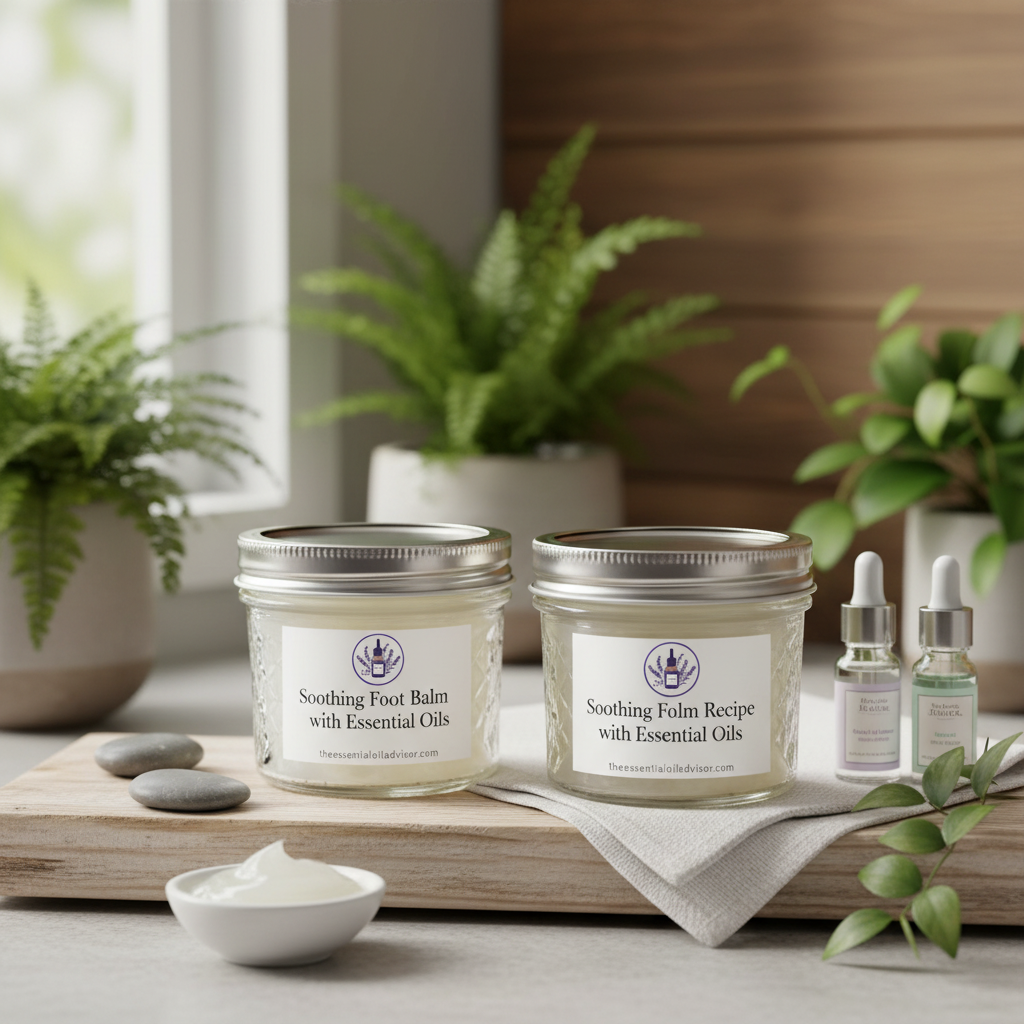
Soothing Foot Balm Recipe with Essential Oils
Discover this soothing foot balm recipe using essential oils and natural ingredients to relieve itchy feet and promote overall foot health.
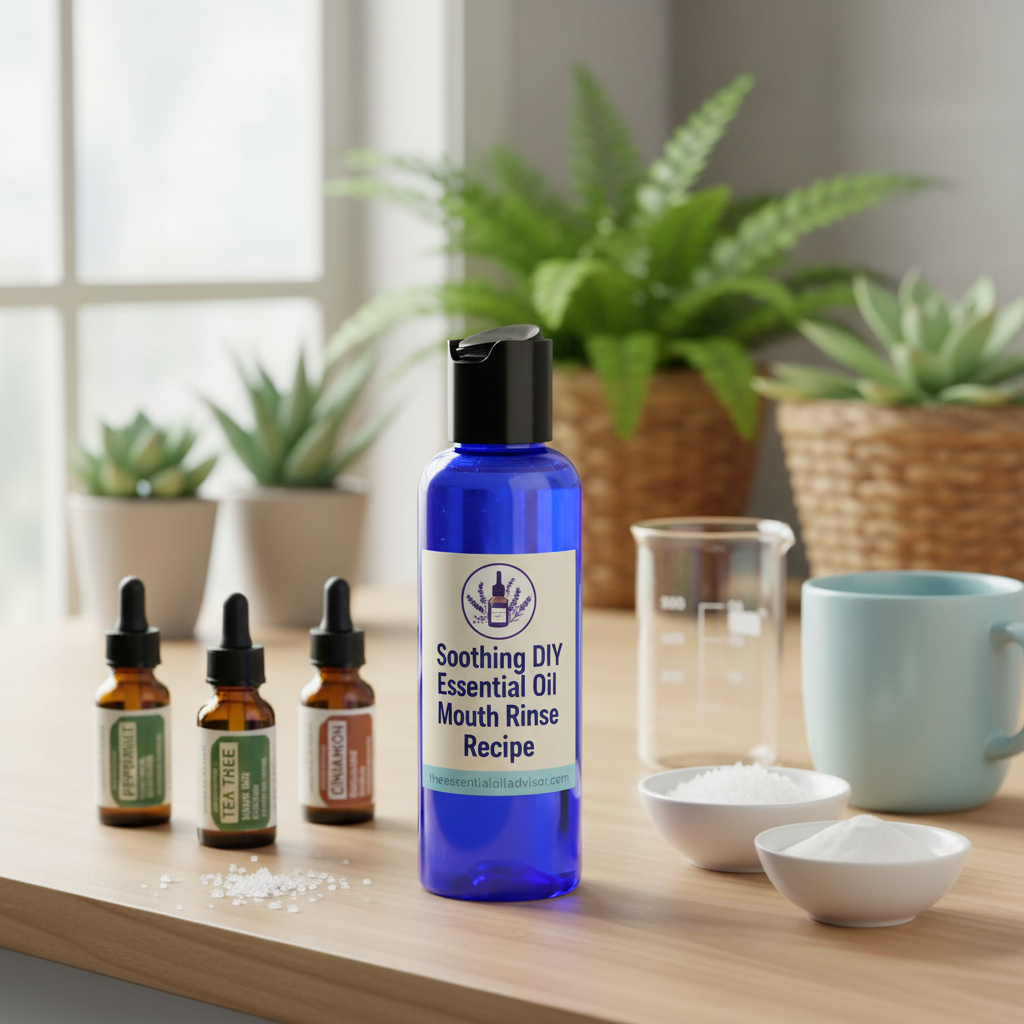
Soothing DIY Essential Oil Mouth Rinse Recipe
Discover this soothing DIY mouth rinse recipe made with essential oils to support oral health, freshen breath, and provide relief from discomfort.
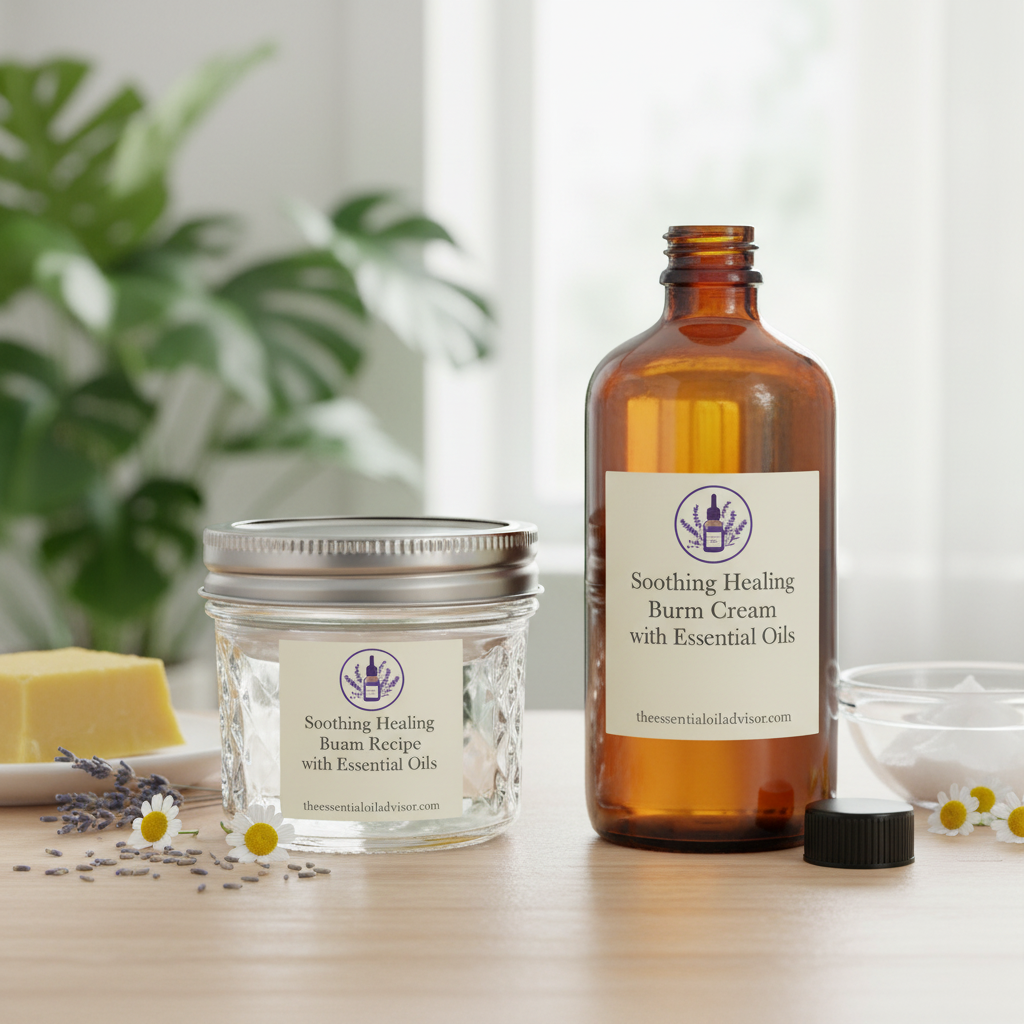
Soothing Healing Burns Cream Recipe with Essential Oils
Create a nourishing remedy with this healing burns cream recipe featuring essential oils to soothe minor burns, providing relief and nourishment to the skin.
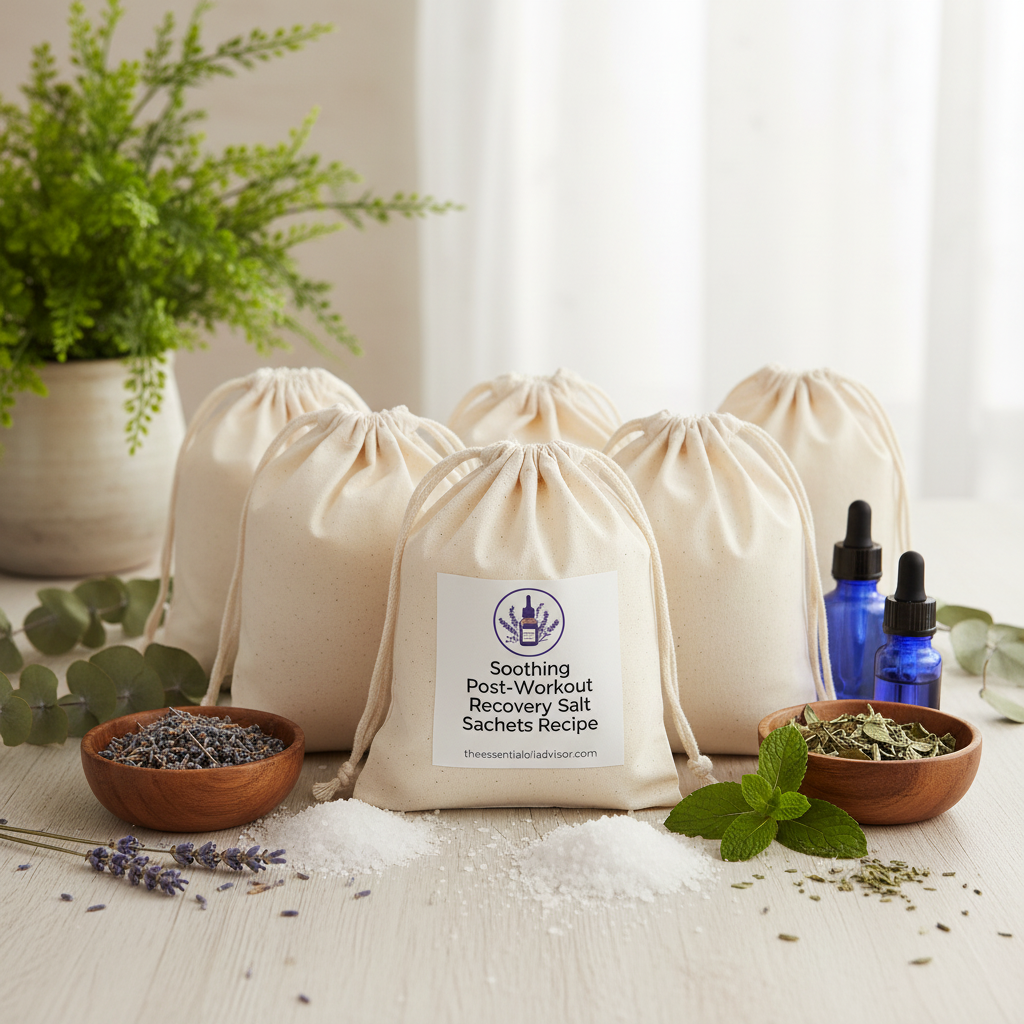
Soothing Post-Workout Recovery Salt Sachets Recipe
This recipe details how to create a soothing and aromatic salt sachet blend that promotes effective muscle recovery after intense workouts.