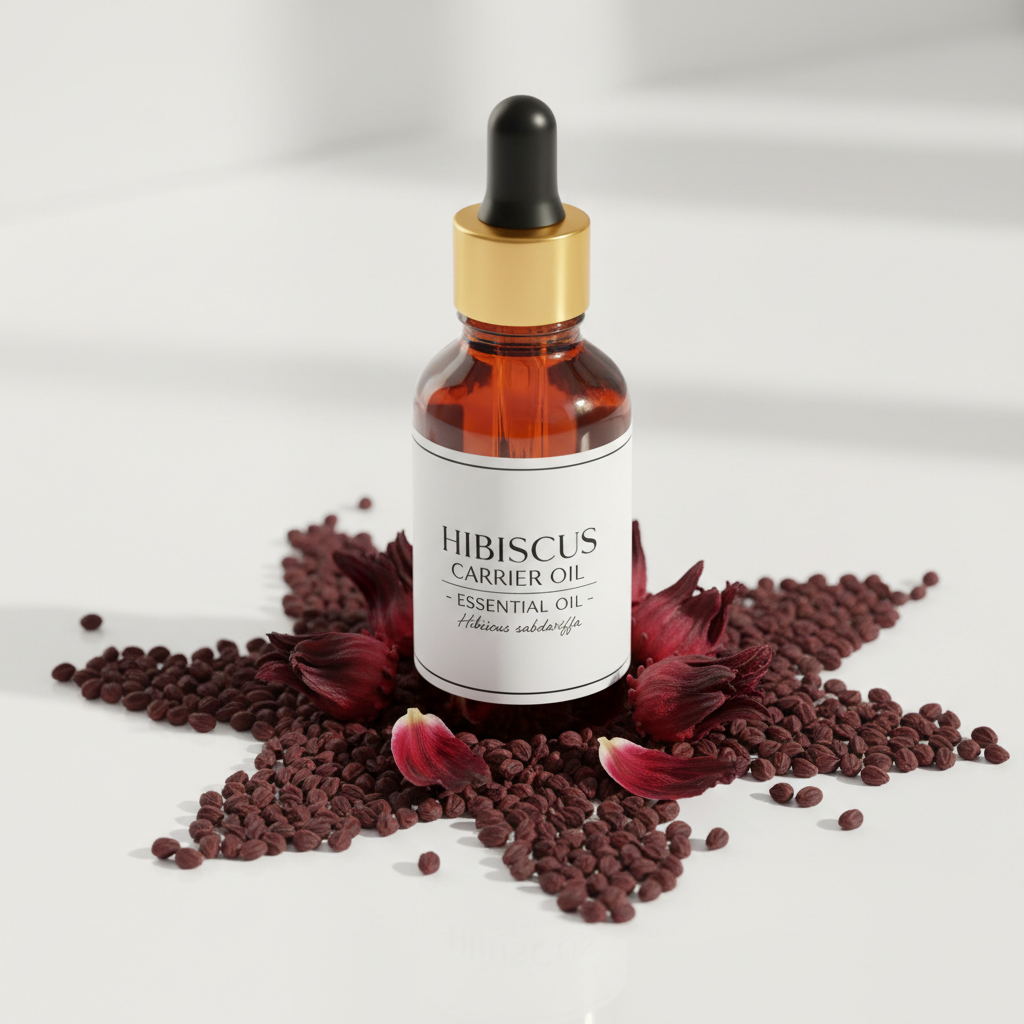
Hibiscus Carrier Oil
Hibiscus sabdariffa
Plant Source
seeds
Scent Family
Floral
"Discover Hibiscus Carrier Oil, its origin, benefits, and traditional uses. Learn how it hydrates skin, enhances mood, and supports wellness practices."
Hibiscus Carrier Oil is derived from the seeds of the Hibiscus sabdariffa plant, a species that has captured the hearts of many through its delicate floral beauty and various health benefits. The oil is extracted using a cold-press method, which preserves its rich nutrients and vital properties, ensuring a high-quality carrier oil suitable for both cosmetic and aromatherapy applications.
Origin and Extraction Method
Hibiscus sabdariffa, commonly known as roselle, is native to tropical regions such as Africa, Asia, and the Caribbean. The cold-press extraction technique involves mechanically pressing the seeds to yield a vibrant oil without the use of heat or harsh chemicals, maintaining the oil's natural integrity and richness. This method is preferred for its ability to retain essential fatty acids and vitamins that are beneficial for skin and hair.
Botanical Information
From a botanical perspective, Hibiscus sabdariffa belongs to the Malvaceae family. The plant is recognized for its striking red calyces, which are often used to make teas and herbal remedies. The seeds, small but potent, pack a nutritional punch which translates into the health benefits observed in hibiscus carrier oil.
Therapeutic Properties and Benefits
- Hydration: Hibiscus oil is renowned for its ability to deeply hydrate skin and hair. It contains fatty acids that nourish and maintain moisture balance, making it perfect for dry or brittle conditions.
- Soothing: The oil's anti-inflammatory properties can provide relief from skin irritations, sunburns, and redness, promoting faster healing and comfort.
- Antimicrobial: The natural compounds in hibiscus oil exhibit antimicrobial properties, which can help in managing acne and preventing breakouts.
- Aging: Rich in antioxidants, hibiscus oil helps combat oxidative stress that leads to premature aging, supporting skin elasticity and reducing fine lines.
- Hair Health: Using hibiscus oil in hair care routines can strengthen hair, adding shine and reducing split ends, while also promoting scalp health by addressing dandruff and itchiness.
Historical and Traditional Uses
Historically, hibiscus has been valued not only for its beauty but also for its cooling properties. In traditional medicine practices, especially within Asian and African cultures, hibiscus has been used to reduce fever, hydrate the body, and soothe digestive ailments. Its roots have been harnessed for teas and tinctures believed to uplift mood and promote overall wellness. Moreover, hibiscus flowers have long been used in beauty rituals for their hydrating and skin-enhancing effects.
Scientific Facts and Research
Recent studies have highlighted the benefits of hibiscus oil. Research indicates that the antioxidants present can help in reducing oxidative damage in cells, while the oil's anti-inflammatory properties have been recognized in studies for improving skin conditions like eczema and psoriasis. Additionally, its aroma is reported in aromatherapy circles to positively affect mood and stress levels, making it a dual-purpose oil for both physical and emotional wellness.
Aroma Profile and Characteristics
Hibiscus Carrier Oil has a unique and delicate floral aroma that is both uplifting and calming. The scent is often described as sweet and herbaceous, making it an excellent addition to blends aiming for mood enhancement and relaxation. The pleasing scent can invigorate the senses, grounding the mind while simultaneously elevating emotional states.
Common Applications and Methods
Hibiscus Carrier Oil is incredibly versatile. In skin care, it can be mixed with other essential oils for massage, added to lotions, or used as a hair treatment. To utilize its aromatherapy benefits, it can be diffused in a room or added to bathwater for a soothing experience. Additionally, using hibiscus oil in DIY cosmetics, such as scrubs or masks, provides an extra layer of nourishment and aromatherapeutic benefits.
Interesting Facts and Trivia
- Culinary Uses: Besides its cosmetic applications, hibiscus is popular in culinary dishes, especially in teas and beverages, renowned for its tart flavor.
- Cultural Significance: In many cultures, hibiscus flowers are a symbol of beauty and refinement, often used in garlands and ceremonial adornments.
- Vitamins: The oil is rich in vitamins A, C, and E, which are crucial for maintaining healthy skin and cellular repair.
In conclusion, Hibiscus Carrier Oil is not only a beautiful addition to your holistic health routine but also a powerhouse for your skin and hair's overall well-being. With its rich history and multifaceted uses, incorporating hibiscus oil into your wellness practices can lead to nourishing results.
Ask AI About Hibiscus Carrier Oil
Get instant answers about this essential oil
Benefits & Uses
- Calming: The soothing properties of hibiscus can help reduce tension and promote relaxation.
- Mood Enhancer: Its floral aroma is uplifting, potentially enhancing emotional well-being.
- Stress Relief: May aid in alleviating feelings of stress and overwhelm through its aromatic benefits.
- Grounding: Promotes a sense of stability and emotional balance.
- Enhances Focus: The invigorating scent helps with mental clarity and concentration.
- Hydration: Provides essential moisture to dry skin and hair.
- Soothes Sunburn: Aids in cooling and healing sunburned skin.
- Improves Hair Health: Strengthens hair and enhances shine when used in hair care.
- Reduces Acne: Its antimicrobial properties can help manage and prevent acne breakouts.
- Tones Skin: Aids in improving skin elasticity and reducing the appearance of fine lines.
- Moisturizer: Used as a daily hydrator for dry or mature skin types.
- Facial Oil: Blended with other oils to make a calming facial serum.
- Hair Conditioner: Combined with essential oils as a deep conditioning treatment.
- Lip Balm: A nourishing base for homemade lip care formulations.
- Bath Oil: Added to bathwater for a soothing and fragrant soak.
- Natural Fragrance: Used in diffusers to bring a fresh floral scent to living spaces.
- Refreshing Spray: Combined with water for a body mist or room spray.
- Laundry Freshener: A few drops can be added to laundry to impart a lovely fragrance.
- Cleaning Products: Can be added to homemade cleaning solutions for its antimicrobial properties.
How to Use
Diffuser
For small rooms, use 3-5 drops, for medium rooms 5-8 drops, and 8-12 drops for large spaces. Diffuse for 30-60 minutes and can be repeated 2-3 times daily. Ideal times are mornings for uplifting mood and afternoons for stress relief.
Topical
For adults, dilute oil to 2-3% (12-18 drops per 30 ml). For children, use 0.5-1% (2-6 drops per 30 ml), and for elderly individuals, 1-2% (6-12 drops per 30 ml). Suggested carrier oils include jojoba or sweet almond; apply with moderate pressure during massage for better absorption.
Inhalation
For direct inhalation, place 1-2 drops on a tissue or cotton ball and inhale deeply. For steam inhalation, add 2-3 drops of hibiscus oil to a bowl of hot water, covering your head with a towel for 5-10 minutes. Use personal inhalers as needed.
Safety & Precautions
Perform a patch test prior to extensive topical application. Use with caution during pregnancy and nursing; consult with a healthcare provider if on medication. Store in a cool, dry place away from light. Typical shelf life is 1-2 years. Avoid contact with eyes and mucous membranes.
Who should avoid:
- Pregnant individuals, especially in the first trimester.
- Persons with hypersensitivity to hibiscus.
- Individuals currently taking anticoagulant or antihypertensive medications.
Recommended Products

Understanding the aromatic layers of Hibiscus Carrier Oil
Top Notes
Heart Notes
Base Notes
Scent Evolution
Top Notes: First impression, evaporate quickly (15-30 min)
Heart Notes: Main character, last 2-4 hours
Base Notes: Lasting foundation, linger for hours
Complementary essential oils that pair beautifully with Hibiscus Carrier Oil
Abyssinian Carrier Oil
Crambe abyssinica
✓traditional pairing in aromatherapy
Ajowan Seed Essential Oil
Trachyspermum ammi
✓similar chemical compositions
Allspice Essential Oil
Pimenta dioica
✓balanced scent profile
Ammi Visnaga Essential Oil
Ammi visnaga
✓balanced scent profile
Amyris Essential Oil
Amyris balsamifera
✓traditional pairing in aromatherapy
Angelica Essential Oil
Angelica archangelica
✓similar chemical compositions
Blending Tips
- • Start with 2-3 oils for simple blends
- • Use 3-5 drops total per 10ml carrier oil
- • Let blends sit for 24-48 hours to marry
- • Test on a small skin area first
Calculating for: Hibiscus Carrier Oil
Recommended: 2% | Max safe: 5%
29.57 ml
Your Recipe
0.59 ml
28.98 ml
💡 Dilution Tips
- • Always do a patch test before full application
- • Children and elderly need lower dilutions (1-2%)
- • Facial products should be gentle (0.5-1%)
- • 1 drop ≈ 0.05 ml (20 drops per ml)
- • Common carrier oils: fractionated coconut, jojoba, sweet almond
Related Recipes
Aromatherapy Recipe: Under-Bed Storage Drawer Bombs
Discover this simple recipe for Under-Bed Storage Drawer Aroma Bombs, perfect for freshening up your space with delightful scents!

Calming Essential Oil Pillow Mist Recipe for Relaxation
Discover this easy recipe for a soothing pillow mist that features lavender and bergamot for ultimate relaxation and better sleep.

DIY Acne Calming Gel Spot Treatment Recipe for Clear Skin
Explore our DIY acne calming gel spot treatment recipe to soothe inflammation and fight breakouts using natural ingredients for healthier skin.
DIY Candle Making Fragrance Blend Recipe for Aromatic Bliss
Discover how to create a delightful essential oil blend recipe tailored for your candle making needs, enhancing your home with captivating scents.
DIY Essential Oil Body Lotion Recipe
Create your own nourishing body lotion with essential oils that hydrates, softens and rejuvenates your skin, leaving it smooth and supple all day long.

DIY Essential Oil Foaming Hand Soap Recipe
Craft your own moisturizing foaming hand soap using essential oils! This DIY recipe combines natural ingredients for clean, soft hands. Perfect for home use!