Search
Found 19 results for "baking"
Essential Oils
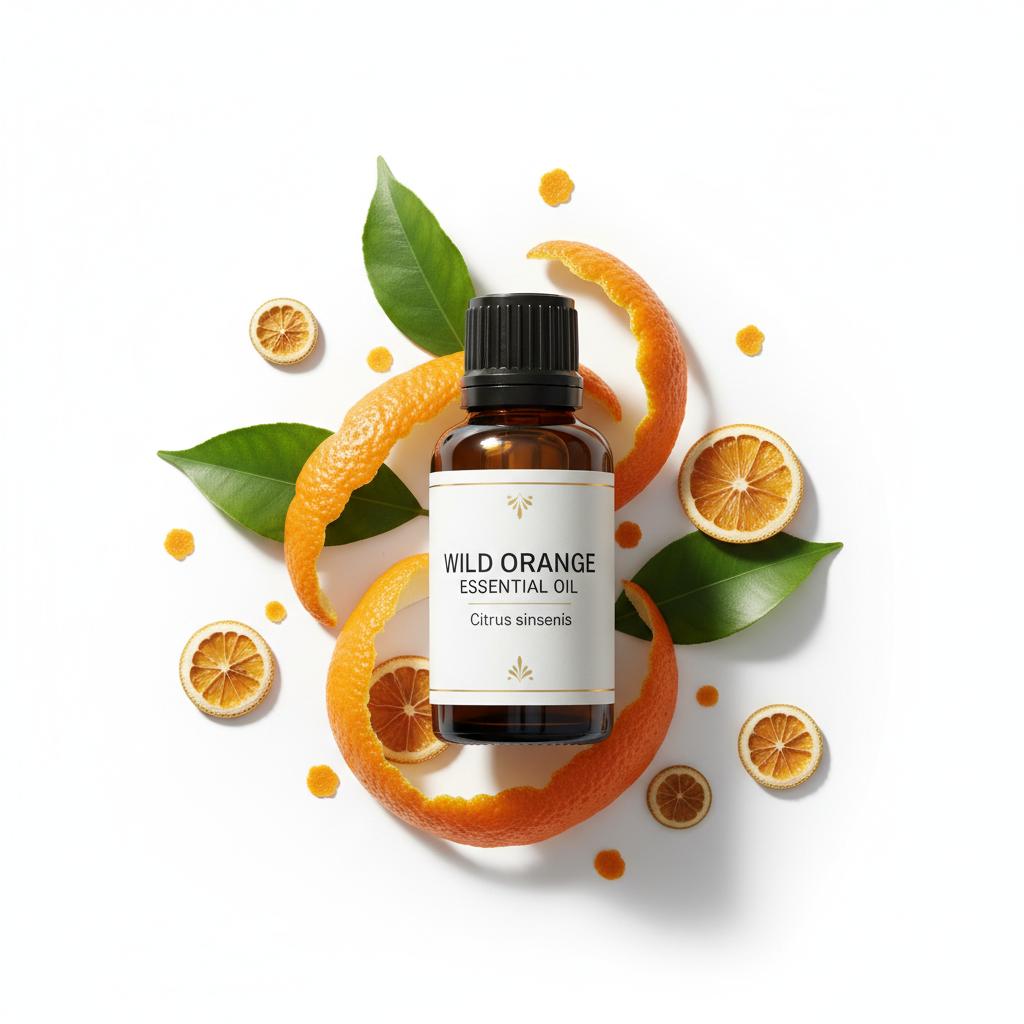
Wild Orange Essential Oil
Citrus sinensis
### Wild Orange Essential Oil: An In-Depth Exploration #### Origin and Extraction Method Wild Orange Essential Oil, scientifically known as Citrus sinensis, is extracted from the bright orange peel of the sweet orange fruit. The process of obtaining this oil primarily utilizes **cold pressing**, a method that involves mechanically pressing the peels to release their fragrant oils without the use of heat. This process not only captures the vibrant scent of the fruit but also preserves its **therapeutic properties**, making it a popular choice among aromatherapists and health enthusiasts. #### Botanical Information The orange tree, a hybrid of the pomelo and mandarin, grows in tropical and subtropical climates worldwide. It can reach heights of up to 30 feet, adorned with glossy green leaves and fragrant white flowers that give way to the famous round, orange fruit. Known for its sweet and tangy flavor, the sweet orange is not only a staple in kitchens but also in the world of essential oils. #### Therapeutic Properties and Benefits 1. **Mood Enhancement**: Wild Orange Essential Oil is celebrated for its uplifting aroma. It may elevate mood and promote a sense of well-being, making it a favorite in aromatherapy. 2. **Stress Reduction**: Inhaling its citrus scent can help reduce feelings of stress and anxiety, providing a calming effect that can be beneficial in today’s fast-paced lifestyles. 3. **Focus and Clarity**: Its invigorating fragrance can enhance mental clarity, aiding concentration during tasks, making it ideal for studying or working. 4. **Immune Support**: Wild Orange Oil is thought to support the immune system, potentially providing increased defense against colds and other seasonal issues. 5. **Energy Boost**: This essential oil serves as a natural stimulant, known for its ability to combat fatigue and energize both the mind and body. 6. **Digestive Aid**: It may soothe digestive discomfort, helping to relieve issues such as bloating or indigestion when used in topical applications or inhalation. 7. **Skin Enhancer**: The oil is believed to improve skin appearance by promoting healthy circulation and providing a refreshing, radiant look. 8. **Cleaning Properties**: Due to its antimicrobial properties, Wild Orange Oil is commonly used in cleaning products, offering a clean, refreshing aroma that also helps eliminate germs. #### Historical and Traditional Uses Historically, citrus fruits have been revered for their health benefits and uplifting properties. Ancient cultures utilized orange peels for their medicinal qualities, incorporating them into various traditional remedies. In aromatherapy, Wild Orange Essential Oil has been used for centuries, particularly in holistic practices focused on wellness and emotional balance. #### Scientific Facts and Research Research has shown that citrus scents, including Wild Orange Oil, may help reduce stress levels. A study published in the **Journal of Nutrition** indicates that citrus aromas can influence mood positively and enhance cognitive performance. Additionally, the oil's potential antioxidant properties are being studied for their effects on overall health and well-being. #### Aroma Profile and Characteristics Wild Orange Essential Oil boasts a bright, citrusy aroma that is both sweet and tangy. Its scent is often associated with feelings of warmth and happiness, creating an inviting atmosphere wherever it is diffused. The fresh, sharp notes make it popular in both personal fragrance blends and household products. #### Common Applications and Methods - **Aromatherapy**: Diffuse the oil in a room to uplift mood and create a calming environment. - **Topical Application**: When diluted with a carrier oil, it can be massaged onto the skin to relieve digestive discomfort or improve circulation. - **Cleaning Solutions**: Add to homemade cleaning products for a natural and effective way to keep your home fresh and sanitized. - **Mood Enhancer**: Inhale directly from the bottle whenever you're feeling low for an instant pick-me-up. #### Interesting Facts and Trivia - **Symbol of Happiness**: In many cultures, the orange fruit symbolizes happiness and good luck, often used in festive decorations. - **Culinary Uses**: Beyond its therapeutic uses, the zest and juice of the orange are widely utilized in cooking and baking for their sweet and tangy flavor. - **Environmental Impact**: The popularity of citrus oils is driving sustainable farming practices, ensuring that orange groves can be preserved for future generations while benefiting from the aromatic oils. ### Conclusion Wild Orange Essential Oil is a versatile and beneficial essential oil that serves various purposes beyond its refreshing scent. Its wide range of applications, supported by historical use and emerging scientific research, make this oil a valuable addition to aromatherapy practices and natural health routines. With countless ways to incorporate it into daily life, Wild Orange Oil truly embodies the essence of joy and vitality.
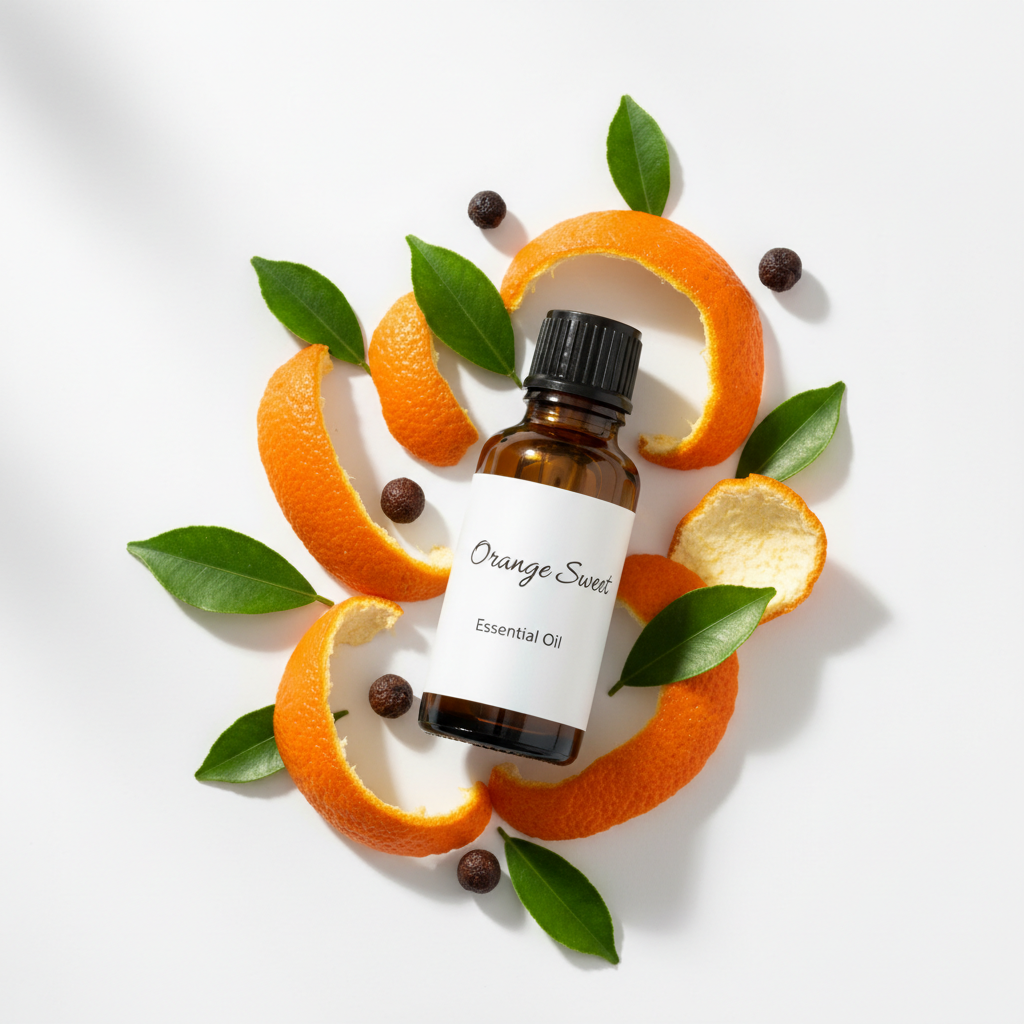
Orange Sweet Essential Oil
Citrus sinensis
**Orange Sweet Essential Oil: Comprehensive Guide** Orange Sweet Essential Oil, scientifically known as Citrus sinensis, provides both a captivating aroma and numerous therapeutic benefits. Extracted primarily through the cold pressing of orange peels, this essential oil captures the vibrant essence of the fruit, ensuring that its uplifting properties are maintained without the degradation that heat can cause. ### Origin and Extraction Method The Zest of Citrus sinensis has been appreciated since ancient times, with origins tracing back to Southeast Asia. The oil is extracted using a process known as cold pressing, where the outer peel of the orange is mechanically pressed to release the oil. This method is preferred as it preserves the essential nutrients and aromatic compounds, providing a pure and potent oil. ### Botanical Information Citrus sinensis is a species of orange tree that belongs to the Rutaceae family. This evergreen tree can reach heights of up to 30 feet and is characterized by glossy, dark green leaves and fragrant white flowers. The fruit is cultivated worldwide, contributing not only to the essential oil industry, but also to the culinary and beverage industries. ### Therapeutic Properties and Benefits Orange Sweet Essential Oil is revered for its impressive array of therapeutic properties. Here are some of its key benefits: - **Mood Enhancer**: The sweet, tangy scent is widely recognized for its ability to uplift spirits and promote feelings of happiness and joy. - **Calming Effects**: Incorporating this oil into your routine can help alleviate stress and anxiety, fostering a peaceful atmosphere conducive to relaxation. - **Mood Stabilizer**: Known for its potential to balance emotions, the oil can be particularly beneficial for those experiencing mood swings. - **Energizing Properties**: The bright aroma is invigorating, enhancing focus and concentration, making it an excellent companion for work or study sessions. - **Comforting Presence**: Many find solace in the warm scent during challenging times, utilizing it in diffusers or personal care products for added comfort. - **Physical Benefits**: Orange oil is also credited with improving circulation, easing muscle tension, and supporting detoxification processes in the body. ### Historical and Traditional Uses Historically, Orange Sweet Essential Oil has been utilized not only for its fragrance but also for its medicinal properties. Ancient cultures valued the oil for purification and were known to use it in ceremonial rituals. In traditional remedies, it was employed to combat various ailments, ranging from digestive issues to mental fatigue. ### Aroma Profile and Characteristics The aroma of Orange Sweet Essential Oil is distinctly fresh and fruity, often associated with feelings of warmth and cheer. Its natural sweetness can be likened to biting into a juicy orange, making it a delightful scent for both personal enjoyment and holistic applications. ### Common Applications and Methods Orange Sweet Essential Oil can be used in various ways, including: - **Aromatherapy**: Using a diffuser, the oil can be dispersed throughout the room, creating an uplifting space. - **Topical Application**: When diluted with a carrier oil, it can be applied to the skin to enhance mood during massages. - **Natural Cleaning**: Its antibacterial properties make it effective in homemade cleaning products. - **Culinary Uses**: The oil is also used in cooking and baking, adding a unique citrus flavor to dishes. ### Interesting Facts and Trivia - **Cultural Significance**: In some cultures, the orange tree is considered a symbol of prosperity and good luck. - **Versatile Use**: It is one of the most popular essential oils used in perfumes and cosmetics due to its appealing fragrance. - **Mood-Boosting Science**: Studies suggest that citrus scents can help reduce feelings of stress and promote a general sense of well-being. In conclusion, Orange Sweet Essential Oil is not only a fragrant addition to any home but also serves as a powerful tool for enhancing emotional and physical well-being. Whether used in aromatherapy or personal care, its benefits extend far beyond its delightful scent.
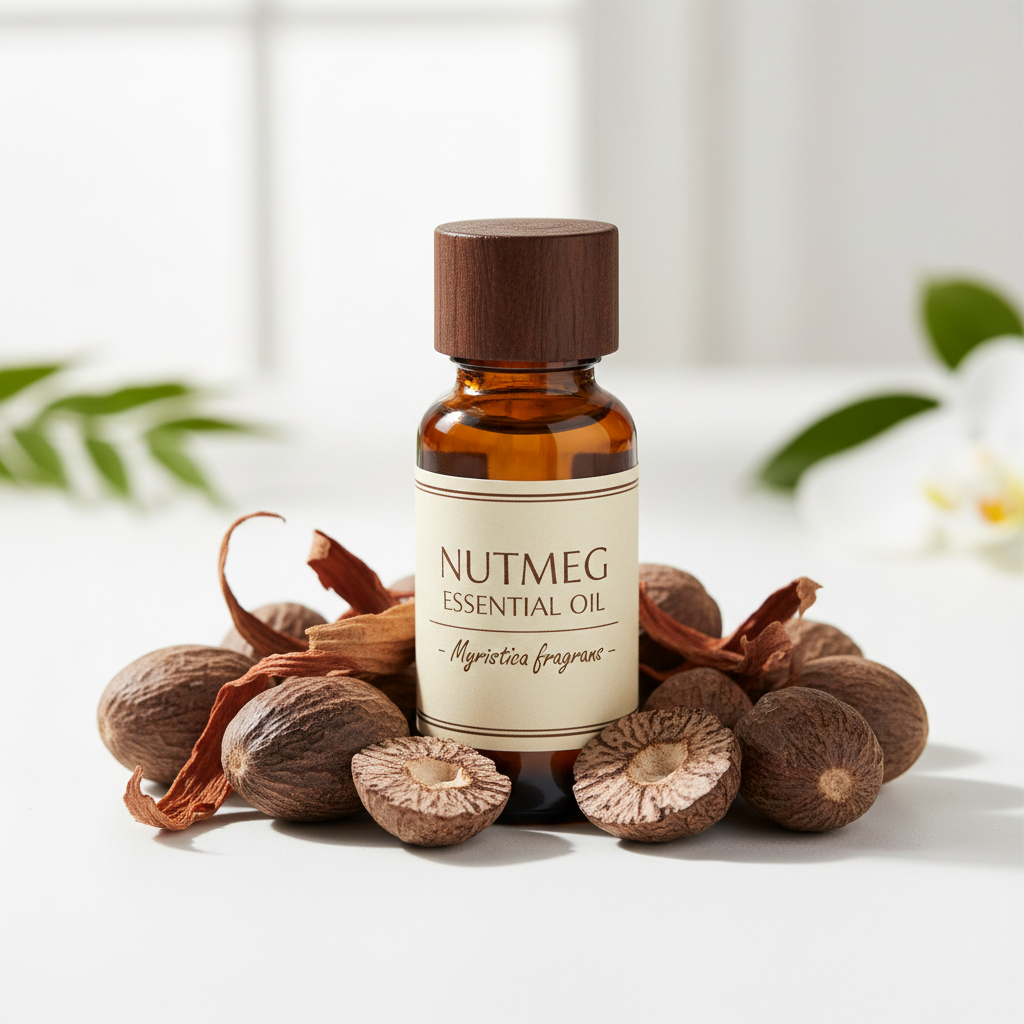
Nutmeg Essential Oil
Myristica fragrans
### Nutmeg Essential Oil: An In-Depth Exploration Nutmeg essential oil, derived from the seeds of the **Myristica fragrans** tree, boasts a fascinating history and a unique, warm aroma that captivates the senses. This highly valued essential oil is not only popular in culinary traditions but also revered for its wide array of therapeutic properties. In this comprehensive guide, we will explore the origins, extraction methods, benefits, and applications of nutmeg essential oil in detail. #### Origin and Extraction Method The nutmeg tree is native to the tropical regions of Indonesia, particularly the Banda Islands. It thrives in warm, humid climates, and its seeds are the source of the essential oil. The extraction of nutmeg oil is primarily achieved through **steam distillation** of the whole nutmeg seeds. This method is crucial for preserving the oil's potent healing properties and distinctive aroma. #### Botanical Information **Myristica fragrans** is an evergreen tree that can grow up to 20 meters in height. The tree flowers and produces fruit, which contains the nutmeg seed. The oil itself is golden yellow in color and has a warm, spicy, and slightly sweet fragrance, making it a favorite in perfumery and wellness applications. #### Therapeutic Properties and Benefits Nutmeg essential oil is celebrated for its numerous therapeutic properties: - **Stress Relief**: Known for its calming effects, it helps relieve tension and anxiety, promoting emotional stability. - **Digestive Support**: Nutmeg oil aids digestion by alleviating gas and bloating and can be beneficial for upset stomachs. - **Menstrual Comfort**: It has antispasmodic properties, offering relief from menstrual cramps and discomfort. - **Circulatory Booster**: Enhances blood circulation, contributing to overall vitality and wellness. - **Muscle Relaxant**: Its warming properties make it effective in easing muscle tension and aches when used in massages. #### Historical and Traditional Uses Historically, nutmeg was a prized commodity in the spice trade and was believed to offer protective qualities against diseases. Ancient cultures used it in various forms for medicinal and culinary purposes. Nutmeg is traditionally associated with promoting relaxation and social harmony, often used in rituals and festive occasions across numerous cultures. #### Scientific Facts and Research Recent scientific studies have explored the benefits of nutmeg essential oil. Research indicates its potential anti-inflammatory and antioxidant properties, contributing to pain relief and improved overall health. #### Aroma Profile and Characteristics Nutmeg essential oil has a warm, sweet-spicy scent with hints of nutty undertones. This rich aroma makes it a favorite in aromatherapy and scent blends, ideal for creating a calming atmosphere in homes, spas, and during meditation practices. #### Common Applications and Methods Nutmeg essential oil can be used in various ways: 1. **Aromatherapy Diffusion**: Add a few drops to a diffuser to create a soothing environment. 2. **Massage Blends**: Combine with a carrier oil for a relaxing massage to relieve muscle tension. 3. **Bath Soaks**: Incorporate into bathwater for a luxurious, stress-relieving soak. 4. **Culinary Uses**: While primarily used for its essential oil, it can also flavor dishes when used sparingly in cooking or baking. #### Interesting Facts and Trivia - Nutmeg is one of the few spices derived from seeds, with the whole nut being the seed of the fruit produced by the nutmeg tree. - In the 19th century, nutmeg was considered so valuable that it was used as currency in some regions! - In small amounts, nutmeg can induce hallucinations, so it is essential to use it judiciously. #### Conclusion Nutmeg essential oil is more than just a sweet spice; it embodies a rich heritage of aromatic and therapeutic benefits. With its ability to promote relaxation, support digestive health, and enhance emotional balance, nutmeg oil is a versatile addition to any essential oil collection. Whether used in aromatherapy, massage, or cooking, nutmeg oil can provide both soothing comfort and health benefits, making it a must-have oil for anyone looking to enhance their well-being.
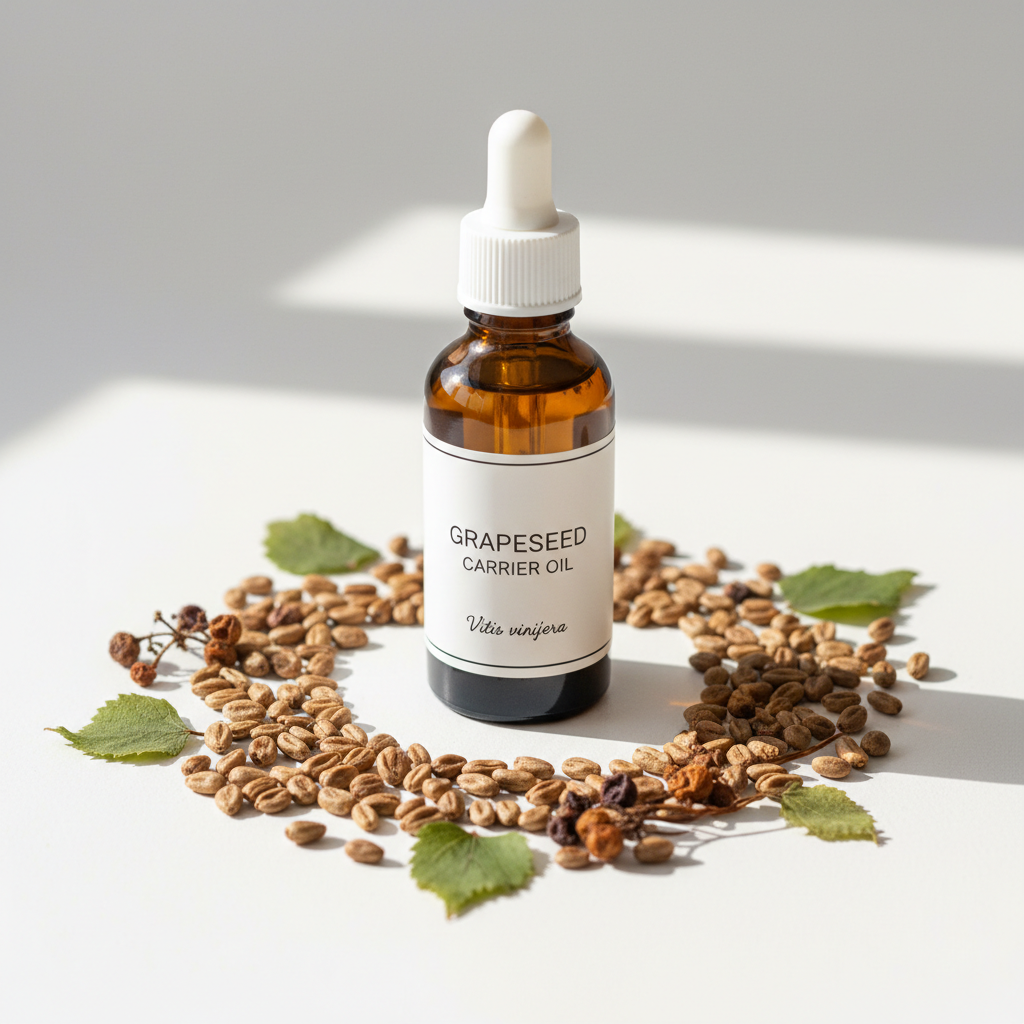
Grapeseed Carrier Oil
Vitis vinifera
### Grapeseed Carrier Oil: Uses, Benefits, and Properties Grapeseed carrier oil is a versatile oil derived from the seeds of the Vitis vinifera plant. Known for its light, non-greasy texture, it has become a favorite among beauty enthusiasts and aromatherapy practitioners alike. This oil offers a myriad of benefits, making it an essential oil for anyone interested in natural health and beauty. #### Origin and Extraction Method Grapeseed oil is primarily extracted through a process called cold pressing. This method involves applying pressure to the seeds without the use of heat, preserving its natural nutrients and beneficial compounds. The seeds of Vitis vinifera, commonly known as grape vines, are abundant in many regions worldwide, especially in countries with a strong wine production industry, such as France, Italy, and the United States. #### Botanical Information The Vitis vinifera plant is a climbing vine that can grow up to 30 meters tall. It produces small green flowers and grapes, which are cultivated primarily for wine production. The extraction of oil from grape seeds is a by-product of winemaking, emphasizing the sustainable use of these agricultural resources. #### Therapeutic Properties and Benefits Grapeseed carrier oil is celebrated for its numerous therapeutic benefits: - **Rich in Nutrients**: It contains high levels of vitamins E and C, antioxidants, and essential fatty acids, making it a great choice for skin and hair care. - **Moisturizing**: Its emollient properties help to hydrate and prevent moisture loss from the skin. It’s an excellent option for those with dry or sensitive skin. - **Anti-inflammatory and Antioxidant**: Grapeseed oil has anti-inflammatory properties that can help reduce redness and irritation. The antioxidants present combat free radicals, potentially reducing the signs of aging. - **Supports Healthy Skin**: This oil can improve the skin’s elasticity and is beneficial for treating conditions like acne, as it does not clog pores. #### Historical and Traditional Uses Historically, grapeseed oil has been used for centuries in both cooking and cosmetic applications. Ancient cultures utilized it for skincare due to its hydrating properties, and it has a long-standing reputation in traditional medicine as a soothing agent for various skin conditions. #### Scientific Facts and Research Research has demonstrated grapeseed oil's effectiveness in supporting heart health due to its high content of polyunsaturated fatty acids. Studies have shown that incorporating grapeseed oil into a diet can help lower cholesterol levels. Additionally, the oil’s rich antioxidant profile has been linked to improved overall health and wellness. #### Aroma Profile and Characteristics Grapeseed oil has a neutral scent, which makes it an excellent carrier oil for blending with essential oils. Its light consistency allows essential oils to diffuse properly without overwhelming the blend's intended scent. This quality makes it ideal for use in aromatherapy, where a subtle, non-intrusive base is desired. #### Common Applications and Methods Grapeseed oil is incredibly versatile, with applications in various areas: - **Skincare**: Widely used in lotions, creams, and serums to nourish and hydrate the skin. It is particularly popular in DIY skincare recipes. - **Aromatherapy**: It serves as a carrier oil, diluting essential oils for safe topical application or diffusion. - **Cooking**: With a high smoke point, grapeseed oil is suitable for sautéing, baking, and salad dressings, imparting a mild flavor. - **Massage Oil**: Its glide and absorptive qualities make it perfect for therapeutic massage blends. #### Interesting Facts and Trivia - Grapeseed oil is often regarded as a by-product of the wine industry, highlighting the sustainability of utilizing grape seeds which might otherwise be discarded. - This oil is rich in linoleic acid, which is essential for maintaining healthy skin and hair. - Grapeseed oil can also aid in reducing the appearance of scars and stretch marks when applied consistently. In conclusion, grapeseed carrier oil is not just a light and non-greasy option for moisturizing; it encompasses a plethora of benefits that can enhance both health and beauty. Its rich nutrient profile, gentle characteristics, and versatility make it a standout choice in the realm of essential oils.
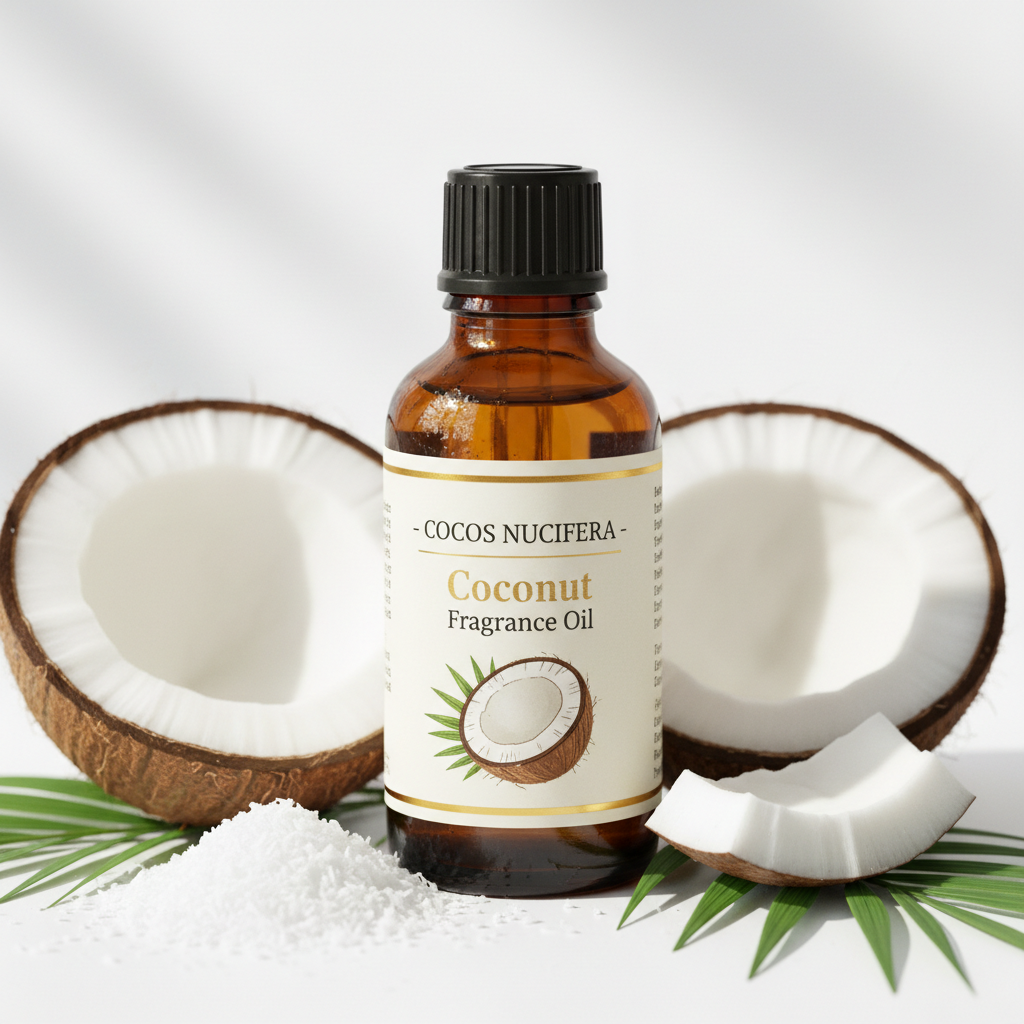
Coconut Fragrance Oil
Cocos nucifera
**Coconut Fragrance Oil: Benefits, Uses, and Aroma Profile** Coconut Fragrance Oil, derived from the pulp of the coconut fruit (Cocos nucifera), is renowned for its sweet, tropical aroma that conjures images of sunny beaches and exotic landscapes. This beloved oil is used extensively in aromatherapy, cosmetics, and personal care products, making it a staple in both homes and wellness practices worldwide. ### **Origin and Extraction Method** Coconut oil is typically extracted either through a cold-pressing method or via solvent extraction. Cold-pressing involves mechanically pressing the coconut meat to release the oil, ensuring that its natural scent and properties are retained. Conversely, solvent extraction uses chemical solvents to extract oil, which may result in different scent profiles and purity levels. The high-quality coconut fragrance oil is usually derived from the organic, fresh pulp sourced from mature coconuts grown in tropical regions, primarily in Southeast Asia. ### **Botanical Information** The coconut tree (Cocos nucifera) is often referred to as the 'tree of life' in many cultures. Its fruit, the coconut, is not only valued for its oil but also for its water and meat. Coconuts thrive in sandy soils near coastal areas and require a warm tropical climate for optimum growth. The oil extracted from their pulp is rich in healthy fatty acids, particularly lauric acid, which is known for its antimicrobial properties. ### **Therapeutic Properties and Benefits** Coconut Fragrance Oil is more than just a sweet scent; it is celebrated for its myriad therapeutic benefits: - **Stress Relief**: The warm, comforting aroma of coconut oil promotes relaxation, making it ideal for aromatherapy sessions. - **Mood Enhancer**: Inhaling its fragrance can uplift spirits and foster a sense of well-being by stimulating positive emotions. - **Grounding Properties**: The calming scent provides stability and a sense of peace, particularly beneficial in times of emotional chaos. - **Comforting Aroma**: Many find it evokes feelings of nostalgia and warmth, adding to its emotional resilience properties. - **Energizing Effects**: Coconut fragrance can invigorate the senses, aiding mental clarity and focus, especially during fatigue. - **Skin Nourishment**: Coconut oil is excellent for moisturizing dry skin, providing deep hydration without greasy residue. - **Hair Conditioner**: It’s known to add shine and softness to hair, promoting manageability and overall hair health. - **Deep Moisturization**: Creates a protective barrier on the skin, helping to lock in moisture and protect against environmental damage. - **Improved Circulation**: When used in massages, it can enhance blood flow, promoting skin health and relaxation. - **Natural Cleanser**: Coconut oil can cleanse the skin significantly, removing dirt without stripping away natural oils. ### **Historical and Traditional Uses** Historically, coconut oil has been used across cultures for cooking, medicinal, and cosmetic purposes. In communities where coconuts are abundant, such as in Polynesia, it has been used in rituals and traditional medicine. Its reputation as a skin conditioner dates back centuries, and it is commonly used in various formulations, from Ayurvedic practices to modern skincare products. ### **Scientific Facts and Research** Research into the benefits of coconut oil continues to provide insights into its diverse properties. Studies indicate that its high lauric acid content contributes to its antibacterial, antiviral, and antifungal abilities. Additionally, coconut oil has been linked to improved skin conditions due to its moisturizing effects and ability to heal wounds. ### **Aroma Profile and Characteristics** Coconut Fragrance Oil has a unique aroma profile that is sweet, creamy, and a bit nutty. The scent is often described as uplifting and tropical, making it a favorite in cocktails and paradise-themed products. It blends well with other essential oils like vanilla, lime, and jasmine, creating delightful concoctions for various applications. ### **Common Applications and Methods** Coconut Fragrance Oil is versatile, used in various products: - **Candles and Diffusers**: Popular for home ambiance, providing a lasting scent. - **Soaps and Lotions**: Used in cosmetics for its moisturizing and soothing properties. - **Hair Care Products**: Added to shampoos and conditioners for added shine and softness. - **Cooking and Baking**: Its flavor can enhance many dishes, though it is regarded more for scent in fragrance applications. ### **Interesting Facts and Trivia** - Did you know that coconut water can be used as an emergency intravenous hydration fluid? This is due to its sterile nature and electrolyte composition. - Coconuts can float on water, which allows them to travel miles across oceans and sprout on distant beaches. - In the beauty industry, coconut oil has become synonymous with the 'tropical' aesthetic, often paired with packaging featuring palm trees and beach imagery. Coconut Fragrance Oil embodies the essence of tropical paradises and offers numerous benefits, making it a must-have for aromatherapy enthusiasts and beauty aficionados alike. With its rich history, versatile applications, and therapeutic properties, embracing coconut oil in your daily routine can enhance well-being and promote a sense of tranquility.
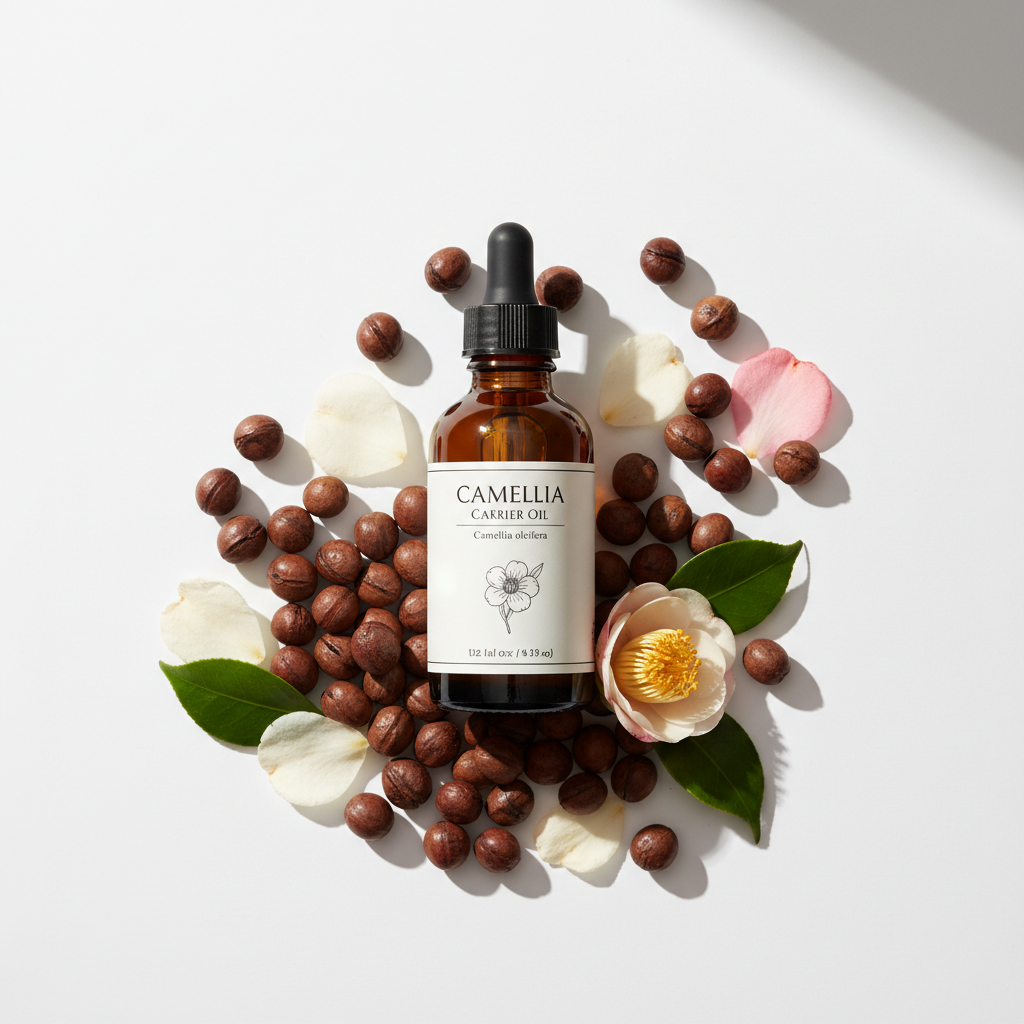
Camelia Carrier Oil
Camellia oleifera
## Understanding Camelia Carrier Oil Camelia Carrier Oil, sourced from the seeds of the *Camellia oleifera* plant, has been a cherished oil in both culinary and cosmetic industries, primarily hailing from East Asia, particularly China, Japan, and Korea. ### Origin and Extraction Method The oil is typically extracted using a cold-press method, which not only preserves its nutritional qualities but also allows for a high yield. The cold-pressing technique involves mechanically pressing the seeds without using heat, ensuring that the oil retains its essential nutrients, flavor, and aroma. This method is advantageous because heat can degrade certain beneficial compounds, rendering the oil less effective. ### Botanical Information *Camellia oleifera* is a flowering plant in the family Theaceae, known for its glossy leaves and small, fragrant white flowers. The seeds of this plant contain a high oil content, making them perfect for extracting carrier oils that are used extensively in beauty products, cooking, and traditional medicine. ### Therapeutic Properties and Benefits Camelia Carrier Oil is rich in essential fatty acids, particularly oleic acid, which constitutes approximately 80-90% of its composition. This makes it an excellent emollient, providing intense hydration and nourishment. The oil is celebrated for its skin benefits, such as: - **Moisturization:** Deeply hydrates the skin, preventing moisture loss and improving skin barrier function. - **Antioxidant Properties:** Contains polyphenols and vitamins, which help protect the skin from free radical damage and slow the signs of aging. - **Skin Nourishment:** Promotes collagen production, enhancing skin elasticity and firmness, making it beneficial for reducing the appearance of fine lines and wrinkles. - **Hair Health:** Camelia Oil enhances hair shine and softness. It penetrates the hair shaft, providing moisture and preventing dryness and split ends. ### Historical and Traditional Uses For centuries, Camelia Oil has been utilized in traditional Chinese beauty rituals. Ancient Chinese emperors valued it for its skin-enhancing properties, often applying it as a moisturizer and hair shine enhancer. Moreover, Japanese geishas incorporated it into their skincare regimens to maintain their youthful appearance. Its historical significance continues to influence its current popularity in beauty and skincare products worldwide. ### Scientific Facts and Research Recent scientific research has begun to validate the traditional claims associated with Camelia Oil. Studies have demonstrated its efficacy in improving skin hydration significantly and reducing transepidermal water loss (TEWL). Moreover, the oil's anti-inflammatory properties can help soothe irritated skin, making it suitable for sensitive skin types. Research also suggests that regular application of Camelia Oil can aid in the recovery from minor skin injuries, as it fosters healing and rejuvenation. ### Aroma Profile and Characteristics Camelia Carrier Oil has a light, slightly nutty aroma, which is soft and not overpowering. Its scent makes it an excellent base for essential oil blends, providing a pleasant sensory experience in aromatherapy settings. Due to its non-greasy texture, it absorbs quickly into the skin, leaving no residue behind, which enhances its appeal in cosmetic formulations. ### Common Applications and Methods Camelia Carrier Oil can be used in numerous applications, including: - **Skincare**: As a standalone moisturizer or as part of a blend with essential oils for massage and aromatherapy. - **Haircare**: Added to shampoos and conditioners or used as a leave-in treatment. - **Culinary**: Used in dressings and marinades due to its mild flavor and health benefits. - **Massage**: Acts as a luxurious massage oil, providing smooth application and nourishment to the skin. ### Interesting Facts and Trivia - Camelia Oil is sometimes referred to as "tea seed oil" because it is derived from the seeds of the *Camellia* plant, which is also used to produce tea. - The oil is known to have a high smoke point, making it suitable for various cooking methods, including frying and baking. - Its light texture has led to its popularity in the formulation of high-end beauty products, valued for the luxurious feel it imparts on the skin. In conclusion, Camelia Carrier Oil is an exemplary oil that boasts numerous benefits, from its skin-nourishing properties to its historic significance in beauty rituals. This versatile oil, with its impressive array of applications in skincare, haircare, and culinary uses, continues to be a favored choice among many seeking natural beauty solutions.
Recipes
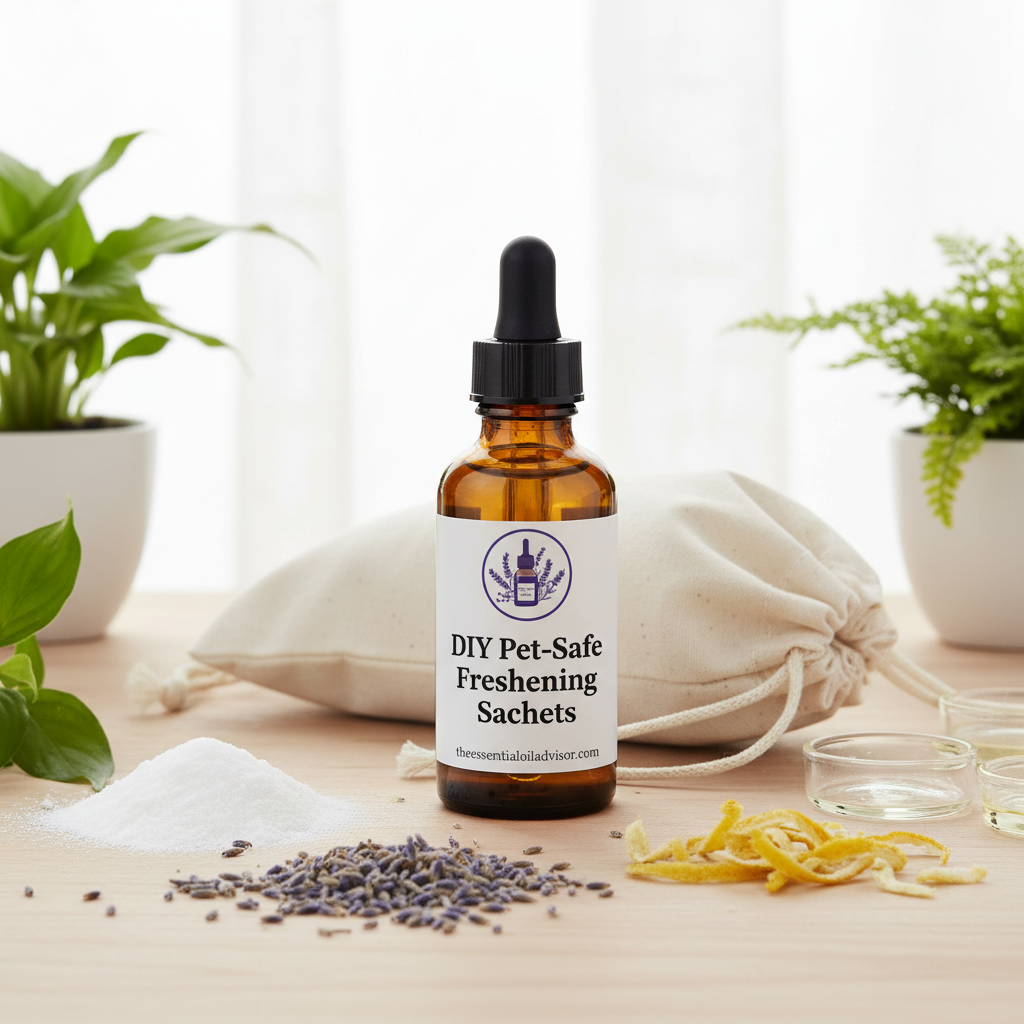
DIY Pet-Safe Carpet Freshening Sachets Recipe
Make your own pet-safe carpet freshening sachets with this easy recipe! Keep your home smelling fresh without harsh chemicals. Perfect for pet owners!
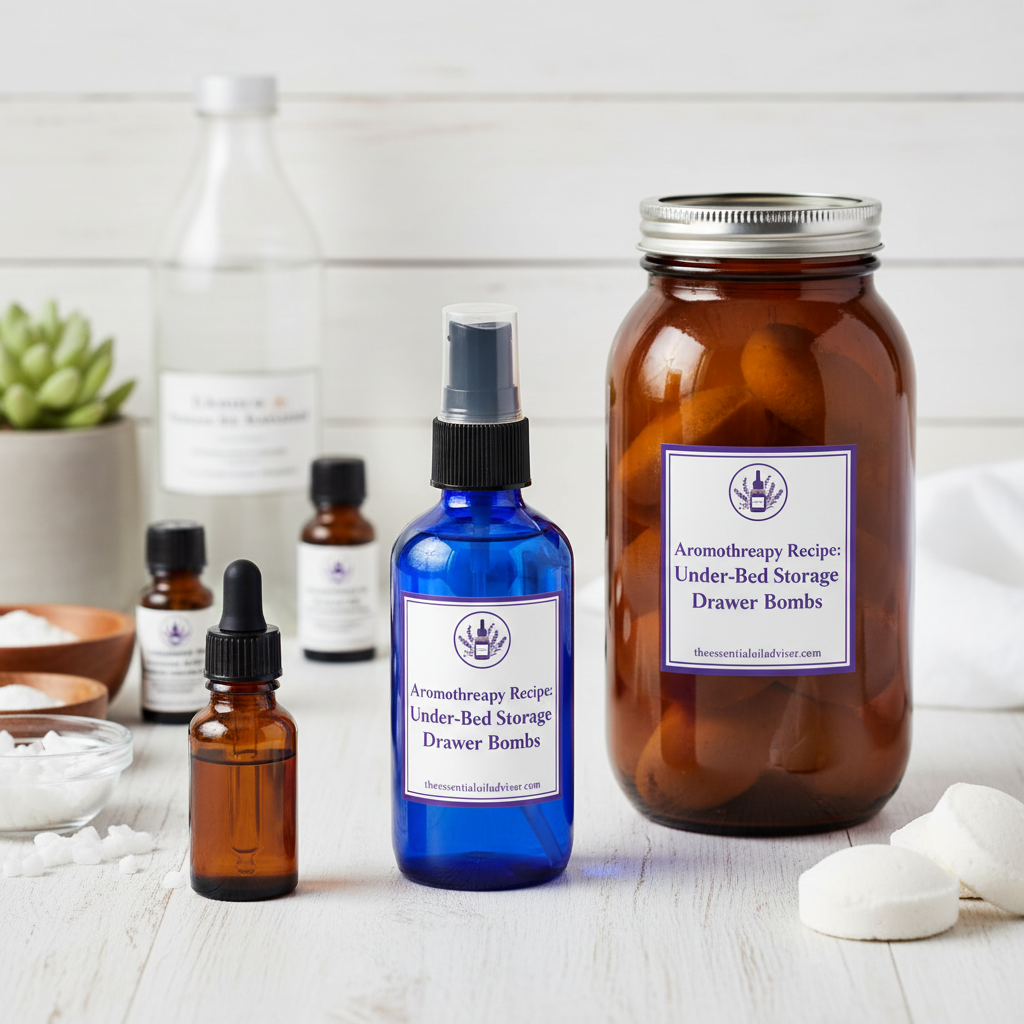
Aromatherapy Recipe: Under-Bed Storage Drawer Bombs
Discover this simple recipe for Under-Bed Storage Drawer Aroma Bombs, perfect for freshening up your space with delightful scents!
Soothing DIY Essential Oil Mouth Rinse Recipe
Discover this soothing DIY mouth rinse recipe made with essential oils to support oral health, freshen breath, and provide relief from discomfort.

Pet Urine Be Gone Recipe: DIY Floor Cleaner
Make a natural, pet-safe floor cleaner with our Pet Urine Be Gone recipe. Keep your home fresh, clean, and safe for your pets with this easy solution.
DIY Pet Urine Cleaner Recipe with Essential Oils
This DIY pet urine cleaner recipe uses natural ingredients to remove stains and odors safely. Discover how to make your effective pet stain remover today!

Eco-Friendly Laundry Powder Recipe for Sensitive Skin
Discover this eco-friendly laundry powder recipe that's natural, effective, and perfect for sensitive skin. Clean without harsh chemicals!