Search
Found 18 results for "bath soak"
Essential Oils
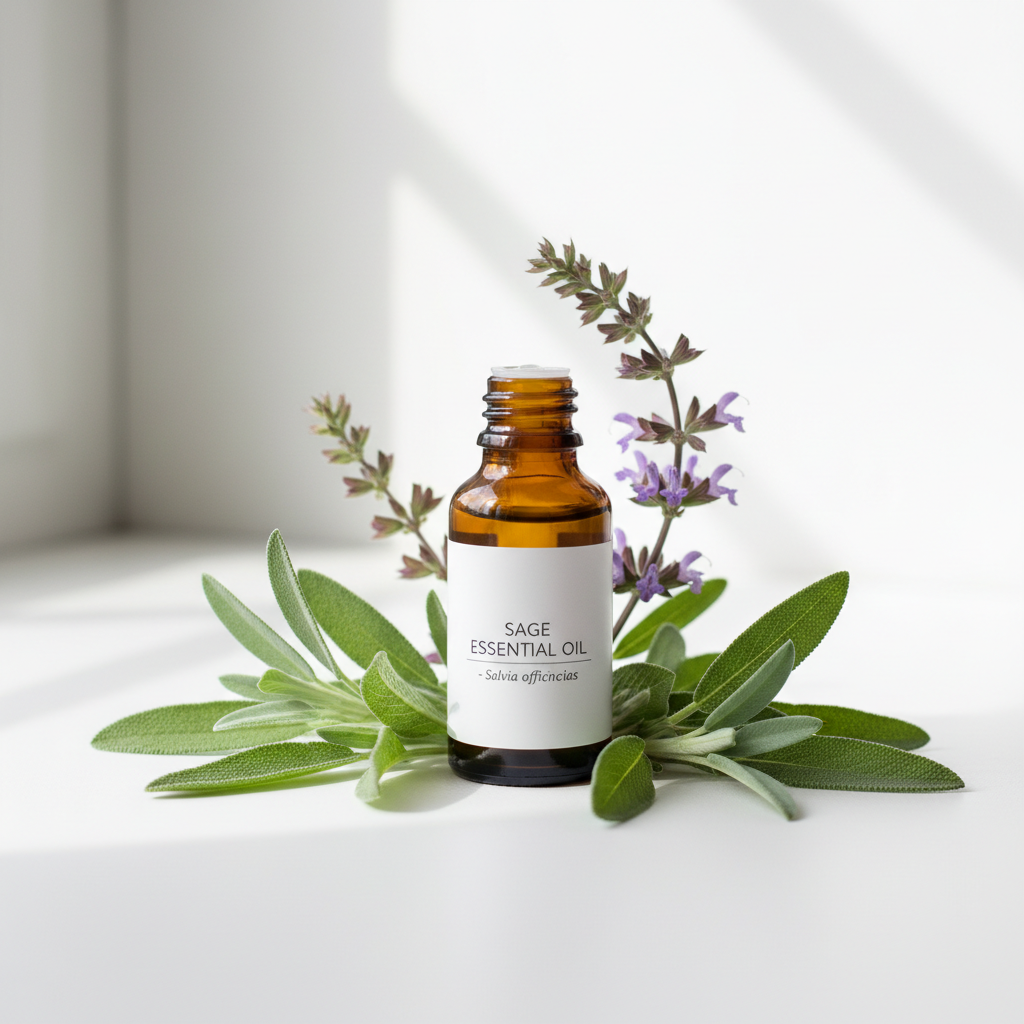
Sage Essential Oil
Salvia officinalis
### Sage Essential Oil: An In-Depth Overview Sage essential oil, extracted from the fragrant leaves of the *Salvia officinalis* plant, holds a prominent place in both the culinary and medicinal realms. Known for its vibrant aroma and myriad health benefits, sage essential oil is a versatile oil that has captured the essence of wellness since ancient times. #### Origin and Extraction Method Sage essential oil originates from the Mediterranean region, where it has been cultivated for centuries. The plant is characterized by its grayish-green leaves and woody stems. The oil is typically extracted through **steam distillation**, a method that preserves its holistic properties and aromatic profile. This extraction method involves passing steam through the plant material, causing the essential oils to evaporate. The steam is then cooled, and the condensed liquid collected contains both water and essential oil, which can be separated easily. #### Botanical Information Sage (*Salvia officinalis*), belonging to the mint family (Lamiaceae), is a perennial herb that thrives in warm climates. It has a long history in herbal medicine and is often recognized for its distinct, earthy scent. The plant not only serves as an excellent culinary herb but is revered for its therapeutic properties that extend beyond the kitchen. #### Therapeutic Properties and Benefits Sage essential oil is renowned for its numerous health benefits: - **Anti-inflammatory**: Reduces inflammation and soothes skin irritations. - **Antiseptic**: Helps prevent infection and promotes healing. - **Calming Effects**: Known to ease anxiety, promote relaxation, and support emotional balance. In aromatherapy, **sage oil** is particularly effective in promoting relaxation and mental clarity. It has properties that may alleviate headaches, improve concentration, and uplift moods, which can be beneficial during stressful situations. #### Historical and Traditional Uses Historically, sage has been used not only as a culinary herb but also as a healing agent. Ancient Greeks and Romans recognized its medicinal value, using it for digestive issues and as a natural remedy for various ailments. In traditional practices, sage was burned as a sacred plant to ward off negativity, a practice known as smudging. #### Scientific Facts and Research Recent studies have highlighted the antimicrobial properties of sage essential oil, showcasing its effectiveness against certain bacteria and fungi. Additionally, research suggests that the oil's components, such as thujone and camphor, may contribute to cognitive enhancement, making it a valuable ally for mental performance when diffused or inhaled. #### Aroma Profile and Characteristics Sage essential oil possesses a warm, herbaceous aroma with subtle hints of earthiness. Its complex scent profile makes it a popular choice in fragrance blends, providing depth and grounding to various formulations. The aroma is sweet yet slightly peppery, which contributes to its uplifting and invigorating qualities. #### Common Applications and Methods Sage essential oil can be incorporated into daily routines in several ways: - **Aromatherapy Diffusion**: Add a few drops to a diffuser to cleanse the air and promote a calm environment. - **Topical Application**: Dilute with a carrier oil for massage or to soothe skin issues. Always conduct a patch test to avoid allergic reactions. - **Bath Soaks**: Adding a few drops to your bathwater can enhance relaxation and offer a sensory experience. #### Interesting Facts and Trivia - Sage is often referred to as the "Holy Herb" due to its traditional use in religious rituals and ceremonies. - In medieval times, sage was considered a symbol of wisdom and was commonly depicted in art and literature. - A saying goes, "Why should a man die who has sage in his garden?" highlighting its perceived ability to promote longevity. ### Conclusion Sage essential oil is not just a flavorful culinary addition; it's a powerful ally in holistic health and wellness practices. From its rich historical background to its diverse therapeutic applications, sage essential oil provides numerous health benefits and is a must-have in any essential oil collection. Whether used for aromatherapy or in natural healing remedies, sage essential oil continues to offer remarkable qualities that have stood the test of time.
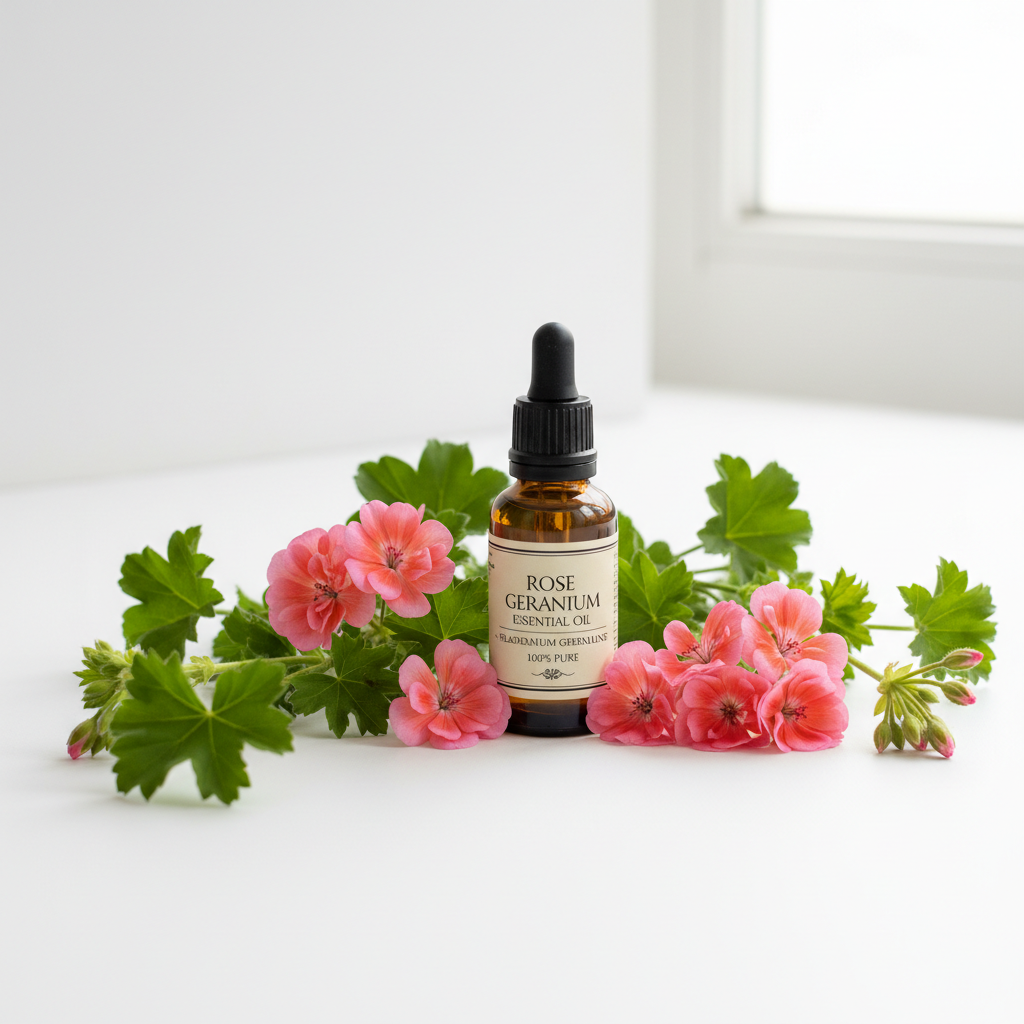
Rose Geranium Essential Oil
Pelargonium graveolens
### Rose Geranium Essential Oil: Benefits, Uses, and Properties Rose Geranium essential oil, derived from the leaves and flowers of the **Pelargonium graveolens** plant, is celebrated for its uplifting floral aroma and remarkable versatility in aromatherapy. This essential oil is not only a delight to the senses but also possesses a variety of therapeutic benefits that have been appreciated for centuries. #### Origin and Extraction Method The **Rose Geranium** plant is native to South Africa but is now cultivated in various parts of the world, including Madagascar and Egypt. The essential oil is extracted mainly through **steam distillation** of the fresh leaves and flowers. This process preserves the delicate nature of the aroma and retains a wide spectrum of its therapeutic properties, making it a precious addition to any essential oils collection. #### Botanical Information **Pelargonium graveolens** is part of the Geraniaceae family and is a hardy perennial plant. It features round, serrated leaves and clusters of pink or white flowers. Alongside its ornamental value, the plant is prized for the oil extracted from its foliage, which is rich in compounds such as geraniol, citronellol, and linalool, all contributing to its distinctive scent and health benefits. #### Therapeutic Properties and Benefits Rose Geranium essential oil is renowned for its diverse therapeutic properties: - **Emotional Harmony**: One of the most celebrated benefits of Rose Geranium essential oil is its ability to promote emotional balance. The floral aroma can alleviate feelings of stress and anxiety, helping to foster a sense of calm and peace. - **Mood Elevation**: The uplifting scent of this essential oil can significantly enhance mood, reduce feelings of melancholy, and promote overall emotional well-being. - **Mental Clarity**: Users often report improved focus and mental clarity after using Rose Geranium oil, as it eases mental fatigue and promotes concentration. - **Skin Health**: With its anti-inflammatory and astringent properties, Rose Geranium essential oil is beneficial for skin health. It can help treat acne, eczema, and other skin ailments, enhancing overall appearance and tone. - **Menstrual Health**: This oil can assist in alleviating symptoms related to menstruation and menopause, including mood swings, cramps, and discomfort. - **Circulation**: It may also stimulate blood flow, aiding in muscle recovery and tension relief. - **Headache Relief**: Inhalation or topical application of this oil may help alleviate tension headaches and promote relaxation. #### Historical and Traditional Uses Historically, Rose Geranium essential oil has been used in various cultures for its emotional and physical benefits. In **Egypt**, it was used not only for cosmetics but also in traditional medicine. The oil is often included in wellness rituals, considered a symbol of love and vitality. It has been a vital component in the formulation of perfumes and cosmetics, valued for its refreshing scent and skin-enhancing properties. #### Scientific Facts and Research Recent studies have demonstrated the effectiveness of Rose Geranium essential oil in **aromatherapy**. Research indicates its role in reducing anxiety levels and promoting relaxation, making it an essential oil of choice among therapists and individuals seeking natural remedies for stress. #### Aroma Profile and Characteristics Rose Geranium essential oil is characterized by its sweet, floral aroma with hints of mint and rose, providing a calming and balancing scent that is effective in promoting emotional stability. Its complexity makes it a popular choice in **diffusers**, and blends well with other essential oils such as lavender, bergamot, and sandalwood. #### Common Applications and Methods There are various ways to use Rose Geranium essential oil: - **Aromatherapy Diffusion**: Add a few drops to your diffuser to fill your space with its peaceful scent. - **Topical Application**: Dilute with a carrier oil and apply to the skin to harness its therapeutic benefits. - **Bath Soaks**: Add to bathwater for a luxurious experience that elevates both mood and skin condition. - **Skincare Products**: Incorporate a few drops into your facial creams or serums for added skin benefits. #### Interesting Facts and Trivia - Rose Geranium is often mistaken for the true rose, yet it provides its unique and beautiful scent at a fraction of the cost. - The plant’s leaves are also used in culinary traditions for flavoring and garnishing dishes. In conclusion, Rose Geranium essential oil offers a wealth of benefits, from emotional balance and skin health to enhanced well-being. Whether used in a diffuser, as part of a skincare regimen, or in holistic practices, this oil is a versatile addition that brings both fragrance and rejuvenation to daily life.
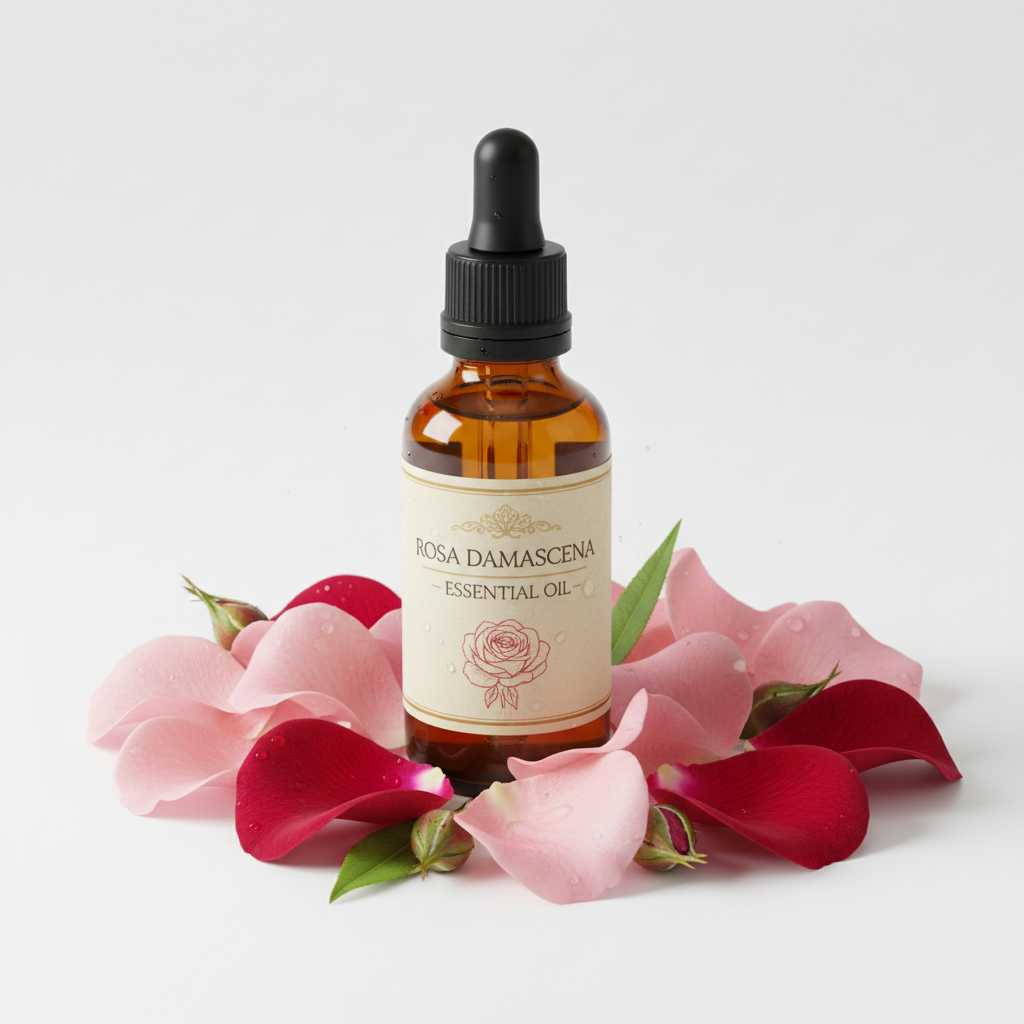
Rose Essential Oil
Rosa damascena
**Rose Essential Oil: A Comprehensive Guide** **Origin and Extraction Method** Rose Essential Oil is derived from the delicate petals of the Rosa damascena plant, commonly known as the Damask rose. This species flourishes in regions such as Bulgaria and Turkey, renowned for producing the highest quality rose oil. The extraction method employed is steam distillation, a technique that preserves the oil's potent aromatic and therapeutic properties. During the distillation process, steam permeates the rose petals, capturing their essential oils, which is then condensed back into liquid form. Approximately 2,000 to 4,000 pounds of rose petals are required to produce just one kilogram of rose oil, highlighting its luxurious and precious nature. **Botanical Information** The Rosa damascena is a multi-petaled flowering plant that flowers during the summer months. This perennial shrub can grow up to six feet tall and is characterized by its fragrant blooms, which can range from pale pink to deep crimson. The rich fragrance and therapeutic properties of rose oil have made it a favorite among essential oil enthusiasts and a staple in both traditional and modern medicine. **Therapeutic Properties and Benefits** Rose Essential Oil possesses numerous therapeutic properties. It is well-known for its emotional uplifting qualities, promoting a sense of well-being and tranquility. Here are some of its key benefits: - **Emotional Support**: Rose oil is often used in aromatherapy for its calming effects, helping to relieve stress, anxiety, and depression. It promotes feelings of self-worth and confidence, making it particularly beneficial during challenging times. - **Aphrodisiac Qualities**: The oil is traditionally regarded as an aphrodisiac, enhancing romantic experiences and fostering a deeper emotional connection with partners. - **Skin Care**: Rich in antioxidants, rose oil helps rejuvenate the skin, reducing signs of aging by diminishing wrinkles and fine lines. Additionally, it aids in soothing irritated or inflamed skin conditions such as eczema and dermatitis. - **Digestive Aid**: Rose oil can also support digestive health by alleviating discomfort and bloating, promoting better digestive processes. **Historical and Traditional Uses** Historically, rose oil has been treasured for centuries, dating back to ancient civilizations such as the Egyptians, who utilized it in cosmetics, perfumes, and religious ceremonies. It is mentioned in different ancient texts for its medicinal properties and has been used in traditional medicine practices worldwide. In Indian Ayurvedic medicine, rose oil is valued for balancing the doshas, promoting emotional stability, and detoxifying the body. **Scientific Facts and Research** Modern research has investigated the numerous benefits of rose oil. Studies suggest that the oil possesses anti-inflammatory, antimicrobial, and antioxidant properties, making it effective in treating various ailments. Its unique composition of aromatic compounds such as nerol, geraniol, and phenyl ethanol also contributes to its anti-anxiety effects. Scientists continue to explore rose oil’s effects on mental health, with promising results in reducing symptoms of depression and anxiety in controlled studies. **Aroma Profile and Characteristics** Rose Essential Oil has a distinct, sweet, and floral aroma that is incredibly rich and soothing. Its complex scent can evoke positive emotional responses and is often described as uplifting and balancing. When diffused or inhaled, its aromatic profile can help create a serene and calming environment. **Common Applications and Methods** Rose oil can be utilized in various applications, including: - **Aromatherapy**: Utilize a diffuser to disperse the scent throughout a room, promoting relaxation. - **Topical Use**: Dilute with a carrier oil, such as jojoba or coconut oil, for skin applications, targeting areas of irritation or signs of aging. - **Bath Soaks**: Add a few drops of rose oil to bathwater for a soothing spa-like experience. **Interesting Facts and Trivia** - **Symbolism**: Rose oil is often viewed as a symbol of love and purity, and its fragrance is used in many love potions. - **Cultural Significance**: In various cultures, the rose is celebrated during festivals and rituals, accentuating its importance in human connection and spirituality. - **Sustainability**: The rise in popularity has led to sustainable farming practices for rose cultivation, ensuring that the harvesting process remains environmentally friendly. In conclusion, Rose Essential Oil is not only a beautiful addition to the aromatherapy toolkit but also a multifaceted oil with an array of health benefits. Its rich history intertwined with its contemporary uses ensures that it remains a top choice for those seeking emotional and physical wellness.
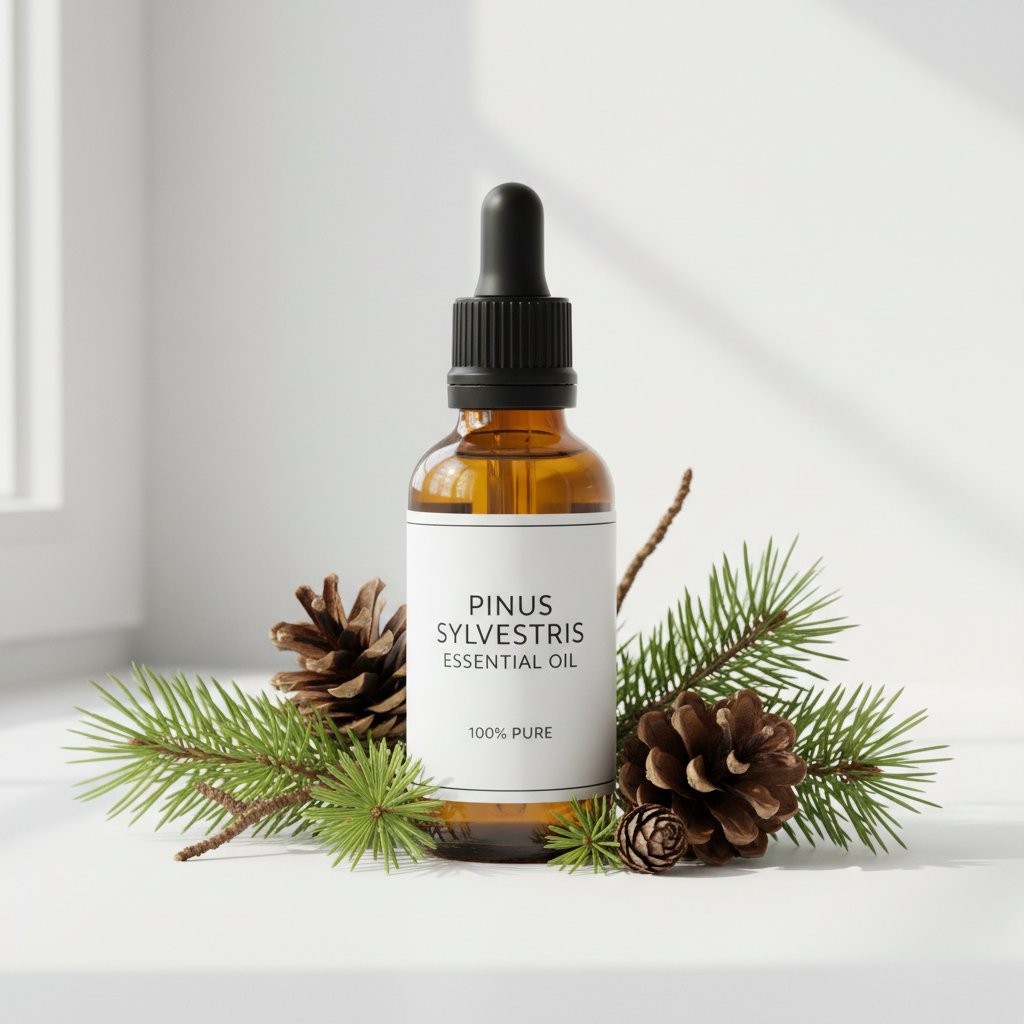
Pine Essential Oil
Pinus sylvestris
**Pine Essential Oil: An In-Depth Exploration** Pine essential oil is derived from the needles, twigs, and cones of the *Pinus sylvestris* tree, commonly known as scots pine, which is native to Europe and Asia. This evergreen tree thrives in a wide range of climates and is revered not only for its wood but also for its aromatic properties. The essential oil is primarily extracted through the steam distillation method, which involves using steam to capture the volatile compounds while retaining the oil's invigorating properties. This method ensures that the oil maintains its fresh, woody scent and therapeutic benefits. ### Botanical Information The *Pinus sylvestris* tree can grow up to 35 meters in height and has a characteristic orange-brown bark, with long needle-like leaves that cluster in pairs. Scientifically, the oil is rich in monoterpenes, particularly alpha-pinene, which contributes to its refreshing and crisp aroma. Other components include beta-pinene, limonene, and various organic acids, all of which play a role in the oil's therapeutic properties. ### Therapeutic Properties and Benefits Pine essential oil is celebrated for its wide-ranging therapeutic benefits. Some of the notable properties include: 1. **Refreshing and Cleansing:** Its stimulating aroma is known to clear the mind of mental fatigue and enhance concentration, making it beneficial for students and professionals alike. 2. **Emotional Support:** Pine oil is reputed to support emotional resilience, alleviating feelings of stress and anxiety. The scent is thought to instill feelings of grounding and stability. 3. **Respiratory Health:** Known for its expectorant qualities, Pine essential oil can assist in supporting respiratory function, soothing colds and allergies by acting as a natural decongestant. It is often used in diffusers during the cold season to promote clear breathing. 4. **Muscle Recovery:** Post-exercise, Pine oil can assist in easing soreness and stiffness, making it a popular choice among athletes who use it in massage oils or baths for recovery. 5. **Mood Enhancer:** By promoting feelings of positivity and motivation, Pine essential oil can uplift an atmosphere, contributing to a positive mindset in both personal and professional settings. ### Historical and Traditional Uses Historically, Pine essential oil has been used in traditional medicine for centuries. Indigenous cultures utilized various parts of the Pine tree for respiratory ailments, skin conditions, and as an antiseptic. The oil was often incorporated into ceremonial practices, highlighting its significance beyond just physical health, indicating its role in spiritual and emotional healing. ### Scientific Facts and Research Recent studies have examined the health benefits of Pine essential oil. Research indicates that inhalation of Pine can positively influence cognitive performance and emotional state. Its antimicrobial properties have also been studied, showing potential effectiveness against certain pathogens, which supports its use in natural cleaning products. ### Aroma Profile and Characteristics The aroma profile of Pine essential oil is clean, refreshing, and somewhat woody, reminiscent of a forest after rain. This refreshing scent is attributed to its high concentration of alpha-pinene, which not only stimulates the senses but also evokes memories of nature, promoting a calming yet invigorating environment. ### Common Applications and Methods Pine essential oil can be applied in various ways: - **Aromatherapy:** Use in a diffuser to purify the air and enhance mental clarity. Combine with other oils like lemon or eucalyptus for a vibrant blend. - **Topical Application:** Dilute with a carrier oil for massages, particularly for muscular aches or respiratory support during colds. - **Household Uses:** Add a few drops to cleaning products to harness its antimicrobial properties for a fresh and clean home. - **Bath Soaks:** A few drops in a warm bath can invigorate the body and mind while promoting relaxation. ### Interesting Facts and Trivia - Pine trees can live for hundreds of years, with some species known to survive for over a thousand years. - The fresh scent of Pine is often associated with winter holidays and is a common aroma in seasonal candles and home scents. - Pine essential oil is often included in natural perfumes due to its unique refreshing scent that blends well with other florals and citruses. In conclusion, Pine essential oil is a multifaceted oil with benefits that extend beyond its delightful aroma. From supporting emotional well-being to enhancing respiratory function, it stands out as a valuable addition to both aromatherapy practices and everyday life.
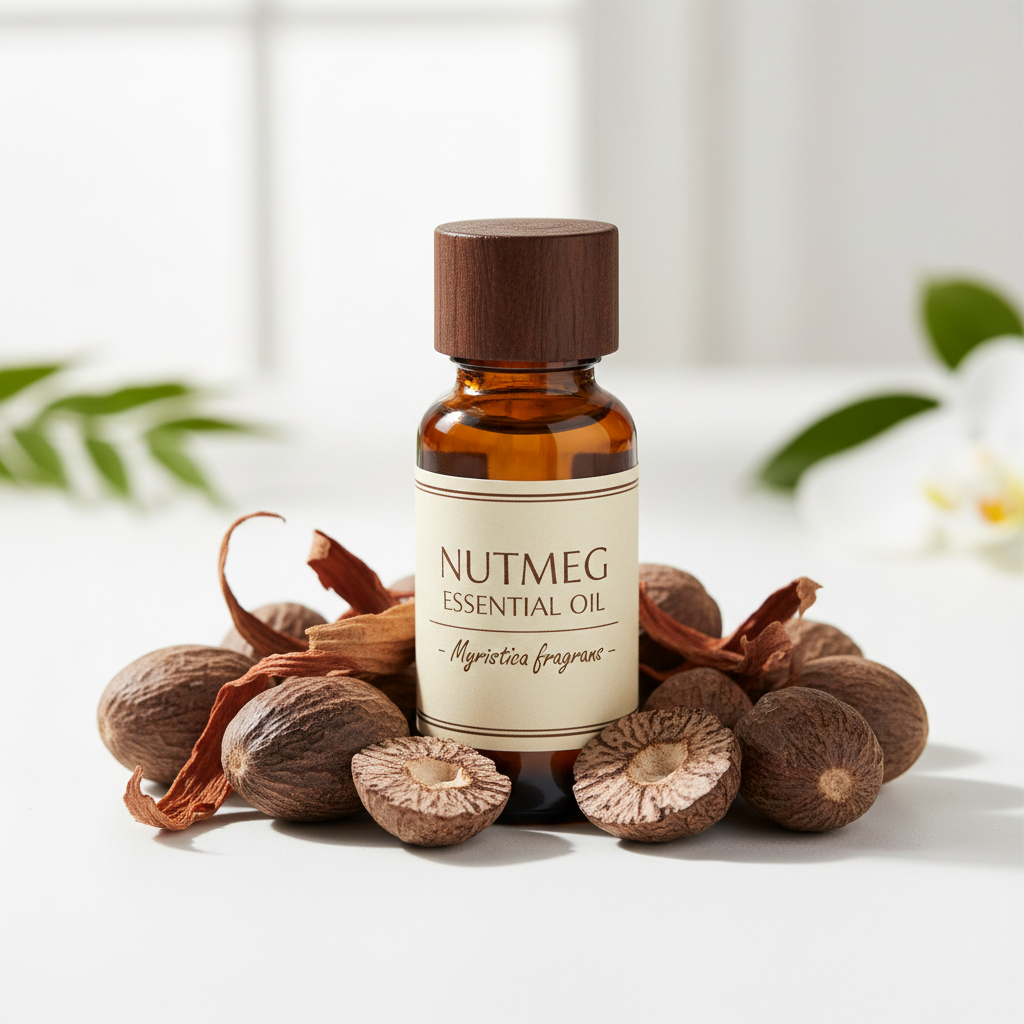
Nutmeg Essential Oil
Myristica fragrans
### Nutmeg Essential Oil: An In-Depth Exploration Nutmeg essential oil, derived from the seeds of the **Myristica fragrans** tree, boasts a fascinating history and a unique, warm aroma that captivates the senses. This highly valued essential oil is not only popular in culinary traditions but also revered for its wide array of therapeutic properties. In this comprehensive guide, we will explore the origins, extraction methods, benefits, and applications of nutmeg essential oil in detail. #### Origin and Extraction Method The nutmeg tree is native to the tropical regions of Indonesia, particularly the Banda Islands. It thrives in warm, humid climates, and its seeds are the source of the essential oil. The extraction of nutmeg oil is primarily achieved through **steam distillation** of the whole nutmeg seeds. This method is crucial for preserving the oil's potent healing properties and distinctive aroma. #### Botanical Information **Myristica fragrans** is an evergreen tree that can grow up to 20 meters in height. The tree flowers and produces fruit, which contains the nutmeg seed. The oil itself is golden yellow in color and has a warm, spicy, and slightly sweet fragrance, making it a favorite in perfumery and wellness applications. #### Therapeutic Properties and Benefits Nutmeg essential oil is celebrated for its numerous therapeutic properties: - **Stress Relief**: Known for its calming effects, it helps relieve tension and anxiety, promoting emotional stability. - **Digestive Support**: Nutmeg oil aids digestion by alleviating gas and bloating and can be beneficial for upset stomachs. - **Menstrual Comfort**: It has antispasmodic properties, offering relief from menstrual cramps and discomfort. - **Circulatory Booster**: Enhances blood circulation, contributing to overall vitality and wellness. - **Muscle Relaxant**: Its warming properties make it effective in easing muscle tension and aches when used in massages. #### Historical and Traditional Uses Historically, nutmeg was a prized commodity in the spice trade and was believed to offer protective qualities against diseases. Ancient cultures used it in various forms for medicinal and culinary purposes. Nutmeg is traditionally associated with promoting relaxation and social harmony, often used in rituals and festive occasions across numerous cultures. #### Scientific Facts and Research Recent scientific studies have explored the benefits of nutmeg essential oil. Research indicates its potential anti-inflammatory and antioxidant properties, contributing to pain relief and improved overall health. #### Aroma Profile and Characteristics Nutmeg essential oil has a warm, sweet-spicy scent with hints of nutty undertones. This rich aroma makes it a favorite in aromatherapy and scent blends, ideal for creating a calming atmosphere in homes, spas, and during meditation practices. #### Common Applications and Methods Nutmeg essential oil can be used in various ways: 1. **Aromatherapy Diffusion**: Add a few drops to a diffuser to create a soothing environment. 2. **Massage Blends**: Combine with a carrier oil for a relaxing massage to relieve muscle tension. 3. **Bath Soaks**: Incorporate into bathwater for a luxurious, stress-relieving soak. 4. **Culinary Uses**: While primarily used for its essential oil, it can also flavor dishes when used sparingly in cooking or baking. #### Interesting Facts and Trivia - Nutmeg is one of the few spices derived from seeds, with the whole nut being the seed of the fruit produced by the nutmeg tree. - In the 19th century, nutmeg was considered so valuable that it was used as currency in some regions! - In small amounts, nutmeg can induce hallucinations, so it is essential to use it judiciously. #### Conclusion Nutmeg essential oil is more than just a sweet spice; it embodies a rich heritage of aromatic and therapeutic benefits. With its ability to promote relaxation, support digestive health, and enhance emotional balance, nutmeg oil is a versatile addition to any essential oil collection. Whether used in aromatherapy, massage, or cooking, nutmeg oil can provide both soothing comfort and health benefits, making it a must-have oil for anyone looking to enhance their well-being.
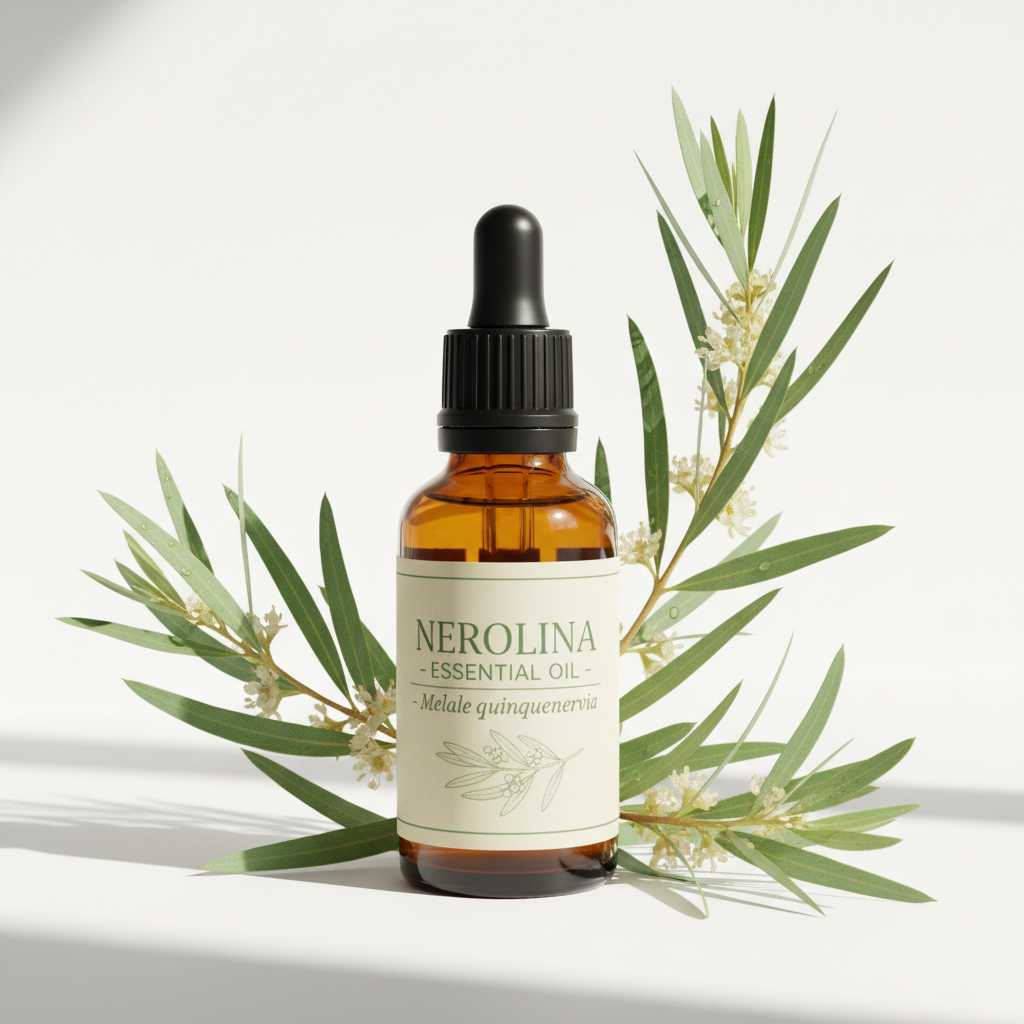
Nerolina Essential Oil
Melaleuca quinquenervia
Nerolina essential oil, derived from the leaves and twigs of the Melaleuca quinquenervia tree, is gaining popularity in aromatherapy and holistic wellness. This remarkable oil possesses a subtly sweet and floral aroma that can uplift the spirit and enhance emotional well-being. Extracted through steam distillation, Nerolina essential oil showcases its therapeutic properties, making it a valuable addition to any essential oil collection. ### Origin and Extraction Method Nerolina essential oil hails from the Melaleuca quinquenervia tree, also known as the Gidgee tree, which is native to Australia. This tree thrives in the coastal regions and is well-known for its adaptability to various environmental conditions. The extraction of Nerolina essential oil utilizes steam distillation, a method that captures the essence of the plant without compromising its therapeutic qualities. ### Botanical Information The botanical name for Nerolina is Melaleuca quinquenervia, which belongs to the Myrtaceae family. This evergreen tree can grow up to 15 meters tall and produces thin, needle-like leaves. The flowers are small and white or yellow, adding to the tree's aesthetic value. The essential oil's potent aroma comes from the plant's volatile compounds, including terpenes such as 1,8-cineole, which contribute to its refreshing scent and healing properties. ### Therapeutic Properties and Benefits Nerolina essential oil is packed with numerous therapeutic benefits: - **Calming Effects**: It has been used to promote relaxation and tranquility, making it a great choice for those looking to alleviate stress or anxiety. - **Mood Enhancement**: The sweet fragrance of Nerolina can uplift the mood, creating a positive atmosphere and helping to combat sadness. - **Emotional Balance**: Whether dealing with mood swings or emotional volatility, Nerolina supports emotional stability and resilience. - **Cognitive Clarity**: It can enhance focus and reduce brain fog, encouraging clear and organized thinking. - **Muscle Relief**: Known for its muscle-relaxing properties, it can help soothe sore muscles and tension after physical activity. ### Historical and Traditional Uses Nerolina essential oil has a rich history, particularly among Indigenous Australian cultures who have utilized the Melaleuca tree for centuries in traditional medicine. They believed in its healing properties for both physical and emotional ailments. The oil is often integrated into rituals that promote healing and wellness, highlighting its longstanding role in holistic health. ### Scientific Facts and Research Research into the properties of Nerolina essential oil continues to reveal new therapeutic potential. Scientific studies highlight its anti-inflammatory, antiseptic, and analgesic properties, further establishing its reputation in modern aromatherapy. The presence of terpenes, such as alpha-terpineol and 1,8-cineole, contributes to its efficacy in various health applications. ### Aroma Profile and Characteristics The aroma of Nerolina essential oil is distinctive, characterized by its sweet, floral scent with hints of earthy undertones. This unique fragrance appeals to many individuals and makes it a favored choice in diffusers, perfumes, and personal care products. Its complexity makes it suitable for both calming and uplifting purposes in various blends. ### Common Applications and Methods - **Aromatherapy**: Simply add a few drops of Nerolina essential oil to a diffuser to fill your space with calmness. - **Topical Use**: Dilute with a carrier oil (such as jojoba or coconut oil) for application on the skin, providing relief from irritation and promoting healing. - **Massage Oil**: Incorporate Nerolina oil into massage therapy for enhanced relaxation and muscle relief. - **Bath Soaks**: Add it to bath water for a luxurious and soothing bathing experience. ### Interesting Facts and Trivia - Nerolina essential oil is sometimes referred to as "the gentle oil" due to its mild properties, making it suitable for sensitive skin. - The Melaleuca quinquenervia tree can produce a high yield of essential oil, making it a sustainable option for sourcing - Its unique scent profile allows it to blend well with other essential oils, enhancing the overall aromatic experience. In summary, Nerolina essential oil is an exceptional extract with numerous benefits for both emotional and physical well-being. Its rich history, coupled with scientific backing, positions this oil as a versatile tool for enhancing your wellness routine.