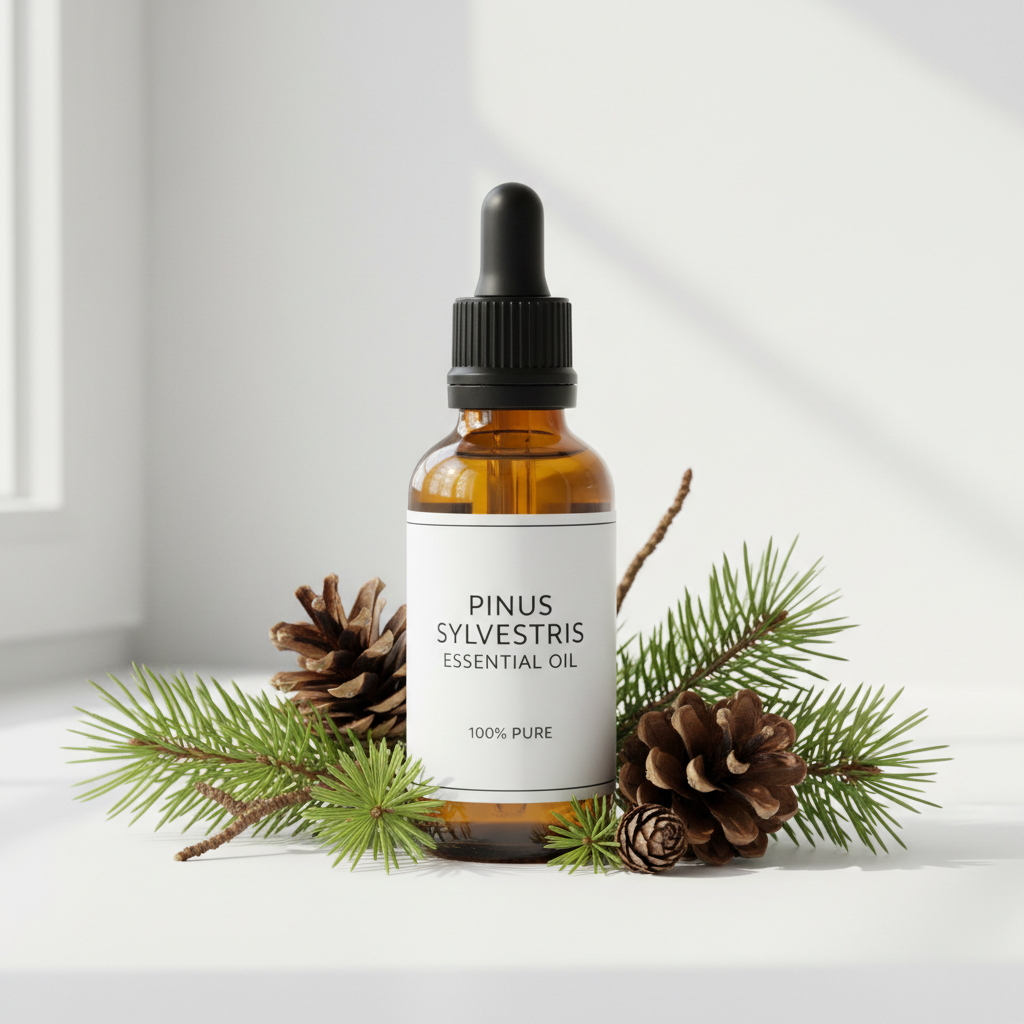
Pine Essential Oil
Pinus sylvestris
Plant Source
Needles, twigs, and cones
Scent Family
Woody
"Discover the numerous benefits, properties, and uses of Pine essential oil. Learn about its extraction, aroma, and applications in everyday life."
Pine Essential Oil: An In-Depth Exploration
Pine essential oil is derived from the needles, twigs, and cones of the Pinus sylvestris tree, commonly known as scots pine, which is native to Europe and Asia. This evergreen tree thrives in a wide range of climates and is revered not only for its wood but also for its aromatic properties. The essential oil is primarily extracted through the steam distillation method, which involves using steam to capture the volatile compounds while retaining the oil's invigorating properties. This method ensures that the oil maintains its fresh, woody scent and therapeutic benefits.
Botanical Information
The Pinus sylvestris tree can grow up to 35 meters in height and has a characteristic orange-brown bark, with long needle-like leaves that cluster in pairs. Scientifically, the oil is rich in monoterpenes, particularly alpha-pinene, which contributes to its refreshing and crisp aroma. Other components include beta-pinene, limonene, and various organic acids, all of which play a role in the oil's therapeutic properties.
Therapeutic Properties and Benefits
Pine essential oil is celebrated for its wide-ranging therapeutic benefits. Some of the notable properties include:
- Refreshing and Cleansing: Its stimulating aroma is known to clear the mind of mental fatigue and enhance concentration, making it beneficial for students and professionals alike.
- Emotional Support: Pine oil is reputed to support emotional resilience, alleviating feelings of stress and anxiety. The scent is thought to instill feelings of grounding and stability.
- Respiratory Health: Known for its expectorant qualities, Pine essential oil can assist in supporting respiratory function, soothing colds and allergies by acting as a natural decongestant. It is often used in diffusers during the cold season to promote clear breathing.
- Muscle Recovery: Post-exercise, Pine oil can assist in easing soreness and stiffness, making it a popular choice among athletes who use it in massage oils or baths for recovery.
- Mood Enhancer: By promoting feelings of positivity and motivation, Pine essential oil can uplift an atmosphere, contributing to a positive mindset in both personal and professional settings.
Historical and Traditional Uses
Historically, Pine essential oil has been used in traditional medicine for centuries. Indigenous cultures utilized various parts of the Pine tree for respiratory ailments, skin conditions, and as an antiseptic. The oil was often incorporated into ceremonial practices, highlighting its significance beyond just physical health, indicating its role in spiritual and emotional healing.
Scientific Facts and Research
Recent studies have examined the health benefits of Pine essential oil. Research indicates that inhalation of Pine can positively influence cognitive performance and emotional state. Its antimicrobial properties have also been studied, showing potential effectiveness against certain pathogens, which supports its use in natural cleaning products.
Aroma Profile and Characteristics
The aroma profile of Pine essential oil is clean, refreshing, and somewhat woody, reminiscent of a forest after rain. This refreshing scent is attributed to its high concentration of alpha-pinene, which not only stimulates the senses but also evokes memories of nature, promoting a calming yet invigorating environment.
Common Applications and Methods
Pine essential oil can be applied in various ways:
- Aromatherapy: Use in a diffuser to purify the air and enhance mental clarity. Combine with other oils like lemon or eucalyptus for a vibrant blend.
- Topical Application: Dilute with a carrier oil for massages, particularly for muscular aches or respiratory support during colds.
- Household Uses: Add a few drops to cleaning products to harness its antimicrobial properties for a fresh and clean home.
- Bath Soaks: A few drops in a warm bath can invigorate the body and mind while promoting relaxation.
Interesting Facts and Trivia
- Pine trees can live for hundreds of years, with some species known to survive for over a thousand years.
- The fresh scent of Pine is often associated with winter holidays and is a common aroma in seasonal candles and home scents.
- Pine essential oil is often included in natural perfumes due to its unique refreshing scent that blends well with other florals and citruses.
In conclusion, Pine essential oil is a multifaceted oil with benefits that extend beyond its delightful aroma. From supporting emotional well-being to enhancing respiratory function, it stands out as a valuable addition to both aromatherapy practices and everyday life.
Ask AI About Pine Essential Oil
Get instant answers about this essential oil
Benefits & Uses
- Promotes mental clarity and focus, helping to enhance concentration during work or study.
- Encourages a sense of grounding and stability, particularly helpful during times of emotional upheaval.
- Creates an uplifting atmosphere, promoting feelings of positivity and motivation.
- Helps alleviate feelings of fatigue and burnout by invigorating the mind and spirit.
- Supports emotional resilience and can improve overall mood.
- Supports respiratory function, making it easier to breathe during colds or allergies.
- May aid in muscle recovery post-exercise by reducing soreness and stiffness.
- Helps freshen indoor air and improve overall mood in a space, contributing to a better living environment.
- Can enhance circulation, potentially improving energy levels and reducing feelings of lethargy.
- Acts as a natural decongestant, helping to ease sinus pressure.
- Can be added to natural shampoos for its cleansing properties and to promote a healthy scalp.
- Effective in homemade deodorants due to its fresh, woody aroma and antibacterial properties.
- May be used in facial steam treatments to clear pores and refresh the skin.
- Can be included in DIY soaps for its invigorating scent and cleansing effects.
- Acts as a natural disinfectant for household cleaning products.
- Can be added to potpourri for a refreshing scent that evokes the outdoors.
- Useful in homemade air fresheners for its pleasant aroma and air-purifying properties.
- Can be incorporated into laundry detergents to impart a fresh, clean scent.
How to Use
Diffuser
For a small room, add 3-5 drops; for a medium room, use 5-8 drops; and for a large area, utilize 8-12 drops. Diffuse for 30-60 minutes at a time, up to 2-3 times daily, best during morning hours or when concentration is needed.
Topical
For adults, dilute Pine essential oil to 2-3% using a carrier oil. For children, dilute to 0.5-1%. Elderly individuals should use a 1-2% dilution. Recommended carrier oils include coconut oil, jojoba oil, or sweet almond oil. Apply to areas such as the chest, neck, or back, using gentle massage for optimal absorption time calculated at around 15-30 minutes.
Inhalation
For direct inhalation, place 1-2 drops on a tissue or inhale from cupped hands over the nose. For steam inhalation, add 2-3 drops to a bowl of hot water and inhale the steam for 5-10 minutes. Personal inhalers can be prepared for on-the-go use by adding 5-10 drops of essential oil to the inhaler base.
Safety & Precautions
Perform a patch test before topical application to identify potential allergic reactions. Use caution with individuals who are pregnant or nursing, and consult healthcare providers if on medication. Store in a cool, dark place, away from children. Pine essential oil should generally be used with care around sensitive skin and avoid sun exposure after topical use.
Who should avoid:
- Pregnant or nursing women without consulting a healthcare provider.
- Individuals with asthma or severe respiratory issues should consult a doctor before use.
- Those with sensitive skin or allergies may want to avoid inhalation or topical use.
Recommended Products

Understanding the aromatic layers of Pine Essential Oil
Top Notes
Heart Notes
Base Notes
Scent Evolution
Top Notes: First impression, evaporate quickly (15-30 min)
Heart Notes: Main character, last 2-4 hours
Base Notes: Lasting foundation, linger for hours
Complementary essential oils that pair beautifully with Pine Essential Oil
Agarwood Essential Oil
Aquilaria
✓similar chemical compositions
Allspice Essential Oil
Pimenta dioica
✓enhanced aromatherapy benefits
Ammi Visnaga Essential Oil
Ammi visnaga
✓complementary therapeutic properties
Amyris Essential Oil
Amyris balsamifera
✓complementary therapeutic properties
Angelica Essential Oil
Angelica archangelica
✓complementary therapeutic properties
Angelica Root Essential Oil
Angelica archangelica
✓similar chemical compositions
Blending Tips
- • Start with 2-3 oils for simple blends
- • Use 3-5 drops total per 10ml carrier oil
- • Let blends sit for 24-48 hours to marry
- • Test on a small skin area first
Calculating for: Pine Essential Oil
Recommended: 2% | Max safe: 5%
29.57 ml
Your Recipe
0.59 ml
28.98 ml
💡 Dilution Tips
- • Always do a patch test before full application
- • Children and elderly need lower dilutions (1-2%)
- • Facial products should be gentle (0.5-1%)
- • 1 drop ≈ 0.05 ml (20 drops per ml)
- • Common carrier oils: fractionated coconut, jojoba, sweet almond
Related Recipes

Calming Essential Oil Pillow Mist Recipe for Relaxation
Discover this easy recipe for a soothing pillow mist that features lavender and bergamot for ultimate relaxation and better sleep.

Calming Lavender Linen Spray Recipe
A gentle, relaxing linen and room spray that promotes restful sleep and calm using lavender, chamomile, and cedarwood essential oils.

DIY Acne Calming Gel Spot Treatment Recipe for Clear Skin
Explore our DIY acne calming gel spot treatment recipe to soothe inflammation and fight breakouts using natural ingredients for healthier skin.

DIY Essential Oil Foaming Hand Soap Recipe
Craft your own moisturizing foaming hand soap using essential oils! This DIY recipe combines natural ingredients for clean, soft hands. Perfect for home use!

DIY Essential Oil Inhaler Recipe for Focus
Boost your mental clarity and energy with this DIY essential oil inhaler recipe! Learn how to craft your invigorating inhalers at home easily.
Delightful Sleep-Enhancing Pillow Sachets Recipe for Restful Nights
Discover how to create a calming sleep environment with this easy recipe for pillow sachets infused with soothing essential oils to improve your sleep quality.