Search
Found 8 results for "home fragrance"
Essential Oils
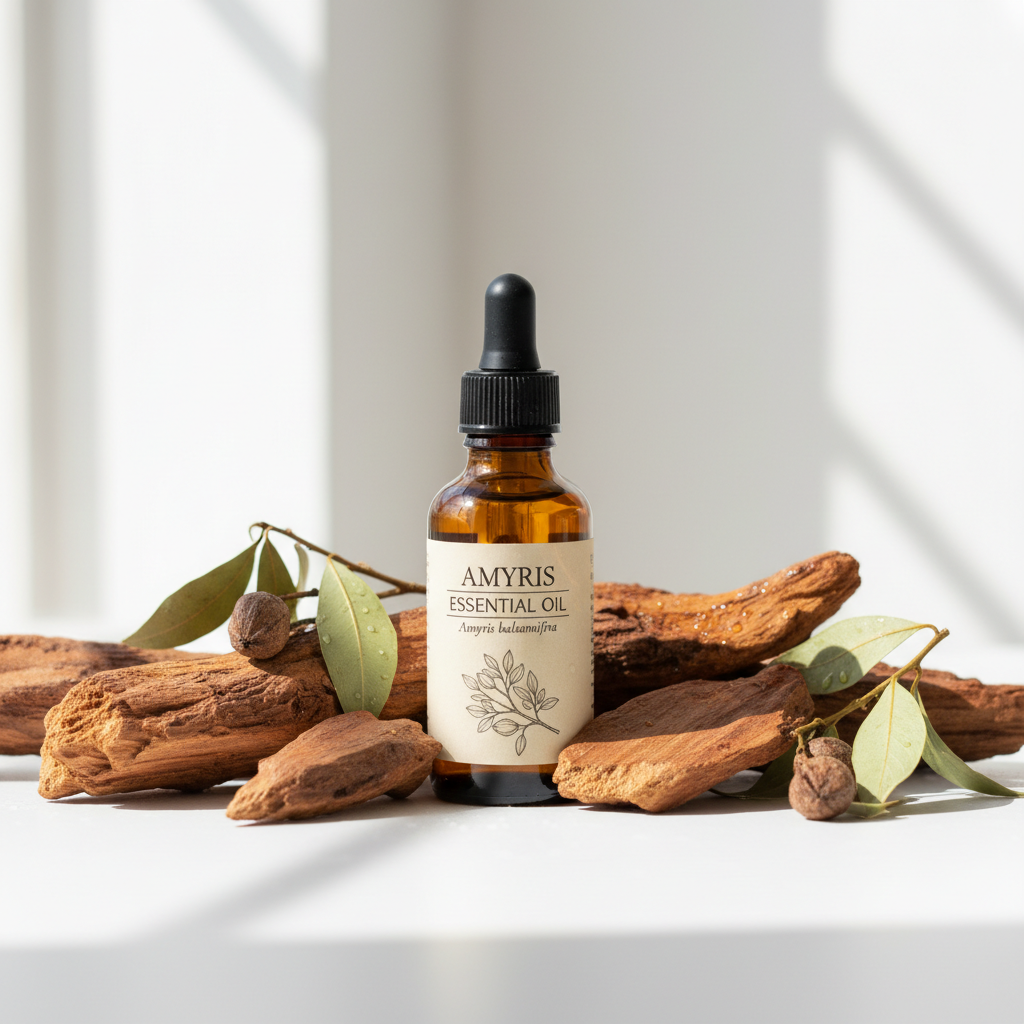
Amyris Essential Oil
Amyris balsamifera
### Introduction to Amyris Essential Oil Amyris Essential Oil, commonly known as "West Indian Sandalwood," is extracted from the wood of the **Amyris balsamifera** tree. This beautiful tree is predominantly found in the Caribbean and parts of Central America. Renowned for its warm, woody aroma with subtle sweet undertones, Amyris Essential Oil presents a natural alternative to the traditional sandalwood oils, which have become increasingly rare due to over-harvesting. ### Origin and Extraction Method Amyris balsamifera thrives in tropical climates, flourishing in well-drained soil. The extraction method for Amyris Essential Oil typically involves **steam distillation** of the wood. This method not only preserves the oil's aromatic compounds but also ensures a pure and concentrated product that reflects the unique essence of this remarkable tree. The sustainable nature of the Amyris tree allows for continued harvesting without depleting its populations, making it an eco-friendly choice among essential oils. ### Botanical Information - **Scientific Name**: Amyris balsamifera - **Family**: Rutaceae (Rue Family) - **Plant Part Used**: Wood - **Extraction Method**: Steam distillation ### Therapeutic Properties and Benefits Amyris Essential Oil is celebrated for its numerous therapeutic benefits. It is particularly valued in aromatherapy for its calming and grounding effects: - **Promotes Relaxation**: Its soothing aroma helps alleviate feelings of stress and anxiety, promoting a sense of tranquility. - **Enhances Sleep**: Diffusing Amyris oil before bed may foster restful sleep and ease nighttime anxieties. - **Supports Emotional Balance**: This oil is known for its ability to stabilize emotions, particularly in stressful situations. - **Relieves Muscle Tension**: When used in massages, it may ease muscle discomfort and tension, aiding in stress relief. - **Moisturizing and Soothing for Skin**: Its emollient properties make it suitable for various skincare applications, helping to relieve dryness and enhance the skin's appearance. - **Respiratory Support**: Inhaling its vapors can assist with respiratory comfort and can be beneficial during colds or allergies. - **Natural Insect Repellent**: The rich aroma can help deter insects, making it a natural alternative to chemical repellents. ### Historical and Traditional Uses Historically, essential oils have been integral to various cultures for medicinal and spiritual practices. Indigenous peoples of the Caribbean utilized Amyris wood for various purposes, including ceremonial rituals. Its calming properties were recognized long ago, establishing its use in both traditional medicines and aromatic practices. ### Scientific Facts and Research Recent studies have explored the potential of Amyris Essential Oil in providing therapeutic benefits. Research indicates that the oil possesses anti-inflammatory and antimicrobial properties, making it a candidate for further exploration in natural health products and complementary therapies. The oil’s sedative effects have been documented, confirming its traditional use for inducing relaxation and improving sleep quality. ### Aroma Profile and Characteristics Amyris Essential Oil's fragrance profile is characterized by a deep, rich, and woody scent with nuanced hints of sweetness reminiscent of sandalwood. Upon diffusion, it brings a sense of warmth and grounding, ideal for creating calm environments. Its soothing aroma is often described as having a soft and creamy quality, making it harmonize beautifully with other essential oils such as cedarwood, lavender, and bergamot. ### Common Applications and Methods Amyris Essential Oil can be utilized in various ways: - **Aromatherapy**: Use in diffusers or inhalers to enjoy its calming effects. - **Massage**: Add to carrier oils and use for a relaxing massage. - **Skin Care**: Incorporate into creams and lotions for its moisturizing properties. - **Household Products**: Include in homemade cleaning solutions or room sprays to enhance ambiance with its pleasant aroma. ### Interesting Facts and Trivia - **Sustainability**: Unlike traditional sandalwood, the Amyris tree is abundant and harvested sustainably, making it a more environmentally friendly choice. - **Versatile Use**: Amyris Essential Oil is frequently used in the perfume industry for its fixative properties, enhancing the longevity of fragrances. - **Global Recognition**: As awareness of the benefits of essential oils grows, Amyris oil is becoming increasingly popular among holistic health practitioners and wellness enthusiasts. ### Conclusion Amyris Essential Oil is a versatile and valuable oil with a rich history and numerous applications. Whether you are looking to experience its calming effects, incorporate it into your skincare routine, or simply enjoy its beautiful aroma, Amyris Essential Oil is sure to be a wonderful addition to your collection.
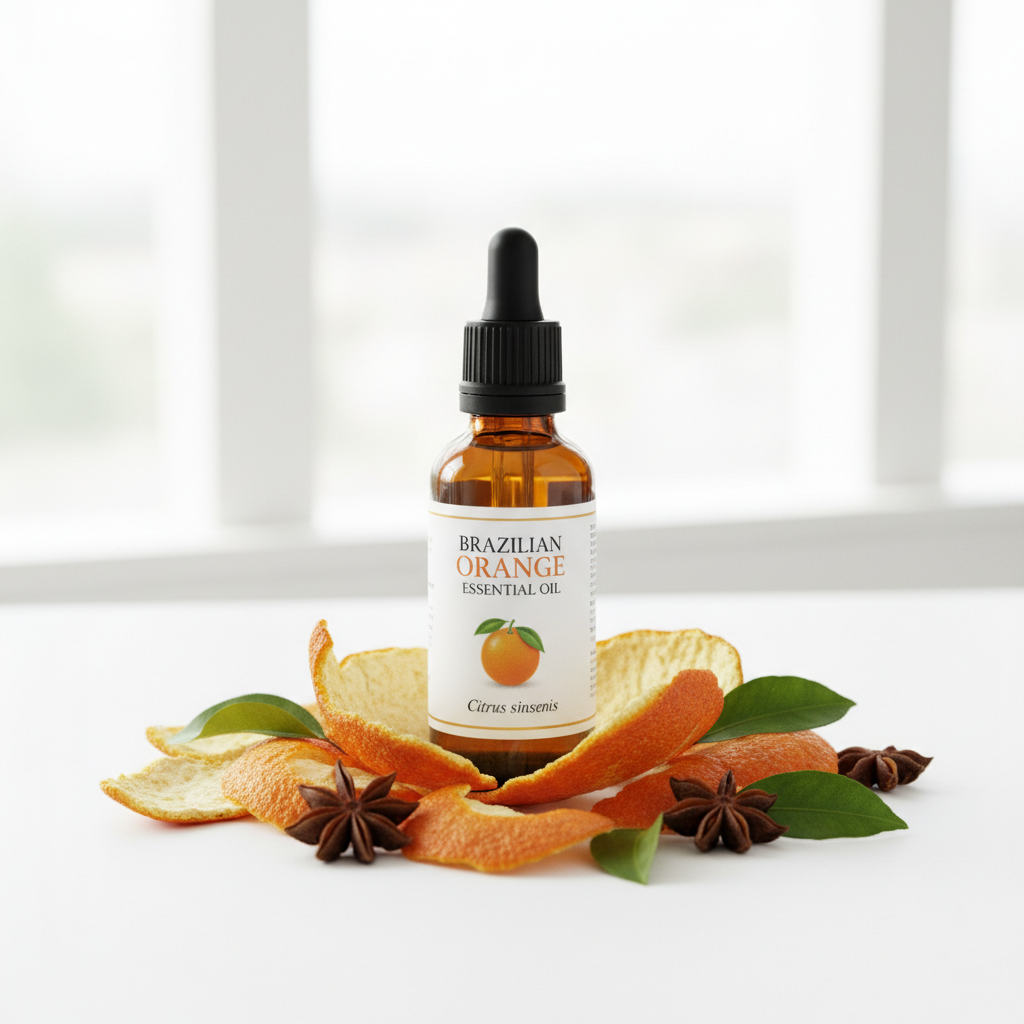
Brazilian Orange Essential Oil
Citrus sinensis
Brazilian Orange Essential Oil, also known as Citrus sinensis, is highly esteemed for its refreshing and uplifting aroma. This essential oil is extracted meticulously from the bright orange peels of oranges that thrive in the warm Brazilian climate. The extraction method primarily employed is cold-pressing, which helps to maintain the oil's vibrant scent and beneficial properties, ensuring a high-quality product for aromatherapy and holistic health applications. ### Origin and Extraction Method Brazilian oranges are native to Brazil and have been cultivated there for centuries, celebrated for their delicious sweetness and juiciness. The essential oil is obtained through a cold-press process that mechanically presses the peels to release their essential oils without the application of heat, thus preserving the oil’s natural characteristics and potency. This careful extraction process guarantees that the extracted oil captures the fruit’s fresh essence and therapeutic benefits. ### Botanical Information Citrus sinensis belongs to the Rutaceae family, which is known for its citrus fruits. These oranges are not only enjoyed fresh but also contribute significantly to the production of delicious, aromatic essential oil. The plant features glossy leaves and fragrant white flowers, which are a delight to the senses. ### Therapeutic Properties and Benefits Brazilian Orange Essential Oil is renowned for its myriad of benefits, particularly in the realm of emotional and mental well-being. Here are some of the major therapeutic properties: 1. **Mood Booster**: The sweet, citrus scent is uplifting and can help improve your mood, making it an excellent choice for combating feelings of sadness or fatigue. 2. **Stress Relief**: Inhaling the aroma of Brazilian orange oil can significantly lower stress and anxiety levels, promoting a sense of tranquility and calmness. 3. **Mental Clarity**: This essential oil aids in improving mental clarity and focus. It is particularly useful for those needing to concentrate or enhance cognitive function. 4. **Emotional Balance**: The oil’s ability to harmonize emotions makes it an effective tool for those dealing with mood swings or emotional turbulence. 5. **Increased Energy**: The invigorating scent acts as a natural energizer, helping to fight off fatigue and boost overall vitality. 6. **Supports Respiratory Health**: Brazilian Orange Essential Oil can help clear airways and promote easier breathing, making it an ideal addition to various respiratory remedies. 7. **Skin Rejuvenation**: When diluted properly, this oil can help enhance the appearance of skin by improving skin tone and reducing blemishes. 8. **Eliminates Odors**: As a natural deodorizer, it effectively neutralizes unpleasant smells, making it perfect for home and personal care uses. 9. **Promotes Digestive Comfort**: Brazilian orange oil can soothe occasional digestive discomfort when applied correctly in diluted forms. 10. **Acts as a Natural Insect Repellent**: Its fragrant aroma is not only delightfully appealing to humans but is also effective in deterring bugs and insects. ### Historical and Traditional Uses Historically, Brazilian Orange Essential Oil has been used in various traditional medicinal practices in Brazil. The bright aroma was employed for its therapeutic effects in traditional healing, with practitioners using it to promote emotional and physical well-being. ### Scientific Facts and Research Research has shown that essential oils like Brazilian orange possess active properties that can positively impact human health. Studies highlight their ability to reduce cortisol levels, thereby enhancing mood and alleviating stress, which is a significant breakthrough in aromatherapy practices. ### Aroma Profile and Characteristics The aroma profile of Brazilian Orange Essential Oil is characterized by its sweet, fresh, and tangy scent. The euphoric fragrance fills the space with warmth and positivity, making it a popular choice in diffusers and personal perfumes. ### Common Applications and Methods Brazilian Orange Essential Oil is widely used in various applications, including: - **Aromatherapy**: Used in diffusers or inhaled directly for mood enhancement. - **Topical Use**: Must be diluted with carrier oils for skincare applications. - **Home Fragrance**: A few drops in cleaning products or air fresheners. - **Massage Therapy**: Added to massage oils for relaxation and rejuvenation during therapies. ### Interesting Facts and Trivia - Brazilian Orange is often referred to as "sweet orange" due to the health benefits and palatable fruit. - The vibrant color of oranges is not just beautiful; it is chemically indicative of its rich vitamin C content, making the oil not only aromatic but also nutritionally beneficial. In conclusion, Brazilian Orange Essential Oil (Citrus sinensis) is a remarkable oil known for its range of therapeutic benefits, uplifting aroma, and extensive applications in health and wellness. Incorporating it into your daily routine can enhance not only emotional balance and mental well-being but also offer practical benefits in your home.
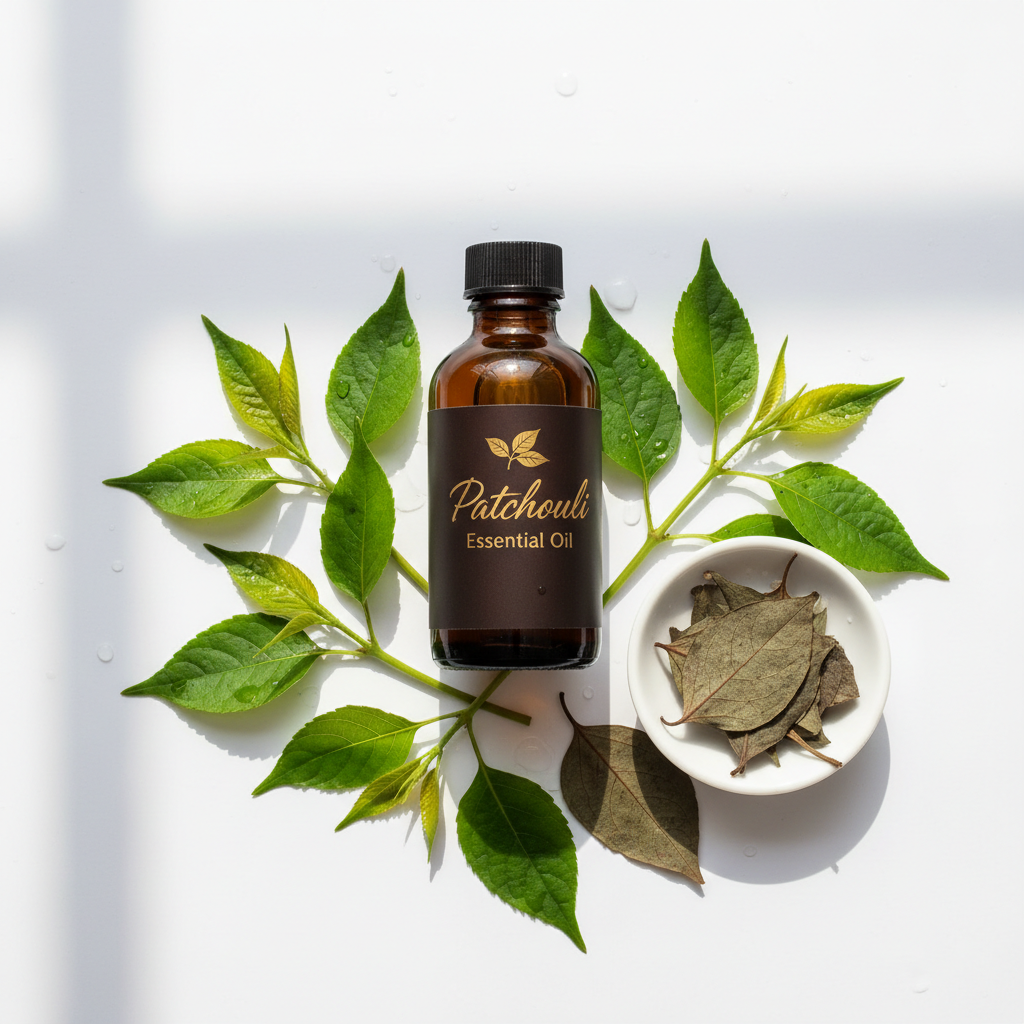
Patchouli Essential Oil
Pogostemon cablin
Patchouli essential oil, scientifically known as Pogostemon cablin, is an essential oil that has captured the interest of both the aromatherapy community and the fragrance industry. Its extraction is primarily through steam distillation of the leaves, a method that preserves the potent aromatic profiles and therapeutic properties, resulting in a deep, earthy fragrance that is instantly recognizable. ### Origin and Extraction Method Originating from tropical regions of Asia, especially countries like Indonesia and the Philippines, patchouli is a perennial herb that grows up to 1 meter tall. The steam distillation process involves harvesting the leaves, wilting them for a few days, and then passing steam through the plant material, which extracts the essential oil. This oil is beloved not just for its scent but also for its historical significance in ancient trade routes. ### Botanical Information Patchouli belongs to the mint family, Lamiaceae, and has broad, oval-shaped leaves that emit a distinct aroma when crushed. The plant thrives in warm, humid climates, which contribute to its high-quality oil yield. The unique composition of patchouli oil, featuring notable constituents such as patchoulol, contributes to its rich fragrance and numerous health benefits. ### Therapeutic Properties and Benefits Patchouli essential oil is celebrated in aromatherapy for its wide range of therapeutic properties: - **Stress Relief:** Known to reduce feelings of anxiety and promote a sense of calm. - **Mood Enhancement:** Commonly used to uplift spirits and improve emotional balance. - **Emotional Grounding:** Helps foster stability during turbulent emotional times, making it a favorite among those seeking mental clarity. - **Skin Care:** Often incorporated in skincare for its antifungal properties and ability to rejuvenate the skin, making it ideal for treating acne and improving mature skin's appearance. - **Digestive Aid:** Can soothe digestive issues and promote healthy digestion. - **Pain Relief:** Known for its analgesic properties, it may help alleviate mild aches and pains. ### Historical and Traditional Uses The use of patchouli can be traced back to ancient civilizations. It was popular in the perfume trade, particularly in conjunction with silk production. Traders would often use patchouli to protect fabrics from insects and add an exotic aroma. In addition to its use in perfumes, patchouli has significant cultural significance in various traditions, particularly in Hinduism and Ayurveda, where it is believed to enhance spiritual practices and rituals. ### Scientific Facts and Research Numerous studies have been conducted on the benefits of patchouli essential oil. Research indicates that the oil has significant anti-inflammatory and antibacterial properties, contributing to its effectiveness in treating skin conditions. Furthermore, the calming effect of patchouli oil has been backed by scientific understanding of how aromatherapy impacts the limbic system, the part of the brain responsible for emotions. ### Aroma Profile and Characteristics Patchouli essential oil possesses a unique aroma—deep, musky, and earthy—making it a versatile base note in perfumery. Its scent can be described as both robust and calming, often evoking a sense of tranquility which is why it pairs beautifully with other essential oils such as lavender, cedarwood, and bergamot. ### Common Applications and Methods Patchouli essential oil is widely used in various applications: - **Aromatherapy:** Often used in diffusers, inhalation practices, and mixed with carriers for topical applications. - **Home Fragrance:** Added to candles, incense, and potpourri for its rich, soothing aroma. - **Skin Care Products:** Incorporated into lotions, creams, and oils for its beneficial properties. - **Hair Care:** Added to shampoos and conditioners to enhance scalp health and strengthen hair. ### Interesting Facts and Trivia - Patchouli oil was considered a sign of wealth and sophistication in Victorian England, commonly used to scent garments. - The oil's role in the hippie movement of the 1960s popularized its use and introduced it to a broader audience, leading to its status as a symbol of peace and love. In conclusion, Patchouli essential oil is not just valued for its captivating scent but is also appreciated for its extensive health benefits, rich history, and diverse applications. As a foundational oil in both aromatherapy and perfumery, patchouli continues to be a cherished favorite among those seeking both relaxation and rejuvenation.
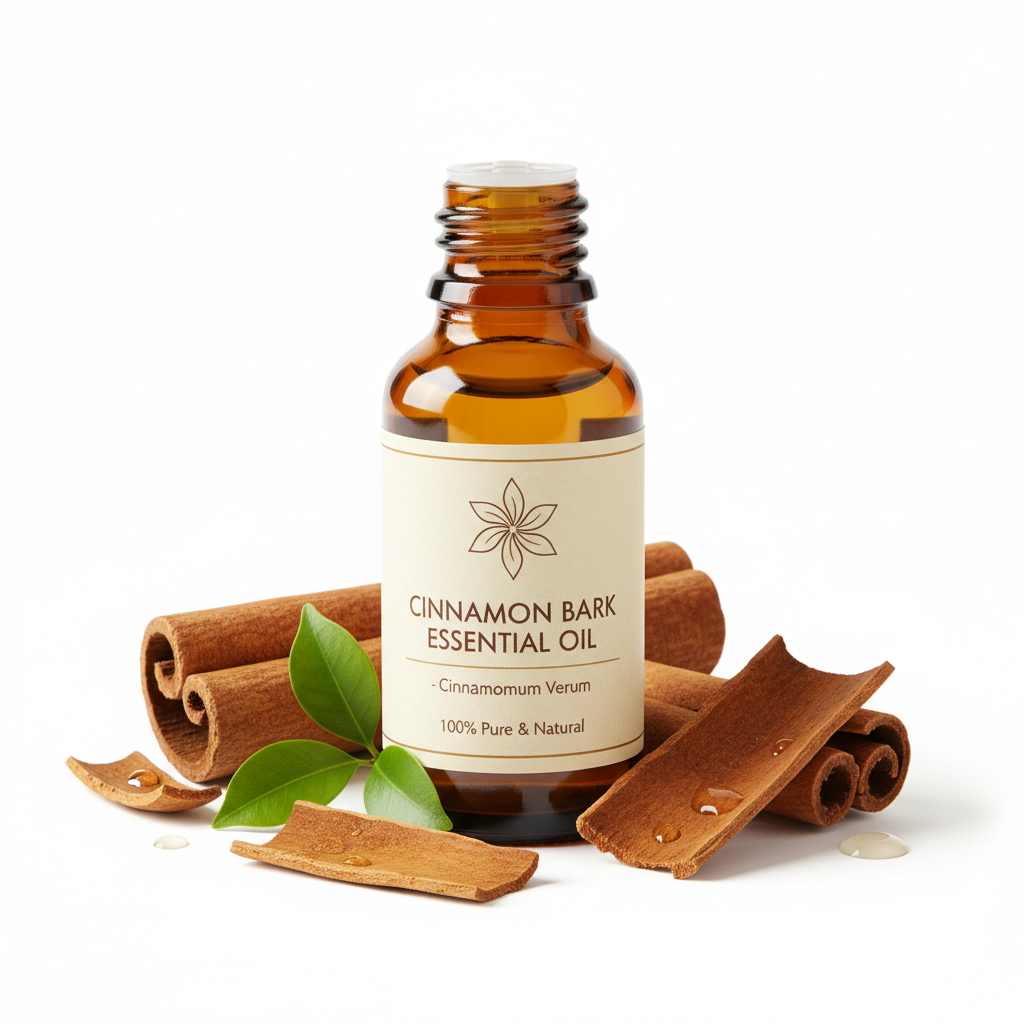
Cinnamon Bark Essential Oil
Cinnamomum verum
Cinnamon Bark Essential Oil is a highly valued essential oil known for its sweet, warm, and spicy fragrance, derived from the bark of the Cinnamomum verum tree, commonly known as true cinnamon or Ceylon cinnamon. This delightful oil has been a cherished commodity for centuries, its origins steeped in rich history and tradition. Let’s delve deeper into various aspects of Cinnamon Bark Essential Oil, spread across its historical background, extraction methods, therapeutic benefits, aroma characteristics, and practical applications in daily life. **Origin and Extraction Method** The origin of Cinnamon Bark Essential Oil traces back to Sri Lanka, where the Cinnamomum verum tree flourishes in the tropical climate. The extraction method typically utilized for capturing this oil is steam distillation. During this process, steam passes through the bark, releasing volatile compounds essential to the oil, and producing a concentrated, aromatic essence that contains many health-benefiting properties. The quality of the oil is significantly influenced by the age of the tree and the time of harvest, ensuring that only the most aromatic bark is utilized. **Botanical Information** Cinnamomum verum is a member of the Lauraceae family, characterized by its evergreen nature, glossy leaves, and small, yellowish flowers. The essential oil from cinnamon is complex, rich in cinnamaldehyde and eugenol, which contribute to its distinctive aroma and therapeutic properties. It is crucial to distinguish Cinnamomum verum from Cinnamomum cassia, commonly known as cassia cinnamon, which has a different flavor profile and therapeutic benefits. **Therapeutic Properties and Benefits** Cinnamon Bark Essential Oil is celebrated for its array of therapeutic properties. - **Antimicrobial and Antifungal**: Research indicates that cinnamon oil possesses strong antimicrobial properties, making it effective against bacteria and mold, which is beneficial for purifying the air when diffused. - **Digestive Aid**: It enhances digestive health by stimulating the production of digestive enzymes, which can alleviate issues like bloating and discomfort after meals. - **Mood Enhancer**: The warm aroma is known to promote emotional well-being, helping to elevate mood, reduce feelings of sadness, and enhance motivation. - **Supports Circulation**: Its warming properties can promote healthy blood circulation, beneficial in relieving cold hands and feet in winter. **Historical and Traditional Uses** Historically, cinnamon was regarded as a precious spice, thought to be a gift from the gods. In ancient Egypt, cinnamon was used in embalming and religious rituals due to its aromatic qualities. Traditional medicine practices across cultures utilized cinnamon for ailments like colds and digestive discomfort, reflecting its long-standing esteemed position in wellness practices. **Aroma Profile and Characteristics** The scent of Cinnamon Bark Essential Oil is warm, sweet, and spicy with a slightly woody undertone. This comforting aroma is not only inviting but is also recognized for its ability to create a cozy atmosphere, making it popular in aromatherapy and home fragrance products. **Common Applications and Methods** Cinnamon Bark Essential Oil can be integrated into daily routines in various ways: - **Diffusing**: Adding several drops to a diffuser can quickly spread its essential oils throughout a room, creating a warm and welcoming space. - **Topical Use**: Diluting cinnamon oil with a carrier oil can allow it to be applied to targeted areas for muscle relief, especially after exercise. - **DIY Products**: Incorporating this oil into homemade candles, soaps, or body lotions can elevate your crafting projects, adding both scent and therapeutic benefits. - **Culinary Uses**: While it should be used cautiously, a drop of cinnamon essential oil can enhance the flavor of beverages, desserts, and savory dishes. **Interesting Facts and Trivia** - Cinnamon Bark Essential Oil was once considered so valuable that it was used as a form of currency in trading. - It is not uncommon for ancient civilizations to use cinnamon for more than just flavor—its preservation qualities made it an important ingredient in food storage practices. - The essential oil can serve as a natural insect repellent, offering a non-toxic alternative to chemical repellents. In conclusion, Cinnamon Bark Essential Oil is not just a fragrant treasure but also a powerful ally in promoting overall health and well-being. Its rich history, combined with its diverse applications and therapeutic benefits, makes it a must-have in any essential oil collection. Embrace its warm, sweet aroma and explore how it can enhance your life in various ways!
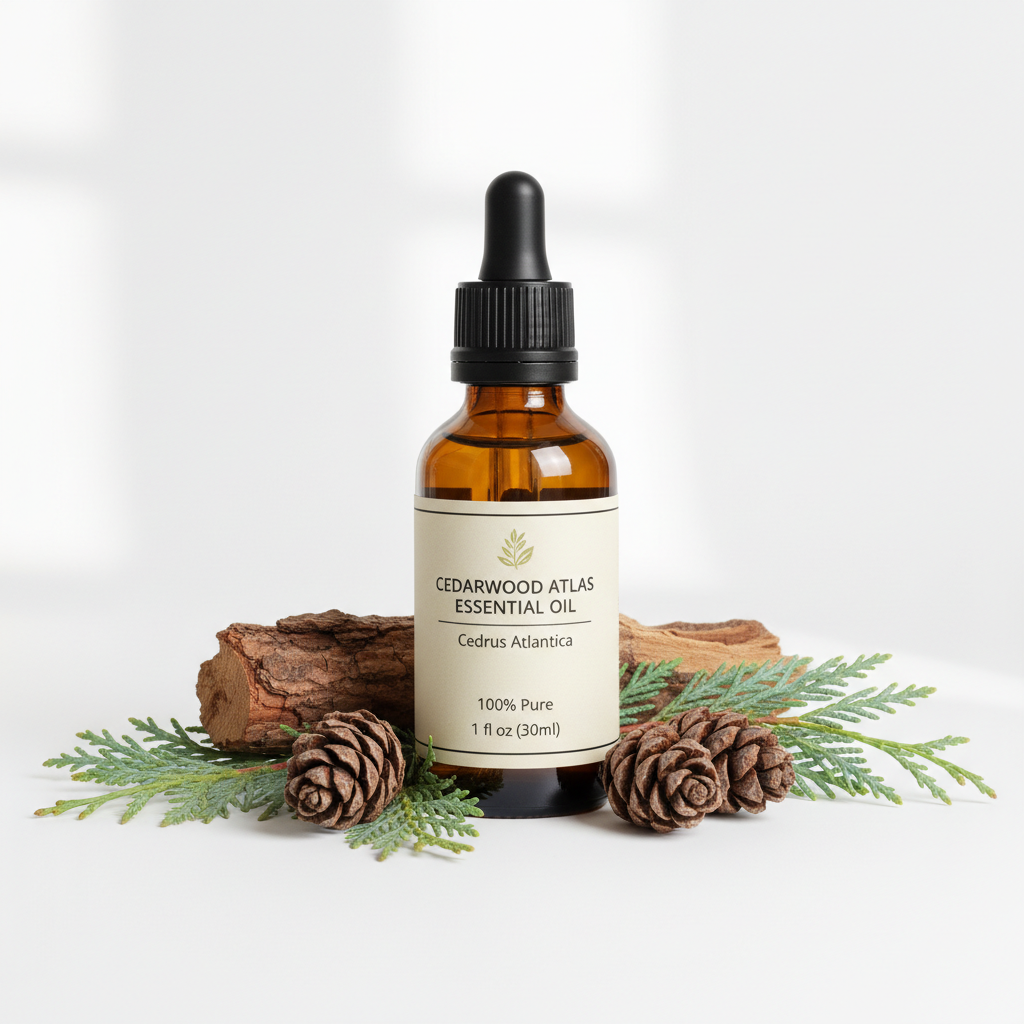
Cedarwood Atlas Essential Oil
Cedrus atlantica
### Cedarwood Atlas Essential Oil: A Comprehensive Guide Cedarwood Atlas Essential Oil, extracted from the wood of the **Cedrus atlantica** tree, is a beloved essence with a rich history and a wide array of benefits. This aromatic oil is not only celebrated for its enticing woody fragrance but also for its therapeutic properties that have been utilized for centuries across different cultures. #### Origin and Extraction Method Cedarwood Atlas is native to the Atlas Mountains of Morocco. The oil is obtained through **steam distillation**, a meticulous process that involves passing steam through the wood to release its highly concentrated volatile compounds. This method effectively preserves the oil’s rich properties, ensuring that each drop is potent and aromatic. #### Botanical Information The **Cedrus atlantica** tree falls under the Pine family and can grow up to 40 meters tall. Its bark is thick and furrowed, and the tree’s evergreen needles lend it a majestic appearance. The oil extracted from the tree is known for its deep amber color and robust woody scent, which can evoke a sense of tranquility and connection to nature. #### Therapeutic Properties and Benefits Cedarwood Atlas Essential Oil offers numerous therapeutic benefits: - **Aromatherapy Uses**: It creates a calming atmosphere, ideal for meditation and mindfulness practices. Its grounding scent can ease stress and anxiety, promoting a sense of relaxation. - **Emotional Healing**: This oil is widely regarded for its ability to enhance emotional balance, alleviate feelings of sadness, and boost self-confidence. It helps in developing a deeper connection with oneself, fostering introspection and emotional clarity. - **Respiratory Health**: Cedarwood oil may assist in respiratory functions; its properties can help clear congestion and promote easier breathing. - **Skin Care**: When diluted appropriately for topical use, Cedarwood Atlas can manage minor skin irritations and balance oily skin conditions due to its astringent qualities. - **Muscle Relaxation**: The oil is known to aid in muscle relaxation after intense physical activity, making it a useful addition to post-workout routines. #### Historical and Traditional Uses Historically, Cedarwood has been utilized in ancient civilizations for its durability and aromatic properties. Egyptians used cedar oil in the embalming process, and it has been an integral part of various religious ceremonies. In traditional medicine, it was used to treat respiratory disorders and skin conditions due to its antimicrobial properties. #### Scientific Facts and Research Research has indicated that **Cedarwood Atlas Essential Oil** contains ingredients like **cedrol and thujopsene**, which are responsible for its calming effects. Studies have shown that inhalation of cedarwood scent may promote increased feelings of calm and stability. Furthermore, its antimicrobial nature suggests potential in supporting skin health and preserving products in natural formulations. #### Aroma Profile and Characteristics Cedarwood Atlas has an earthy, woody aroma with sweet undertones, making it a versatile essential oil. It blends well with other oils such as lavender, bergamot, and frankincense, enhancing both the scent and therapeutic properties of blends. Its versatile aroma is suitable for various applications, from personal care products to home fragrance. #### Common Applications and Methods There are multiple ways to incorporate Cedarwood Atlas Essential Oil: - **Diffusion**: Adding a few drops to an essential oil diffuser can create a peaceful environment in your home or workspace. - **Topical Use**: When diluted with a carrier oil like jojoba or coconut oil, it can be applied to the skin for its calming and antimicrobial benefits. - **Baths**: A few drops added to bathwater can enhance relaxation and relieve body tension. - **Inhalation**: Direct inhalation or using it in steam inhalation can promote respiratory health. #### Interesting Facts and Trivia - Cedarwood Atlas is often referred to as the “tree of life” in many cultures, symbolizing longevity and wisdom. - This essential oil not only benefits humans but is believed to have positive effects on animals, particularly for calming pets during stressful situations. In conclusion, Cedarwood Atlas Essential Oil is more than just a pleasing scent; it is a powerful therapeutic oil with a rich history and numerous health benefits. Whether you are seeking emotional balance, respiratory support, or simply looking to add a beautiful aroma to your space, Cedarwood Atlas is a superb choice. Always ensure you’re using high-quality oil and following proper guidelines for use.
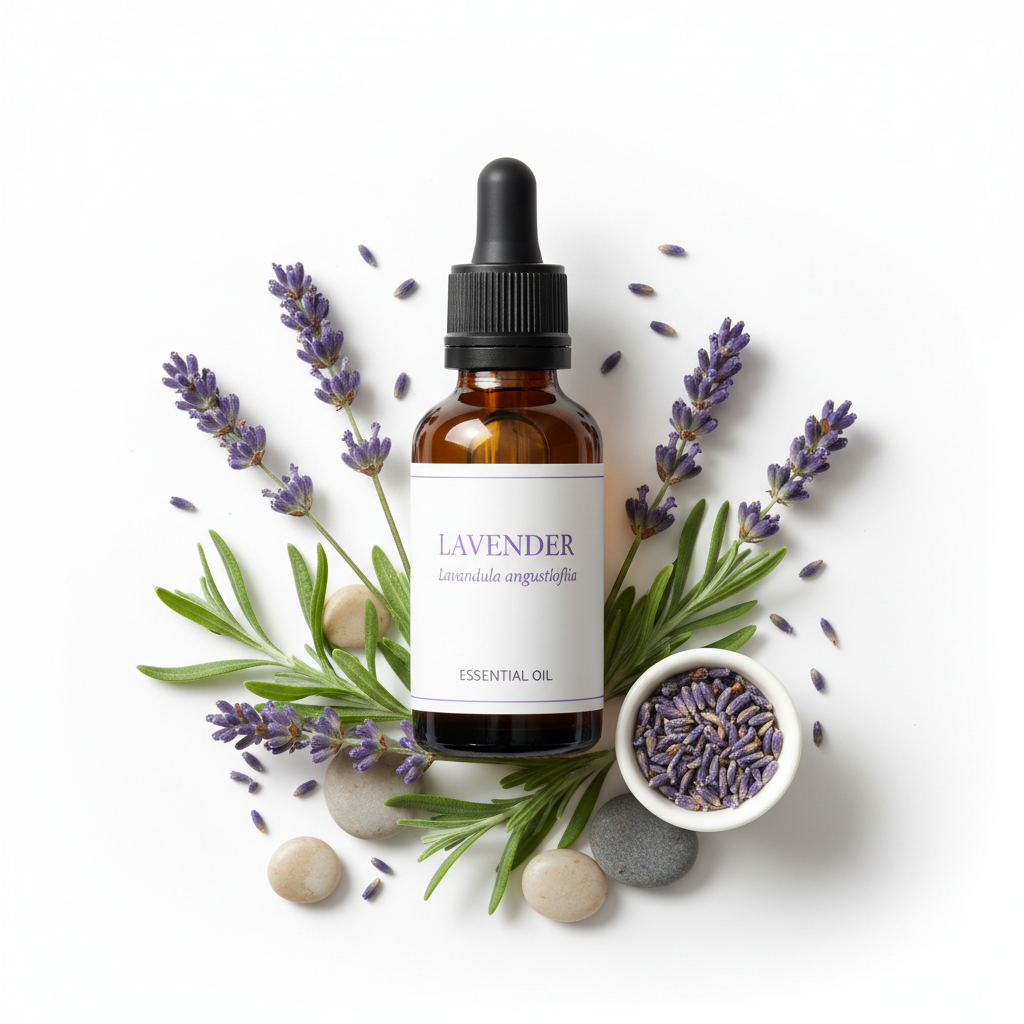
Lavender Essential Oil
Lavandula angustifolia
## Lavender Essential Oil: A Comprehensive Guide Lavender essential oil, extracted from the lavender plant (Lavandula angustifolia), is one of the most well-known and widely used essential oils today. It is celebrated for its relaxing properties and a range of therapeutic benefits that promote mental, emotional, and physical well-being. ### Origin and Extraction Method Lavender is native to the Mediterranean region, especially in areas of France, Italy, and Spain, where it flourishes in dry, sunny climates. The oil is obtained through steam distillation of the delicate flowering tops of the lavender plant. This method preserves the oil's delicate chemical composition, fostering its aromatic and therapeutic qualities, making it a staple in aromatherapy and natural health practices. ### Botanical Information Lavandula angustifolia, commonly known as true lavender, belongs to the Lamiaceae (mint) family. The plant typically reaches about 1 meter in height and has slender, greenish-gray leaves adorned with vibrant purple flowers. The distinctive aroma emanates from the plant's essential oil, which comprises various aromatic compounds such as linalool, linalyl acetate, and camphor, recognized for their calming effects. ### Therapeutic Properties and Benefits Lavender essential oil offers a myriad of therapeutic benefits, including: - **Promoting Relaxation:** Known as an anxiolytic, lavender oil effectively reduces anxiety and stress, helping to promote a sense of calm and tranquility. - **Improving Sleep Quality:** It is widely recommended as a natural remedy for insomnia and sleep disturbances. Adding a few drops to a diffuser or pillow can help induce restful sleep. - **Enhancing Mood and Emotional Balance:** Lavender oil can uplift mood and support emotional stability, making it beneficial for those experiencing sadness or irritability. - **Alleviating Headaches and Migraines:** Inhaling lavender oil or applying diluted oil to the temples may provide relief from headaches and migraines. - **Soothing Muscle Tension:** The anti-inflammatory properties of lavender oil make it effective for soothing sore muscles and reducing tension. - **Supporting Respiratory Health:** With its antiseptic properties, lavender oil may alleviate symptoms associated with colds, allergies, and respiratory infections. ### Historical and Traditional Uses Historically, lavender has been treasured for its medicinal and aromatic properties for centuries. Ancient Egyptians utilized lavender for mummification and as a cosmetic fragrance. Romans added it to their baths to relieve stress and enhance mood. In the Middle Ages, lavender symbolized purity, often used in perfumes and sachets, and its presence was common in homes to ward off pests. ### Scientific Facts and Research Numerous scientific studies have validated the benefits of lavender essential oil. Research published in *Evidence-Based Complementary and Alternative Medicine* confirmed that individuals who inhaled lavender experienced significant reductions in anxiety and improved sleep quality compared to placebo groups. Furthermore, studies indicate that lavender oil may influence neurotransmitter systems, enhancing its sedative effects. ### Aroma Profile and Characteristics Lavender essential oil possesses a sweet, floral, and herbaceous aroma that is both uplifting and calming. Its scent, often described as fresh and clean, makes it a popular choice in aromatherapy blends, personal care products, and home fragrances. The calming aroma can cultivate a serene environment, ideal for meditation and relaxation practices. ### Common Applications and Methods Lavender essential oil's versatility allows for a variety of applications: - **Aromatherapy:** Diffusing lavender oil in your home purifies the air and creates a relaxing atmosphere, beneficial for stress relief. - **Topical Use:** Diluting lavender oil with a carrier oil for massages or targeted skin applications helps alleviate pain and supports skin health. - **Baths:** Adding lavender oil to bathwater not only promotes relaxation but also eases muscle tension and soothes the mind. - **Culinary Uses:** When used in moderation, lavender adds a unique flavor to culinary dishes, commonly included in herbal teas, desserts, and infused syrups. ### Interesting Facts and Trivia - Lavender is often regarded as the “universal oil” due to its myriad benefits and applications across different practices. - It takes approximately 250 pounds of lavender flowers to produce about 1 pound of essential oil, demonstrating its value and potency. - The color purple, associated with lavender, symbolizes tranquility and peace, reflecting its effects on the mind and body. - Additionally, lavender is renowned for attracting pollinators like bees and butterflies, contributing positively to local biodiversity. In conclusion, lavender essential oil is not only remarkable with its profound history but also offers extensive benefits and versatile applications. Whether used to promote relaxation, enhance mood, or enjoy aromatic qualities, it plays an essential role in holistic health. Incorporate lavender essential oil into your daily routine for a touch of serenity and a pathway to balance your emotional and physical well-being.
Recipes
Aromatherapy Recipe: Under-Bed Storage Drawer Bombs
Discover this simple recipe for Under-Bed Storage Drawer Aroma Bombs, perfect for freshening up your space with delightful scents!
DIY Germ Neutralizing Room Spray Recipe
Learn how to make a germ neutralizing room spray recipe that freshens the air and creates a healthier home for you and your family.