Search
Found 246 results for "natural"
Essential Oils
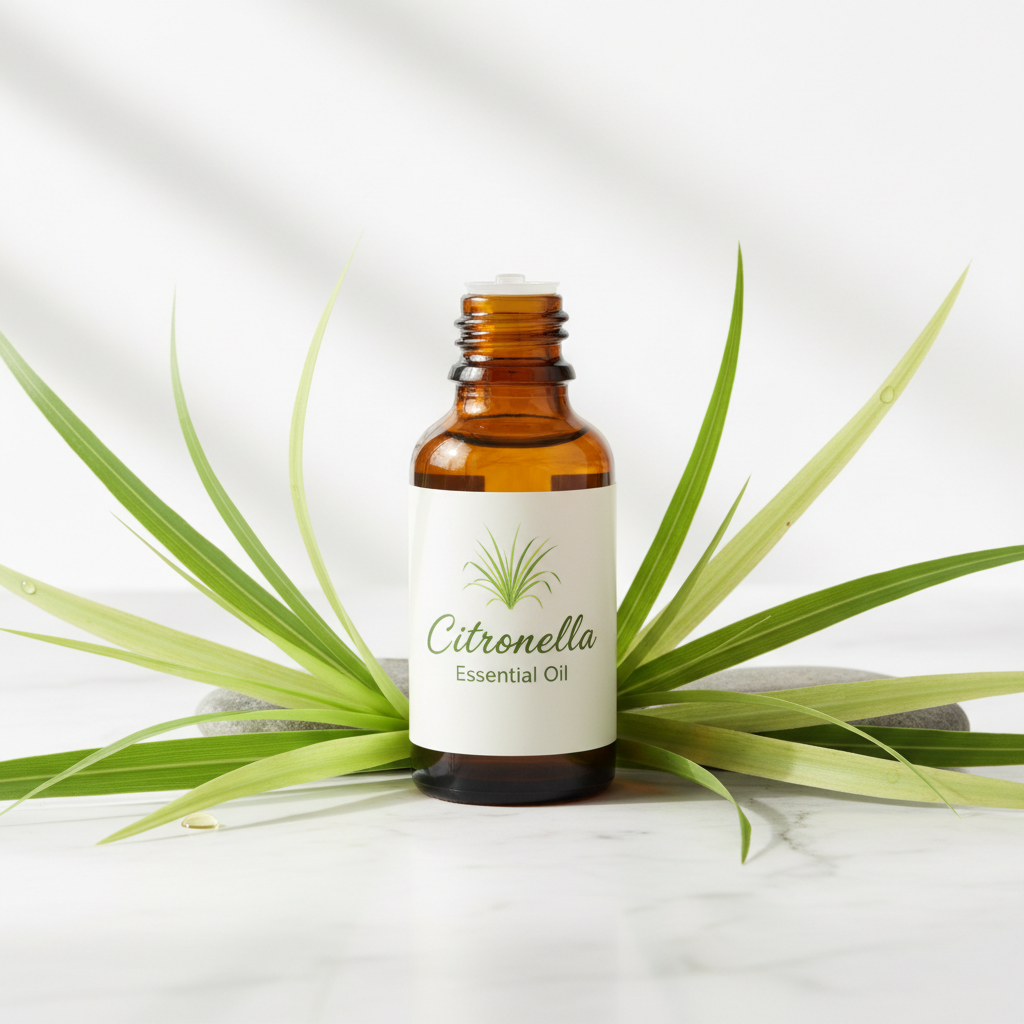
Citronella Essential Oil
Cymbopogon nardus
Citronella Essential Oil, derived from the leaves of Cymbopogon nardus, is a tropical grass recognized for its fresh, lemony aroma. Traditionally extracted through steam distillation, this oil has a rich history, often used in folklore for its insect-repelling properties and its role in creating a refreshing atmosphere. Its primary therapeutic reputation rests on its ability to enhance mood and repel unwanted pests, making it a beloved component in both aromatherapy and natural cleaning products.
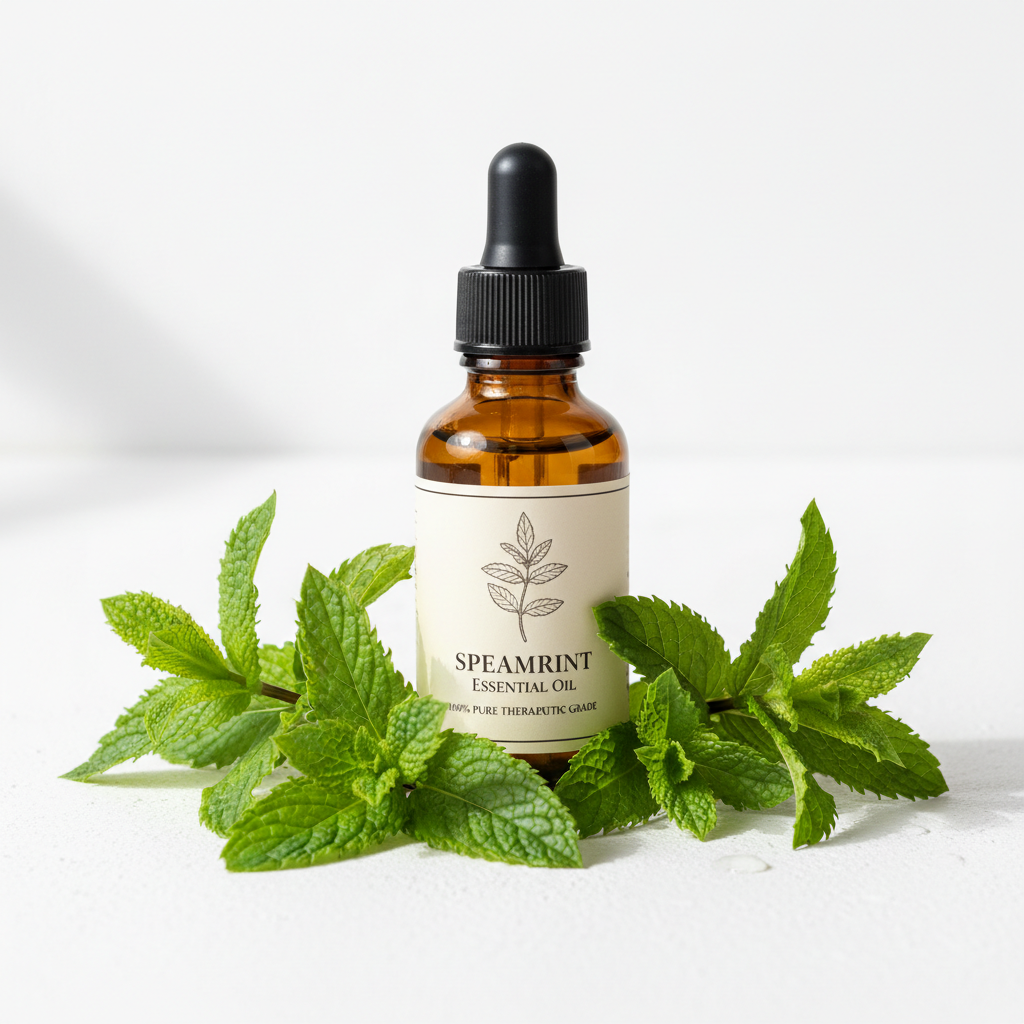
Spearmint Essential Oil
Mentha spicata
Spearmint Essential Oil, scientifically known as Mentha spicata, is derived from the vibrant green leaves of the spearmint plant, a member of the Lamiaceae (mint) family. This essential oil is extracted through steam distillation, a method that ensures the retention of the plant’s natural aromatic properties while providing a high-quality oil that is refreshing and invigorating. ### Origin and Extraction Method Spearmint is native to Europe but is now cultivated in various parts of the world, thanks to its popularity and many benefits. The oil is extracted from the fresh leaves of the spearmint plant, which have a characteristic bright green color and a bright, fresh scent. The steam distillation process involves passing steam through the plant material, causing the oil to evaporate and subsequently condense into liquid form, resulting in an essential oil that is both potent and aromatic. ### Botanical Information The botanical name, Mentha spicata, highlights its distinctive flowering spikes, with leaves that are lanceolate and serrated. The plant grows to about 30-100 cm in height and is known for attracting various pollinators, including bees and butterflies, making it a beneficial addition to gardens. ### Therapeutic Properties and Benefits Spearmint Essential Oil is celebrated for its numerous therapeutic benefits: - **Digestive Aid:** Traditionally used to alleviate digestive discomfort, it can help to soothe symptoms like bloating and gas. - **Mental Clarity:** The oil is known to promote mental clarity, enhance focus, and improve mood, making it a popular choice for aromatherapy applications aimed at reducing mental fatigue. - **Stress Relief:** Inhaling spearmint oil can uplift the spirits and provide a feeling of rejuvenation, helping to alleviate stress and anxiety. ### Historical and Traditional Uses Historically, spearmint has been valued not only for its delightful flavor in culinary dishes but also as a remedy in traditional medicine. Ancient cultures have utilized spearmint for its digestive health benefits, often consumed in teas or as an infusion. It was also used in baths and during massage practices for its soothing and refreshing properties. ### Scientific Facts and Research Recent studies have recognized the antimicrobial properties of spearmint oil, finding it effective against certain bacterial strains. Research into its potential benefits continues, with findings suggesting that its aroma can enhance cognitive function and potentially have a positive impact on mood disorders. ### Aroma Profile and Characteristics Spearmint Essential Oil is characterized by its sweet, minty, and refreshing aroma. The scent is often described as more gentle and sweeter compared to other mints like peppermint, making it a favorite in many homes and wellness practices. The oil’s fresh scent can invigorate the air and create an uplifting atmosphere when diffused. ### Common Applications and Methods Spearmint Oil has various applications: 1. **Aromatherapy:** Use in a diffuser to improve mood and clarity of thought. 2. **Topical Use:** Dilute with a carrier oil and apply to temples to relieve tension headaches or sore muscles. 3. **Baths:** Add a few drops to warm water for a refreshing bathing experience. 4. **Cooking Uses:** Sometimes used in culinary applications, although it is essential to ensure it is food-grade quality. ### Interesting Facts and Trivia - Spearmint is often added to dental products for its flavor and freshening effect, symbolizing its longstanding association with oral health. - In folklore, spearmint has been linked with love and devotion, often used as a garnish for romantic meals. - The oil is also used in natural insect repellents, capitalizing on its strong aroma to deter pests. In conclusion, Spearmint Essential Oil is a versatile and beneficial oil with a rich history of use for wellness and health. Its fresh and lively aroma, along with its therapeutic properties, make it a must-have for aromatherapy enthusiasts and those seeking natural health solutions.
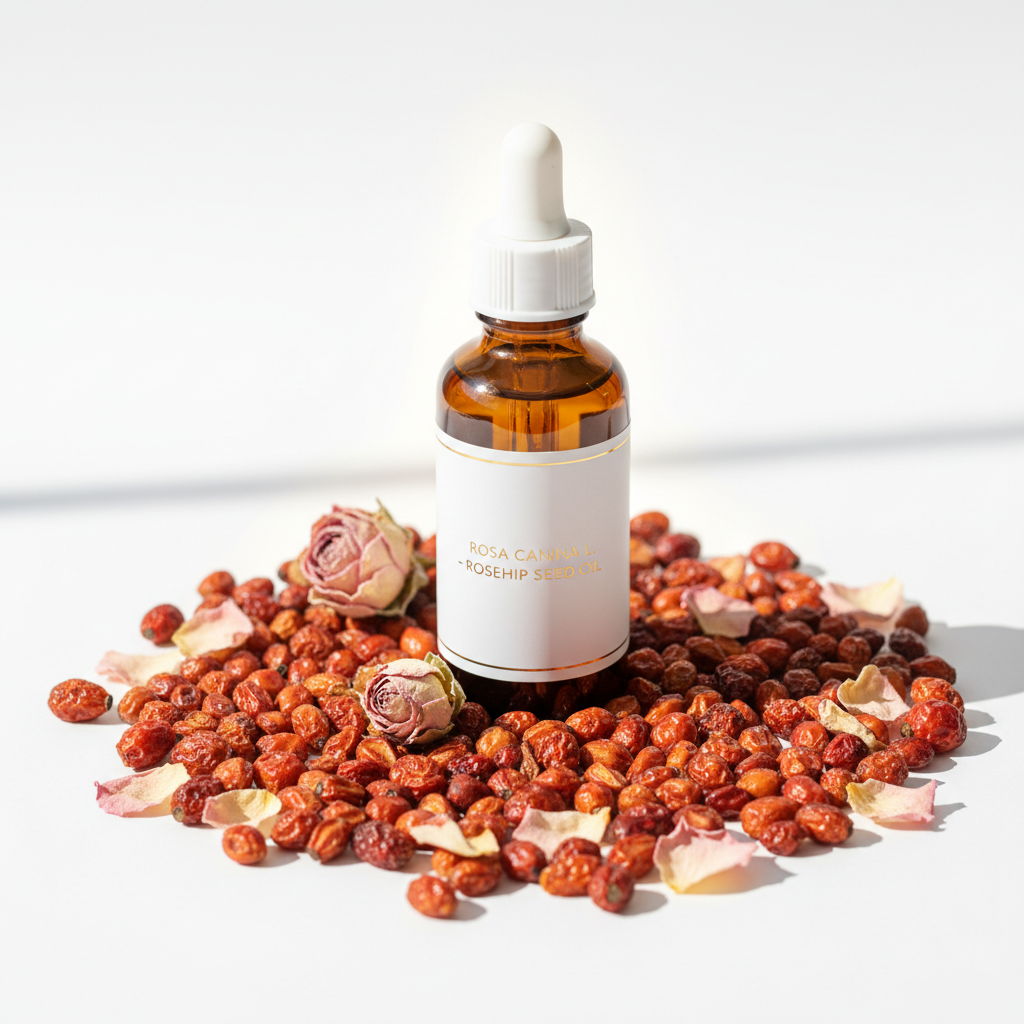
Rosehip Seed Oil
Rosa canina L.
**Rosehip Seed Oil: Comprehensive Guide to Benefits & Uses** Rosehip Seed Oil is extracted from the seeds of the Rosa canina plant, commonly known as rosehip, native to Europe, North Africa, and parts of Asia. This essential oil is celebrated for its extensive nutritional profile and impressive therapeutic properties, making it a standout in the natural skincare industry. ### Origin and Extraction Method Rosehip Seed Oil is obtained through a cold-press extraction method from the seeds found inside the fruit of the Rosa canina. This method ensures that the beneficial nutrients, including essential fatty acids, vitamins, and antioxidants, remain intact. Historically, the indigenous peoples of the Andes Mountains in South America have utilized rosehip for both dietary and medicinal purposes, making it a significant part of traditional healing practices. ### Botanical Information The Rosa canina plant, commonly referred to as the dog rose, typically blooms in late spring and produces round, red-orange fruit in the fall. The seeds contained within the fruit are nutrient-dense and are rich in linoleic (omega-6) and alpha-linolenic (omega-3) acids, vitamins A, C, E, and various antioxidants. These compounds contribute to the oil's renowned skin benefits, particularly in promoting a youthful appearance and reducing signs of aging. ### Therapeutic Properties and Benefits Rosehip Seed Oil is hailed for its numerous therapeutic properties, including: - **Skin Regeneration**: The oil is effective in promoting cell turnover and healing scars, making it beneficial for those dealing with acne scars or other skin blemishes. - **Moisturization**: Rich in fatty acids, it deeply hydrates the skin, making it suitable for dry or flaky skin types. - **Anti-Aging**: The high levels of vitamins A and C support collagen production and improve elasticity, helping to reduce the appearance of fine lines and wrinkles. - **Anti-Inflammatory**: It calms irritation and redness, making it useful for sensitive skin or conditions such as eczema or rosacea. - **Antioxidant Properties**: The antioxidants present in rosehip seed oil combat free radical damage, promoting overall skin health and radiance. ### Historical and Traditional Uses Long before modern skincare products, Rosehip Seed Oil was utilized by ancient civilizations. The indigenous Mapuche people of Chile recognized its powerful healing properties and used it for wounds and skin ailments. This oil served not only as a beauty treatment but also as a nourishing food source rich in vitamins and essential fatty acids. ### Scientific Facts and Research Recent studies have validated the efficacy of Rosehip Seed Oil. Research published in various dermatological journals has shown its ability to improve skin hydration, elasticity, and overall appearance. The oil's anti-inflammatory properties have also been highlighted in studies related to inflammation and skin conditions, underscoring its multi-faceted benefits. ### Aroma Profile and Characteristics Rosehip Seed Oil has a subtle, nutty aroma that is often described as slightly earthy. This is due to its natural composition and makes it a complementary ingredient in various skincare and aromatherapy products. Its lightweight texture absorbs quickly, allowing for easy incorporation into daily routines. ### Common Applications and Methods Due to its versatility, Rosehip Seed Oil can be used in various ways: - **Facial Oils**: It can be blended with other essential oils or used alone as a facial oil for hydration. - **Moisturizers and Creams**: Often found as an enriching ingredient in serums, creams, and lotions. - **Hair Care**: It can be applied to hair to increase moisture and shine or used as a scalp treatment. - **Body Treatments**: Works well in body oils or massage blends, enhancing skin texture. ### Interesting Facts and Trivia - Rosehip is often referred to as a 'superfood' due to its high vitamin C content, which is essential for immune function. - The oil's bright orange color comes from its high concentration of carotenoids, which are known for their skin health benefits. - It is believed that rosehip oil can also be beneficial for the prevention of stretch marks during pregnancy due to its ability to enhance skin elasticity. ### Conclusion Rosehip Seed Oil is a remarkable oil with a rich history and a diverse range of benefits. Its use in skincare is not only supported by traditional practices but also by modern scientific research, making it a must-have in your skincare arsenal. Whether you're looking to rejuvenate your complexion, improve elasticity, or tackle skin concerns, rosehip seed oil provides a natural, effective solution. Incorporating this oil into your beauty regimen can lead to noticeable improvements, offering a holistic approach to skincare that has stood the test of time.
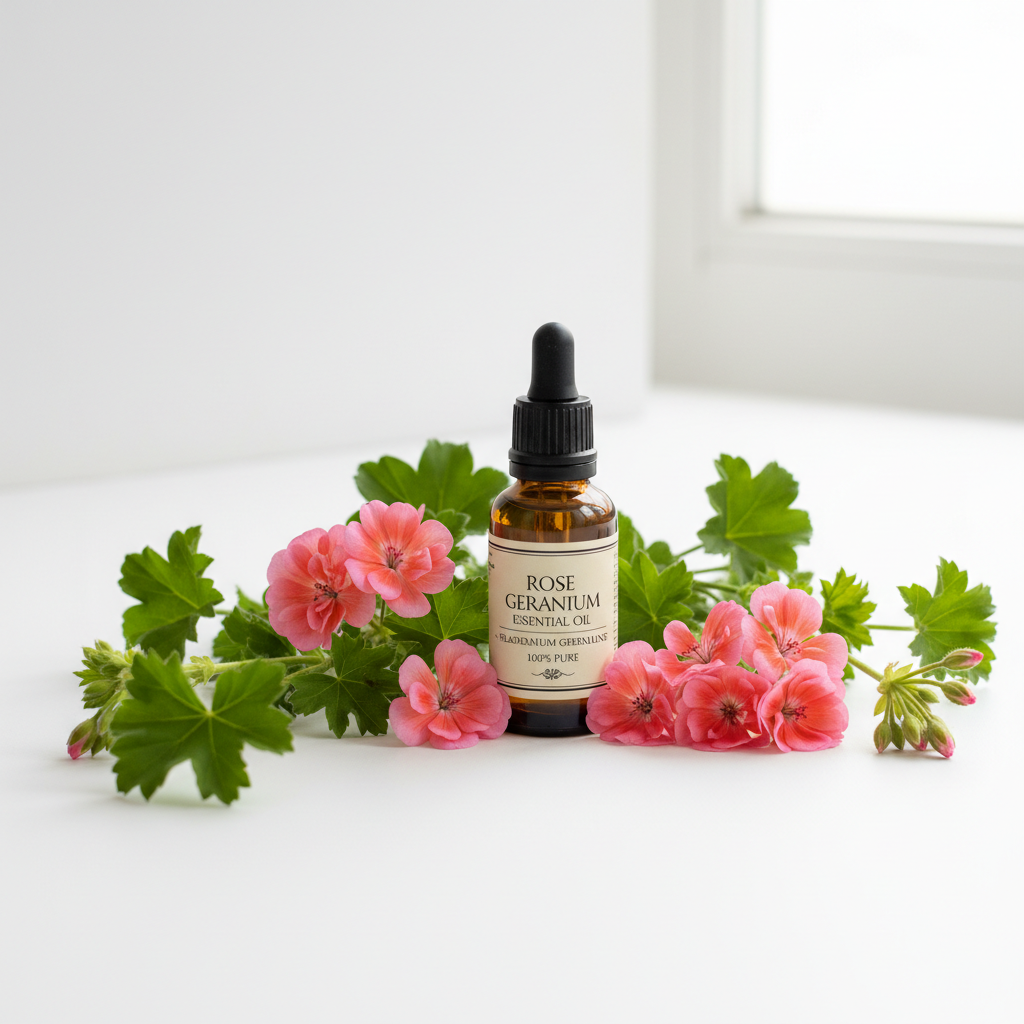
Rose Geranium Essential Oil
Pelargonium graveolens
### Rose Geranium Essential Oil: Benefits, Uses, and Properties Rose Geranium essential oil, derived from the leaves and flowers of the **Pelargonium graveolens** plant, is celebrated for its uplifting floral aroma and remarkable versatility in aromatherapy. This essential oil is not only a delight to the senses but also possesses a variety of therapeutic benefits that have been appreciated for centuries. #### Origin and Extraction Method The **Rose Geranium** plant is native to South Africa but is now cultivated in various parts of the world, including Madagascar and Egypt. The essential oil is extracted mainly through **steam distillation** of the fresh leaves and flowers. This process preserves the delicate nature of the aroma and retains a wide spectrum of its therapeutic properties, making it a precious addition to any essential oils collection. #### Botanical Information **Pelargonium graveolens** is part of the Geraniaceae family and is a hardy perennial plant. It features round, serrated leaves and clusters of pink or white flowers. Alongside its ornamental value, the plant is prized for the oil extracted from its foliage, which is rich in compounds such as geraniol, citronellol, and linalool, all contributing to its distinctive scent and health benefits. #### Therapeutic Properties and Benefits Rose Geranium essential oil is renowned for its diverse therapeutic properties: - **Emotional Harmony**: One of the most celebrated benefits of Rose Geranium essential oil is its ability to promote emotional balance. The floral aroma can alleviate feelings of stress and anxiety, helping to foster a sense of calm and peace. - **Mood Elevation**: The uplifting scent of this essential oil can significantly enhance mood, reduce feelings of melancholy, and promote overall emotional well-being. - **Mental Clarity**: Users often report improved focus and mental clarity after using Rose Geranium oil, as it eases mental fatigue and promotes concentration. - **Skin Health**: With its anti-inflammatory and astringent properties, Rose Geranium essential oil is beneficial for skin health. It can help treat acne, eczema, and other skin ailments, enhancing overall appearance and tone. - **Menstrual Health**: This oil can assist in alleviating symptoms related to menstruation and menopause, including mood swings, cramps, and discomfort. - **Circulation**: It may also stimulate blood flow, aiding in muscle recovery and tension relief. - **Headache Relief**: Inhalation or topical application of this oil may help alleviate tension headaches and promote relaxation. #### Historical and Traditional Uses Historically, Rose Geranium essential oil has been used in various cultures for its emotional and physical benefits. In **Egypt**, it was used not only for cosmetics but also in traditional medicine. The oil is often included in wellness rituals, considered a symbol of love and vitality. It has been a vital component in the formulation of perfumes and cosmetics, valued for its refreshing scent and skin-enhancing properties. #### Scientific Facts and Research Recent studies have demonstrated the effectiveness of Rose Geranium essential oil in **aromatherapy**. Research indicates its role in reducing anxiety levels and promoting relaxation, making it an essential oil of choice among therapists and individuals seeking natural remedies for stress. #### Aroma Profile and Characteristics Rose Geranium essential oil is characterized by its sweet, floral aroma with hints of mint and rose, providing a calming and balancing scent that is effective in promoting emotional stability. Its complexity makes it a popular choice in **diffusers**, and blends well with other essential oils such as lavender, bergamot, and sandalwood. #### Common Applications and Methods There are various ways to use Rose Geranium essential oil: - **Aromatherapy Diffusion**: Add a few drops to your diffuser to fill your space with its peaceful scent. - **Topical Application**: Dilute with a carrier oil and apply to the skin to harness its therapeutic benefits. - **Bath Soaks**: Add to bathwater for a luxurious experience that elevates both mood and skin condition. - **Skincare Products**: Incorporate a few drops into your facial creams or serums for added skin benefits. #### Interesting Facts and Trivia - Rose Geranium is often mistaken for the true rose, yet it provides its unique and beautiful scent at a fraction of the cost. - The plant’s leaves are also used in culinary traditions for flavoring and garnishing dishes. In conclusion, Rose Geranium essential oil offers a wealth of benefits, from emotional balance and skin health to enhanced well-being. Whether used in a diffuser, as part of a skincare regimen, or in holistic practices, this oil is a versatile addition that brings both fragrance and rejuvenation to daily life.
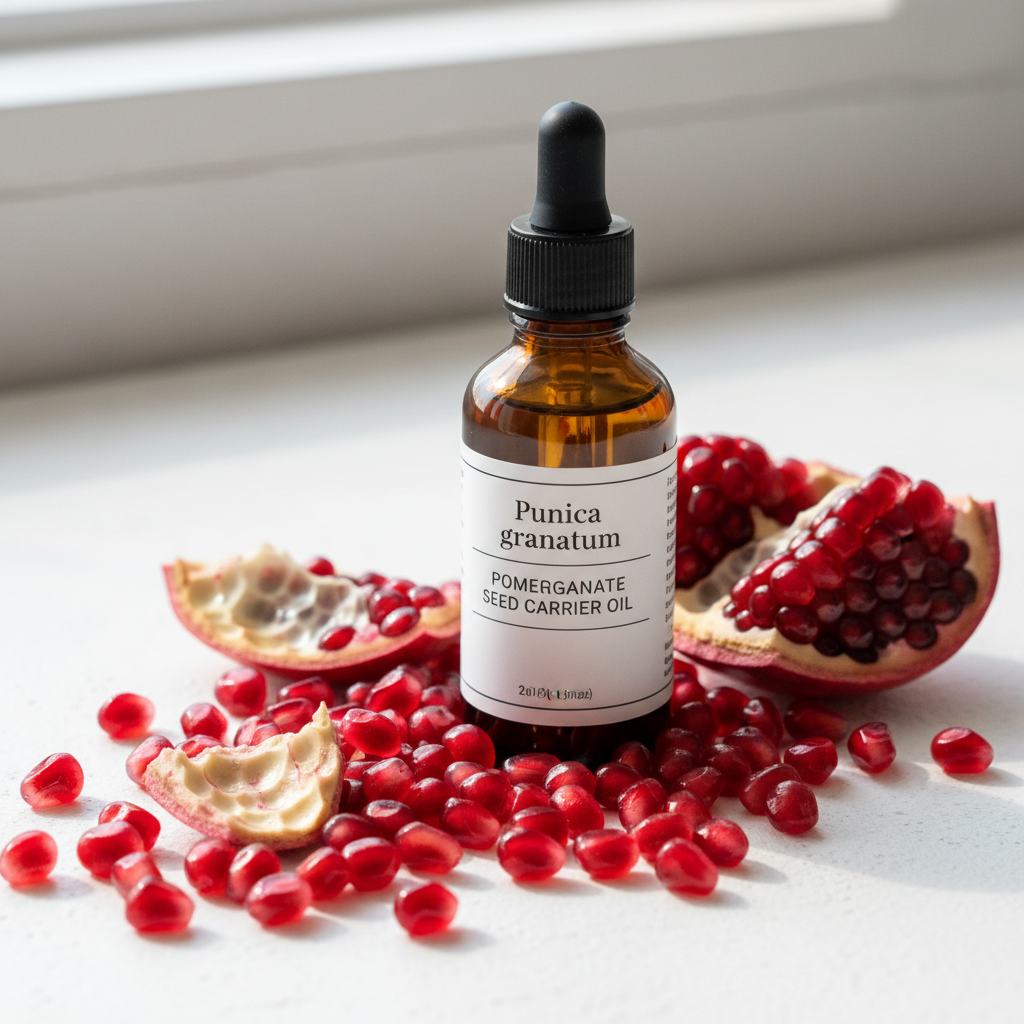
Pomegranate Seed Carrier Oil
Punica granatum
## Pomegranate Seed Oil: An In-Depth Guide ### Origin and Extraction Method Pomegranate Seed Oil is derived from the seeds (arils) of the fruit of the Punica granatum tree, commonly known as the pomegranate. This ancient fruit has been celebrated across cultures for millennia, both for its culinary uses and its health benefits. The oil is obtained through a cold-press extraction method, which preserves the nutrients and bioactive compounds found in the seeds. This careful extraction process yields a vibrant, dark red oil that is rich in antioxidants and essential fatty acids. ### Botanical Information Punica granatum, the botanical name for the pomegranate, is a small deciduous tree that typically grows between 5 to 10 meters in height. It produces vibrant red flowers that give way to the iconic fruit, which contains bright red juicy seeds. The pomegranate is native to the Mediterranean region, and its cultivation dates back thousands of years. ### Therapeutic Properties and Benefits 1. **Antioxidant Properties**: Pomegranate Seed Oil is renowned for its high content of punicic acid, a potent antioxidant that helps combat free radicals in the body, promoting overall health and slowing signs of aging. 2. **Skin Benefits**: Rich in vitamins C and E, this oil aids in skin repair, reduces inflammation, and enhances skin elasticity. It's particularly beneficial for dry or sensitive skin, helping to retain moisture and improve texture. 3. **Anti-Aging Properties**: The oil's ability to rejuvenate skin makes it a popular choice in anti-aging formulations, as it appears to minimize fine lines and wrinkles. 4. **Hair Nourishment**: Not only is it beneficial for the skin, but Pomegranate Seed Oil is also effective for hair health. It can restore shine, soften dry hair, and even promote scalp health. 5. **Digestive Support**: When consumed appropriately, this oil may support healthy digestion and overall gut health. ### Historical and Traditional Uses Pomegranate has been a symbol of health and fertility since ancient times. This oil has been commonly used in traditional medicine, particularly in Ayurvedic practices, where it has been used to treat various ailments. In Mediterranean cultures, the oil has been regarded as a skin tonic and is often included in cosmetic formulations to enhance beauty. ### Scientific Facts and Research Recent studies highlight the efficacy of Pomegranate Seed Oil in promoting skin health due to its anti-inflammatory and antioxidant properties. Research has also indicated potential benefits in supporting cardiovascular health and hormonal balance. The oil’s unique composition, rich in omega-5 fatty acids, has sparked interest in its application within the health and wellness industry. ### Aroma Profile and Characteristics Pomegranate Seed Oil has a subtle, fruity aroma that is mildly sweet and earthy, making it an appealing addition to skincare formulations and aromatherapy practices. This comforting scent can evoke a sense of relaxation and enjoyment when used in topical applications or diffused in the air. ### Common Applications and Methods - **Skincare**: Pomegranate Seed Oil can be applied directly to the skin or incorporated into creams and lotions. It is ideal for use in facial serums, moisturizers, and sun protection products. - **Haircare**: Use it as a hair serum or mix it with shampoos and conditioners for added nourishment and shine. - **Aromatherapy**: Blending it with other essential oils can create a nurturing environment, enhancing mood and promoting emotional well-being. - **Culinary Uses**: In moderation, Pomegranate Seed Oil can be used in salad dressings or drizzled over dishes, providing both flavor and health benefits. ### Interesting Facts and Trivia - Pomegranates have been called “the fruit of the gods” in various cultures due to their rich symbolism in mythology and literature. - The oil is known to have a unique combination of omega-5 fatty acids, which is rare among seed oils. - Pomegranate is often featured in beauty products aimed at anti-aging due to its ability to regenerate skin cells. ### Conclusion Pomegranate Seed Oil is a remarkable carrier oil with a wide range of therapeutic and cosmetic benefits. Its unique properties make it a valuable ingredient in skincare, haircare, and even culinary applications. As more individuals seek natural and holistic options for health and beauty, this ancient oil continues to stand out as a powerful ally in maintaining wellness and vitality.
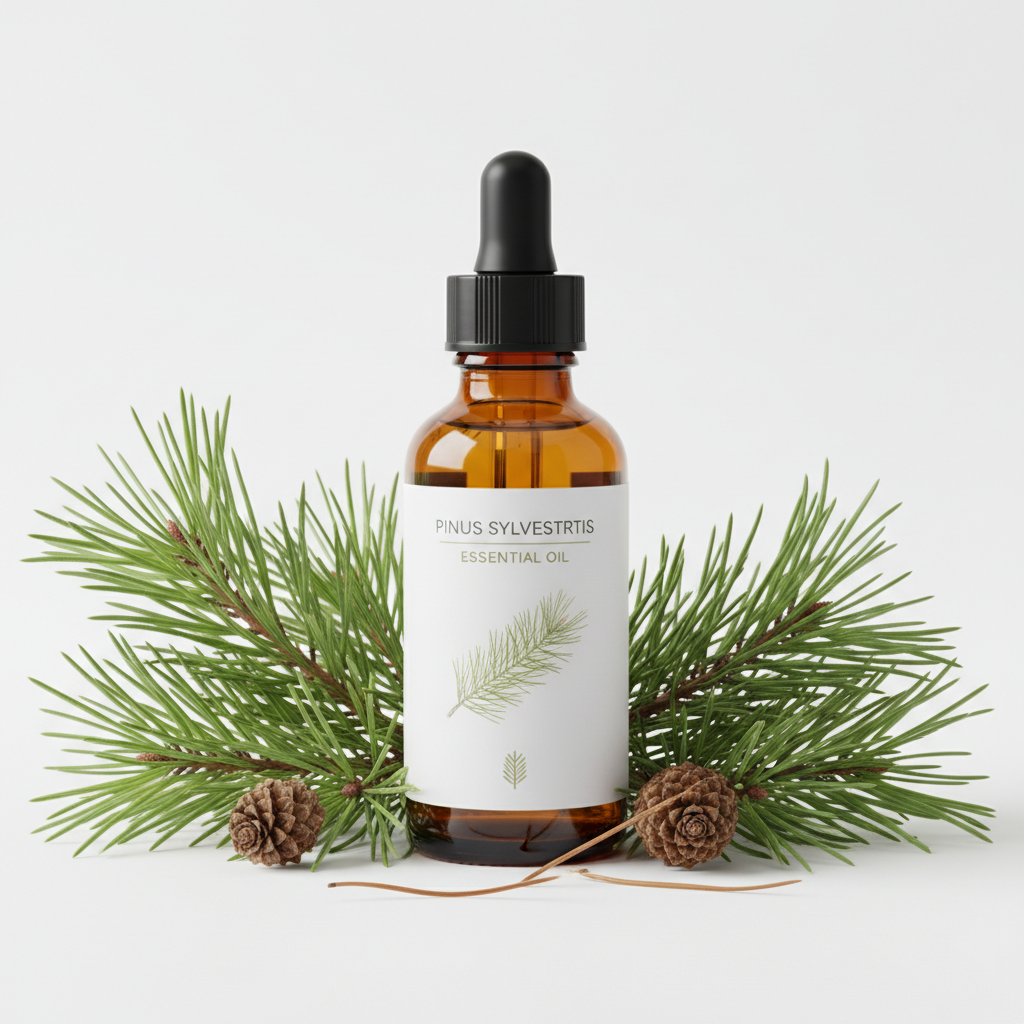
Pine Needle Essential Oil
Pinus sylvestris
Pine Needle Essential Oil, extracted from the needles of the Pinus sylvestris tree, is a versatile and highly valued essential oil known for its fresh, woodsy aroma that evokes a sense of vitality and renewal. This oil is primarily obtained through steam distillation, a method that preserves the oil's aromatic properties and therapeutic benefits. ### Origin and Extraction Method The Pinus sylvestris tree, commonly known as the Scots Pine, is native to Europe and parts of Asia. This majestic conifer thrives in temperate climates, contributing to forest ecosystems with its evergreen needles. The extraction process involves collecting the young needles, which are rich in essential oils, and subjecting them to steam distillation. This method effectively captures the aromatic compounds while maintaining the oil's integrity. ### Botanical Information The botanical name for Pine Needle oil is Pinus sylvestris. It belongs to the Pinaceae family, which includes other conifers. The oil is characterized by its clear, pale yellow to greenish color and has a strong, fresh, resinous scent that is both invigorating and grounding. ### Therapeutic Properties and Benefits Pine Needle Essential Oil is celebrated for its numerous therapeutic properties. Some of the key benefits include: - **Uplifting:** The bright, fresh scent can elevate mood and relieve anxiety. - **Respiratory Support:** It helps clear congestion and promotes easier breathing, making it great for respiratory wellness. - **Muscle Relief:** When diluted in a carrier oil and applied topically, Pine Needle oil can alleviate muscle soreness and joint discomfort. - **Detoxification:** This oil stimulates lymphatic drainage, aiding in detoxification and enhancing skin health. - **Immune Support:** Rich in antioxidants, it bolsters the immune system, defending against seasonal colds. - **Cognitive Clarity:** Its invigorating aroma enhances mental clarity and focus, making it ideal for use during study or work. ### Historical and Traditional Uses Historically, Pine Needle has been revered in various cultures for its cleansing and purifying properties. Indigenous populations used it for its antibacterial effects and added it to teas for health benefits. In traditional medicine, it was often used to ease respiratory issues and promote overall wellness. ### Scientific Facts and Research Recent studies have supported many of the traditional claims about Pine Needle Essential Oil. Research has demonstrated its antimicrobial properties, making it effective against certain bacteria and fungi. Additionally, studies indicate that the aroma can have a significant impact on stress reduction and cognitive performance, underscoring its value in aromatherapy. ### Aroma Profile and Characteristics The aroma of Pine Needle oil is fresh, clean, and woodsy, characterized by its slightly resinous and earthy undertones. This aromatic profile not only makes it a popular choice in aromatherapy but also enhances various personal care products, including soaps and lotions. ### Common Applications and Methods of Use Pine Needle Essential Oil can be used in various applications: - **Diffusion:** Add a few drops to a diffuser for an invigorating home ambiance. - **Topical Application:** Dilute with a carrier oil and apply to sore muscles or congested areas. - **Bathing:** Incorporate into baths for a refreshing and revitalizing experience. - **Cleaning:** Add to natural cleaning solutions for its disinfectant properties. ### Interesting Facts and Trivia 1. **Symbol of Longevity and Strength:** The Scots Pine tree is often viewed as a symbol of longevity and resilience, thriving in a variety of climates. 2. **Aroma in Nature:** The distinctive scent of Pine is not only refreshing in essential oil form but has also been shown to reduce stress and improve mood in natural settings. 3. **Traditional Uses in Rituals:** Pine needles have been used in various cultural rituals and practices, symbolizing purification and renewal. In conclusion, Pine Needle Essential Oil is not just a fragrant oil but a holistic powerhouse with numerous health benefits. Whether you seek to enhance your mood, support your respiratory health, or find an effective natural remedy, this essential oil is a must-have in your wellness toolkit.
Benefits
Stress Relief
Calm your mind and body with soothing essential oils.
Immune Support
Support your body's natural defenses
Skin Health
Support healthy, radiant skin naturally
Pain Relief
Soothe muscles and ease discomfort naturally
Energy & Focus
Natural boost for alertness and concentration
Stress & Anxiety
Calm your mind and ease tension naturally
Recipes
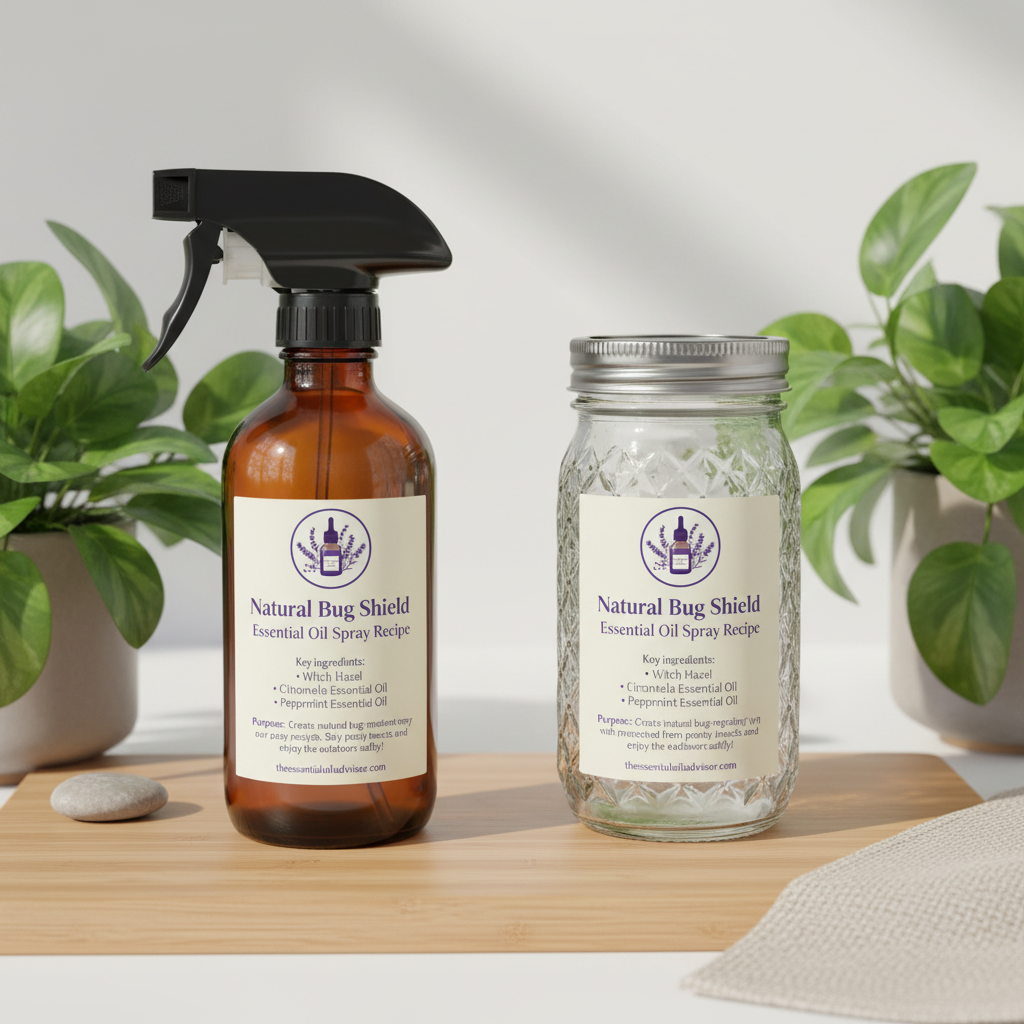
Natural Bug Shield Essential Oil Spray Recipe
Create a natural bug-repellent spray with our easy recipe. Stay protected from pesky insects and enjoy the outdoors safely!
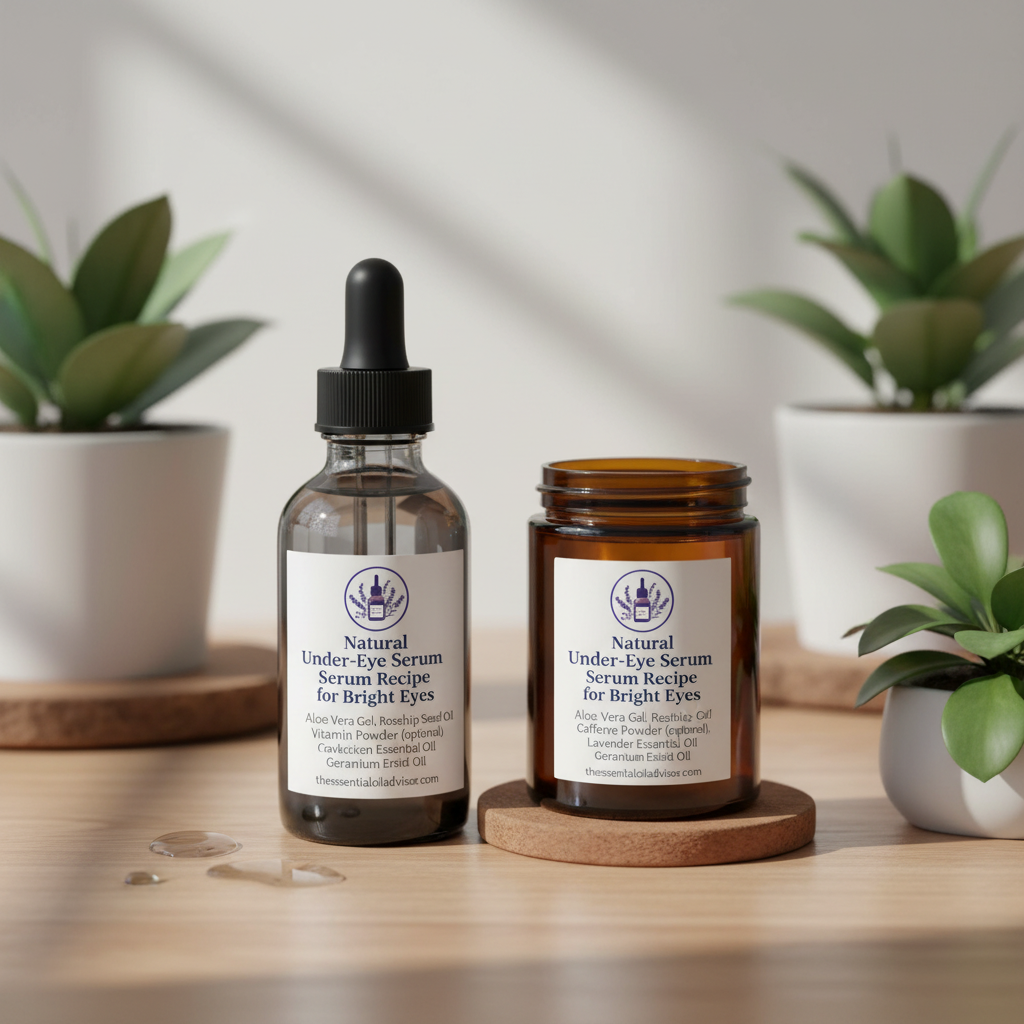
Natural Under-Eye Serum Recipe for Bright Eyes
Create a natural under-eye serum recipe to brighten eyes and reduce puffiness and fine lines in just 150-160 characters.
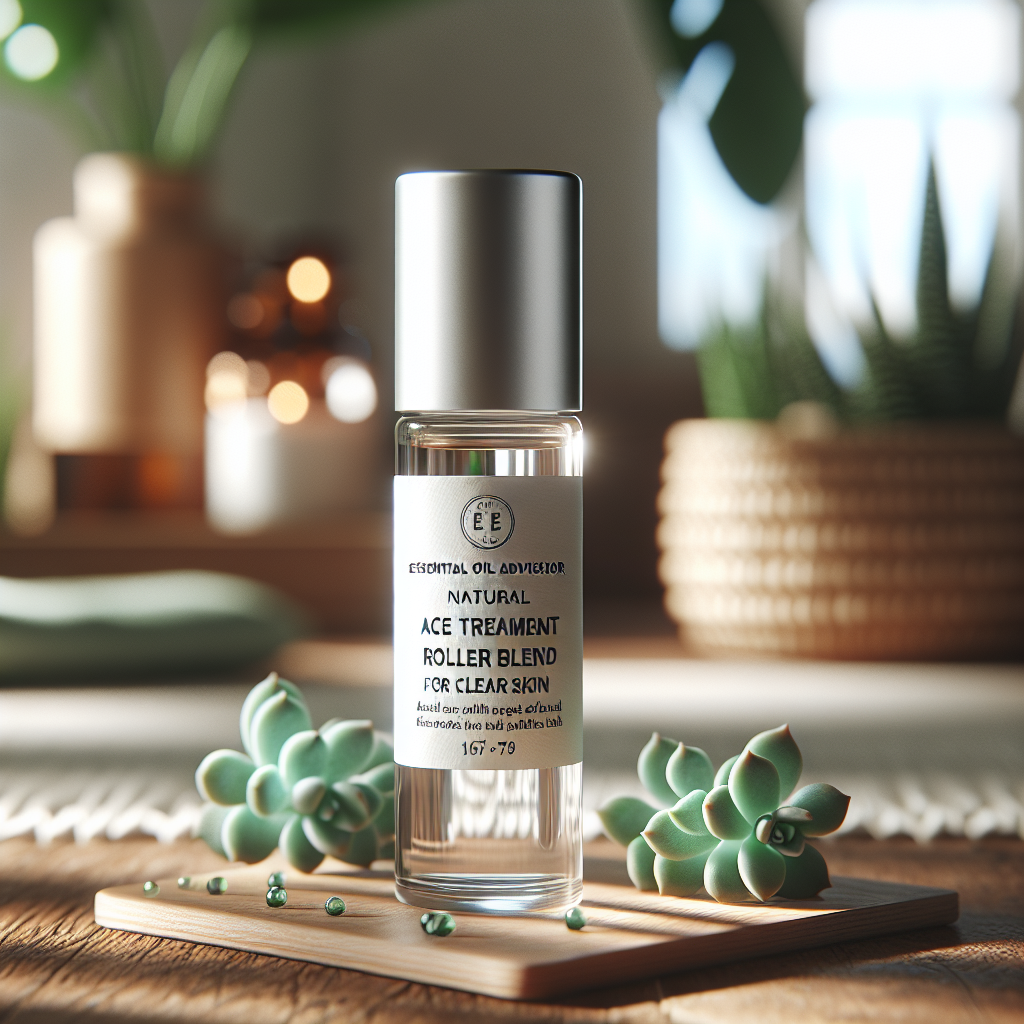
Natural Acne Treatment Roller Blend Recipe for Clear Skin
Discover how to make a natural acne treatment roller blend recipe that reduces blemishes and promotes clearer skin using essential oils and aloe vera.
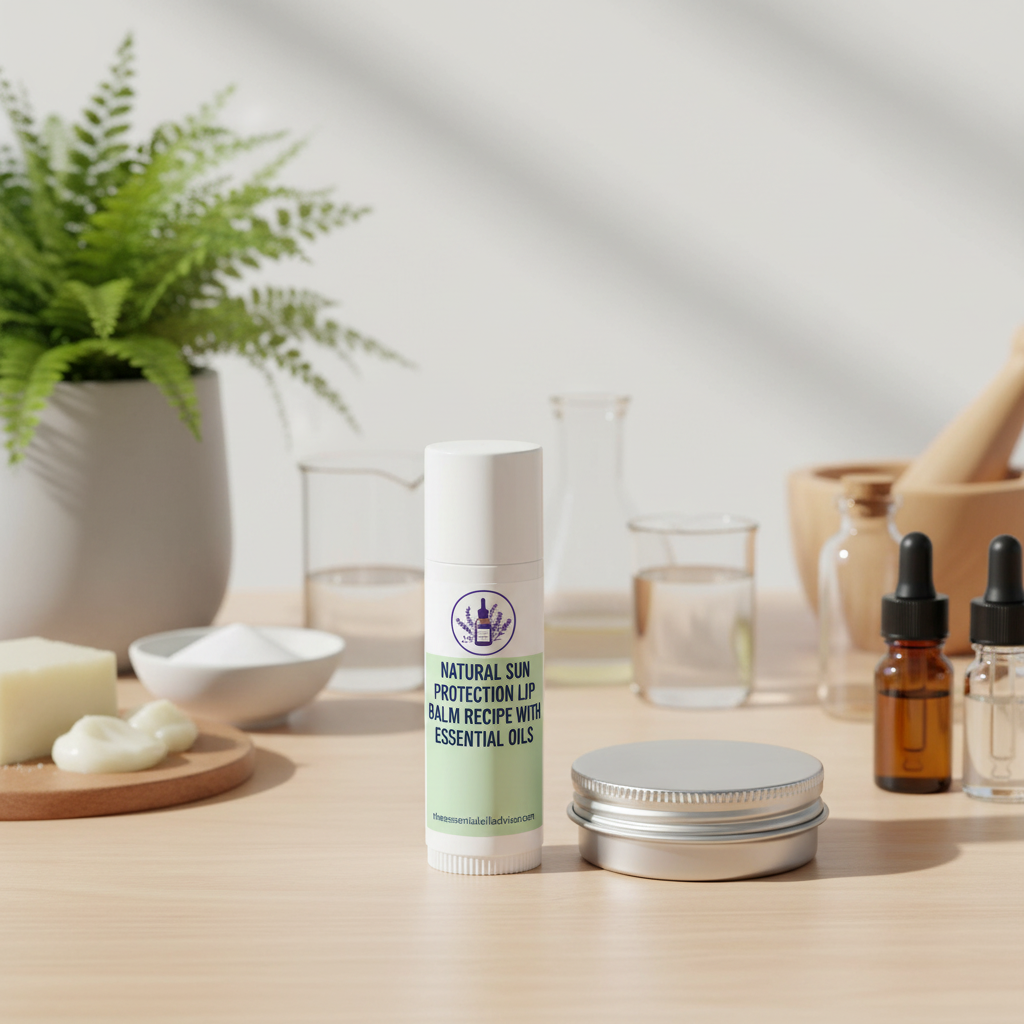
Natural Sun Protection Lip Balm Recipe with Essential Oils
Discover how to create a nourishing lip balm recipe that offers effective sun protection while moisturizing your lips using essential oils and natural ingredients.
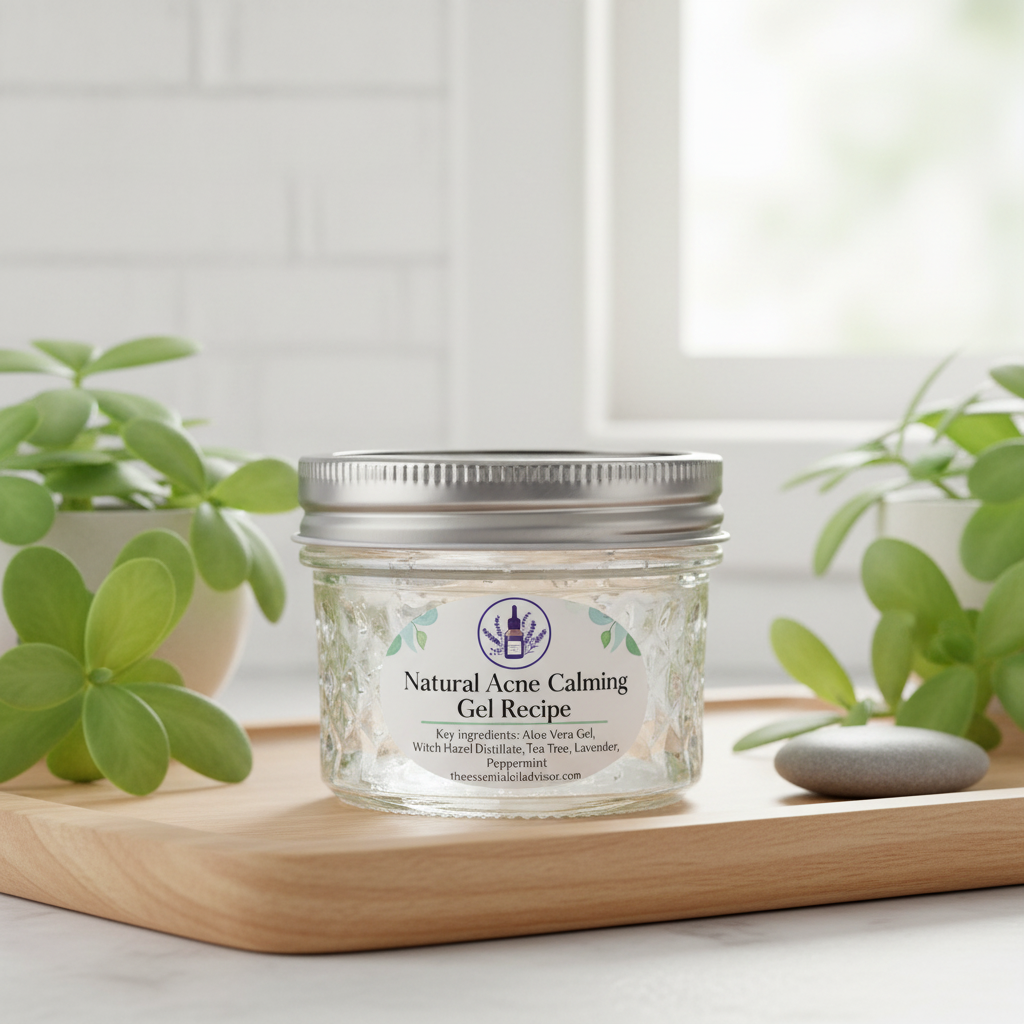
Natural Acne Calming Gel Recipe
Discover how to create a natural acne calming gel recipe with essential oils that soothes and promotes clear skin—easy to make and effective!
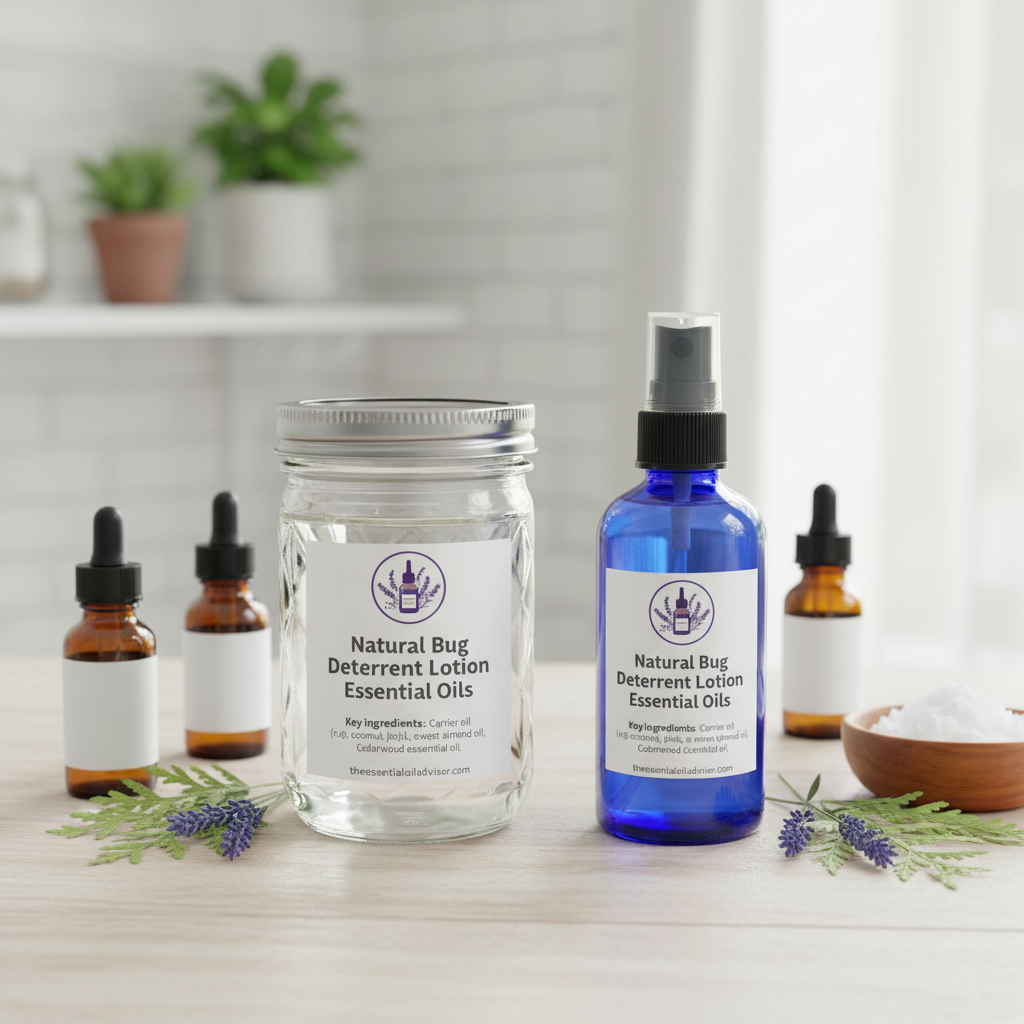
Natural Bug Deterrent Lotion Recipe Using Essential Oils
Learn how to make a natural bug deterrent lotion using essential oils. This easy recipe repels insects safely and effectively while nourishing your skin.