Search
Found 64 results for "sleep"
Essential Oils
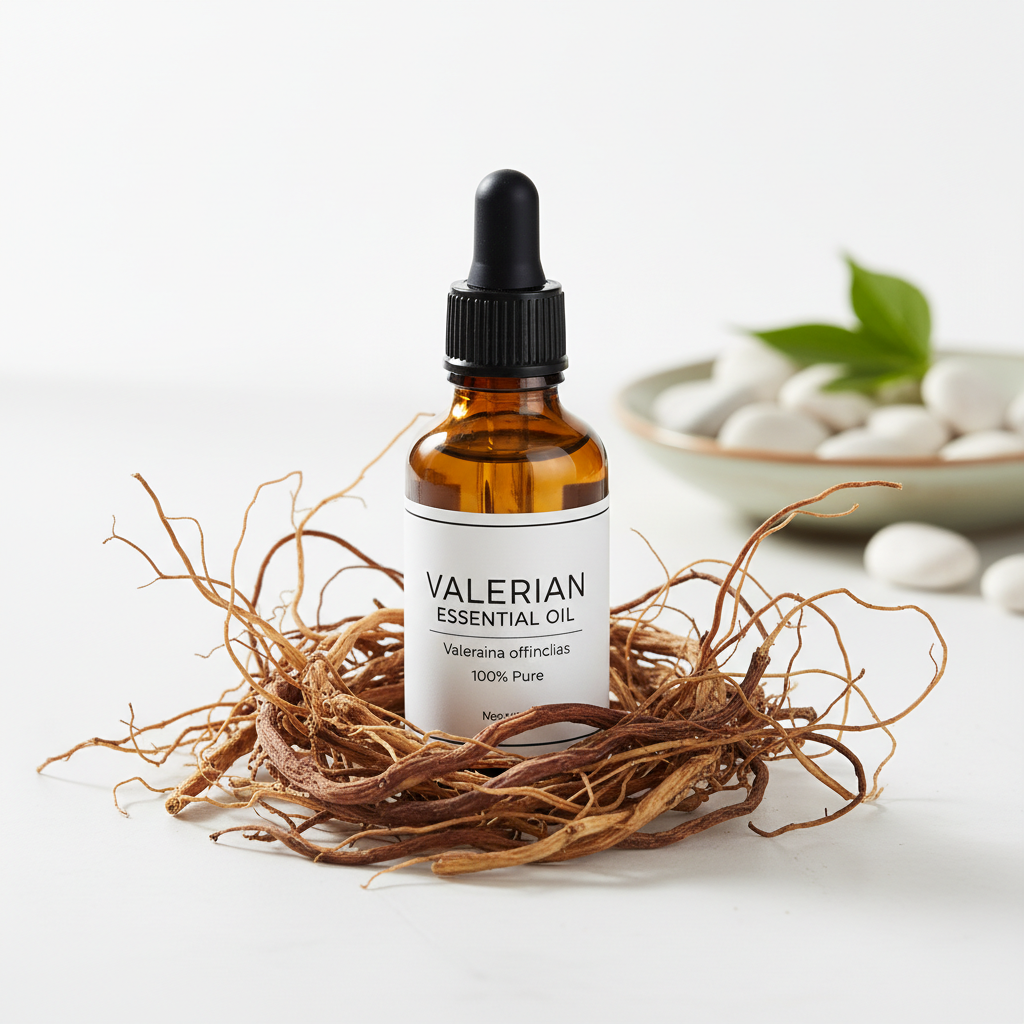
Valerian Essential Oil
Valeriana officinalis
### Valerian Essential Oil: Comprehensive Guide to Benefits and Uses **Introduction** Valerian essential oil, derived from the roots of the Valeriana officinalis plant, has been cherished for centuries for its calming and sedative effects. With a rich history rooted in ancient herbal remedies, this oil is known to promote relaxation, enhance mood, and support restful sleep. In this extensive guide, we will delve into the various aspects of Valerian essential oil, including its origin, therapeutic benefits, and cultural significance. #### Origin and Extraction Method Valerian essential oil is extracted through steam distillation from the dried roots of the Valeriana officinalis plant, which flourishes in Europe and Asia. The harvesting process is meticulous, with the roots typically dug up in the late summer or early autumn when their concentration of essential oil is highest. This extraction method ensures that the therapeutic properties and the earthy aroma of the oil are preserved. #### Botanical Information Valeriana officinalis, commonly known as valerian, is a flowering perennial plant belonging to the Valerianaceae family. It can grow up to 1.5 meters in height, characterized by its tall stems, feathery leaves, and small, pale pink or white flowers that bloom in clusters. The roots are where the essential oil is concentrated, containing notable compounds such as valerenic acid, which contributes to its tranquilizing effects. #### Therapeutic Properties and Benefits Valerian essential oil is predominantly recognized for its multitude of therapeutic properties. Here are some key benefits: - **Promotes Restful Sleep:** Valerian oil is widely used to support individuals struggling with insomnia or sleep disturbances, as it can enhance the quality of sleep and help users fall asleep more quickly. - **Reduces Anxiety and Stress:** The soothing aroma of valerian essential oil helps to alleviate feelings of anxiety, tension, and irritability, making it a popular choice for those in high-stress environments. - **Encourages Relaxation:** It serves as an effective aid for mindfulness practices and meditation, assisting users in quieting their minds and encouraging a state of calm. - **Eases Digestive Discomfort:** Valerian oil may alleviate stress-related digestive issues, including bloating and cramping, providing a holistic approach to wellness. - **Relieves Muscle Tension:** After physical activity, valerian oil can help relax tight muscles and ease discomfort. - **Calming the Nervous System:** The regular use of valerian essential oil can support the management of stress-related physical symptoms, promoting overall emotional well-being. #### Historical and Traditional Uses Valerian has a long history of therapeutic use dating back to ancient times. The ancient Greeks and Romans utilized valerian for its calming properties, while traditional Chinese medicine also recognized its potential benefits. Throughout history, valerian has been employed in herbal remedies, often in combination with other soothing herbs to amplify its calming effects. #### Scientific Facts and Research Numerous studies have investigated the effectiveness of valerian essential oil for sleep and anxiety. A notable study found that valerian can significantly improve sleep quality in people with insomnia. The active compounds in valerian are thought to be responsible for its sedative effects, as they interact with neurotransmitters in the brain to promote a state of relaxation and well-being. #### Aroma Profile and Characteristics The aroma of valerian essential oil is unique, often described as earthy, woody, and slightly sweet. Its deep, rich scent can be incredibly grounding, making it suitable for various aromatic applications in the home or therapeutic settings. The oil blends well with other essential oils, particularly lavender, chamomile, and bergamot, to enhance its calming effects. #### Common Applications and Methods Valerian essential oil can be utilized in several ways: - **Aromatherapy:** Diffusing valerian oil in a diffuser or adding a few drops to a warm bath can create a soothing atmosphere conducive to relaxation and sleep. - **Topical Application:** When diluted with a carrier oil, valerian oil can be massaged onto the skin to relieve muscle tension or applied to pulse points for calming effects. - **Inhalation:** Inhaling the aroma directly from the bottle or through steam inhalation can provide immediate anxiety relief. #### Interesting Facts and Trivia - Valerian was known as the “philosopher’s balm” in ancient times and was often associated with relaxation and contemplation. - The name 'valerian' is derived from the Latin word "valere," which means "to be strong or to be healthy". - In addition to its essential oil, valerian root is commonly available in herbal teas, tinctures, and capsules, offering a variety of options for those seeking its benefits. **Conclusion** Valerian essential oil stands out as a potent natural remedy for promoting relaxation and combative moments of stress and anxiety. Whether you are looking to enhance your sleep quality or create a calming atmosphere in your space, incorporating valerian essential oil into your wellness routine can be a beneficial choice.
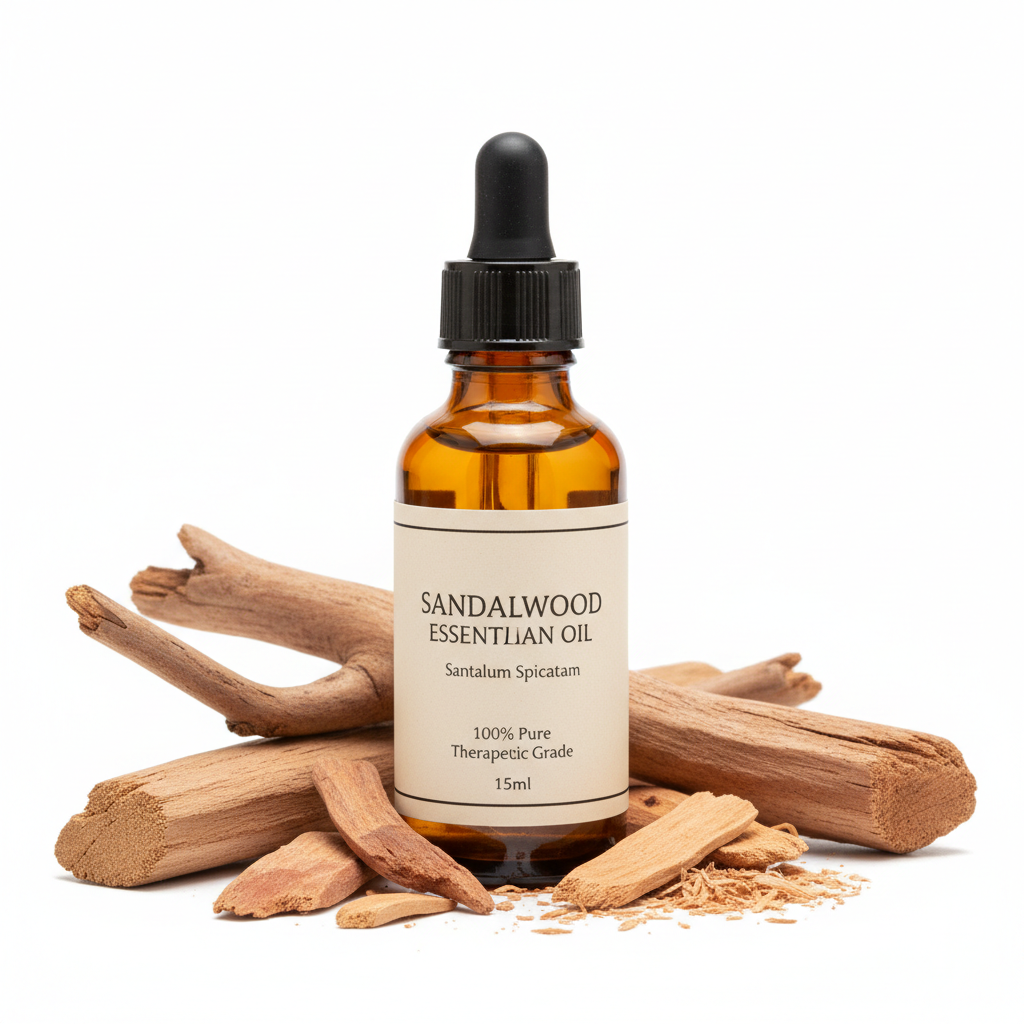
Sandalwood Australian Essential Oil
Santalum spicatum
**Australian Sandalwood Essential Oil: Uncovering Its Rich Heritage and Benefits** Australian Sandalwood Essential Oil is derived from the heartwood of the *Santalum spicatum* tree, an evergreen native to the southern regions of Australia. This exceptional wood has been harvested for centuries, valued for its deep, woody aroma and myriad therapeutic properties. The oil is produced through a careful steam distillation process, which ensures that its rich and distinctive scent is preserved along with its beneficial compounds. **Botanical Information** The *Santalum spicatum* tree can grow up to 10 meters in height and is characterized by its dense foliage and yellow flowers. Interestingly, sandalwood trees are hemiparasitic, feeding on their host plants' roots, which contributes to the complex aromatic profile of the oil. This species is considered endangered due to overharvesting, which has led to strict regulations surrounding its cultivation and trade. **Therapeutic Properties** Australian Sandalwood Essential Oil is renowned for its calming effects on the mind and body. It is known to promote emotional stability, offering a sense of grounding and tranquility during stressful times. Studies have shown that sandalwood oil may significantly reduce anxiety and enhance mood, making it an excellent choice for aromatherapy practices focusing on emotional well-being. In addition to its psychological benefits, this oil supports respiratory health. When inhaled during meditation or deep-breathing exercises, it can ease feelings of tightness in the chest and promote clearer breathing. Furthermore, sandalwood oil is believed to have anti-inflammatory properties that may assist in calming muscle tension, rendering it an excellent choice for topical applications in massages. **Historical Significance** The use of sandalwood dates back thousands of years, often employed in traditional medicine, rituals, and perfumery across various cultures. Ancient Egyptians utilized sandalwood in their embalming practices, while in India, it has been integral to Ayurvedic treatments. Emperors and royalty have long considered sandalwood a symbol of wealth, further enhancing its desirability. **Scientific Research** Numerous studies reveal that sandalwood oil possesses a variety of chemical constituents that contribute to its effectiveness. Key compounds such as alpha-santalol and beta-santalol have been identified as major components that exhibit anti-inflammatory and antimicrobial properties. These findings support the traditional uses of sandalwood oil for skin health, showing potential in reducing the appearance of scars, blemishes, and signs of aging. **Aroma Profile** Australian Sandalwood Essential Oil is characterized by its rich, creamy, woody scent, which has a subtle sweetness. The aroma is grounding and calming, making it a favorite choice for meditation and spiritual practices. The lasting scent of sandalwood has made it a popular base note in perfumery, often blended with floral and spicy notes to create balanced fragrance profiles. **Common Applications** This essential oil can be used in numerous ways. In aromatherapy, a few drops can be added to a diffuser to create a peaceful environment. It can also be applied topically in diluted forms, as it promotes healthy skin hydration and suppleness, contributing to an overall radiant complexion. Try adding a few drops to your bath or carrier oil for a soothing massage experience, or incorporate it into skincare formulations for enhanced skin health. **Interesting Facts** Did you know that sandalwood can help in promoting better sleep? Many users report improved sleep quality due to its calming effects. Additionally, the oil's association with spirituality can enhance your meditation sessions, as it helps maintain focus and encourages a deeper state of relaxation. Overall, Australian Sandalwood Essential Oil offers a wealth of benefits, enhancing not only physical well-being but also fostering emotional balance and mental peace. With its rich history and extensive therapeutic uses, this oil is certainly a valuable addition to any essential oil collection.
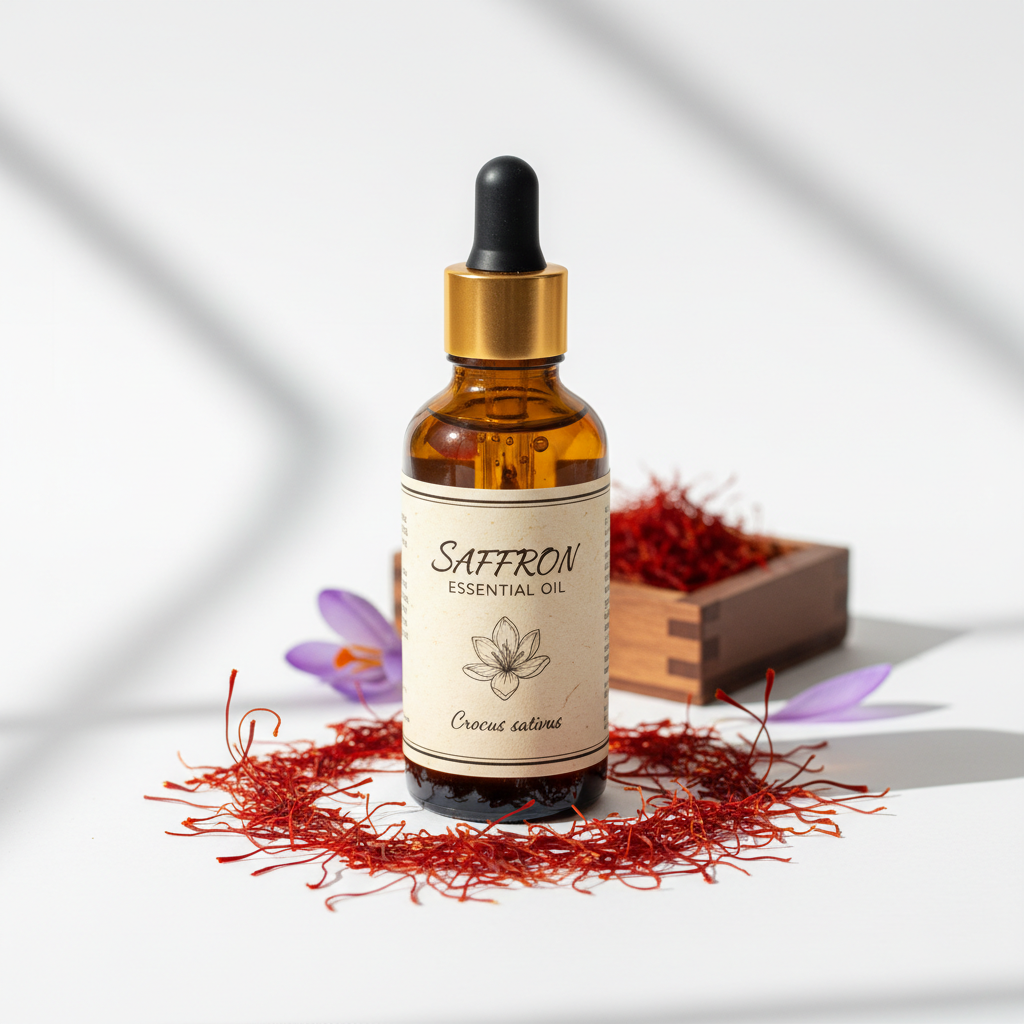
Saffron Essential Oil
Crocus sativus
### Saffron Essential Oil: Benefits, Origins, and Uses Explained Saffron Essential Oil is a luxurious and aromatic oil extracted from the stigmas of the **Crocus sativus** flower, commonly known as saffron. This essential oil is not only sought after for its unique fragrance but also for its multitude of therapeutic properties and rich historical roots. #### Origin and Extraction Method Saffron has been cultivated for over 3,000 years, predominantly in regions such as Iran, Greece, India, and Morocco. The essential oil is obtained through a meticulous process of steam distillation of the flower's stigmas, the red threads that contain its essential oils. The extraction method is labor-intensive, as it takes approximately 150,000 flowers to yield just one kilogram of saffron oil, making it one of the most expensive oils on the market. #### Botanical Information The **botanical name** of saffron is *Crocus sativus*, a member of the Iridaceae family. The flowers bloom in the autumn, showcasing vibrant purple petals, which house the bright red stigmas. Saffron is predominantly known for its culinary uses but has transcended into the world of essential oils and aromatherapy due to its myriad benefits. #### Therapeutic Properties and Benefits Saffron Essential Oil is renowned for its **therapeutic benefits**, making it a popular choice in holistic healing practices. These include: - **Mood Enhancement:** The oil is believed to elevate mood and promote happiness, aiding in emotional stability. It has been used to combat feelings of anxiety and stress, encouraging relaxation and inner peace. - **Mental Clarity:** Saffron oil can enhance cognitive function, aiding focus and clarity, making it beneficial for those tackling mental fatigue or seeking mental agility. - **Sleep Aid:** Known for its calming properties, saffron essential oil is excellent for promoting restful sleep and soothing a restless mind. - **Digestive Health:** It supports digestion and can help alleviate gastrointestinal discomfort, making it useful in digestive wellness routines. - **Hormonal Support:** Saffron oil may assist in relieving menstrual pain and balancing hormonal fluctuations, offering support during challenging periods of the menstrual cycle. - **Skin Health:** Its antioxidant properties help promote healthier skin by enhancing the complexion and reducing signs of aging. #### Historical and Traditional Uses Historically, saffron has held a prestigious place in various cultures. Ancient Egyptians used it for perfumes and as an herbal remedy, while in traditional Chinese medicine, it was valued for its warming properties and used to treat various ailments. In medieval Europe, saffron was often used in cooking to enhance flavor and color, and its therapeutic uses were documented in various herbal texts. #### Scientific Facts and Research Numerous studies have highlighted the bioactive compounds in saffron that contribute to its health benefits. Compounds such as crocin, picrocrocin, and safranal are responsible for its vibrant color, flavor, and aroma, as well as its antioxidant and anti-inflammatory properties. Research has suggested that saffron may have potential in treating depression and improving overall mood, significantly impacting emotional well-being. #### Aroma Profile and Characteristics Saffron Essential Oil possesses a unique and complex **aroma profile** characterized by warm, earthy, and slightly sweet notes. Its distinct scent is often described as floral and woody, providing a sense of calm and grounding when used in aromatherapy. #### Common Applications and Methods Saffron Essential Oil can be utilized in various ways: - **Diffusion:** Add a few drops to a diffuser to fill your space with its aromatic properties, promoting relaxation and emotional balance. - **Topical Application:** Dilute saffron essential oil with a carrier oil and apply it to pulse points for stress relief or to the abdomen for digestive support. - **Bath:** Adding a few drops during a warm bath can enhance relaxation and provide a soothing aromatherapy experience. - **Cosmetics:** Integrating saffron oil into skincare products or treatments can enhance skin health and promote an even skin tone. #### Interesting Facts and Trivia - Saffron is not only the most expensive spice in the world, but its price is also influenced by the delicate harvesting process. - Traditionally, saffron has been associated with various cultures as a symbol of luxury, wealth, and fertility. In conclusion, Saffron Essential Oil is a multifaceted oil with a history as rich as its aroma. Whether used for its therapeutic properties or simply to enjoy its divine scent, saffron essential oil continues to captivate and heal through its traditional and modern applications.
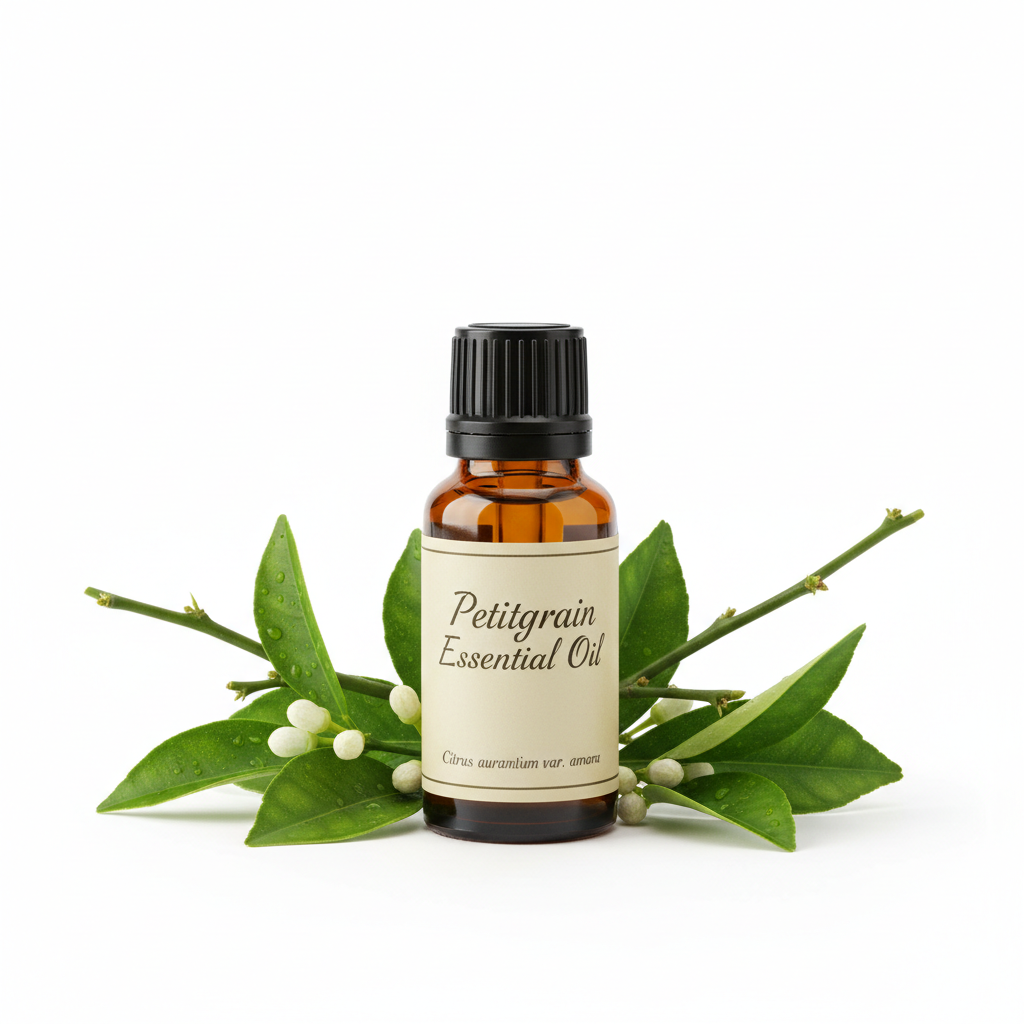
Petitgrain Essential Oil
Citrus aurantium var. amara
Petitgrain essential oil is a unique and versatile oil derived from the leaves and twigs of the bitter orange tree, scientifically known as Citrus aurantium var. amara. This oil, often overlooked in the many applications of essential oils, has a host of benefits and uses that make it a valuable addition to any aromatherapy toolkit. Here, we delve into the various aspects of Petitgrain essential oil, including its origin, extraction process, therapeutic properties, historical uses, scientific research, aroma profile, and common applications. **Origin and Extraction Method** Petitgrain essential oil is predominantly extracted through the process of steam distillation. This method allows the oil to retain the fresh, green scent characteristic of its citrus origins, as it captures the aromatic compounds from the leaves and twigs of the bitter orange tree. The tree is native to Asia but has been widely cultivated in various regions, especially in France, where the oil is primarily produced. The name "Petitgrain" translates to "little grains," which originally referred to the small unripe oranges processed to extract essential oil; however, the name now primarily pertains to the oil sourced from the leaves and twigs. **Botanical Information** The bitter orange tree grows up to 10 meters tall and features glossy green leaves and white fragrant flowers. It belongs to the Rutaceae family and is cherished not only for its essential oil but also for its fruit, which is used in making marmalade and flavoring for liqueurs. The extraction of Petitgrain oil helps in utilizing parts of the tree that might otherwise go unharvested, promoting sustainability. **Therapeutic Properties and Benefits** Petitgrain essential oil possesses numerous therapeutic properties. Known for its calming effects, it is traditionally used to alleviate feelings of stress and anxiety. The oil's sedative characteristics can help promote better sleep quality, making it an excellent choice for those struggling with insomnia. Additionally, Petitgrain can enhance mood by fostering a positive emotional state and reducing irritability, contributing to emotional resilience in the face of life's challenges. The oil's benefits extend beyond mental well-being; it may also assist with physical issues. For example, it has been noted to help with muscle tension and spasms, providing relief and promoting physical relaxation. Its calming effect has been used to ease headaches related to stress and tension. Furthermore, Petitgrain may support digestive ease, particularly for individuals experiencing bloating and cramping. **Historical and Traditional Uses** Historically, Petitgrain essential oil has been cherished in perfumery due to its fresh, invigorating scent. It was commonly used in traditional medicine practices across various cultures to treat anxiety and improve emotional well-being. Even today, many find it beneficial as part of a holistic approach to wellness, utilizing its properties in massage therapy and other relaxation techniques. **Scientific Facts and Research** Research into the effects of Petitgrain essential oil has highlighted its potential in promoting relaxation and reducing anxiety. Studies indicate that its application can lower heart rate and reduce stress markers, suggesting physiological benefits in addition to its psychological effects. While more research is needed to fully understand the scope of its benefits, initial findings support its use in aromatherapy. **Aroma Profile and Characteristics** The aroma of Petitgrain essential oil is often described as fresh, crisp, and slightly floral, with hints of woodiness and green notes. This unique fragrance profile lends itself well to a variety of applications. It can be used in diffusers for aromatherapy, added to bath oils for a relaxing soak, or blended into carrier oils for topical use. **Common Applications and Methods** 1. **Aromatherapy:** Add a few drops to a diffuser to promote relaxation and improve mood. 2. **Massage Oils:** Mix with carrier oils for a soothing massage experience. 3. **Bath Products:** Incorporate into bath salts for a calming soak. 4. **Skin Care:** Dilute for topical application, where its skin-healing properties can be beneficial. **Interesting Facts and Trivia** Many enthusiasts of essential oils do not realize that Petitgrain oil is often a primary ingredient in high-end perfumes due to its exquisite fragrance. Additionally, it can serve as a natural insect repellent, making it useful in outdoor settings. Its sustainability aspect is also noteworthy, as using the leaves and twigs of the bitter orange tree contributes to the overall utilization of the plant. In conclusion, Petitgrain essential oil is a remarkable oil packed with numerous benefits for both mental and physical well-being. Its calming properties, rich historical background, and versatility in application make it an essential item for anyone interested in harnessing the power of natural remedies.
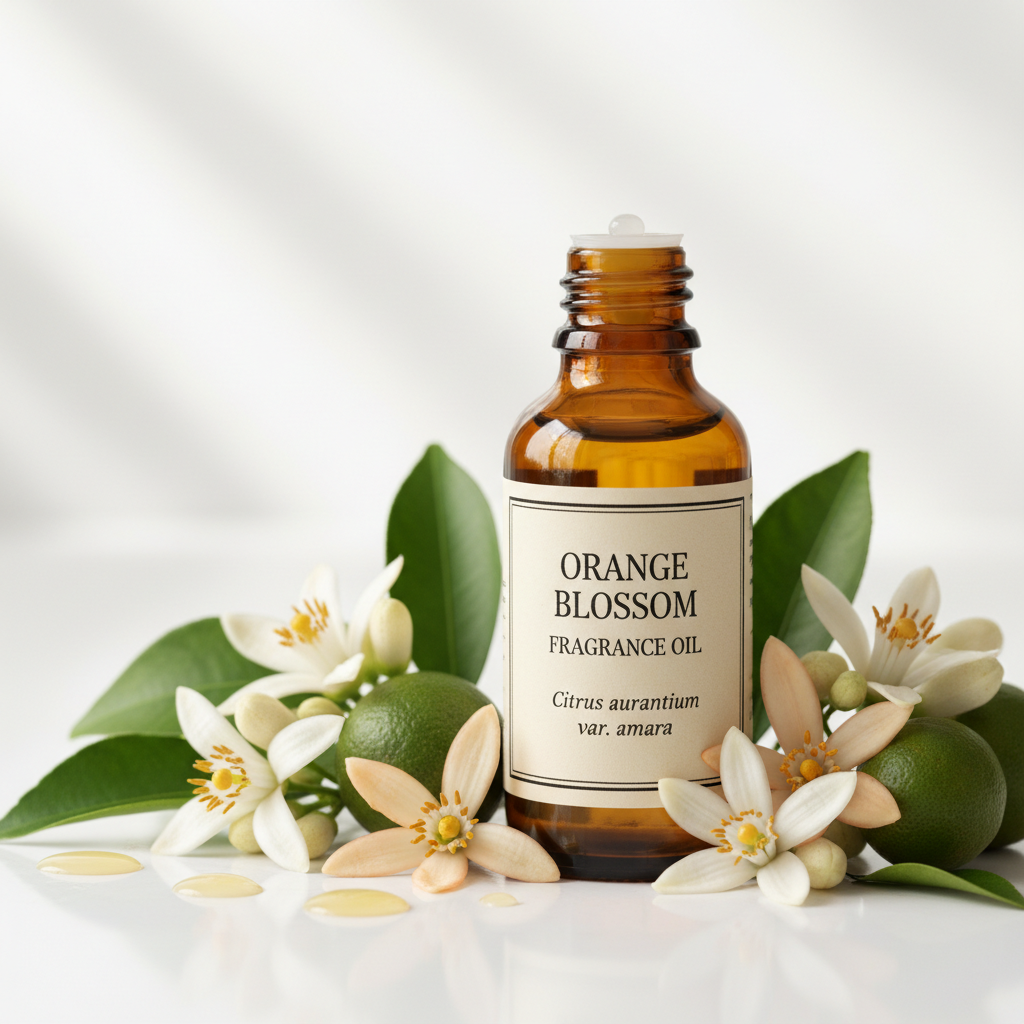
Orange Blossom Fragrance Oil
Citrus aurantium var. amara
### Orange Blossom Essential Oil: Origins and Extraction Orange Blossom Essential Oil, derived from the delicate blossoms of the bitter orange tree (Citrus aurantium var. amara), is revered for its captivating sweet and floral aroma. This oil is primarily extracted through steam distillation, a method that effectively preserves the essential compounds of the flowers. The process involves passing steam through the plant material, capturing the volatile oils, and then condensing them into liquid form. This extraction technique not only maintains the integrity of the fragrant elements but also ensures the oil retains its therapeutic properties. ### Botanical Information Citrus aurantium var. amara, commonly known as the orange blossom or bitter orange, is a medium-sized tree that thrives in subtropical climates. The tree produces small, white, fragrant flowers, which are the source of the essential oil. The scent is often described as uplifting, balancing, and calming, making it a favored choice in the world of aromatherapy. ### Therapeutic Properties and Benefits Orange Blossom Essential Oil is celebrated for its wide range of therapeutic benefits. It is known to: - **Promote Relaxation**: The calming properties of orange blossom oil make it beneficial in reducing stress and anxiety levels, creating a soothing atmosphere during meditative practices. - **Enhance Mood**: Inhaling the fragrance can elevate mood, alleviate feelings of sadness, and foster a sense of emotional well-being. - **Support Mental Clarity**: This oil can help clear mental fatigue, allowing for increased focus and clarity during tasks. - **Aid Sleep**: Its tranquil characteristics promote restful sleep, making it a common ingredient in nighttime rituals. - **Benefit Skin Health**: Orange blossom oil is often used in skincare regimens to soothe irritations and hydrate the skin. ### Historical and Traditional Uses Historically, orange blossom oil has held significant cultural and symbolic meaning. In ancient Mediterranean cultures, orange blossoms were associated with purity and chastity, often used in wedding ceremonies and rituals. They symbolize love and intimacy, making the oil a popular choice for romantic settings. The sweet floral aroma has been used for centuries in perfumes, adding depth and complexity to fragrance compositions. ### Scientific Facts and Research Research on the properties of orange blossom has shown potential health benefits. Studies indicate that the essential oil may possess anti-inflammatory and analgesic properties, contributing to its effectiveness in alleviating tension headaches when inhaled or applied topically. Additionally, its calming effects on the nervous system have sparked interest in studies exploring its usage in managing anxiety and stress-related disorders. ### Aroma Profile and Characteristics The aroma of orange blossom essential oil is vibrant, sweet, and slightly exotic, characterized by its floral and fruity notes. This unique scent profile makes it a versatile ingredient in various applications, from perfumes to scented candles. ### Common Applications and Methods Orange blossom essential oil can be utilized in numerous ways: - **Aromatherapy**: Diffusing the oil in an essential oil diffuser to create a calming environment. - **Massage**: Diluting with a carrier oil and applying it to the skin during a massage to soothe and relax the body. - **Skincare**: Incorporating the oil into lotions or creams to benefit from its moisturizing and soothing properties. - **Bath**: Adding a few drops to a bath can create a luxurious and soothing experience. ### Interesting Facts and Trivia - Orange blossoms are the national floral emblem of China, signifying good fortune and prosperity. - In some cultures, the bitter orange tree is referred to as the "tree of the heavens" due to its beauty and fragrant flowers. - The essential oil is commonly used in Mediterranean countries for its aphrodisiac qualities, often featured in love potions and romantic blends. ### Conclusion In conclusion, Orange Blossom Essential Oil is more than just a fragrant addition to your essential oil collection; it embodies a rich history and a myriad of therapeutic benefits. From its aromatic allure to its soothing properties, this essential oil is a valuable resource for anyone looking to enhance their emotional and physical well-being.
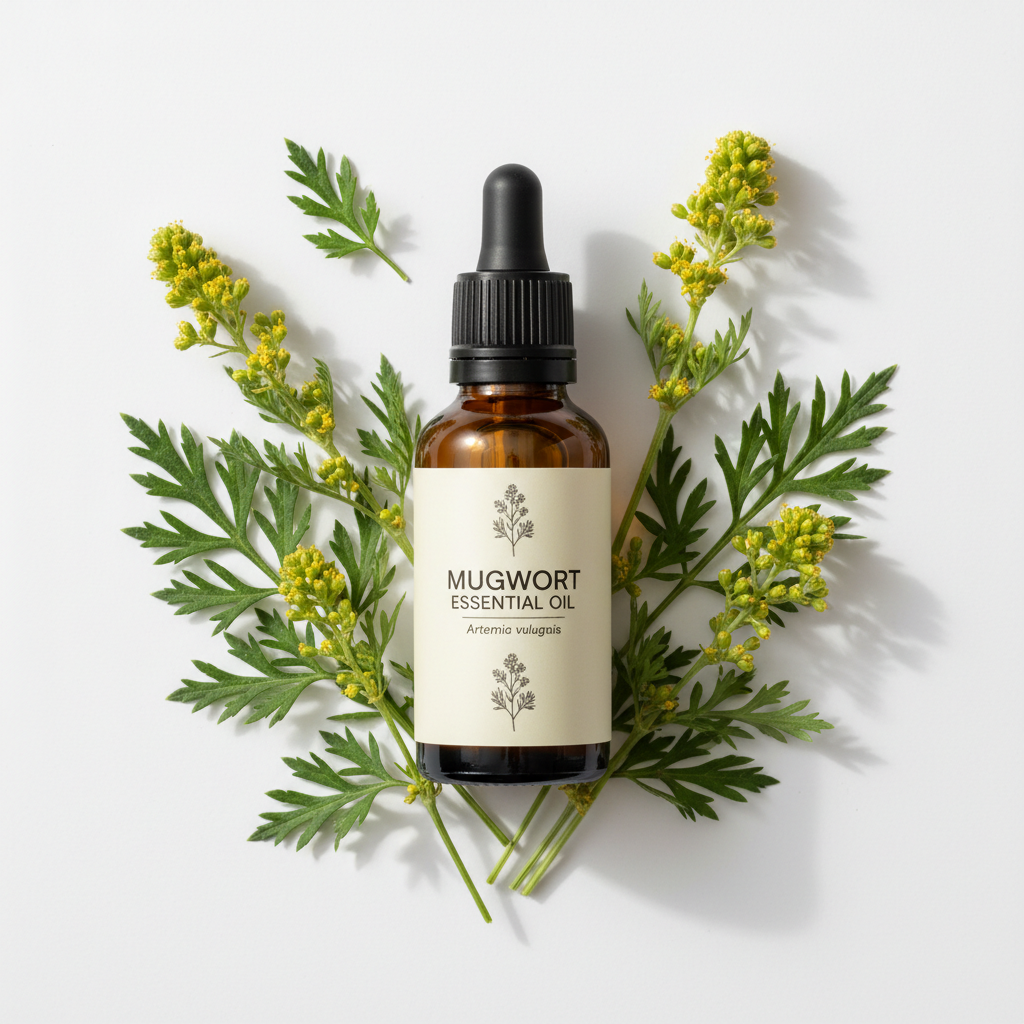
Mugwort Essential Oil
Artemisia vulgaris
## Mugwort Essential Oil: Properties, Uses, and Benefits Mugwort essential oil, derived from the leaves and flowering tops of the **Artemisia vulgaris** plant, is steeped in history, with roots in both culinary and medicinal traditions. Known for its calming and soothing properties, this essential oil has been utilized for centuries across various cultures, celebrated not just for its health benefits but also for its enchanting aroma and intriguing qualities. ### Origin and Extraction Method Mugwort essential oil is primarily extracted through **steam distillation**. The leaves and flowering tops of the plant are harvested at peak oil concentration, usually just before flowering. Artemisia vulgaris is native to Europe, Asia, and North Africa, and it grows abundantly in various climates. This aromatic plant has long been associated with divination, protection, and even culinary uses in European dishes. ### Botanical Information Mugwort is a perennial herb that showcases feathery, dark green leaves and small, clustered flowers that bloom in late summer. Its botanical family is Asteraceae, which includes many well-known herbs. Known by various names globally, including **wormwood** and **common mugwort**, this plant carries a rich tradition in herbal medicine and folklore. ### Therapeutic Properties and Benefits Mugwort essential oil is renowned for its therapeutic qualities: - **Enhances Dream Recall**: Many enthusiasts use Mugwort oil in dreamwork, claiming it aids in vivid dreams and supports lucid dreaming. - **Reduces Stress**: Known for its calming effects, the oil may promote relaxation and alleviate stress and tension. - **Supports Emotional Balance**: This oil can assist in achieving emotional clarity and stability, making it a favorite among individuals seeking mental well-being. - **Encourages Creativity**: Users often report that Mugwort opens the mind to new ideas and inspirations, beneficial for artists and creatives. - **Fosters a Sense of Grounding**: It is believed to help individuals feel centered and connected, enhancing mindfulness practices. - **Headache Relief**: Inhalation of Mugwort oil may alleviate headaches and migraines. - **Respiratory Support**: The oil can promote easier breathing, benefiting those with respiratory issues. - **Gynecological Health**: It's also noted for relieving menstrual discomfort and issues related to women's reproductive health. - **Nausea Relief**: Inhalation can help reduce feelings of nausea. - **Improves Circulation**: Enhancing blood circulation can lead to elevated energy levels, vital for overall health. ### Historical and Traditional Uses Traditionally, Mugwort has been used in various cultures, from ancient Rome where it was considered a sacred herb, to its role in Chinese medicine for its potent healing properties. Throughout the Middle Ages, it was often used as a protective charm and was believed to ward off evil spirits. In culinary traditions, it has been used to flavor beers and dishes, showcasing its versatility. ### Aroma Profile and Characteristics Mugwort essential oil possesses a unique **aroma profile** that is often described as warm, herbaceous, and slightly sweet, with earthy undertones. The complexity of its scent makes it a cherished addition to aromatherapy practices, often blended with other oils to enhance the experience. Users enjoy its grounding qualities, which contribute to a calming atmosphere during meditation or relaxation sessions. ### Common Applications and Methods Mugwort essential oil can be utilized in various ways: - **Diffusion**: Add a few drops to an essential oil diffuser to create a calming environment. This can be particularly effective before sleep. - **Topical Application**: Diluted with a carrier oil, it can be applied to the skin to alleviate localized discomfort. - **Baths**: A drop or two in your bathwater can provide relaxation and enhance the bathing experience. - **Inhalation**: Inhale directly or use a steam inhalation to enjoy its therapeutic benefits. ### Interesting Facts and Trivia - Historically, Mugwort was called "dream herb" due to its association with dreams. Some cultures even used it during rituals to enhance prophetic dreams. - Its name, "mugwort," derives from the Old English "mucgwyrt," which means "mugwort," emphasizing its culinary uses. - Archaeological studies indicate that Mugwort may have been used in ancient brewing processes, hinting at its lengthy history in herbal applications. In conclusion, Mugwort essential oil is an excellent addition to any essential oil collection, offering multiple therapeutic benefits and a fascinating history. Whether you're seeking relaxation, emotional balance, or creative inspiration, this oil is a powerful ally in promoting overall wellness.
Benefits
Recipes
Sleepytime Essential Oil Recipe for Ultimate Relaxation
Experience tranquility with our Sleepytime essential oil recipe. Learn calming blends that enhance restful sleep and relaxation in your space.
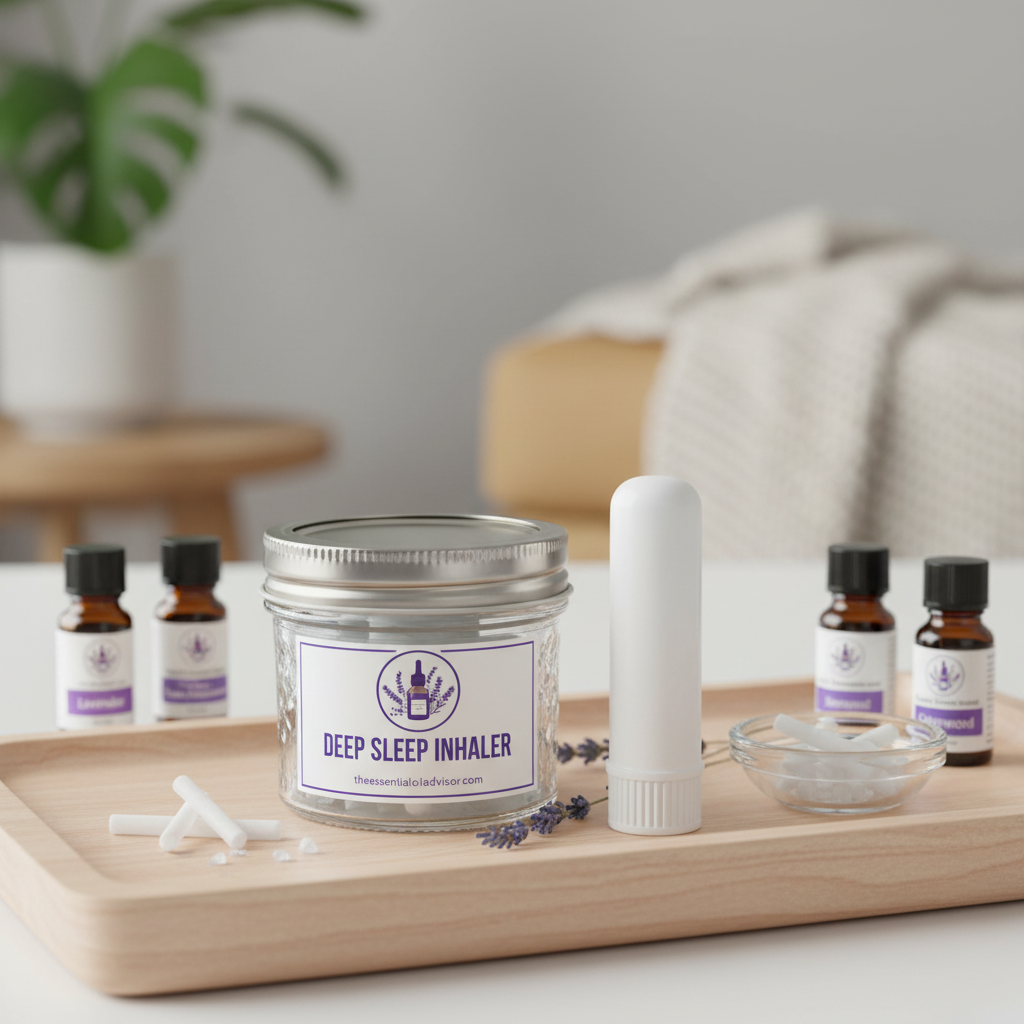
Deep Sleep Inhaler Recipe for Restful Sleep and Relaxation
Discover our easy-to-follow Deep Sleep Inhaler recipe designed to promote relaxation and a restful night's sleep. Perfect for calming your mind and body!
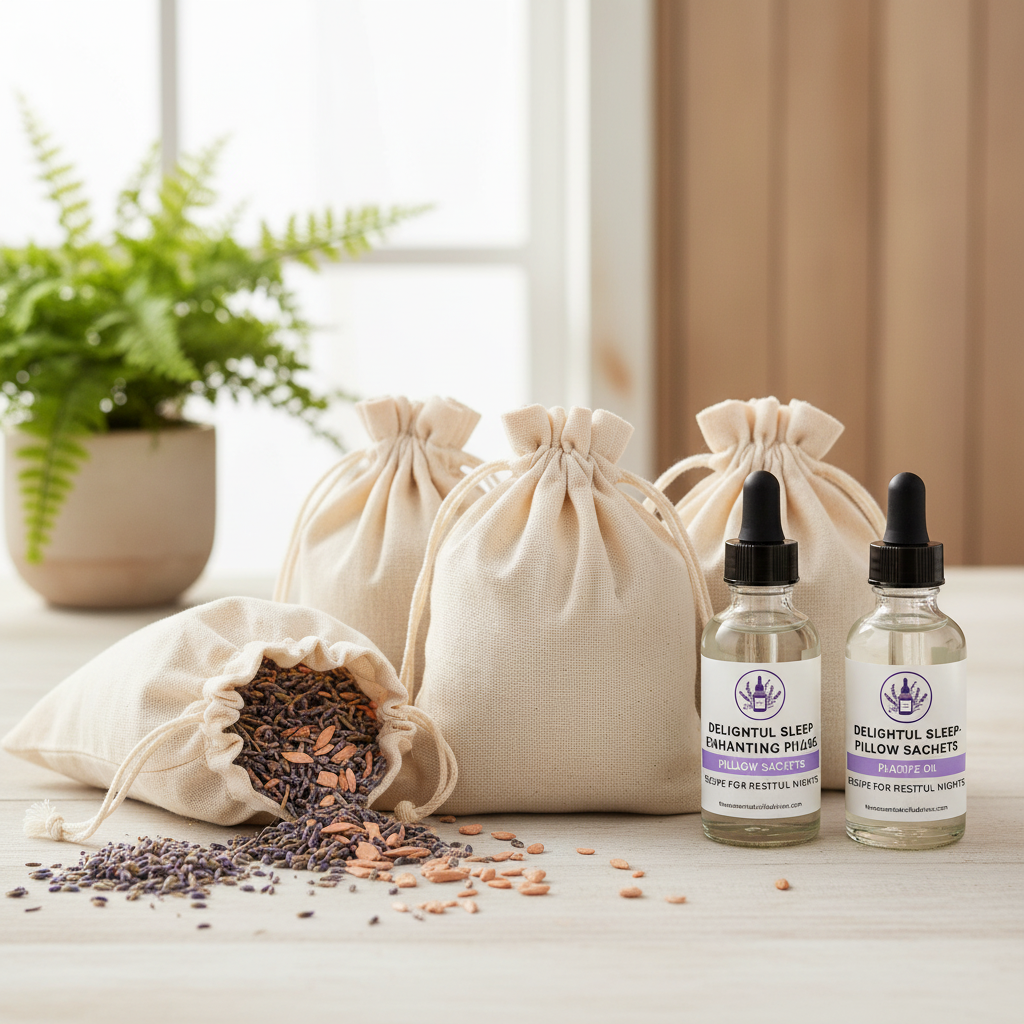
Delightful Sleep-Enhancing Pillow Sachets Recipe for Restful Nights
Discover how to create a calming sleep environment with this easy recipe for pillow sachets infused with soothing essential oils to improve your sleep quality.
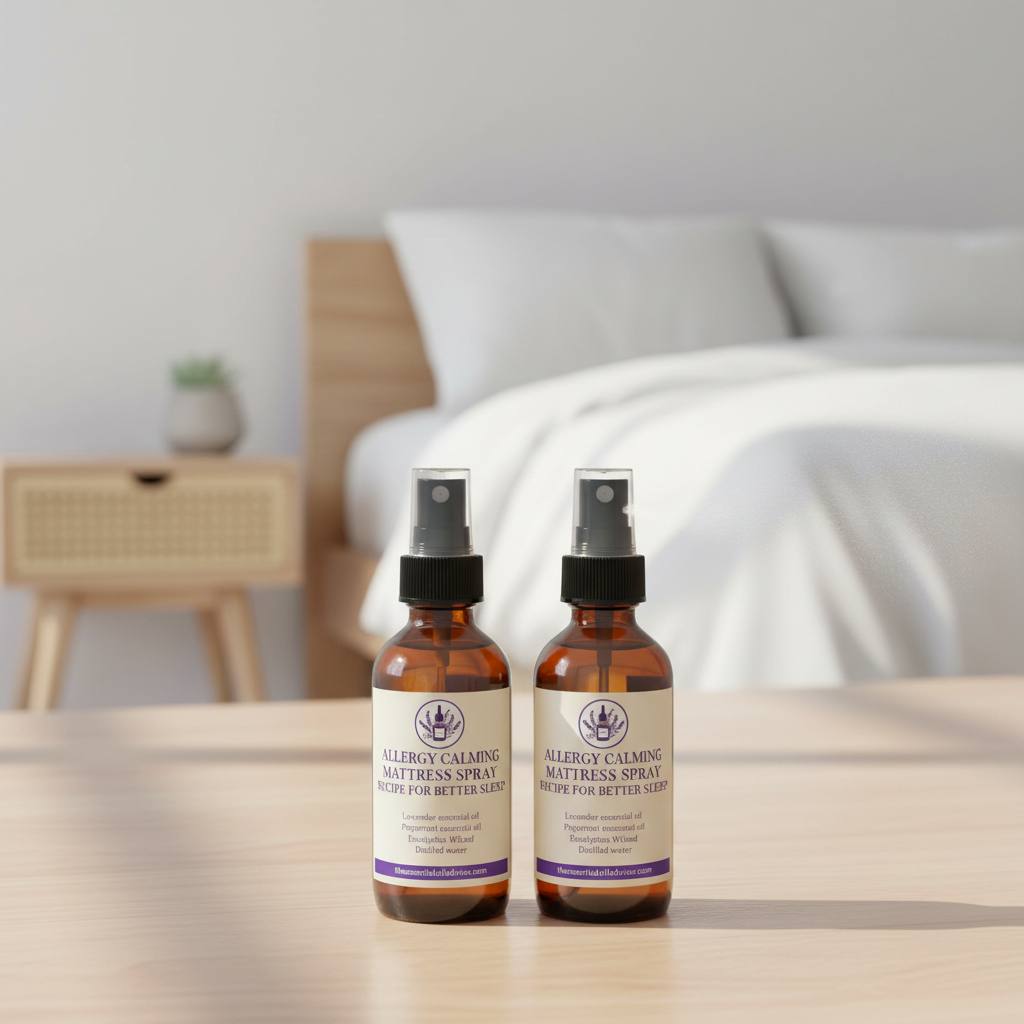
Allergy Calming Mattress Spray Recipe for Better Sleep
Discover the calming recipe for a mattress spray that relieves allergy symptoms and promotes a restful night's sleep in your home.
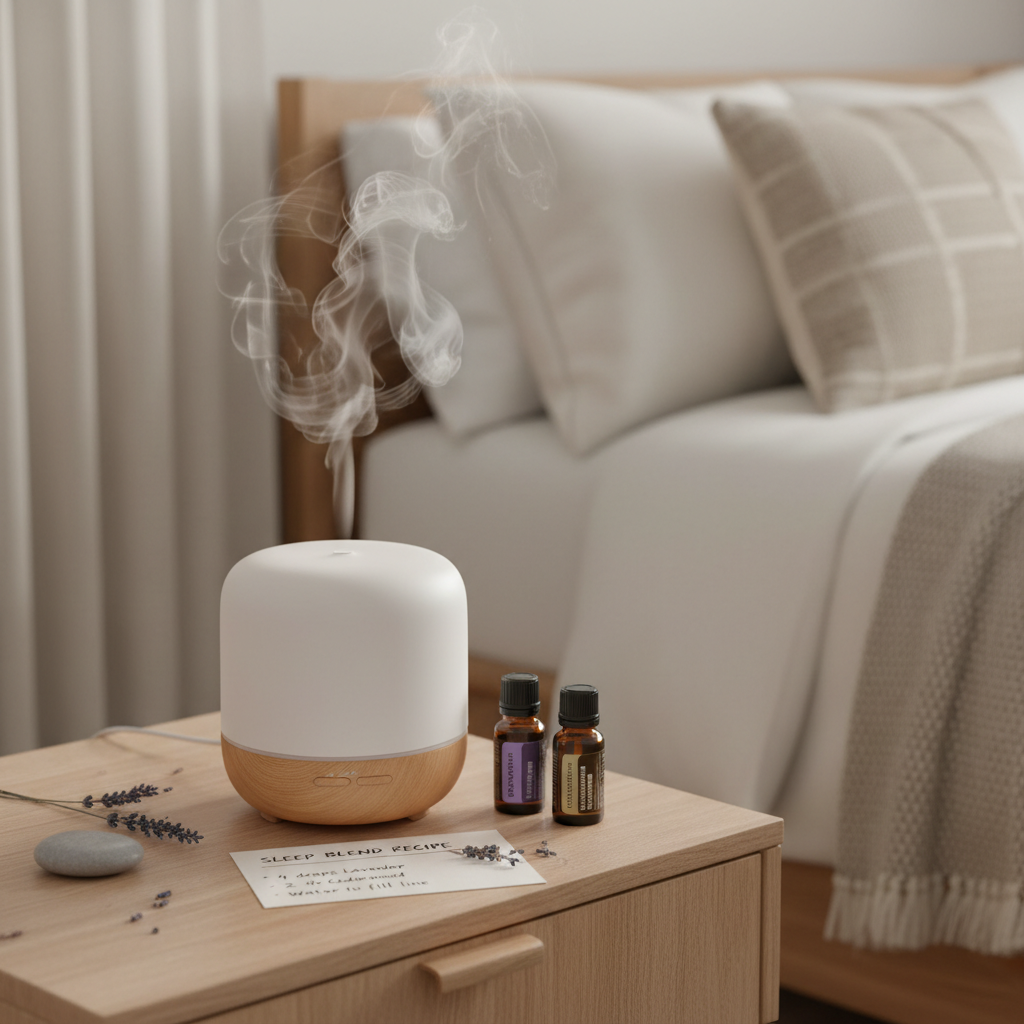
Relaxing Lavender Bergamot Essential Oil Recipe for Sleep
Discover a soothing Lavender Bergamot essential oil recipe to promote relaxation and restorative sleep after stressful days.

Calming Lavender Linen Spray Recipe
A gentle, relaxing linen and room spray that promotes restful sleep and calm using lavender, chamomile, and cedarwood essential oils.