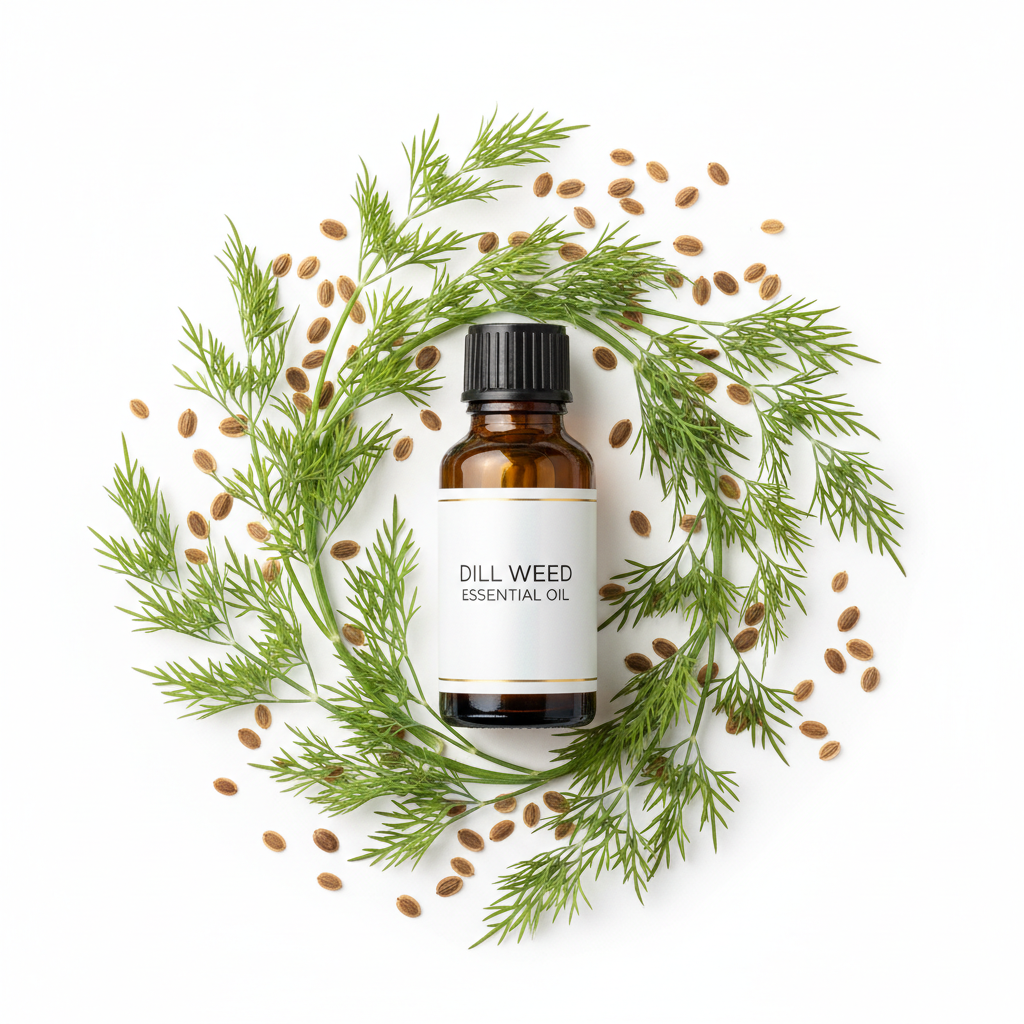
Dill Weed Essential Oil
Anethum graveolens
Plant Source
leaves, stems, seeds
Scent Family
Herbal
"Explore the amazing benefits of Dill Weed Essential Oil, its extraction, uses, and health properties. Discover how this oil can enhance your wellness journey."
Dill Weed Essential Oil: Overview and Benefits
Dill Weed Essential Oil, extracted from the leaves, stems, and seeds of the Anethum graveolens plant, is recognized not just for its culinary applications, but also for its extensive use in traditional medicine. This oil is typically extracted via steam distillation, a method that helps retain the oil's potent properties. Dill has a rich history of use, dating back to ancient civilizations where it was valued for both its flavor and therapeutic benefits.
Origin and Extraction Method
The Anethum graveolens plant, commonly known as dill, is native to the Mediterranean region but is now widely cultivated in various parts of the world. The essential oil is derived from various parts of the plant, predominantly the seeds and leaves. The steam distillation process captures the aromatic compounds, resulting in a fragrant oil that contains various monoterpenes, which are responsible for its therapeutic and aromatic qualities.
Botanical Information
Dill is a biennial herb that can reach a height of about 1 meter. Its feathery green leaves are delicate and the plant produces small yellow flowers that attract beneficial insects. Dill’s botanical family is Apiaceae, which also includes other herbs like parsley and coriander. Its scientific classification is:
- Kingdom: Plantae
- Family: Apiaceae
- Genus: Anethum
- Species: A. graveolens
Therapeutic Properties and Benefits
Dill Weed Essential Oil offers a plethora of therapeutic properties that make it a sought-after oil in both aromatherapy and natural health. Here are some notable benefits:
- Digestive Aid: Dill oil supports digestive health by relieving symptoms such as bloating, gas, and indigestion. It can be used in diluted form or in a diffuser to enhance digestive comfort.
- Relaxation and Stress Relief: The oil is noted for its calming effects. Inhaling its aroma can help soothe stress and anxiety, promoting emotional balance and tranquility.
- Mental Clarity and Focus: Dill oil is often used to enhance concentration and mental clarity. Its refreshing aroma can stimulate the mind, making it a great addition to study environments.
- Muscle Relaxation: When diluted with a carrier oil and massaged into the skin, dill oil provides relief from muscle tension and cramps.
- Respiratory Health: Inhalation of dill oil can help alleviate respiratory congestion and support overall respiratory function.
- Headache Relief: The oil is effective in providing relief from tension-type headaches when applied to the temples.
Historical and Traditional Uses
Historically, dill has been used not only as a flavoring agent in cooking but also for numerous medicinal purposes. Ancient Egyptians used dill seeds to treat digestive disorders, while Greek athletes consumed it to enhance physical endurance. In folk medicine, dill was often recommended for treating insomnia and digestive complaints, showcasing its versatile nature.
Aroma Profile and Characteristics
Dill Weed Essential Oil has a unique aroma that can be characterized as herbaceous, fresh, and slightly sweet, with an underlying warm spice note. This distinctive scent makes it a popular choice not only in aromatherapy but also in the creation of natural perfumes and blends.
Common Applications
Dill essential oil can be applied in various ways including:
- Aromatherapy: Using an oil diffuser or mixing with other essential oils for enhanced relaxation.
- Topical Application: Diluting with a carrier oil (like coconut or jojoba) for massage or skin care.
- Culinary Uses: Using diluted oil to flavor foods or as a garnish (note: use caution and consult expert resources for safe food application).
Interesting Facts and Trivia
- Dill is often associated with protection and good fortune in various cultures.
- In medieval Europe, dill was considered a powerful herb that brought good luck and was often used in love potions.
- The seeds of dill are quite nutritious, containing high amounts of essential vitamins and minerals.
In conclusion, Dill Weed Essential Oil is a versatile oil that not only enhances flavors in your kitchen but also provides profound health benefits. Its rich history, therapeutic properties, and pleasant aroma make it a staple in any essential oil collection. Incorporating this oil into your daily routine can enhance well-being and happiness.
Ask AI About Dill Weed Essential Oil
Get instant answers about this essential oil
Benefits & Uses
- Promotes a sense of calm and tranquility, reducing feelings of anxiety and stress.
- Encourages emotional balance, helping to ease mood swings and irritability.
- Enhances mental clarity and concentration, making it beneficial for study and focus.
- Provides comfort during life's transitions, fostering feelings of reassurance and warmth.
- Supports a positive outlook by uplifting the mood, especially during challenging times.
- Provides relief from digestive discomfort, such as bloating and gas.
- Soothes muscle tension and cramps when applied topically.
- Supports respiratory health by clearing congestion when inhaled.
- Helps alleviate headaches, especially tension-type headaches.
- Can assist in reducing skin irritation when diluted and applied topically.
- Enhances skin texture and tone when added to skincare products.
- Soothes minor skin irritations and redness, making it suitable for sensitive skin.
- Acts as a natural deodorant ingredient due to its antimicrobial properties.
- Balances oily skin, helping to minimize breakouts and prevent acne.
- Cleansing agent for surfaces, effective in homemade cleaning solutions.
- Can be used in potpourri and air fresheners due to its refreshing scent.
- Acts as a natural insect repellent, deterring pests when diffused in the air.
- Provides aromatic flavoring for culinary dishes when used thoughtfully.
How to Use
Diffuser
For small rooms, use 3-5 drops; for medium rooms, use 5-8 drops; for large rooms, use 8-12 drops. Optimal duration for diffusion is 30-60 minutes per session, 2-3 times daily, particularly in the evening for relaxation.
Topical
Dilution for adults should be 2-3% (approx. 12-18 drops per ounce of carrier oil). For children, dilute to 0.5-1%. The elderly should use a 1-2% dilution. Suitable carrier oils include jojoba, sweet almond, or coconut oil. Massage onto desired areas and allow for a few minutes for full absorption.
Inhalation
For direct inhalation, place 1-2 drops on a tissue or cotton ball and inhale deeply. For steam inhalation, add 2-3 drops to a bowl of hot water, cover your head with a towel, and inhale the steam for 5-10 minutes. Personal inhalers can be prepared by adding a few drops to a cotton wick within an inhaler tube.
Safety & Precautions
Perform a patch test prior to topical application to check for allergic reactions. Avoid using on skin exposed to sunlight for 12 hours post-application due to potential photosensitivity. Pregnant or nursing women should consult a healthcare provider before use. Store in a cool, dark place; shelf life is approximately 1-2 years. Keep out of reach of children.
Who should avoid:
- Pregnant women, especially during the first trimester.
- Individuals with allergies to dill or related plants.
- People with severe digestive issues or liver disorders.
Recommended Products

Understanding the aromatic layers of Dill Weed Essential Oil
Top Notes
Heart Notes
Base Notes
Scent Evolution
Top Notes: First impression, evaporate quickly (15-30 min)
Heart Notes: Main character, last 2-4 hours
Base Notes: Lasting foundation, linger for hours
Complementary essential oils that pair beautifully with Dill Weed Essential Oil
Abyssinian Carrier Oil
Crambe abyssinica
✓enhanced aromatherapy benefits
Agarwood Essential Oil
Aquilaria
✓similar chemical compositions
Ajowan Seed Essential Oil
Trachyspermum ammi
✓balanced scent profile
Allspice Essential Oil
Pimenta dioica
✓traditional pairing in aromatherapy
Ammi Visnaga Essential Oil
Ammi visnaga
✓traditional pairing in aromatherapy
Amyris Essential Oil
Amyris balsamifera
✓traditional pairing in aromatherapy
Blending Tips
- • Start with 2-3 oils for simple blends
- • Use 3-5 drops total per 10ml carrier oil
- • Let blends sit for 24-48 hours to marry
- • Test on a small skin area first
Calculating for: Dill Weed Essential Oil
Recommended: 2% | Max safe: 5%
29.57 ml
Your Recipe
0.59 ml
28.98 ml
💡 Dilution Tips
- • Always do a patch test before full application
- • Children and elderly need lower dilutions (1-2%)
- • Facial products should be gentle (0.5-1%)
- • 1 drop ≈ 0.05 ml (20 drops per ml)
- • Common carrier oils: fractionated coconut, jojoba, sweet almond
Related Recipes
Aromatherapy Recipe: Under-Bed Storage Drawer Bombs
Discover this simple recipe for Under-Bed Storage Drawer Aroma Bombs, perfect for freshening up your space with delightful scents!

Calming Essential Oil Pillow Mist Recipe for Relaxation
Discover this easy recipe for a soothing pillow mist that features lavender and bergamot for ultimate relaxation and better sleep.

Calming Lavender Linen Spray Recipe
A gentle, relaxing linen and room spray that promotes restful sleep and calm using lavender, chamomile, and cedarwood essential oils.

DIY Acne Calming Gel Spot Treatment Recipe for Clear Skin
Explore our DIY acne calming gel spot treatment recipe to soothe inflammation and fight breakouts using natural ingredients for healthier skin.
DIY Candle Making Fragrance Blend Recipe for Aromatic Bliss
Discover how to create a delightful essential oil blend recipe tailored for your candle making needs, enhancing your home with captivating scents.

DIY Essential Oil Foaming Hand Soap Recipe
Craft your own moisturizing foaming hand soap using essential oils! This DIY recipe combines natural ingredients for clean, soft hands. Perfect for home use!
Related Oils
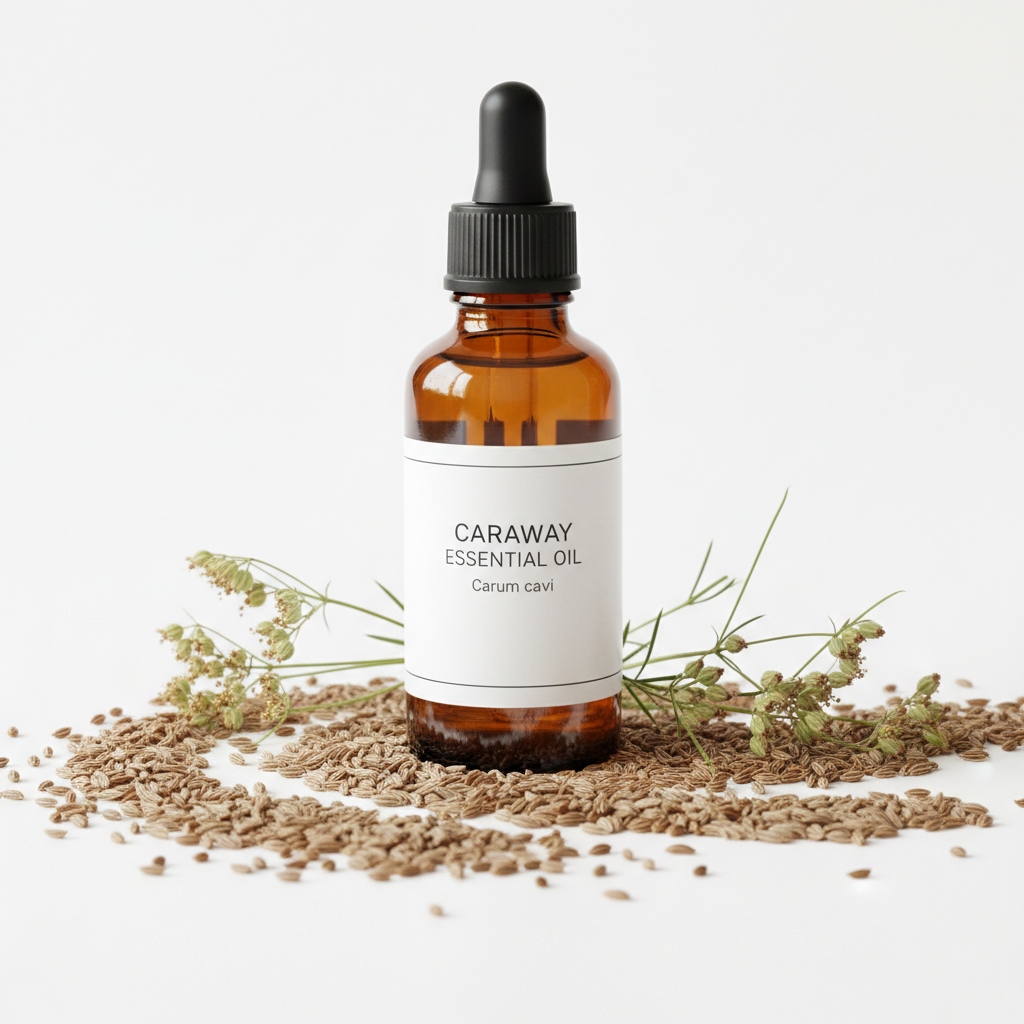
Caraway Essential Oil
Carum carvi
Caraway essential oil, derived from the seeds of the Carum carvi plant, has a rich history of use in culinary and medicinal applications. This aromatic oil is obtained through a steam distillation process, which efficiently extracts the oil’s natural compounds while preserving its unique spicy and woody aroma. In culinary traditions, caraway seeds are often used to flavor breads, meats, and stews, making it a staple spice in many kitchens. ## Origin and Extraction Method The caraway plant is native to Europe and Western Asia, having been cultivated since ancient times. The steam distillation method involves using steam to extract essential oils from plant materials. The steam vaporizes the volatile compounds in the seeds, which then cool and condense back into liquid form, allowing for the collection of the pure essential oil. This method not only ensures the purity of the oil but also retains the essential characteristics that have been celebrated for centuries. ## Botanical Information Carum carvi is a biennial or perennial herb that can grow up to 60 centimeters in height. Its foliage is feathery and its flowers are small and white, forming in an umbrella-shaped structure called an umbel. The seeds, which are harvested for essential oil production, have a distinct flavor and are often mistaken for cumin seeds. ## Therapeutic Properties and Benefits Caraway essential oil boasts a variety of therapeutic benefits, making it a valuable addition to any natural health toolkit. Here are some notable properties: - **Mood Enhancer**: Known for uplifting the mood, caraway essential oil can create a positive atmosphere, promoting a sense of well-being. - **Mental Clarity**: This oil may enhance focus and concentration, making it beneficial during study sessions or work-related tasks, helping to boost productivity. - **Stress Relief**: With its calming properties, caraway oil can soothe anxiety symptoms and help create a tranquil environment for relaxation. - **Emotional Balance**: It is believed to support emotional stability during stressful life events, contributing to a sense of calmness and clarity. - **Digestive Comfort**: Caraway oil is traditionally used in aromatherapy and topical applications to alleviate digestive discomfort, particularly when massaged into the abdominal area. - **Respiratory Support**: The oil may assist in clear breathing, especially during colds and allergies, providing relief from congestion. - **Menstrual Relief**: It is often used to help ease menstrual discomfort, making it a natural choice for women's health. - **Skin Health**: Owing to its antimicrobial properties, caraway essential oil can be applied to minor skin irritations for soothing relief. ## Historical and Traditional Uses Historically, caraway has been used for its medicinal properties in various cultures. Ancient Egyptians valued caraway seeds for both culinary uses and their supposed powers to ward off evil spirits. In medieval Europe, the seeds were commonly included in love potions and remedies to promote fertility. Traditional herbalists have recommended caraway for digestive ailments, and its use in folk medicine continues today. ## Aroma Profile and Characteristics Caraway essential oil has a warm, spicy, and slightly sweet aroma with hints of earthiness. This unique scent profile makes it an excellent choice for use in aromatherapy, diffusers, or as a component in natural perfumes. Its characteristic scent stimulates the senses, making it a popular addition to personal care products. ## Common Applications and Methods Caraway essential oil can be used in various ways: - **Diffusion**: Use a few drops in a diffuser to enjoy its uplifting aroma. - **Topical Application**: Dilute with a carrier oil and apply to the abdomen for digestive support or to pulse points for emotional balance. - **Massage Oil**: Incorporate caraway oil into a massage blend to promote relaxation and relieve tension. ## Interesting Facts and Trivia - Caraway seeds have been found in the tombs of ancient Egyptian pharaohs, indicating their historical significance. - Some studies suggest that caraway oil has antifungal activity, adding to its array of therapeutic properties. By harnessing the benefits of caraway essential oil, individuals can incorporate its rich history and healing properties into their daily wellness routine, making it an essential addition to their collection of natural remedies.
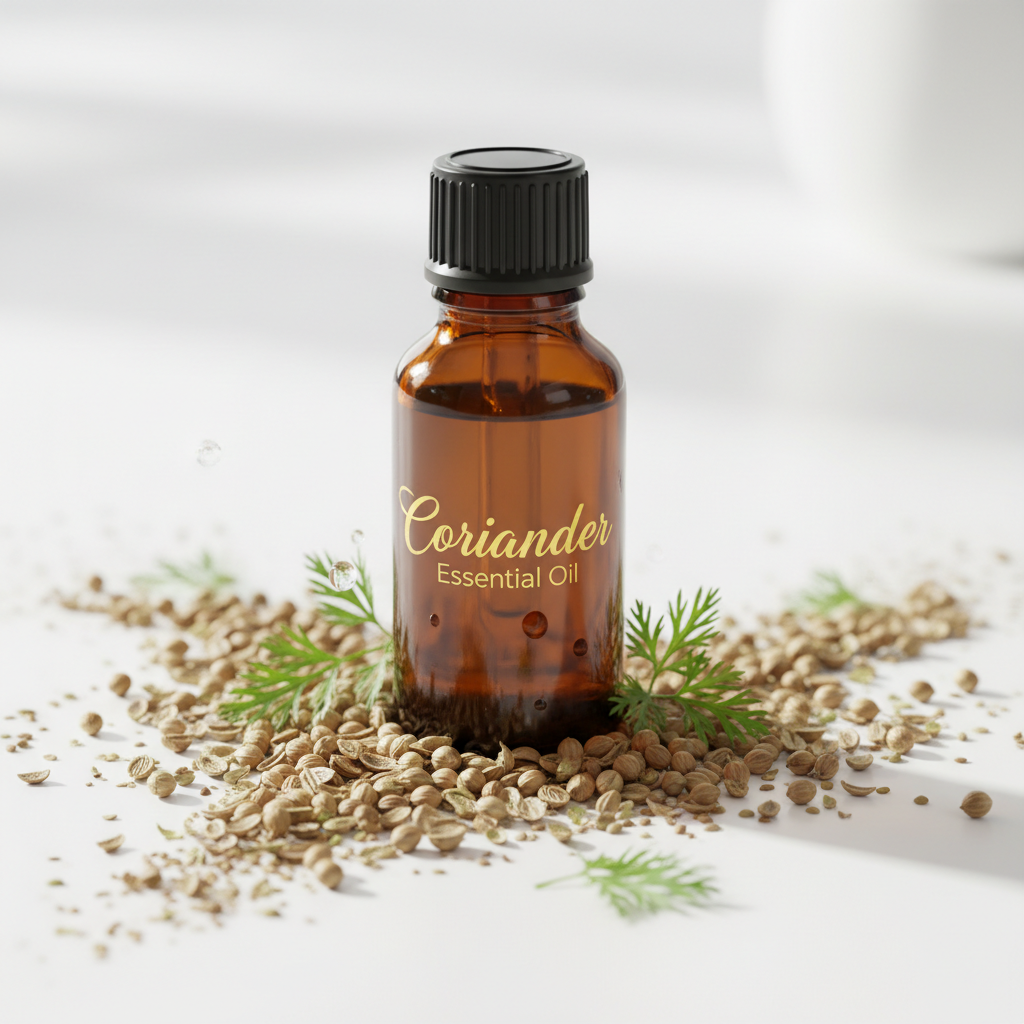
Coriander Essential Oil
Coriandrum sativum
Coriander essential oil, extracted from the seeds of the coriander plant (Coriandrum sativum), is a versatile and aromatic oil with a rich history of culinary and medicinal uses. The extraction process typically involves steam distillation, which captures the warm, spicy aroma characteristic of coriander. This essential oil is not only valued for its delightful scent but also for its array of therapeutic properties that promote physical and emotional well-being. ### Origin and Extraction Method Coriander originates from regions in Europe, Asia, and North Africa, with a long history of cultivation in both culinary and traditional medicine. The essential oil is obtained through steam distillation of dried seeds, preserving its natural aroma and healing qualities. This method ensures that the essential oil maintains its integrity and efficacy for various applications. ### Botanical Information Coriandrum sativum is an annual herb belonging to the Apiaceae family, which also includes other culinary herbs such as parsley, dill, and fennel. The plant can reach up to 50 cm in height and bears small white or pink flowers. Both the leaves and seeds are used in cooking; however, the essential oil is specifically derived from the seeds, which contain high levels of aromatic compounds that contribute to its therapeutic benefits. ### Therapeutic Properties and Benefits The essential oil of coriander is renowned for its diverse range of therapeutic properties: - **Mood Enhancement:** The warm, spicy scent of coriander essential oil has uplifting qualities that can help reduce feelings of depression and promote a positive mood. - **Relaxation and Stress Relief:** Known for its calming effects, coriander oil helps soothe the mind and reduce anxiety levels, making it an excellent choice for aromatherapy sessions aimed at stress relief. - **Cognitive Focus:** The invigorating aroma can enhance concentration and mental clarity, making it beneficial during tasks that require focus and attention. - **Emotional Balance:** Coriander essential oil may assist in alleviating anxiety and promoting emotional well-being through its balancing effects on the mind. - **Creativity Booster:** The energizing scent is often utilized to stimulate creativity and enhance inspiration in artistic pursuits. - **Muscle Tension Relief:** When used in massages, coriander oil can alleviate muscle soreness and tension, offering relief after strenuous activities. - **Respiratory Support:** Inhaling this oil may help clear the airways and support respiratory health, especially during cold seasons. - **Skin Health:** Coriander oil can soothe irritated skin and may assist in reducing the appearance of blemishes and promoting an even complexion. - **Immune System Support:** Traditionally, coriander essential oil has been thought to bolster the immune system, helping the body ward off illness. - **Detoxification Aid:** It is believed to aid liver function, promoting the elimination of toxins from the body. ### Historical and Traditional Uses Coriander has been used throughout history not only as a spice but also for its medicinal properties. Ancient cultures valued it for its ability to alleviate digestive issues and were recognized for its restorative properties. In traditional medicine, it has been used to treat various ailments, from skin irritations to digestive disorders. ### Scientific Facts and Research Recent studies have explored the antimicrobial and antioxidant properties of coriander essential oil, highlighting its potential in food preservation and health applications. Research has shown that the oil contains compounds such as linalool and geranyl acetate, which contribute to its therapeutic benefits. ### Aroma Profile and Characteristics Coriander essential oil has a warm, spicy, and slightly sweet aroma that is both comforting and invigorating. Its unique scent profile can enhance blends with other essential oils, making it a popular choice in the fragrance industry. ### Common Applications and Methods - **Aromatherapy:** Add a few drops to a diffuser or oil burner to uplift the mood and create a relaxing atmosphere. - **Topical Use:** Dilute coriander essential oil with a carrier oil for massages or to support skin health. - **Culinary Uses:** Although not common, a few drops of this oil can enhance dishes when used sparingly, particularly in savory recipes. ### Interesting Facts and Trivia - Coriander seeds have been found in ancient Egyptian tombs, indicating its historical significance. - In some cultures, coriander is associated with love and fertility. In conclusion, coriander essential oil is an invaluable addition to both wellness and beauty routines, offering a myriad of benefits and applications. Its delightful aroma, coupled with its therapeutic properties, makes it a popular choice for those looking to incorporate natural remedies and fragrances into their lives.
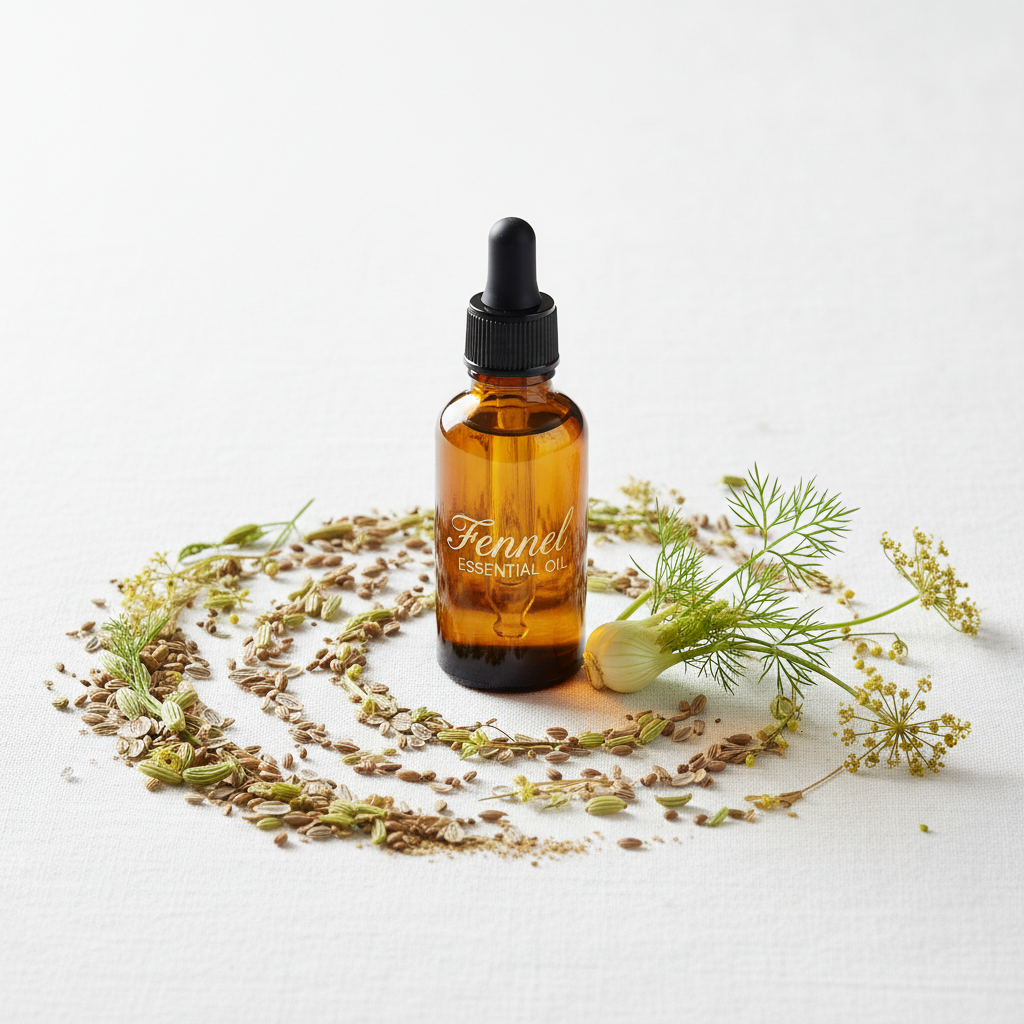
Fennel Essential Oil
Foeniculum vulgare
Fennel Essential Oil, derived from the seeds of the Foeniculum vulgare plant, is a highly aromatic oil known for its numerous health benefits and applications. This oil offers a sweet, anise-like aroma that is both uplifting and soothing, making it a popular choice in aromatherapy, culinary uses, and traditional medicine. ### Origin and Extraction Method Foeniculum vulgare, commonly known as fennel, is a flowering plant belonging to the carrot family, Apiaceae. It is native to the Mediterranean regions but has become widespread globally. Fennel essential oil is typically extracted through steam distillation of the seeds, a method that helps retain its potent aromatic and therapeutic properties. The steam distillation process ensures that the delicate components of the oil are preserved, resulting in a high-quality product noted for both its fragrance and health-enhancing attributes. ### Botanical Information Fennel is characterized by its feathery leaves, tall stature, and distinctive bulb, which is often used in cooking. The seeds—a small, oval-shaped brown seed—are particularly valued for their essential oil content. Rich in anethole, the primary compound in fennel essential oil, this oil exhibits properties similar to those of anise, making it a versatile ingredient in various applications. ### Therapeutic Properties and Benefits Fennel essential oil is heralded for its extensive therapeutic benefits. Some of the primary benefits include: 1. **Digestive Support**: Fennel oil is widely recognized for alleviating bloating, gas, and indigestion. Its carminative properties help ease digestive discomfort and promote overall gut health. 2. **Hormonal Balance**: Traditionally, fennel oil has been used to support women's health, particularly in regulating menstrual cycles and alleviating symptoms of hormonal imbalance. 3. **Respiratory Relief**: Its expectorant qualities make it beneficial for respiratory health, aiding in the relief of coughs and bronchitis. 4. **Mental Clarity**: Fennel essential oil may enhance cognitive function, helping improve focus and concentration during challenging tasks. 5. **Emotional Balance**: The uplifting scent is known to promote relaxation and reduce stress, making it a valuable oil for emotional well-being and mental clarity. 6. **Support Lactation**: Fennel oil has historically been recommended for nursing mothers to encourage milk production, further establishing its value in maternal health. ### Historical and Traditional Uses Fennel has a rich history of use dating back to ancient civilizations. In Ancient Rome, fennel was seen as a symbol of strength and was used to enhance endurance. Traditionally, it has been used in herbal medicine to treat a variety of ailments, from digestive issues to respiratory discomfort. Many cultures also incorporate fennel into their culinary practices, using it to enhance flavors in various dishes. ### Scientific Facts and Research Scientific studies are beginning to support the benefits of fennel essential oil. Research indicates that anethole, the major component, possesses anti-inflammatory and antimicrobial properties, which can contribute to its calming effects on the digestive system and respiratory tract. Future studies may continue to explore the extent of these health benefits and expand our understanding of fennel's potential in natural medicine. ### Aroma Profile and Characteristics Fennel essential oil exudes a warm, sweet, and slightly spicy aroma, reminiscent of licorice. Its unique scent profile makes it an excellent choice for use in diffusers, personal fragrances, and even culinary applications. When diffused, it can create an inviting and cheerful atmosphere in any space. ### Common Applications and Methods Fennel essential oil can be used in various ways: - **Aromatherapy**: Add a few drops to a diffuser for an uplifting environment. - **Topical Application**: Dilute with a carrier oil and apply to the abdomen for digestive discomfort. - **Culinary Uses**: Incorporate into recipes sparingly, either for flavor or medicinal benefits. - **Bath Salts**: Add to bath salts for a soothing and relaxing soak. ### Interesting Facts and Trivia - Fennel is often considered a symbol of strength and is linked to various ancient folklore around courage and resilience. - The oil is prized not just for its aroma but also for its role in traditional cooking and natural healing. - Fennel has been used in various herbal traditions, including Chinese medicine and Ayurveda, due to its versatile health benefits. In conclusion, fennel essential oil is not just an aromatic delight; it is a powerhouse of therapeutic benefits. Embracing fennel oil in your wellness routine can offer significant advantages, supporting both physical and emotional health. Whether you are looking to enhance your culinary creations or delve into the depths of aromatherapy, fennel essential oil can play a vital role in your journey.