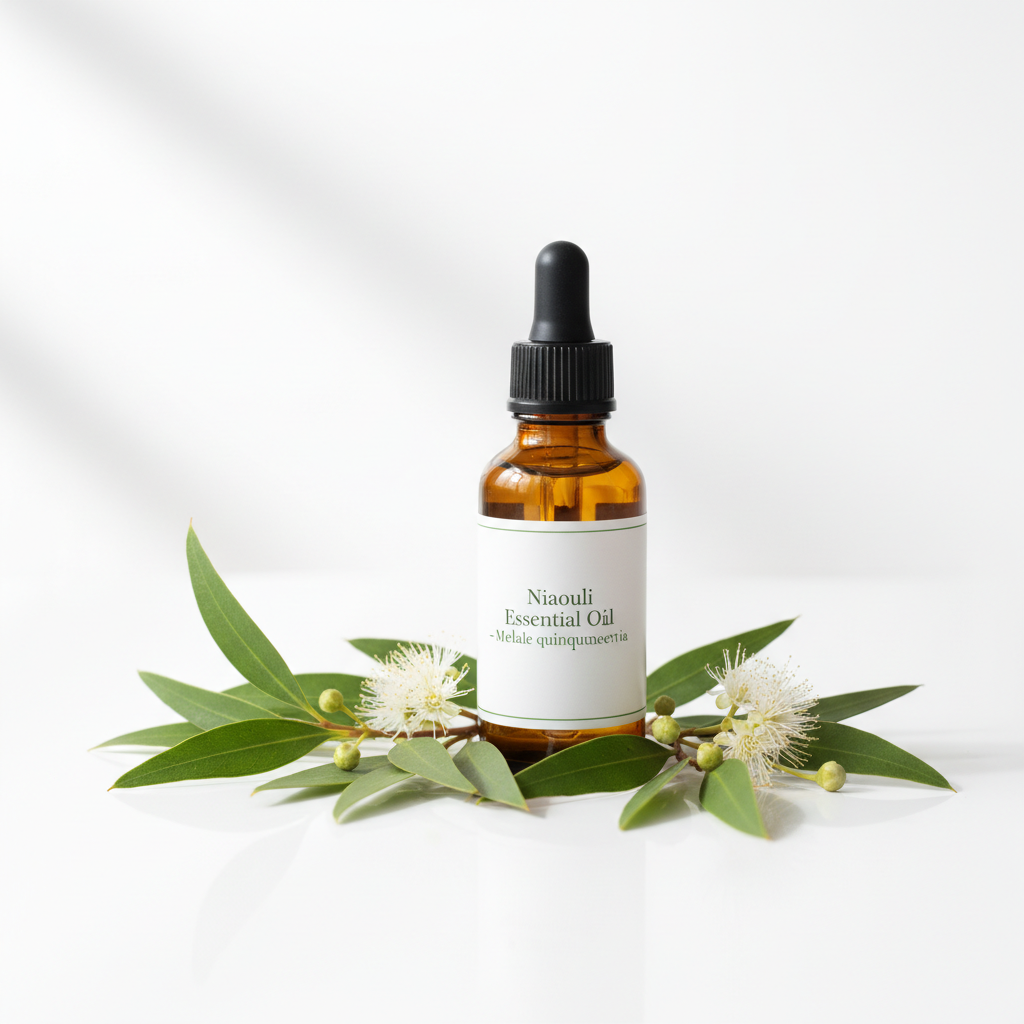
Niaouli Essential Oil
Melaleuca quinquenervia
Plant Source
leaves and twigs
Scent Family
Herbal
"Discover the benefits, aroma, and uses of Niaouli essential oil. Extracted from Melaleuca quinquenervia, it’s a powerful oil for health and wellness."
Niaouli Essential Oil: Benefits, Uses & Properties Explained
Niaouli essential oil is a well-regarded oil in the world of aromatherapy and natural remedies. Extracted from the leaves and twigs of the Melaleuca quinquenervia tree, this essential oil originates from Australia and the South Pacific islands, where the tree flourishes in warm, humid coastal regions. The extraction process is usually carried out by steam distillation, which ensures that the oil retains its therapeutic properties and aromatic qualities.
Botanical Information
Melaleuca quinquenervia, commonly known as the niaouli tree, is a member of the myrtle family. It features long, narrow leaves and produces clusters of small, white or yellow flowers. This tree has been revered not only for its beauty but also for the potent essential oil derived from it, which has a long history of traditional use in Indigenous Australian cultures.
Therapeutic Properties and Benefits
Niaouli essential oil is celebrated for its extensive health benefits, owing to its rich chemical composition, which includes 1,8-cineole (also known as eucalyptol), a compound known for its therapeutic properties. Some key benefits include:
- Respiratory Support: Niaouli oil is excellent for enhancing respiratory function. It is often used for easing symptoms of colds, coughs, and allergies. The oil acts as an expectorant, helping to clear congestion and soothe the mucous membranes.
- Antiseptic and Antimicrobial: Due to its potent antiseptic properties, niaouli oil can combat bacteria and fungi, making it a popular choice for treating small cuts and skin infections. It also helps with acne due to its antibacterial effects.
- Anti-inflammatory: Niaouli essential oil is soothing for inflamed skin and other inflammatory conditions, helping to reduce redness and irritation.
- Mental Clarity and Focus: The refreshing aroma of niaouli oil is known to enhance mental clarity, focus, and concentration, making it an excellent choice for studying or working.
- Calming Properties: The oil provides a calming effect on the nervous system, alleviating stress and anxiety, and promoting emotional balance.
- Muscle Relief: When used in massages, niaouli oil can relieve muscle tension and improve circulation, making it popular among athletes.
Historical and Traditional Uses
In historical practices, Indigenous peoples of Australia used niaouli for various medicinal purposes, taking advantage of its antiseptic and anti-inflammatory qualities for treating wounds, respiratory ailments, and skin issues. Niaouli was a staple in traditional medicine and continues to be incorporated into modern natural healing practices.
Aroma Profile and Characteristics
Niaouli essential oil has a fresh, clean, and slightly sweet aroma, reminiscent of eucalyptus and tea tree due to its botanical lineage. This invigorating scent makes it a cherished ingredient in aromatherapy blends aimed at relieving tension and promoting a refreshed atmosphere.
Common Applications and Methods
- Aromatherapy: Add a few drops of niaouli oil to a diffuser for respiratory support and mood enhancement.
- Topical Application: Dilute niaouli essential oil with a carrier oil and apply it to areas of concern for localized treatment.
- Massage: Incorporate it into massage oils to help alleviate muscle tension and promote relaxation.
- Bath Additive: Add a few drops to a warm bath to create a therapeutic experience that calms the mind and body.
Interesting Facts and Trivia
- Niaouli trees can grow up to 30 meters high and are fast-growing, making them a sustainable source of essential oil.
- The oil is often compared to tea tree oil for its antimicrobial properties and is sometimes used as a substitute in formulations.
- Despite its many benefits, one should always perform a patch test before using any essential oil topically, as individual reactions can vary.
In summary, Niaouli essential oil is a versatile and powerful oil that offers numerous health benefits. With its rich history and extensive applications, it continues to be a valuable addition to the toolkit of natural health enthusiasts and aromatherapy practitioners alike.
Ask AI About Niaouli Essential Oil
Get instant answers about this essential oil
Benefits & Uses
- Stress Relief: Helps to alleviate stress and promote a sense of calmness.
- Mood Enhancement: Uplifts the spirits and promotes emotional balance.
- Focus and Clarity: Enhances mental clarity, aiding in concentration and awareness.
- Anxiety Reduction: Provides a soothing effect on the nervous system, reducing anxiety levels.
- Respiratory Support: Assists in relieving symptoms related to colds and allergies.
- Skin Cleansing: Offers beneficial properties for acne-prone skin due to its antimicrobial nature.
- Circulation Improvement: May help stimulate circulation, promoting overall bodily functions.
- Muscle Relaxation: Alleviates tension in the muscles when used in massage.
- Acne Treatment: Diluted in a carrier oil, Niaouli can help to reduce breakouts and clear skin.
- Soothing Ointments: Added to salves for its calming effect on irritated and inflamed skin.
- Antiseptic Skin Care: Incorporated into formulations for its cleansing properties.
- Scalp Treatment: Used in hair care to promote a healthier scalp and prevent dandruff.
- Air Purification: Diffused to eliminate unwanted odors and purify the air.
- Natural Cleaner: Added to homemade cleaning solutions for its antiseptic qualities.
- Laundry Freshener: Used in washing machines to provide a fresh scent and antibacterial protection.
- Mold Inhibition: Helps in reducing the occurrence of mold when added to cleaning mixtures.
How to Use
Diffuser
For small rooms, use 3-5 drops; for medium rooms, 5-8 drops; for large rooms, 8-12 drops. Set the diffuser for 30-60 minutes per session, 2-3 times daily, ideally in the morning for an energizing effect.
Topical
Adult dilution should be 2-3% (12-18 drops of essential oil in 1 ounce of carrier oil) and children should use a dilution of 0.5-1% (3-6 drops in 1 ounce). Safe carrier oils include jojoba, coconut, or sweet almond oil. Apply to areas of concern and use light massage techniques to enhance absorption, allowing time for the skin to absorb the oil (approximately 10-15 minutes).
Inhalation
For direct inhalation, place 1-2 drops on a tissue or cotton ball and inhale deeply. For steam inhalation, add 2-3 drops to hot water and inhale the steam for 5-10 minutes. Personal inhalers can also be prepared with Niaouli for on-the-go use.
Safety & Precautions
Conduct a patch test prior to topical application to check for sensitivity. Use caution during pregnancy and nursing, and consult with a healthcare provider if on medication. Store in a cool, dark place to maintain potency, and ensure bottle is tightly capped. Shelf life is generally 1-2 years.
Who should avoid:
- Individuals with hypersensitivity to eucalyptus oils or related compounds.
- Pregnant women during the first trimester.
- People with severe skin conditions unless under professional guidance.
Recommended Products
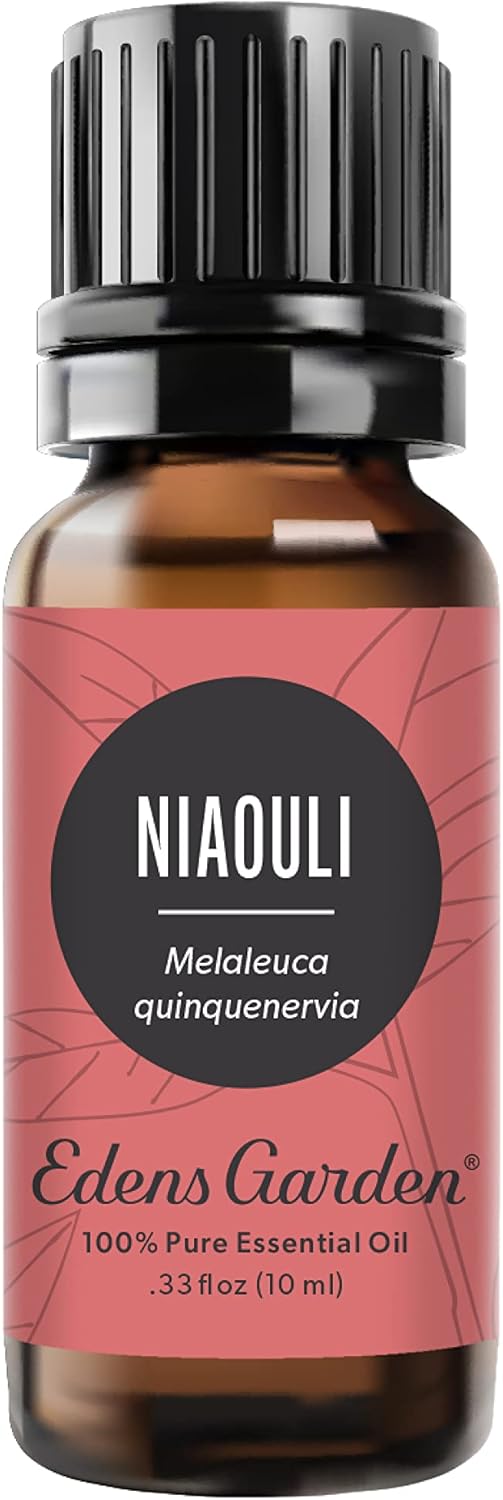
Understanding the aromatic layers of Niaouli Essential Oil
Top Notes
Heart Notes
Base Notes
Scent Evolution
Top Notes: First impression, evaporate quickly (15-30 min)
Heart Notes: Main character, last 2-4 hours
Base Notes: Lasting foundation, linger for hours
Complementary essential oils that pair beautifully with Niaouli Essential Oil
Abyssinian Carrier Oil
Crambe abyssinica
✓enhanced aromatherapy benefits
Ajowan Seed Essential Oil
Trachyspermum ammi
✓complementary therapeutic properties
Allspice Essential Oil
Pimenta dioica
✓similar chemical compositions
Ammi Visnaga Essential Oil
Ammi visnaga
✓traditional pairing in aromatherapy
Amyris Essential Oil
Amyris balsamifera
✓enhanced aromatherapy benefits
Angelica Essential Oil
Angelica archangelica
✓similar chemical compositions
Blending Tips
- • Start with 2-3 oils for simple blends
- • Use 3-5 drops total per 10ml carrier oil
- • Let blends sit for 24-48 hours to marry
- • Test on a small skin area first
Calculating for: Niaouli Essential Oil
Recommended: 2% | Max safe: 5%
29.57 ml
Your Recipe
0.59 ml
28.98 ml
💡 Dilution Tips
- • Always do a patch test before full application
- • Children and elderly need lower dilutions (1-2%)
- • Facial products should be gentle (0.5-1%)
- • 1 drop ≈ 0.05 ml (20 drops per ml)
- • Common carrier oils: fractionated coconut, jojoba, sweet almond
Related Recipes
Aromatherapy Recipe: Under-Bed Storage Drawer Bombs
Discover this simple recipe for Under-Bed Storage Drawer Aroma Bombs, perfect for freshening up your space with delightful scents!

Calming Essential Oil Pillow Mist Recipe for Relaxation
Discover this easy recipe for a soothing pillow mist that features lavender and bergamot for ultimate relaxation and better sleep.

DIY Acne Calming Gel Spot Treatment Recipe for Clear Skin
Explore our DIY acne calming gel spot treatment recipe to soothe inflammation and fight breakouts using natural ingredients for healthier skin.
DIY Candle Making Fragrance Blend Recipe for Aromatic Bliss
Discover how to create a delightful essential oil blend recipe tailored for your candle making needs, enhancing your home with captivating scents.

DIY Essential Oil Foaming Hand Soap Recipe
Craft your own moisturizing foaming hand soap using essential oils! This DIY recipe combines natural ingredients for clean, soft hands. Perfect for home use!

DIY Essential Oil Inhaler Recipe for Focus
Boost your mental clarity and energy with this DIY essential oil inhaler recipe! Learn how to craft your invigorating inhalers at home easily.