Search
Found 210 results for "Aromatherapy"
Essential Oils
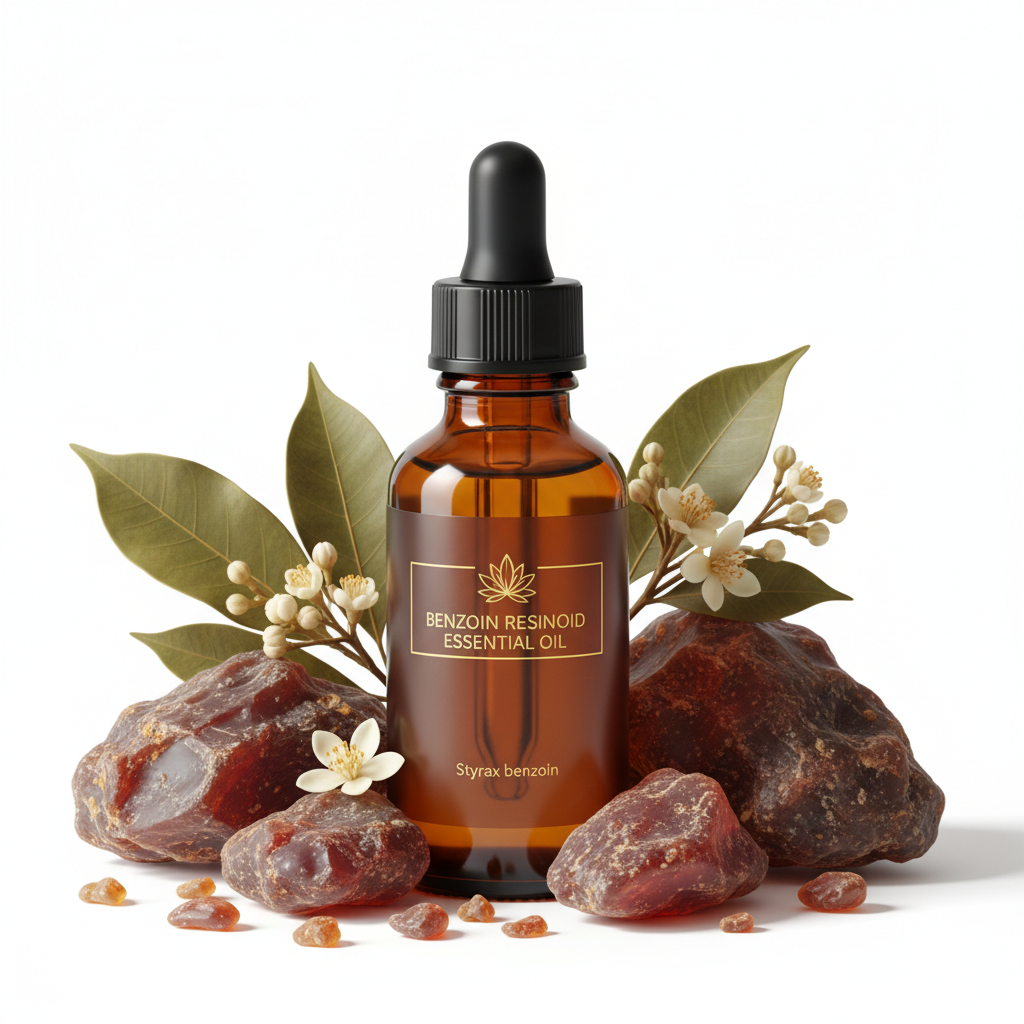
Benzoin Resinoid Essential Oil
Styrax benzoin
## Benzoin Resinoid Essential Oil: Uses and Benefits Explained Benzoin Resinoid Essential Oil is a captivating and versatile essential oil derived from the resin of the Styrax benzoin tree, predominantly found in Southeast Asia, particularly in regions like Indonesia and Thailand. This remarkable oil has gained popularity in aromatherapy, perfumery, and holistic health due to its warm, sweet aroma and myriad therapeutic properties. ### Origin and Extraction Method Benzoin oil is extracted using a process known as solvent extraction, which carefully preserves the delicate compounds found within the resin. This method results in a viscous, sweet aromatic oil that retains the essence of its botanical origins. The extraction process ensures a high-quality product, rich in aromatic and therapeutic ingredients, making it a favorable choice for essential oil enthusiasts. ### Botanical Information The Styrax benzoin tree is a deciduous tree that can grow up to 25 meters in height. Its bark is punctured to allow the resin to ooze out, which is collected, dried, and then processed to make the essential oil. The tree's natural habitat in tropical regions contributes to its unique chemical composition and aromatic profile, which are characteristic of high-quality Benzoin Resinoid Essential Oil. ### Therapeutic Properties and Benefits 1. **Stress Relief:** Benzoin essential oil is renowned for its calming properties, helping to reduce tension and promote a sense of safety and comfort. The warm aroma can soothe nerves, making it a perfect companion during stressful periods. 2. **Anxiety Reduction:** The grounding effects of Benzoin oil help calm anxious thoughts, facilitating emotional balance and stability. It is often used in meditation and yoga practices, enhancing tranquility. 3. **Mood Enhancement:** This oil is recognized for its mood-lifting qualities, promoting positivity and supporting emotional well-being. Its sweet scent can create a soothing atmosphere, ideal for uplifting spirits. 4. **Grounding Effect:** The oil is known for its ability to anchor the mind and body, enhancing feelings of stability and connection to the present moment, making it effective during mindfulness sessions. 5. **Meditative Support:** Benzoin is favored in meditation, as it enhances focus and mental clarity, helping practitioners to deeper states of relaxation and awareness. 6. **Respiratory Aid:** The oil can aid breathing by clearing airways, making it useful during colds or in helping to relieve congestion. 7. **Skin Nourishment:** Benzoin essential oil is beneficial for the skin, often incorporated into skincare routines to improve complexion and texture. Its properties can help soothe irritation and promote healing. 8. **Antiseptic Properties:** With natural antiseptic qualities, Benzoin can be effective in treating minor cuts, scrapes, and wounds, promoting faster recovery. 9. **Tissue Regeneration:** Benzoin supports the body’s healing processes, aiding in the regeneration of skin tissue and cellular repair. 10. **Muscle Relaxation:** When diluted and applied topically, Benzoin oil can assist in relieving minor muscle tension, making it popular in massage blends. ### Aroma Profile and Characteristics Benzoin Resinoid Essential Oil possesses a rich, creamy, and sweet aroma with a hint of vanilla. Its warm scent is often described as comforting and inviting, making it a favorite in perfumery and wellness practices. The aroma helps create a serene atmosphere conducive to relaxation and inner peace. ### Common Applications and Methods - **Aromatherapy:** Use in diffusers to promote relaxation and enhance mood. - **Massage Therapy:** Blend with carrier oils for soothing massages. - **Skin Care:** Add a few drops to skincare creams or lotions for nourishment. - **Inhalation:** Use in steam inhalation for respiratory support. - **Incense:** Incorporated in incense for spiritual and meditative practices. ### Interesting Facts and Trivia - Benzoin resin has a long history in traditional medicine and was used in ancient Egypt for embalming and in perfumes. - It is often used in cosmetic formulations for its lovely fragrance and skin-enhancing properties. - Indigenous cultures have utilized Benzoin in rituals and spiritual practices, celebrating its protective qualities. In conclusion, Benzoin Resinoid Essential Oil is not just a fragrant oil but a multi-faceted essential oil with numerous benefits for overall well-being. Whether used for relaxation, skincare, or spiritual practices, Benzoin remains a cherished aromatic substance in many cultures.
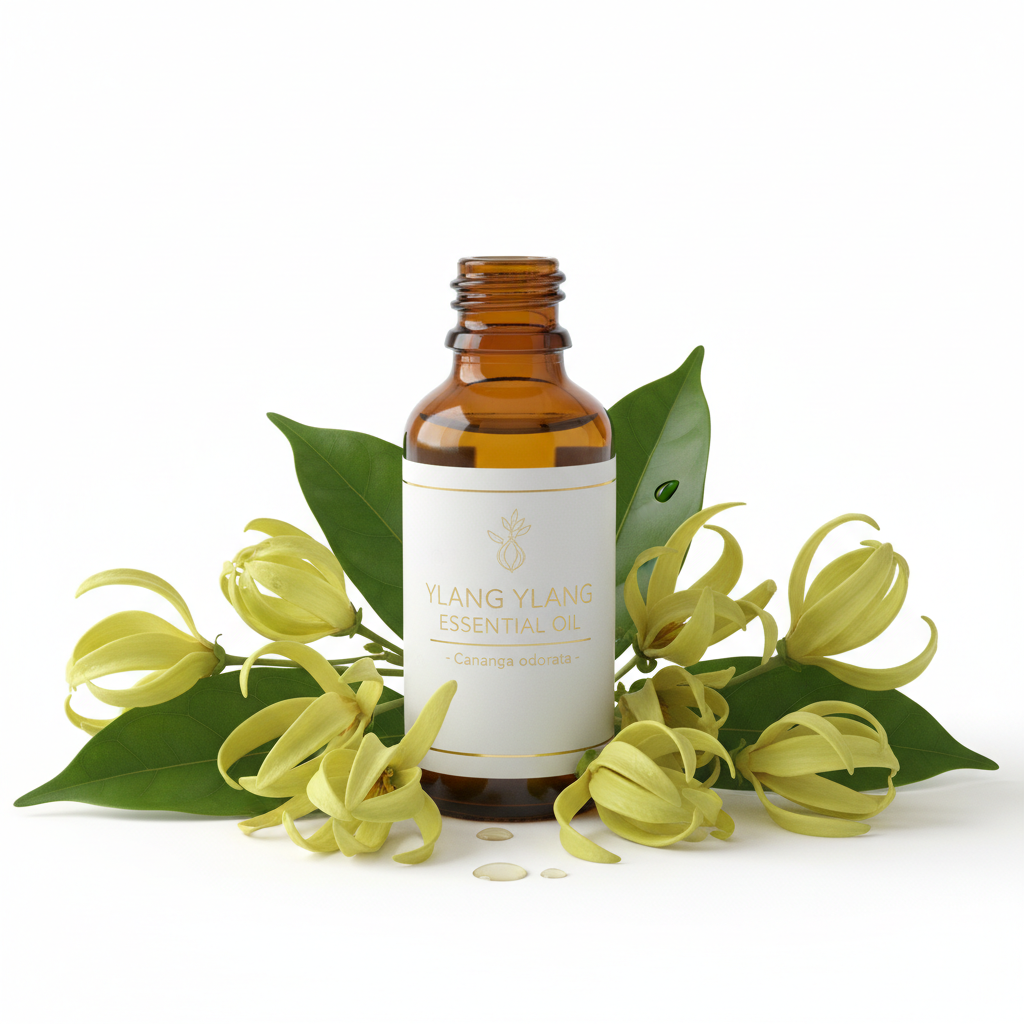
Ylang Ylang Essential Oil
Cananga odorata
Ylang Ylang Essential Oil: An In-Depth Guide Ylang Ylang essential oil, extracted from the vibrant yellow flowers of the Cananga odorata tree, is celebrated for its sweet, floral aroma and numerous therapeutic properties. Known as "the flower of flowers," Ylang Ylang originates from Southeast Asia and has been treasured by ancient cultures for centuries. ### Origin and Extraction Method The Cananga odorata tree thrives in tropical climates, especially in countries like Indonesia, the Philippines, and Madagascar. Ylang Ylang essential oil is primarily extracted using steam distillation, which captures the delicate fragrance and beneficial compounds from the blossoms. The extraction process is crucial, as it defines the quality of the oil, with different distillation durations resulting in various grades: Ylang Ylang Extra, Grade I, II, and III. Each grade possesses unique aromatic qualities and potency. ### Botanical Information Ylang Ylang, a flowering plant in the Annonaceae family, can grow up to 20 meters tall. Its striking yellow flowers bloom in clusters and have historically symbolized love and beauty. Rich in monoterpene compounds such as linalool and geranyl acetate, Ylang Ylang essential oil boasts a chemical profile that contributes to its calming and balancing properties. ### Therapeutic Properties and Benefits Ylang Ylang essential oil is revered in aromatherapy for its diverse range of benefits, including: 1. **Stress Relief**: The oil has calming effects known to reduce anxiety and stress levels, promoting tranquility in daily life. 2. **Mood Enhancement**: Its floral scent serves as a natural mood lifter, helping to alleviate feelings of sadness and negativity. 3. **Emotional Balance**: Many employ Ylang Ylang to stabilize emotions, providing support for those experiencing mood swings or emotional upheaval. 4. **Romantic Atmosphere**: Known for its aphrodisiac qualities, it is often used in romantic settings to strengthen emotional connections. 5. **Skin Nourishment**: This essential oil enhances skin texture and hydration, making it wonderful for adding to skincare routines, particularly for dry or aging skin. 6. **Hair Care**: Ylang Ylang is recognized for promoting healthy hair growth and scalp health, frequently included in shampoos and hair treatments. 7. **Inflammation Reduction**: It may aid in reducing inflammation and soothing irritation, providing relief for various discomforts. 8. **Digestive Support**: The oil can assist with digestive issues, alleviating symptoms such as bloating and nausea. 9. **Respiratory Aid**: Often used in diffusion, it supports respiratory functions by calming the passages, making it easier to breathe during colds or allergies. ### Historical and Traditional Uses Ylang Ylang has a rich history, traditionally utilized in Southeast Asian cultures for spiritual and medicinal purposes. In Indonesia, flower petals were spread on the beds of newlywed couples to enhance romance. In traditional medicine, Ylang Ylang is used to treat a variety of ailments, including skin infections and hypertension. Its integration into religious and cultural rituals highlights its significance across generations. ### Scientific Facts and Research Recent scientific studies have explored the oil's potential health benefits, with research indicating its effectiveness in reducing cortisol levels, thereby alleviating stress. Studies also suggest its positive impact on mental health, helping to combat depression and anxiety through its uplifting aroma. ### Aroma Profile and Characteristics Ylang Ylang essential oil has a distinctive, sweet floral scent with hints of fruity and spicy undertones. The unique aroma profile makes it a popular choice in perfumery and cosmetic applications, where it is used to create luxurious fragrances. The scent's complexity means it can blend beautifully with other essential oils, such as bergamot and sandalwood, enhancing its aromatic appeal. ### Common Applications and Methods Ylang Ylang essential oil can be used in various ways: - **Aromatherapy**: Diffusing the oil in a space can create a calming atmosphere. - **Massage**: Diluting with a carrier oil allows for therapeutic massage, enhancing relaxation. - **Skincare**: Adding to skincare formulations can nourish and rejuvenate the skin. - **Hair Care**: Incorporate into shampoos or conditioners for added hydration and care. ### Interesting Facts and Trivia - Ylang Ylang essential oil is one of the key ingredients in the famous Chanel No. 5 perfume. - The name "Ylang Ylang" comes from the Tagalog language, meaning "flower of flowers." - Its antiseptic properties make it valuable in natural health remedies. In conclusion, Ylang Ylang essential oil is not only a fragrant addition to aromatherapy and cosmetics but also a compound with diverse therapeutic properties and historical significance. Whether used for relaxation, skincare, or enhancing romantic encounters, its applications are vast, making it a cherished essential oil in holistic wellness.
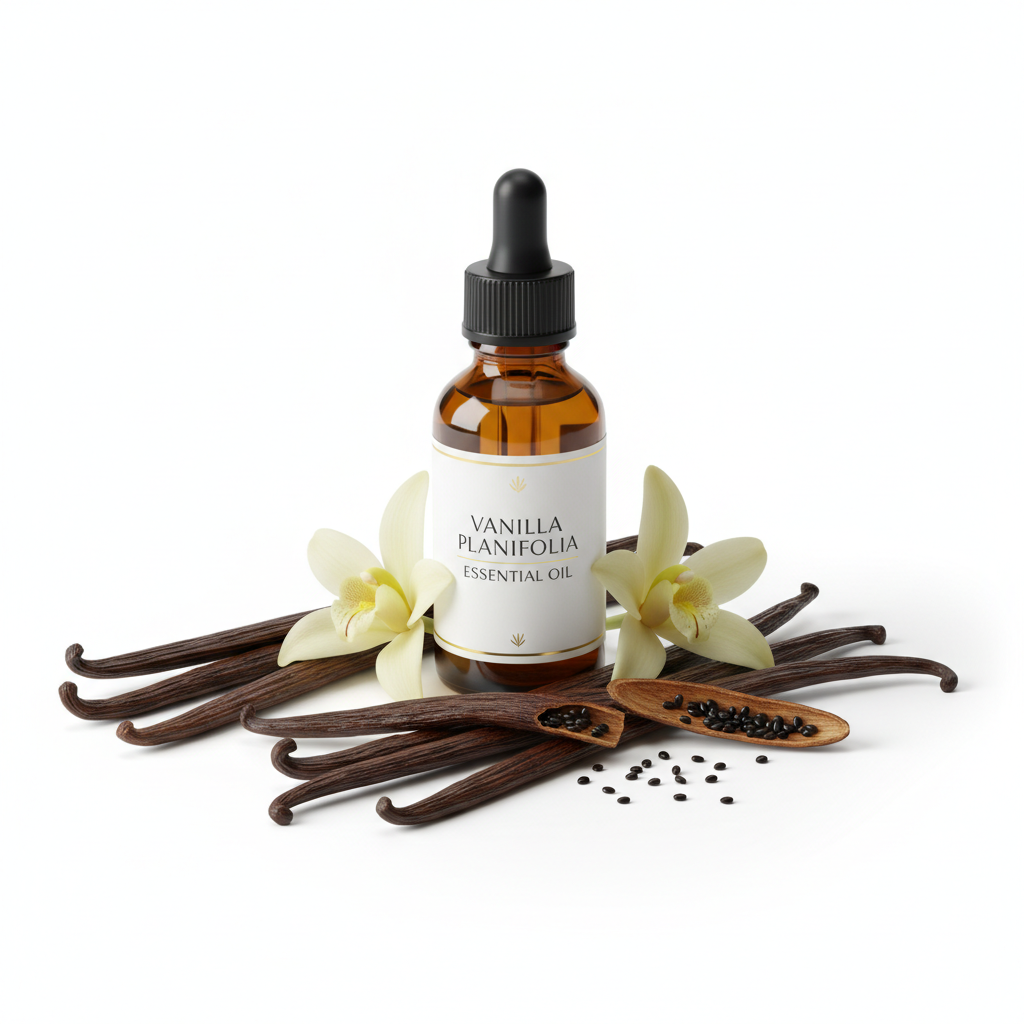
Vanilla Essential Oil
Vanilla planifolia
### Vanilla Essential Oil: An In-Depth Look at Its Properties and Uses Vanilla essential oil, derived from the fragrant pods of the *Vanilla planifolia* plant, has captured hearts and senses for centuries. This delightful oil originated in Mexico and has a storied history, both in culinary arts and traditional medicine. In this article, we will explore the origin, extraction methods, therapeutic properties, and diverse applications of vanilla essential oil. #### Origin and Extraction Method *Vanilla planifolia* is a tropical orchid native to Mexico, known for its beautiful flowers and pods that contain the precious vanilla beans. The extraction of vanilla essential oil primarily occurs through two methods: solvent extraction and carbon dioxide (CO2) extraction. Solvent extraction uses chemical solvents to separate the oil from the plant material, producing a thick, rich oil with the complete aromatic profile. CO2 extraction, on the other hand, utilizes high-pressure carbon dioxide to gently extract the oil, ensuring a pure and high-quality product without harmful residues. Both methods yield a warm, sweet aroma that evokes comfort and nostalgia, making vanilla oil a favorite in numerous applications. #### Botanical Information The *Vanilla planifolia* plant belongs to the family Orchidaceae and thrives in tropical climates. The botanical structure includes a long vine that can climb up to 30 meters. The plant blooms with exquisite, pale yellow flowers that bloom for just one day, requiring pollination to produce vanilla beans. Each pod is harvested and cured to develop the full spectrum of flavor and aroma associated with vanilla. This intricate process contributes to the oil's high value. #### Therapeutic Properties and Benefits Vanilla essential oil is treasured not just for its scent but also for its therapeutic effects. Here are some of its notable benefits: - **Promotes Relaxation:** The soothing aroma encourages a calming atmosphere, helping to ease stress and anxiety. Using vanilla in aromatherapy can lead to enhanced relaxation during practice or meditation. - **Enhances Mood:** The uplifting scent of vanilla oil can foster a sense of joy and optimism, making it a popular choice for those seeking emotional upliftment. - **Facilitates Emotional Healing:** Vanilla's calming properties can be beneficial for those dealing with grief or sadness, providing comfort during tough times. - **Encourages Self-Love:** Its warm scent is linked with boosting self-esteem and promoting feelings of worth and acceptance. - **Supports Mental Clarity:** Vanilla oil is said to help clear negative thoughts, promoting a positive outlook on life. - **Aids Digestive Health:** Traditionally used to alleviate digestive discomfort, vanilla essential oil can help reduce bloating and other digestive issues. - **Supports Respiratory Health:** The oil's soothing nature may ease respiratory irritations and coughs, making it useful in respiratory care. - **Enhances Sexual Wellness:** Vanilla is often recognized for its aphrodisiac properties that can enhance libido and intimacy between partners. - **Relieves Headaches:** The calming aroma can help reduce headache tension and promote overall headache relief. - **Moisturizes Skin:** Vanilla essential oil is known for its hydrating properties, making it an excellent addition to skincare routines for improved skin elasticity. #### Historical and Traditional Uses Historically, vanilla has been used for centuries in various cultures. The Aztecs utilized vanilla not only for its flavor but also as an aphrodisiac and medicinal agent. In the 16th century, Spanish conquistadors brought vanilla to Europe, where it soon gained popularity. It became a staple for both culinary creations and perfumery, thus cementing its status as a valued commodity. #### Aroma Profile and Characteristics The aroma of vanilla essential oil is sweet, warm, and inviting. Its fragrance is often described as comforting, with hints of creamy tones, making it versatile for myriad applications—from perfumes to cooking. When diffused, vanilla creates a cozy environment, perfect for relaxation. #### Common Applications and Methods Vanilla essential oil can be used in various ways: - **Aromatherapy:** Add a few drops to a diffuser for a relaxing atmosphere. - **Skincare:** Dilute with a carrier oil and use in massages or facial treatments. - **Culinary Uses:** Incorporate into baked goods, desserts, or beverages for a gourmet touch. - **Bathing Products:** Add to baths for a luxurious and calming experience. #### Interesting Facts and Trivia - Vanilla is the second most expensive spice after saffron due to its labor-intensive cultivation. - The process of curing vanilla beans can take several months, during which their rich flavor develops. - Vanilla is frequently used in perfumes to create warm, inviting fragrances beloved worldwide. ### Conclusion Vanilla essential oil is more than just a delightful scent. Its diverse range of therapeutic properties makes it an invaluable addition to aromatherapy and wellness routines. Whether used in self-care practices, culinary explorations, or simply to enhance the atmosphere of a space, vanilla essential oil remains a timeless favorite.
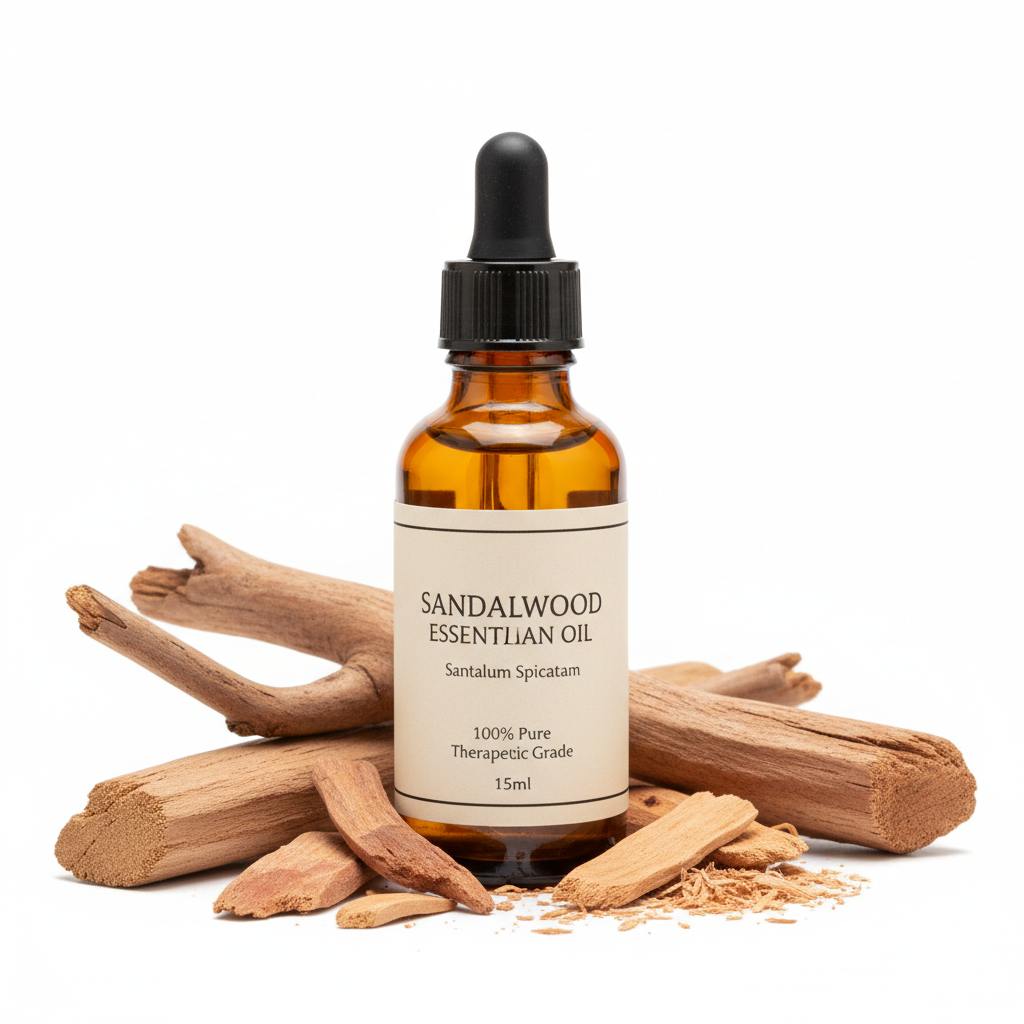
Sandalwood Australian Essential Oil
Santalum spicatum
**Australian Sandalwood Essential Oil: Uncovering Its Rich Heritage and Benefits** Australian Sandalwood Essential Oil is derived from the heartwood of the *Santalum spicatum* tree, an evergreen native to the southern regions of Australia. This exceptional wood has been harvested for centuries, valued for its deep, woody aroma and myriad therapeutic properties. The oil is produced through a careful steam distillation process, which ensures that its rich and distinctive scent is preserved along with its beneficial compounds. **Botanical Information** The *Santalum spicatum* tree can grow up to 10 meters in height and is characterized by its dense foliage and yellow flowers. Interestingly, sandalwood trees are hemiparasitic, feeding on their host plants' roots, which contributes to the complex aromatic profile of the oil. This species is considered endangered due to overharvesting, which has led to strict regulations surrounding its cultivation and trade. **Therapeutic Properties** Australian Sandalwood Essential Oil is renowned for its calming effects on the mind and body. It is known to promote emotional stability, offering a sense of grounding and tranquility during stressful times. Studies have shown that sandalwood oil may significantly reduce anxiety and enhance mood, making it an excellent choice for aromatherapy practices focusing on emotional well-being. In addition to its psychological benefits, this oil supports respiratory health. When inhaled during meditation or deep-breathing exercises, it can ease feelings of tightness in the chest and promote clearer breathing. Furthermore, sandalwood oil is believed to have anti-inflammatory properties that may assist in calming muscle tension, rendering it an excellent choice for topical applications in massages. **Historical Significance** The use of sandalwood dates back thousands of years, often employed in traditional medicine, rituals, and perfumery across various cultures. Ancient Egyptians utilized sandalwood in their embalming practices, while in India, it has been integral to Ayurvedic treatments. Emperors and royalty have long considered sandalwood a symbol of wealth, further enhancing its desirability. **Scientific Research** Numerous studies reveal that sandalwood oil possesses a variety of chemical constituents that contribute to its effectiveness. Key compounds such as alpha-santalol and beta-santalol have been identified as major components that exhibit anti-inflammatory and antimicrobial properties. These findings support the traditional uses of sandalwood oil for skin health, showing potential in reducing the appearance of scars, blemishes, and signs of aging. **Aroma Profile** Australian Sandalwood Essential Oil is characterized by its rich, creamy, woody scent, which has a subtle sweetness. The aroma is grounding and calming, making it a favorite choice for meditation and spiritual practices. The lasting scent of sandalwood has made it a popular base note in perfumery, often blended with floral and spicy notes to create balanced fragrance profiles. **Common Applications** This essential oil can be used in numerous ways. In aromatherapy, a few drops can be added to a diffuser to create a peaceful environment. It can also be applied topically in diluted forms, as it promotes healthy skin hydration and suppleness, contributing to an overall radiant complexion. Try adding a few drops to your bath or carrier oil for a soothing massage experience, or incorporate it into skincare formulations for enhanced skin health. **Interesting Facts** Did you know that sandalwood can help in promoting better sleep? Many users report improved sleep quality due to its calming effects. Additionally, the oil's association with spirituality can enhance your meditation sessions, as it helps maintain focus and encourages a deeper state of relaxation. Overall, Australian Sandalwood Essential Oil offers a wealth of benefits, enhancing not only physical well-being but also fostering emotional balance and mental peace. With its rich history and extensive therapeutic uses, this oil is certainly a valuable addition to any essential oil collection.
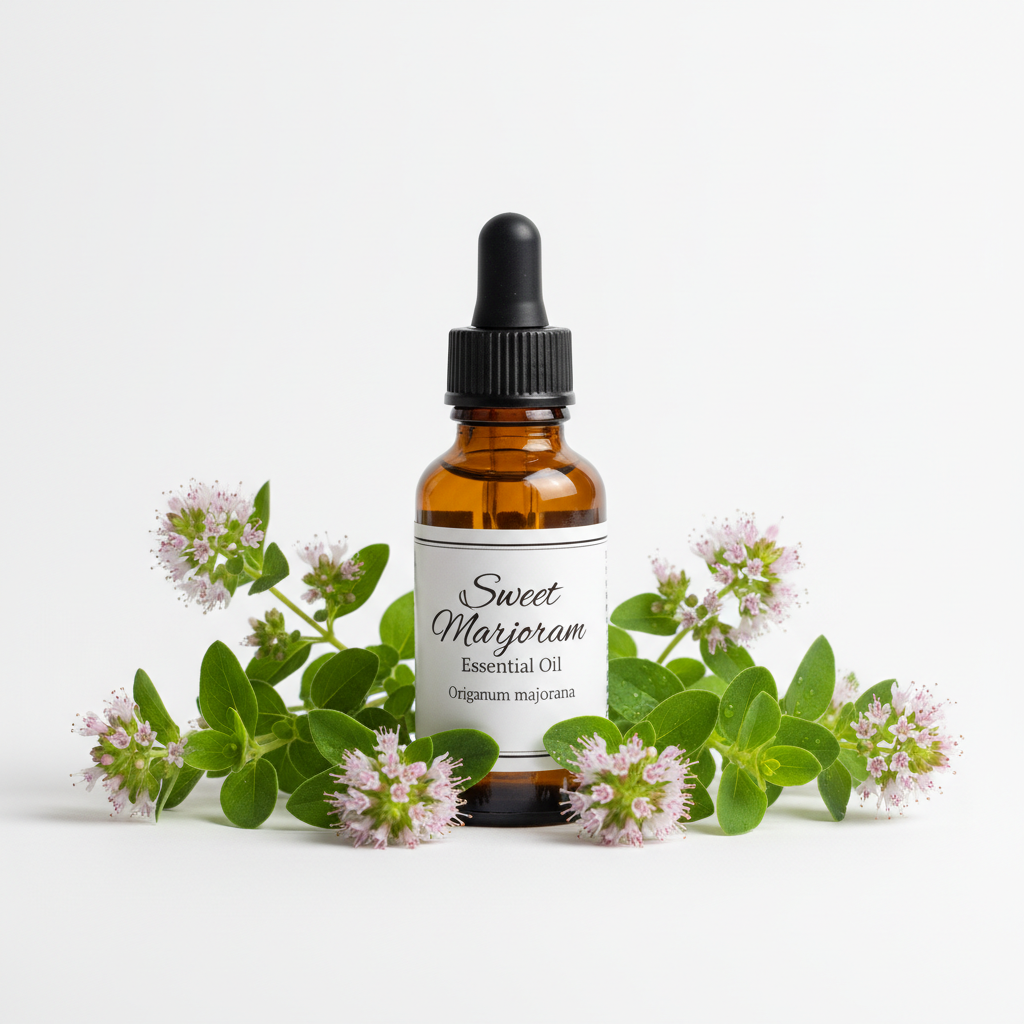
Sweet Marjoram Essential Oil
Origanum majorana
Sweet Marjoram Essential Oil, scientifically known as *Origanum majorana*, is a cherished oil extracted from the leaves and flowering tops of the sweet marjoram plant. This herb, native to the Mediterranean region, has a long history of use in cooking and traditional medicine. The extraction method employed for this essential oil is steam distillation, a process that effectively captures the oil's delicate aroma and potent therapeutic properties. ### Origin and Extraction Method Sweet Marjoram has been cultivated for centuries, with evidence of its use dating back to the ancient Greeks and Romans who valued it as a symbol of happiness and protection. The essential oil is produced via steam distillation of the plant’s leaves and flowering tops, which preserves its volatile compounds and rich, sweet scent. This extraction method leaves the oil with both aroma and therapeutic benefits intact, making it ideal for various applications. ### Botanical Information *Origanum majorana*, belonging to the Lamiaceae family, is a perennial herb characterized by its rich green leaves and small white or pink flowers. The plant typically grows to about 60 cm in height and flourishes in warm, sunny climates. The oil extracted from the leaves is light yellow to amber in color, with a distinctive sweet, herbaceous fragrance. ### Therapeutic Properties and Benefits Sweet Marjoram Essential Oil is celebrated for its wide array of therapeutic benefits: - **Relaxation and Calmness**: Known for promoting tranquility, this oil is often used in aromatherapy to reduce stress and support mental clarity and relaxation. - **Anti-inflammatory Effects**: It possesses anti-inflammatory properties that are beneficial in soothing sore muscles and easing discomfort, making it a popular addition to massage blends. - **Digestive Health**: This oil aids digestion, helping to alleviate bloating and discomfort after meals. - **Respiratory Relief**: Its soothing attributes can help ease respiratory issues, promoting clear airways and relieving congestion. - **Emotional Balance**: Sweet Marjoram encourages emotional stability, reducing mood swings and providing comfort during periods of grief or emotional stress. ### Historical and Traditional Uses Historically, Sweet Marjoram has been used in various cultures for both culinary and medicinal purposes. Ancient Greeks believed it signified love and joy and used it in wedding ceremonies. In traditional medicine, it has been utilized to treat ailments such as colds, coughs, and digestive issues. Its soothing properties have also made it a staple in the herbal remedies of many cultures. ### Scientific Facts and Research Recent studies have highlighted the antimicrobial and antioxidant properties of Sweet Marjoram Essential Oil. Research indicates that its compounds may help inhibit the growth of harmful bacteria and support overall health by combating oxidative stress in the body. These findings have sparked interest in its use as a natural remedy in various health and wellness contexts. ### Aroma Profile and Characteristics The aroma of Sweet Marjoram Essential Oil is soft, sweet, and slightly spicy, with herbaceous notes that are calming and soothing. This fragrance profile makes it an excellent choice for diffusion in homes or during yoga and meditation sessions, fostering an environment that promotes peace and relaxation. ### Common Applications and Methods Sweet Marjoram Essential Oil can be employed in numerous ways: - **Diffusion**: Add a few drops to a diffuser to promote a calming environment. - **Massage**: Blend with a carrier oil and apply to sore areas to relieve tension and soreness. - **Bath**: Add a few drops to a warm bath for a soothing, relaxing experience. - **Inhalation**: Use during stressful moments by inhaling directly from the bottle or via a steam inhalation method. ### Interesting Facts and Trivia Did you know that sweet marjoram is often confused with oregano? While they share similar scent profiles, sweet marjoram is milder and has a sweeter fragrance. Another interesting fact is that marjoram was traditionally used as an aphrodisiac and in love potions in ancient times! In conclusion, Sweet Marjoram Essential Oil is not only a versatile addition to your essential oil collection but also a powerful ally in promoting physical health and emotional well-being. Its rich history, combined with its numerous benefits, makes it a staple in aromatherapy and natural health practices.
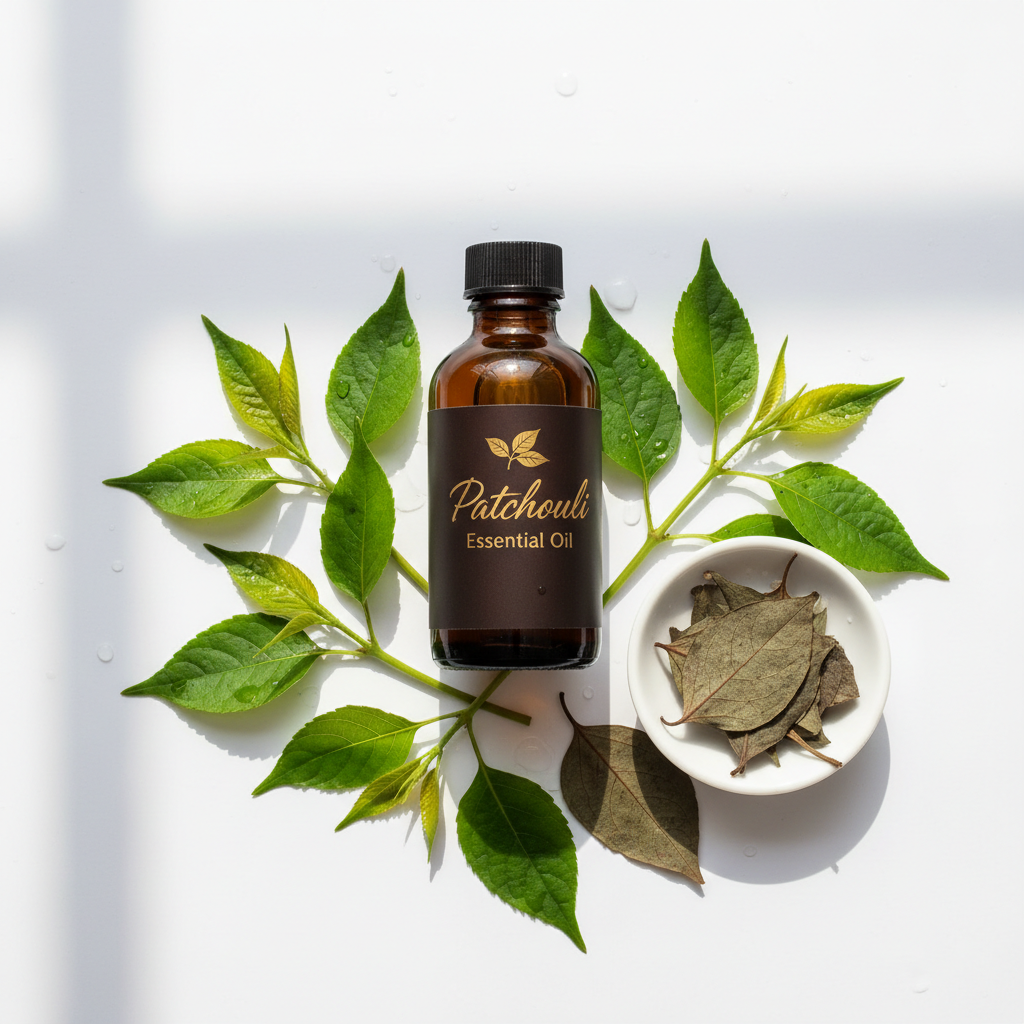
Patchouli Essential Oil
Pogostemon cablin
Patchouli essential oil, scientifically known as Pogostemon cablin, is an essential oil that has captured the interest of both the aromatherapy community and the fragrance industry. Its extraction is primarily through steam distillation of the leaves, a method that preserves the potent aromatic profiles and therapeutic properties, resulting in a deep, earthy fragrance that is instantly recognizable. ### Origin and Extraction Method Originating from tropical regions of Asia, especially countries like Indonesia and the Philippines, patchouli is a perennial herb that grows up to 1 meter tall. The steam distillation process involves harvesting the leaves, wilting them for a few days, and then passing steam through the plant material, which extracts the essential oil. This oil is beloved not just for its scent but also for its historical significance in ancient trade routes. ### Botanical Information Patchouli belongs to the mint family, Lamiaceae, and has broad, oval-shaped leaves that emit a distinct aroma when crushed. The plant thrives in warm, humid climates, which contribute to its high-quality oil yield. The unique composition of patchouli oil, featuring notable constituents such as patchoulol, contributes to its rich fragrance and numerous health benefits. ### Therapeutic Properties and Benefits Patchouli essential oil is celebrated in aromatherapy for its wide range of therapeutic properties: - **Stress Relief:** Known to reduce feelings of anxiety and promote a sense of calm. - **Mood Enhancement:** Commonly used to uplift spirits and improve emotional balance. - **Emotional Grounding:** Helps foster stability during turbulent emotional times, making it a favorite among those seeking mental clarity. - **Skin Care:** Often incorporated in skincare for its antifungal properties and ability to rejuvenate the skin, making it ideal for treating acne and improving mature skin's appearance. - **Digestive Aid:** Can soothe digestive issues and promote healthy digestion. - **Pain Relief:** Known for its analgesic properties, it may help alleviate mild aches and pains. ### Historical and Traditional Uses The use of patchouli can be traced back to ancient civilizations. It was popular in the perfume trade, particularly in conjunction with silk production. Traders would often use patchouli to protect fabrics from insects and add an exotic aroma. In addition to its use in perfumes, patchouli has significant cultural significance in various traditions, particularly in Hinduism and Ayurveda, where it is believed to enhance spiritual practices and rituals. ### Scientific Facts and Research Numerous studies have been conducted on the benefits of patchouli essential oil. Research indicates that the oil has significant anti-inflammatory and antibacterial properties, contributing to its effectiveness in treating skin conditions. Furthermore, the calming effect of patchouli oil has been backed by scientific understanding of how aromatherapy impacts the limbic system, the part of the brain responsible for emotions. ### Aroma Profile and Characteristics Patchouli essential oil possesses a unique aroma—deep, musky, and earthy—making it a versatile base note in perfumery. Its scent can be described as both robust and calming, often evoking a sense of tranquility which is why it pairs beautifully with other essential oils such as lavender, cedarwood, and bergamot. ### Common Applications and Methods Patchouli essential oil is widely used in various applications: - **Aromatherapy:** Often used in diffusers, inhalation practices, and mixed with carriers for topical applications. - **Home Fragrance:** Added to candles, incense, and potpourri for its rich, soothing aroma. - **Skin Care Products:** Incorporated into lotions, creams, and oils for its beneficial properties. - **Hair Care:** Added to shampoos and conditioners to enhance scalp health and strengthen hair. ### Interesting Facts and Trivia - Patchouli oil was considered a sign of wealth and sophistication in Victorian England, commonly used to scent garments. - The oil's role in the hippie movement of the 1960s popularized its use and introduced it to a broader audience, leading to its status as a symbol of peace and love. In conclusion, Patchouli essential oil is not just valued for its captivating scent but is also appreciated for its extensive health benefits, rich history, and diverse applications. As a foundational oil in both aromatherapy and perfumery, patchouli continues to be a cherished favorite among those seeking both relaxation and rejuvenation.
Benefits
Recipes
Aromatherapy Recipe: Under-Bed Storage Drawer Bombs
Discover this simple recipe for Under-Bed Storage Drawer Aroma Bombs, perfect for freshening up your space with delightful scents!
DIY Candle Making Fragrance Blend Recipe for Aromatic Bliss
Discover how to create a delightful essential oil blend recipe tailored for your candle making needs, enhancing your home with captivating scents.

Refreshing Brenaige Headache Relief Inhaler Recipe
Discover the ultimate inhaler recipe using essential oils that eases headache pain and promotes relaxation for a soothing experience.
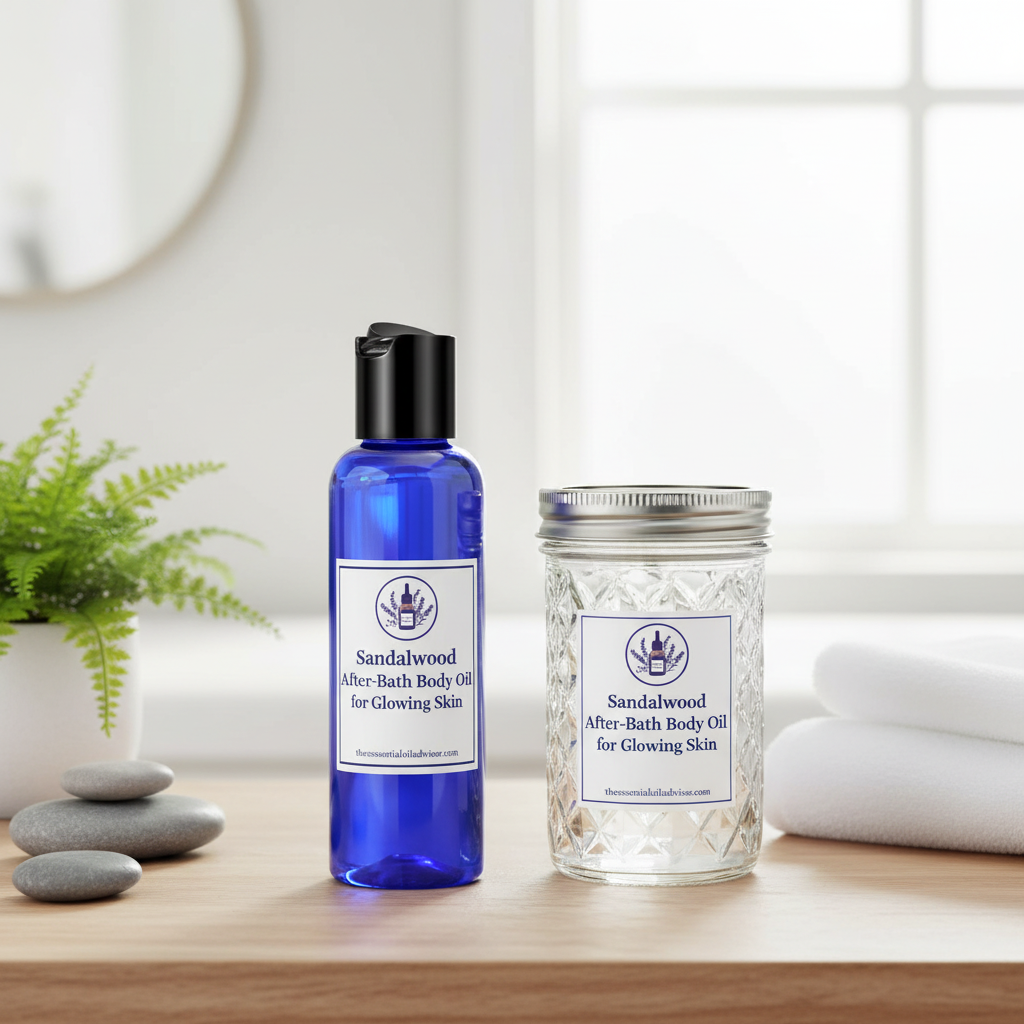
Sandalwood After-Bath Body Oil Recipe for Glowing Skin
Pamper your skin with our sandalwood after-bath body oil recipe. Easy to make, this luxurious blend leaves you moisturized, fragrant, and rejuvenated!
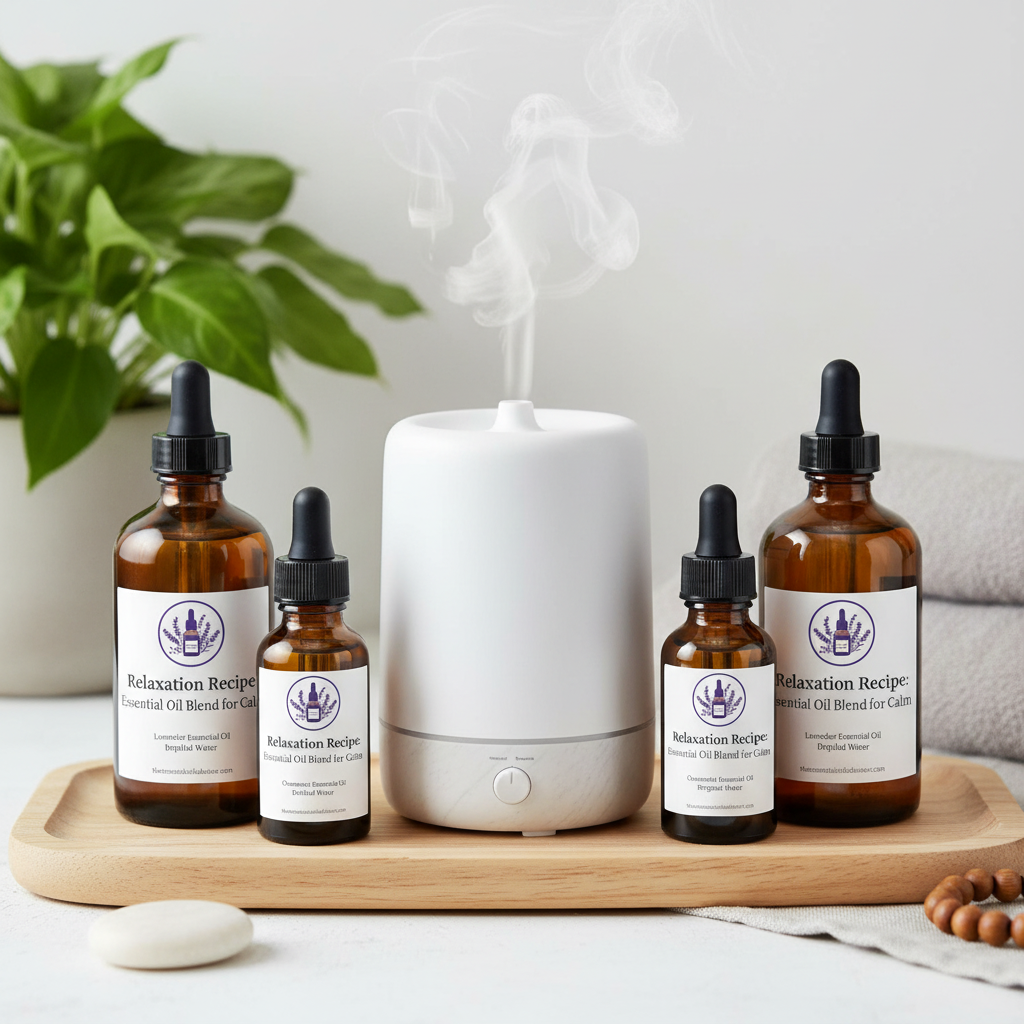
Relaxation Recipe: Essential Oil Blend for Calm
Try this relaxation recipe featuring essential oils to calm your mind and create a peaceful environment for meditation and yoga.
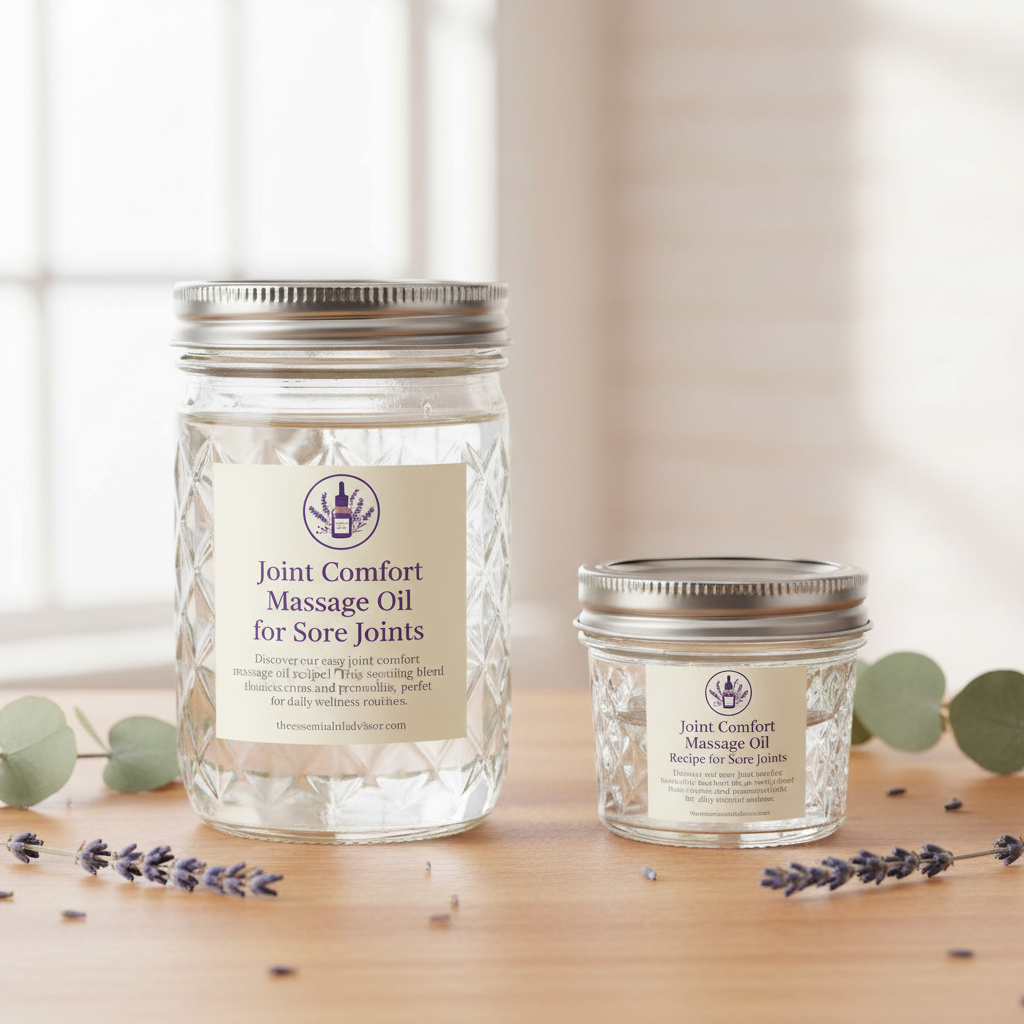
Joint Comfort Massage Oil Recipe for Sore Joints
Discover our easy joint comfort massage oil recipe! This soothing blend alleviates soreness and promotes flexibility, perfect for daily wellness routines.