Search
Found 50 results for "Digestive Health"
Essential Oils
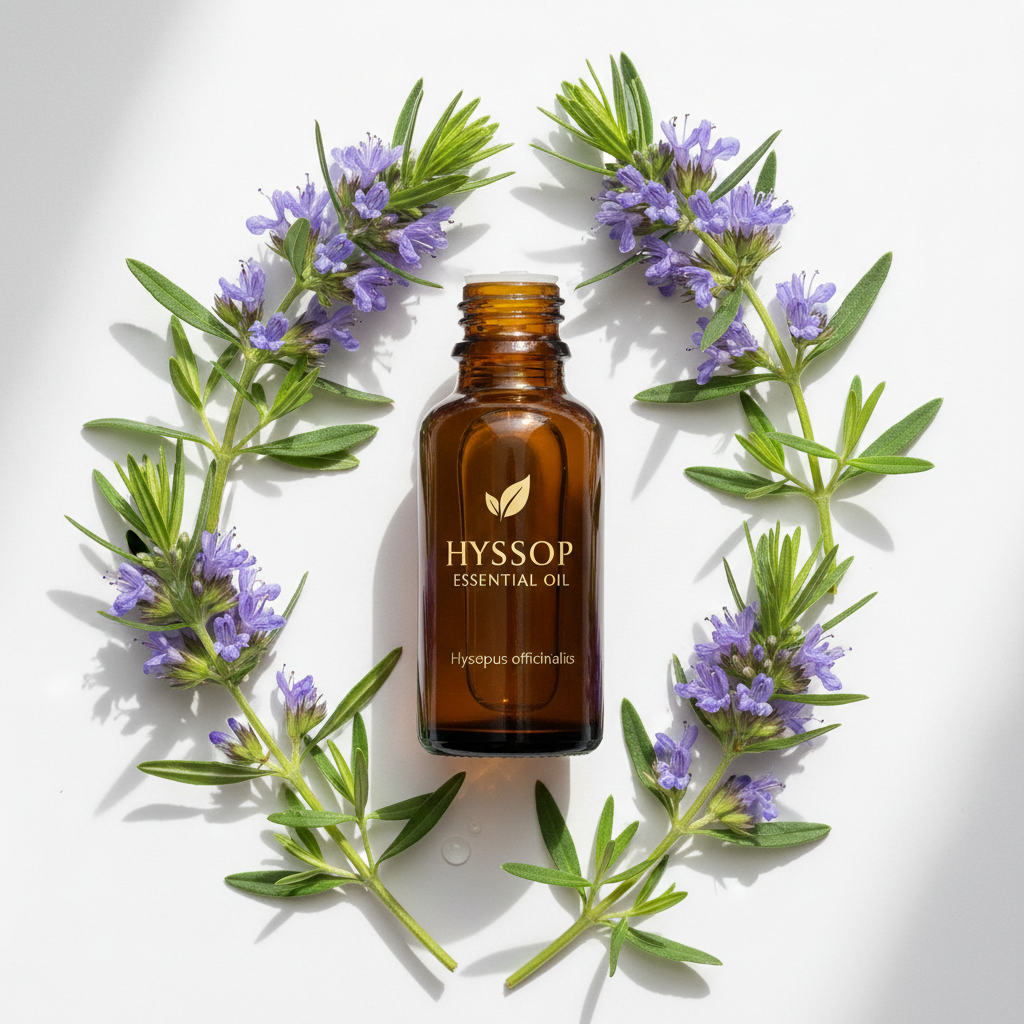
Hyssop Essential Oil
Hyssopus officinalis
Hyssop essential oil, derived from the leaves and flowering tops of the Hyssopus officinalis plant, is a powerful oil known for its myriad of therapeutic benefits and deeply rooted historical significance. Native to the Mediterranean region, Hyssop has been celebrated for centuries for its culinary and medicinal values. The essential oil is extracted through steam distillation, a method that maintains the integrity of its delicate aromatic compounds, resulting in a high-quality oil with a fresh, sweet, and slightly herbaceous scent. **Origin and Extraction Method** Hyssop essential oil’s history can be traced back to ancient civilizations, including the Egyptians, who utilized it for both culinary enhancements and medicinal purposes. The steam distillation process used to extract Hyssop essential oil is key to capturing its aromatic properties, allowing for the preservation and potent delivery of essential compounds, which are central to its various uses. **Botanical Information** Hyssopus officinalis is a member of the Lamiaceae family, distinguished by its small purple flowers and linear green leaves. Rich in bioactive compounds such as pinocamphone and camphor, Hyssop essential oil stands out for its therapeutic and aromatic qualities. Due to its wide-ranging applications, Hyssop oil is frequently confused with other botanical oils, underscoring its remarkable versatility. **Therapeutic Properties and Benefits** Hyssop essential oil is renowned for its extensive range of therapeutic benefits, making it a crucial component in both traditional herbal medicine and contemporary aromatherapy practices. Some of its most notable benefits include: - **Respiratory Support**: Hyssop oil enhances respiratory health by easing symptoms associated with coughs and colds, providing soothing effects for throat irritation and improving breathing when diffused or inhaled. - **Emotional Balance**: Frequently used in meditation, it promotes emotional well-being and clarity, helping individuals combat feelings of anxiety and promoting tranquility. - **Digestive Health**: This essential oil can aid digestion, alleviate discomfort, and may stimulate appetite, making it beneficial for various digestive issues. - **Immune Support**: Hyssop essential oil provides immune system support, particularly useful during seasonal illnesses. **Historical and Traditional Uses** Hyssop is steeped in folklore and historical significance. It is referenced in biblical texts for its purification properties, highlighting its importance across various cultures as a healing herb. This long-standing use underscores Hyssop’s effectiveness in addressing diverse ailments, establishing its credibility in herbal medicine. **Scientific Facts and Research** Recent scientific research has validated many of Hyssop essential oil’s traditional uses by exploring its antimicrobial and antioxidant properties. Ongoing studies aim to further investigate its impacts on mental clarity and emotional health, bridging the gap between ancient practices and modern scientific understanding. **Aroma Profile and Characteristics** With a fresh, sweet, and herbaceous aroma, Hyssop essential oil provides an uplifting yet grounding scent, making it perfect for enhancing focus and mental clarity. The oil’s unique aroma properties make it favored in both aromatherapy and natural perfumery. **Common Applications and Methods**: Hyssop essential oil can be incorporated into daily wellness practices through various methods: - **Aromatherapy**: Use a diffuser with a few drops to promote emotional balance and clarity. - **Topical Use**: Dilute with a carrier oil for localized application to sore muscles or skin issues, ensuring a patch test is performed first. - **Bathing**: Add a few drops to a warm bath for a soothing and relaxing experience. - **Steam Inhalation**: Great for respiratory support, inhale the steam by adding a few drops to hot water. - **Skin Care**: Incorporate in small amounts into skincare routines for clearer skin due to its antimicrobial properties. **Interesting Facts and Trivia** Despite being less popular than some essential oils, Hyssop essential oil is a treasure for its diverse applications in holistic wellness. It’s often noted in herbal medicine texts for its rich legacy and versatility, which continues to matter in modern wellness practices around the world. Its historical context and practical benefits make Hyssop a compelling addition to any essential oil collection. In summary, Hyssop essential oil is a remarkable and adaptable oil worth considering for anyone interested in the therapeutic qualities of essential oils. Whether for respiratory support, emotional stability, or as part of traditional health practices, exploring Hyssop essential oil can significantly enhance your overall well-being.
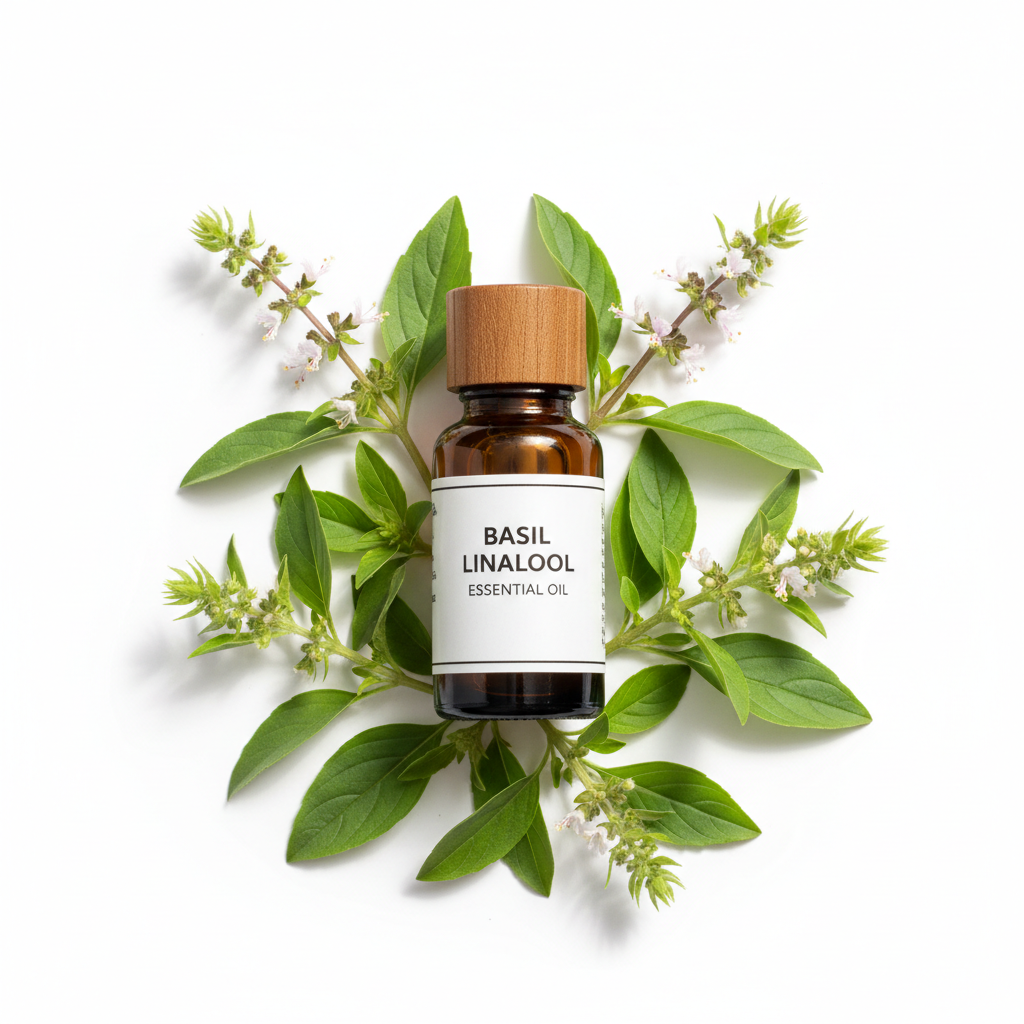
Basil Linalool Essential Oil
Ocimum basilicum
Basil Linalool Essential Oil, derived from the leaves and flowering tops of the Ocimum basilicum plant, boasts a sweet, herbaceous aroma and is celebrated for its numerous health benefits and applications in aromatherapy and holistic practices. Extracted through steam distillation, this essential oil retains the delicate compounds that contribute to its therapeutic properties, making it popular in wellness circles and natural medicine. ### Origin and Extraction Method Basil Linalool Essential Oil hails from the sweet basil plant, which is native to tropical regions but can be found worldwide. The extraction process for this essential oil employs steam distillation, which involves passing steam through the plant material. This preserves the essential oils within the plant and ensures a high-quality product. The ideal harvesting time is just before the plant flowers, as this is when the essential oil content is at its peak. ### Botanical Information Ocimum basilicum, commonly known as sweet basil, belongs to the Lamiaceae family. The name "basil" translates to "king" in Greek, indicating its revered status in ancient cultures. This plant thrives in warm climates and is often grown in gardens for culinary purposes. The essential oil is particularly rich in the linalool compound, making it distinctively aromatic and beneficial for various therapeutic uses. ### Therapeutic Properties and Benefits The therapeutic reputation of Basil Linalool Essential Oil is extensive. - **Promotes Relaxation**: One of its most recognized properties is its calming aroma, which effectively soothes feelings of stress and anxiety. Many use it in diffusers or add it to bathwater for a tranquil experience. - **Enhances Creativity**: Studies suggest that the aroma of basil can stimulate the mind, enhancing creative thinking and problem-solving abilities—ideal for artists and professionals alike. - **Fosters Positive Mood**: The uplifting scent brings feelings of happiness and well-being, helping combat negative emotions and fostering a positive environment. - **Supports Mental Clarity**: Many individuals find that basil essential oil aids in concentration and focus, making tasks feel less daunting. - **Reduces Emotional Fatigue**: For those experiencing emotional exhaustion, the energizing qualities of this oil can alleviate fatigue and increase vitality. - **Eases Muscle Tension**: Commonly suggested for massages, basil linalool has muscle-relaxing properties that relieve tension and soreness. - **Supports Respiratory Health**: The oil’s inhalation can help clear congestion and improve overall respiratory function, providing relief during colds or allergies. - **Aids Digestion**: When used in blends, basil linalool can support digestive health by alleviating discomfort and promoting gut function. - **Improves Skin Health**: When diluted properly for topical use, it promotes clearer skin and can help fight blemishes due to its antibacterial properties. - **Boosts Immune Response**: Its antibacterial and anti-inflammatory properties support immune function, making it a valuable asset during flu season. ### Historical and Traditional Uses Historically, basil has been revered in various cultures for its medicinal and culinary properties. In ancient Egypt, it was used in the mummification process, while in some Mediterranean cultures, it is considered a symbol of love, protection, and purity. Traditional practices include using basil oil in culinary dishes and for medicinal purposes, ranging from treating digestive disorders to enhancing emotional well-being. ### Scientific Facts and Research Research into the benefits of linalool indicates its potential role in reducing anxiety and improving mood. Several studies have highlighted its anti-inflammatory and antioxidant effects, which contribute to its broad spectrum of benefits. ### Aroma Profile and Characteristics Basil Linalool Essential Oil has a fresh, sweet, and slightly peppery aroma. Its vibrant scent not only lifts the spirit but also helps create a serene environment—making it a popular choice in aromatherapy practices. ### Common Applications and Methods - **Aromatherapy**: Diffuse or inhale to promote relaxation and clarity. - **Massage**: Dilute in a carrier oil to relieve muscle tension. - **Topical**: Use diluted in skincare routines for clearer skin. - **Culinary**: Add a drop to dishes for flavor enhancement (ensure it’s food-grade). ### Interesting Facts and Trivia - Basil is sometimes referred to as the "king of herbs" due to its royal history and extensive culinary use. - Linalool is also found in many other essential oils, including lavender and coriander, highlighting the cross-properties between different plant essential oils. - The sweet basil plant has been used in traditional medicine for centuries, showcasing its long-lasting relevance in holistic health. In conclusion, Basil Linalool Essential Oil is not only fragrant but also a powerhouse of therapeutic benefits. Its versatility, rich history, and extensive uses make it a must-have in any essential oil collection.
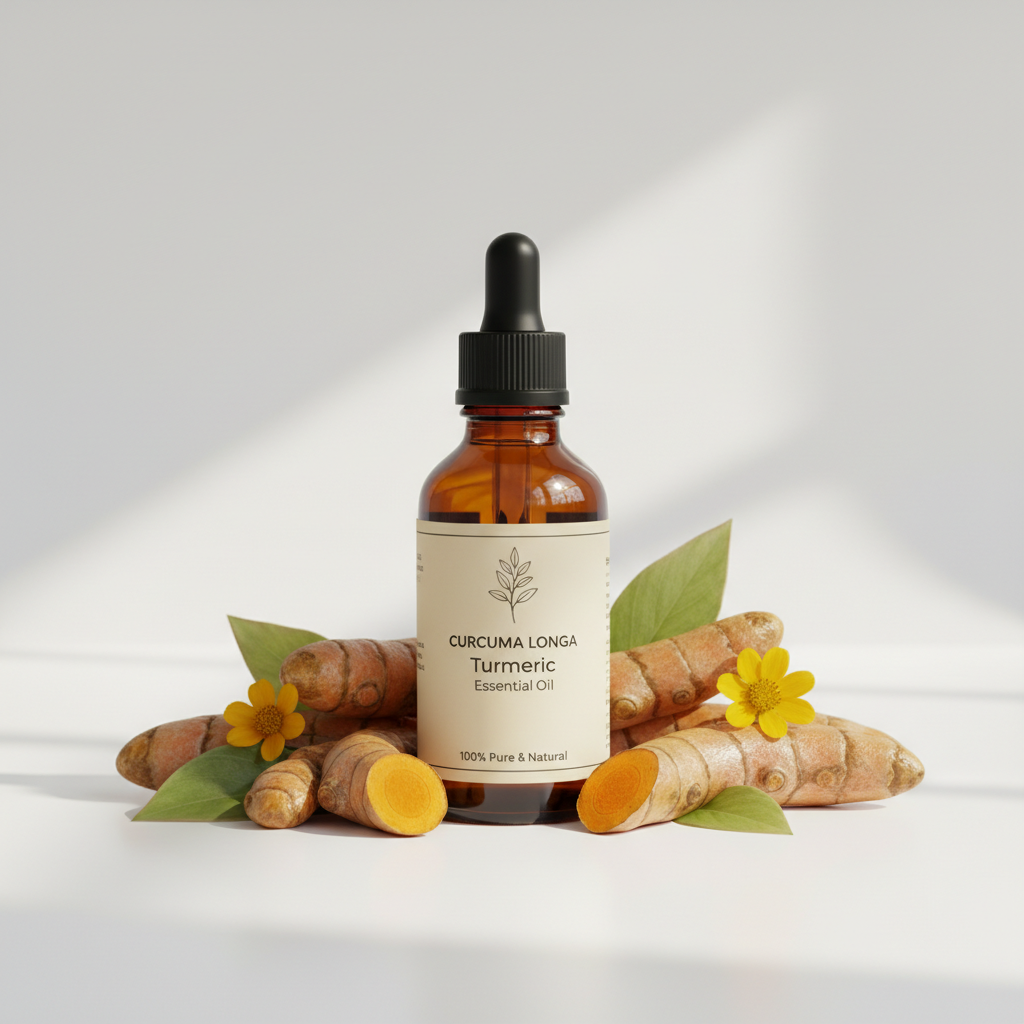
Turmeric Essential Oil
Curcuma longa
Turmeric essential oil, extracted from the rhizomes of the Curcuma longa plant, has gained immense popularity in recent years, not just for its vibrant yellow color, but for its myriad of therapeutic benefits. This aromatic oil is predominantly obtained through steam distillation, a method that preserves its potential health properties while enhancing its fragrance. ### Botanical Information The Curcuma longa plant, native to tropical South Asia, particularly India, has a long history of use in traditional medicine systems. Turmeric is a perennial herb with a bright yellow-orange rhizome, which is the root from which the essential oil is extracted. Turmeric's active component, curcumin, is celebrated for its anti-inflammatory and antioxidant properties, making it a key player in various health and wellness applications. ### Therapeutic Properties and Benefits Turmeric essential oil is touted for its numerous health benefits, including: - **Anti-inflammatory:** The oil is well-known for relieving inflammation, making it beneficial for conditions like arthritis and muscle soreness. - **Antioxidant:** Its powerful antioxidants help combat free radicals, reducing oxidative stress and promoting overall health. - **Mood Enhancer:** The uplifting aroma positively influences mood, aiding in alleviating feelings of sadness or anxiety. - **Stress Relief:** It has a soothing effect, promoting calmness and reducing anxiety levels, making it a popular choice for aromatherapy. - **Mental Clarity:** Many users find that turmeric oil helps support focus and cognitive function, particularly during high-stress tasks. - **Grounding Properties:** This oil is said to provide emotional stability, creating a tranquil mental environment conducive to self-acceptance and emotional balancing. - **Circulation Booster:** The oil's properties may enhance blood circulation, promoting vitality and energy. - **Digestive Support:** By easing discomfort and bloating, turmeric essential oil supports healthy digestion processes. - **Skin Health:** It has antiseptic qualities and can assist in healing minor cuts, irritations, and other skin issues. ### Historical and Traditional Uses In Ayurveda, turmeric has been revered for centuries not only as a spice but as a healing herb. Traditionally, it has been used to treat a variety of ailments, from skin conditions to digestive disorders. In many cultures, turmeric is incorporated into rituals and traditional practices, reflecting its significance in heritage and health. ### Scientific Research Scientific studies have explored the myriad benefits of turmeric essential oil, particularly focusing on its active components. Research has validated some of its traditional uses, demonstrating its anti-inflammatory and antioxidant capabilities. This aligns with many modern trends that advocate for natural remedies in health and wellness regimens. ### Aroma Profile and Characteristics The aroma of turmeric essential oil is warm, spicy, and slightly woody, making it an excellent addition to diffusers and blends in aromatherapy. Its distinct fragrance is not only uplifting but can also stimulate the senses, enhancing focus and mental clarity during meditation or yoga. ### Common Applications and Methods Turmeric essential oil can be utilized in various ways: - **Aromatherapy:** Add a few drops to a diffuser to enjoy its calming aroma. - **Massage:** Dilute with a carrier oil for topical applications to relieve muscle aches and promote relaxation. - **Skincare:** Incorporate into skin care products for its healing properties, or mix with a carrier oil for direct skin application. - **Wellness Blends:** Combine with other essential oils like lavender or frankincense for enhanced therapeutic effects. ### Interesting Facts and Trivia - Turmeric is often referred to as "the golden spice of life" due to its vibrant hue and vast medicinal properties. - The use of turmeric dates back over 4,000 years, showcasing its long-standing presence in various cultures. - Its pigment has been used as a dye in fabrics, demonstrating its versatility beyond just flavor and health benefits. In conclusion, turmeric essential oil stands out with its rich aromas and diverse health benefits. As a central component in both traditional medicine and contemporary holistic practices, it offers an array of possibilities for enhancing physical wellness and emotional well-being. Whether you're looking to boost your mood, promote skin health or simply enjoy its fragrant presence, turmeric essential oil is a valuable addition to any essential oil collection.
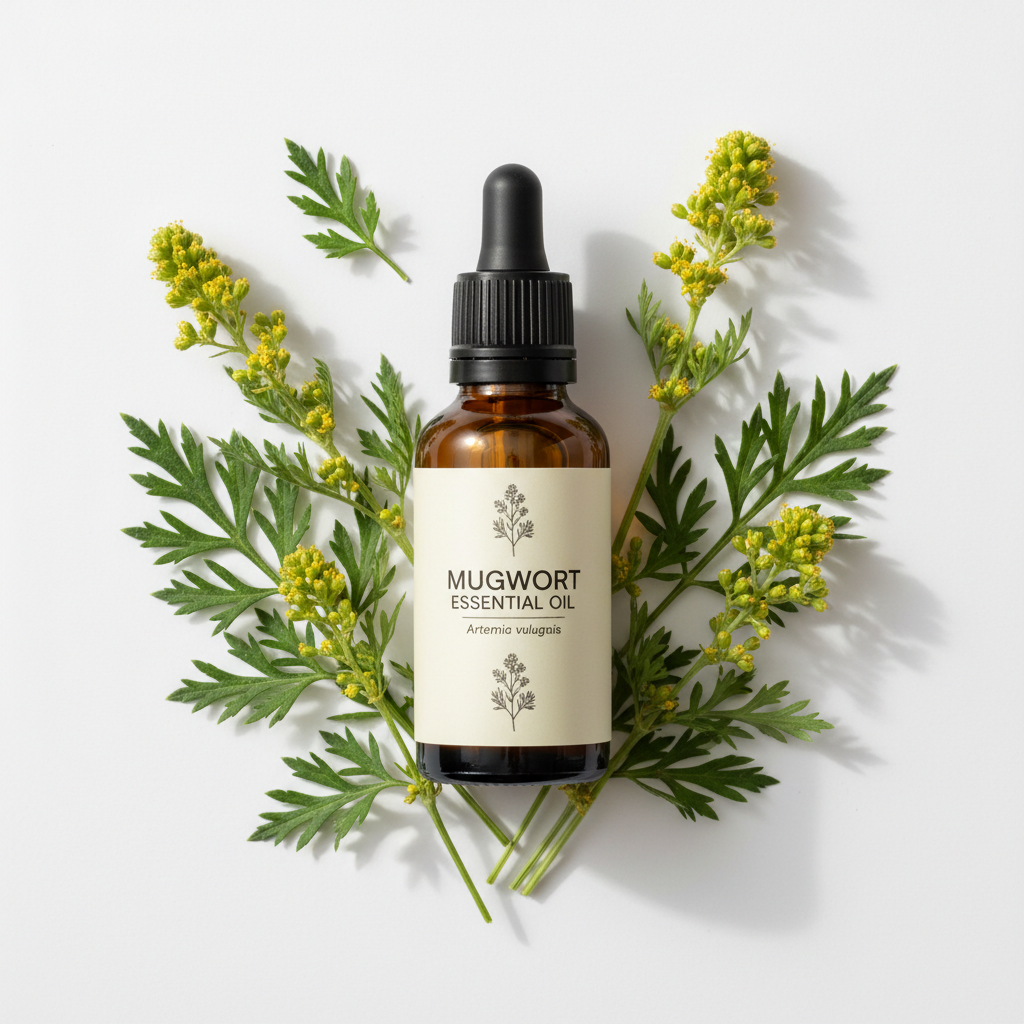
Mugwort Essential Oil
Artemisia vulgaris
## Mugwort Essential Oil: Properties, Uses, and Benefits Mugwort essential oil, derived from the leaves and flowering tops of the **Artemisia vulgaris** plant, is steeped in history, with roots in both culinary and medicinal traditions. Known for its calming and soothing properties, this essential oil has been utilized for centuries across various cultures, celebrated not just for its health benefits but also for its enchanting aroma and intriguing qualities. ### Origin and Extraction Method Mugwort essential oil is primarily extracted through **steam distillation**. The leaves and flowering tops of the plant are harvested at peak oil concentration, usually just before flowering. Artemisia vulgaris is native to Europe, Asia, and North Africa, and it grows abundantly in various climates. This aromatic plant has long been associated with divination, protection, and even culinary uses in European dishes. ### Botanical Information Mugwort is a perennial herb that showcases feathery, dark green leaves and small, clustered flowers that bloom in late summer. Its botanical family is Asteraceae, which includes many well-known herbs. Known by various names globally, including **wormwood** and **common mugwort**, this plant carries a rich tradition in herbal medicine and folklore. ### Therapeutic Properties and Benefits Mugwort essential oil is renowned for its therapeutic qualities: - **Enhances Dream Recall**: Many enthusiasts use Mugwort oil in dreamwork, claiming it aids in vivid dreams and supports lucid dreaming. - **Reduces Stress**: Known for its calming effects, the oil may promote relaxation and alleviate stress and tension. - **Supports Emotional Balance**: This oil can assist in achieving emotional clarity and stability, making it a favorite among individuals seeking mental well-being. - **Encourages Creativity**: Users often report that Mugwort opens the mind to new ideas and inspirations, beneficial for artists and creatives. - **Fosters a Sense of Grounding**: It is believed to help individuals feel centered and connected, enhancing mindfulness practices. - **Headache Relief**: Inhalation of Mugwort oil may alleviate headaches and migraines. - **Respiratory Support**: The oil can promote easier breathing, benefiting those with respiratory issues. - **Gynecological Health**: It's also noted for relieving menstrual discomfort and issues related to women's reproductive health. - **Nausea Relief**: Inhalation can help reduce feelings of nausea. - **Improves Circulation**: Enhancing blood circulation can lead to elevated energy levels, vital for overall health. ### Historical and Traditional Uses Traditionally, Mugwort has been used in various cultures, from ancient Rome where it was considered a sacred herb, to its role in Chinese medicine for its potent healing properties. Throughout the Middle Ages, it was often used as a protective charm and was believed to ward off evil spirits. In culinary traditions, it has been used to flavor beers and dishes, showcasing its versatility. ### Aroma Profile and Characteristics Mugwort essential oil possesses a unique **aroma profile** that is often described as warm, herbaceous, and slightly sweet, with earthy undertones. The complexity of its scent makes it a cherished addition to aromatherapy practices, often blended with other oils to enhance the experience. Users enjoy its grounding qualities, which contribute to a calming atmosphere during meditation or relaxation sessions. ### Common Applications and Methods Mugwort essential oil can be utilized in various ways: - **Diffusion**: Add a few drops to an essential oil diffuser to create a calming environment. This can be particularly effective before sleep. - **Topical Application**: Diluted with a carrier oil, it can be applied to the skin to alleviate localized discomfort. - **Baths**: A drop or two in your bathwater can provide relaxation and enhance the bathing experience. - **Inhalation**: Inhale directly or use a steam inhalation to enjoy its therapeutic benefits. ### Interesting Facts and Trivia - Historically, Mugwort was called "dream herb" due to its association with dreams. Some cultures even used it during rituals to enhance prophetic dreams. - Its name, "mugwort," derives from the Old English "mucgwyrt," which means "mugwort," emphasizing its culinary uses. - Archaeological studies indicate that Mugwort may have been used in ancient brewing processes, hinting at its lengthy history in herbal applications. In conclusion, Mugwort essential oil is an excellent addition to any essential oil collection, offering multiple therapeutic benefits and a fascinating history. Whether you're seeking relaxation, emotional balance, or creative inspiration, this oil is a powerful ally in promoting overall wellness.
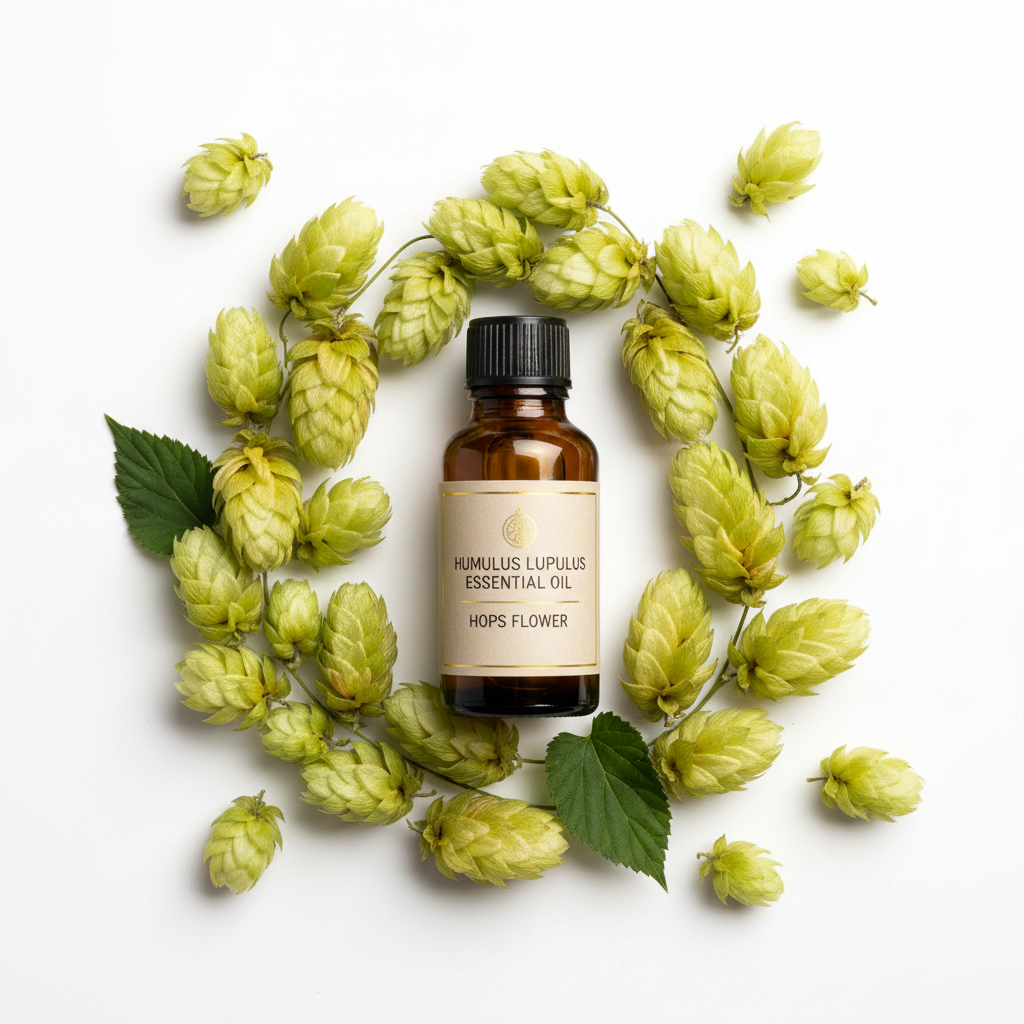
Hops Flower Essential Oil
Humulus lupulus
### Hops Flower Essential Oil: Origins, Extraction, and Uses **Introduction** Hops Flower Essential Oil, derived from the flowers of the Humulus lupulus plant, is well-known primarily for its role in brewing beer. However, its therapeutic potential extends far beyond the brewery. This oil is harnessed for its calming, soothing properties and is a cherished item in the realm of aromatherapy. **Origin and Extraction Method** The Humulus lupulus plant, commonly known as hops, is native to Europe, Asia, and North America. The aromatic essential oil is obtained through steam distillation of the flowering part, or strobiles, of the plant. This method effectively captures the volatile compounds responsible for the oil’s unique aroma and therapeutic properties. **Botanical Information** Hops are climbing plants that belong to the Cannabaceae family. These vigorous perennials can grow up to 25 feet tall in ideal conditions. The essential oil is produced mainly during the blooming season, which occurs in late summer. Distillation of the flowers yields a yellowish-green oil with a characteristic earthy, slightly sweet scent. **Therapeutic Properties and Benefits** Hops Flower Essential Oil is renowned for its numerous therapeutic benefits. Its calming and soothing properties make it a powerful ally in promoting relaxation and sleep. Here are some key therapeutic benefits: - **Promotes Relaxation**: The oil creates a serene atmosphere that can ease mental tension and anxiety. - **Supports Sleep**: Hops oil has long been used as a natural sleep aid, helping to enhance the quality and duration of sleep. - **Reduces Anxiety**: Its anxiolytic properties help in reducing feelings of stress and irritability, contributing to an uplifted mood. - **Eases Muscle Tension**: The oil's anti-inflammatory qualities help in relieving muscle tightness and discomfort. - **Soothes Digestive Issues**: Hops oil may alleviate symptoms like bloating or digestive spasms. - **Enhances Respiratory Function**: Inhaling the oil can aid in clearing respiratory pathways, providing relief from congestion. **Historical and Traditional Uses** Historically, hops have been utilized for centuries not just in beer brewing but also in herbal medicine. Traditional use of hops includes incorporating them into pillows and sachets to promote restful sleep, along with herbal teas to calm anxiety. **Scientific Facts and Research** Research has demonstrated the efficacy of Hops Flower Essential Oil in promoting relaxation and improving sleep quality. Studies note that hops contain various compounds, such as aroma-active constituents, which interact with our brain's neurotransmitters to exert calming effects. Further research highlights its potential in treating insomnia and reducing stress-related symptoms. **Aroma Profile and Characteristics** The aroma of Hops Flower Essential Oil is distinct and complex. Many describe its scent as earthy, floral, and somewhat herbal, evoking feelings of tranquility and peace. This inviting fragrance makes it an excellent choice for diffusers, massage oils, and bath products. **Common Applications and Methods** - **Aromatherapy**: Diffuse Hops oil in your living space to create a calming environment. - **Topical Application**: Dilute with a carrier oil and apply to the skin to relieve tension and enhance relaxation. - **Bath**: Add a few drops to your bathwater for a soothing, aromatic escape. - **Sleep Aid**: Place a few drops on your pillow or use in a sleep spray to aid sleep. **Interesting Facts and Trivia** - Hops are not only used in beer but also in some sodas and other beverages for their aromatic qualities. - Some cultures use hops in sleep pillows, a tradition that dates back many centuries, believing it promotes serene sleep patterns. **Conclusion** Whether you are looking to improve your sleep, ease anxiety, or simply enjoy a beautiful fragrance in your home, Hops Flower Essential Oil offers a rich history and valuable therapeutic properties. With its distinct aroma and various applications, it is a versatile addition to any essential oil collection.
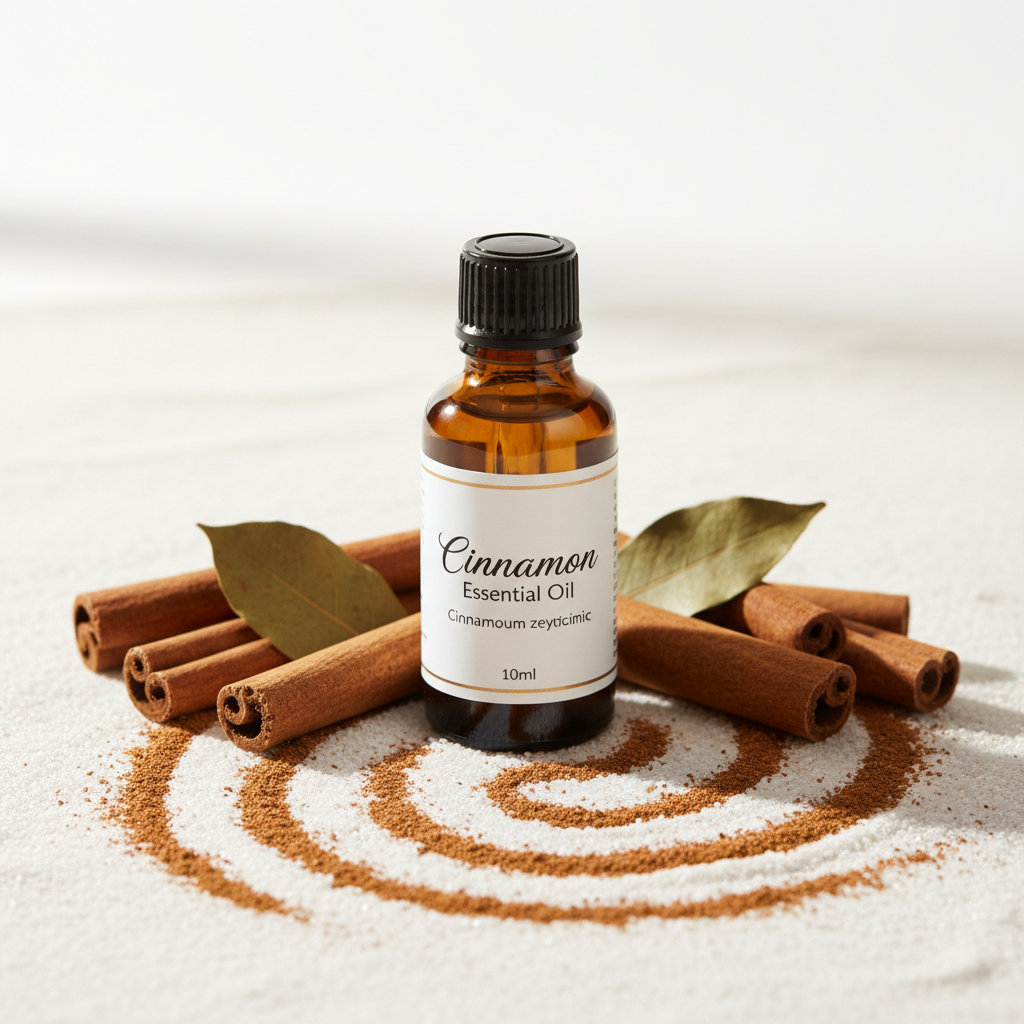
Cinnamon Essential Oil
Cinnamomum zeylanicum
Cinnamon essential oil is a captivating and versatile oil derived from the bark of the Cinnamomum zeylanicum tree, also known as Ceylon cinnamon. This oil has been treasured for centuries not only for its invigorating warm and spicy aroma but also for its comprehensive therapeutic properties. ### Origin and Extraction Method Cinnamon essential oil originates from the Cinnamomum zeylanicum, a tree native to Sri Lanka and a few other regions in Southeast Asia. The essential oil is extracted through the steam distillation of the tree's bark, a process that preserves its natural aroma and therapeutic properties. The extraction process is crucial, as it must be done carefully to maintain the integrity of the oil and maximize its health benefits. The resulting oil is rich in compounds like cinnamaldehyde, eugenol, and linalool, which contribute to its unique smell and health benefits. ### Botanical Information The botanical family of cinnamon is Lauraceae. Cinnamomum zeylanicum grows up to 10 meters tall and has thick, ovate leaves and small, yellow flowers. The bark has a fragrant aroma and is typically harvested when the tree is about two years old. The thin, curled pieces of bark used for extraction are a staple in both culinary and medicinal applications, revered for their contribution to flavor and health. ### Therapeutic Properties and Benefits Cinnamon essential oil is known for its extraordinary therapeutic properties. It possesses strong **antimicrobial** and **anti-inflammatory** effects, making it an excellent choice for various health applications: - **Enhances Mood:** The warm scent of cinnamon lifts spirits and creates a relaxing environment, making it a popular choice in aromatherapy. - **Reduces Stress:** Its comforting aroma can alleviate feelings of anxiety and stress, paving the way for relaxation. - **Cognitive Clarity:** Cinnamon oil stimulates mental clarity and focus. It is often used in workspaces or study environments to enhance concentration and productivity. - **Supports Respiratory Health:** Its expectorant properties help relieve coughs and clear airways, making it beneficial during cold seasons. - **Encourages Healthy Circulation:** Regular use can promote better blood flow and warmth throughout the body. - **Menstrual Comfort:** Traditionally, it has been used to alleviate menstrual cramps and discomfort, adding to its reputation as a supportive oil during that time. - **Immune System Support:** Cinnamon oil is known to boost the immune system, helping the body fend off infections more effectively. ### Historical and Traditional Uses Cinnamon has a rich history, dating back to ancient Egyptian times, where it was used in embalming and as a spice. In Traditional Chinese Medicine and Ayurvedic practices, cinnamon has been utilized for thousands of years, valued for its warming properties and ability to stimulate circulation. Its significance in various cultures symbolizes prosperity, warmth, and friendship. ### Scientific Facts and Research Research indicates that the active compounds in cinnamon essential oil possess potential antioxidant and antimicrobial effects. A study published in the *Journal of Medicinal Plants Research* found cinnamon oil effective against various pathogens, indicating its usefulness in natural remedies. Other studies highlight its effectiveness in treating respiratory issues and enhancing metabolic health. ### Aroma Profile and Characteristics Cinnamon essential oil has a rich, warm, and spicy aroma, reminiscent of fresh cinnamon bark. Its intense scent is immediately recognizable and invokes feelings of warmth and comfort, making it a beloved choice for holiday blends and seasonal products. ### Common Applications and Methods Cinnamon essential oil can be used in several ways: - **Aromatherapy:** Diffusing cinnamon oil is a favorite method for creating a warm and inviting atmosphere. - **Massage:** When diluted with a carrier oil, it can be used in massage to relieve sore muscles and create a sense of warmth. - **Household Products:** Adding cinnamon oil to homemade cleaning solutions can provide antimicrobial properties and a pleasant scent. - **Culinary Uses:** In small amounts, it can enhance the flavor of various dishes, from baked goods to savory meals. ### Interesting Facts and Trivia - Cinnamon is commonly referred to as the "spice of life" due to its extensive uses. - The ancient Romans considered cinnamon to be a gift fit for emperors. - The use of cinnamon oil in incense is believed to promote a sense of purity and spiritual wellness. In conclusion, cinnamon essential oil is not just a delightful fragrance; it is a powerhouse of therapeutic benefits, rich historical significance, and diverse applications. Whether used for its aroma, health benefits, or culinary enhancements, this oil stands out as an essential addition to any wellness or aromatherapy toolkit.