Search
Found 34 results for "Tea Tree"
Essential Oils
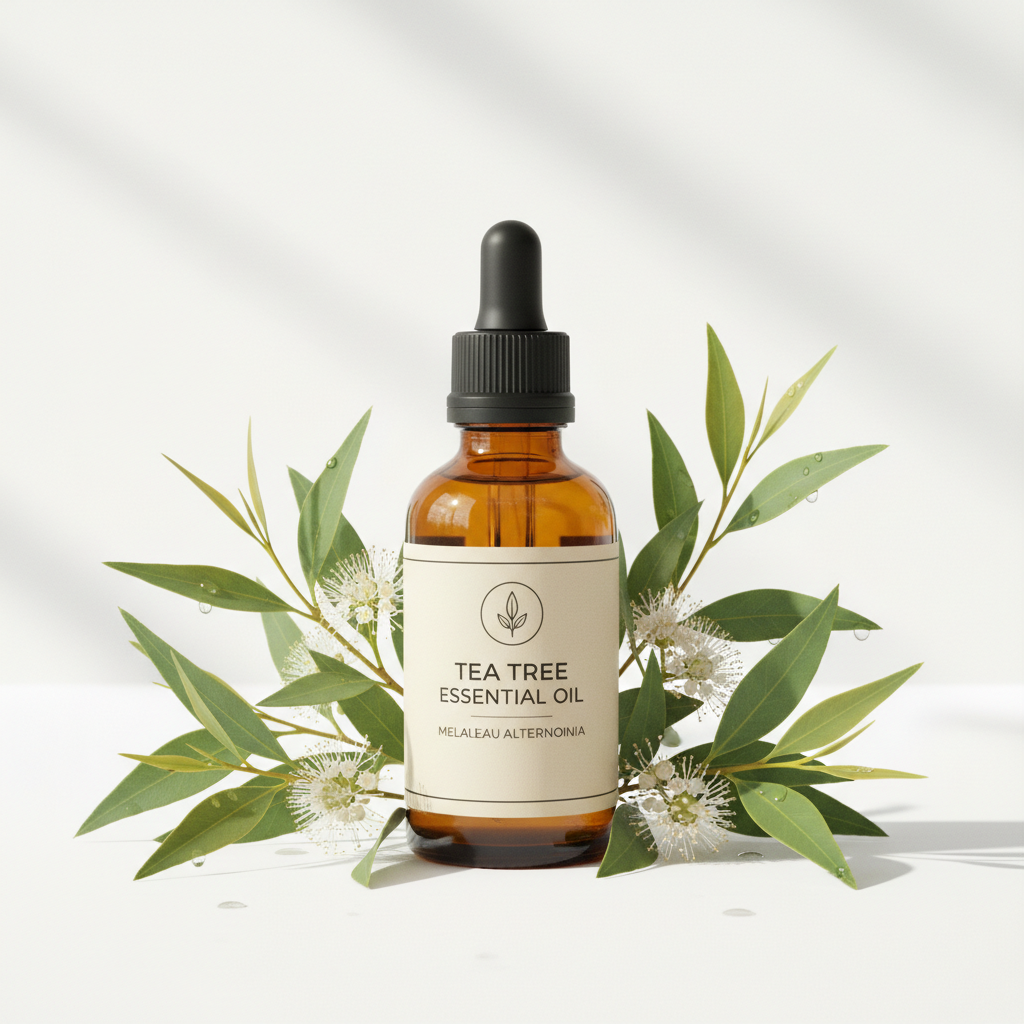
Tea Tree Essential Oil
Melaleuca alternifolia
### What is Tea Tree Essential Oil? Tea Tree essential oil, derived from the leaves of the *Melaleuca alternifolia* plant, is an essential oil praised for its powerful antiseptic and healing properties. Native to Australia, this potent oil has been utilized for centuries, both by indigenous Australians and modern herbalists, for its myriad of therapeutic benefits. ### Origin and Extraction Method Tea Tree oil is extracted through steam distillation of the fresh leaves and twigs of the Tea Tree plant, which is a small tree or shrub indigenous to the southeastern regions of Australia. The extraction process captures the naturally occurring compounds within the plant, yielding a highly concentrated oil rich in beneficial components such as terpinen-4-ol, which is known for its antiseptic qualities. ### Botanical Information The botanical name for Tea Tree is *Melaleuca alternifolia,* belonging to the Myrtaceae family. This evergreen shrub can grow up to 7 meters tall and features narrow leaves and clusters of white flowers. The indigenous population has long recognized the therapeutic potential of this plant, using it as a traditional remedy for various ailments. ### Therapeutic Properties and Benefits Tea Tree essential oil is renowned for its numerous health benefits. Here are some of the key therapeutic properties: - **Antiseptic:** Tea Tree oil is famously known for its ability to fight bacteria and fungi, making it a go-to oil for treating minor cuts and abrasions. - **Anti-inflammatory:** It helps reduce redness and swelling on the skin, thus supporting skin healing. - **Antiviral:** Useful in combating viruses, Tea Tree oil can bolster the immune system, helping to fend off colds and infections. - **Expectorant:** The oil can help clear respiratory pathways, making it beneficial for respiratory health. ### Historical and Traditional Uses Historically, Tea Tree oil was used by Australian Aborigines for bruises, cuts, and skin infections. They crushed the leaves and applied them directly to wounds. In modern herbal medicine, it is used in various formulations, from skin care products to aromatherapy blends. The oil gained global popularity due to its effectiveness and versatility in treating skin conditions, as well as its potent antibacterial qualities. ### Scientific Facts and Research Recent studies have highlighted the efficacy of Tea Tree essential oil in treating skin conditions like acne, athlete's foot, and dandruff. A review published in the *Journal of Dermatology* established that Tea Tree oil is effective against *Propionibacterium acnes,* the bacteria responsible for acne. Research has also shown that it possesses anti-inflammatory effects, making it a valuable component in the treatment of inflammatory skin diseases. ### Aroma Profile and Characteristics Tea Tree essential oil features a fresh, medicinal aroma with earthy, woody undertones. Its unique scent is invigorating and can promote a sense of cleanliness and focus. The aroma is often described as fresh and camphorous, making it a popular component in cleansing products. ### Common Applications and Methods Tea Tree oil can be used in several ways: - **Skincare**: Diluted with a carrier oil for topical applications, it can be used to treat cuts, insect bites, and minor skin irritations. - **Aromatherapy**: Adding a few drops to a diffuser can promote relaxation and mental clarity. - **Household Cleaner**: Its antibacterial properties make it suitable for natural cleaning solutions. - **Hair Care**: Incorporating it in shampoos can help alleviate dandruff and itchy scalp. ### Interesting Facts and Trivia - Tea Tree oil was first discovered by Captain James Cook, who noted the Aborigines using the leaves for medicinal purposes. - It is believed that just a small amount of Tea Tree oil can have a powerful effect when used in skincare routines. - In aromatherapy, it is often combined with other essential oils like lavender for enhanced benefits. In conclusion, Tea Tree essential oil is a versatile and potent oil with numerous benefits for health and wellness. Whether you're using it for skin care, inhalation for respiratory issues, or as a natural cleaner, the myriad of uses make it a staple in holistic therapies and natural health practices. Add Tea Tree essential oil to your collection for an effective tool in maintaining good health and hygiene.
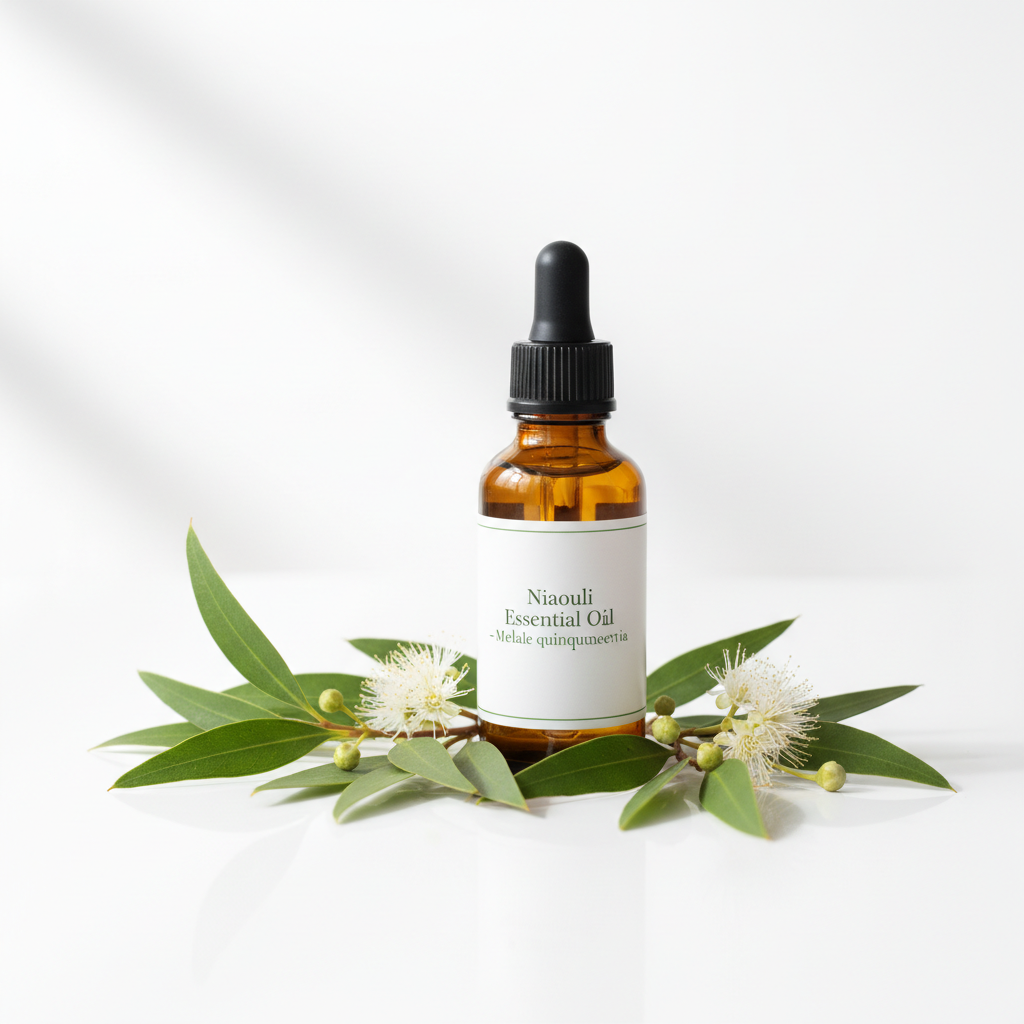
Niaouli Essential Oil
Melaleuca quinquenervia
### Niaouli Essential Oil: Benefits, Uses & Properties Explained Niaouli essential oil is a well-regarded oil in the world of aromatherapy and natural remedies. Extracted from the leaves and twigs of the **Melaleuca quinquenervia** tree, this essential oil originates from Australia and the South Pacific islands, where the tree flourishes in warm, humid coastal regions. The extraction process is usually carried out by **steam distillation**, which ensures that the oil retains its therapeutic properties and aromatic qualities. #### Botanical Information **Melaleuca quinquenervia**, commonly known as the niaouli tree, is a member of the myrtle family. It features long, narrow leaves and produces clusters of small, white or yellow flowers. This tree has been revered not only for its beauty but also for the potent essential oil derived from it, which has a long history of traditional use in Indigenous Australian cultures. #### Therapeutic Properties and Benefits Niaouli essential oil is celebrated for its extensive health benefits, owing to its rich chemical composition, which includes **1,8-cineole** (also known as eucalyptol), a compound known for its therapeutic properties. Some key benefits include: - **Respiratory Support**: Niaouli oil is excellent for enhancing respiratory function. It is often used for easing symptoms of colds, coughs, and allergies. The oil acts as an expectorant, helping to clear congestion and soothe the mucous membranes. - **Antiseptic and Antimicrobial**: Due to its potent antiseptic properties, niaouli oil can combat bacteria and fungi, making it a popular choice for treating small cuts and skin infections. It also helps with acne due to its antibacterial effects. - **Anti-inflammatory**: Niaouli essential oil is soothing for inflamed skin and other inflammatory conditions, helping to reduce redness and irritation. - **Mental Clarity and Focus**: The refreshing aroma of niaouli oil is known to enhance mental clarity, focus, and concentration, making it an excellent choice for studying or working. - **Calming Properties**: The oil provides a calming effect on the nervous system, alleviating stress and anxiety, and promoting emotional balance. - **Muscle Relief**: When used in massages, niaouli oil can relieve muscle tension and improve circulation, making it popular among athletes. #### Historical and Traditional Uses In historical practices, Indigenous peoples of Australia used niaouli for various medicinal purposes, taking advantage of its antiseptic and anti-inflammatory qualities for treating wounds, respiratory ailments, and skin issues. Niaouli was a staple in traditional medicine and continues to be incorporated into modern natural healing practices. #### Aroma Profile and Characteristics Niaouli essential oil has a fresh, clean, and slightly sweet aroma, reminiscent of eucalyptus and tea tree due to its botanical lineage. This invigorating scent makes it a cherished ingredient in aromatherapy blends aimed at relieving tension and promoting a refreshed atmosphere. #### Common Applications and Methods - **Aromatherapy**: Add a few drops of niaouli oil to a diffuser for respiratory support and mood enhancement. - **Topical Application**: Dilute niaouli essential oil with a carrier oil and apply it to areas of concern for localized treatment. - **Massage**: Incorporate it into massage oils to help alleviate muscle tension and promote relaxation. - **Bath Additive**: Add a few drops to a warm bath to create a therapeutic experience that calms the mind and body. #### Interesting Facts and Trivia - Niaouli trees can grow up to 30 meters high and are fast-growing, making them a sustainable source of essential oil. - The oil is often compared to tea tree oil for its antimicrobial properties and is sometimes used as a substitute in formulations. - Despite its many benefits, one should always perform a patch test before using any essential oil topically, as individual reactions can vary. In summary, Niaouli essential oil is a versatile and powerful oil that offers numerous health benefits. With its rich history and extensive applications, it continues to be a valuable addition to the toolkit of natural health enthusiasts and aromatherapy practitioners alike.
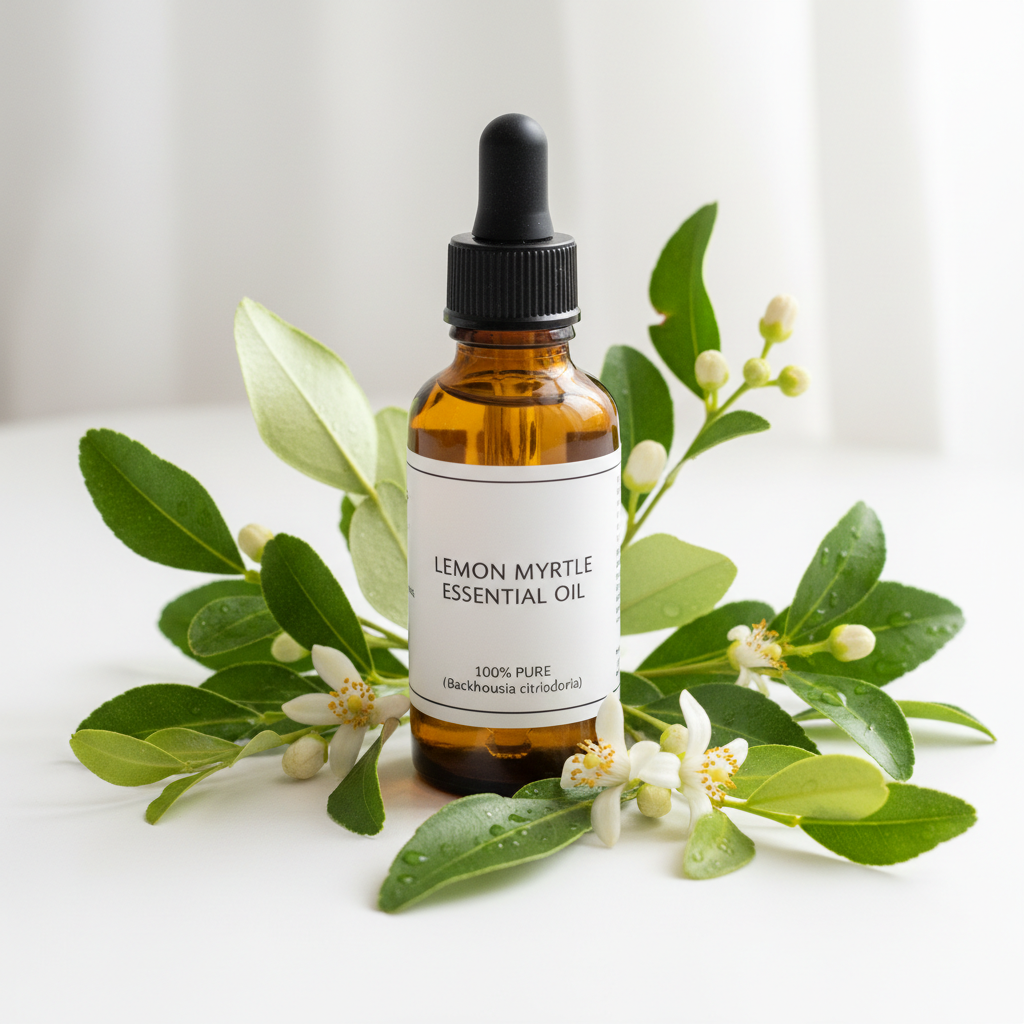
Lemon Myrtle Essential Oil
Backhousia citriodora
Lemon Myrtle Essential Oil, scientifically known as Backhousia citriodora, is derived from the leaves of a tree native to the rich rainforests of Australia. This aromatic essential oil is prized for its refreshing, lemon-like scent, making it a favorite among aromatherapy enthusiasts and in the world of natural fragrance. ### Origin and Extraction Method The extraction of Lemon Myrtle Essential Oil is achieved through a process called steam distillation, where steam passes through the plant material, leading to the release of essential oil droplets, which are subsequently collected. This method preserves the oil's potent qualities and aromatic characteristics. The Lemon Myrtle tree flourishes in subtropical climates and can reach up to 30 meters in height, featuring small, white flowers and lush green leaves that exude the unmistakable citrus aroma when crushed. ### Botanical Information Backhousia citriodora belongs to the Myrtaceae family, which also includes other notable essential oils like eucalyptus and tea tree oil. The leaves contain high levels of citral, up to 90%, making it one of the richest sources of this compound among essential oils. This is key to its invigorating aroma and therapeutic benefits. ### Therapeutic Properties and Benefits Lemon Myrtle Essential Oil is known for its impressive therapeutic properties that encompass a range of physical and emotional benefits: - **Mood Elevation**: Its uplifting properties can significantly enhance one's mood and instill a sense of wellbeing. - **Stress Relief**: It is often used to relieve stress and mental fatigue, fostering mental clarity and tranquility. - **Confidence Booster**: The bright scent is said to create an energizing atmosphere, enhancing self-esteem and overall confidence. - **Cognitive Enhancement**: Users often report sharpened focus and cognitive abilities, making it a popular choice during study or work sessions. - **Relaxation and Calm**: It promotes a relaxing environment, optimal for meditation and unwinding. In the realm of physical health, Lemon Myrtle is renowned for its antibacterial and antifungal properties: - **Skin Care**: The oil can help reduce acne and skin blemishes thanks to its natural antibacterial effects. - **Fever Reducer**: Traditionally, it has been used to manage fever symptoms, potentially helping to lower body temperature. - **Respiratory Health**: It is beneficial in soothing coughs and clearing mucus, making breathing easier. - **Muscle Relief**: When blended with a carrier oil for massage, it alleviates muscle soreness and tension. - **Immune Support**: Regular use may bolster the immune response, contributing to overall health. ### Historical and Traditional Uses Indigenous Australians have utilized Lemon Myrtle for centuries, recognizing its antiseptic and medicinal properties long before it gained popularity in modern aromatherapy. Traditionally, the leaves were used for culinary purposes and steeped into teas or infused into balms for healing treatments. ### Aroma Profile and Characteristics Lemon Myrtle's aroma is characterized by its fresh, invigorating citrus scent, often described as more potent and sweeter than that of lemon or lemongrass. The aroma profile provides a refreshing, clean, and energizing environment, making it a sought-after fragrance in products ranging from diffusers to skincare lines. ### Common Applications and Methods Lemon Myrtle Essential Oil is versatile in its application: - **Aromatherapy**: Use in diffusers or oil burners to fill spaces with its uplifting scent. - **Topical Application**: Dilute with a carrier oil for massages or skincare applications. - **Household Uses**: Incorporate a few drops into cleaning products for added antibacterial benefits and a fresh scent. - **Culinary Uses**: In limited quantities, it can enhance dishes with its bright flavor profile. ### Interesting Facts and Trivia - Lemon Myrtle was officially recognized as a native Australian plant in the 19th century by botanist Ferdinand von Mueller. - It is often categorized as a superfood due to its high antioxidant levels and essential nutrients. - The oil is vegan and cruelty-free, making it an ethical choice for aromatherapy practices. In summary, Lemon Myrtle Essential Oil is not only a fragrant delight but also a potent natural remedy. Its extensive benefits extend from mental clarity and mood elevation to providing skin health and respiratory support. With its rich historical significance and robust therapeutic properties, Lemon Myrtle is an essential addition to any wellness routine.
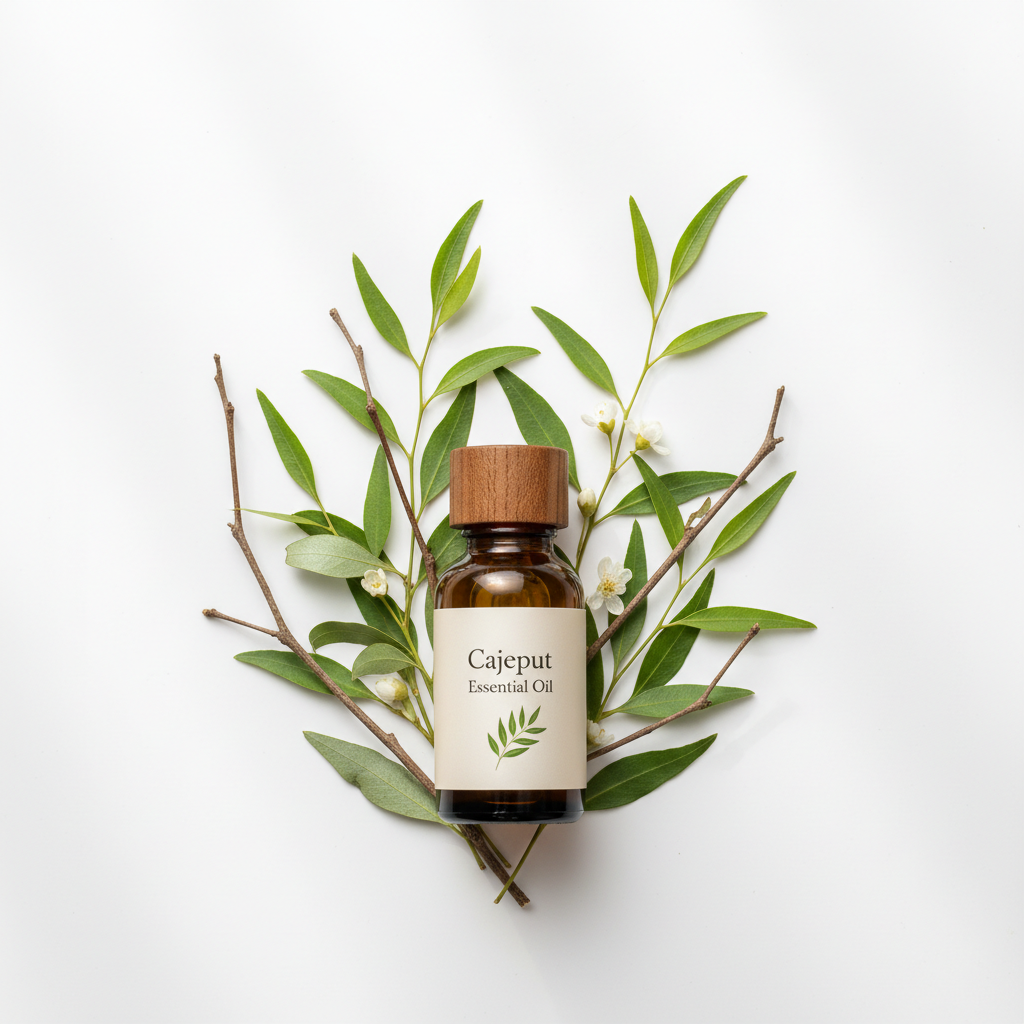
Cajeput Essential Oil
Melaleuca cajuputi
**Cajeput Essential Oil: Comprehensive Guide** Cajeput essential oil is a highly valued aromatic oil derived from the leaves and twigs of the **Melaleuca cajuputi** tree, a member of the Myrtaceae family, native to Southeast Asia and Australia. This essential oil has been cherished for centuries due to its numerous therapeutic properties and applications. ### Origin and Extraction Method Cajeput essential oil is extracted through a meticulous steam distillation process that preserves the oil's natural compounds. The Melaleuca cajuputi tree flourishes in wetlands and is often found in the coastal areas of Indonesia, Malaysia, and Australia. The leaves, rich in essential oils, are harvested and distilled, resulting in a clear to pale yellow liquid with a distinctive camphorous aroma. ### Botanical Information The cajeput tree grows up to 20 meters tall, characterized by its fragrant leaves and smooth bark. The botanical name, *Melaleuca cajuputi*, originates from the Malay words meaning 'white tree,' reflecting the tree's pale bark. It thrives in tropical climates, making it a resilient plant in its natural habitat. ### Therapeutic Properties and Benefits Cajeput oil is renowned for its antiseptic, analgesic, and anti-inflammatory properties. It has been traditionally used to combat respiratory issues by acting as a decongestant and has shown effectiveness in relieving symptoms of colds and flu. In addition to its respiratory benefits, cajeput essential oil is also known for promoting overall wellness. - **Respiratory Support**: Cajeput oil can be diffused or inhaled to alleviate nasal congestion and support respiratory function. Its stimulating effect encourages clearer breathing and may help ease conditions like sinusitis. - **Muscle Relief**: When diluted with a carrier oil and used topically, cajeput oil provides relief from sore muscles and joint pain, making it a popular choice for athletes and those seeking natural pain relief. - **Emotional Well-being**: The calming properties of cajeput oil can help reduce stress and anxiety, promoting relaxation and emotional balance. This oil can uplift the mood and is beneficial during periods of mental fatigue. ### Historical and Traditional Uses Historically, Cajeput essential oil was used by indigenous populations for its healing qualities. Practitioners of traditional medicine utilized cajeput oil in various formulations to treat ailments ranging from respiratory infections to skin irritations. The oil's applications in folk medicine have paved the way for its modern use in aromatherapy and holistic health practices. ### Scientific Facts and Research Scientific studies affirm the medicinal benefits of cajeput essential oil. Research indicates its effectiveness as an antimicrobial agent, highlighting its applications in skin care formulations. The oil’s primary compounds, such as 1,8-cineole, have been studied for their ability to promote respiratory health and provide relief from inflammation. ### Aroma Profile and Characteristics Cajeput essential oil has a fresh, medicinal, and slightly sweet aroma, reminiscent of eucalyptus. Its distinctive scent is invigorating, making it particularly suitable for energizing the environment when diffused. The chemical constituents contribute to its recognizable fragrance and therapeutic properties. ### Common Applications and Methods Cajeput oil can be used in various ways, including: - **Aromatherapy**: Add a few drops to a diffuser or inhale directly from the bottle to promote relaxation and clarity. - **Topical Application**: Mix with a carrier oil, like coconut or jojoba oil, for a soothing massage or to relieve muscle pain. - **Inhalation**: Place a few drops on a tissue or handkerchief and inhale during colds or allergies for respiratory support. ### Interesting Facts and Trivia - Cajeput oil is sometimes referred to as "white tea tree oil" due to its botanical classification and similarities with tea tree oil. - This essential oil is often a component in natural insect repellents due to its insecticidal properties, offering an eco-friendly alternative to synthetic repellents. - Traditionally, cajeput was also used for its diuretic properties, supporting kidney health and aiding in detoxification. ### Conclusion Cajeput essential oil is a versatile and beneficial oil that has stood the test of time. With its rich history and potent therapeutic properties, it remains a popular choice for holistic practitioners and individuals seeking natural remedies. By incorporating cajeput oil into daily routines, users can harness its potential for promoting health, wellness, and emotional stability.
Recipes
Vapor Relief Stick Recipe for Sinus Congestion
Discover how to make a soothing vapor relief stick recipe that provides natural relief for sinus congestion and promotes easy breathing with essential oils.
DIY Germ Neutralizing Room Spray Recipe
Learn how to make a germ neutralizing room spray recipe that freshens the air and creates a healthier home for you and your family.
Soothing DIY Essential Oil Mouth Rinse Recipe
Discover this soothing DIY mouth rinse recipe made with essential oils to support oral health, freshen breath, and provide relief from discomfort.
Pet Urine Be Gone Recipe: DIY Floor Cleaner
Make a natural, pet-safe floor cleaner with our Pet Urine Be Gone recipe. Keep your home fresh, clean, and safe for your pets with this easy solution.
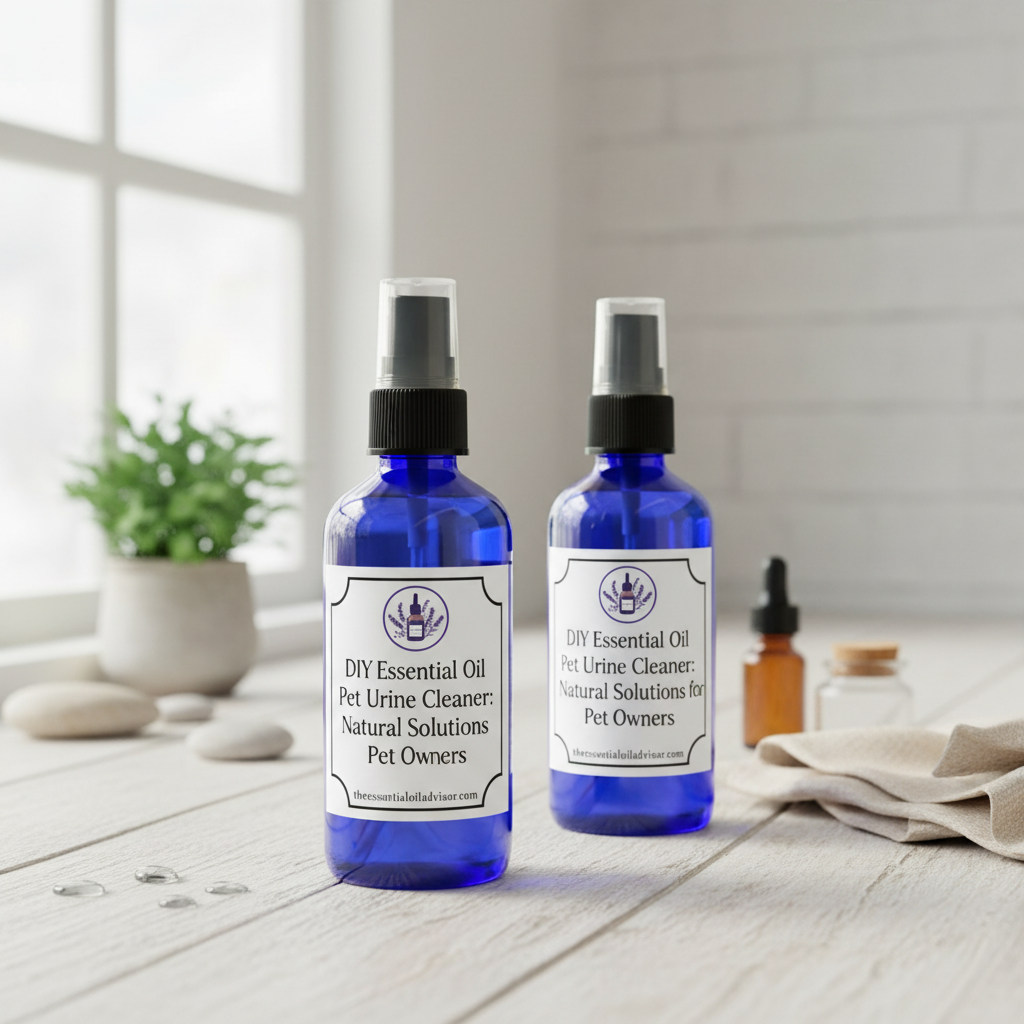
DIY Pet Urine Cleaner Recipe with Essential Oils
This DIY pet urine cleaner recipe uses natural ingredients to remove stains and odors safely. Discover how to make your effective pet stain remover today!

DIY Sandalwood Baseball Hat Spray Recipe for Freshness
Create this DIY sandalwood baseball hat spray recipe to naturally keep your hats fresh and odor-free. Enjoy long-lasting essential oil freshness!