Search
Found 52 results for "headache"
Essential Oils
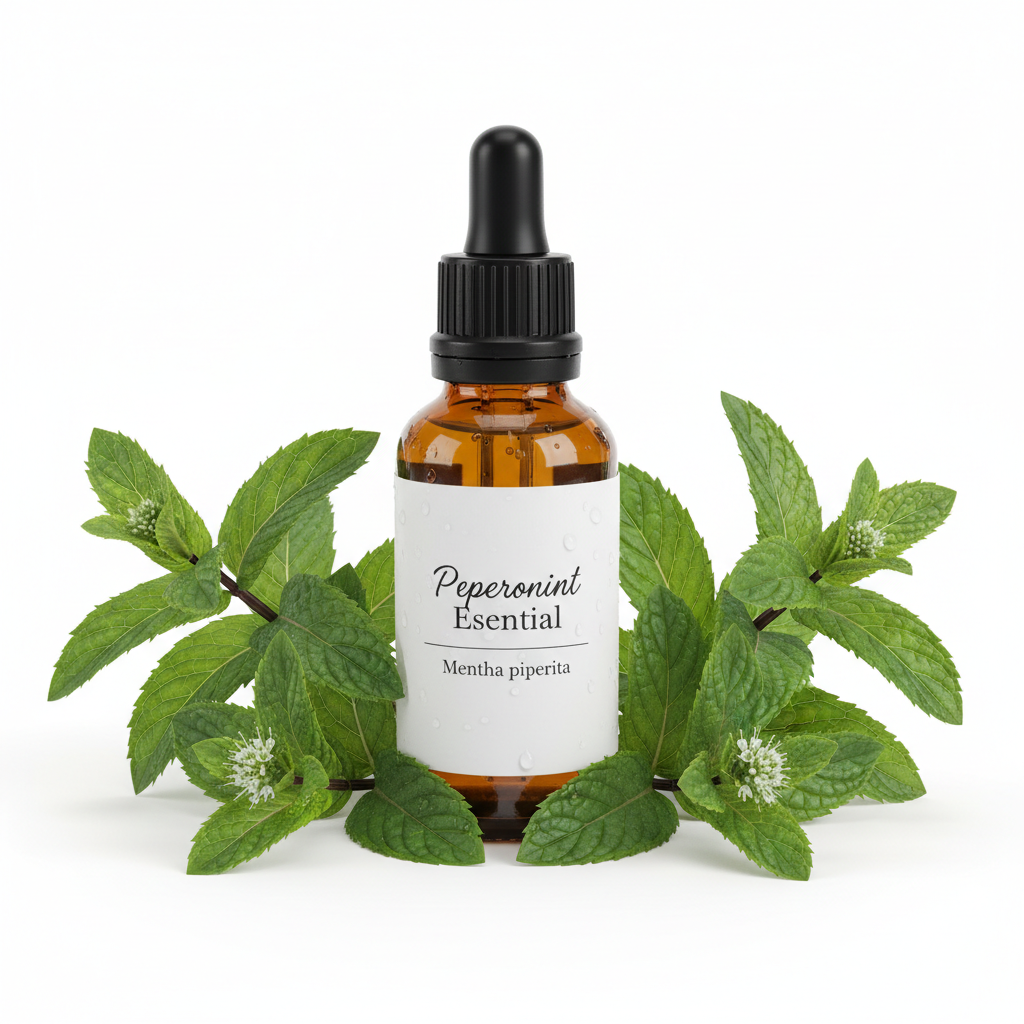
Peppermint Essential Oil
Mentha piperita
Peppermint essential oil, extracted from the leaves of the Mentha piperita plant, is a powerhouse in the world of essential oils due to its versatility and effectiveness. Extracted through steam distillation, this oil retains potent properties and a refreshing minty aroma that has been cherished for centuries. Originating from the Mediterranean region, peppermint has been valued not just for its therapeutic advantages, but also for culinary purposes and as a delightful herbal tea. **Origin and Extraction Method** Peppermint (Mentha piperita) is a hybrid of watermint and spearmint. The oil is extracted from its dark green leaves, showcasing a clear to pale yellow liquid. This essential oil is known for its invigorating aroma thanks to its unique chemical composition, primarily menthol and menthone, which contribute to its therapeutic properties. **Botanical Information** Belonging to the Lamiaceae family, peppermint grows to about 1-3 feet tall with jagged leaves. These leaves are rich in essential oils, making peppermint a highly sought-after plant in both aromatherapy and cooking. **Therapeutic Properties and Benefits** Peppermint essential oil offers an array of therapeutic properties, including: - **Energy Booster**: A few drops can invigorate and enhance physical energy, making it ideal for workouts or long days. - **Headache Relief**: Its cooling properties can alleviate tension headaches when applied to the temples. - **Focus Enhancer**: Inhalation sharpens mental clarity, suitable for studying and work. - **Mood Uplifter**: The fresh scent mitigates stress and anxiety, promoting well-being. - **Mental Fatigue Fighter**: Helps refresh the mind during intensive mental tasks. - **Digestive Support**: Traditionally used to ease digestive issues, promoting gut health. - **Cooling Effect**: Ideal for alleviating symptoms of hot flashes or sunburn. - **Respiratory Aid**: Clears airways, contributing to improved respiratory function. **Historical and Traditional Uses** Peppermint has rich historical roots, dating back to ancient Egypt and Greece, where it was highly regarded for its aromatic properties. In addition to being found in tombs, the Greeks used it in baths, and Egyptians incorporated it into embalming processes. Today, peppermint tea remains a staple in herbal remedies for digestion, evidencing its lasting significance in holistic practices. **Scientific Facts and Research** Current studies back the therapeutic claims of peppermint essential oil. Research indicates that inhaling peppermint can significantly boost cognitive functions, especially during tasks requiring deep concentration. Other studies suggest its efficacy in managing symptoms of irritable bowel syndrome (IBS), lending scientific credence to its traditional uses. **Aroma Profile and Characteristics** Peppermint essential oil is known for its crisp, refreshing scent that possesses a powerful cooling effect. The main components, menthol and menthone, not only provide its charming aroma but also render it beneficial in aromatherapy. This essential oil is rich in antioxidants, and its healing fragrances make it a staple in many wellness practices. **Common Applications and Methods** Peppermint essential oil can be utilized in various ways, enhancing both wellness practices and daily life: - **Aromatherapy**: Diffusing peppermint offers mood enhancement and improved concentration. - **Topical Uses**: Diluted in a carrier oil, it can soothe headaches when massaged on the temples. - **Bath Soaks**: A few drops can refresh bathwater, yielding a relaxing experience. - **Culinary Uses**: Utilized as a flavoring agent, it offers a refreshing taste to dishes and drinks. **Interesting Facts and Trivia** - As one of the most widely used essential oils, peppermint is a staple in aromatherapy. - The name ‘Mentha’ traces back to Greek mythology, named after a nymph transformed into a plant. - Its antibacterial properties make it a popular ingredient in oral hygiene products. In conclusion, peppermint essential oil is an extraordinary natural remedy packed with health benefits. From its energizing capabilities to its digestive support, this essential oil is an invaluable addition to any wellness toolkit, merging traditional wisdom with contemporary science, making it an essential oil worth exploring.
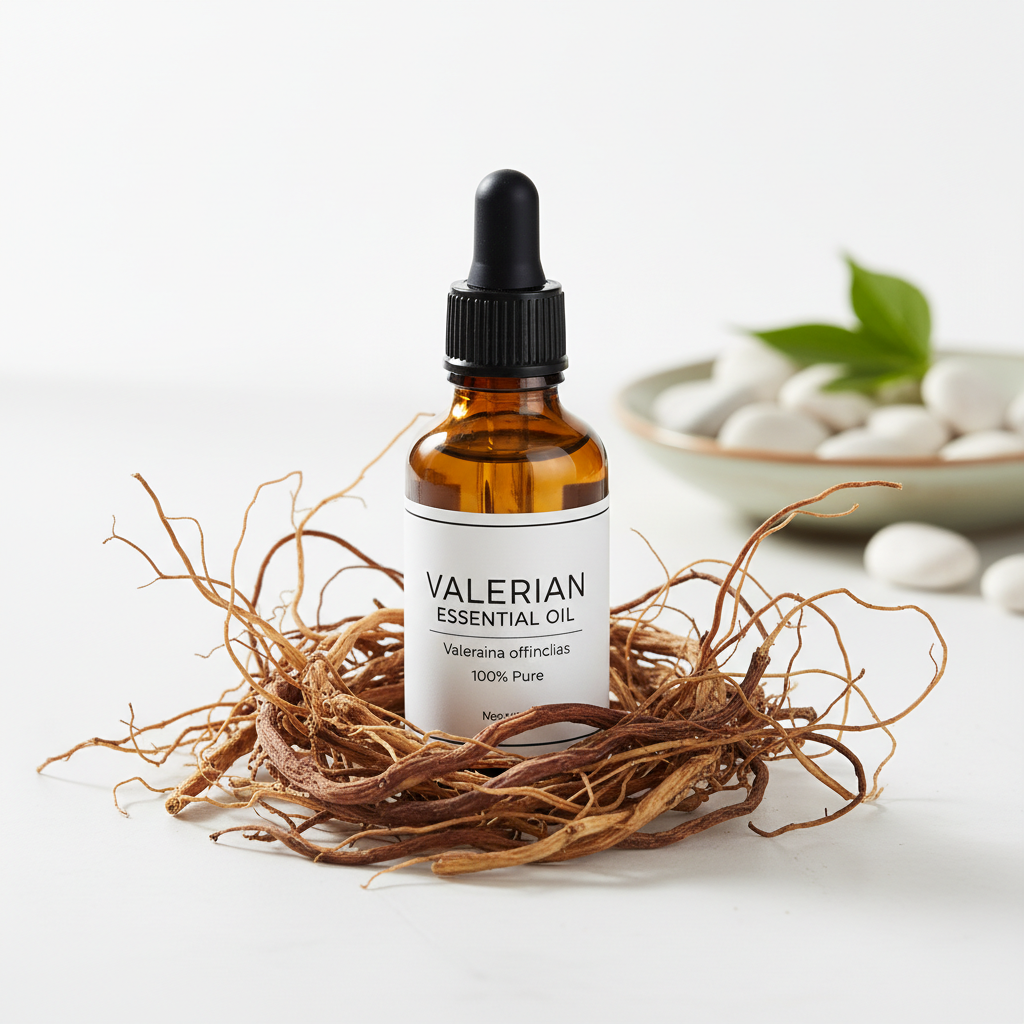
Valerian Essential Oil
Valeriana officinalis
### Valerian Essential Oil: Comprehensive Guide to Benefits and Uses **Introduction** Valerian essential oil, derived from the roots of the Valeriana officinalis plant, has been cherished for centuries for its calming and sedative effects. With a rich history rooted in ancient herbal remedies, this oil is known to promote relaxation, enhance mood, and support restful sleep. In this extensive guide, we will delve into the various aspects of Valerian essential oil, including its origin, therapeutic benefits, and cultural significance. #### Origin and Extraction Method Valerian essential oil is extracted through steam distillation from the dried roots of the Valeriana officinalis plant, which flourishes in Europe and Asia. The harvesting process is meticulous, with the roots typically dug up in the late summer or early autumn when their concentration of essential oil is highest. This extraction method ensures that the therapeutic properties and the earthy aroma of the oil are preserved. #### Botanical Information Valeriana officinalis, commonly known as valerian, is a flowering perennial plant belonging to the Valerianaceae family. It can grow up to 1.5 meters in height, characterized by its tall stems, feathery leaves, and small, pale pink or white flowers that bloom in clusters. The roots are where the essential oil is concentrated, containing notable compounds such as valerenic acid, which contributes to its tranquilizing effects. #### Therapeutic Properties and Benefits Valerian essential oil is predominantly recognized for its multitude of therapeutic properties. Here are some key benefits: - **Promotes Restful Sleep:** Valerian oil is widely used to support individuals struggling with insomnia or sleep disturbances, as it can enhance the quality of sleep and help users fall asleep more quickly. - **Reduces Anxiety and Stress:** The soothing aroma of valerian essential oil helps to alleviate feelings of anxiety, tension, and irritability, making it a popular choice for those in high-stress environments. - **Encourages Relaxation:** It serves as an effective aid for mindfulness practices and meditation, assisting users in quieting their minds and encouraging a state of calm. - **Eases Digestive Discomfort:** Valerian oil may alleviate stress-related digestive issues, including bloating and cramping, providing a holistic approach to wellness. - **Relieves Muscle Tension:** After physical activity, valerian oil can help relax tight muscles and ease discomfort. - **Calming the Nervous System:** The regular use of valerian essential oil can support the management of stress-related physical symptoms, promoting overall emotional well-being. #### Historical and Traditional Uses Valerian has a long history of therapeutic use dating back to ancient times. The ancient Greeks and Romans utilized valerian for its calming properties, while traditional Chinese medicine also recognized its potential benefits. Throughout history, valerian has been employed in herbal remedies, often in combination with other soothing herbs to amplify its calming effects. #### Scientific Facts and Research Numerous studies have investigated the effectiveness of valerian essential oil for sleep and anxiety. A notable study found that valerian can significantly improve sleep quality in people with insomnia. The active compounds in valerian are thought to be responsible for its sedative effects, as they interact with neurotransmitters in the brain to promote a state of relaxation and well-being. #### Aroma Profile and Characteristics The aroma of valerian essential oil is unique, often described as earthy, woody, and slightly sweet. Its deep, rich scent can be incredibly grounding, making it suitable for various aromatic applications in the home or therapeutic settings. The oil blends well with other essential oils, particularly lavender, chamomile, and bergamot, to enhance its calming effects. #### Common Applications and Methods Valerian essential oil can be utilized in several ways: - **Aromatherapy:** Diffusing valerian oil in a diffuser or adding a few drops to a warm bath can create a soothing atmosphere conducive to relaxation and sleep. - **Topical Application:** When diluted with a carrier oil, valerian oil can be massaged onto the skin to relieve muscle tension or applied to pulse points for calming effects. - **Inhalation:** Inhaling the aroma directly from the bottle or through steam inhalation can provide immediate anxiety relief. #### Interesting Facts and Trivia - Valerian was known as the “philosopher’s balm” in ancient times and was often associated with relaxation and contemplation. - The name 'valerian' is derived from the Latin word "valere," which means "to be strong or to be healthy". - In addition to its essential oil, valerian root is commonly available in herbal teas, tinctures, and capsules, offering a variety of options for those seeking its benefits. **Conclusion** Valerian essential oil stands out as a potent natural remedy for promoting relaxation and combative moments of stress and anxiety. Whether you are looking to enhance your sleep quality or create a calming atmosphere in your space, incorporating valerian essential oil into your wellness routine can be a beneficial choice.
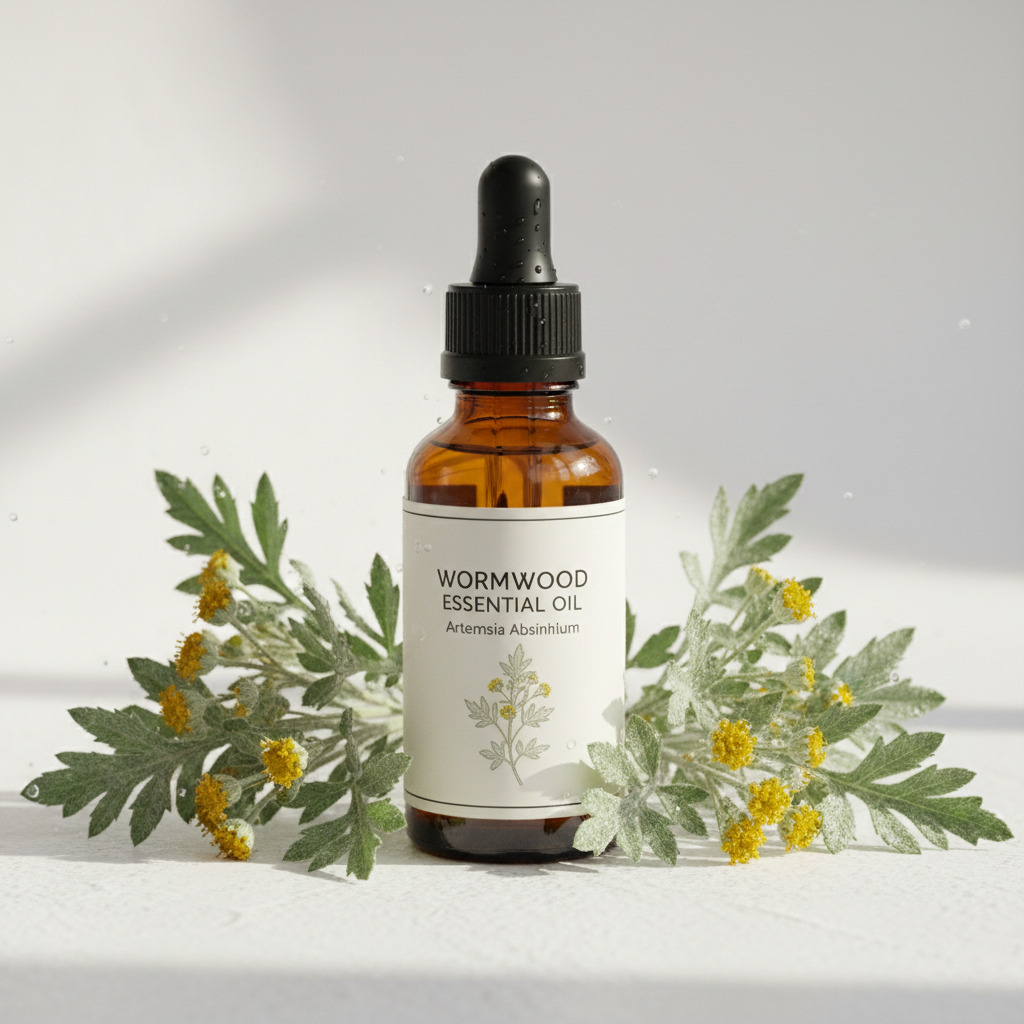
Wormwood Essential Oil
Artemisia absinthium
Wormwood essential oil, extracted from the leaves and flowering tops of the Artemisia absinthium plant, holds a significant place both in history and modern wellness practices. This unique essential oil is renowned for its complex composition and myriad of therapeutic applications, making it a valuable addition to any essential oil collection. ### Origin and Extraction Method Wormwood, a perennial shrub native to Europe, Asia, and North Africa, has been used for centuries for its medicinal properties. The oil is obtained through steam distillation of the plant’s foliage and flowers, a method that captures the oil's potent active compounds while preserving its aromatic profile. The extraction process necessitates careful timing, as the ideal period for harvesting is when the plant is in bloom, ensuring maximum oil yield and potency. ### Botanical Information The botanical name of wormwood is Artemisia absinthium, belonging to the Asteraceae family. This herbaceous plant can grow up to 1.2 meters in height, with gray-green leaves that are deeply lobed and a strong, bitter taste. Its flowers are small, yellow, and grouped in clusters, which makes it distinguishable during the summer months. The plant has been historically associated with various culinary uses, especially in absinthe, a famous alcoholic beverage. ### Therapeutic Properties and Benefits Wormwood essential oil is believed to possess numerous therapeutic properties, making it a versatile choice in aromatherapy. It is particularly valued for its potential to: - **Aid Digestion**: Traditionally, wormwood has been associated with stimulating appetite and alleviating digestive discomfort. This can be particularly beneficial for those suffering from bloating or gastrointestinal issues. - **Reduce Stress and Anxiety**: The calming effect of wormwood essential oil may help manage stress levels and foster emotional stability, making it a popular choice for those seeking tranquility in their daily lives. - **Enhance Mood**: This essential oil might uplift mood and assist in reducing feelings of despair or sadness, promoting overall emotional well-being. - **Improve Focus and Clarity**: Many users report enhanced mental clarity and concentration, making it beneficial for studying, working, or any task requiring prolonged focus. - **Support Respiratory Health**: Its potential to clear congestion can be advantageous during seasonal allergies or respiratory challenges, offering relief during colds or flu. - **Alleviate Pain**: Wormwood essential oil also shows promise for natural pain relief, particularly for headaches and muscle aches, by potentially reducing inflammation and discomfort. - **Exhibit Anti-parasitic Properties**: Historically, this oil has been used to address intestinal parasites, suggesting that it could play a role in cleansing protocols. ### Historical and Traditional Uses Wormwood has a rich traditional background, having been used since ancient civilizations for various medicinal purposes. The name "wormwood" itself is derived from its historical use as a remedy for intestinal worms. In folklore, it was believed to ward off evil spirits, which led to its inclusion in various rituals and practices. ### Scientific Facts and Research Recent studies have begun to unravel the scientific basis for some of wormwood's claimed benefits. Research indicates that certain compounds within the oil, such as thujone, exhibit antimicrobial and anti-inflammatory properties. These findings add credibility to its traditional uses while promoting further exploration in the fields of natural medicine and aromatherapy. ### Aroma Profile and Characteristics Wormwood essential oil has a distinctive, sharp, and herbaceous aroma, often described as bitter and slightly sweet with earthy undertones. Its unique scent can help create a grounding atmosphere, making it a popular choice for diffusing in spaces designated for meditation or relaxation. The oil is typically considered potent, so it is important to use it in moderation. ### Common Applications and Methods Wormwood essential oil can be used in various ways: - **Aromatherapy**: Diffusing the oil or adding it to a personal inhaler can help with stress relief and mood enhancement. - **Topical Use**: When diluted with a carrier oil, wormwood can be applied to the skin to support digestion or alleviate muscle soreness. - **Baths**: Adding a few drops to a warm bath can enhance relaxation and provide soothing benefits. ### Interesting Facts and Trivia - Wormwood is one of the core ingredients in absinthe, contributing to its characteristic flavor and effects. - In ancient times, it was often used in ritualistic practices, believed to have protective qualities. - Despite its bitter taste, wormwood has been used in various culinary solutions, particularly in Italian vermouths. In summary, wormwood essential oil is much more than just a fragrant extraction; it is a complex blend of therapeutic properties, a rich historical legacy, and a valuable tool for emotional and physical well-being. Its diverse applications in aromatherapy make it an essential oil worth exploring.
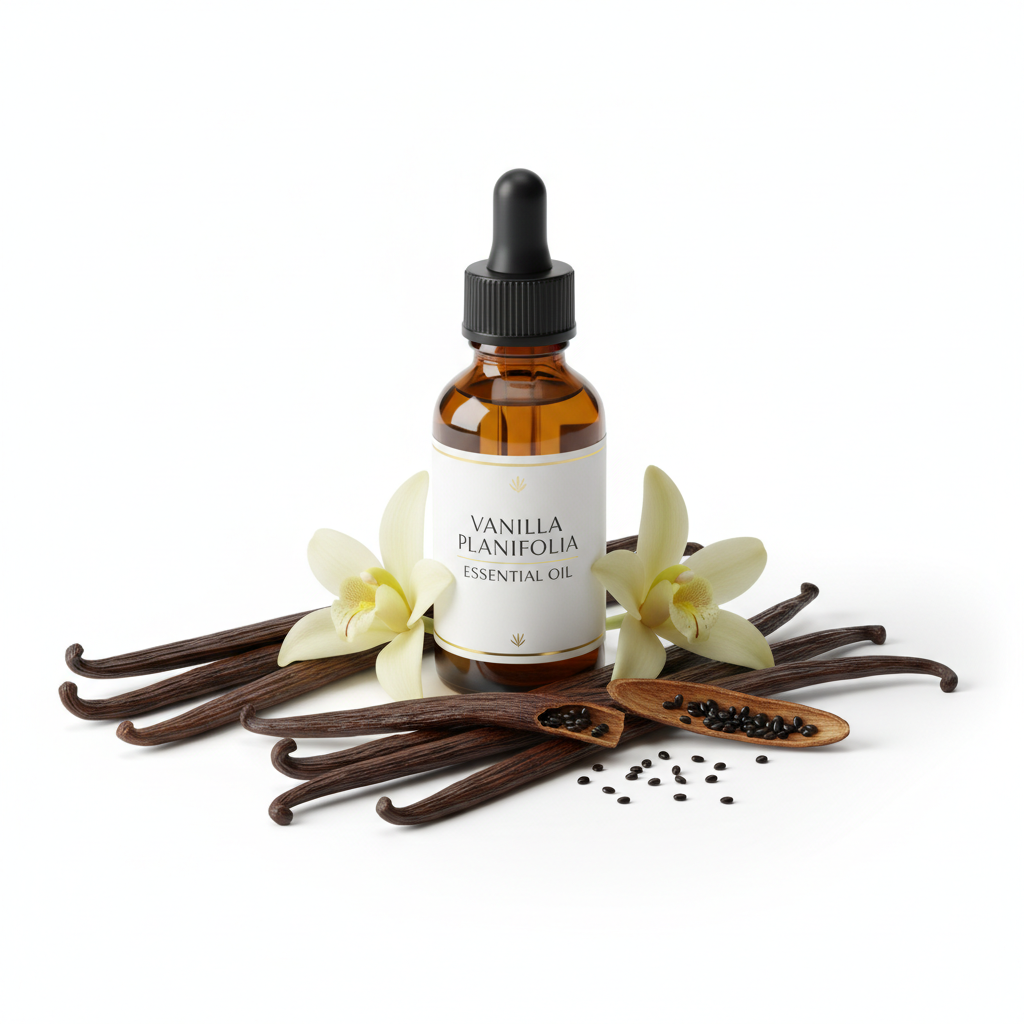
Vanilla Essential Oil
Vanilla planifolia
### Vanilla Essential Oil: An In-Depth Look at Its Properties and Uses Vanilla essential oil, derived from the fragrant pods of the *Vanilla planifolia* plant, has captured hearts and senses for centuries. This delightful oil originated in Mexico and has a storied history, both in culinary arts and traditional medicine. In this article, we will explore the origin, extraction methods, therapeutic properties, and diverse applications of vanilla essential oil. #### Origin and Extraction Method *Vanilla planifolia* is a tropical orchid native to Mexico, known for its beautiful flowers and pods that contain the precious vanilla beans. The extraction of vanilla essential oil primarily occurs through two methods: solvent extraction and carbon dioxide (CO2) extraction. Solvent extraction uses chemical solvents to separate the oil from the plant material, producing a thick, rich oil with the complete aromatic profile. CO2 extraction, on the other hand, utilizes high-pressure carbon dioxide to gently extract the oil, ensuring a pure and high-quality product without harmful residues. Both methods yield a warm, sweet aroma that evokes comfort and nostalgia, making vanilla oil a favorite in numerous applications. #### Botanical Information The *Vanilla planifolia* plant belongs to the family Orchidaceae and thrives in tropical climates. The botanical structure includes a long vine that can climb up to 30 meters. The plant blooms with exquisite, pale yellow flowers that bloom for just one day, requiring pollination to produce vanilla beans. Each pod is harvested and cured to develop the full spectrum of flavor and aroma associated with vanilla. This intricate process contributes to the oil's high value. #### Therapeutic Properties and Benefits Vanilla essential oil is treasured not just for its scent but also for its therapeutic effects. Here are some of its notable benefits: - **Promotes Relaxation:** The soothing aroma encourages a calming atmosphere, helping to ease stress and anxiety. Using vanilla in aromatherapy can lead to enhanced relaxation during practice or meditation. - **Enhances Mood:** The uplifting scent of vanilla oil can foster a sense of joy and optimism, making it a popular choice for those seeking emotional upliftment. - **Facilitates Emotional Healing:** Vanilla's calming properties can be beneficial for those dealing with grief or sadness, providing comfort during tough times. - **Encourages Self-Love:** Its warm scent is linked with boosting self-esteem and promoting feelings of worth and acceptance. - **Supports Mental Clarity:** Vanilla oil is said to help clear negative thoughts, promoting a positive outlook on life. - **Aids Digestive Health:** Traditionally used to alleviate digestive discomfort, vanilla essential oil can help reduce bloating and other digestive issues. - **Supports Respiratory Health:** The oil's soothing nature may ease respiratory irritations and coughs, making it useful in respiratory care. - **Enhances Sexual Wellness:** Vanilla is often recognized for its aphrodisiac properties that can enhance libido and intimacy between partners. - **Relieves Headaches:** The calming aroma can help reduce headache tension and promote overall headache relief. - **Moisturizes Skin:** Vanilla essential oil is known for its hydrating properties, making it an excellent addition to skincare routines for improved skin elasticity. #### Historical and Traditional Uses Historically, vanilla has been used for centuries in various cultures. The Aztecs utilized vanilla not only for its flavor but also as an aphrodisiac and medicinal agent. In the 16th century, Spanish conquistadors brought vanilla to Europe, where it soon gained popularity. It became a staple for both culinary creations and perfumery, thus cementing its status as a valued commodity. #### Aroma Profile and Characteristics The aroma of vanilla essential oil is sweet, warm, and inviting. Its fragrance is often described as comforting, with hints of creamy tones, making it versatile for myriad applications—from perfumes to cooking. When diffused, vanilla creates a cozy environment, perfect for relaxation. #### Common Applications and Methods Vanilla essential oil can be used in various ways: - **Aromatherapy:** Add a few drops to a diffuser for a relaxing atmosphere. - **Skincare:** Dilute with a carrier oil and use in massages or facial treatments. - **Culinary Uses:** Incorporate into baked goods, desserts, or beverages for a gourmet touch. - **Bathing Products:** Add to baths for a luxurious and calming experience. #### Interesting Facts and Trivia - Vanilla is the second most expensive spice after saffron due to its labor-intensive cultivation. - The process of curing vanilla beans can take several months, during which their rich flavor develops. - Vanilla is frequently used in perfumes to create warm, inviting fragrances beloved worldwide. ### Conclusion Vanilla essential oil is more than just a delightful scent. Its diverse range of therapeutic properties makes it an invaluable addition to aromatherapy and wellness routines. Whether used in self-care practices, culinary explorations, or simply to enhance the atmosphere of a space, vanilla essential oil remains a timeless favorite.
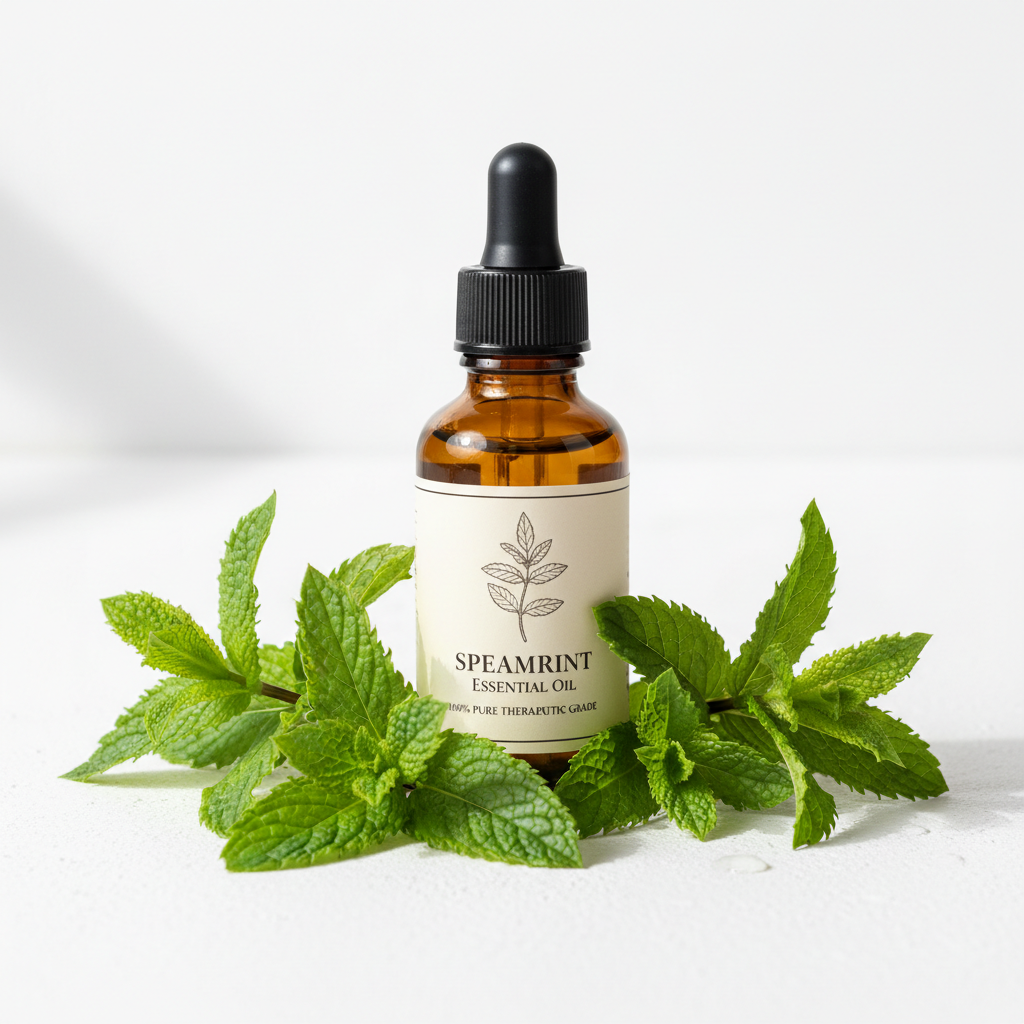
Spearmint Essential Oil
Mentha spicata
Spearmint Essential Oil, scientifically known as Mentha spicata, is derived from the vibrant green leaves of the spearmint plant, a member of the Lamiaceae (mint) family. This essential oil is extracted through steam distillation, a method that ensures the retention of the plant’s natural aromatic properties while providing a high-quality oil that is refreshing and invigorating. ### Origin and Extraction Method Spearmint is native to Europe but is now cultivated in various parts of the world, thanks to its popularity and many benefits. The oil is extracted from the fresh leaves of the spearmint plant, which have a characteristic bright green color and a bright, fresh scent. The steam distillation process involves passing steam through the plant material, causing the oil to evaporate and subsequently condense into liquid form, resulting in an essential oil that is both potent and aromatic. ### Botanical Information The botanical name, Mentha spicata, highlights its distinctive flowering spikes, with leaves that are lanceolate and serrated. The plant grows to about 30-100 cm in height and is known for attracting various pollinators, including bees and butterflies, making it a beneficial addition to gardens. ### Therapeutic Properties and Benefits Spearmint Essential Oil is celebrated for its numerous therapeutic benefits: - **Digestive Aid:** Traditionally used to alleviate digestive discomfort, it can help to soothe symptoms like bloating and gas. - **Mental Clarity:** The oil is known to promote mental clarity, enhance focus, and improve mood, making it a popular choice for aromatherapy applications aimed at reducing mental fatigue. - **Stress Relief:** Inhaling spearmint oil can uplift the spirits and provide a feeling of rejuvenation, helping to alleviate stress and anxiety. ### Historical and Traditional Uses Historically, spearmint has been valued not only for its delightful flavor in culinary dishes but also as a remedy in traditional medicine. Ancient cultures have utilized spearmint for its digestive health benefits, often consumed in teas or as an infusion. It was also used in baths and during massage practices for its soothing and refreshing properties. ### Scientific Facts and Research Recent studies have recognized the antimicrobial properties of spearmint oil, finding it effective against certain bacterial strains. Research into its potential benefits continues, with findings suggesting that its aroma can enhance cognitive function and potentially have a positive impact on mood disorders. ### Aroma Profile and Characteristics Spearmint Essential Oil is characterized by its sweet, minty, and refreshing aroma. The scent is often described as more gentle and sweeter compared to other mints like peppermint, making it a favorite in many homes and wellness practices. The oil’s fresh scent can invigorate the air and create an uplifting atmosphere when diffused. ### Common Applications and Methods Spearmint Oil has various applications: 1. **Aromatherapy:** Use in a diffuser to improve mood and clarity of thought. 2. **Topical Use:** Dilute with a carrier oil and apply to temples to relieve tension headaches or sore muscles. 3. **Baths:** Add a few drops to warm water for a refreshing bathing experience. 4. **Cooking Uses:** Sometimes used in culinary applications, although it is essential to ensure it is food-grade quality. ### Interesting Facts and Trivia - Spearmint is often added to dental products for its flavor and freshening effect, symbolizing its longstanding association with oral health. - In folklore, spearmint has been linked with love and devotion, often used as a garnish for romantic meals. - The oil is also used in natural insect repellents, capitalizing on its strong aroma to deter pests. In conclusion, Spearmint Essential Oil is a versatile and beneficial oil with a rich history of use for wellness and health. Its fresh and lively aroma, along with its therapeutic properties, make it a must-have for aromatherapy enthusiasts and those seeking natural health solutions.
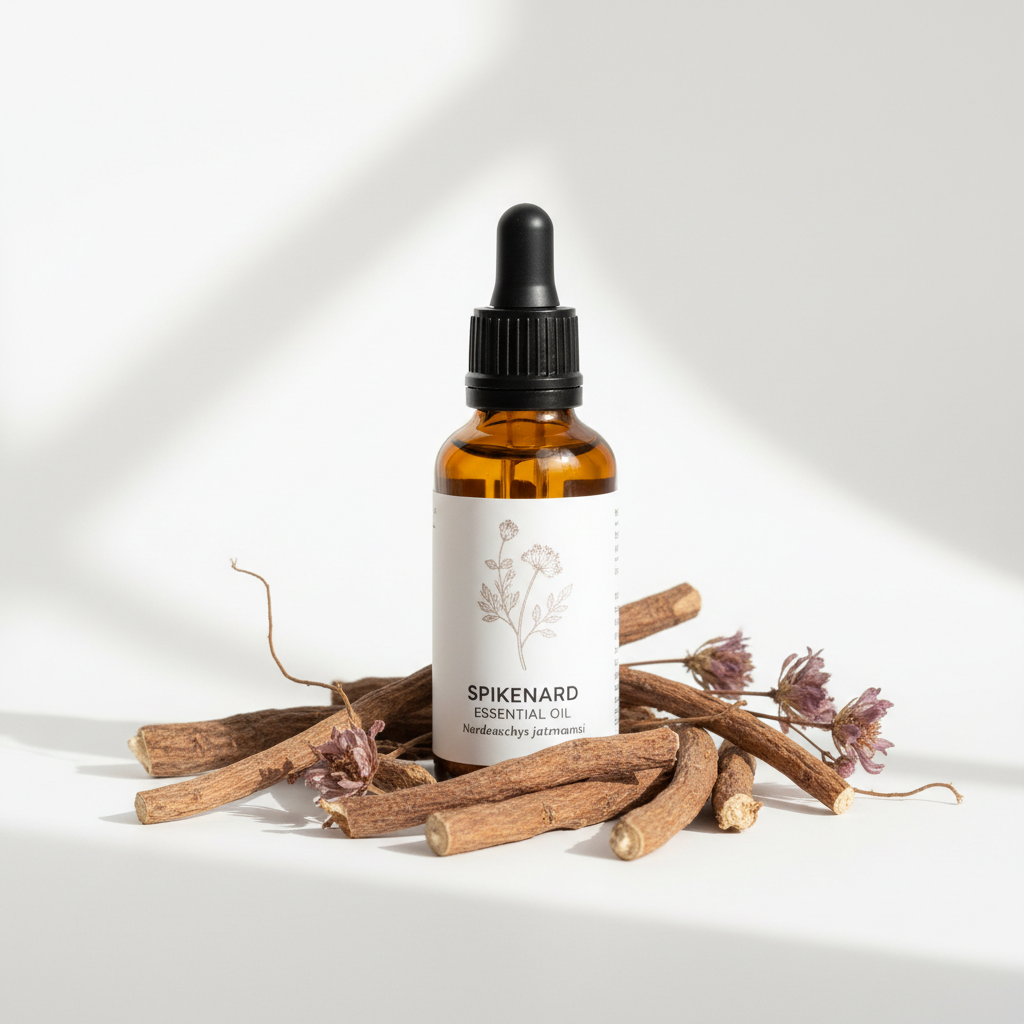
Spikenard Essential Oil
Nardostachys jatamansi
### Spikenard Essential Oil: A Comprehensive Guide #### Origin and Extraction Method Spikenard essential oil is derived from the rhizomes of the Nardostachys jatamansi plant, a perennial herb that thrives in the high altitudes of the Himalayas. The oil is extracted through a meticulous steam distillation process that carefully preserves its rich properties and aromatic profile. This traditional method ensures that the essential oil retains its therapeutic qualities, making it highly sought after in both wellness and aromatherapy circles. #### Botanical Information The Nardostachys jatamansi plant boasts a long history of usage in ancient cultures. Its roots contain an array of active compounds, including sesquiterpenes and other phytochemicals that contribute to its aromatic and therapeutic benefits. The plant's unique environment influences its growth and composition, leading to variations in oil quality that aficionados seek out. #### Therapeutic Properties and Benefits Spikenard essential oil is widely recognized for its multitude of therapeutic properties: - **Calming Effects**: Known for promoting relaxation and tranquility, Spikenard oil is a perfect companion for practices such as meditation and yoga. It may help ease anxiety and stress, allowing users to find moments of peace. - **Mood Enhancer**: The oil is also reputed for its ability to uplift mood and promote emotional balance, making it beneficial for anyone experiencing feelings of sadness or emotional turbulence. - **Emotional Healing**: It is believed to assist in releasing buried emotions, thus fostering a sense of clarity and emotional well-being. - **Headache Relief**: When inhaled, Spikenard oil can provide relief from tension headaches, making it a useful addition to your wellness toolkit. - **Digestive Aid**: Used cautiously, it may help soothe the gastrointestinal tract, promoting digestive health. #### Historical and Traditional Uses Historically, Spikenard has been revered for its fragrant and therapeutic qualities. It is frequently mentioned in ancient texts, including the Bible, where it was used in anointing oils and sacred rituals. This deep-rooted cultural significance reflects its value in both spiritual and practical applications. In Ayurvedic medicine, Spikenard has been utilized for centuries to support emotional balance and well-being. #### Scientific Facts and Research Recent studies have started to support many historical claims surrounding Spikenard oils benefits. Research has indicated that the oil possesses anti-inflammatory properties, which can benefit overall health. These scientific insights help validate the traditional uses while encouraging new applications in holistic practices. #### Aroma Profile and Characteristics Spikenard essential oil is characterized by a rich, earthy aroma that is both grounding and calming. Its scent is often described as woody, musky, and slightly sweet, creating a serene ambiance perfect for relaxation and meditation. Its deep fragrance enhances not just the olfactory experience but also elevates emotional states, creating a holistic sensory environment. #### Common Applications and Methods Spikenard essential oil can be utilized in various ways: - **Aromatherapy**: Diffuse it in your living space to create a tranquil atmosphere. - **Topical Use**: When diluted with a carrier oil, it can be applied to the skin to alleviate irritations or assist in muscle recovery through massage. - **Bath Additive**: Add a few drops to your bath for a luxurious spa experience that soothes both body and mind. - **Emotional Support**: Inhale the scent directly or sit quietly with the oil on your palms to foster mindfulness and connection. #### Interesting Facts and Trivia - In ancient Rome, Spikenard was so highly valued that it became synonymous with luxury and wealth. - The oil was often reserved for royalty, due to its association with sacred rituals and ceremonies. - Today, it remains a treasured oil among practitioners of holistic medicine and is gaining popularity in modern aromatherapy. In conclusion, Spikenard essential oil not only boasts numerous health benefits but also carries a rich historical legacy. Its calming effects, coupled with its unique aromatic profile, make it an essential addition for those seeking to enhance their emotional and physical well-being. With applications ranging from massage and aromatherapy to emotional healing, it offers a versatile tool for improving quality of life.
Benefits
Recipes

Refreshing Brenaige Headache Relief Inhaler Recipe
Discover the ultimate inhaler recipe using essential oils that eases headache pain and promotes relaxation for a soothing experience.
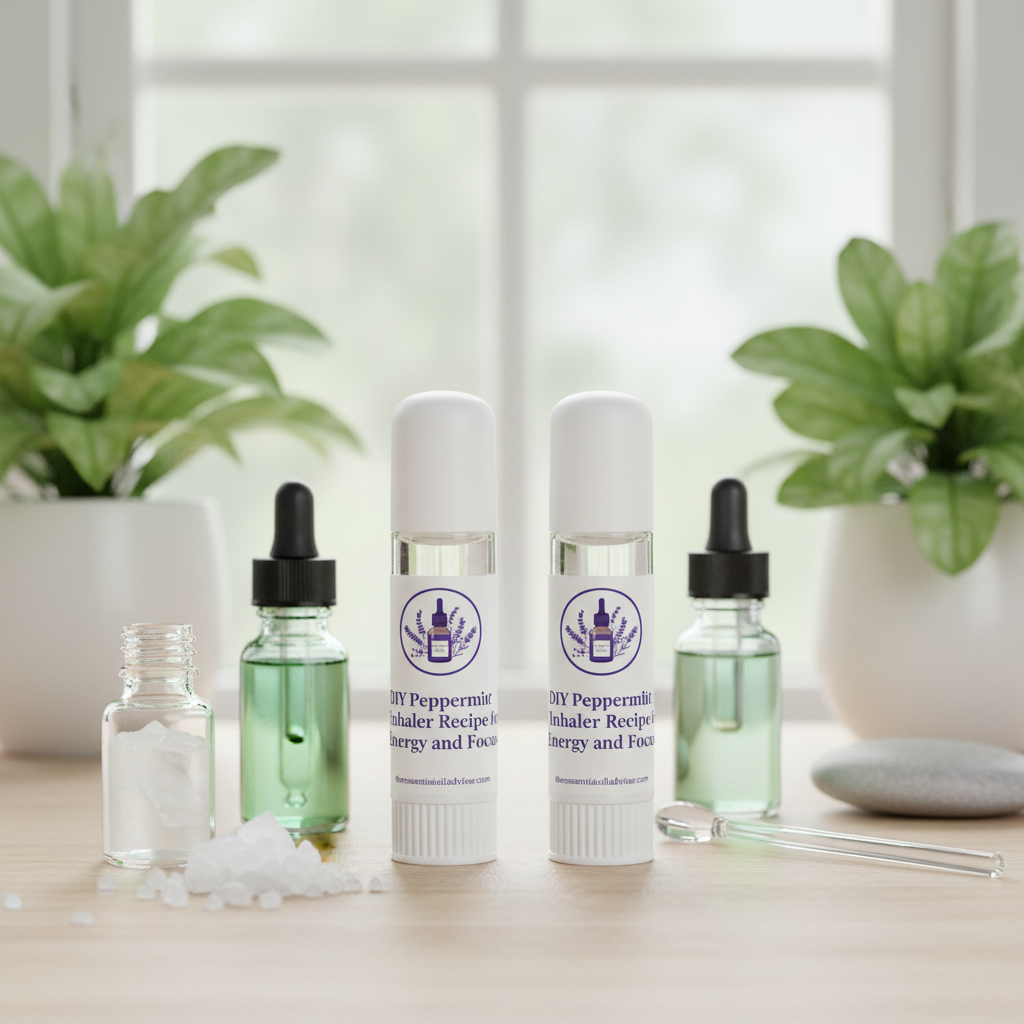
DIY Peppermint Inhaler Recipe for Energy and Focus
Boost your mental clarity and energy with this invigorating DIY peppermint inhaler recipe, perfect for alleviating headaches anytime!