Search
Found 212 results for "health"
Essential Oils
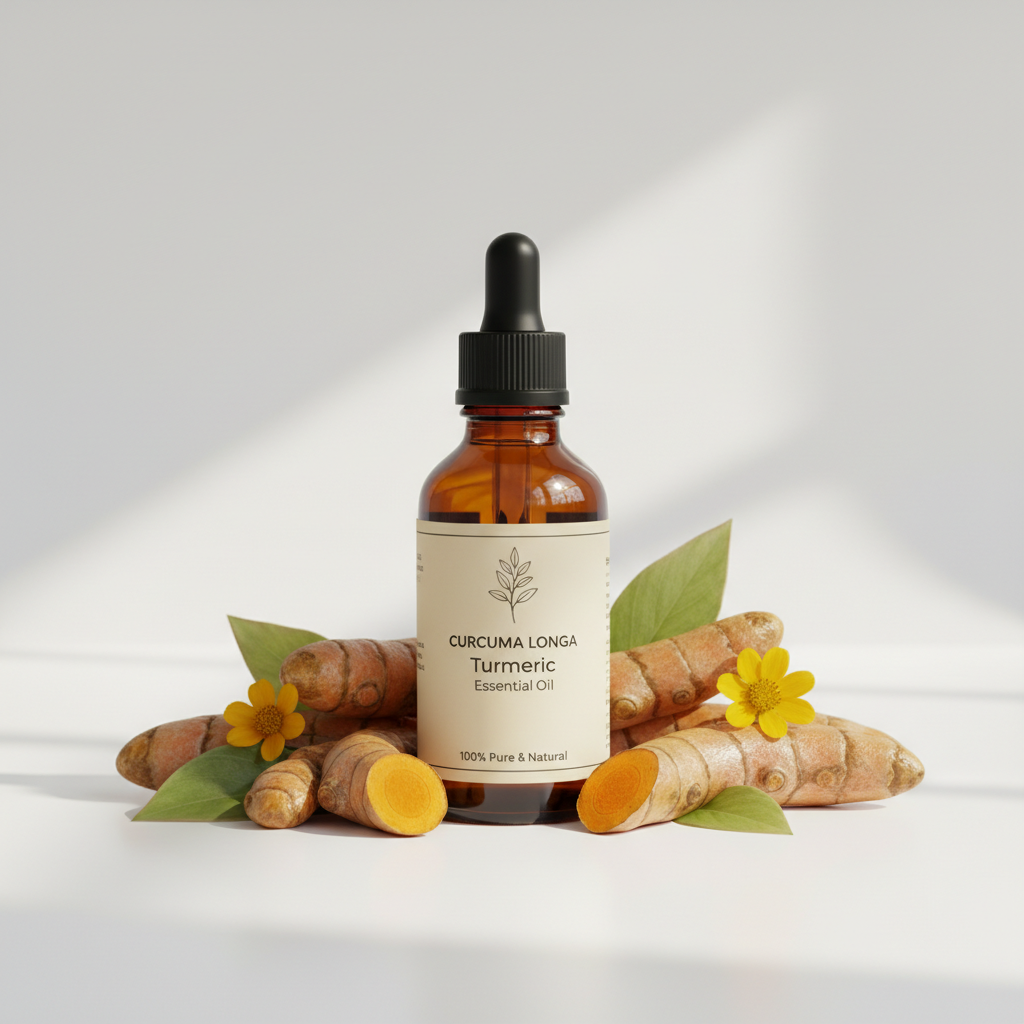
Turmeric Essential Oil
Curcuma longa
Turmeric essential oil, extracted from the rhizomes of the Curcuma longa plant, has gained immense popularity in recent years, not just for its vibrant yellow color, but for its myriad of therapeutic benefits. This aromatic oil is predominantly obtained through steam distillation, a method that preserves its potential health properties while enhancing its fragrance. ### Botanical Information The Curcuma longa plant, native to tropical South Asia, particularly India, has a long history of use in traditional medicine systems. Turmeric is a perennial herb with a bright yellow-orange rhizome, which is the root from which the essential oil is extracted. Turmeric's active component, curcumin, is celebrated for its anti-inflammatory and antioxidant properties, making it a key player in various health and wellness applications. ### Therapeutic Properties and Benefits Turmeric essential oil is touted for its numerous health benefits, including: - **Anti-inflammatory:** The oil is well-known for relieving inflammation, making it beneficial for conditions like arthritis and muscle soreness. - **Antioxidant:** Its powerful antioxidants help combat free radicals, reducing oxidative stress and promoting overall health. - **Mood Enhancer:** The uplifting aroma positively influences mood, aiding in alleviating feelings of sadness or anxiety. - **Stress Relief:** It has a soothing effect, promoting calmness and reducing anxiety levels, making it a popular choice for aromatherapy. - **Mental Clarity:** Many users find that turmeric oil helps support focus and cognitive function, particularly during high-stress tasks. - **Grounding Properties:** This oil is said to provide emotional stability, creating a tranquil mental environment conducive to self-acceptance and emotional balancing. - **Circulation Booster:** The oil's properties may enhance blood circulation, promoting vitality and energy. - **Digestive Support:** By easing discomfort and bloating, turmeric essential oil supports healthy digestion processes. - **Skin Health:** It has antiseptic qualities and can assist in healing minor cuts, irritations, and other skin issues. ### Historical and Traditional Uses In Ayurveda, turmeric has been revered for centuries not only as a spice but as a healing herb. Traditionally, it has been used to treat a variety of ailments, from skin conditions to digestive disorders. In many cultures, turmeric is incorporated into rituals and traditional practices, reflecting its significance in heritage and health. ### Scientific Research Scientific studies have explored the myriad benefits of turmeric essential oil, particularly focusing on its active components. Research has validated some of its traditional uses, demonstrating its anti-inflammatory and antioxidant capabilities. This aligns with many modern trends that advocate for natural remedies in health and wellness regimens. ### Aroma Profile and Characteristics The aroma of turmeric essential oil is warm, spicy, and slightly woody, making it an excellent addition to diffusers and blends in aromatherapy. Its distinct fragrance is not only uplifting but can also stimulate the senses, enhancing focus and mental clarity during meditation or yoga. ### Common Applications and Methods Turmeric essential oil can be utilized in various ways: - **Aromatherapy:** Add a few drops to a diffuser to enjoy its calming aroma. - **Massage:** Dilute with a carrier oil for topical applications to relieve muscle aches and promote relaxation. - **Skincare:** Incorporate into skin care products for its healing properties, or mix with a carrier oil for direct skin application. - **Wellness Blends:** Combine with other essential oils like lavender or frankincense for enhanced therapeutic effects. ### Interesting Facts and Trivia - Turmeric is often referred to as "the golden spice of life" due to its vibrant hue and vast medicinal properties. - The use of turmeric dates back over 4,000 years, showcasing its long-standing presence in various cultures. - Its pigment has been used as a dye in fabrics, demonstrating its versatility beyond just flavor and health benefits. In conclusion, turmeric essential oil stands out with its rich aromas and diverse health benefits. As a central component in both traditional medicine and contemporary holistic practices, it offers an array of possibilities for enhancing physical wellness and emotional well-being. Whether you're looking to boost your mood, promote skin health or simply enjoy its fragrant presence, turmeric essential oil is a valuable addition to any essential oil collection.
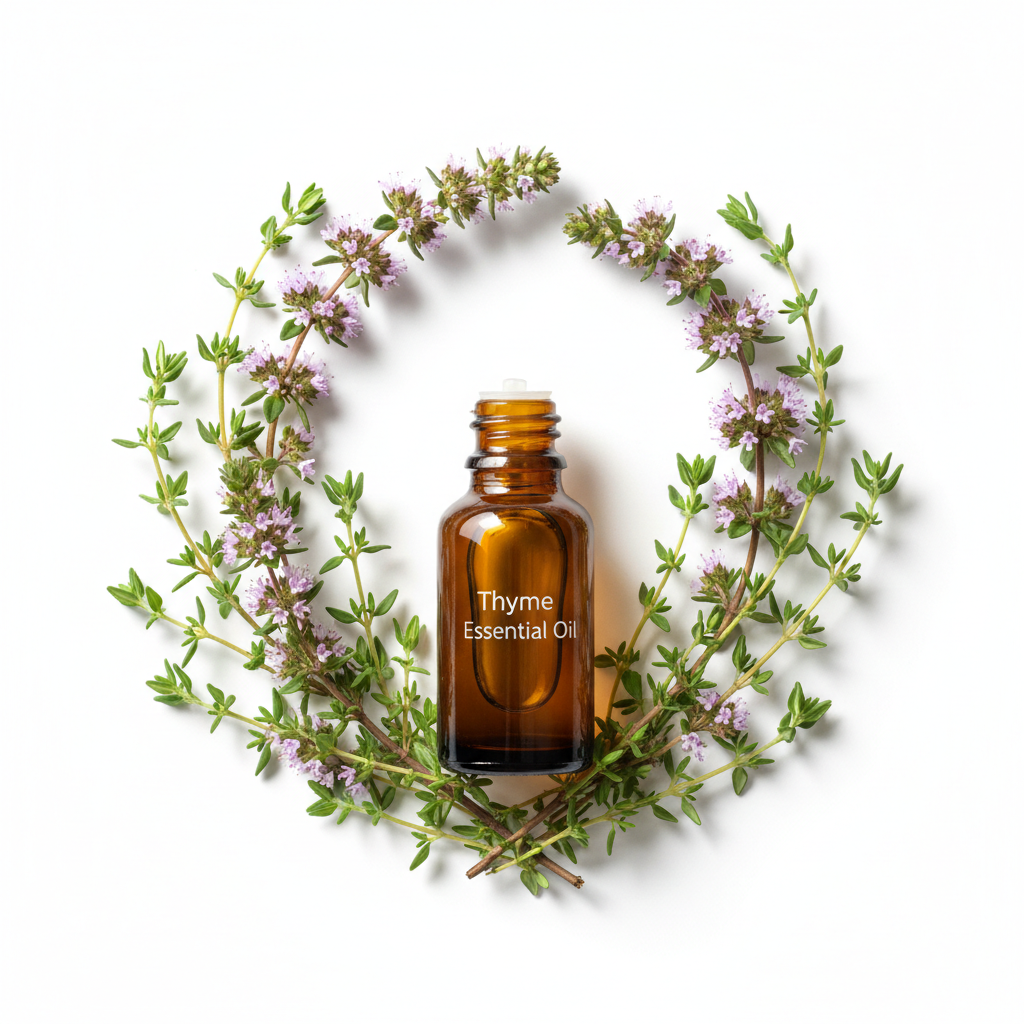
Thyme Essential Oil
Thymus vulgaris
### Overview of Thyme Essential Oil Thyme essential oil, derived from the leaves and flowering tops of the *Thymus vulgaris* plant, is renowned for its robust therapeutic properties and rich historical legacy. This essential oil has been used for centuries in traditional medicine and culinary practices, making it one of the most cherished oils in aromatherapy and holistic wellness. ### Origin and Extraction Method Thyme essential oil is extracted through a process called steam distillation, which involves passing steam through the plant material to release the oil without the use of solvents. This method ensures that the oil retains its potent therapeutic properties and aromatic compounds. *Thymus vulgaris*, native to southern Europe, is cultivated widely due to its versatility and resilience in various climates. ### Botanical Information Botanically, thyme belongs to the Lamiaceae family, which includes other popular herbs like mint and basil. The plant grows low to the ground and produces small, tubular flowers that can range in color from pink to purple. The leaves are aromatic and are rich in phenolic compounds, particularly thymol and carvacrol, renowned for their antimicrobial properties. ### Therapeutic Properties and Benefits Thyme essential oil is celebrated for its diverse therapeutic effects. It is primarily known for: - **Antimicrobial Action**: Contains powerful compounds that help combat bacteria and fungi, making it ideal for use in home remedies and natural cleaning products. - **Respiratory Support**: Acts as a natural expectorant, helpful in relieving coughs and clearing congestion during colds and respiratory infections. - **Emotional Well-being**: Known to enhance mood, improve mental clarity, and alleviate feelings of anxiety and fatigue, making it beneficial in stressful situations. - **Muscle Relief**: When diluted and applied topically, it can soothe sore muscles and improve circulation, making it popular among athletes. - **Skin Health**: Thyme essential oil can be beneficial for oily or acne-prone skin when used in skincare formulations, helping to reduce outbreaks and promote a clearer complexion. ### Historical and Traditional Uses Historically, thyme has been appreciated for its various uses in ancient civilizations. The Egyptians used it in embalming practices due to its preservative properties, while the Romans utilized thyme in baths for its invigorating scent. In the Middle Ages, thyme was often associated with bravery and was used in rituals and as a symbol of courage. ### Scientific Facts and Research Recent studies have highlighted the numerous health benefits of thyme essential oil. Research shows that thymol, a major component of thymus oil, possesses antifungal and antiseptic characteristics. Investigations into its role in respiratory health have demonstrated its effectiveness in supporting the immune system, particularly during peak cold and flu seasons. ### Aroma Profile and Characteristics The aroma of thyme essential oil is fresh, herbaceous, and slightly spicy. Its unique scent profile can invigorate the mind and body, making it an excellent choice for diffusion in living spaces and during meditative practices. The oil blends well with other essential oils, such as lavender, eucalyptus, and lemon, enhancing the overall aroma and effectiveness of blends. ### Common Applications and Methods Thyme essential oil can be used in a variety of ways: - **Aromatherapy**: Diffusion in a diffuser for mental clarity and mood upliftment. - **Topical Application**: Diluted with a carrier oil for muscle relief or skincare applications. - **Inhalation**: Direct inhalation from the bottle or added to steam inhalation for respiratory support. - **Cleaning Products**: Adding thyme oil to homemade cleaning agents to leverage its antimicrobial properties. ### Interesting Facts and Trivia - Thyme is a perennial plant that can live for several years with proper care and conditions. - The name 'thyme' is derived from the Greek word 'thumus', meaning 'courage', reflecting its historical associations with bravery. - Thyme oil is often used in culinary dishes, adding aromatic flavor to meats, soups, and sauces, enhancing both taste and health benefits. In conclusion, thyme essential oil is a remarkable oil with numerous benefits ranging from health to emotional balance. Its historical significance and versatility make it a staple in both modern holistic practices and traditional medicine.
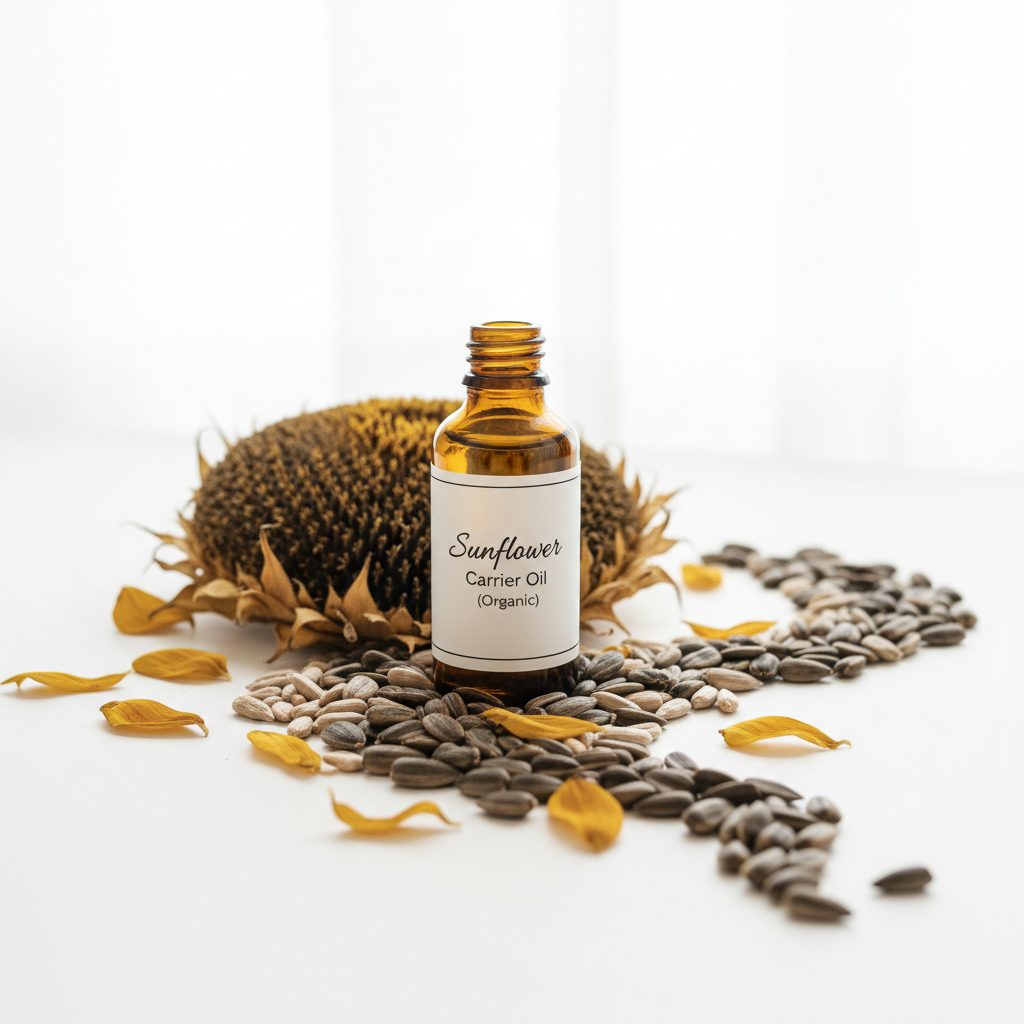
Sunflower Carrier Oil
Helianthus annuus
### Sunflower Carrier Oil: A Comprehensive Guide to Benefits and Uses #### Origin and Extraction Method Sunflower Carrier Oil is extracted from the seeds of the **Helianthus annuus** plant using the cold-press method. This means the seeds are mechanically pressed to extract the oil without the use of harmful chemicals or excessive heat, which allows the oil to retain its beneficial properties. Sunflower oil is predominantly cultivated in regions with abundant sunlight, such as North America, Europe, and parts of Africa, ensuring a high-quality extract that is both pure and sustainable. #### Botanical Information The **Helianthus annuus** is a flowering plant known commonly as the sunflower. This cheerful yellow flower is not only prized for its beauty but also for its oil-rich seeds. Sunflowers flourish in sunny environments, showcasing their sunny disposition suggestive of the health benefits they offer. The seeds are harvested and processed to yield the oil, which is characterized by its light texture and pale yellow color. #### Therapeutic Properties and Benefits Sunflower Carrier Oil is celebrated for its numerous therapeutic properties: - **Emollient:** It is highly moisturizing, making it ideal for dry skin. - **High in Vitamins:** Rich in Vitamin E, it provides antioxidant protection, promotes skin health, and aids in healing. - **Anti-inflammatory:** This oil can help reduce inflammation and is suitable for sensitive skin types. - **Rich in Fatty Acids:** Its high linoleic acid content supports skin barrier function and retains moisture, crucial for maintaining skin hydration. #### Historical and Traditional Uses Historically, Sunflower Carrier Oil has been cherished since ancient times. Indigenous cultures in North America and Europe utilized its benefits for both culinary and medicinal purposes. It was often used in traditional cooking and as a remedy for various ailments. In herbal medicine practices, it has been employed topically to soothe skin irritations and improve overall skin health. #### Scientific Facts and Research Research has shown that Sunflower Oil’s high linoleic acid content can improve atopic dermatitis, providing relief from scaly and itchy skin. Its Vitamin E content also plays a crucial role in reducing the appearance of scars and stretch marks. Various studies highlight its effectiveness as a barrier oil that helps protect the skin against environmental stressors. #### Aroma Profile and Characteristics With a light, neutral scent, Sunflower Carrier Oil does not overpower essential oils, making it an excellent carrier for aromatherapy. Its versatility allows it to blend seamlessly with a variety of essential oils, enhancing their properties without altering their aroma profiles. This makes it a go-to choice for creating your personalized essential oil blends. #### Common Applications and Methods Sunflower Carrier Oil can be used in a variety of ways: - **Massage Oil:** Combining it with essential oils can facilitate relaxation and stress relief. - **Cosmetic Applications:** It is frequently utilized in lotions, creams, and hair products to enhance hydration and shine. - **Aromatherapy Blends:** A perfect addition to synergy blends to promote emotional balance and uplift mood. When used in diffusers or added to bathwater, it enhances the overall experience of the aromatherapy session. - **Culinary Uses:** Aside from its cosmetic benefits, organic sunflower oil is also a popular cooking oil due to its light flavor and high smoke point, ideal for frying or sautéing. #### Interesting Facts and Trivia - Sunflowers were cultivated by Native Americans as early as 3000 B.C. for their nutritious seeds and oil. - The seeds contain essential fatty acids that are vital for overall health, making the oil beneficial not only for topical applications but also as a part of a balanced diet. - In ancient cultures, sunflower oil was revered as a source of light and health, symbolizing warmth and nourishment. In conclusion, **Sunflower Carrier Oil** is a versatile, nutritious oil that supports both health and beauty. Whether used in cooking, cosmetic preparations, or aromatherapy, it is a powerful ally in promoting wellness. With its rich history and myriad benefits, sunflower oil continues to be cherished and embraced in various cultures worldwide.
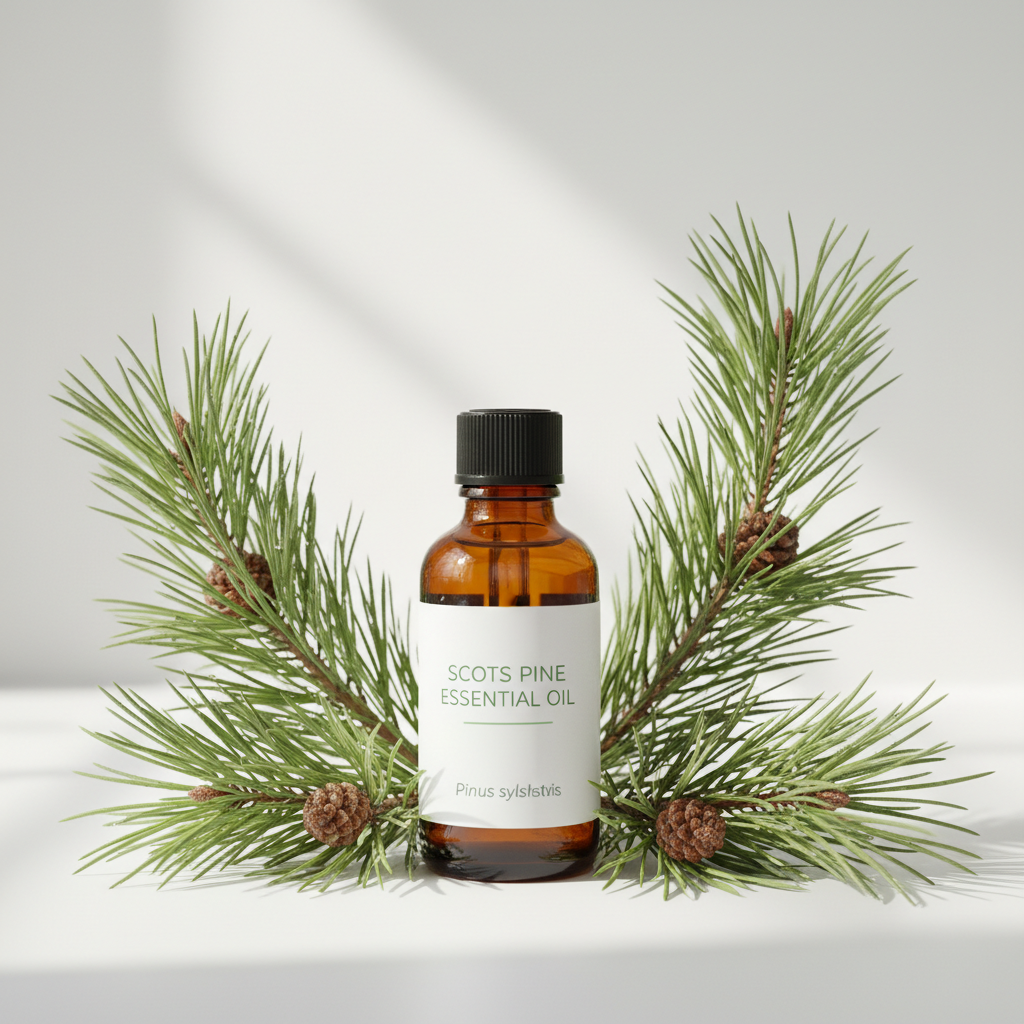
Scots Pine Essential Oil
Pinus sylvestris
### Introduction to Scots Pine Essential Oil Scots Pine Essential Oil, derived from the needles of the **Pinus sylvestris** tree, boasts a fresh, invigorating aroma reminiscent of lush forests after rain. This essential oil is commonly used for its uplifting properties and myriad therapeutic benefits. Let's explore the origin, extraction methods, benefits, and uses of this remarkable oil. ### Origin and Extraction Method Scots Pine is a native tree found across Europe and parts of North America, thriving in well-drained sandy soils. The essential oil is obtained through steam distillation of the tree's needles, twigs, and cones, a process that effectively maintains the oil's bioactive compounds, ensuring its purity and potency. This method results in a clear to pale yellow liquid that captures the essence of the forest. ### Botanical Information - **Botanical Name:** Pinus sylvestris - **Family:** Pinaceae - **Plant Part Used:** Needles and twigs - **Aroma Profile:** Fresh, woody, and slightly sweet. This evergreen tree can grow up to 35-40 meters tall and is characterized by its long, slender needles grouped in pairs, which contribute to its distinctive aroma. ### Therapeutic Properties and Benefits 1. **Mental Clarity and Focus:** The refreshing scent of Scots Pine Essential Oil is known to enhance concentration and improve mental clarity, making it perfect for study or work environments. 2. **Grounding and Stability:** The oil promotes feelings of stability and grounding, effective in alleviating stress, anxiety, and emotional fatigue. It supports mental well-being by inducing feelings of calm. 3. **Mood Uplifting:** Its invigorating aroma has been reported to uplift mood, combat lethargy, and inspire creativity, which can be beneficial during periods of low energy or motivation. 4. **Respiratory Support:** Scots Pine is often used to ease respiratory issues, especially in cold seasons, by helping to clear nasal passages and improve overall lung function. 5. **Muscle Tension Relief:** When used in massage, Scots Pine Oil effectively alleviates muscle tension and promotes relaxation, making it a popular choice among athletes and those with active lifestyles. 6. **Joint Pain Relief:** Its anti-inflammatory properties may provide relief from joint pain, particularly for individuals suffering from arthritis or similar conditions. 7. **Skin Health Improvement:** This oil can enhance skin health by reducing irritation, promoting a clearer complexion, and aiding in the healing of minor wounds and blemishes. ### Historical and Traditional Uses Historically, Scots Pine has held a significant place in various cultures. Native American tribes utilized the tree for its medicinal properties, using pine needle tea for respiratory health and as a source of vitamins during winter months. Additionally, Scots Pine was revered in ancient cultures for its purifying properties, often used in rituals to ward off negative energies and promote physical and emotional well-being. ### Scientific Facts and Research Scots Pine Essential Oil has been the subject of numerous studies highlighting its antibacterial and antifungal properties. Research demonstrates its efficacy in enhancing mood and cognitive function, thanks to its ability to reduce stress hormones in the body, thus promoting overall mental clarity and vitality. ### Aroma Profile and Characteristics Scots Pine Oil's aroma is characterized by its sharp, woodsy notes with sweet undertones. It carries respiratory-refreshing qualities, reminiscent of a wild forest, encouraging a sense of vitality and rejuvenation. ### Common Applications and Methods - **Aromatic Use:** Add a few drops to diffusers to purify the air and uplift mood. - **Topical Application:** Dilute with a carrier oil for massage or skincare applications to relieve muscle tension and enhance skin health. - **Baths:** Add to bathwater for a refreshing and relaxing experience that also promotes respiratory health. ### Interesting Facts and Trivia - The Scots Pine is one of the most widely distributed pines in Europe, known for its resilience and ability to withstand harsh conditions. - Essential oils derived from various pine species have been used in many traditional medicines for centuries, establishing their place in aromatherapy today. ### Conclusion In summary, Scots Pine Essential Oil is a versatile, potent oil that offers a myriad of benefits ranging from mental clarity to physical wellness. Incorporating this oil into your daily routine can greatly enhance your well-being and promote a deeper connection to nature.
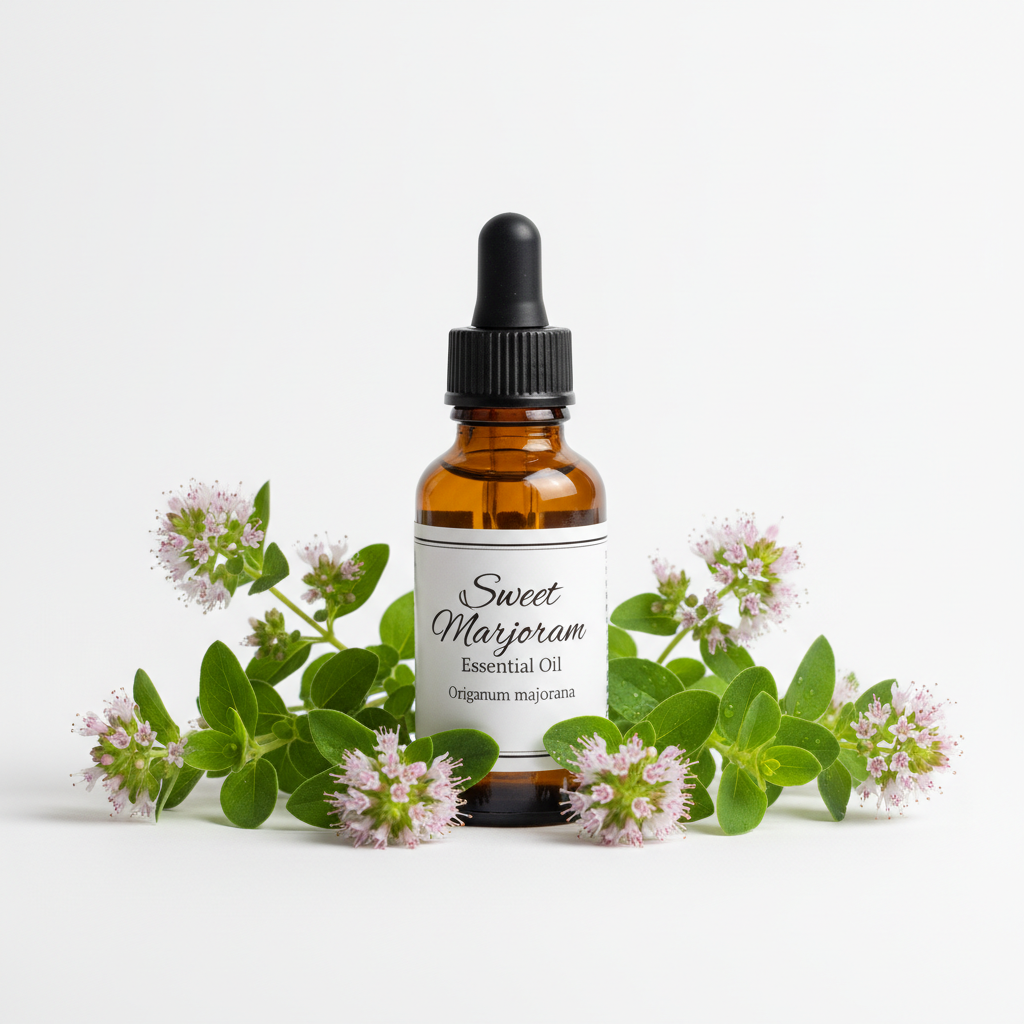
Sweet Marjoram Essential Oil
Origanum majorana
Sweet Marjoram Essential Oil, scientifically known as *Origanum majorana*, is a cherished oil extracted from the leaves and flowering tops of the sweet marjoram plant. This herb, native to the Mediterranean region, has a long history of use in cooking and traditional medicine. The extraction method employed for this essential oil is steam distillation, a process that effectively captures the oil's delicate aroma and potent therapeutic properties. ### Origin and Extraction Method Sweet Marjoram has been cultivated for centuries, with evidence of its use dating back to the ancient Greeks and Romans who valued it as a symbol of happiness and protection. The essential oil is produced via steam distillation of the plant’s leaves and flowering tops, which preserves its volatile compounds and rich, sweet scent. This extraction method leaves the oil with both aroma and therapeutic benefits intact, making it ideal for various applications. ### Botanical Information *Origanum majorana*, belonging to the Lamiaceae family, is a perennial herb characterized by its rich green leaves and small white or pink flowers. The plant typically grows to about 60 cm in height and flourishes in warm, sunny climates. The oil extracted from the leaves is light yellow to amber in color, with a distinctive sweet, herbaceous fragrance. ### Therapeutic Properties and Benefits Sweet Marjoram Essential Oil is celebrated for its wide array of therapeutic benefits: - **Relaxation and Calmness**: Known for promoting tranquility, this oil is often used in aromatherapy to reduce stress and support mental clarity and relaxation. - **Anti-inflammatory Effects**: It possesses anti-inflammatory properties that are beneficial in soothing sore muscles and easing discomfort, making it a popular addition to massage blends. - **Digestive Health**: This oil aids digestion, helping to alleviate bloating and discomfort after meals. - **Respiratory Relief**: Its soothing attributes can help ease respiratory issues, promoting clear airways and relieving congestion. - **Emotional Balance**: Sweet Marjoram encourages emotional stability, reducing mood swings and providing comfort during periods of grief or emotional stress. ### Historical and Traditional Uses Historically, Sweet Marjoram has been used in various cultures for both culinary and medicinal purposes. Ancient Greeks believed it signified love and joy and used it in wedding ceremonies. In traditional medicine, it has been utilized to treat ailments such as colds, coughs, and digestive issues. Its soothing properties have also made it a staple in the herbal remedies of many cultures. ### Scientific Facts and Research Recent studies have highlighted the antimicrobial and antioxidant properties of Sweet Marjoram Essential Oil. Research indicates that its compounds may help inhibit the growth of harmful bacteria and support overall health by combating oxidative stress in the body. These findings have sparked interest in its use as a natural remedy in various health and wellness contexts. ### Aroma Profile and Characteristics The aroma of Sweet Marjoram Essential Oil is soft, sweet, and slightly spicy, with herbaceous notes that are calming and soothing. This fragrance profile makes it an excellent choice for diffusion in homes or during yoga and meditation sessions, fostering an environment that promotes peace and relaxation. ### Common Applications and Methods Sweet Marjoram Essential Oil can be employed in numerous ways: - **Diffusion**: Add a few drops to a diffuser to promote a calming environment. - **Massage**: Blend with a carrier oil and apply to sore areas to relieve tension and soreness. - **Bath**: Add a few drops to a warm bath for a soothing, relaxing experience. - **Inhalation**: Use during stressful moments by inhaling directly from the bottle or via a steam inhalation method. ### Interesting Facts and Trivia Did you know that sweet marjoram is often confused with oregano? While they share similar scent profiles, sweet marjoram is milder and has a sweeter fragrance. Another interesting fact is that marjoram was traditionally used as an aphrodisiac and in love potions in ancient times! In conclusion, Sweet Marjoram Essential Oil is not only a versatile addition to your essential oil collection but also a powerful ally in promoting physical health and emotional well-being. Its rich history, combined with its numerous benefits, makes it a staple in aromatherapy and natural health practices.
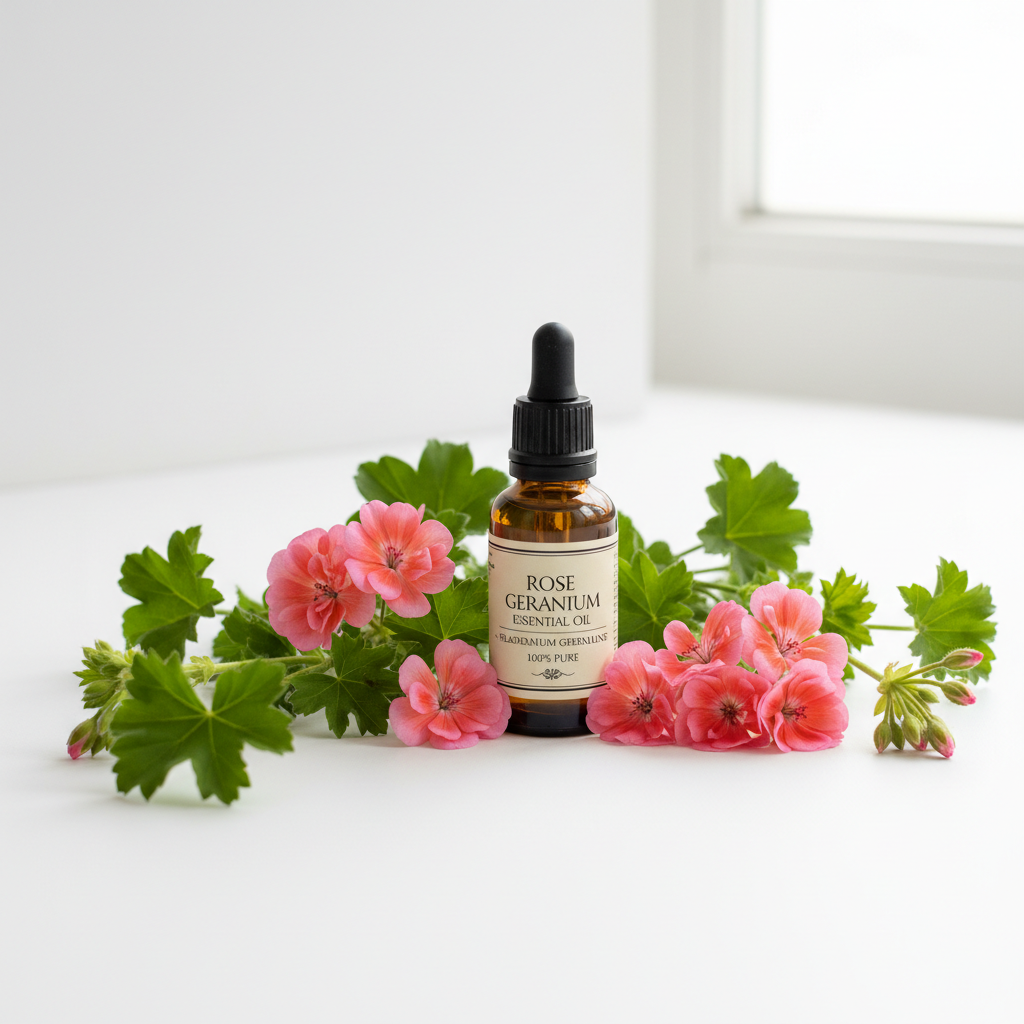
Rose Geranium Essential Oil
Pelargonium graveolens
### Rose Geranium Essential Oil: Benefits, Uses, and Properties Rose Geranium essential oil, derived from the leaves and flowers of the **Pelargonium graveolens** plant, is celebrated for its uplifting floral aroma and remarkable versatility in aromatherapy. This essential oil is not only a delight to the senses but also possesses a variety of therapeutic benefits that have been appreciated for centuries. #### Origin and Extraction Method The **Rose Geranium** plant is native to South Africa but is now cultivated in various parts of the world, including Madagascar and Egypt. The essential oil is extracted mainly through **steam distillation** of the fresh leaves and flowers. This process preserves the delicate nature of the aroma and retains a wide spectrum of its therapeutic properties, making it a precious addition to any essential oils collection. #### Botanical Information **Pelargonium graveolens** is part of the Geraniaceae family and is a hardy perennial plant. It features round, serrated leaves and clusters of pink or white flowers. Alongside its ornamental value, the plant is prized for the oil extracted from its foliage, which is rich in compounds such as geraniol, citronellol, and linalool, all contributing to its distinctive scent and health benefits. #### Therapeutic Properties and Benefits Rose Geranium essential oil is renowned for its diverse therapeutic properties: - **Emotional Harmony**: One of the most celebrated benefits of Rose Geranium essential oil is its ability to promote emotional balance. The floral aroma can alleviate feelings of stress and anxiety, helping to foster a sense of calm and peace. - **Mood Elevation**: The uplifting scent of this essential oil can significantly enhance mood, reduce feelings of melancholy, and promote overall emotional well-being. - **Mental Clarity**: Users often report improved focus and mental clarity after using Rose Geranium oil, as it eases mental fatigue and promotes concentration. - **Skin Health**: With its anti-inflammatory and astringent properties, Rose Geranium essential oil is beneficial for skin health. It can help treat acne, eczema, and other skin ailments, enhancing overall appearance and tone. - **Menstrual Health**: This oil can assist in alleviating symptoms related to menstruation and menopause, including mood swings, cramps, and discomfort. - **Circulation**: It may also stimulate blood flow, aiding in muscle recovery and tension relief. - **Headache Relief**: Inhalation or topical application of this oil may help alleviate tension headaches and promote relaxation. #### Historical and Traditional Uses Historically, Rose Geranium essential oil has been used in various cultures for its emotional and physical benefits. In **Egypt**, it was used not only for cosmetics but also in traditional medicine. The oil is often included in wellness rituals, considered a symbol of love and vitality. It has been a vital component in the formulation of perfumes and cosmetics, valued for its refreshing scent and skin-enhancing properties. #### Scientific Facts and Research Recent studies have demonstrated the effectiveness of Rose Geranium essential oil in **aromatherapy**. Research indicates its role in reducing anxiety levels and promoting relaxation, making it an essential oil of choice among therapists and individuals seeking natural remedies for stress. #### Aroma Profile and Characteristics Rose Geranium essential oil is characterized by its sweet, floral aroma with hints of mint and rose, providing a calming and balancing scent that is effective in promoting emotional stability. Its complexity makes it a popular choice in **diffusers**, and blends well with other essential oils such as lavender, bergamot, and sandalwood. #### Common Applications and Methods There are various ways to use Rose Geranium essential oil: - **Aromatherapy Diffusion**: Add a few drops to your diffuser to fill your space with its peaceful scent. - **Topical Application**: Dilute with a carrier oil and apply to the skin to harness its therapeutic benefits. - **Bath Soaks**: Add to bathwater for a luxurious experience that elevates both mood and skin condition. - **Skincare Products**: Incorporate a few drops into your facial creams or serums for added skin benefits. #### Interesting Facts and Trivia - Rose Geranium is often mistaken for the true rose, yet it provides its unique and beautiful scent at a fraction of the cost. - The plant’s leaves are also used in culinary traditions for flavoring and garnishing dishes. In conclusion, Rose Geranium essential oil offers a wealth of benefits, from emotional balance and skin health to enhanced well-being. Whether used in a diffuser, as part of a skincare regimen, or in holistic practices, this oil is a versatile addition that brings both fragrance and rejuvenation to daily life.
Benefits
Recipes
Nourishing Toenail Fungus Relief Oil Recipe: Natural Healing
Discover a powerful recipe for toenail fungus relief using essential oils. Restore your nails' health naturally with this effective treatment.
DIY Saline Nasal Mist Recipe for Soothing Relief
Discover how this DIY saline nasal mist recipe can provide natural relief for nasal congestion and enhance your respiratory health.
Immune Support Recipe: Seasonal Essential Oil Diffuser
Discover this immune support recipe to create an essential oil diffuser blend that boosts health, especially during seasonal changes.

Soothing Feminine Care Bath Soak Recipe for Well-Being
Discover this rejuvenating bath soak recipe that supports feminine health, promotes relaxation, and enhances overall well-being for women.
Ylang Ylang Face Cleanser Recipe for Glowing Skin
Discover our Ylang Ylang Face Cleanser recipe. This gentle DIY skincare formula promotes skin wellness and is perfect for all skin types.
DIY Germ Neutralizing Room Spray Recipe
Learn how to make a germ neutralizing room spray recipe that freshens the air and creates a healthier home for you and your family.