Search
Found 22 results for "household"
Essential Oils
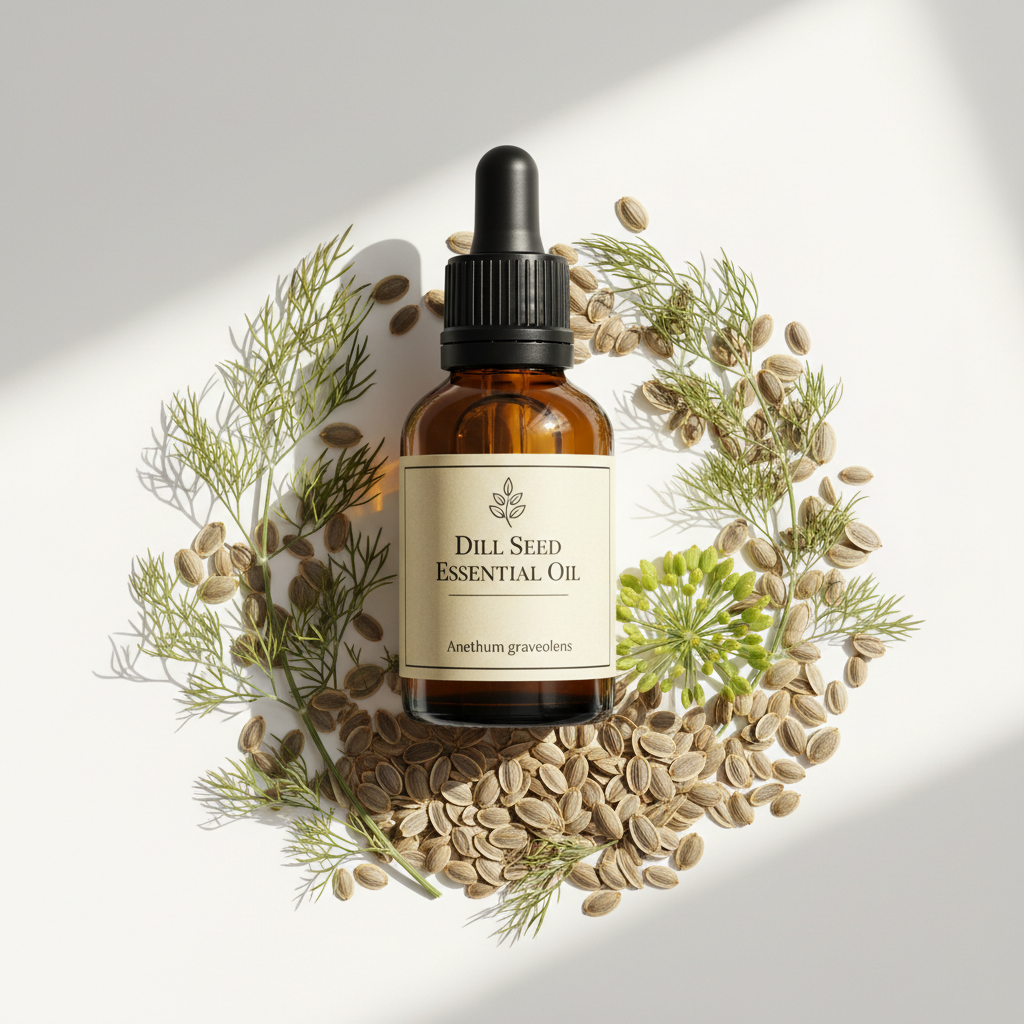
Dill Seed Essential Oil
Anethum graveolens
Dill Seed Essential Oil is derived from the seeds of the Anethum graveolens plant, a member of the celery family, which is native to the Mediterranean and Western Asia. This essential oil is well-known for its warm, herbaceous aroma that evokes a sense of comfort and nostalgia. Extracted primarily through steam distillation, dill seed oil has been utilized for centuries, both in culinary practices and for its medicinal properties. **Origin and Extraction Method** The Anethum graveolens plant, commonly known as dill, is cultivated in various parts of the world, including Europe, Asia, and North America. The essential oil is extracted from the seeds, which are known for their rich aromatic profile. The steam distillation process preserves the essential constituents of the oil, ensuring that it retains its potent therapeutic properties. Dill seed oil is typically pale yellow to amber in color and has a sweet, fresh scent that is reminiscent of the herb. **Botanical Information** Dill is a biennial herb that can grow up to 1 meter tall. Its leaves are feathery and finely divided, providing an anise-like aroma that is often associated with culinary applications. The plant's flowering occurs in small, yellowish-green clusters, which eventually produce the seeds from which the essential oil is extracted. The primary active components found in dill seed oil include carvone, limonene, and other terpenes, contributing to its unique properties. **Therapeutic Properties and Benefits** Dill Seed Essential Oil is recognized for its various therapeutic effects. Some of the notable benefits include: - **Calming Effect**: Dill seed oil is known for its ability to calm the mind, making it beneficial for reducing stress and anxiety. This quality can be particularly useful during moments of emotional turmoil, helping to promote relaxation and a sense of peace. - **Mood Elevating**: The oil has uplifting properties that can enhance mood and induce feelings of well-being, especially in challenging situations. - **Enhancement of Focus**: Dill seed oil may help improve concentration and mental clarity, making it a good companion during extended work or study sessions. - **Support for Digestive Health**: Traditionally, dill seed oil has been used to aid digestion, alleviating symptoms like bloating and discomfort after meals. It acts by promoting the secretion of digestive juices. - **Anti-inflammatory Effects**: The oil can also provide relief from sore muscles and inflammation when applied topically in diluted form. - **Respiratory Support**: It can assist in alleviating respiratory discomfort related to seasonal congestion, colds, or allergies. **Historical and Traditional Uses** Historically, dill has held significant importance in various cultures. Ancient Greeks valued dill for its culinary usage and believed it brought good fortune. In traditional medicine, dill seed oil was used as a digestive aid and a remedy for anxiety. Its use extends to folk customs where it was thought to ward off evil spirits. **Scientific Facts and Research** Research into dill seed oil has revealed its potential benefits beyond tradition. Studies suggest that its anti-inflammatory and antioxidant properties can aid in protecting cells from oxidative stress. The presence of carvone has been linked to its calming effects, with some studies indicating its potential in combating anxiety disorders. **Aroma Profile and Characteristics** The aroma profile of dill seed oil is distinctively warm and slightly sweet, with herbaceous notes that can uplift the spirit. Its refreshing scent is perfect for diffusing in the home or adding to personal care products. The oil's bold and fresh characteristics make it a popular choice for aromatherapy. **Common Applications and Methods** Dill Seed Essential Oil can be used in several ways: - **Aromatherapy**: Diffusing the oil can create a relaxing atmosphere, helping enhance mood and focus. - **Topical Application**: When diluted with a carrier oil, it can be applied to the skin to alleviate minor aches, relieve digestive discomfort, or support respiratory health. - **Culinary Uses**: In small amounts, it can be incorporated into various dishes to enhance flavor and add health benefits. **Interesting Facts and Trivia** - Dill is often associated with luck and protection, and its seeds have been used in various rituals throughout history. - In ancient Rome and Greece, dill was considered a sign of wealth and glory. In conclusion, Dill Seed Essential Oil offers a wealth of benefits, both therapeutic and culinary. Its unique aroma, combined with its historical usage and modern scientific backing, make it a valuable addition to any essential oil collection.
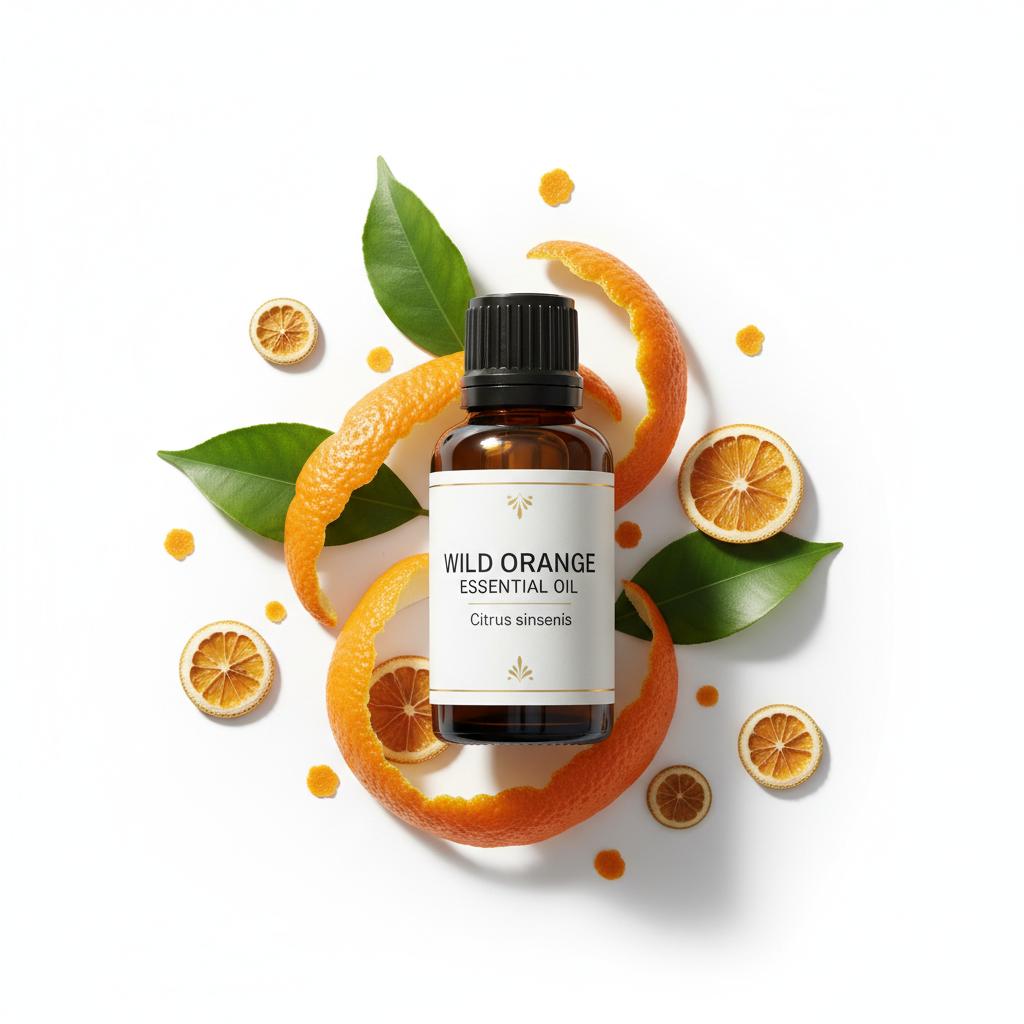
Wild Orange Essential Oil
Citrus sinensis
### Wild Orange Essential Oil: An In-Depth Exploration #### Origin and Extraction Method Wild Orange Essential Oil, scientifically known as Citrus sinensis, is extracted from the bright orange peel of the sweet orange fruit. The process of obtaining this oil primarily utilizes **cold pressing**, a method that involves mechanically pressing the peels to release their fragrant oils without the use of heat. This process not only captures the vibrant scent of the fruit but also preserves its **therapeutic properties**, making it a popular choice among aromatherapists and health enthusiasts. #### Botanical Information The orange tree, a hybrid of the pomelo and mandarin, grows in tropical and subtropical climates worldwide. It can reach heights of up to 30 feet, adorned with glossy green leaves and fragrant white flowers that give way to the famous round, orange fruit. Known for its sweet and tangy flavor, the sweet orange is not only a staple in kitchens but also in the world of essential oils. #### Therapeutic Properties and Benefits 1. **Mood Enhancement**: Wild Orange Essential Oil is celebrated for its uplifting aroma. It may elevate mood and promote a sense of well-being, making it a favorite in aromatherapy. 2. **Stress Reduction**: Inhaling its citrus scent can help reduce feelings of stress and anxiety, providing a calming effect that can be beneficial in today’s fast-paced lifestyles. 3. **Focus and Clarity**: Its invigorating fragrance can enhance mental clarity, aiding concentration during tasks, making it ideal for studying or working. 4. **Immune Support**: Wild Orange Oil is thought to support the immune system, potentially providing increased defense against colds and other seasonal issues. 5. **Energy Boost**: This essential oil serves as a natural stimulant, known for its ability to combat fatigue and energize both the mind and body. 6. **Digestive Aid**: It may soothe digestive discomfort, helping to relieve issues such as bloating or indigestion when used in topical applications or inhalation. 7. **Skin Enhancer**: The oil is believed to improve skin appearance by promoting healthy circulation and providing a refreshing, radiant look. 8. **Cleaning Properties**: Due to its antimicrobial properties, Wild Orange Oil is commonly used in cleaning products, offering a clean, refreshing aroma that also helps eliminate germs. #### Historical and Traditional Uses Historically, citrus fruits have been revered for their health benefits and uplifting properties. Ancient cultures utilized orange peels for their medicinal qualities, incorporating them into various traditional remedies. In aromatherapy, Wild Orange Essential Oil has been used for centuries, particularly in holistic practices focused on wellness and emotional balance. #### Scientific Facts and Research Research has shown that citrus scents, including Wild Orange Oil, may help reduce stress levels. A study published in the **Journal of Nutrition** indicates that citrus aromas can influence mood positively and enhance cognitive performance. Additionally, the oil's potential antioxidant properties are being studied for their effects on overall health and well-being. #### Aroma Profile and Characteristics Wild Orange Essential Oil boasts a bright, citrusy aroma that is both sweet and tangy. Its scent is often associated with feelings of warmth and happiness, creating an inviting atmosphere wherever it is diffused. The fresh, sharp notes make it popular in both personal fragrance blends and household products. #### Common Applications and Methods - **Aromatherapy**: Diffuse the oil in a room to uplift mood and create a calming environment. - **Topical Application**: When diluted with a carrier oil, it can be massaged onto the skin to relieve digestive discomfort or improve circulation. - **Cleaning Solutions**: Add to homemade cleaning products for a natural and effective way to keep your home fresh and sanitized. - **Mood Enhancer**: Inhale directly from the bottle whenever you're feeling low for an instant pick-me-up. #### Interesting Facts and Trivia - **Symbol of Happiness**: In many cultures, the orange fruit symbolizes happiness and good luck, often used in festive decorations. - **Culinary Uses**: Beyond its therapeutic uses, the zest and juice of the orange are widely utilized in cooking and baking for their sweet and tangy flavor. - **Environmental Impact**: The popularity of citrus oils is driving sustainable farming practices, ensuring that orange groves can be preserved for future generations while benefiting from the aromatic oils. ### Conclusion Wild Orange Essential Oil is a versatile and beneficial essential oil that serves various purposes beyond its refreshing scent. Its wide range of applications, supported by historical use and emerging scientific research, make this oil a valuable addition to aromatherapy practices and natural health routines. With countless ways to incorporate it into daily life, Wild Orange Oil truly embodies the essence of joy and vitality.
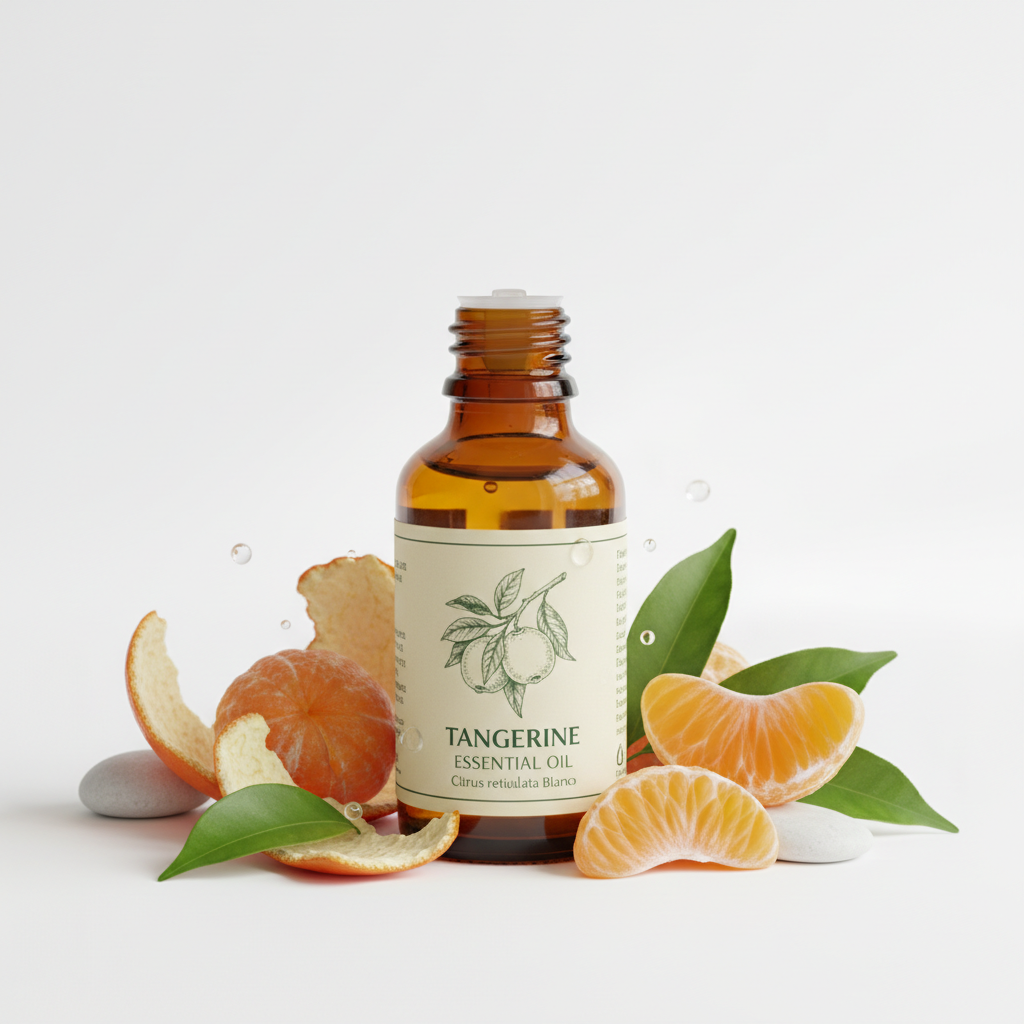
Tangerine Essential Oil
Citrus reticulata Blanco
Tangerine essential oil, scientifically known as Citrus reticulata, is derived from the peel of the tangerine fruit, which has its origins rooted in the lush Mediterranean region. The oil is extracted through cold pressing, a method that maintains the oil's integrity and retains its potent aroma and beneficial properties. This delightful oil is characterized by its bright, sweet citrus fragrance, which makes it a preferred choice in aromatherapy and natural wellness practices. **Origin and Extraction Method** Tangerines are part of the citrus family and have been cultivated for centuries. The essential oil is extracted from the outer peel of the fruit, where the aromatic compounds are concentrated. Cold pressing involves mechanically pressing the peel to release the oil without the application of heat, preserving the oil's rich constituents, making it both high-quality and effective for various applications. **Botanical Information** The tangerine tree, which can grow up to 30 feet tall, is characterized by its dark green, glossy leaves and fragrant white flowers. The peel of the fruit contains essential oils that provide various health benefits and a vibrant color that emits a pleasurable scent. Botanically, tangerine essential oil is noted for its high levels of limonene, a compound known for its uplifting properties. **Therapeutic Properties and Benefits** Tangerine essential oil has a myriad of therapeutic properties, making it valuable in both aromatherapy and alternative medicine: - **Stress Relief**: The uplifting aroma can significantly reduce stress and anxiety, creating a calming atmosphere and promoting mental clarity. It's often used in diffusers during meditation to enhance relaxation. - **Mood Enhancer**: Its sweet scent is associated with joy and positivity, helping to combat feelings of sadness and depression. The oil has a reputation for fostering an uplifting mood. - **Relaxation Support**: Frequently incorporated in massage oils and baths, tangerine oil is known to soothe the mind, making it a popular choice during yoga and relaxation sessions. - **Emotional Balance**: This essential oil is thought to assist in regulating emotions and providing support during emotional swings or periods of grief. - **Skin Rejuvenation**: When diluted with a carrier oil, tangerine essential oil is praised for its ability to improve dull skin's appearance and can aid in reducing scars. It can also help clear blemishes due to its astringent properties. - **Liver Support**: Traditionally, tangerine oil has been used to support liver function and assist in detoxification, helping the body eliminate toxins safely. - **Immune Support**: High in vitamin C, tangerine essential oil may help bolster the immune system, especially during cold and flu seasons. - **Respiratory Support**: The oil can act as a natural decongestant, promoting easier breathing and soothing respiratory discomfort. **Historical and Traditional Uses** Historically, tangerines were cherished as symbols of good fortune and prosperity, especially in Asian cultures. Their bright color and enticing aroma have long been associated with happiness, and tangerine essential oil has been used in ancient rituals for purification and spiritual well-being. **Scientific Facts and Research** Research has highlighted the potential benefits of limonene, the primary constituent of tangerine essential oil, in reducing stress and providing antioxidant benefits. Studies suggest that the inhalation of citrus scents can decrease cortisol levels in the body, further establishing the calming effects of this essential oil. **Aroma Profile and Characteristics** The aroma of tangerine essential oil is vibrant, sweet, and refreshing. Its unique fragrance not only appeals to the senses but also makes it versatile for various applications, including perfumes, skincare products, and household cleaners. **Common Applications and Methods** Tangerine essential oil can be used in several ways: - **Diffusion**: Add a few drops to a diffuser to enhance mood and create an uplifting environment. - **Topical Application**: Dilute with a carrier oil for safe use on the skin to reap its rejuvenating benefits. - **Inhalation**: Inhale directly from the bottle or place a drop on a cotton ball to experience its calming effects. - **Household Cleaner**: Mix with vinegar or water to create a natural, fragrant cleaner. **Interesting Facts and Trivia** - Tangerines are often referred to as "mandarins" in various regions, highlighting the diverse names for this beloved fruit. - In many cultures, tangerines are exchanged as gifts during celebrations to symbolize prosperity and well-being. - Their delightful taste and aroma have made them a staple during the holiday season, especially in Chinese New Year celebrations. In conclusion, tangerine essential oil is not only refreshing but is also packed with numerous health benefits and traditional uses. Its vibrant aroma and range of applications make it a must-have in any essential oil collection.
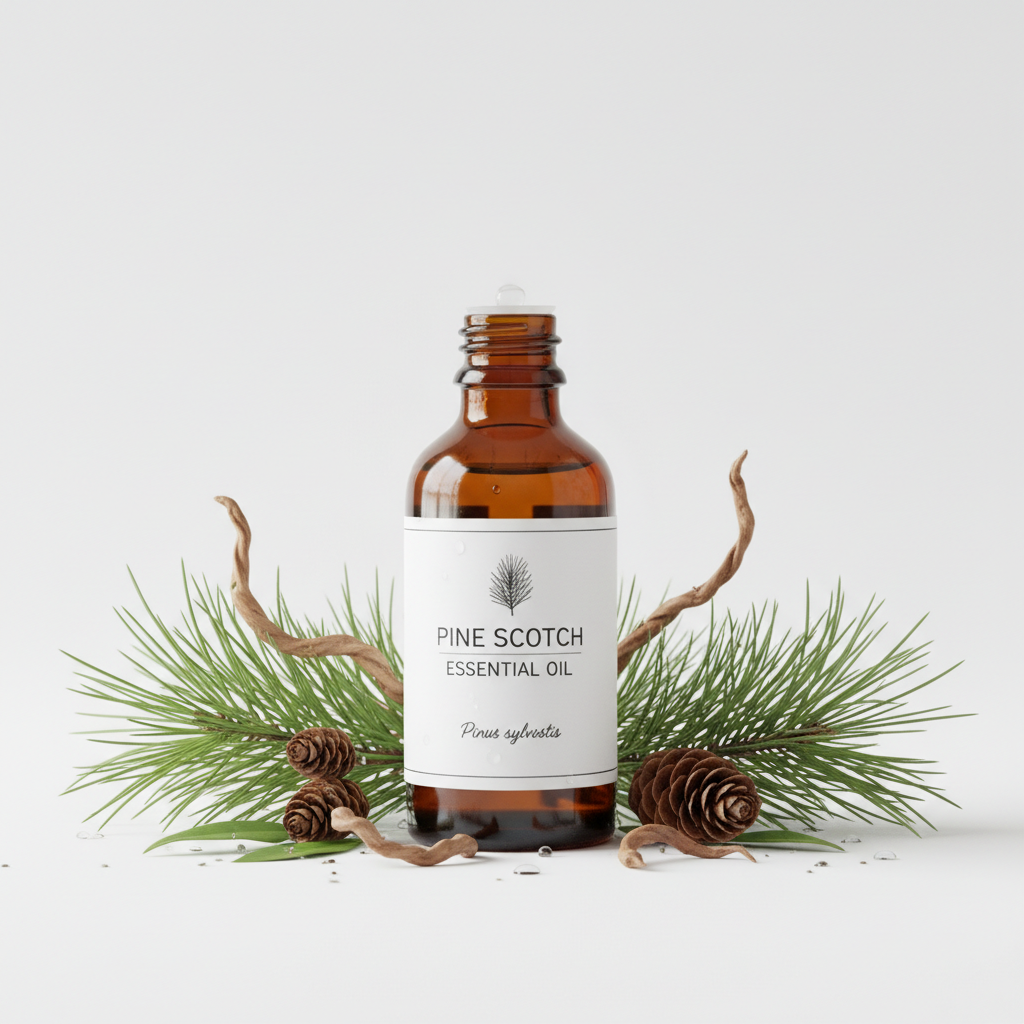
Pine Scotch Essential Oil
Pinus sylvestris
### Pine Scotch Essential Oil: Detailed Overview Pine Scotch Essential Oil, derived from **Pinus sylvestris**, is extracted from the needles and twigs of the Scotch Pine tree, native to Europe and parts of Asia. The extraction through steam distillation preserves the vibrant, fresh aroma that is widely cherished in aromatherapy and beyond. #### Origin and Extraction Method The Scotch Pine, with its tall, majestic stature and characteristic needles, has been a beloved part of European forests for centuries. The essential oil is obtained through **steam distillation**, a process that ensures the essential components are preserved, resulting in a high-quality oil that retains its natural benefits and aroma. #### Botanical Information The botanical name for Scotch Pine, **Pinus sylvestris**, reflects its place within the Pinaceae family of conifers. This tree thrives in various regions, adapting well to different climates, which contributes to the unique characteristics of the oil extracted from it. The needles of the Scotch Pine contain multiple therapeutic compounds, primarily **alpha-pinene**, known for its antimicrobial properties. #### Therapeutic Properties and Benefits Pine Scotch Essential Oil boasts a multitude of therapeutic properties: - **Respiratory Support:** Inhalation of this oil can help clear the respiratory tract, making it useful during cold and flu season. - **Emotional Clarity:** Its invigorating scent is known to help improve mental clarity, making it ideal for situations requiring focus and concentration. - **Stress Relief:** The aroma promotes calmness and reduces anxiety, providing a sense of grounding. - **Antiviral Properties:** Research indicates that this oil may possess antiviral attributes, aiding in protecting against seasonal ailments. - **Muscle Recovery:** Its anti-inflammatory properties are beneficial post-exercise, aiding muscle recovery and reducing soreness. - **Circulation Enhancement:** Inhaling or diffusing the oil may boost circulation, which can lead to increased energy levels. #### Historical and Traditional Uses Historically, Pine Scotch oil has been utilized in folk medicine and traditional practices. Many cultures have used the oil for its cleansing properties, including purifying the air and dispelling negativity. This oil has played a vital role in rituals as well, promoting vitality and strength. #### Aroma Profile and Characteristics Pine Scotch Essential Oil is characterized by a *fresh, woody aroma* that evokes the tranquil scent of pine forests. Its scent is both uplifting and grounding, making it a favorite in aromatherapy and therapeutic applications. The refreshing fragrance is highly appreciated in creating an uplifting environment and enhancing mood. #### Common Applications and Methods Pine Scotch Essential Oil can be utilized in various ways: - **Aromatherapy:** Add a few drops to a diffuser to fill your space with its invigorating scent. - **Topical Applications:** Dilute with a carrier oil for skincare applications, known to help with cleansing and minor skin irritations. - **Bathing:** Adding this oil to bath water promotes relaxation and enhances the bathing experience. - **Cleaning Products:** Its antimicrobial properties make it a great addition to homemade cleaning solutions for freshening up your home. #### Interesting Facts and Trivia - Pine essential oils have been used by many cultures for centuries, symbolizing strength and resilience. - The fresh scent of Pine Scotch is often associated with winter holidays, making it a popular addition to festive scents. - Pine oils are recognized for their grounding properties, connecting individuals to nature and encouraging mindfulness. In conclusion, Pine Scotch Essential Oil is not only valuable for its pleasant aromatic qualities but also for its numerous therapeutic benefits. Whether used in aromatherapy, personal care, or household cleaning, this oil stands out as a versatile and beneficial addition to any essential oil collection.
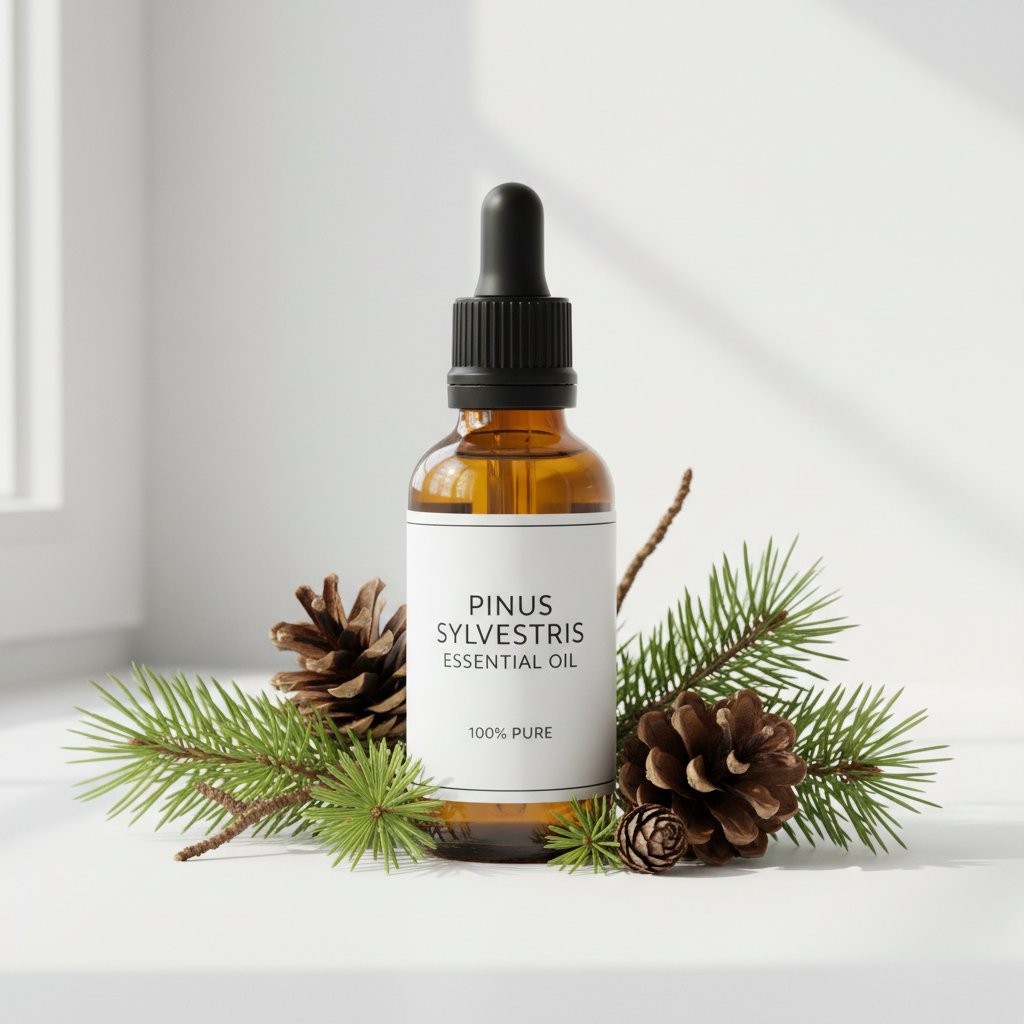
Pine Essential Oil
Pinus sylvestris
**Pine Essential Oil: An In-Depth Exploration** Pine essential oil is derived from the needles, twigs, and cones of the *Pinus sylvestris* tree, commonly known as scots pine, which is native to Europe and Asia. This evergreen tree thrives in a wide range of climates and is revered not only for its wood but also for its aromatic properties. The essential oil is primarily extracted through the steam distillation method, which involves using steam to capture the volatile compounds while retaining the oil's invigorating properties. This method ensures that the oil maintains its fresh, woody scent and therapeutic benefits. ### Botanical Information The *Pinus sylvestris* tree can grow up to 35 meters in height and has a characteristic orange-brown bark, with long needle-like leaves that cluster in pairs. Scientifically, the oil is rich in monoterpenes, particularly alpha-pinene, which contributes to its refreshing and crisp aroma. Other components include beta-pinene, limonene, and various organic acids, all of which play a role in the oil's therapeutic properties. ### Therapeutic Properties and Benefits Pine essential oil is celebrated for its wide-ranging therapeutic benefits. Some of the notable properties include: 1. **Refreshing and Cleansing:** Its stimulating aroma is known to clear the mind of mental fatigue and enhance concentration, making it beneficial for students and professionals alike. 2. **Emotional Support:** Pine oil is reputed to support emotional resilience, alleviating feelings of stress and anxiety. The scent is thought to instill feelings of grounding and stability. 3. **Respiratory Health:** Known for its expectorant qualities, Pine essential oil can assist in supporting respiratory function, soothing colds and allergies by acting as a natural decongestant. It is often used in diffusers during the cold season to promote clear breathing. 4. **Muscle Recovery:** Post-exercise, Pine oil can assist in easing soreness and stiffness, making it a popular choice among athletes who use it in massage oils or baths for recovery. 5. **Mood Enhancer:** By promoting feelings of positivity and motivation, Pine essential oil can uplift an atmosphere, contributing to a positive mindset in both personal and professional settings. ### Historical and Traditional Uses Historically, Pine essential oil has been used in traditional medicine for centuries. Indigenous cultures utilized various parts of the Pine tree for respiratory ailments, skin conditions, and as an antiseptic. The oil was often incorporated into ceremonial practices, highlighting its significance beyond just physical health, indicating its role in spiritual and emotional healing. ### Scientific Facts and Research Recent studies have examined the health benefits of Pine essential oil. Research indicates that inhalation of Pine can positively influence cognitive performance and emotional state. Its antimicrobial properties have also been studied, showing potential effectiveness against certain pathogens, which supports its use in natural cleaning products. ### Aroma Profile and Characteristics The aroma profile of Pine essential oil is clean, refreshing, and somewhat woody, reminiscent of a forest after rain. This refreshing scent is attributed to its high concentration of alpha-pinene, which not only stimulates the senses but also evokes memories of nature, promoting a calming yet invigorating environment. ### Common Applications and Methods Pine essential oil can be applied in various ways: - **Aromatherapy:** Use in a diffuser to purify the air and enhance mental clarity. Combine with other oils like lemon or eucalyptus for a vibrant blend. - **Topical Application:** Dilute with a carrier oil for massages, particularly for muscular aches or respiratory support during colds. - **Household Uses:** Add a few drops to cleaning products to harness its antimicrobial properties for a fresh and clean home. - **Bath Soaks:** A few drops in a warm bath can invigorate the body and mind while promoting relaxation. ### Interesting Facts and Trivia - Pine trees can live for hundreds of years, with some species known to survive for over a thousand years. - The fresh scent of Pine is often associated with winter holidays and is a common aroma in seasonal candles and home scents. - Pine essential oil is often included in natural perfumes due to its unique refreshing scent that blends well with other florals and citruses. In conclusion, Pine essential oil is a multifaceted oil with benefits that extend beyond its delightful aroma. From supporting emotional well-being to enhancing respiratory function, it stands out as a valuable addition to both aromatherapy practices and everyday life.
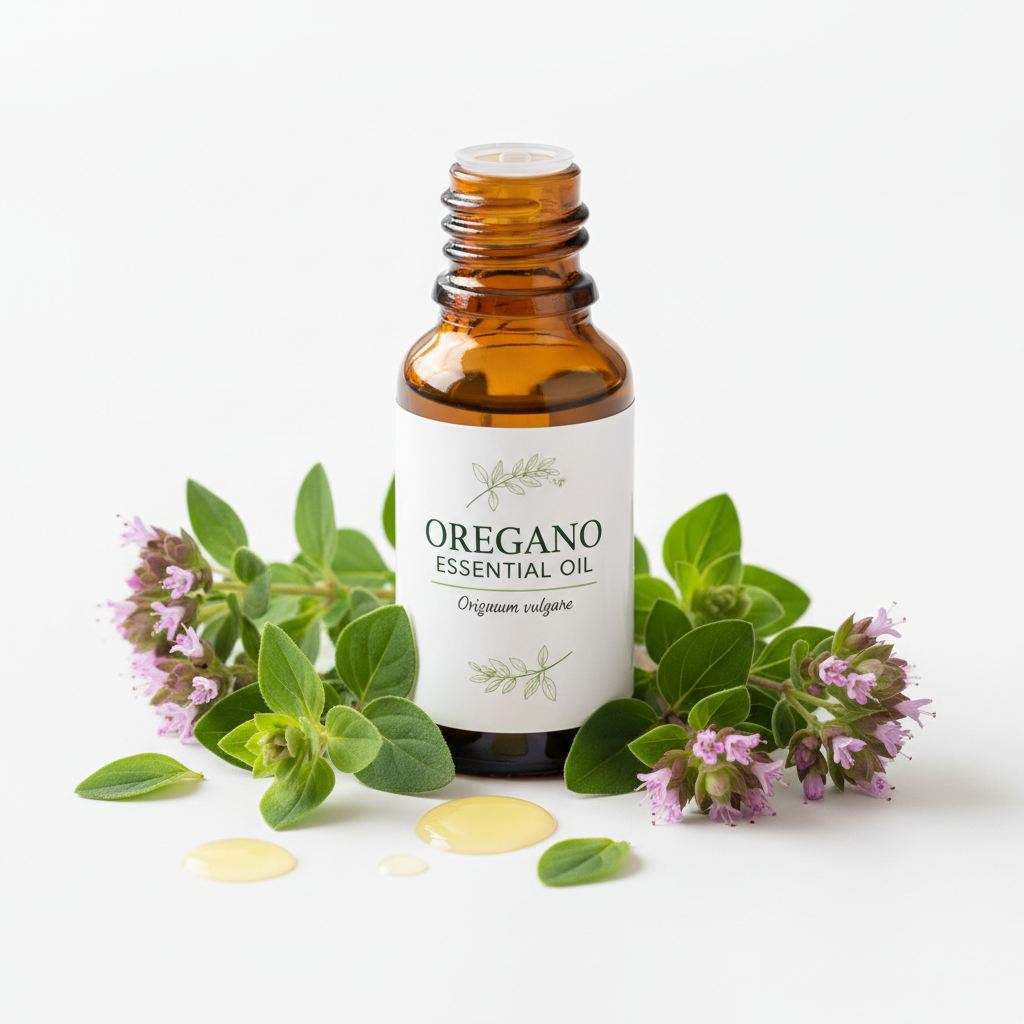
Oregano Essential Oil
Origanum vulgare
### Oregano Essential Oil: Extraction, Benefits, and Uses Oregano Essential Oil, derived from the leaves and flowering tops of the **Origanum vulgare** plant, has been cherished for centuries due to its extensive therapeutic properties and culinary uses, particularly within Mediterranean cuisine. This oil carries with it a rich history, having been utilized in traditional medicine for its remarkable health benefits. #### Origin and Extraction Method The **Origanum vulgare** plant, belonging to the mint family, is native to Europe but is now cultivated in various parts of the world, including the Mediterranean, Asia, and North America. The extraction of Oregano Essential Oil is achieved through **steam distillation** of the plant material, which effectively captures the oil's potent aroma and therapeutic benefits. During this process, the heat and steam help to release the oil from the plant's cells, resulting in a high-quality essential oil that retains its natural constituents. #### Botanical Information Botanically, Oregano is categorized under the **Lamiaceae** family, which includes other aromatic herbs like mint, basil, and thyme. The active compounds in oregano oil include **carvacrol** and **thymol**, which contribute to its impressive antimicrobial and antioxidant properties. With a warm, herbaceous, and slightly spicy aroma, Oregano Essential Oil is both invigorating and comforting, enhancing its appeal for various applications. #### Therapeutic Properties and Benefits Oregano Essential Oil is renowned for its numerous health benefits, which are supported by both historical applications and recent scientific research. Here are some of the key therapeutic properties: - **Antimicrobial**: Oregano oil has been found to combat bacteria, fungi, and viruses, making it a natural choice for maintaining health and preventing infections. - **Antioxidant**: The oil is rich in antioxidants, which help to neutralize free radicals in the body, thereby supporting overall health and wellness. - **Anti-inflammatory**: Oregano Essential Oil has potent anti-inflammatory effects that can assist in reducing inflammation and pain within the body. #### Historical and Traditional Uses Historically, Oregano was used by ancient Greeks and Romans not only for culinary purposes but also for its medicinal properties. It was believed to promote good health and was commonly used in herbal remedies. Ancient cultures often used oregano for its digestive benefits, and it was applied to wounds for its antimicrobial effects. #### Scientific Facts and Research Recent studies have validated many of the traditional uses of Oregano Essential Oil. Research has shown that the oil's constituent, **carvacrol**, exhibits potent antibacterial properties against various pathogens. Additionally, studies indicate that oregano oil may enhance respiratory function, offering relief from colds and respiratory infections. #### Aroma Profile and Characteristics With its warm, spicy, and herbaceous scent, Oregano Essential Oil provides an uplifting aroma that can invigorate the environment. The scent is not only pleasing but also possesses emotional benefits, including improved focus and stress relief. #### Common Applications and Methods Oregano Essential Oil can be utilized in a variety of ways: - **Aromatherapy**: Diffusing oregano oil in the air can enhance mood and promote emotional well-being. - **Topical Application**: Diluted with a carrier oil, Oregano Essential Oil can be applied to the skin for muscle relief or to support skin health, especially in treating acne or minor infections. - **Culinary Uses**: Oregano oil can be added to meals for flavor as well as its health benefits, although its strong potency necessitates caution in usage. #### Interesting Facts and Trivia - Oregano means "joy of the mountain" in Greek, reflecting its native habitat. - Ancient Greeks used oregano in their bath to promote relaxation and seduction. - Oregano is also a natural pesticide due to its antimicrobial properties, helping to protect gardens from harmful insects. In conclusion, Oregano Essential Oil is a multifaceted oil that serves not only culinary enthusiasts but also those seeking natural remedies for health and well-being. Its impressive array of benefits, along with its delightful aroma, makes it a staple in both households and medicine cabinets alike.