Search
Found 225 results for "skin"
Essential Oils
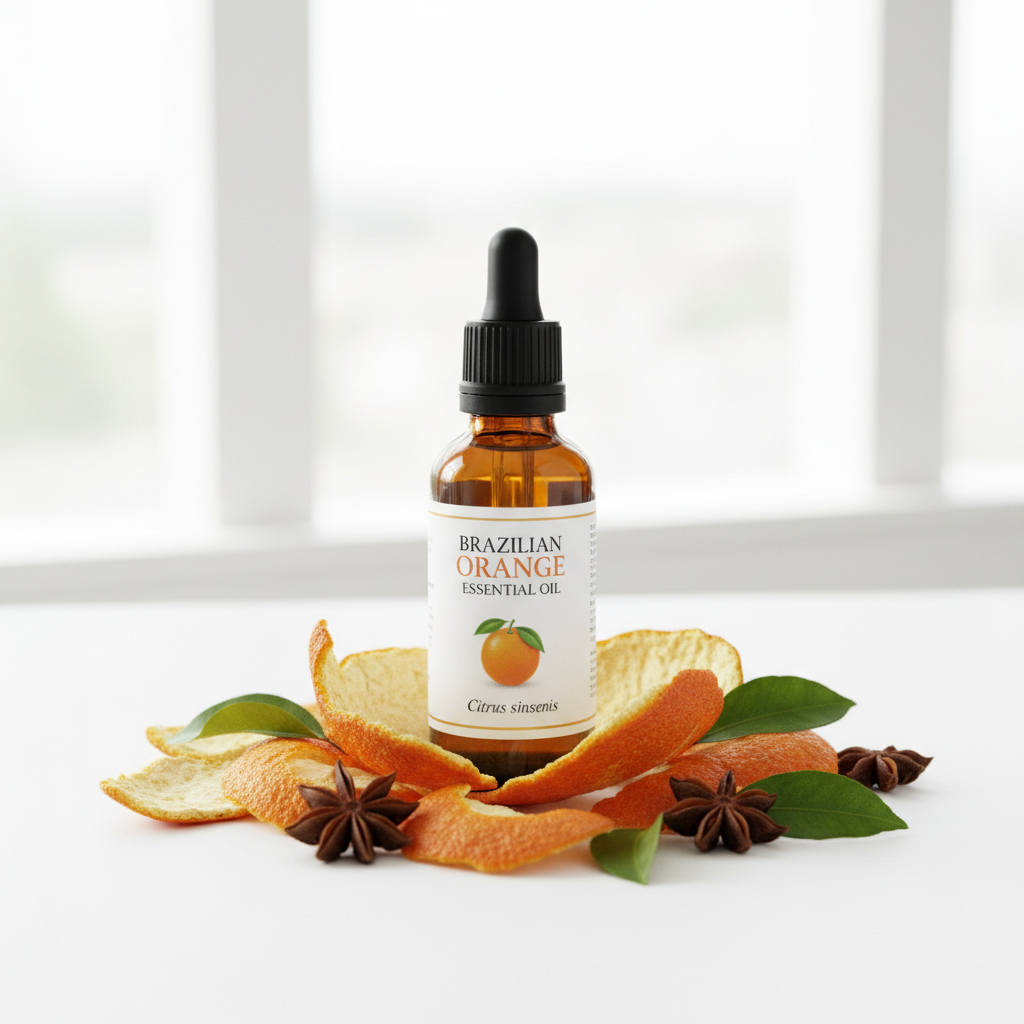
Brazilian Orange Essential Oil
Citrus sinensis
Brazilian Orange Essential Oil, also known as Citrus sinensis, is highly esteemed for its refreshing and uplifting aroma. This essential oil is extracted meticulously from the bright orange peels of oranges that thrive in the warm Brazilian climate. The extraction method primarily employed is cold-pressing, which helps to maintain the oil's vibrant scent and beneficial properties, ensuring a high-quality product for aromatherapy and holistic health applications. ### Origin and Extraction Method Brazilian oranges are native to Brazil and have been cultivated there for centuries, celebrated for their delicious sweetness and juiciness. The essential oil is obtained through a cold-press process that mechanically presses the peels to release their essential oils without the application of heat, thus preserving the oil’s natural characteristics and potency. This careful extraction process guarantees that the extracted oil captures the fruit’s fresh essence and therapeutic benefits. ### Botanical Information Citrus sinensis belongs to the Rutaceae family, which is known for its citrus fruits. These oranges are not only enjoyed fresh but also contribute significantly to the production of delicious, aromatic essential oil. The plant features glossy leaves and fragrant white flowers, which are a delight to the senses. ### Therapeutic Properties and Benefits Brazilian Orange Essential Oil is renowned for its myriad of benefits, particularly in the realm of emotional and mental well-being. Here are some of the major therapeutic properties: 1. **Mood Booster**: The sweet, citrus scent is uplifting and can help improve your mood, making it an excellent choice for combating feelings of sadness or fatigue. 2. **Stress Relief**: Inhaling the aroma of Brazilian orange oil can significantly lower stress and anxiety levels, promoting a sense of tranquility and calmness. 3. **Mental Clarity**: This essential oil aids in improving mental clarity and focus. It is particularly useful for those needing to concentrate or enhance cognitive function. 4. **Emotional Balance**: The oil’s ability to harmonize emotions makes it an effective tool for those dealing with mood swings or emotional turbulence. 5. **Increased Energy**: The invigorating scent acts as a natural energizer, helping to fight off fatigue and boost overall vitality. 6. **Supports Respiratory Health**: Brazilian Orange Essential Oil can help clear airways and promote easier breathing, making it an ideal addition to various respiratory remedies. 7. **Skin Rejuvenation**: When diluted properly, this oil can help enhance the appearance of skin by improving skin tone and reducing blemishes. 8. **Eliminates Odors**: As a natural deodorizer, it effectively neutralizes unpleasant smells, making it perfect for home and personal care uses. 9. **Promotes Digestive Comfort**: Brazilian orange oil can soothe occasional digestive discomfort when applied correctly in diluted forms. 10. **Acts as a Natural Insect Repellent**: Its fragrant aroma is not only delightfully appealing to humans but is also effective in deterring bugs and insects. ### Historical and Traditional Uses Historically, Brazilian Orange Essential Oil has been used in various traditional medicinal practices in Brazil. The bright aroma was employed for its therapeutic effects in traditional healing, with practitioners using it to promote emotional and physical well-being. ### Scientific Facts and Research Research has shown that essential oils like Brazilian orange possess active properties that can positively impact human health. Studies highlight their ability to reduce cortisol levels, thereby enhancing mood and alleviating stress, which is a significant breakthrough in aromatherapy practices. ### Aroma Profile and Characteristics The aroma profile of Brazilian Orange Essential Oil is characterized by its sweet, fresh, and tangy scent. The euphoric fragrance fills the space with warmth and positivity, making it a popular choice in diffusers and personal perfumes. ### Common Applications and Methods Brazilian Orange Essential Oil is widely used in various applications, including: - **Aromatherapy**: Used in diffusers or inhaled directly for mood enhancement. - **Topical Use**: Must be diluted with carrier oils for skincare applications. - **Home Fragrance**: A few drops in cleaning products or air fresheners. - **Massage Therapy**: Added to massage oils for relaxation and rejuvenation during therapies. ### Interesting Facts and Trivia - Brazilian Orange is often referred to as "sweet orange" due to the health benefits and palatable fruit. - The vibrant color of oranges is not just beautiful; it is chemically indicative of its rich vitamin C content, making the oil not only aromatic but also nutritionally beneficial. In conclusion, Brazilian Orange Essential Oil (Citrus sinensis) is a remarkable oil known for its range of therapeutic benefits, uplifting aroma, and extensive applications in health and wellness. Incorporating it into your daily routine can enhance not only emotional balance and mental well-being but also offer practical benefits in your home.
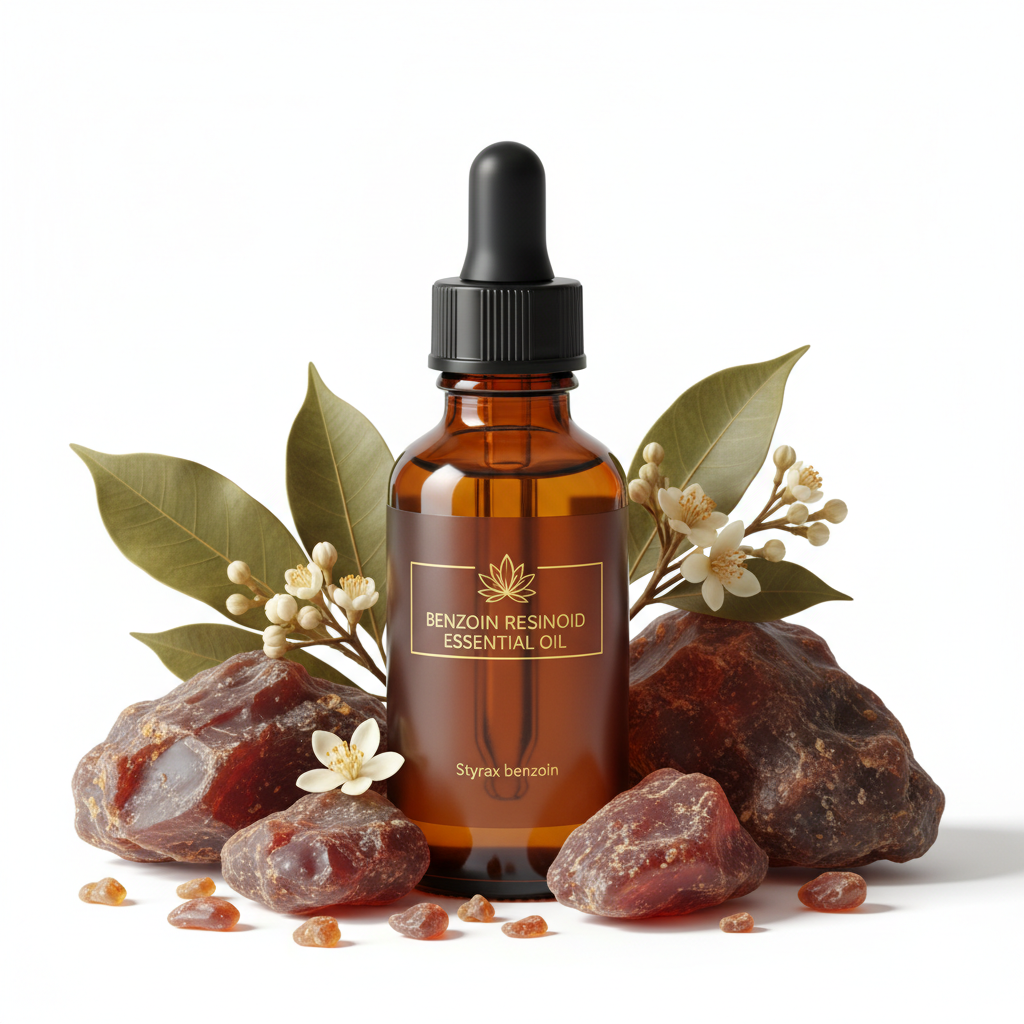
Benzoin Resinoid Essential Oil
Styrax benzoin
## Benzoin Resinoid Essential Oil: Uses and Benefits Explained Benzoin Resinoid Essential Oil is a captivating and versatile essential oil derived from the resin of the Styrax benzoin tree, predominantly found in Southeast Asia, particularly in regions like Indonesia and Thailand. This remarkable oil has gained popularity in aromatherapy, perfumery, and holistic health due to its warm, sweet aroma and myriad therapeutic properties. ### Origin and Extraction Method Benzoin oil is extracted using a process known as solvent extraction, which carefully preserves the delicate compounds found within the resin. This method results in a viscous, sweet aromatic oil that retains the essence of its botanical origins. The extraction process ensures a high-quality product, rich in aromatic and therapeutic ingredients, making it a favorable choice for essential oil enthusiasts. ### Botanical Information The Styrax benzoin tree is a deciduous tree that can grow up to 25 meters in height. Its bark is punctured to allow the resin to ooze out, which is collected, dried, and then processed to make the essential oil. The tree's natural habitat in tropical regions contributes to its unique chemical composition and aromatic profile, which are characteristic of high-quality Benzoin Resinoid Essential Oil. ### Therapeutic Properties and Benefits 1. **Stress Relief:** Benzoin essential oil is renowned for its calming properties, helping to reduce tension and promote a sense of safety and comfort. The warm aroma can soothe nerves, making it a perfect companion during stressful periods. 2. **Anxiety Reduction:** The grounding effects of Benzoin oil help calm anxious thoughts, facilitating emotional balance and stability. It is often used in meditation and yoga practices, enhancing tranquility. 3. **Mood Enhancement:** This oil is recognized for its mood-lifting qualities, promoting positivity and supporting emotional well-being. Its sweet scent can create a soothing atmosphere, ideal for uplifting spirits. 4. **Grounding Effect:** The oil is known for its ability to anchor the mind and body, enhancing feelings of stability and connection to the present moment, making it effective during mindfulness sessions. 5. **Meditative Support:** Benzoin is favored in meditation, as it enhances focus and mental clarity, helping practitioners to deeper states of relaxation and awareness. 6. **Respiratory Aid:** The oil can aid breathing by clearing airways, making it useful during colds or in helping to relieve congestion. 7. **Skin Nourishment:** Benzoin essential oil is beneficial for the skin, often incorporated into skincare routines to improve complexion and texture. Its properties can help soothe irritation and promote healing. 8. **Antiseptic Properties:** With natural antiseptic qualities, Benzoin can be effective in treating minor cuts, scrapes, and wounds, promoting faster recovery. 9. **Tissue Regeneration:** Benzoin supports the body’s healing processes, aiding in the regeneration of skin tissue and cellular repair. 10. **Muscle Relaxation:** When diluted and applied topically, Benzoin oil can assist in relieving minor muscle tension, making it popular in massage blends. ### Aroma Profile and Characteristics Benzoin Resinoid Essential Oil possesses a rich, creamy, and sweet aroma with a hint of vanilla. Its warm scent is often described as comforting and inviting, making it a favorite in perfumery and wellness practices. The aroma helps create a serene atmosphere conducive to relaxation and inner peace. ### Common Applications and Methods - **Aromatherapy:** Use in diffusers to promote relaxation and enhance mood. - **Massage Therapy:** Blend with carrier oils for soothing massages. - **Skin Care:** Add a few drops to skincare creams or lotions for nourishment. - **Inhalation:** Use in steam inhalation for respiratory support. - **Incense:** Incorporated in incense for spiritual and meditative practices. ### Interesting Facts and Trivia - Benzoin resin has a long history in traditional medicine and was used in ancient Egypt for embalming and in perfumes. - It is often used in cosmetic formulations for its lovely fragrance and skin-enhancing properties. - Indigenous cultures have utilized Benzoin in rituals and spiritual practices, celebrating its protective qualities. In conclusion, Benzoin Resinoid Essential Oil is not just a fragrant oil but a multi-faceted essential oil with numerous benefits for overall well-being. Whether used for relaxation, skincare, or spiritual practices, Benzoin remains a cherished aromatic substance in many cultures.
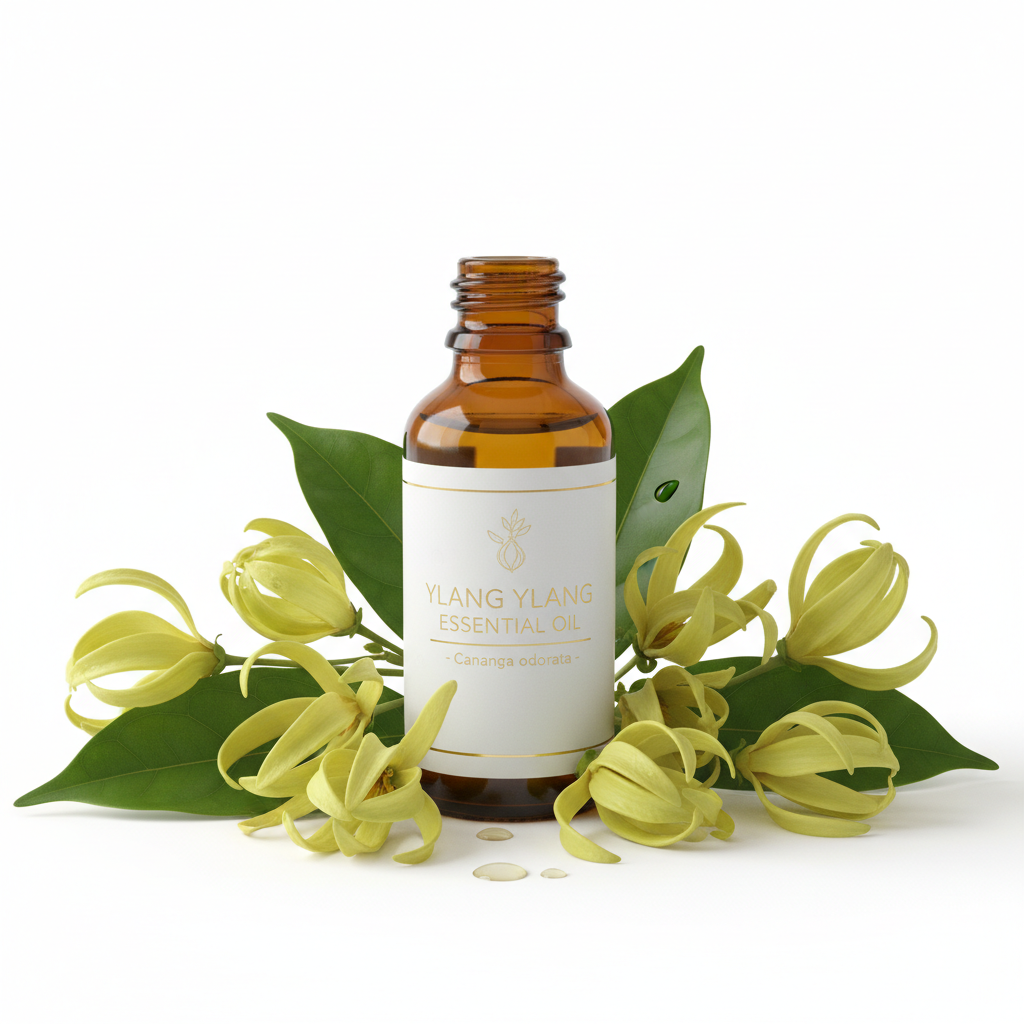
Ylang Ylang Essential Oil
Cananga odorata
Ylang Ylang Essential Oil: An In-Depth Guide Ylang Ylang essential oil, extracted from the vibrant yellow flowers of the Cananga odorata tree, is celebrated for its sweet, floral aroma and numerous therapeutic properties. Known as "the flower of flowers," Ylang Ylang originates from Southeast Asia and has been treasured by ancient cultures for centuries. ### Origin and Extraction Method The Cananga odorata tree thrives in tropical climates, especially in countries like Indonesia, the Philippines, and Madagascar. Ylang Ylang essential oil is primarily extracted using steam distillation, which captures the delicate fragrance and beneficial compounds from the blossoms. The extraction process is crucial, as it defines the quality of the oil, with different distillation durations resulting in various grades: Ylang Ylang Extra, Grade I, II, and III. Each grade possesses unique aromatic qualities and potency. ### Botanical Information Ylang Ylang, a flowering plant in the Annonaceae family, can grow up to 20 meters tall. Its striking yellow flowers bloom in clusters and have historically symbolized love and beauty. Rich in monoterpene compounds such as linalool and geranyl acetate, Ylang Ylang essential oil boasts a chemical profile that contributes to its calming and balancing properties. ### Therapeutic Properties and Benefits Ylang Ylang essential oil is revered in aromatherapy for its diverse range of benefits, including: 1. **Stress Relief**: The oil has calming effects known to reduce anxiety and stress levels, promoting tranquility in daily life. 2. **Mood Enhancement**: Its floral scent serves as a natural mood lifter, helping to alleviate feelings of sadness and negativity. 3. **Emotional Balance**: Many employ Ylang Ylang to stabilize emotions, providing support for those experiencing mood swings or emotional upheaval. 4. **Romantic Atmosphere**: Known for its aphrodisiac qualities, it is often used in romantic settings to strengthen emotional connections. 5. **Skin Nourishment**: This essential oil enhances skin texture and hydration, making it wonderful for adding to skincare routines, particularly for dry or aging skin. 6. **Hair Care**: Ylang Ylang is recognized for promoting healthy hair growth and scalp health, frequently included in shampoos and hair treatments. 7. **Inflammation Reduction**: It may aid in reducing inflammation and soothing irritation, providing relief for various discomforts. 8. **Digestive Support**: The oil can assist with digestive issues, alleviating symptoms such as bloating and nausea. 9. **Respiratory Aid**: Often used in diffusion, it supports respiratory functions by calming the passages, making it easier to breathe during colds or allergies. ### Historical and Traditional Uses Ylang Ylang has a rich history, traditionally utilized in Southeast Asian cultures for spiritual and medicinal purposes. In Indonesia, flower petals were spread on the beds of newlywed couples to enhance romance. In traditional medicine, Ylang Ylang is used to treat a variety of ailments, including skin infections and hypertension. Its integration into religious and cultural rituals highlights its significance across generations. ### Scientific Facts and Research Recent scientific studies have explored the oil's potential health benefits, with research indicating its effectiveness in reducing cortisol levels, thereby alleviating stress. Studies also suggest its positive impact on mental health, helping to combat depression and anxiety through its uplifting aroma. ### Aroma Profile and Characteristics Ylang Ylang essential oil has a distinctive, sweet floral scent with hints of fruity and spicy undertones. The unique aroma profile makes it a popular choice in perfumery and cosmetic applications, where it is used to create luxurious fragrances. The scent's complexity means it can blend beautifully with other essential oils, such as bergamot and sandalwood, enhancing its aromatic appeal. ### Common Applications and Methods Ylang Ylang essential oil can be used in various ways: - **Aromatherapy**: Diffusing the oil in a space can create a calming atmosphere. - **Massage**: Diluting with a carrier oil allows for therapeutic massage, enhancing relaxation. - **Skincare**: Adding to skincare formulations can nourish and rejuvenate the skin. - **Hair Care**: Incorporate into shampoos or conditioners for added hydration and care. ### Interesting Facts and Trivia - Ylang Ylang essential oil is one of the key ingredients in the famous Chanel No. 5 perfume. - The name "Ylang Ylang" comes from the Tagalog language, meaning "flower of flowers." - Its antiseptic properties make it valuable in natural health remedies. In conclusion, Ylang Ylang essential oil is not only a fragrant addition to aromatherapy and cosmetics but also a compound with diverse therapeutic properties and historical significance. Whether used for relaxation, skincare, or enhancing romantic encounters, its applications are vast, making it a cherished essential oil in holistic wellness.
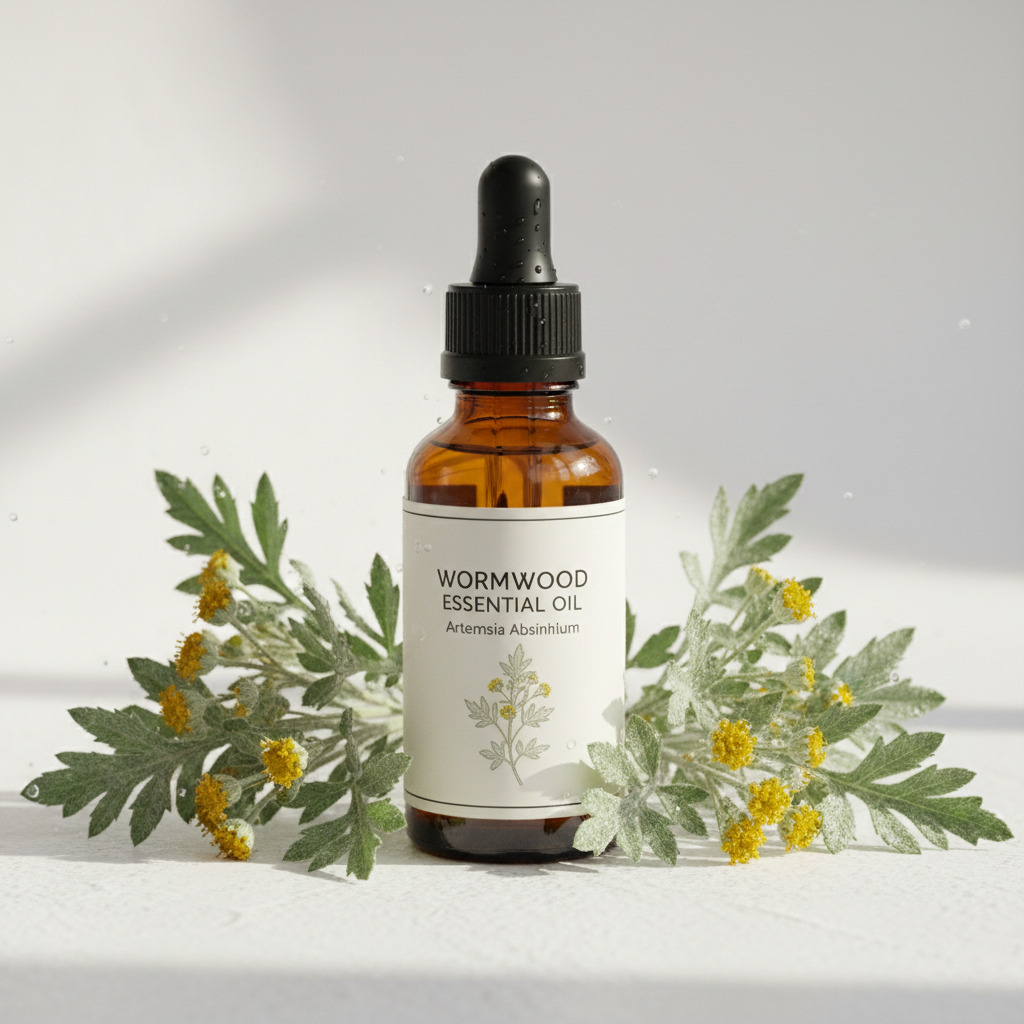
Wormwood Essential Oil
Artemisia absinthium
Wormwood essential oil, extracted from the leaves and flowering tops of the Artemisia absinthium plant, holds a significant place both in history and modern wellness practices. This unique essential oil is renowned for its complex composition and myriad of therapeutic applications, making it a valuable addition to any essential oil collection. ### Origin and Extraction Method Wormwood, a perennial shrub native to Europe, Asia, and North Africa, has been used for centuries for its medicinal properties. The oil is obtained through steam distillation of the plant’s foliage and flowers, a method that captures the oil's potent active compounds while preserving its aromatic profile. The extraction process necessitates careful timing, as the ideal period for harvesting is when the plant is in bloom, ensuring maximum oil yield and potency. ### Botanical Information The botanical name of wormwood is Artemisia absinthium, belonging to the Asteraceae family. This herbaceous plant can grow up to 1.2 meters in height, with gray-green leaves that are deeply lobed and a strong, bitter taste. Its flowers are small, yellow, and grouped in clusters, which makes it distinguishable during the summer months. The plant has been historically associated with various culinary uses, especially in absinthe, a famous alcoholic beverage. ### Therapeutic Properties and Benefits Wormwood essential oil is believed to possess numerous therapeutic properties, making it a versatile choice in aromatherapy. It is particularly valued for its potential to: - **Aid Digestion**: Traditionally, wormwood has been associated with stimulating appetite and alleviating digestive discomfort. This can be particularly beneficial for those suffering from bloating or gastrointestinal issues. - **Reduce Stress and Anxiety**: The calming effect of wormwood essential oil may help manage stress levels and foster emotional stability, making it a popular choice for those seeking tranquility in their daily lives. - **Enhance Mood**: This essential oil might uplift mood and assist in reducing feelings of despair or sadness, promoting overall emotional well-being. - **Improve Focus and Clarity**: Many users report enhanced mental clarity and concentration, making it beneficial for studying, working, or any task requiring prolonged focus. - **Support Respiratory Health**: Its potential to clear congestion can be advantageous during seasonal allergies or respiratory challenges, offering relief during colds or flu. - **Alleviate Pain**: Wormwood essential oil also shows promise for natural pain relief, particularly for headaches and muscle aches, by potentially reducing inflammation and discomfort. - **Exhibit Anti-parasitic Properties**: Historically, this oil has been used to address intestinal parasites, suggesting that it could play a role in cleansing protocols. ### Historical and Traditional Uses Wormwood has a rich traditional background, having been used since ancient civilizations for various medicinal purposes. The name "wormwood" itself is derived from its historical use as a remedy for intestinal worms. In folklore, it was believed to ward off evil spirits, which led to its inclusion in various rituals and practices. ### Scientific Facts and Research Recent studies have begun to unravel the scientific basis for some of wormwood's claimed benefits. Research indicates that certain compounds within the oil, such as thujone, exhibit antimicrobial and anti-inflammatory properties. These findings add credibility to its traditional uses while promoting further exploration in the fields of natural medicine and aromatherapy. ### Aroma Profile and Characteristics Wormwood essential oil has a distinctive, sharp, and herbaceous aroma, often described as bitter and slightly sweet with earthy undertones. Its unique scent can help create a grounding atmosphere, making it a popular choice for diffusing in spaces designated for meditation or relaxation. The oil is typically considered potent, so it is important to use it in moderation. ### Common Applications and Methods Wormwood essential oil can be used in various ways: - **Aromatherapy**: Diffusing the oil or adding it to a personal inhaler can help with stress relief and mood enhancement. - **Topical Use**: When diluted with a carrier oil, wormwood can be applied to the skin to support digestion or alleviate muscle soreness. - **Baths**: Adding a few drops to a warm bath can enhance relaxation and provide soothing benefits. ### Interesting Facts and Trivia - Wormwood is one of the core ingredients in absinthe, contributing to its characteristic flavor and effects. - In ancient times, it was often used in ritualistic practices, believed to have protective qualities. - Despite its bitter taste, wormwood has been used in various culinary solutions, particularly in Italian vermouths. In summary, wormwood essential oil is much more than just a fragrant extraction; it is a complex blend of therapeutic properties, a rich historical legacy, and a valuable tool for emotional and physical well-being. Its diverse applications in aromatherapy make it an essential oil worth exploring.
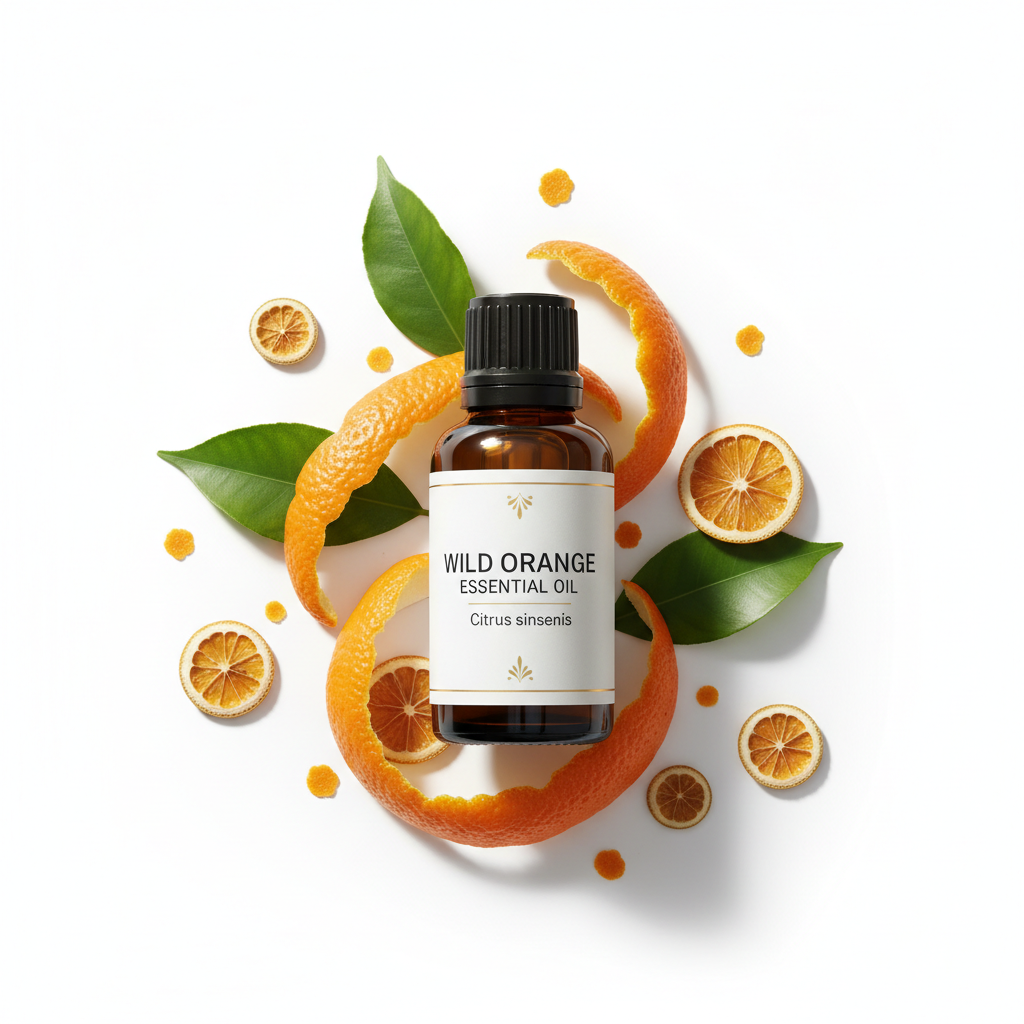
Wild Orange Essential Oil
Citrus sinensis
### Wild Orange Essential Oil: An In-Depth Exploration #### Origin and Extraction Method Wild Orange Essential Oil, scientifically known as Citrus sinensis, is extracted from the bright orange peel of the sweet orange fruit. The process of obtaining this oil primarily utilizes **cold pressing**, a method that involves mechanically pressing the peels to release their fragrant oils without the use of heat. This process not only captures the vibrant scent of the fruit but also preserves its **therapeutic properties**, making it a popular choice among aromatherapists and health enthusiasts. #### Botanical Information The orange tree, a hybrid of the pomelo and mandarin, grows in tropical and subtropical climates worldwide. It can reach heights of up to 30 feet, adorned with glossy green leaves and fragrant white flowers that give way to the famous round, orange fruit. Known for its sweet and tangy flavor, the sweet orange is not only a staple in kitchens but also in the world of essential oils. #### Therapeutic Properties and Benefits 1. **Mood Enhancement**: Wild Orange Essential Oil is celebrated for its uplifting aroma. It may elevate mood and promote a sense of well-being, making it a favorite in aromatherapy. 2. **Stress Reduction**: Inhaling its citrus scent can help reduce feelings of stress and anxiety, providing a calming effect that can be beneficial in today’s fast-paced lifestyles. 3. **Focus and Clarity**: Its invigorating fragrance can enhance mental clarity, aiding concentration during tasks, making it ideal for studying or working. 4. **Immune Support**: Wild Orange Oil is thought to support the immune system, potentially providing increased defense against colds and other seasonal issues. 5. **Energy Boost**: This essential oil serves as a natural stimulant, known for its ability to combat fatigue and energize both the mind and body. 6. **Digestive Aid**: It may soothe digestive discomfort, helping to relieve issues such as bloating or indigestion when used in topical applications or inhalation. 7. **Skin Enhancer**: The oil is believed to improve skin appearance by promoting healthy circulation and providing a refreshing, radiant look. 8. **Cleaning Properties**: Due to its antimicrobial properties, Wild Orange Oil is commonly used in cleaning products, offering a clean, refreshing aroma that also helps eliminate germs. #### Historical and Traditional Uses Historically, citrus fruits have been revered for their health benefits and uplifting properties. Ancient cultures utilized orange peels for their medicinal qualities, incorporating them into various traditional remedies. In aromatherapy, Wild Orange Essential Oil has been used for centuries, particularly in holistic practices focused on wellness and emotional balance. #### Scientific Facts and Research Research has shown that citrus scents, including Wild Orange Oil, may help reduce stress levels. A study published in the **Journal of Nutrition** indicates that citrus aromas can influence mood positively and enhance cognitive performance. Additionally, the oil's potential antioxidant properties are being studied for their effects on overall health and well-being. #### Aroma Profile and Characteristics Wild Orange Essential Oil boasts a bright, citrusy aroma that is both sweet and tangy. Its scent is often associated with feelings of warmth and happiness, creating an inviting atmosphere wherever it is diffused. The fresh, sharp notes make it popular in both personal fragrance blends and household products. #### Common Applications and Methods - **Aromatherapy**: Diffuse the oil in a room to uplift mood and create a calming environment. - **Topical Application**: When diluted with a carrier oil, it can be massaged onto the skin to relieve digestive discomfort or improve circulation. - **Cleaning Solutions**: Add to homemade cleaning products for a natural and effective way to keep your home fresh and sanitized. - **Mood Enhancer**: Inhale directly from the bottle whenever you're feeling low for an instant pick-me-up. #### Interesting Facts and Trivia - **Symbol of Happiness**: In many cultures, the orange fruit symbolizes happiness and good luck, often used in festive decorations. - **Culinary Uses**: Beyond its therapeutic uses, the zest and juice of the orange are widely utilized in cooking and baking for their sweet and tangy flavor. - **Environmental Impact**: The popularity of citrus oils is driving sustainable farming practices, ensuring that orange groves can be preserved for future generations while benefiting from the aromatic oils. ### Conclusion Wild Orange Essential Oil is a versatile and beneficial essential oil that serves various purposes beyond its refreshing scent. Its wide range of applications, supported by historical use and emerging scientific research, make this oil a valuable addition to aromatherapy practices and natural health routines. With countless ways to incorporate it into daily life, Wild Orange Oil truly embodies the essence of joy and vitality.
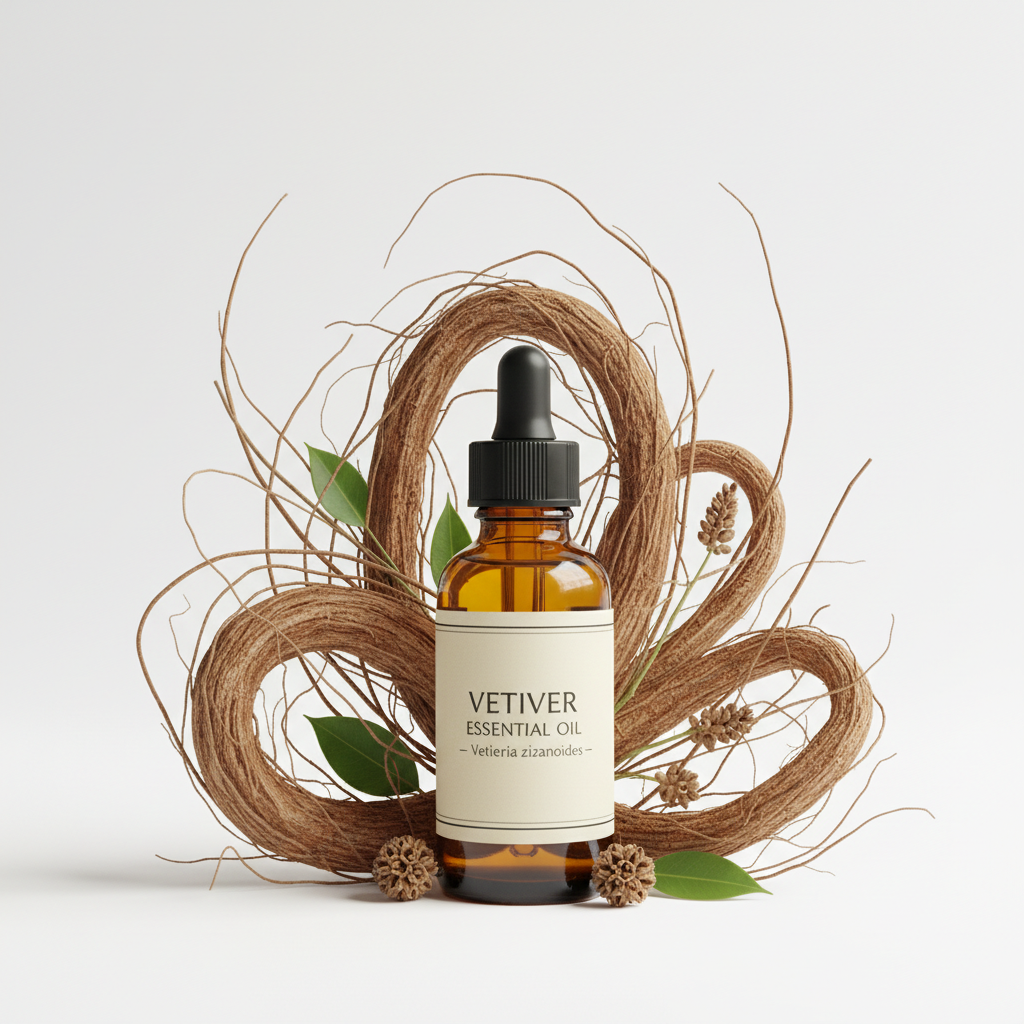
Vetiver Essential Oil
Vetiveria zizanoides
### Vetiver Essential Oil: An In-Depth Exploration Vetiver essential oil, known as the ‘oil of tranquility’, is derived from the roots of the **Chrysopogon zizanioides** or **Vetiveria zizanoides** plant. This unique oil has a long-standing reputation, not only for its captivating aroma but also for its extensive array of therapeutic properties. #### Origin and Extraction Method Vetiver essential oil originates from tropical regions of Asia, particularly India, Madagascar, and Java. The oil is extracted through a meticulous steam distillation process that ensures the preservation of its potent qualities. The roots of the vetiver plant are harvested and steam-distilled, a method that yields a thick, viscous oil characterized by its deep brown color and earthy scent. #### Botanical Information The vetiver plant, classified botanically as a perennial grass, has long, intricate root systems that contribute to soil erosion control, making it ecological beneficial as well. Its lush growth can reach heights of up to 1.5 meters, with slender stems and slender, needle-like leaves. This grass thrives in tropical climates and is celebrated for both its aromatic properties and environmental benefits. #### Therapeutic Properties and Benefits Vetiver essential oil is widely revered for its numerous therapeutic benefits. A brief overview of these advantages includes: - **Grounding effects**: Vetiver oil is often used in aromatherapy to anchor emotions and create a sense of stability, especially during stressful times. - **Stress relief**: Its rich, calming scent helps alleviate feelings of tension and anxiety, making it a popular choice for relaxation and emotional balance. - **Increased focus**: Many users report enhanced concentration and mental clarity when diffusing vetiver oil during tasks or studying. - **Meditative support**: The grounding nature of vetiver promotes a peaceful ambiance, aiding in meditation and mindfulness practices. - **Skin rejuvenation**: Vetiver essential oil possesses regenerative properties, making it beneficial for restoring skin vitality, particularly for dry or mature skin types. - **Wound healing**: With natural antifungal and antiseptic properties, vetiver oil encourages faster healing of minor cuts and scrapes. - **Muscle relaxation**: Often incorporated into massage oils, vetiver can soothe muscle tension and alleviate aches. - **Detoxifying properties**: This essential oil may support the body in its natural detoxification processes, contributing to overall wellness. - **Oral health benefits**: When used in small amounts, vetiver oil can help maintain oral hygiene, promoting fresh breath. #### Historical and Traditional Uses For centuries, vetiver essential oil has been utilized in both traditional Ayurvedic practices and in perfumery. In India, it has played a crucial role in ritualistic practices, often used to calm the mind and spirit. It’s also historically significant in the making of perfumes, where its rich and bold scent forms a base note in many fragrances. #### Scientific Facts and Research Research has shown that vetiver essential oil contains compounds such as **vetiverol**, **vetivenes**, and **aqua polymer**, which contribute to its therapeutic properties. Studies suggest that these constituents exhibit anti-anxiety effects, making vetiver valuable not only in holistic practices but also in modern aromatherapy. #### Aroma Profile and Characteristics The aroma of vetiver essential oil is deeply earthy, woody, and slightly sweet. Many users describe the scent as comforting and grounding, providing an immediate sense of calm when diffused or applied topically. It blends well with other essential oils, such as lavender, bergamot, and sandalwood, enhancing its uses in various aromatic applications. #### Common Applications and Methods Vetiver essential oil can be integrated into daily routines in several ways: - **Aromatherapy**: Diffuse in a room to create a tranquil atmosphere. - **Topical Application**: Dilute with a carrier oil for facial treatments or massage oil. - **Baths**: Add a few drops to a warm bath for relaxation. - **Skincare**: Use in homemade lotions for skin rejuvenation. #### Interesting Facts and Trivia - Vetiver is often referred to as the "scent of the earth" due to its strong aroma and grounding effects. - The traditional use of vetiver for making mats and hats helps in natural cooling, especially in hot climates. - Vetiver’s roots have been used in traditional medicine to combat ailments like insomnia and skin disorders. In summary, Vetiver essential oil is an exceptional oil with a wealth of benefits supported by historical and scientific research. From enhancing emotional wellness to providing skin healing properties, it offers a versatile addition to any essential oil collection.
Benefits
Recipes
Ylang Ylang Face Cleanser Recipe for Glowing Skin
Discover our Ylang Ylang Face Cleanser recipe. This gentle DIY skincare formula promotes skin wellness and is perfect for all skin types.
Sandalwood After-Bath Body Oil Recipe for Glowing Skin
Pamper your skin with our sandalwood after-bath body oil recipe. Easy to make, this luxurious blend leaves you moisturized, fragrant, and rejuvenated!
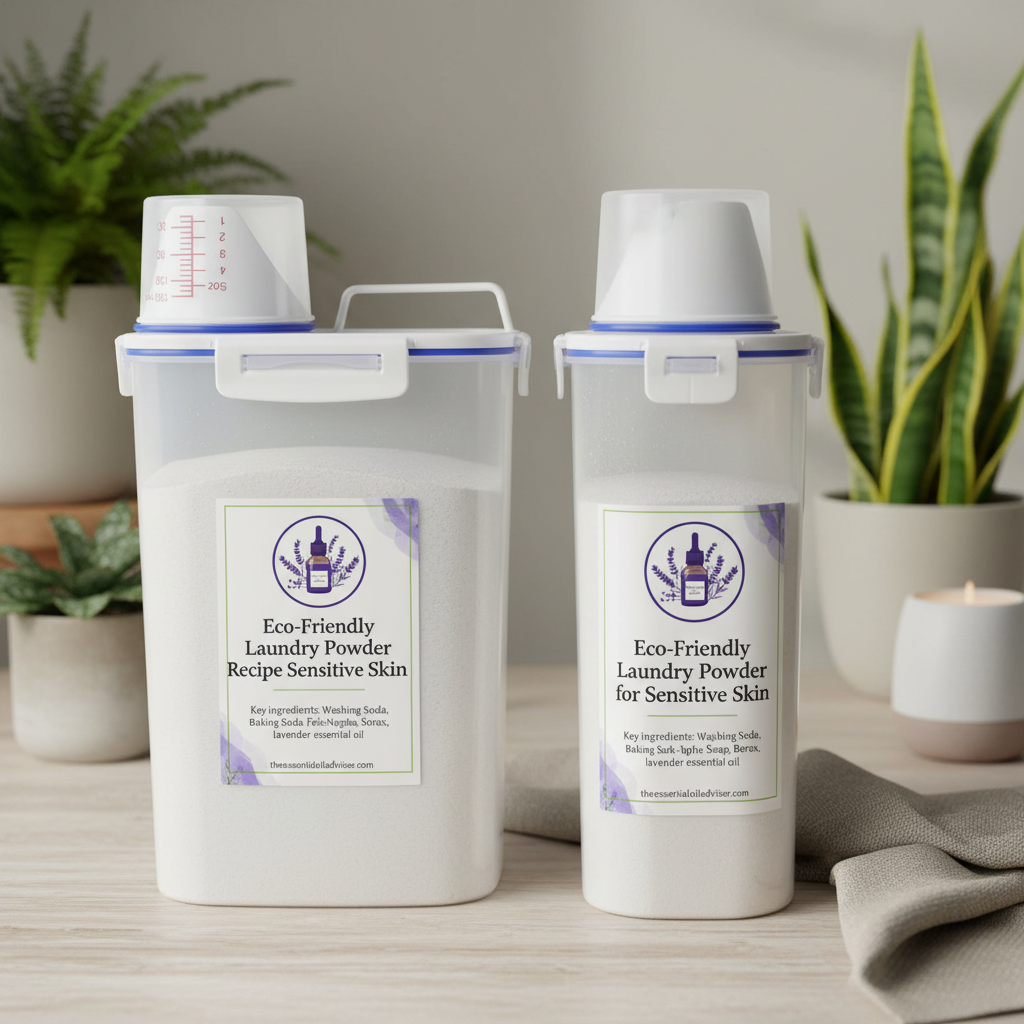
Eco-Friendly Laundry Powder Recipe for Sensitive Skin
Discover this eco-friendly laundry powder recipe that's natural, effective, and perfect for sensitive skin. Clean without harsh chemicals!
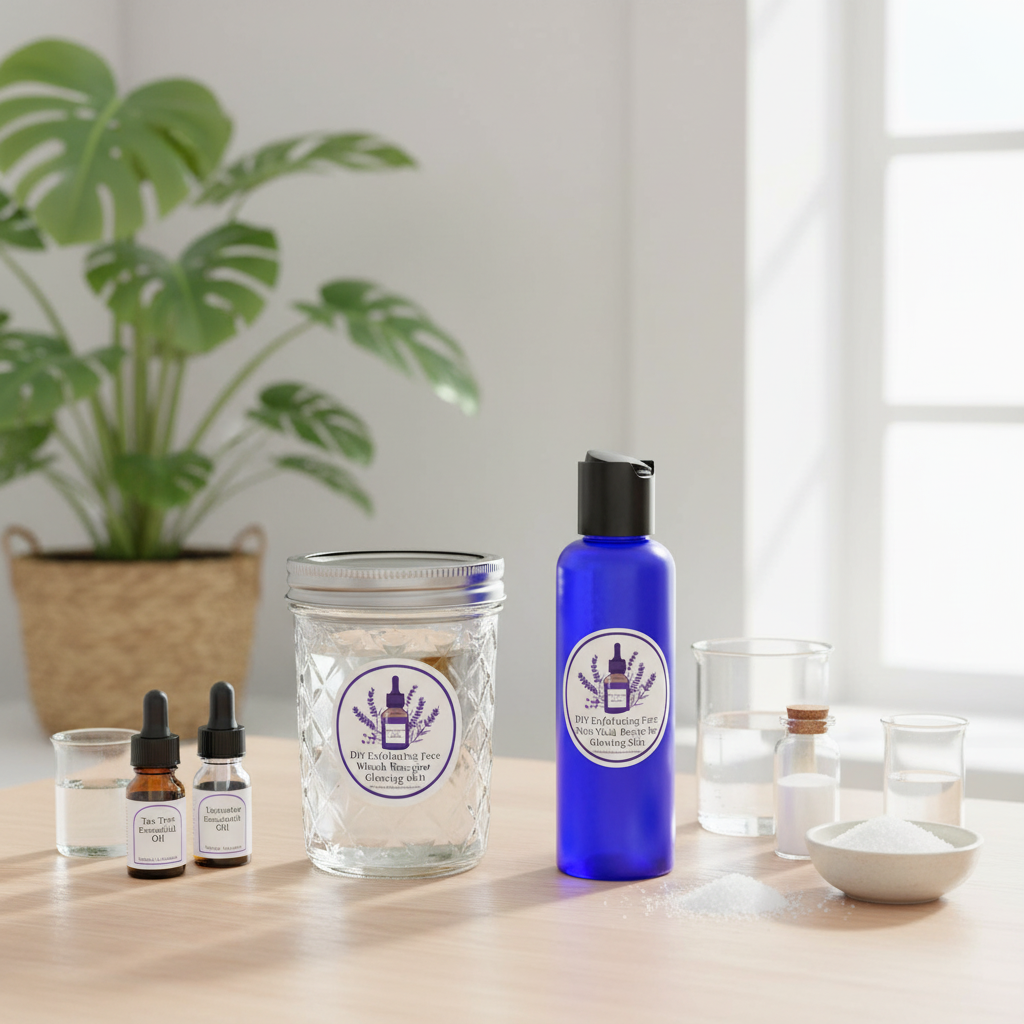
DIY Exfoliating Face Wash Recipe for Glowing Skin
This simple DIY exfoliating face wash recipe helps you achieve clear, healthy skin using natural ingredients right at home.
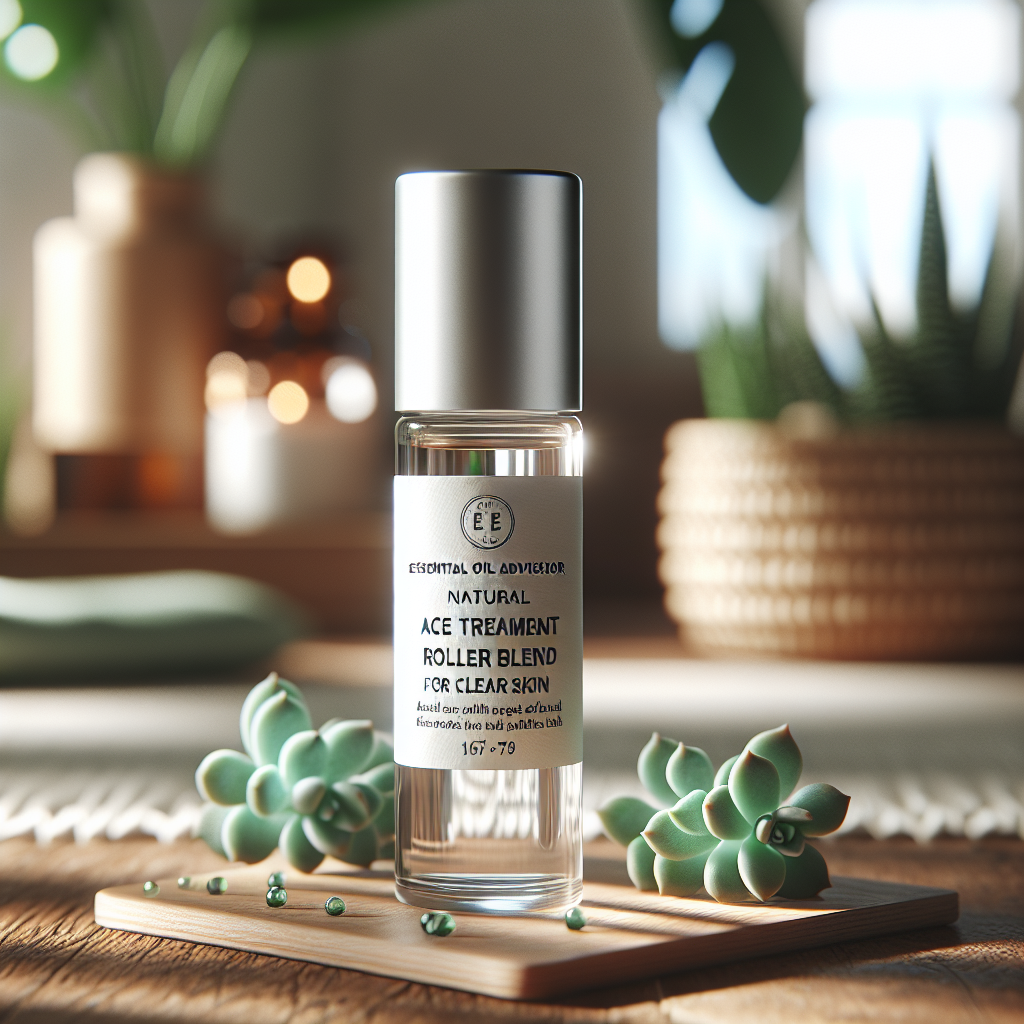
Natural Acne Treatment Roller Blend Recipe for Clear Skin
Discover how to make a natural acne treatment roller blend recipe that reduces blemishes and promotes clearer skin using essential oils and aloe vera.
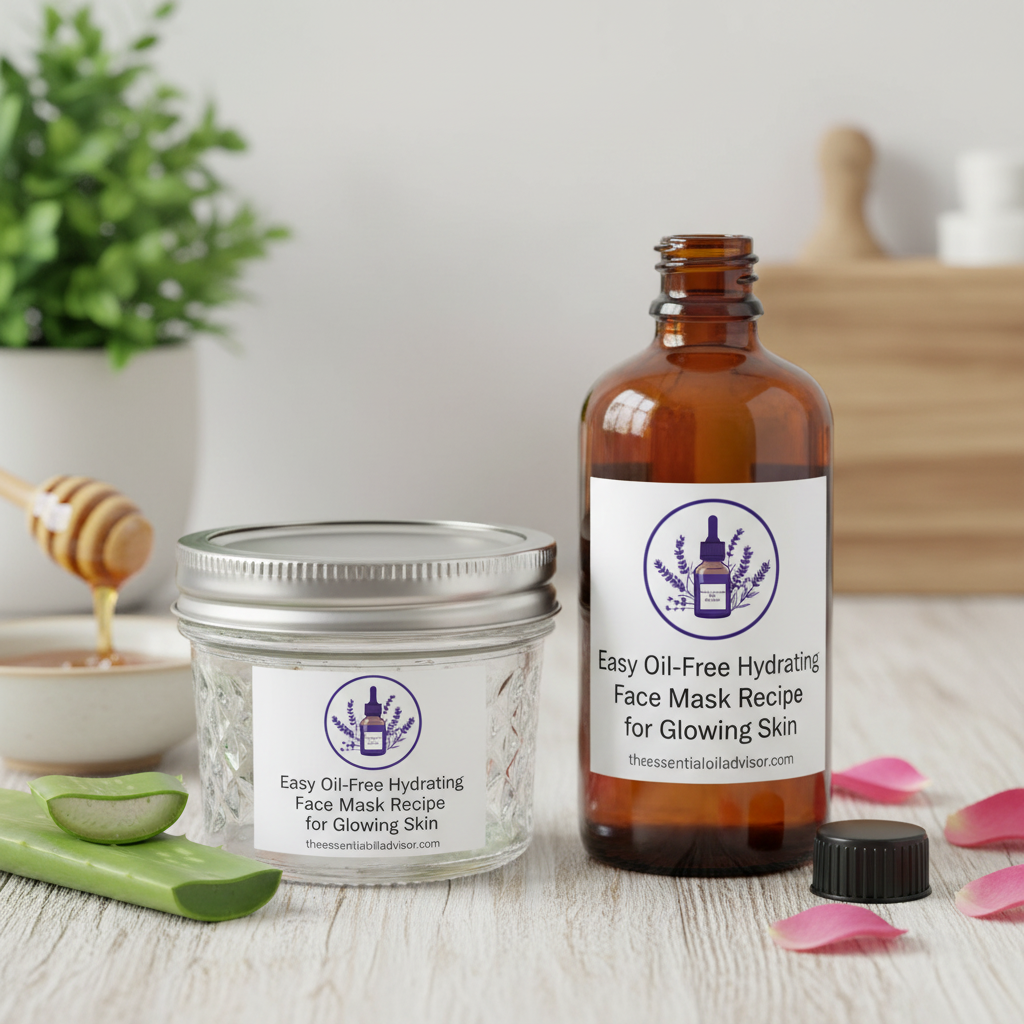
Easy Oil-Free Hydrating Face Mask Recipe for Glowing Skin
This recipe shows you how to make a hydrating face mask without oils, perfect for all skin types and packed with nourishing ingredients.