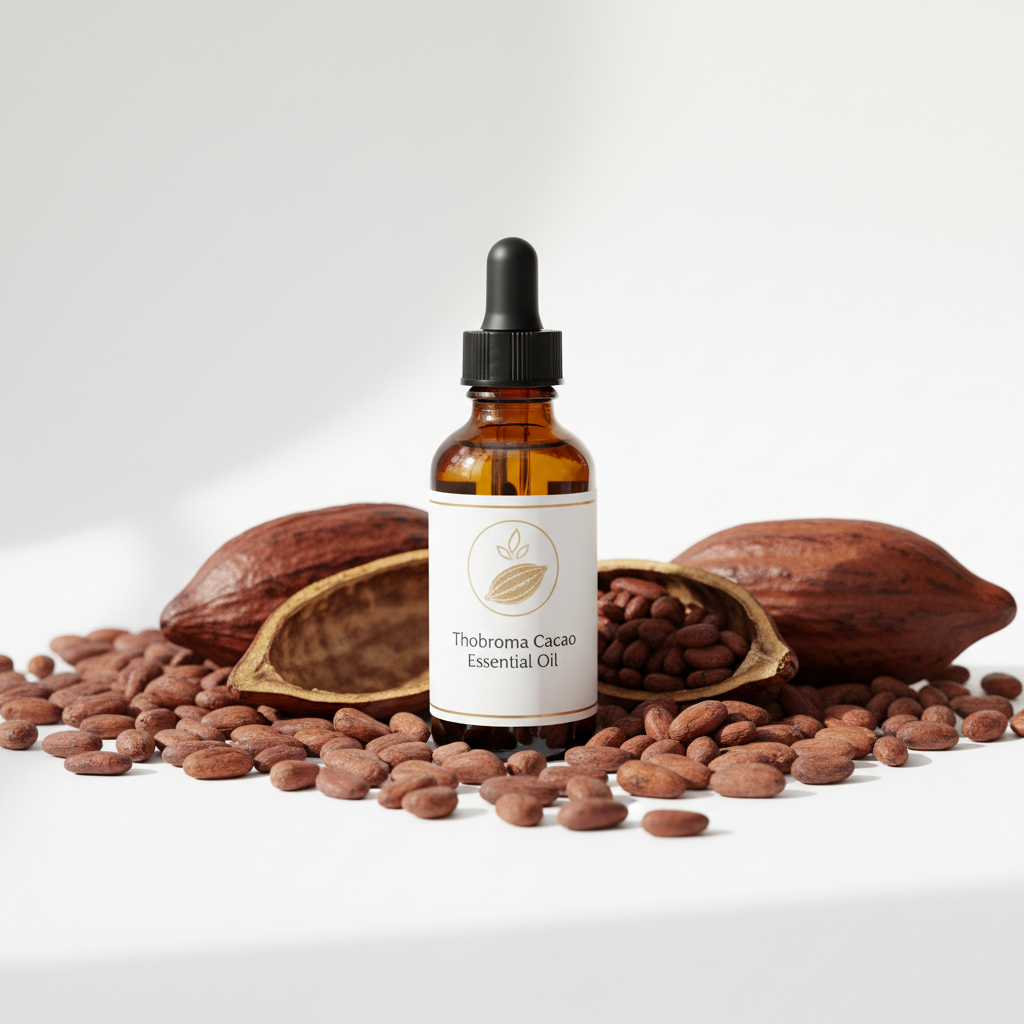
Cocoa Bean Essential Oil
Theobroma cacao
Plant Source
Seeds
Scent Family
Sweet
"Discover the benefits of Cocoa Bean Essential Oil from Theobroma cacao. Learn about its aroma, extraction method, and therapeutic properties for wellness."
Cocoa Bean Essential Oil, derived from the seeds of Theobroma cacao, is renowned not only for its delightful aroma but also for its extensive range of therapeutic benefits. This essential oil has a rich history that dates back to the ancient civilizations of South America, where it held significant cultural and ceremonial importance. In this article, we’ll explore the origin, properties, and diverse applications of Cocoa Bean Essential Oil.
Origin and Extraction Method
Cocoa Bean Essential Oil is primarily extracted from the seeds of the cacao tree, Theobroma cacao, which translates to "food of the gods" in Greek. The extraction process often involves solvent extraction to preserve the oil’s complex aroma profile and beneficial properties. This method is preferred to retain the fullest essence of cacao, unlike steam distillation, which can alter the oil's characteristics. The result is a rich, dark oil with a potent scent that evokes the sweet and comforting aroma of chocolate.
Botanical Information
Theobroma cacao is a small evergreen tree native to the tropical regions of Central and South America. The tree produces pods that house the cocoa seeds, which are then processed to create Cocoa Bean Essential Oil. Botanically classified, the oil is rich in fatty acids, antioxidants, and phytochemicals, making it highly valuable in aromatherapy and natural skincare.
Therapeutic Properties and Benefits
Cocoa Bean Essential Oil is celebrated in aromatherapy for its uplifting and grounding effects. Its rich profile of antioxidants, including flavonoids, can help support cardiovascular health by improving blood circulation. Additionally, the oil is known to promote emotional well-being, alleviating feelings of sadness and anxiety. Its aroma is often linked to the release of serotonin, which may enhance mood and foster a sense of joy.
Historical and Traditional Uses
Historically, Cocoa Bean Essential Oil has been used by the Mayans and Aztecs in ceremonial rituals and as a health elixir. They valued cacao not only as a source of pleasure but also for its nourishing properties believed to promote vitality and longevity. In many cultures, chocolate was used as a currency and a sacred gift, highlighting its significance.
Scientific Facts and Research
Recent studies have shown that Cocoa Bean contains natural antioxidants that combat free radicals in the body. These compounds are thought to have anti-inflammatory effects and may contribute to improved skin health, helping to balance moisture levels in dry or oily skin. Research also highlights the potential of cacao’s aroma in increasing energy and motivation, making it an excellent choice for aromatherapy.
Aroma Profile and Characteristics
Cocoa Bean Essential Oil has a rich, warm, and inviting aroma that captures the essence of chocolate. The fragrance is both indulgent and comforting, often stirring fond memories and emotions related to treats and celebrations. Its scent can evoke thoughts of warmth and comfort, contributing positively to the emotional atmosphere of any space.
Common Applications and Methods
This versatile essential oil can be utilized in a variety of ways:
- Aromatherapy: Diffusing Cocoa Bean Oil can create a nurturing environment, especially during meditation or quiet reflection, helping to release tension and anxiety.
- Massage Oils: When blended with carrier oils, it can soothe sore muscles after physical activity, promoting relaxation and well-being.
- Skincare Products: Cocoa oil balances skin's moisture, making it ideal for formulations aimed at hydration or as a nourishing oil for dry patches.
- Candles and Bath Products: Adding Cocoa Bean Oil to candles or bath products can enhance the sensory experience, providing not just a pleasant aroma but also therapeutic benefits.
Interesting Facts and Trivia
- The word "cocoa" originally comes from the Spanish word "cacao," which is derived from the Olmec language.
- Cocoa beans were once used as currency in ancient Mesoamerica.
- Cocoa Bean Oil is not only used in aromatherapy and cosmetics but is also finding its place in culinary arts, paired with various dishes to enhance flavor.
In conclusion, Cocoa Bean Essential Oil is a treasured component in aromatherapy and natural health, offering a myriad of benefits and a rich history that enhances its appeal. Whether you seek its uplifting aroma for emotional support or its antioxidant properties for skin care, this essential oil is a delightful addition to your wellness routine.
Ask AI About Cocoa Bean Essential Oil
Get instant answers about this essential oil
Benefits & Uses
- Cocoa's aroma is not only comforting but is linked to stimulating serotonin production, potentially reducing feelings of sadness.
- It can evoke feelings of warmth and comfort, often associated with fond memories of indulgence, thus improving emotional well-being.
- Aids in promoting a calm atmosphere, making it easier for individuals to release tension and anxiety.
- Enhances a sense of joy and playfulness, contributing positively to social interactions.
- Cacao aroma can create a nurturing environment, which is beneficial during meditation or reflection.
- Supports cardiovascular health through its antioxidant properties.
- May assist in balancing skin moisture levels, versus dry or oily skin.
- Utilized in massage oils to help soothe sore muscles and enhance relaxation.
- Can improve overall energy levels through its stimulating aroma, conducive for physical activities.
- Acts as an aphrodisiac, enhancing libido and sexual vitality.
- Useful in creating natural moisturizers due to its high fatty acid content.
- Can be blended into lip balms to nourish and protect lips.
- Ideal for use in body butters that hydrate and soften the skin.
- Incorporated into facial oils for its nourishing and antioxidant properties.
- Can be used in homemade candles for an inviting fragrance.
- Suitable for natural air fresheners to promote a warm, welcoming environment.
- Effective in potpourri to evoke a comforting atmosphere.
- Blended into cleaning products for a pleasant scent.
How to Use
Diffuser
For a small room, add 3-5 drops; for a medium room, use 5-8 drops; for a large room, use 8-12 drops. Diffuse for 30-60 minutes, 2-3 times daily, especially in the morning or during social gatherings for mood enhancement.
Topical
For adults, use a dilution of 2-3% (12-18 drops per ounce of carrier oil), 0.5-1% for children, and 1-2% for the elderly. Ideal carrier oils include jojoba, sweet almond, or coconut oil. Apply to pulse points, using gentle massage techniques to enhance absorption. Allow time for the oil to be absorbed before applying clothing.
Inhalation
For direct inhalation, place 1-2 drops on a tissue or cotton ball and inhale deeply. For steam inhalation, add 2-3 drops to hot water and inhale the steam safely for 5-10 minutes. Personal inhalers can also be prepared using 5-10 drops mixed in a wick-based inhaler.
Safety & Precautions
Always conduct a patch test before topical application. Cocoa oil can potentially cause photosensitivity; avoid sun exposure for at least 12 hours after topical use. Pregnant or nursing individuals should consult their healthcare provider before use. Store in a cool, dark place for prolonged shelf life (approximately 1-2 years unopened).
Who should avoid:
- Individuals with known allergies to chocolate or cocoa products.
- Those with sensitive skin types may need to use with caution.
- Pregnant women without healthcare guidance.
- People with chronic health conditions should consult their healthcare provider before use.
Recommended Products

Understanding the aromatic layers of Cocoa Bean Essential Oil
Top Notes
Heart Notes
Base Notes
Scent Evolution
Top Notes: First impression, evaporate quickly (15-30 min)
Heart Notes: Main character, last 2-4 hours
Base Notes: Lasting foundation, linger for hours
Complementary essential oils that pair beautifully with Cocoa Bean Essential Oil
Abyssinian Carrier Oil
Crambe abyssinica
✓similar chemical compositions
Agarwood Essential Oil
Aquilaria
✓complementary therapeutic properties
Ajowan Seed Essential Oil
Trachyspermum ammi
✓balanced scent profile
Allspice Essential Oil
Pimenta dioica
✓similar chemical compositions
Ammi Visnaga Essential Oil
Ammi visnaga
✓complementary therapeutic properties
Amyris Essential Oil
Amyris balsamifera
✓similar chemical compositions
Blending Tips
- • Start with 2-3 oils for simple blends
- • Use 3-5 drops total per 10ml carrier oil
- • Let blends sit for 24-48 hours to marry
- • Test on a small skin area first
Calculating for: Cocoa Bean Essential Oil
Recommended: 2% | Max safe: 5%
29.57 ml
Your Recipe
0.59 ml
28.98 ml
💡 Dilution Tips
- • Always do a patch test before full application
- • Children and elderly need lower dilutions (1-2%)
- • Facial products should be gentle (0.5-1%)
- • 1 drop ≈ 0.05 ml (20 drops per ml)
- • Common carrier oils: fractionated coconut, jojoba, sweet almond
Related Recipes
Aromatherapy Recipe: Under-Bed Storage Drawer Bombs
Discover this simple recipe for Under-Bed Storage Drawer Aroma Bombs, perfect for freshening up your space with delightful scents!

Calming Essential Oil Pillow Mist Recipe for Relaxation
Discover this easy recipe for a soothing pillow mist that features lavender and bergamot for ultimate relaxation and better sleep.

Calming Lavender Linen Spray Recipe
A gentle, relaxing linen and room spray that promotes restful sleep and calm using lavender, chamomile, and cedarwood essential oils.

DIY Acne Calming Gel Spot Treatment Recipe for Clear Skin
Explore our DIY acne calming gel spot treatment recipe to soothe inflammation and fight breakouts using natural ingredients for healthier skin.
DIY Candle Making Fragrance Blend Recipe for Aromatic Bliss
Discover how to create a delightful essential oil blend recipe tailored for your candle making needs, enhancing your home with captivating scents.
DIY Essential Oil Allergy Relief Inhaler Recipe
Discover this essential oil allergy relief recipe to make effective inhalers at home for natural symptom relief from allergies.
Related Oils
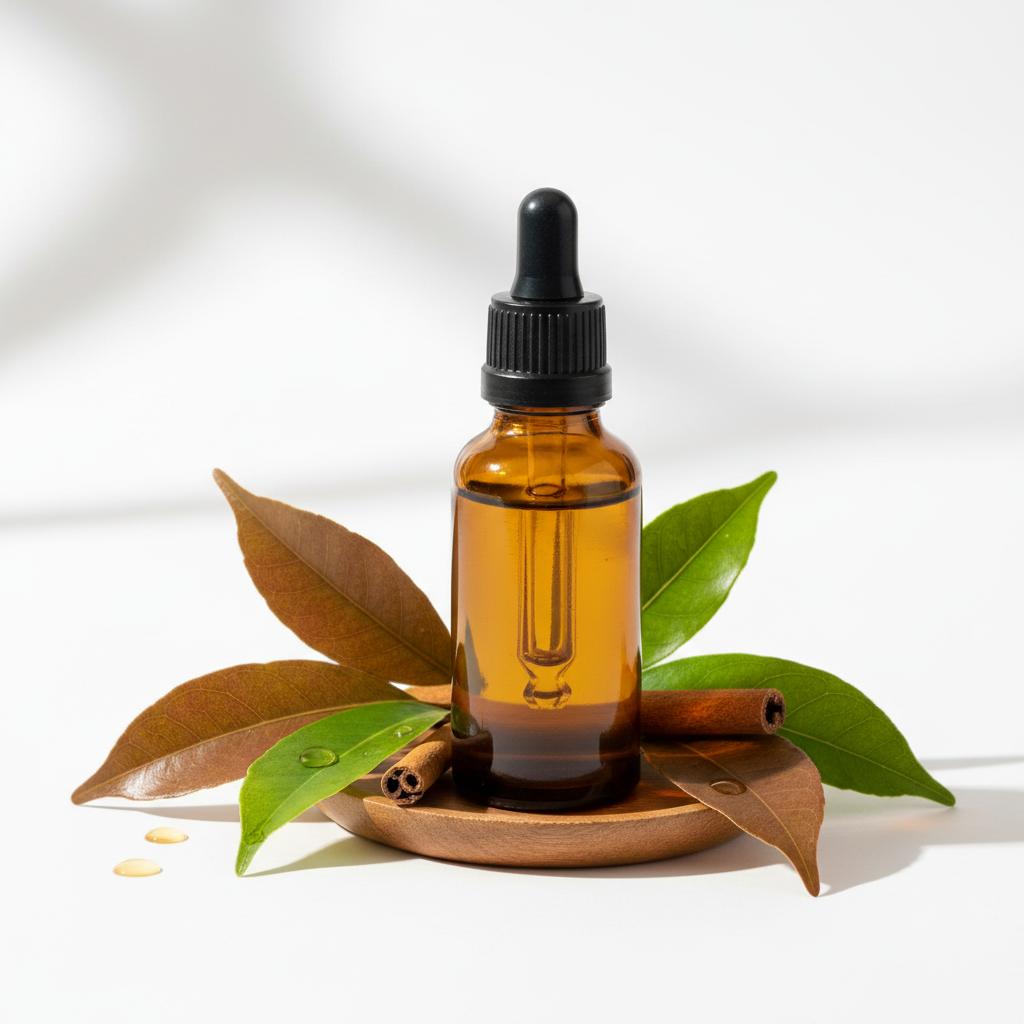
Cinnamon Leaf Essential Oil
Cinnamomum zeylanicum
Cinnamon Leaf Essential Oil is indispensable in aromatherapy and natural health circles, celebrated for its numerous therapeutic applications and warm, spicy aroma. This essential oil is extracted from the leaves of the Cinnamomum zeylanicum tree, which originates from Sri Lanka and other warm regions. The oil is typically obtained through steam distillation, a method that preserves the integrity of the oil’s natural compounds, ensuring richness in flavor and efficacy. ### Origin and Extraction Method Cinnamomum zeylanicum, known colloquially as Ceylon cinnamon, is prized for its high-quality essential oil. The steam distillation process involves harvesting and drying the leaves, which are then subjected to steam in order to extract the essential oil. The result is a yellow to brown liquid with a unique aromatic profile that can vary depending on the region and the specific plant variety. ### Botanical Information Cinnamon Leaf Essential Oil is rich in compounds such as eugenol, which is responsible for its distinct spicy scent and is often associated with its therapeutic benefits. Other constituents include cinnamaldehyde and various antioxidants that contribute to its potency and versatility. ### Therapeutic Properties and Benefits Cinnamon Leaf Essential Oil is known for its wide range of health benefits. - **Mood Enhancer**: Its warming qualities promote feelings of comfort and joy, making it effective in reducing stress and anxiety levels. - **Anxiolytic Properties**: The oil has calming effects on the nervous system, bolstering emotional support for those experiencing anxiety. - **Focus Booster**: Users often report increased concentration and mental clarity, enhancing productivity whether at work or while studying. - **Muscle Relief**: When diluted and used topically, it can alleviate muscle soreness and pain, making it a favorite among athletes and those with chronic pain. - **Digestion Aid**: Many use it in blends aimed at promoting digestive health, helping to soothe discomfort and stimulate healthy digestion. - **Respiratory Support**: Its spicy scent can help alleviate congestion, making it valuable for respiratory health, especially during cold seasons. - **Skin Health**: With its astringent properties, it improves skin conditions by balancing oiliness and combating acne. ### Historical and Traditional Uses Historically, cinnamon has been valued not just as a spice, but as a medicine. In ancient Egypt, cinnamon was used in embalming and was a luxury item highly prized by royalty. Traditional Chinese medicine often utilized cinnamon for its warming properties to aid digestion and improve circulation. The herbal traditions across various cultures emphasize its effectiveness in treating a range of ailments, marking its importance through the ages. ### Scientific Facts and Research Modern studies validate many traditional claims about Cinnamon Leaf Essential Oil. Research highlights its antimicrobial properties, showing potential in fighting against various bacteria and fungi. Additionally, studies suggest it may help in managing blood sugar levels and supporting heart health, though further research is needed to substantiate these claims. ### Aroma Profile and Characteristics The aroma of Cinnamon Leaf Essential Oil is warm, spicy, and slightly sweet, creating an inviting atmosphere when diffused. Its intense scent can evoke feelings of warmth and nostalgia, commonly associated with the holiday season, making it perfect for creating a cozy home environment. ### Common Applications and Methods Cinnamon Leaf Essential Oil is versatile in its application. It can be diffused to uplift mood, added to bath water for relaxation, or mixed with a carrier oil for topical application. It is also popular in homemade cleaning products due to its antiseptic properties. Incorporating it into DIY beauty recipes can enhance skin vitality, while adding it to culinary dishes (in small quantities) can offer both flavor and health benefits. ### Interesting Facts and Trivia - Cinnamon has been a staple in ancient trade routes; its value was often compared to gold. - The essential oil of cinnamon is distinct from the more commonly known cinnamon bark oil, which has a different aroma and applications. - It is said that the scent of cinnamon can also evoke feelings of warmth and nostalgia, which is why many people cherish it during the holiday season. In conclusion, Cinnamon Leaf Essential Oil is a multifaceted oil that offers diverse applications and benefits, making it a valuable addition to any aromatherapy toolkit. Its rich history, combined with modern applications and scientific research, showcases its enduring importance in holistic health.
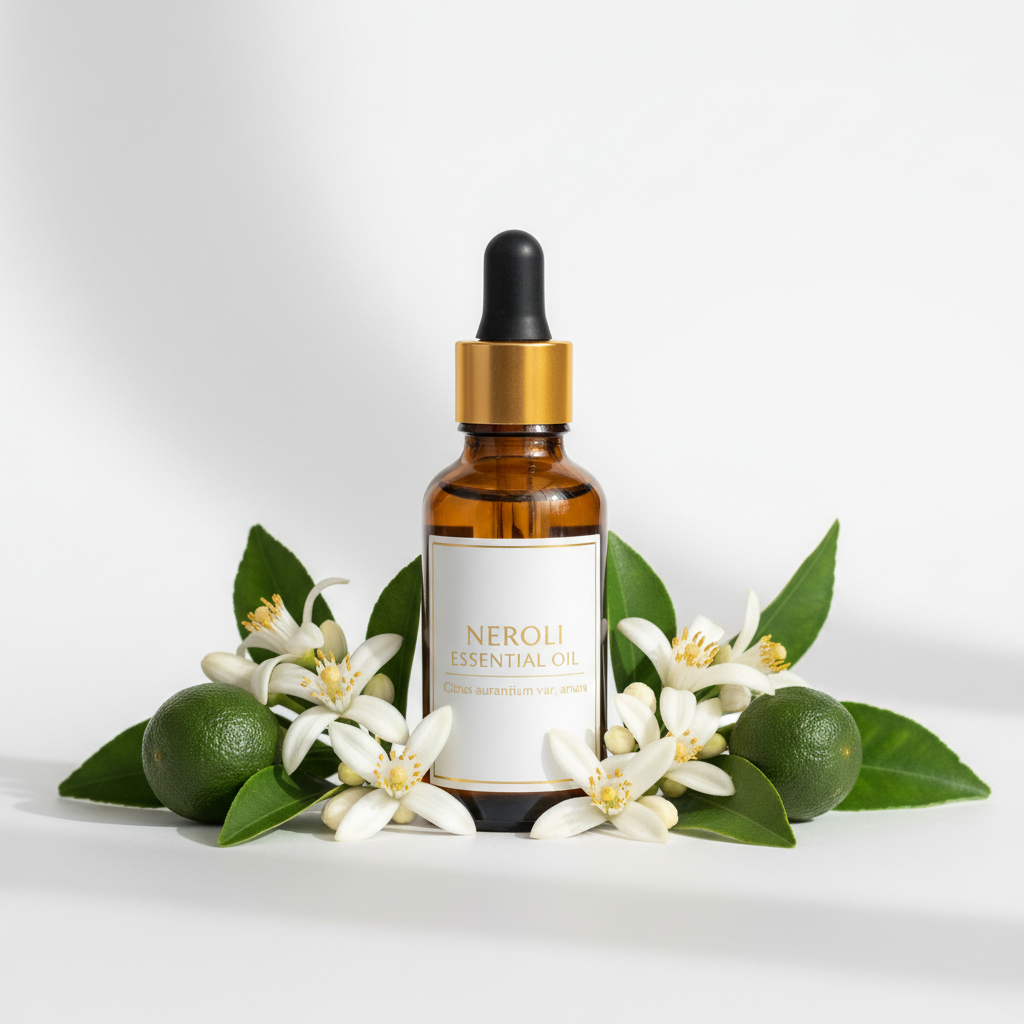
Neroli Essential Oil
Citrus aurantium var. amara
Neroli essential oil is a fragrant and versatile oil derived from the delicate blossoms of the bitter orange tree (Citrus aurantium var. amara). This treasured oil is extracted through steam distillation, a method that preserves its aromatic qualities and therapeutic properties effectively. Featured prominently in the world of perfumery and traditional medicine, Neroli has become increasingly valued for its rich history and numerous benefits, particularly in Mediterranean cultures. ### Origin and Extraction Method Neroli essential oil originated from the bitter orange tree, which is native to Southeast Asia and was cultivated in the Mediterranean region. The extraction process involves collecting the fresh orange blossoms, which bloom intensely fragrant and are harvested at dawn for optimal oil yield. The delicate flowers undergo steam distillation, a gentle process that extracts the essential oil while retaining its unique characteristics. This oil has captivated users for centuries due to its calming scent and multiple uses in aromatherapy and skincare. ### Botanical Information In the botanical sphere, Neroli essential oil is recognized for its distinct aroma and beneficial properties. The bitter orange tree, from which it is sourced, belongs to the Rutaceae family, known for its citrus fruits. The scientific name for this tree is Citrus aurantium var. amara. The oil gleams a light golden hue, encapsulating the essence of the flowers and their aromatic properties that have been revered across different cultures. ### Therapeutic Properties and Benefits Neroli essential oil is renowned for its vast array of therapeutic benefits. Research suggests that it can significantly reduce anxiety levels by promoting emotional stability and overall well-being. Its uplifting citrus scent is linked to mood enhancement, making it an excellent choice for relieving stress and restlessness. Incorporating Neroli into meditation practices can foster a sense of peace, tranquility, and emotional resilience, particularly during challenging times. Additionally, its benefits extend to physical health; it is believed to promote skin elasticity and improve overall texture, making it an essential component in anti-aging skincare routines. Furthermore, Neroli oil aids in muscle relaxation and is often used in massage blends. ### Historical and Traditional Uses Historically, Neroli essential oil has played a significant role in both perfumery and traditional medicine since the 17th century when it was favored by European nobility. It has been used for centuries as a fragrance component in perfumes and cosmetics. Traditionally, it was also used to help alleviate symptoms of depression and anxiety, showcasing its long-standing reputation in holistic wellness practices. ### Scientific Facts and Research Numerous studies underscore the calming effects of Neroli essential oil. One notable research study highlighted its efficacy in reducing cortisol levels in saliva, demonstrating its potential to alleviate stress. Another investigation discovered that inhaling Neroli essential oil can promote relaxation and improve mood, significantly reducing anxiety levels when used in aromatherapy. The scientific community continues to explore the numerous benefits and applications of this remarkable oil. ### Aroma Profile and Characteristics The aroma profile of Neroli essential oil is characterized by its fresh, sweet, and slightly floral scent. This enticing fragrance carries a hint of bitterness, reminiscent of its citrus origins. Its calming scent can uplift and invigorate the senses, making it popular in aromatherapy diffusers and personal care products. The essential oil blends beautifully with other oils such as lavender, bergamot, and sandalwood, enhancing its aromatic profile and therapeutic benefits. ### Common Applications and Methods Neroli essential oil finds a multitude of applications. It can be diffused for therapeutic benefits, applied topically in diluted forms for skincare, or used in massage oils to promote relaxation. When incorporating Neroli into a skincare routine, it is often added to serums and creams to enhance their effectiveness in anti-aging and skin rejuvenation. Moreover, it can also be combined with carrier oils like jojoba or sweet almond oil for a nourishing massage experience. Additionally, when properly diluted, it may ease respiratory issues and promote digestive health. ### Interesting Facts and Trivia 1. **Symbol of Love**: Neroli flowers have historically symbolized love and fertility, particularly in wedding ceremonies in some Mediterranean cultures. 2. **Costly Production**: Due to the labor-intensive process of harvesting the delicate orange blossoms, Neroli essential oil is often considered a luxury oil in the market. 3. **Versatile Use**: Besides its therapeutic benefits, Neroli essential oil is commonly used in premium perfumes, toiletries, and luxury skincare lines. Neroli essential oil continues to enchant users globally due to its numerous benefits and captivating fragrance. Whether incorporated into daily wellness routines or utilized for its mood-enhancing properties, Neroli essential oil remains an invaluable addition to holistic practices.
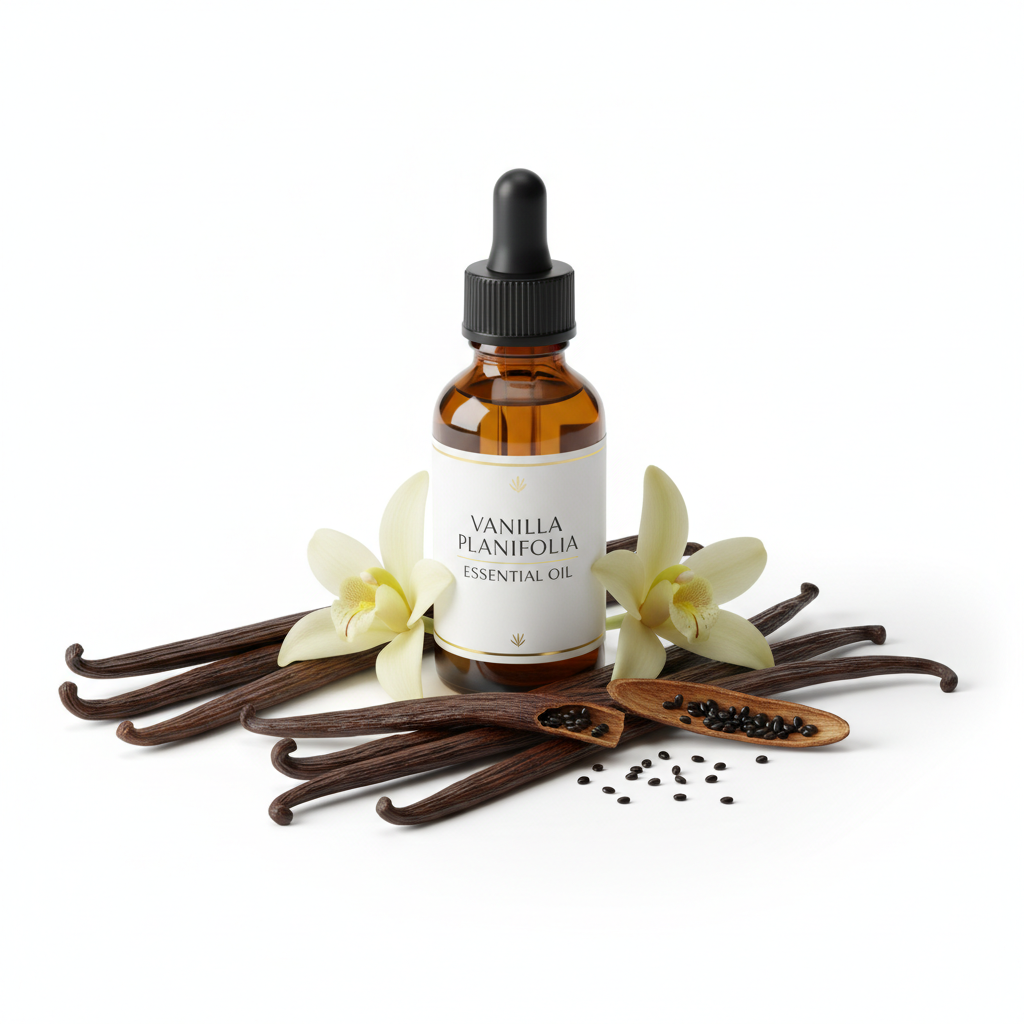
Vanilla Essential Oil
Vanilla planifolia
### Vanilla Essential Oil: An In-Depth Look at Its Properties and Uses Vanilla essential oil, derived from the fragrant pods of the *Vanilla planifolia* plant, has captured hearts and senses for centuries. This delightful oil originated in Mexico and has a storied history, both in culinary arts and traditional medicine. In this article, we will explore the origin, extraction methods, therapeutic properties, and diverse applications of vanilla essential oil. #### Origin and Extraction Method *Vanilla planifolia* is a tropical orchid native to Mexico, known for its beautiful flowers and pods that contain the precious vanilla beans. The extraction of vanilla essential oil primarily occurs through two methods: solvent extraction and carbon dioxide (CO2) extraction. Solvent extraction uses chemical solvents to separate the oil from the plant material, producing a thick, rich oil with the complete aromatic profile. CO2 extraction, on the other hand, utilizes high-pressure carbon dioxide to gently extract the oil, ensuring a pure and high-quality product without harmful residues. Both methods yield a warm, sweet aroma that evokes comfort and nostalgia, making vanilla oil a favorite in numerous applications. #### Botanical Information The *Vanilla planifolia* plant belongs to the family Orchidaceae and thrives in tropical climates. The botanical structure includes a long vine that can climb up to 30 meters. The plant blooms with exquisite, pale yellow flowers that bloom for just one day, requiring pollination to produce vanilla beans. Each pod is harvested and cured to develop the full spectrum of flavor and aroma associated with vanilla. This intricate process contributes to the oil's high value. #### Therapeutic Properties and Benefits Vanilla essential oil is treasured not just for its scent but also for its therapeutic effects. Here are some of its notable benefits: - **Promotes Relaxation:** The soothing aroma encourages a calming atmosphere, helping to ease stress and anxiety. Using vanilla in aromatherapy can lead to enhanced relaxation during practice or meditation. - **Enhances Mood:** The uplifting scent of vanilla oil can foster a sense of joy and optimism, making it a popular choice for those seeking emotional upliftment. - **Facilitates Emotional Healing:** Vanilla's calming properties can be beneficial for those dealing with grief or sadness, providing comfort during tough times. - **Encourages Self-Love:** Its warm scent is linked with boosting self-esteem and promoting feelings of worth and acceptance. - **Supports Mental Clarity:** Vanilla oil is said to help clear negative thoughts, promoting a positive outlook on life. - **Aids Digestive Health:** Traditionally used to alleviate digestive discomfort, vanilla essential oil can help reduce bloating and other digestive issues. - **Supports Respiratory Health:** The oil's soothing nature may ease respiratory irritations and coughs, making it useful in respiratory care. - **Enhances Sexual Wellness:** Vanilla is often recognized for its aphrodisiac properties that can enhance libido and intimacy between partners. - **Relieves Headaches:** The calming aroma can help reduce headache tension and promote overall headache relief. - **Moisturizes Skin:** Vanilla essential oil is known for its hydrating properties, making it an excellent addition to skincare routines for improved skin elasticity. #### Historical and Traditional Uses Historically, vanilla has been used for centuries in various cultures. The Aztecs utilized vanilla not only for its flavor but also as an aphrodisiac and medicinal agent. In the 16th century, Spanish conquistadors brought vanilla to Europe, where it soon gained popularity. It became a staple for both culinary creations and perfumery, thus cementing its status as a valued commodity. #### Aroma Profile and Characteristics The aroma of vanilla essential oil is sweet, warm, and inviting. Its fragrance is often described as comforting, with hints of creamy tones, making it versatile for myriad applications—from perfumes to cooking. When diffused, vanilla creates a cozy environment, perfect for relaxation. #### Common Applications and Methods Vanilla essential oil can be used in various ways: - **Aromatherapy:** Add a few drops to a diffuser for a relaxing atmosphere. - **Skincare:** Dilute with a carrier oil and use in massages or facial treatments. - **Culinary Uses:** Incorporate into baked goods, desserts, or beverages for a gourmet touch. - **Bathing Products:** Add to baths for a luxurious and calming experience. #### Interesting Facts and Trivia - Vanilla is the second most expensive spice after saffron due to its labor-intensive cultivation. - The process of curing vanilla beans can take several months, during which their rich flavor develops. - Vanilla is frequently used in perfumes to create warm, inviting fragrances beloved worldwide. ### Conclusion Vanilla essential oil is more than just a delightful scent. Its diverse range of therapeutic properties makes it an invaluable addition to aromatherapy and wellness routines. Whether used in self-care practices, culinary explorations, or simply to enhance the atmosphere of a space, vanilla essential oil remains a timeless favorite.