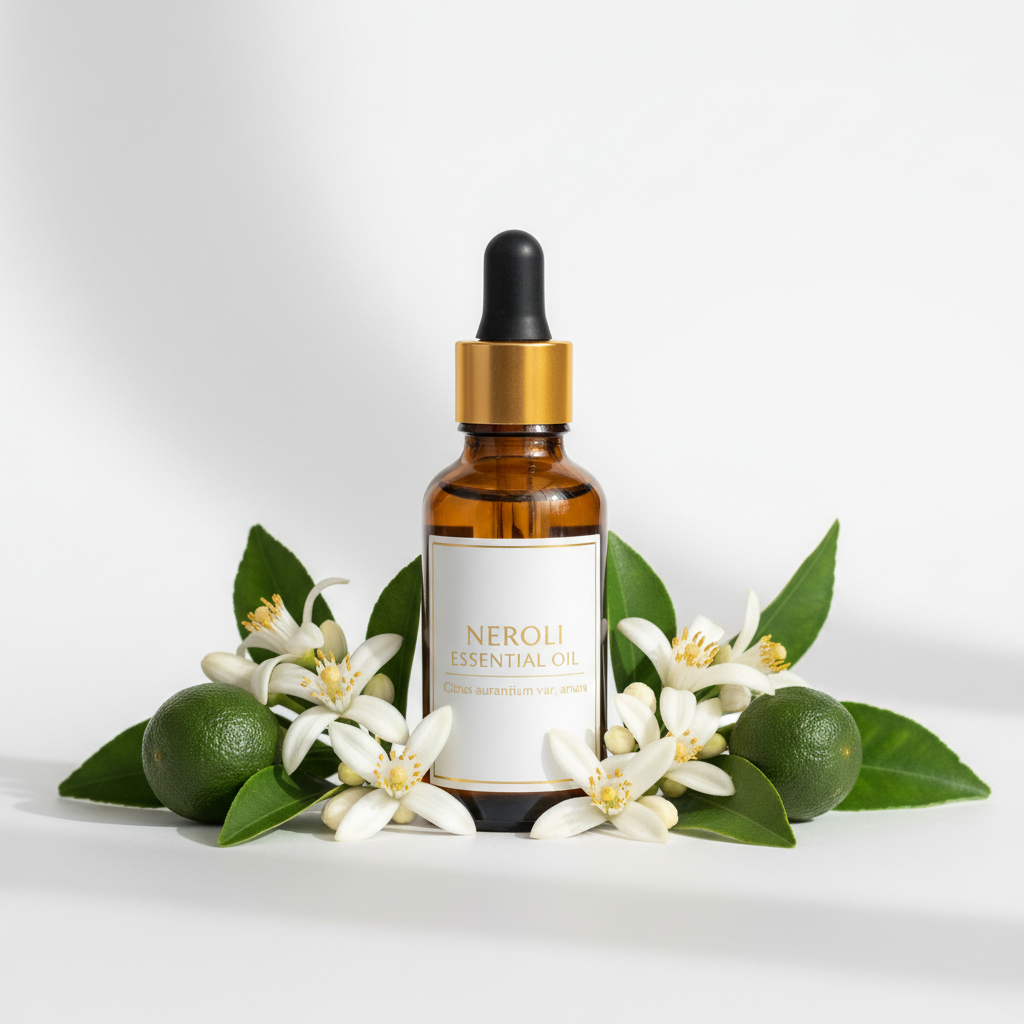
Neroli Essential Oil
Citrus aurantium var. amara
Plant Source
Flowers
Scent Family
Floral
"Discover the powerful benefits of Neroli essential oil from bitter orange blossoms. Explore its uses, therapeutic properties, and rich history in wellness."
Neroli essential oil is a fragrant and versatile oil derived from the delicate blossoms of the bitter orange tree (Citrus aurantium var. amara). This treasured oil is extracted through steam distillation, a method that preserves its aromatic qualities and therapeutic properties effectively. Featured prominently in the world of perfumery and traditional medicine, Neroli has become increasingly valued for its rich history and numerous benefits, particularly in Mediterranean cultures.
Origin and Extraction Method
Neroli essential oil originated from the bitter orange tree, which is native to Southeast Asia and was cultivated in the Mediterranean region. The extraction process involves collecting the fresh orange blossoms, which bloom intensely fragrant and are harvested at dawn for optimal oil yield. The delicate flowers undergo steam distillation, a gentle process that extracts the essential oil while retaining its unique characteristics. This oil has captivated users for centuries due to its calming scent and multiple uses in aromatherapy and skincare.
Botanical Information
In the botanical sphere, Neroli essential oil is recognized for its distinct aroma and beneficial properties. The bitter orange tree, from which it is sourced, belongs to the Rutaceae family, known for its citrus fruits. The scientific name for this tree is Citrus aurantium var. amara. The oil gleams a light golden hue, encapsulating the essence of the flowers and their aromatic properties that have been revered across different cultures.
Therapeutic Properties and Benefits
Neroli essential oil is renowned for its vast array of therapeutic benefits. Research suggests that it can significantly reduce anxiety levels by promoting emotional stability and overall well-being. Its uplifting citrus scent is linked to mood enhancement, making it an excellent choice for relieving stress and restlessness. Incorporating Neroli into meditation practices can foster a sense of peace, tranquility, and emotional resilience, particularly during challenging times. Additionally, its benefits extend to physical health; it is believed to promote skin elasticity and improve overall texture, making it an essential component in anti-aging skincare routines. Furthermore, Neroli oil aids in muscle relaxation and is often used in massage blends.
Historical and Traditional Uses
Historically, Neroli essential oil has played a significant role in both perfumery and traditional medicine since the 17th century when it was favored by European nobility. It has been used for centuries as a fragrance component in perfumes and cosmetics. Traditionally, it was also used to help alleviate symptoms of depression and anxiety, showcasing its long-standing reputation in holistic wellness practices.
Scientific Facts and Research
Numerous studies underscore the calming effects of Neroli essential oil. One notable research study highlighted its efficacy in reducing cortisol levels in saliva, demonstrating its potential to alleviate stress. Another investigation discovered that inhaling Neroli essential oil can promote relaxation and improve mood, significantly reducing anxiety levels when used in aromatherapy. The scientific community continues to explore the numerous benefits and applications of this remarkable oil.
Aroma Profile and Characteristics
The aroma profile of Neroli essential oil is characterized by its fresh, sweet, and slightly floral scent. This enticing fragrance carries a hint of bitterness, reminiscent of its citrus origins. Its calming scent can uplift and invigorate the senses, making it popular in aromatherapy diffusers and personal care products. The essential oil blends beautifully with other oils such as lavender, bergamot, and sandalwood, enhancing its aromatic profile and therapeutic benefits.
Common Applications and Methods
Neroli essential oil finds a multitude of applications. It can be diffused for therapeutic benefits, applied topically in diluted forms for skincare, or used in massage oils to promote relaxation. When incorporating Neroli into a skincare routine, it is often added to serums and creams to enhance their effectiveness in anti-aging and skin rejuvenation. Moreover, it can also be combined with carrier oils like jojoba or sweet almond oil for a nourishing massage experience. Additionally, when properly diluted, it may ease respiratory issues and promote digestive health.
Interesting Facts and Trivia
- Symbol of Love: Neroli flowers have historically symbolized love and fertility, particularly in wedding ceremonies in some Mediterranean cultures.
- Costly Production: Due to the labor-intensive process of harvesting the delicate orange blossoms, Neroli essential oil is often considered a luxury oil in the market.
- Versatile Use: Besides its therapeutic benefits, Neroli essential oil is commonly used in premium perfumes, toiletries, and luxury skincare lines.
Neroli essential oil continues to enchant users globally due to its numerous benefits and captivating fragrance. Whether incorporated into daily wellness routines or utilized for its mood-enhancing properties, Neroli essential oil remains an invaluable addition to holistic practices.
Ask AI About Neroli Essential Oil
Get instant answers about this essential oil
Benefits & Uses
- Reduces anxiety by promoting emotional stability and emotional wellbeing.
- Enhances mood, providing an uplifting effect that can combat stress and restlessness.
- Encourages a sense of peace and tranquility, making it suitable for meditation practices.
- Supports emotional resilience during times of change or upheaval.
- Fosters a greater sense of joy and happiness, contributing to overall mental wellness.
- May improve skin elasticity and texture, making it beneficial for aging skin.
- Promotes wound healing and reduces the appearance of scars.
- Aids in relaxation of the muscles, making it effective in massage oil blends.
- Can help with respiratory issues by easing congestion and providing relief.
- Supports a healthy digestive system when properly diluted and used.
- Used in facial serums to improve skin tone and texture.
- Incorporated into creams and lotions for its nourishing properties.
- Acts as a natural perfume that hydrates while leaving a pleasant scent.
- Helps alleviate signs of stretch marks by promoting skin elasticity.
- Can be mixed into oils for aromatherapy massage to soothe sensitive skin.
- Utilized in homemade cleaning products for its pleasant aroma and antimicrobial properties.
- Can be blended into potpourri to freshen indoor spaces.
- Used in diffusers to create an inviting and calming environment.
- Added to laundry to impart a refreshing scent to clothes.
How to Use
Diffuser
For a small room, use 3-5 drops in the diffuser; for medium rooms, 5-8 drops; for large rooms, 8-12 drops. Optimal duration is 30-60 minutes per session, and it can be diffused 2-3 times daily. Best times to use are during relaxation periods or meditation sessions.
Topical
For adults, dilute Neroli essential oil to 2-3% (6-9 drops per ounce of carrier oil). For children, dilute to 0.5-1% (1-3 drops), and for the elderly, a 1-2% dilution (3-6 drops) is recommended. Apply to various areas such as pulse points or sore muscles. Use gentle massage techniques to aid absorption, allowing a few minutes for the oil to penetrate the skin.
Inhalation
For direct inhalation, place 1-2 drops on a tissue or inhaler and inhale deeply. For steam inhalation, add 2-3 drops to a bowl of hot water and inhale the steam for 5-10 minutes. Personal inhalers can be filled with a few drops of Neroli for on-the-go use.
Safety & Precautions
Perform a patch test prior to topical application to check for allergic reactions. Avoid sun exposure for at least 12 hours after topical use due to potential photosensitivity. Pregnant or nursing women should consult a healthcare provider before using. Ensure proper storage in a dark, cool place; shelf life is generally around 2 years. Always check for medication interactions if you are on ongoing treatments.
Who should avoid:
- Pregnant individuals, particularly during the first trimester.
- Individuals with known citrus allergies.
- People taking medications that might interact with essential oils.
Recommended Products
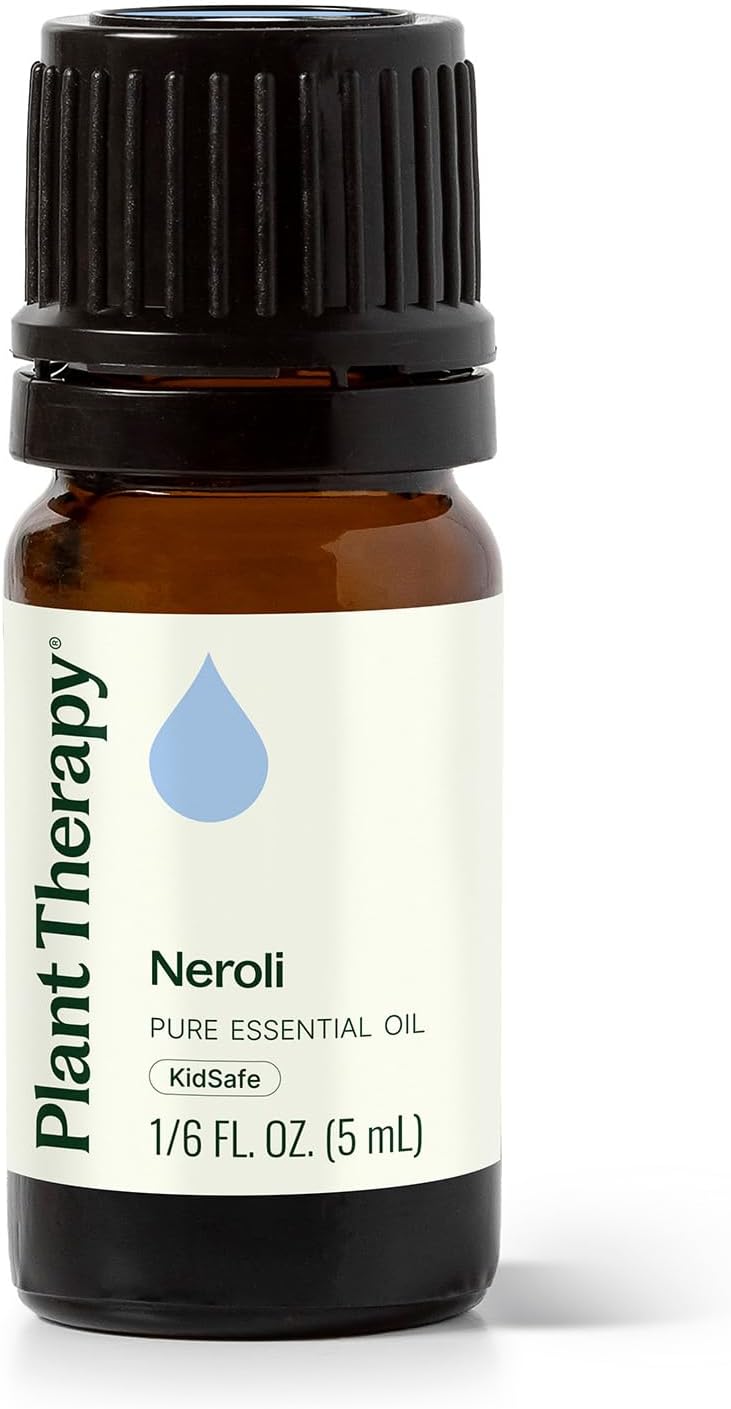
Understanding the aromatic layers of Neroli Essential Oil
Top Notes
Heart Notes
Base Notes
Scent Evolution
Top Notes: First impression, evaporate quickly (15-30 min)
Heart Notes: Main character, last 2-4 hours
Base Notes: Lasting foundation, linger for hours
Complementary essential oils that pair beautifully with Neroli Essential Oil
Abyssinian Carrier Oil
Crambe abyssinica
✓enhanced aromatherapy benefits
Agarwood Essential Oil
Aquilaria
✓enhanced aromatherapy benefits
Ajowan Seed Essential Oil
Trachyspermum ammi
✓similar chemical compositions
Allspice Essential Oil
Pimenta dioica
✓traditional pairing in aromatherapy
Ammi Visnaga Essential Oil
Ammi visnaga
✓balanced scent profile
Amyris Essential Oil
Amyris balsamifera
✓similar chemical compositions
Blending Tips
- • Start with 2-3 oils for simple blends
- • Use 3-5 drops total per 10ml carrier oil
- • Let blends sit for 24-48 hours to marry
- • Test on a small skin area first
Calculating for: Neroli Essential Oil
Recommended: 2% | Max safe: 5%
29.57 ml
Your Recipe
0.59 ml
28.98 ml
💡 Dilution Tips
- • Always do a patch test before full application
- • Children and elderly need lower dilutions (1-2%)
- • Facial products should be gentle (0.5-1%)
- • 1 drop ≈ 0.05 ml (20 drops per ml)
- • Common carrier oils: fractionated coconut, jojoba, sweet almond
Related Recipes
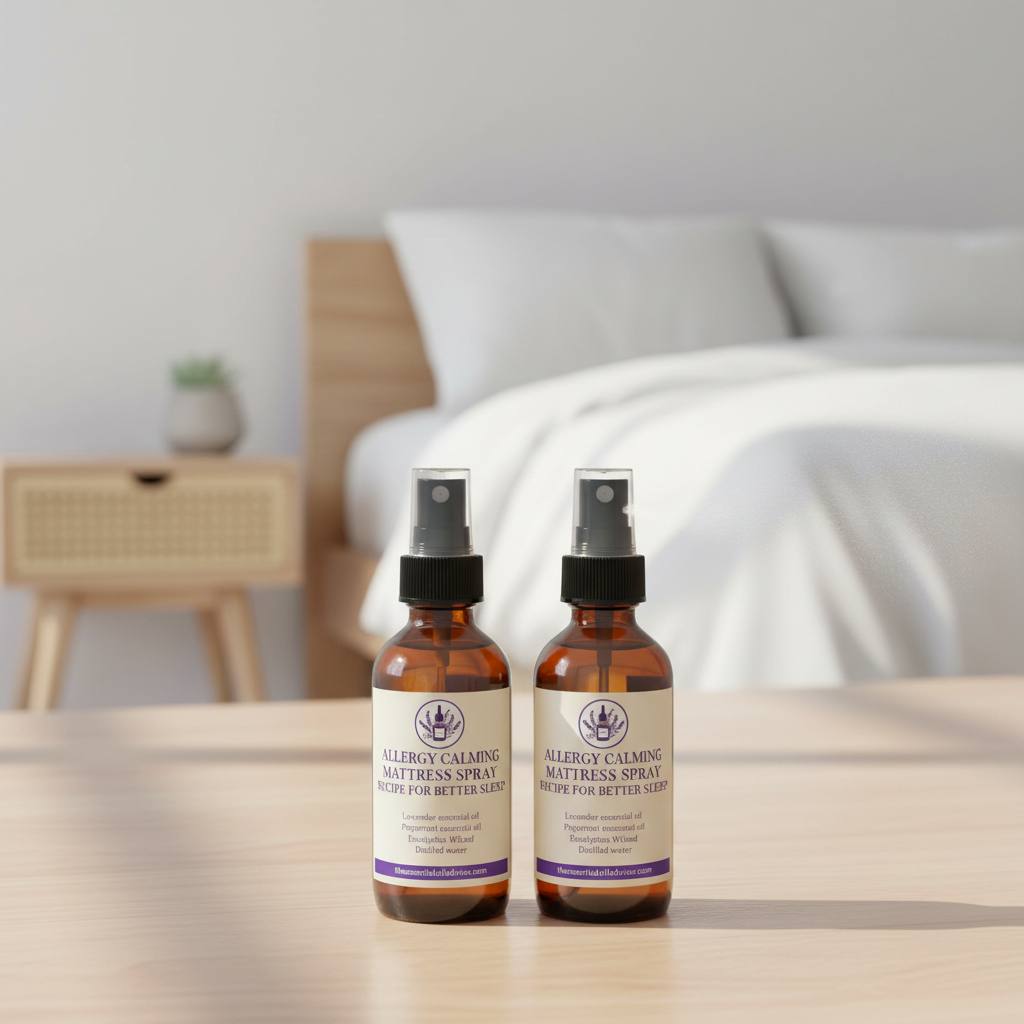
Allergy Calming Mattress Spray Recipe for Better Sleep
Discover the calming recipe for a mattress spray that relieves allergy symptoms and promotes a restful night's sleep in your home.
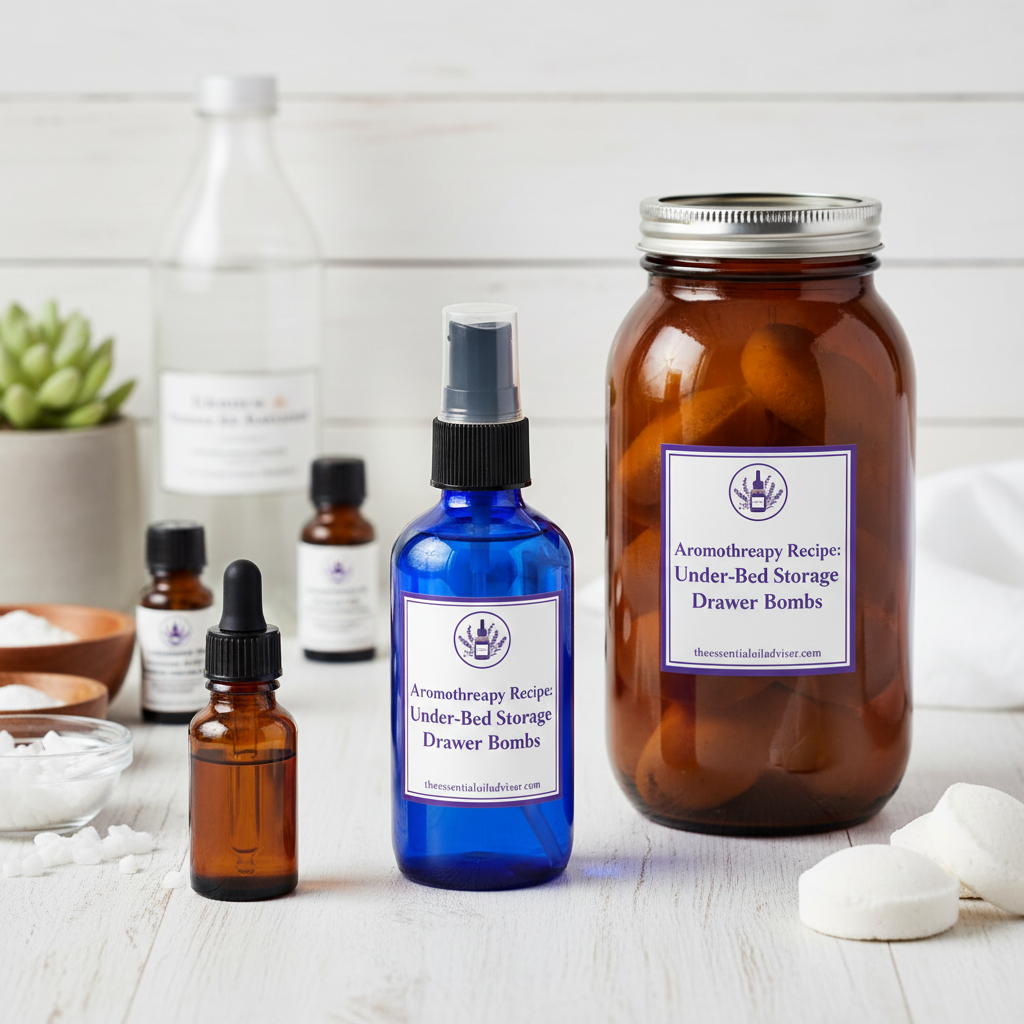
Aromatherapy Recipe: Under-Bed Storage Drawer Bombs
Discover this simple recipe for Under-Bed Storage Drawer Aroma Bombs, perfect for freshening up your space with delightful scents!

Calming Essential Oil Pillow Mist Recipe for Relaxation
Discover this easy recipe for a soothing pillow mist that features lavender and bergamot for ultimate relaxation and better sleep.

Calming Lavender Linen Spray Recipe
A gentle, relaxing linen and room spray that promotes restful sleep and calm using lavender, chamomile, and cedarwood essential oils.

DIY Acne Calming Gel Spot Treatment Recipe for Clear Skin
Explore our DIY acne calming gel spot treatment recipe to soothe inflammation and fight breakouts using natural ingredients for healthier skin.
DIY Candle Making Fragrance Blend Recipe for Aromatic Bliss
Discover how to create a delightful essential oil blend recipe tailored for your candle making needs, enhancing your home with captivating scents.