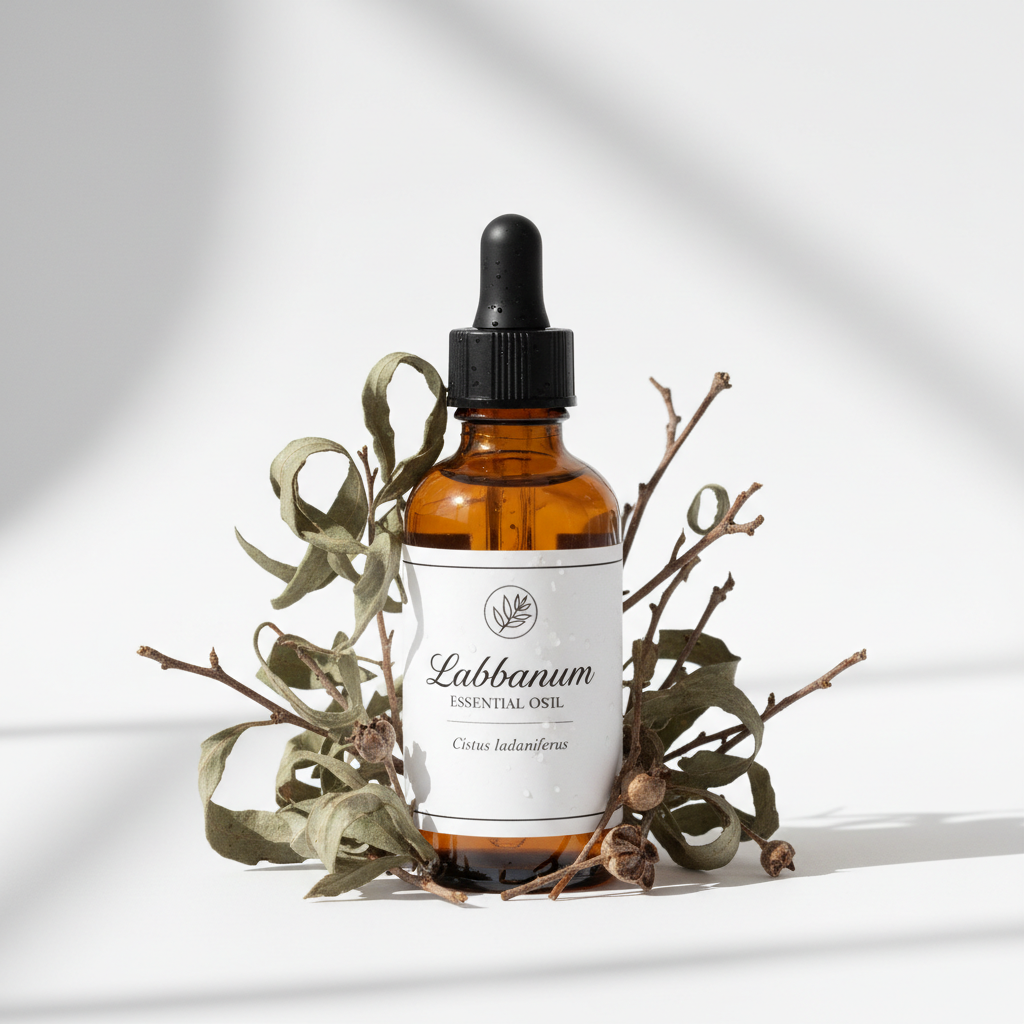
Labdanum Essential Oil
Cistus ladaniferus
Plant Source
leaves and twigs
Scent Family
Resinous
"Discover labdanum essential oil from Cistus ladaniferus. Learn about its therapeutic benefits, aroma profile, and historical uses in perfumery and healing."
Labdanum essential oil is a remarkable oil derived from the Cistus ladaniferus shrub, a plant that is native to the Mediterranean region. This essential oil is extracted primarily from its leaves and twigs through a process known as steam distillation. Historically, labdanum resin was highly valued in ancient civilizations, particularly in the realm of incense and perfumery due to its rich, warm, and earthy aroma. This oil has found its place in both aromatherapy practices and cosmetic applications, making it a versatile choice for users.
Origin and Extraction Method
Cistus ladaniferus grows abundantly in Mediterranean climates, especially in areas such as Spain, Portugal, and southern France. The extraction of labdanum essential oil takes place through steam distillation of the plant’s leaves and twigs, which captures the essence of the plant while preserving its potent therapeutic compounds. This method ensures that the oil retains its aromatic and beneficial qualities, which are essential for therapeutic applications and fragrances.
Botanical Information
Labdanum is part of the Cistaceae family, known for its hardy nature and fragrant resins. The Cistus plants are low-growing shrubs with leathery leaves and white or pink flowers. The resinous exudate that the plant produces is not only the source of the essential oil but also a critical component in perfumes and incense, valued for adding depth and complexity to fragrance blends.
Therapeutic Properties and Benefits
Labdanum essential oil is celebrated for its calming and grounding properties. Users have reported various therapeutic benefits including:
- Emotional Balance: The calming aroma supports emotional stability, helping individuals navigate periods of stress, anxiety, or mood fluctuations. This makes it ideal for enhancing meditation practices and achieving a serene state of mind.
- Wound Healing: Thanks to its antimicrobial properties, labdanum oil can assist in wound healing, promote skin rejuvenation, and help treat minor cuts and abrasions. Its ability to promote tissue growth is an added benefit in the healing process.
- Respiratory Health: The oil may help relieve discomfort associated with coughs and colds, promoting clear airways and supporting overall respiratory function.
- Muscle Relaxation: Labdanum’s relaxing qualities also extend to physical relief, with potential benefits in alleviating muscle tension and soreness.
Historical and Traditional Uses
Historically, labdanum was used not only in perfumery but also in traditional medicine. Ancient Egyptians utilized labdanum in their embalming processes and as a fragrance in rituals. The oil was commonly employed in various cultural practices, signaling its importance in both spiritual and physical wellness contexts.
Scientific Facts and Research
Research into labdanum essential oil has revealed its rich composition, containing significant amounts of caryophyllene, which contributes to its anti-inflammatory effects. Other constituents like alpha-terpineol offer therapeutic benefits, particularly in aromatherapy, where the oil is used to create calming atmospheres.
Aroma Profile and Characteristics
The aroma of labdanum essential oil is often described as warm, balsamic, and slightly sweet with rich undertones reminiscent of amber. This complex profile makes it a popular choice in high-quality perfumes and essential oil blends, as it provides an unexpected depth and richness that can enhance other fragrance notes.
Common Applications and Methods
Labdanum essential oil can be applied in various ways, including:
- Aromatherapy: Diffusing the oil can help create a tranquil environment, perfect for relaxation or meditation sessions.
- Massage: When combined with a carrier oil, labdanum can be used in therapeutic massages to promote relaxation and relieve muscle tension.
- Skin Care: Incorporating a few drops into skin care formulations can enhance skin health, assist in healing, and maintain a youthful appearance.
Interesting Facts and Trivia
Few people know that during ancient times, labdanum was often harvested from goats, as they would collect the sticky resin on their coats as they roamed among the plants. This resin was then gathered by shepherds, an unconventional yet fascinating method of collection.
In conclusion, labdanum essential oil is more than just a fragrant oil; it embodies centuries of history, diverse applications, and numerous therapeutic benefits. Its unique properties make it a valuable addition to any essential oil collection.
Ask AI About Labdanum Essential Oil
Get instant answers about this essential oil
Benefits & Uses
- Promotes relaxation and peace of mind, making it effective for stress relief.
- Helps ground emotions, providing a sense of stability during challenging times.
- Enhances meditation practices through its calming and introspective aroma.
- May improve mood and alleviate feelings of sadness or introspection.
- Supports emotional balance and resilience during periods of change.
- Can assist in wound healing and skin rejuvenation due to its antimicrobial properties.
- Supports respiratory health by relieving coughs and promoting clear airways.
- May alleviate discomfort associated with muscle tension and soreness.
- Helps in maintaining healthy skin by toning and tightening, reducing the appearance of blemishes.
- Supports overall immune function when used in wellness practices.
- Effective in formulations for dry or aged skin, providing hydration and nourishment.
- Can be used in combination with carrier oils for facial serums targeting uneven skin tone.
- Suitable for use in balms and creams to promote skin elasticity.
- Ideal for use in natural perfumes and body care products to impart a rich, appealing aroma.
- May assist in balancing oily skin by regulating sebum production.
- Works as a natural deodorizer when diffused, providing warmth and comfort to living spaces.
- Can be added to cleaning solutions for its antimicrobial properties.
- Effective in creating calming home environments during meditation or yoga practices.
- Acts as an insect repellent when used in sprays for home refreshers.
- Can be included in potpourri or sachets for a long-lasting scent in drawers and closets.
How to Use
Diffuser
For small rooms, use 3-5 drops of labdanum essential oil; for medium rooms, use 5-8 drops; for large rooms, use 8-12 drops. Diffuse for 30-60 minutes at a time, 2-3 times daily, preferably during relaxation or meditation sessions.
Topical
Adults should dilute the essential oil to a concentration of 2-3% (12-18 drops of labdanum oil per ounce of carrier oil). For children, a dilution of 0.5-1% (3-6 drops per ounce) is recommended, and for the elderly, a 1-2% dilution (6-12 drops per ounce) is appropriate. Suggested carrier oils include jojoba, sweet almond, or coconut. Massage gently at application sites for better absorption.
Inhalation
For direct inhalation, place 1-2 drops on a tissue or cotton pad and breathe in. For steam inhalation, add 2-3 drops to a bowl of hot water, draping a towel over your head to trap the steam; inhale for 5-10 minutes. Personal inhalers can be prepared for on-the-go use.
Safety & Precautions
Conduct a patch test before widespread use. Avoid sunlight or UV exposure for 12 hours after topical application as it may cause photosensitivity. Consult a healthcare professional if pregnant or nursing. Use caution with prescription medications, especially those affecting the central nervous system. Store in a cool, dark place and replace cap tightly after use. Shelf life is typically 2-3 years if properly stored.
Who should avoid:
- Individuals allergic to plants in the Cistus family.
- Those with severe respiratory issues should consult before use.
- Pregnant women in their first trimester.
- Children under the age of 2 years.
Recommended Products

Understanding the aromatic layers of Labdanum Essential Oil
Top Notes
Heart Notes
Base Notes
Scent Evolution
Top Notes: First impression, evaporate quickly (15-30 min)
Heart Notes: Main character, last 2-4 hours
Base Notes: Lasting foundation, linger for hours
Complementary essential oils that pair beautifully with Labdanum Essential Oil
Abyssinian Carrier Oil
Crambe abyssinica
✓balanced scent profile
Agarwood Essential Oil
Aquilaria
✓similar chemical compositions
Ajowan Seed Essential Oil
Trachyspermum ammi
✓balanced scent profile
Allspice Essential Oil
Pimenta dioica
✓traditional pairing in aromatherapy
Ammi Visnaga Essential Oil
Ammi visnaga
✓enhanced aromatherapy benefits
Amyris Essential Oil
Amyris balsamifera
✓similar chemical compositions
Blending Tips
- • Start with 2-3 oils for simple blends
- • Use 3-5 drops total per 10ml carrier oil
- • Let blends sit for 24-48 hours to marry
- • Test on a small skin area first
Calculating for: Labdanum Essential Oil
Recommended: 2% | Max safe: 5%
29.57 ml
Your Recipe
0.59 ml
28.98 ml
💡 Dilution Tips
- • Always do a patch test before full application
- • Children and elderly need lower dilutions (1-2%)
- • Facial products should be gentle (0.5-1%)
- • 1 drop ≈ 0.05 ml (20 drops per ml)
- • Common carrier oils: fractionated coconut, jojoba, sweet almond
Related Recipes

Calming Essential Oil Pillow Mist Recipe for Relaxation
Discover this easy recipe for a soothing pillow mist that features lavender and bergamot for ultimate relaxation and better sleep.

Calming Lavender Linen Spray Recipe
A gentle, relaxing linen and room spray that promotes restful sleep and calm using lavender, chamomile, and cedarwood essential oils.

DIY Acne Calming Gel Spot Treatment Recipe for Clear Skin
Explore our DIY acne calming gel spot treatment recipe to soothe inflammation and fight breakouts using natural ingredients for healthier skin.
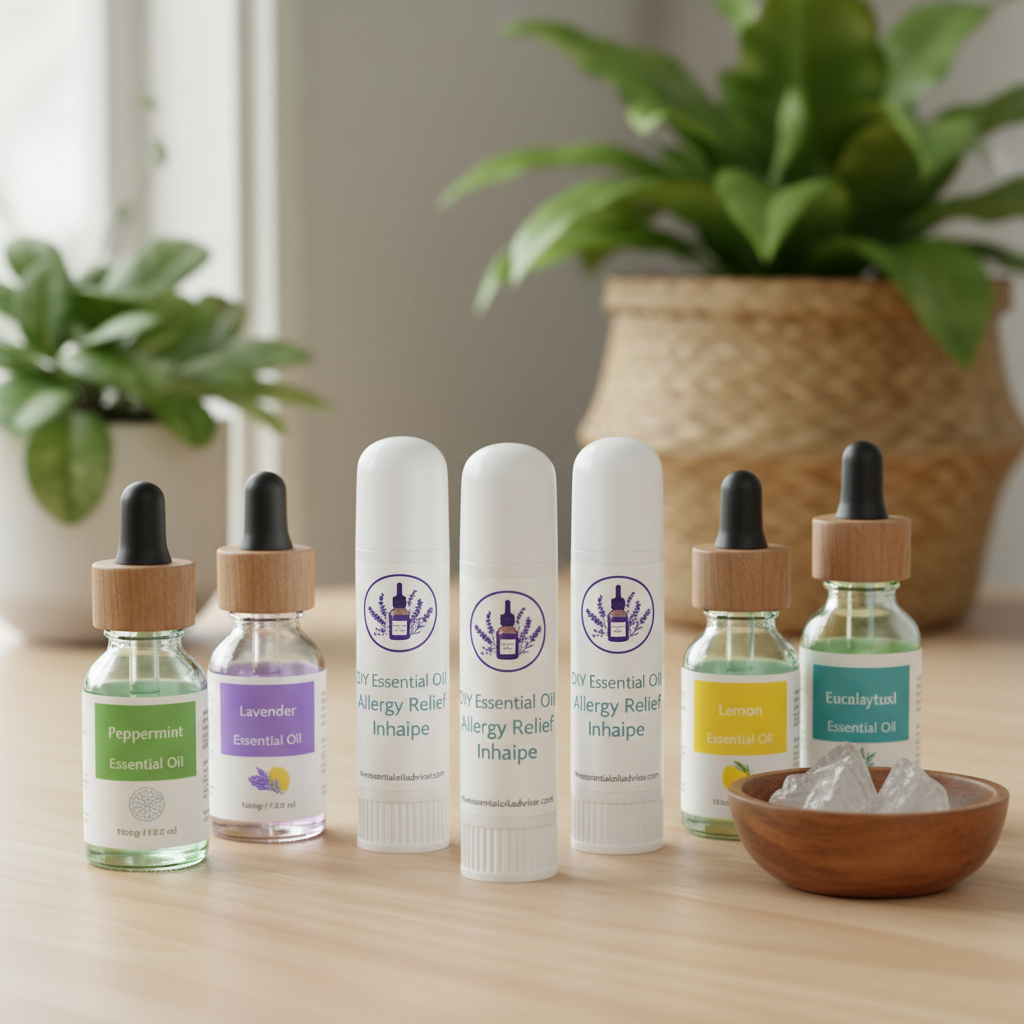
DIY Essential Oil Allergy Relief Inhaler Recipe
Discover this essential oil allergy relief recipe to make effective inhalers at home for natural symptom relief from allergies.

DIY Essential Oil Foaming Hand Soap Recipe
Craft your own moisturizing foaming hand soap using essential oils! This DIY recipe combines natural ingredients for clean, soft hands. Perfect for home use!
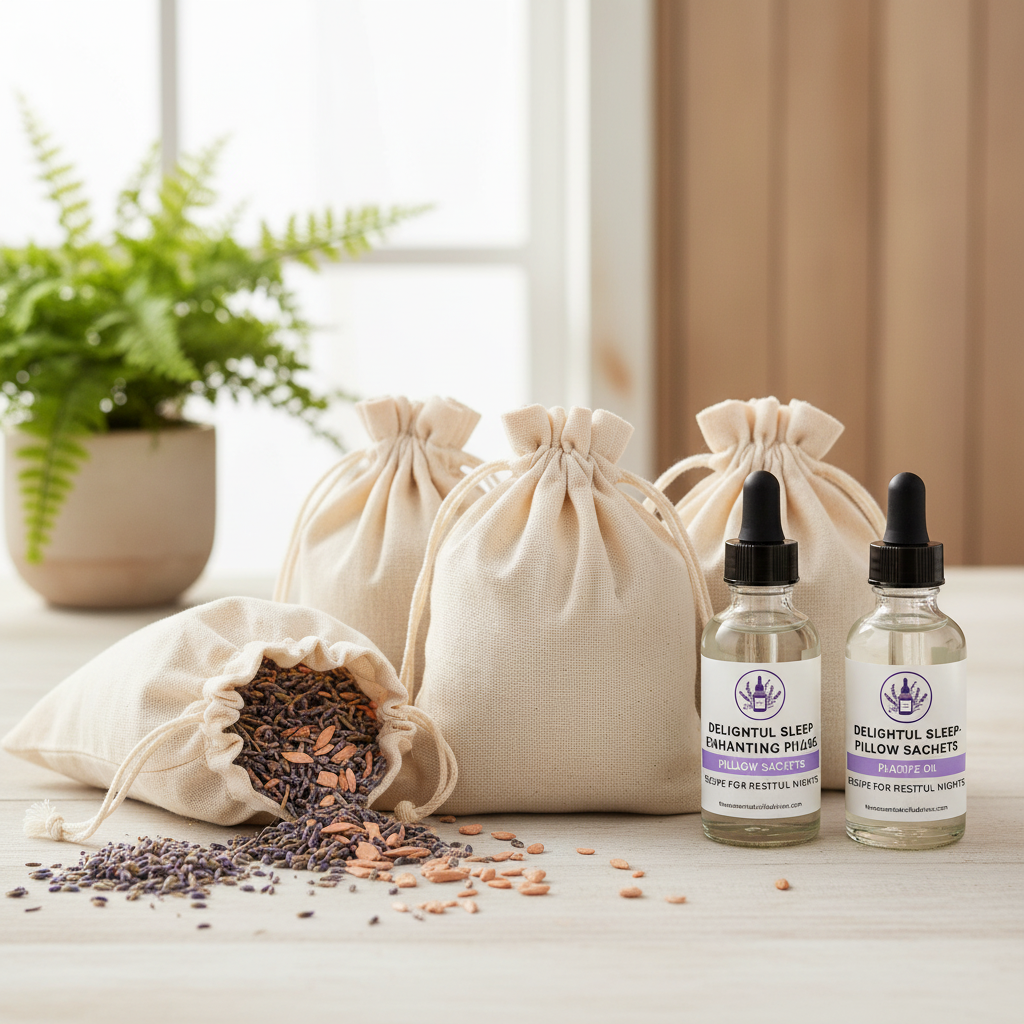
Delightful Sleep-Enhancing Pillow Sachets Recipe for Restful Nights
Discover how to create a calming sleep environment with this easy recipe for pillow sachets infused with soothing essential oils to improve your sleep quality.