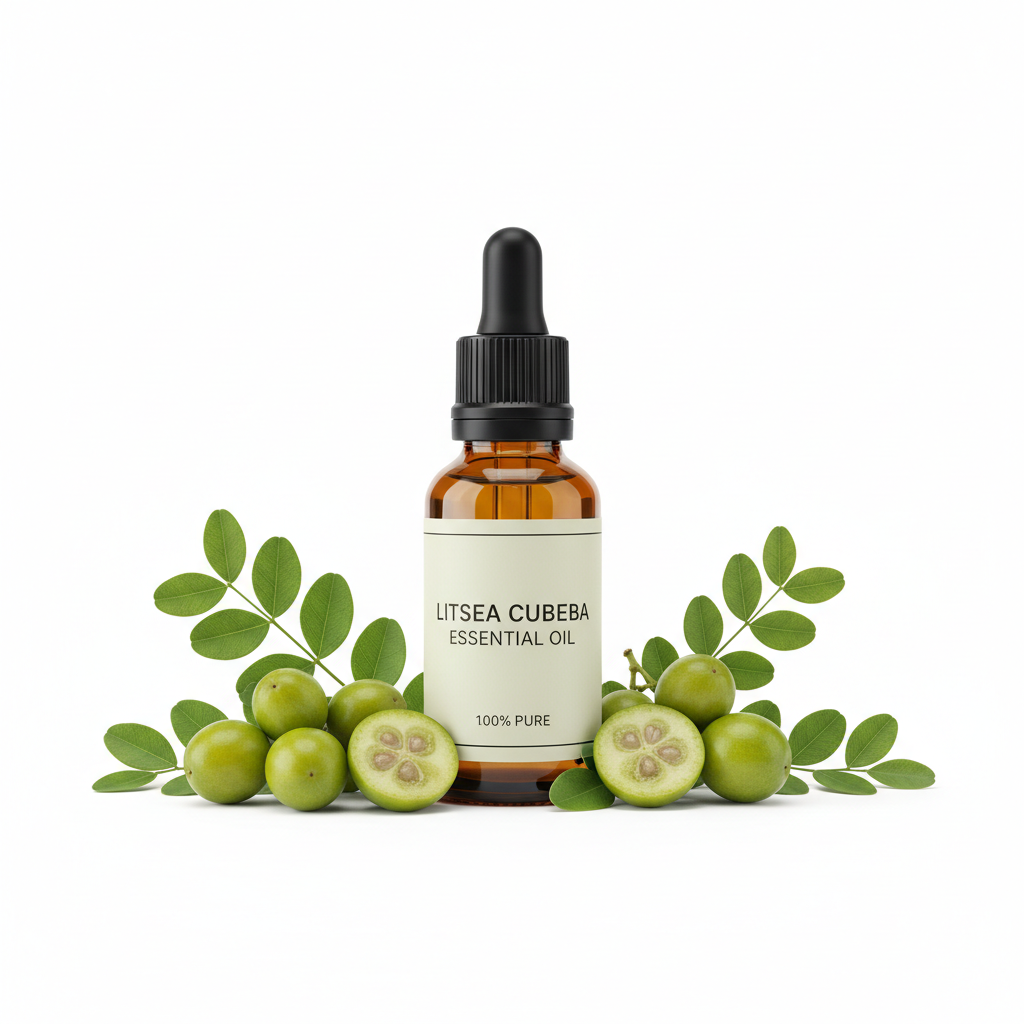
Litsea Cubeba Essential Oil
Litsea cubeba
Plant Source
Fruit
Scent Family
Citrus
"Discover the amazing benefits of Litsea Cubeba Essential Oil, known for its uplifting aroma and therapeutic properties. Enhance wellness today!"
Introduction to Litsea Cubeba Essential Oil
Litsea cubeba essential oil, also known as May Chang oil, is derived from the fruit of the Litsea cubeba tree, which is native to Eastern Asia. This oil is particularly known for its refreshing and uplifting citrus aroma, often reminiscent of lemon, which makes it a popular choice in aromatherapy and personal care products.
Origin and Extraction Method
The extraction of Litsea cubeba essential oil is primarily achieved through the process of steam distillation. This method involves passing steam through the plant material, which extracts the volatile compounds responsible for the oil's characteristic scent and therapeutic properties. The Litsea cubeba tree thrives in the warm, humid climates of countries like China, Taiwan, and Indonesia, where it is cultivated mainly for its fragrant fruit.
Botanical Information
The Litsea cubeba tree belongs to the Lauraceae family, which includes other aromatic plants like bay laurel and cinnamon. It can grow up to 10 meters tall and produces small, yellowish-green flowers, which eventually bear small fruits that contain the essential oil. The oil is commonly used in perfumery, cosmetics, and food flavoring due to its pleasing fragrance and multiple benefits.
Therapeutic Properties and Benefits
Litsea cubeba essential oil is renowned for its diverse therapeutic properties, making it a staple in holistic health practices. Some of its key benefits include:
- Mood Enhancement: The uplifting qualities of Litsea cubeba oil can help elevate mood and combat feelings of stress and anxiety, making it a wonderful addition to meditation and relaxation routines.
- Mental Clarity: Its invigorating scent can enhance focus and cognitive function, ideal for improving productivity during work or study sessions.
- Stress Relief: Known for its calming effects, the oil can reduce tension and promote relaxation, assisting in the management of anxiety and stress-related conditions.
- Emotional Balance: Litsea cubeba plays a role in stabilizing emotions, making it beneficial during times of emotional turmoil or mood swings.
- Confidence Booster: The oil can promote feelings of self-esteem and confidence, helping users feel more empowered in their daily lives.
- Digestive Aid: It may help soothe digestive discomfort, gas, and bloating while improving bowel regularity.
- Skin Health: The antiseptic properties of Litsea cubeba make it effective in supporting skin health, helping to reduce blemishes and promoting a clearer complexion.
- Respiratory Support: With its expectorant properties, the oil may assist in alleviating respiratory issues, including coughs and colds.
- Energizing Properties: As a natural stimulant, Litsea cubeba essential oil combats fatigue and lethargy, providing a burst of energy throughout the day.
- Muscle Relief: Post-exercise, it can ease muscle tension and discomfort, making it a useful addition to muscle rubs and bath products.
Historical and Traditional Uses
Historically, Litsea cubeba has been used in traditional Chinese medicine for centuries. Its reputation as a medicinal plant stems from its wide array of health benefits, primarily focused on emotional and physical wellness. In various cultures, it has been employed for its digestive, respiratory, and skin health properties.
Scientific Research and Studies
Recent scientific studies have explored the phytochemical composition of Litsea cubeba essential oil, confirming its antibacterial and antifungal properties, which contribute to its therapeutic effectiveness. Ongoing research continues to unveil the potential health benefits associated with this versatile oil.
Aroma Profile and Characteristics
The aroma of Litsea cubeba essential oil is bright, sweet, and citrusy, making it a delightful addition to diffusers and personal care products. Its fresh scent can invigorate the atmosphere of any space, creating an uplifting environment that promotes relaxation and clarity.
Common Applications and Methods
Litsea cubeba essential oil can be utilized in various ways, including:
- Aromatherapy: Diffusing the oil in your home or workspace can enhance mood and promote mental clarity.
- Topical Applications: Diluting the oil with a carrier oil allows for safe application on the skin to support skin health and relieve muscle tension.
- Bath Products: Adding a few drops to bathwater can create a relaxing, energizing bath experience.
- Natural Cleaning Products: Its antimicrobial properties make it a great inclusion in homemade cleaning solutions.
Interesting Facts and Trivia
- Litsea cubeba oil is prized in the perfume industry for its unique scent profile, often replacing lemon oil due to its stability and longevity in formulations.
- The Litsea cubeba tree is also referred to as the "wild pepper" tree, highlighting its culinary uses in traditional dishes.
Conclusion
Litsea cubeba essential oil is a versatile and immensely beneficial oil that should have a place in everyone's wellness toolkit. Whether for its uplifting aroma, its various health benefits, or its historical significance, exploring the uses of this essential oil can lead to a more balanced and happy life.
Ask AI About Litsea Cubeba Essential Oil
Get instant answers about this essential oil
Benefits & Uses
- Mood Boosting: Promotes feelings of happiness and well-being, ideal for combating stress.
- Mental Clarity: Enhances focus and mental agility, making it suitable during work or study.
- Stress Relief: Reduces tension and promotes relaxation, helping to manage anxiety.
- Emotional Balance: Helps stabilize emotions, making it useful during mood swings.
- Confidence Booster: Aids in improving self-esteem and confidence.
- Improves Digestion: Can soothe digestive discomfort and improve bowel regularity.
- Skin Rejuvenation: Supports skin health and can help reduce the appearance of blemishes.
- Respiratory Support: May assist in relieving respiratory issues due to its expectorant properties.
- Energizing: Acts as a natural energizer, combating fatigue and lethargy.
- Supports Muscle Health: Eases muscle tension and discomfort after physical activity.
- Acne Treatment: Can be diluted in a carrier oil for topical application to help reduce acne.
- Skin Toning: Used in blends to tone the skin, enhancing its appearance and texture.
- Anti-aging: Incorporates into skincare routines to help diminish the signs of aging.
- Moisturizing: Adds to creams and lotions to enhance hydration and elasticity of the skin.
- Natural Cleaner: Added to cleaning solutions for its antibacterial properties.
- Air Freshener: Diffused to refresh and uplift the atmosphere within any room.
- Insect Repellent: Used in sprays to repel insects naturally.
- Mood Setting: Diffused in therapy sessions or yoga practices to enhance relaxation.
How to Use
Diffuser
For a small room, use 3-5 drops; for a medium room, use 5-8 drops; for a large room, use 8-12 drops. Optimal duration is 30-60 minutes per session, 2-3 times daily. Morning usage is ideal for an energizing effect.
Topical
Dilution guidelines: Adults: 2-3%; Children: 0.5-1%; Elderly: 1-2%. Common carrier oils: jojoba, sweet almond, coconut. Apply to pulse points using gentle massage techniques. Allow 30 minutes for absorption before dressing.
Inhalation
For direct inhalation, apply 1-2 drops onto a tissue or inhale from cupped hands. For steam inhalation, add 2-3 drops in hot water and inhale the steam for 5-10 minutes. Personal inhalers can be prepared for convenience.
Safety & Precautions
Patch test before use to check for skin sensitivity. Avoid sun exposure for 12 hours after topical use due to possible photosensitivity. Pregnant or nursing women should consult a healthcare provider before use. Store in a cool, dark place, and use within 2-3 years for best results.
Who should avoid:
- Individuals with a known citrus allergy.
- Pregnant women, particularly in the first trimester.
- Those with severe skin sensitivities or conditions.
Recommended Products

Understanding the aromatic layers of Litsea Cubeba Essential Oil
Top Notes
Heart Notes
Base Notes
Scent Evolution
Top Notes: First impression, evaporate quickly (15-30 min)
Heart Notes: Main character, last 2-4 hours
Base Notes: Lasting foundation, linger for hours
Complementary essential oils that pair beautifully with Litsea Cubeba Essential Oil
Allspice Essential Oil
Pimenta dioica
✓complementary therapeutic properties
Ammi Visnaga Essential Oil
Ammi visnaga
✓traditional pairing in aromatherapy
Amyris Essential Oil
Amyris balsamifera
✓traditional pairing in aromatherapy
Angelica Essential Oil
Angelica archangelica
✓enhanced aromatherapy benefits
Angelica Root Essential Oil
Angelica archangelica
✓complementary therapeutic properties
Anise Essential Oil
Pimpinella anisum
✓complementary therapeutic properties
Blending Tips
- • Start with 2-3 oils for simple blends
- • Use 3-5 drops total per 10ml carrier oil
- • Let blends sit for 24-48 hours to marry
- • Test on a small skin area first
Calculating for: Litsea Cubeba Essential Oil
Recommended: 2% | Max safe: 5%
29.57 ml
Your Recipe
0.59 ml
28.98 ml
💡 Dilution Tips
- • Always do a patch test before full application
- • Children and elderly need lower dilutions (1-2%)
- • Facial products should be gentle (0.5-1%)
- • 1 drop ≈ 0.05 ml (20 drops per ml)
- • Common carrier oils: fractionated coconut, jojoba, sweet almond
Related Recipes

DIY Acne Calming Gel Spot Treatment Recipe for Clear Skin
Explore our DIY acne calming gel spot treatment recipe to soothe inflammation and fight breakouts using natural ingredients for healthier skin.
DIY Essential Oil Equipment Cleaner Recipe for Pristine Tools
This DIY essential oil equipment cleaner recipe ensures tools are residue-free, enhancing the quality of your blends while being eco-friendly and effective.

DIY Essential Oil Foaming Hand Soap Recipe
Craft your own moisturizing foaming hand soap using essential oils! This DIY recipe combines natural ingredients for clean, soft hands. Perfect for home use!

DIY Essential Oil Inhaler Recipe for Focus
Boost your mental clarity and energy with this DIY essential oil inhaler recipe! Learn how to craft your invigorating inhalers at home easily.
DIY Sal Suds All-Purpose Cleaner Recipe
Discover how to make an all-purpose cleaner spray using essential oils. Our easy recipe with Sal Suds is perfect for tackling dirt and grime effectively.

Lavender Essential Oil Body Wash Recipe
Discover the perfect Sandalwood essential oil body wash recipe that promotes relaxation, relieves stress, and moisturizes your skin with natural ingredients.
Related Oils
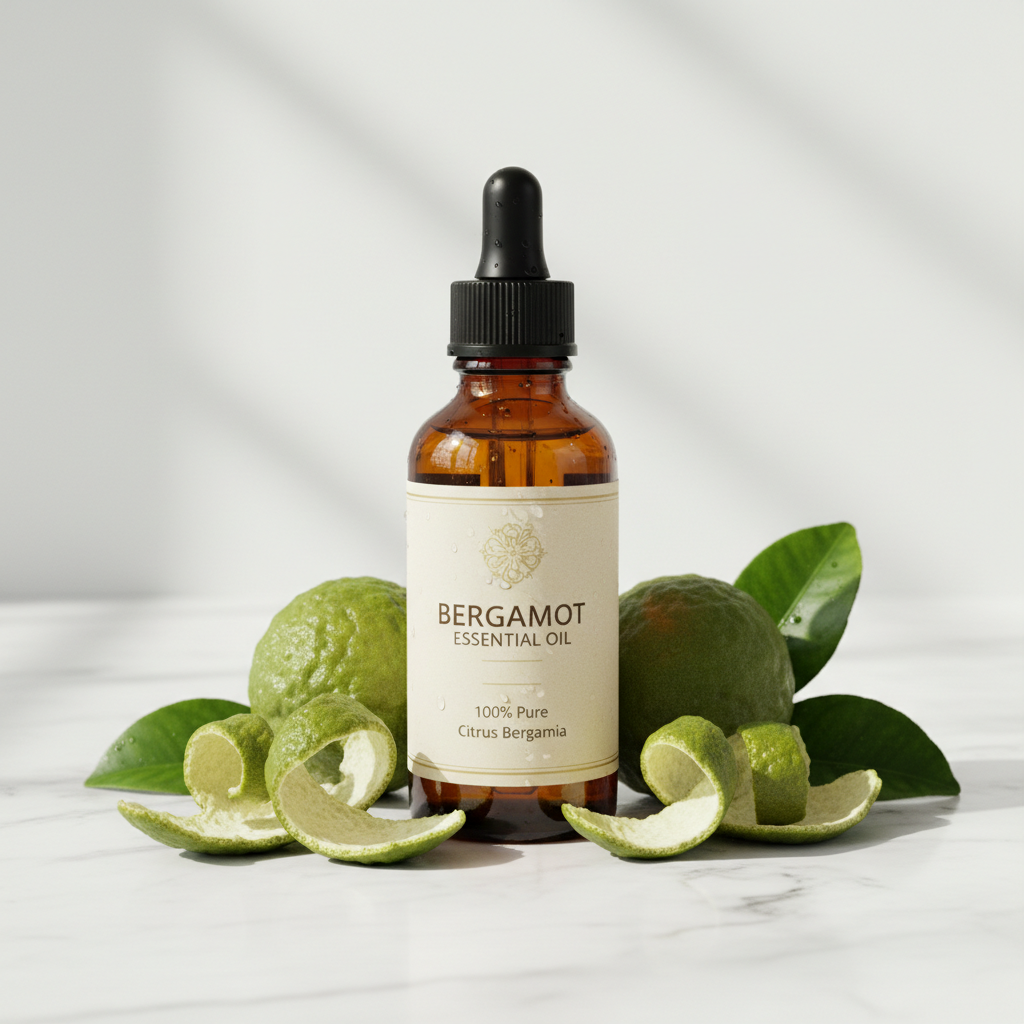
Bergamot Essential Oil
Citrus bergamia
### Introduction to Bergamot Essential Oil Bergamot essential oil is extracted from the peel of the Citrus bergamia fruit, a small citrus fruit primarily grown in the Mediterranean region, particularly in Calabria, Italy. Known for its bright, uplifting, and soothing scent, this essential oil has garnered a reputation beyond just aromatherapy; it's widely utilized in the perfume industry and wellness practices alike. ### Origin and Extraction Method The extraction of bergamot essential oil is primarily performed through cold pressing, a method that involves mechanically pressing the fruit peel without heat. This process preserves the oil's vibrant and fresh aroma along with its therapeutic characteristics. The cold-pressed technique allows for a pure and potent oil that retains the natural qualities of the bergamot fruit. ### Botanical Information Botanically, bergamot belongs to the Rutaceae family and is classified as Citrus bergamia. The plant typically grows to about 3 to 4 meters tall and features glossy green leaves and fragrant white or pale yellow flowers. The fruit itself resembles a lime or small orange, and its unique scent profile is a blend of citrusy and floral notes. ### Therapeutic Properties and Benefits Bergamot essential oil is celebrated for an array of therapeutic properties, including: - **Mood Enhancement:** One of the primary benefits of bergamot essential oil is its ability to uplift and enhance mood. When diffused or applied topically, it is known for creating a sense of calm and well-being, particularly valuable for those experiencing anxiety or stress. - **Stress Relief:** The soothing scent of bergamot is often used in aromatherapy practices to alleviate stress and promote relaxation. It helps reduce cortisol levels, making it an excellent addition to any stress-relief routine. - **Emotional Balance:** Bergamot supports emotional health, assisting with feelings of grief or sadness. It fosters a sense of emotional stability, making it beneficial for individuals experiencing mood swings or emotional turmoil. - **Facilitates Meditation:** Incorporating bergamot into meditation or yoga practices enhances the overall mindfulness experience. Its calming aroma can create a serene environment conducive to deeper relaxation and focus. ### Historical and Traditional Uses Historically, bergamot has been used in various traditional practices, particularly in Italian folk medicine. The oil was often employed to help with digestive issues, reduce fever, and as a remedy for skin ailments. Additionally, it is famously used to flavor Earl Grey tea, imparting its unique taste and aroma to this popular beverage. ### Scientific Facts and Research Research supports the many benefits of bergamot essential oil. Studies indicate that bergamot can reduce anxiety and stress levels, with some focusing on its ability to lower heart rate and blood pressure. Its antibacterial and antifungal properties have also been recognized, making it useful in skincare regimens and for overall skin health. ### Aroma Profile and Characteristics The aroma of bergamot essential oil is often described as fresh, citrusy, and slightly floral. This inviting scent profile makes it a popular choice for perfumers and aromatherapists alike. Its versatility allows it to blend beautifully with other essential oils, such as lavender, cedarwood, and geranium, enhancing their collective aroma and benefits. ### Common Applications and Methods Bergamot essential oil is versatile and can be used in numerous applications: - **Aromatherapy:** Diffuse in an essential oil diffuser or inhale directly from the bottle for an instant mood boost. - **Topical Application:** Dilute with carrier oils and apply to pulse points or problematic skin areas for therapeutic effects. - **Baths:** Add a few drops to a warm bath for a calming soak that relieves stress and promotes relaxation. - **DIY Products:** Use in homemade lotions, creams, or candles to enjoy its delightful scent while reaping its benefits. ### Interesting Facts and Trivia - Bergamot essential oil is prized for its use in creating perfumes, with its scent being a key ingredient in the iconic Eau de Cologne. - The oil is often used in culinary dishes as well, especially in desserts, to add a unique citrus flavor. - Bergamot trees can produce fruit for over 50 years, making them a sustainable source of essential oil. ### Conclusion With its enchanting aroma and array of therapeutic benefits, bergamot essential oil proves to be a valuable addition to any essential oil collection. Whether you're seeking mood enhancement, emotional support, or simply wish to enjoy its delightful scent, bergamot offers a rich history and robust health benefits that make it a must-try essential oil.
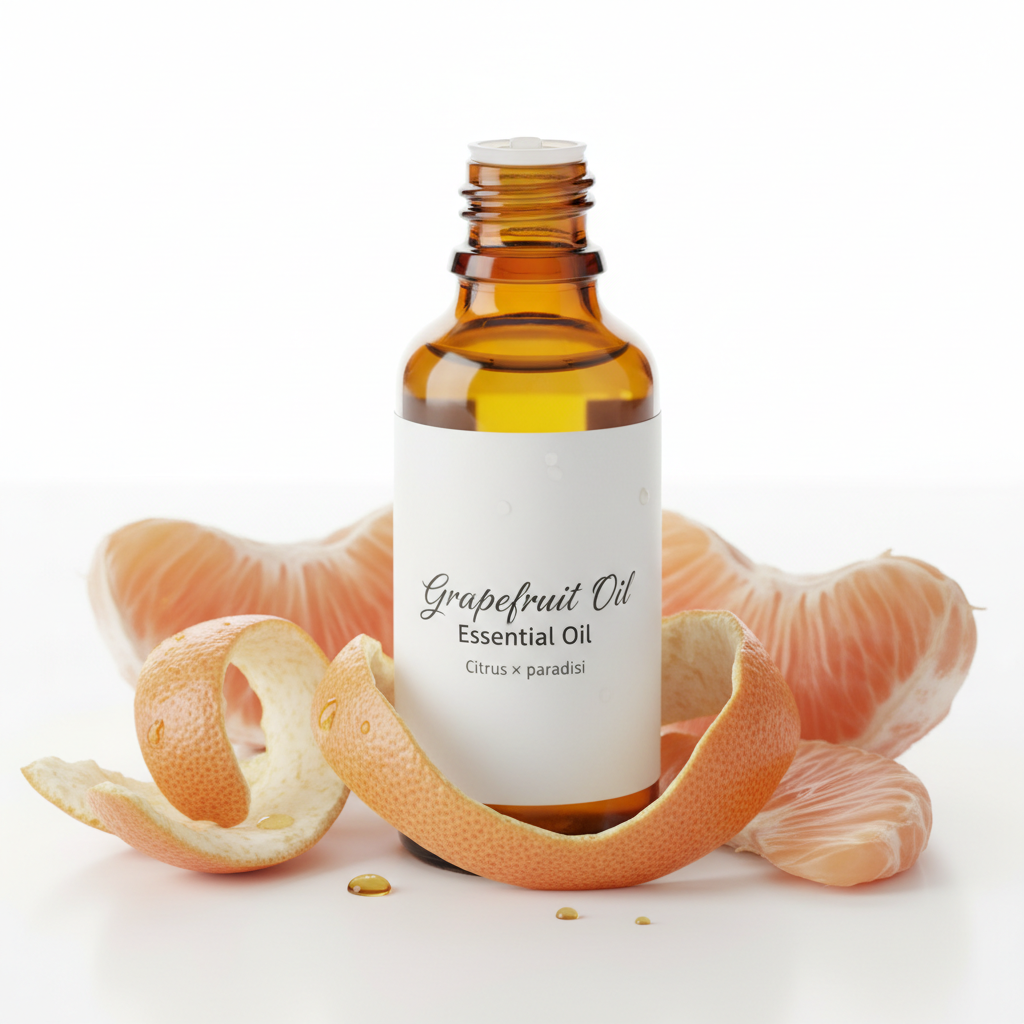
Grapefruit Essential Oil
Citrus × paradisi
Grapefruit essential oil, derived from the peel of the grapefruit fruit (Citrus × paradisi), is celebrated for its refreshing, zesty aroma and multitude of therapeutic benefits. This essential oil is extracted using a cold pressing method, which preserves the vibrant qualities and integrity of the oil. The grapefruit tree is native to the Caribbean but has spread in cultivation throughout subtropical regions worldwide, including parts of the United States, Mediterranean regions, and South America. ### Botanical Information Grapefruit (Citrus × paradisi) is a hybrid fruit that originated from the cross-pollination of the sweet orange (Citrus sinensis) and the pomelo (Citrus maxima). The botanical composition includes various compounds primarily limonene, which accounts for its delightful scent and many of its effects. Grapefruit essential oil is a bright pale yellow to a nearly clear liquid that possesses a fresh, tangy fragrance that can energize and uplift those who experience it. ### Therapeutic Properties and Benefits Grapefruit essential oil is renowned for its wide array of therapeutic properties: - **Uplifting Mood:** The oil is known to have a positive effect on emotional well-being, often helping to reduce feelings of depression and anxiety, thanks to its invigorating aroma. - **Energy Booster:** Many use grapefruit essential oil to enhance physical energy, making it a preferred choice to include in morning routines or during a mid-afternoon slump. - **Mental Clarity:** Its stimulating aroma improves focus and cognitive function, making it beneficial during studies or work sessions. - **Circulation Support:** Grapefruit oil encourages better blood circulation, contributing to a healthy, vibrant body and can help alleviate fatigue. - **Weight Management Aid:** Often found in massage blends, many people believe that grapefruit essential oil can support efforts to manage weight and reduce the appearance of cellulite. ### Historical and Traditional Uses Historically, grapefruit was first documented in the 18th century. Indigenous Caribbean populations utilized the fruit for various purposes, including as a food source and for its health benefits. Over time, grapefruit essential oil began to gain recognition in the realms of aromatherapy and natural medicine, becoming a staple in tension-relieving massage blends and refreshingly scented home products. ### Scientific Facts and Research Research studies have indicated that grapefruit essential oil may offer several health benefits due to its active constituents. For instance, a study published in the *Journal of Clinical Psychiatry* discovered that the aroma of grapefruit essential oil could positively affect mood and reduce stress by enhancing serotonin levels in the brain. ### Aroma Profile and Characteristics The aroma of grapefruit essential oil is fresh, bright, and juicy, characterized by its tangy, citrus notes. Many describe it as a revitalizing scent that evokes a sense of joy and cleanliness. Its light and refreshing scent make it a popular choice for diffusers, personal care products, and candles. ### Common Applications and Methods Grapefruit essential oil can be used in various ways: - **Aromatherapy:** Perfect for diffusing to enhance mood, boost energy, and improve mental clarity. - **Topical Applications:** Often blended with carrier oils for massage to aid in weight management and enhance skin appearance. For skin use, perform a patch test to ensure no allergic reactions occur. - **Household Products:** Due to its natural antibacterial properties, it’s often included in cleaner formulations, promoting not only cleanliness but also a citrusy aroma. ### Interesting Facts and Trivia - Grapefruit is technically a "forbidden fruit" due to the way it was cultivated by crossing two citrus species. - The name "grapefruit" is derived from the way the fruits grow in clusters on the tree, resembling grapes. - Grapefruit essential oil is often utilized in natural perfumes due to its fresh scent, paired well with other citrus and floral oils. In conclusion, grapefruit essential oil is more than just a delightful fragrance; it is a versatile oil with numerous benefits and applications, rooted deeply in history, science, and holistic wellness. Whether you are looking to enhance your mood or explore its many uses, grapefruit essential oil remains an excellent addition to any essential oil collection.
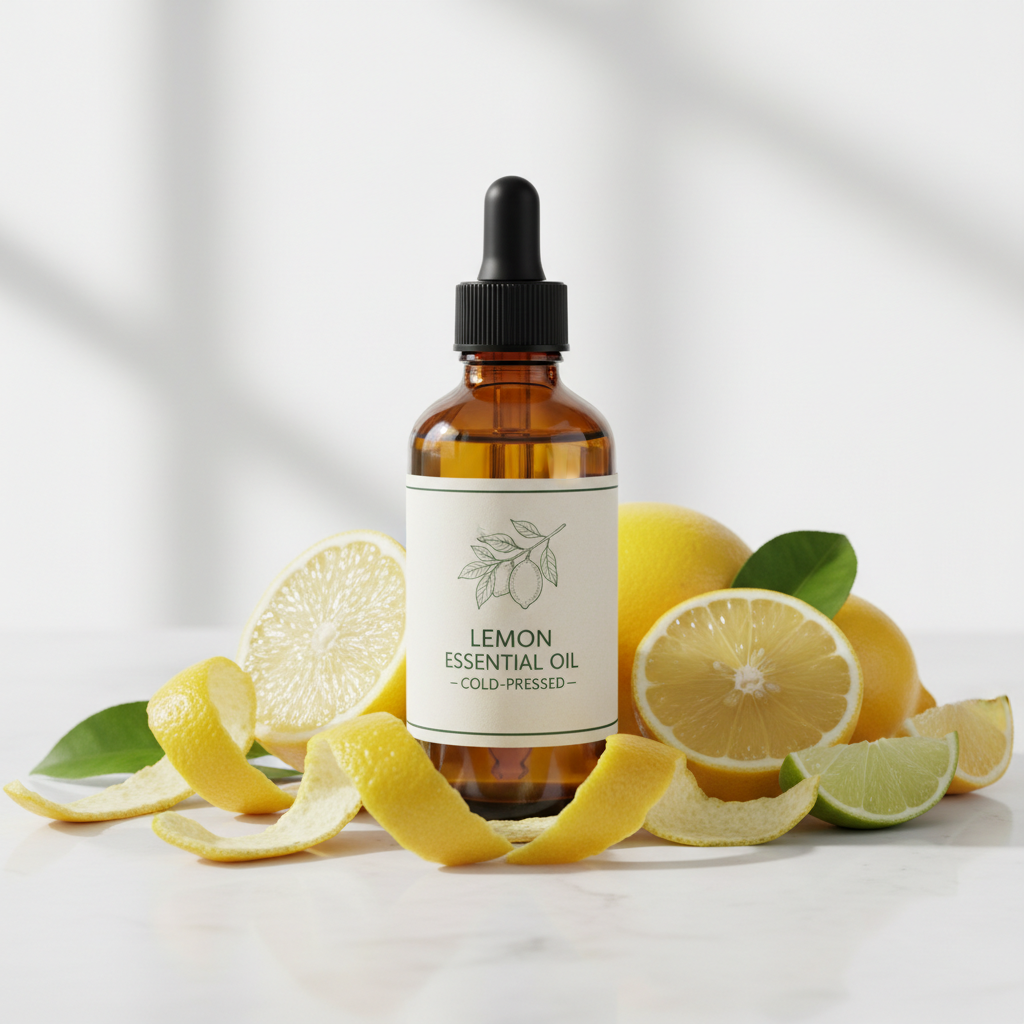
Lemon Essential Oil
Citrus limon
Lemon Essential Oil, derived from the peel of the Citrus limon tree, is celebrated for its bright and invigorating scent. This essential oil is extracted through a cold-press method, which preserves the oil's potency and vibrant aroma. Known for its wide array of therapeutic properties, Lemon Essential Oil is a staple in aromatherapy and wellness practices. ### Origin and Extraction Lemon trees are thought to have originated in Southeast Asia, particularly in regions such as India and China. Today, they are cultivated in various countries, including Italy, Spain, and the United States. The essential oil is extracted from the fruit’s outer peels through a process called cold-pressing. This technique involves mechanically pressing the lemon peels to release the oil without using any heat, ensuring that the natural properties of the oil are retained. ### Botanical Information Citrus limon, the botanical name for lemon, belongs to the Rutaceae family. The lemon tree can grow up to 6-20 feet tall and thrives in citrus-friendly climates. Its glossy leaves and fragrant flowers contribute to its popularity not just for its fruit but also for its essential oil. ### Therapeutic Properties and Benefits Lemon Essential Oil is renowned for its numerous therapeutic benefits. Its invigorating aroma can uplift mood and promote feelings of positivity and energy. Research has shown that Lemon Oil may reduce feelings of stress and anxiety, making it a great addition to your daily routine. Additionally, it supports the immune system, aids in digestion, and exhibits antibacterial and antiviral properties. ### Historical and Traditional Uses Historically, lemons have been utilized since ancient Rome and Egypt, both for culinary and medicinal purposes. The essential oil has been used in traditional medicine for its various health benefits, including its capacity to alleviate respiratory issues and improve overall vitality. In folk medicine, lemon oil was often used to purify and detoxify, believed to cleanse the body of harmful toxins. ### Scientific Facts and Research Studies have indicated the efficacy of Lemon Essential Oil in improving mood and cognitive function. A study published in the Journal of Essential Oil Research highlighted its anti-stress properties, while others have noted its potential for enhancing the immune response. This research supports the traditional claim of lemon as a health-promoting fruit. ### Aroma Profile and Characteristics Lemon Essential Oil has a sharp, zesty scent that is both fresh and invigorating. Its aroma is often described as uplifting and is used in many fragrances and cleaning products, reflecting its versatile application. The top notes of Lemon Oil are bright and citrusy, making it a highly sought-after fragrance in aromatherapy. ### Common Applications and Methods Lemon Essential Oil is incredibly versatile and can be used in a variety of ways. In aromatherapy, it can be diffused to enhance mood and stimulate the senses. For topical application, it should always be diluted with a carrier oil to prevent skin irritation. Lemon Oil can also be added to water or beverages for a refreshing drink, providing internal benefits and enhancing taste. ### Interesting Facts and Trivia - Lemon Essential Oil is often referred to as the ‘Oil of Purity’ due to its cleansing properties. - It is known for its ability to naturally deodorize and purify the air. - In cosmetics, lemon oil is a popular ingredient for its astringent properties, often included in face washes and toners. - Due to its phototoxic nature, it is important to avoid direct sunlight after applying lemon oil to the skin. In conclusion, Lemon Essential Oil is a dynamic and beneficial addition to any wellness routine. Its unique properties and delightful scent make it an excellent choice for enhancing both physical and emotional well-being. Whether you use it for cleaning, cooking, or relaxation, lemon oil offers a multitude of benefits that can enrich your daily life.