Search
Found 21 results for "Frankincense"
Essential Oils
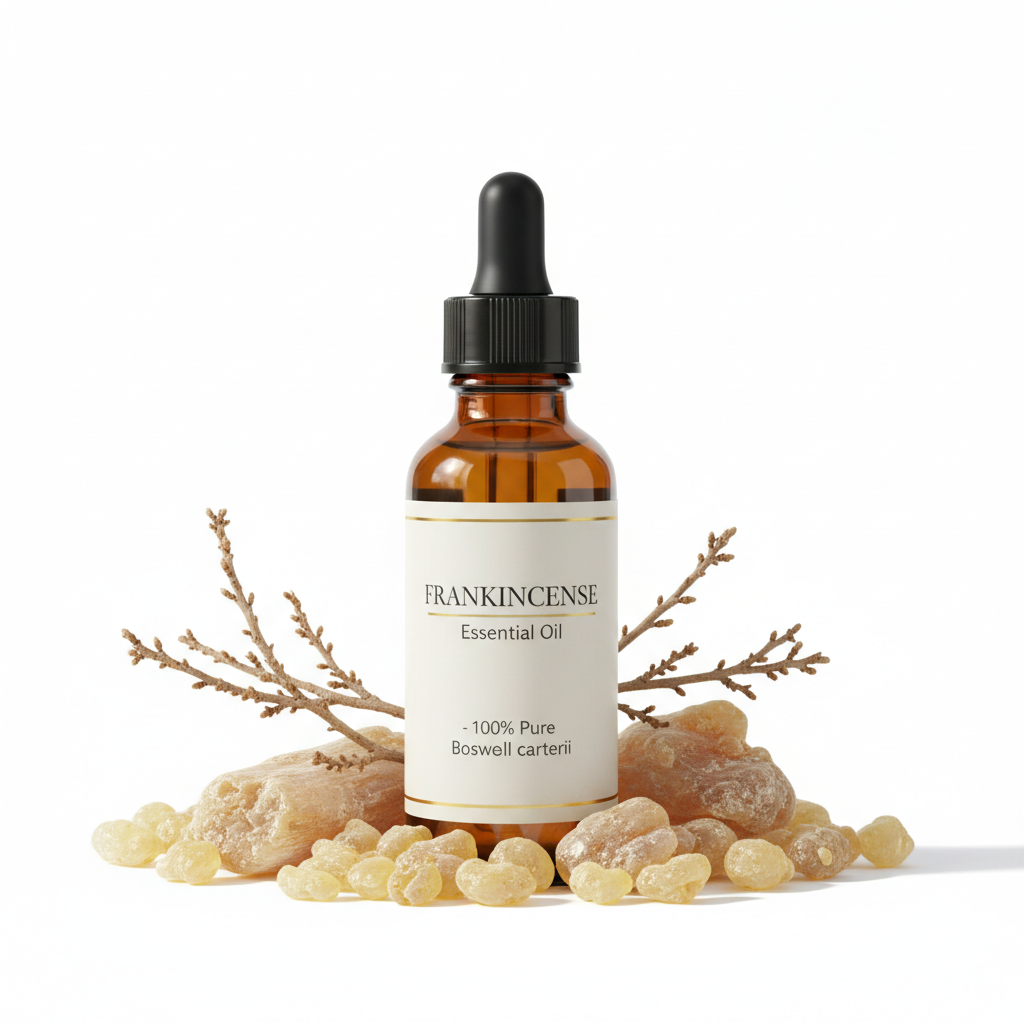
Frankincense Essential Oil
Boswellia carterii
**Frankincense Essential Oil: Origins, Benefits and Applications** Frankincense essential oil is derived from the resin of the Boswellia tree, primarily Boswellia serrata, which is native to the arid regions of Africa and the Arabian Peninsula. The extraction method typically involves steam distillation of the resin, capturing the rich, aromatic compounds that have been utilized by various cultures for thousands of years. ### **Botanical Information** The Boswellia tree is recognizable for its gnarled branches and waxy green leaves. Frankincense resin is harvested by making incisions in the tree’s bark, allowing the sap to ooze out and harden into tear-shaped lumps. This resin is then collected and subjected to distillation to produce the essential oil, known for its deep, woody, and slightly spicy aroma. ### **Therapeutic Properties and Benefits** Frankincense essential oil boasts a range of therapeutic properties that have made it a staple in traditional medicine. It is renowned for its: - **Anti-inflammatory effects**: Helps reduce inflammation and promote joint health. - **Calming properties**: Often used in aromatherapy to alleviate stress and anxiety, promoting a sense of peace. - **Immune support**: Research suggests frankincense may enhance the immune system by fighting off viruses and bacteria. - **Cellular health**: It has been linked to healthy cell regeneration and may support overall skin health, especially in reducing the appearance of scars and blemishes. ### **Historical and Traditional Uses** Historically, frankincense has been revered in many cultures. In ancient Egypt, it was used in the embalming process and as a sacred incense in religious rituals. The Three Wise Men famously brought it as a gift to the newborn Jesus, highlighting its value and significance. It has been used in traditional Chinese and Ayurvedic medicine for centuries, showcasing its global importance as a healing oil. ### **Scientific Facts and Research** Recent studies have delved into the science behind frankincense essential oil. One notable study published in "The Journal of Alternative and Complementary Medicine" found that frankincense oil may possess anti-cancer properties, particularly against certain types of tumors. Additionally, research indicates that the oil's active compounds, such as boswellic acids, may play a crucial role in reducing inflammation and pain, making it a potent ally in holistic health. ### **Aroma Profile and Characteristics** The aroma of frankincense essential oil is both grounding and uplifting. It’s often described as warm, spicy, and slightly sweet. This complex scent profile makes it an excellent choice for meditation and introspection, as it helps create an atmosphere of tranquility. ### **Common Applications and Methods** Frankincense essential oil can be used in various ways: - **Aromatherapy**: Diffuse the oil in your living space or add a few drops to a warm bath to unwind. - **Topical application**: Dilute with a carrier oil and apply directly to the skin to promote cellular health and rejuvenation. - **Massage**: Incorporate into your massage oil for an added relaxing effect. - **Skincare**: Use in lotions or creams to enhance skin appearance and support healing of blemishes. ### **Interesting Facts and Trivia** - Frankincense is often referred to as olibanum, derived from the Arabic term “al-lubān” meaning “that which produces milk,” referring to its milky white sap. - It takes approximately 10 years for a Boswellia tree to produce resin that is suitable for harvesting. - Frankincense essential oil can also be used in household cleaners due to its antibacterial properties, making it not only a fragrant addition to your home but also a beneficial one. ### **Conclusion** Frankincense essential oil is much more than just a fragrant oil; its rich heritage, combined with its extensive health benefits, lends it a significant place in both historical and modern wellness practices. By understanding its origins, uses, and benefits, you can seamlessly integrate frankincense essential oil into your daily routine, harnessing its powerful properties in a holistic manner.
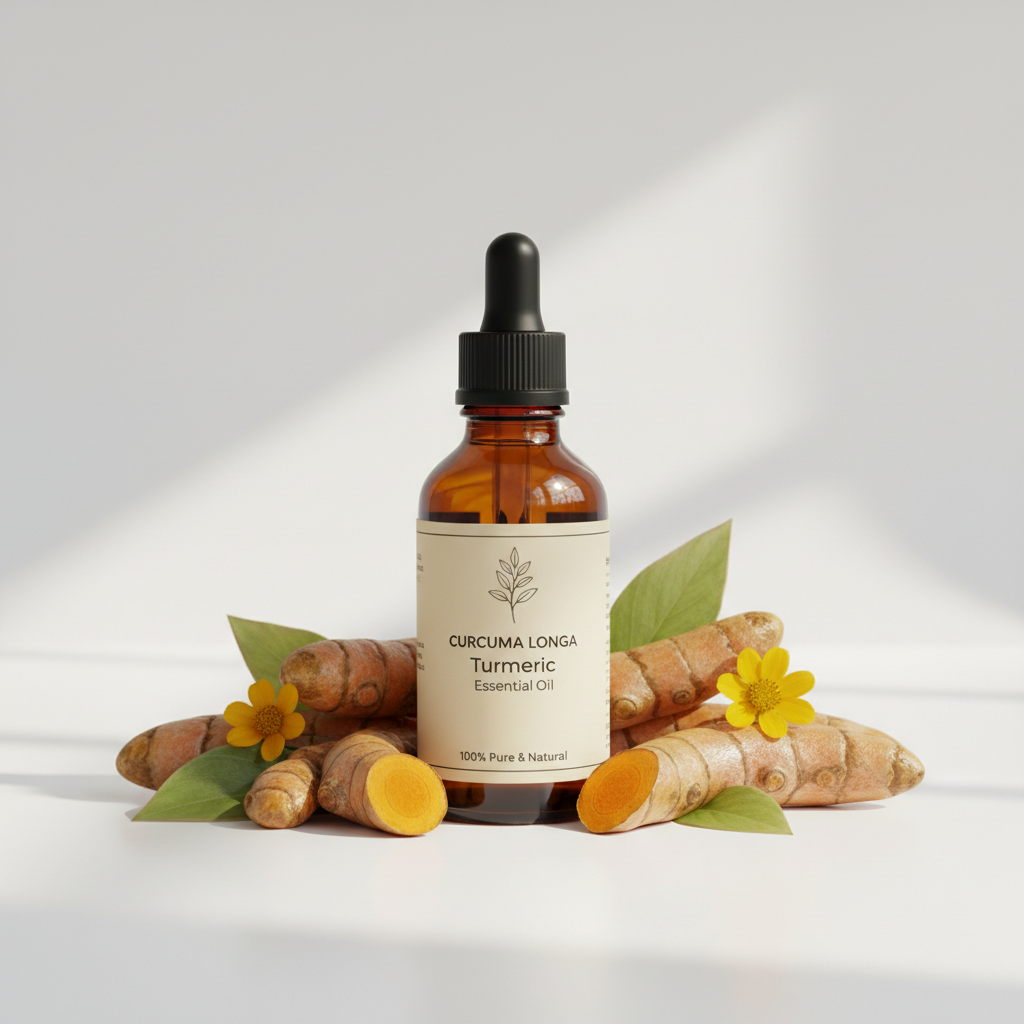
Turmeric Essential Oil
Curcuma longa
Turmeric essential oil, extracted from the rhizomes of the Curcuma longa plant, has gained immense popularity in recent years, not just for its vibrant yellow color, but for its myriad of therapeutic benefits. This aromatic oil is predominantly obtained through steam distillation, a method that preserves its potential health properties while enhancing its fragrance. ### Botanical Information The Curcuma longa plant, native to tropical South Asia, particularly India, has a long history of use in traditional medicine systems. Turmeric is a perennial herb with a bright yellow-orange rhizome, which is the root from which the essential oil is extracted. Turmeric's active component, curcumin, is celebrated for its anti-inflammatory and antioxidant properties, making it a key player in various health and wellness applications. ### Therapeutic Properties and Benefits Turmeric essential oil is touted for its numerous health benefits, including: - **Anti-inflammatory:** The oil is well-known for relieving inflammation, making it beneficial for conditions like arthritis and muscle soreness. - **Antioxidant:** Its powerful antioxidants help combat free radicals, reducing oxidative stress and promoting overall health. - **Mood Enhancer:** The uplifting aroma positively influences mood, aiding in alleviating feelings of sadness or anxiety. - **Stress Relief:** It has a soothing effect, promoting calmness and reducing anxiety levels, making it a popular choice for aromatherapy. - **Mental Clarity:** Many users find that turmeric oil helps support focus and cognitive function, particularly during high-stress tasks. - **Grounding Properties:** This oil is said to provide emotional stability, creating a tranquil mental environment conducive to self-acceptance and emotional balancing. - **Circulation Booster:** The oil's properties may enhance blood circulation, promoting vitality and energy. - **Digestive Support:** By easing discomfort and bloating, turmeric essential oil supports healthy digestion processes. - **Skin Health:** It has antiseptic qualities and can assist in healing minor cuts, irritations, and other skin issues. ### Historical and Traditional Uses In Ayurveda, turmeric has been revered for centuries not only as a spice but as a healing herb. Traditionally, it has been used to treat a variety of ailments, from skin conditions to digestive disorders. In many cultures, turmeric is incorporated into rituals and traditional practices, reflecting its significance in heritage and health. ### Scientific Research Scientific studies have explored the myriad benefits of turmeric essential oil, particularly focusing on its active components. Research has validated some of its traditional uses, demonstrating its anti-inflammatory and antioxidant capabilities. This aligns with many modern trends that advocate for natural remedies in health and wellness regimens. ### Aroma Profile and Characteristics The aroma of turmeric essential oil is warm, spicy, and slightly woody, making it an excellent addition to diffusers and blends in aromatherapy. Its distinct fragrance is not only uplifting but can also stimulate the senses, enhancing focus and mental clarity during meditation or yoga. ### Common Applications and Methods Turmeric essential oil can be utilized in various ways: - **Aromatherapy:** Add a few drops to a diffuser to enjoy its calming aroma. - **Massage:** Dilute with a carrier oil for topical applications to relieve muscle aches and promote relaxation. - **Skincare:** Incorporate into skin care products for its healing properties, or mix with a carrier oil for direct skin application. - **Wellness Blends:** Combine with other essential oils like lavender or frankincense for enhanced therapeutic effects. ### Interesting Facts and Trivia - Turmeric is often referred to as "the golden spice of life" due to its vibrant hue and vast medicinal properties. - The use of turmeric dates back over 4,000 years, showcasing its long-standing presence in various cultures. - Its pigment has been used as a dye in fabrics, demonstrating its versatility beyond just flavor and health benefits. In conclusion, turmeric essential oil stands out with its rich aromas and diverse health benefits. As a central component in both traditional medicine and contemporary holistic practices, it offers an array of possibilities for enhancing physical wellness and emotional well-being. Whether you're looking to boost your mood, promote skin health or simply enjoy its fragrant presence, turmeric essential oil is a valuable addition to any essential oil collection.
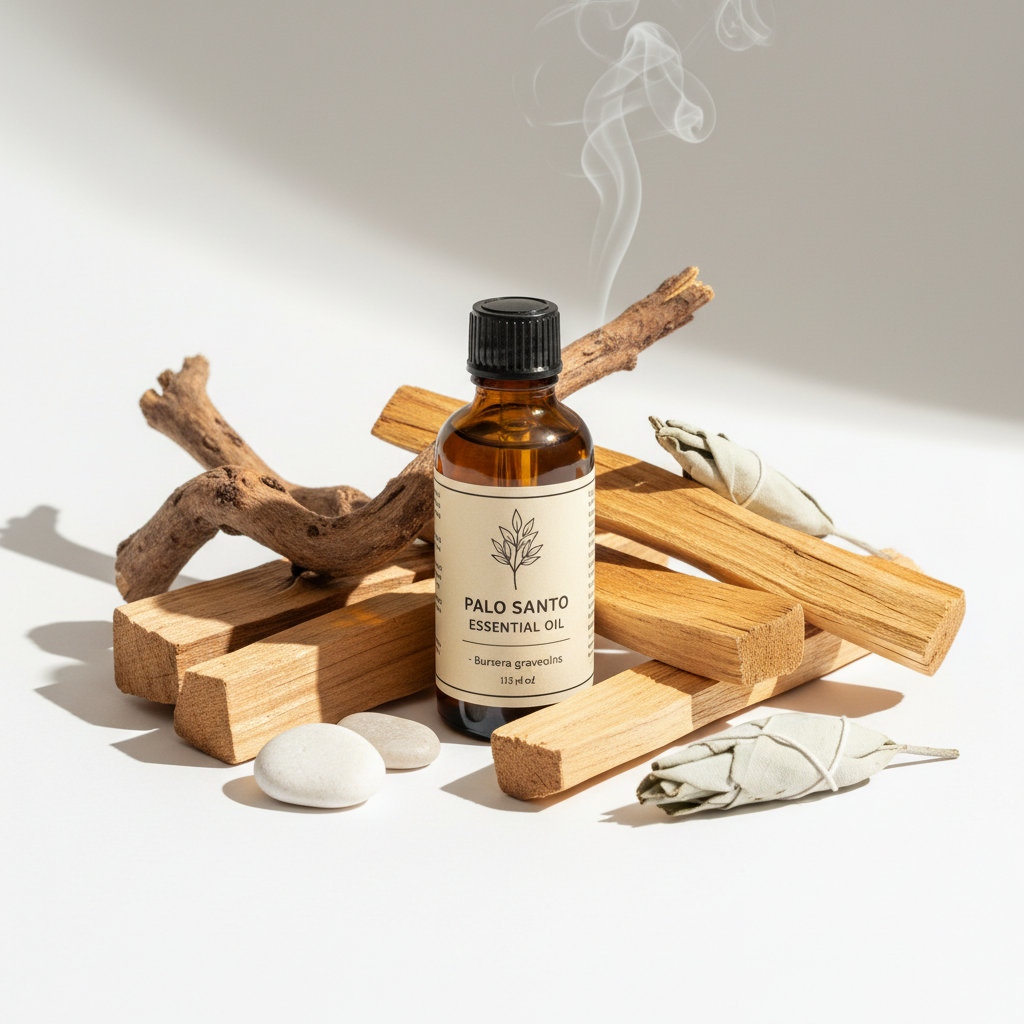
Palo Santo Essential Oil
Bursera graveolens
**Palo Santo Essential Oil: Comprehensive Guide to Benefits and Uses** Palo Santo essential oil is extracted from the wood of the Bursera graveolens tree, a tree native to the coastal regions of South America. Revered for centuries by indigenous cultures, Palo Santo, which translates to "holy wood" in Spanish, has a rich history intertwined with spirituality, healing, and tradition. ### **Origin and Extraction Method** The Bursera graveolens tree grows in dry tropical forests and is known for its sweet, woody scent. The essential oil is extracted through a careful steam distillation process, which preserves its potent properties and aromatic qualities. This method not only ensures the purity of the oil but also respects the ecological balance of its source, as the tree is allowed to grow and thrive in its natural habitat. ### **Botanical Information** Belonging to the Burseraceae family, Palo Santo is a small tree that can reach up to 20 feet tall. Its oil contains numerous beneficial compounds such as limonene, terpineol, and alpha-terpineol, each contributing to its therapeutic effects and pleasant aroma. The trees typically must die naturally and age for several years before the oil can be sustainably harvested. This practice underscores the sacred nature of Palo Santo and its environmental significance. ### **Therapeutic Properties and Benefits** Palo Santo essential oil is celebrated for its multitude of therapeutic properties, making it a valuable addition to holistic health practices. Key benefits include: - **Calming and Grounding**: The distinct aroma helps to reduce stress and anxiety, promoting a calm and balanced state of mind. - **Emotional Support**: Known to enhance emotional resilience, Palo Santo assists in dispelling negativity, encouraging positive thoughts and feelings. - **Spiritual Practices**: Traditionally used in rituals and meditation, it aids in maintaining focus, enhancing mindfulness, and connecting users to nature's energies. - **Antimicrobial Effects**: Its antimicrobial and antifungal properties make it useful for supporting immune function, warding off illness, and promoting respiratory health. - **Natural Insect Repellent**: The oil serves as a natural deterrent against insects, protecting users during outdoor activities. - **Muscle Relaxation**: When diluted and applied topically, it may provide relief from muscle tension and aches. - **Promoting Sleep**: Its calming effects can help to improve sleep quality by fostering relaxation before bedtime. ### **Historical and Traditional Uses** Throughout history, Palo Santo has played a significant role in various rituals and practices among South American communities. Shamans often used the wood and oil in cleansing ceremonies, believing it could purify negative energy and invoke healing. Today, its use has expanded globally, with people embracing its calming and grounding properties in various wellness routines. ### **Scientific Facts and Research** Numerous studies have been conducted on the properties of Palo Santo essential oil, revealing its active compounds as potential tools for enhancing emotional well-being and mental clarity. For example, preliminary research supports its use in alleviating symptoms of stress and anxiety, making it an ideal choice for aromatherapy and holistic health applications. ### **Aroma Profile and Characteristics** The aroma of Palo Santo essential oil is warm, woody, and slightly sweet, characterized by rich notes that evoke a sense of peace and tranquility. Its uniqueness makes it a fantastic base note in various blends, harmonizing well with other essential oils such as lavender, eucalyptus, and frankincense. ### **Common Applications and Methods** Palo Santo essential oil can be used in various ways: - **Diffusion**: Add a few drops to a diffuser to create a calming atmosphere in your home or workspace. - **Topical Use**: Dilute with a carrier oil for topical applications, especially on sore muscles or during meditation. - **Inhalation**: Inhale directly from the bottle or add to a handkerchief for instant stress relief. - **Bathing**: Incorporate a few drops into bathwater for a soothing and relaxing experience. ### **Interesting Facts and Trivia** - Palo Santo trees are considered sacred by many cultures and are often planted as part of spiritual practices. - The sustainable harvesting practices for Palo Santo help replenish the ecosystem and are critical in environmental conservation efforts. In conclusion, Palo Santo essential oil is a remarkable and multifaceted oil that offers a plethora of benefits for emotional, physical, and spiritual well-being. Whether used in meditation, aromatherapy, or as a natural remedy, it showcases the deep connection between nature and healing.
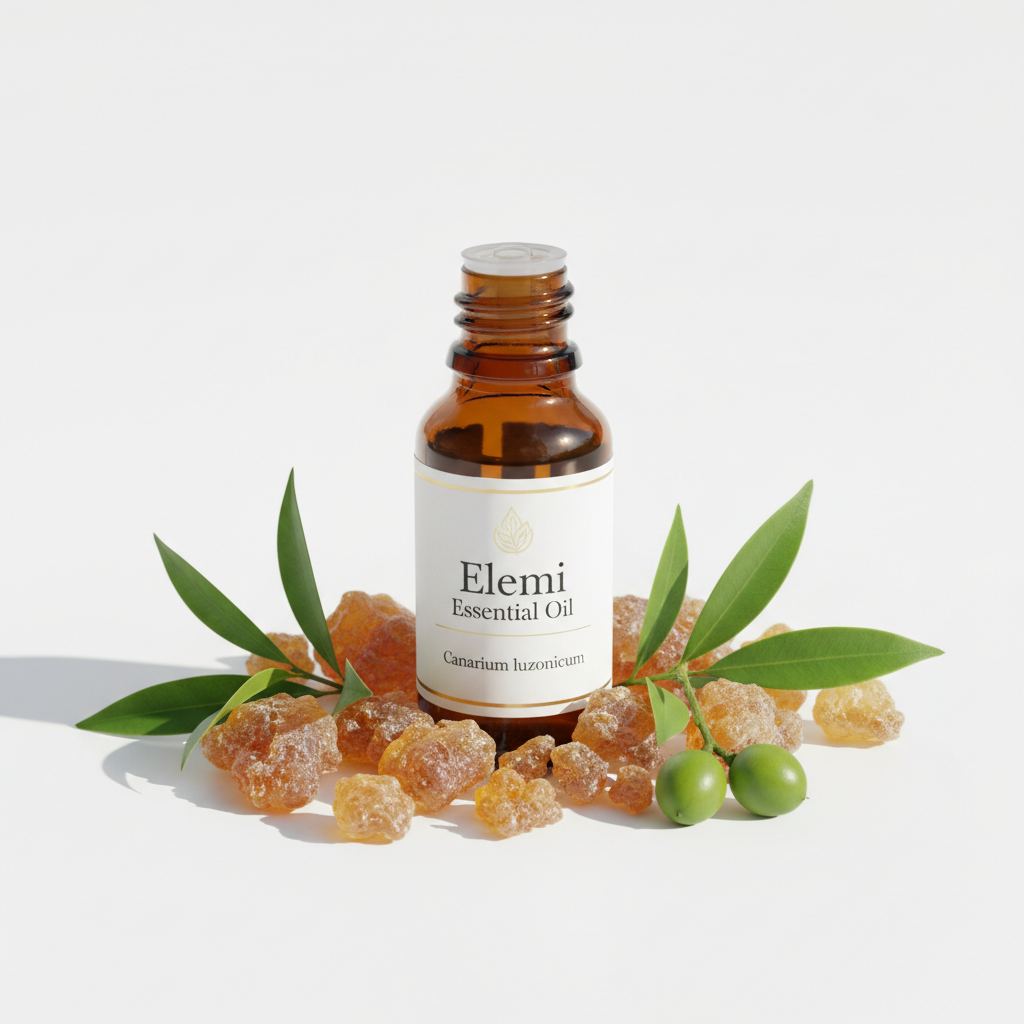
Elemi Essential Oil
Canarium luzonicum
### Introduction to Elemi Essential Oil Elemi essential oil is derived from the gum of the **Canarium luzonicum** tree, which is native to the Philippines. This essential oil has a rich and captivating history, intertwined with various cultures and healing traditions. Its extraction method, primarily through steam distillation, ensures that the potent aromatic and therapeutic properties are preserved, making it a popular choice in both aromatherapy and perfumery. ### Origin and Extraction Method The **Canarium luzonicum**, also known as the elemi tree, thrives in the tropical climate of the Philippines. The process of tapping this tree to obtain the resin is labor-intensive, requiring skilled hands to collect the gum without damaging the bark. After collection, the gum is distilled using steam, which helps to release the aromatic compounds, yielding a pale yellow to colorless oil with unique scent profiles. ### Botanical Information Elemi belongs to the **Burseraceae** family, which is also home to other well-known resins like frankincense and myrrh. **Canarium luzonicum** can grow up to 40 meters tall, with its trunk covered by a rough bark. The leaves are compound and arranged spirally, giving them a distinctive appearance. Its flowers are small and yellowish-green, eventually leading to the production of small fruits containing seeds that can also be used for various purposes. ### Therapeutic Properties and Benefits Elemi essential oil is packed with a range of therapeutic benefits that can enhance both physical and emotional well-being: 1. **Eases Anxiety**: Known for its calming properties, elemi promotes relaxation during stressful situations, making it an effective tool in anxiety management. 2. **Enhances Mood**: Its uplifting aroma invigorates the mind and helps to alleviate feelings of depression, promoting a more positive mental state. 3. **Encourages Clarity**: The oil aids in mental focus and concentration, making it a valuable assistant in creative endeavors and productivity. 4. **Promotes Grounding**: Elemi can stabilize emotional fluctuations, providing support during periods of uncertainty and transitions. 5. **Improves Respiratory Function**: It is believed to help ease breathing difficulties, soothe irritation in the respiratory tract, and promote overall lung health. 6. **Supports Healthy Digestion**: The oil can alleviate symptoms of indigestion, contributing to better gut health. 7. **Enhances Physical Recovery**: When used in massages, elemi essential oil can relieve sore muscles and joint pain due to its anti-inflammatory properties. 8. **Aids in Skin Health**: Used correctly, it can aid skin rejuvenation and regeneration, making it a sought-after ingredient in topical applications. ### Historical and Traditional Uses Historically, elemi has been utilized in various cultures for its aromatic properties. It was commonly incorporated into varnishes and incense. Ancient civilizations prized elemi for its resin in temple rituals. Today, it holds a respected position in holistic health practices, particularly in aromatherapy for its ability to balance emotions and clear the airways. ### Scientific Facts and Research Recent studies on elemi essential oil have begun to unveil its potential health benefits. Research indicates its antimicrobial properties could be effective against certain pathogens, supporting its use in natural remedies. Further investigation is being conducted to better understand its effects on mood regulation and cognitive support. ### Aroma Profile and Characteristics The aroma of elemi essential oil is often described as warm, spicy, and slightly citrusy, providing both uplifting and grounding qualities. This unique scent makes it a versatile addition to blends used in diffusers, personal fragrances, and topical applications. ### Common Applications and Methods Elemi essential oil can be used in various ways: - **Aromatherapy**: Add a few drops to a diffuser during meditation or yoga to promote relaxation and focus. - **Massage**: Dilute with a carrier oil and use for soothing massage to relieve muscle tension. - **Topical Use**: Incorporate in skincare products (always diluted) for benefits in skin regeneration. - **Natural Cleaning**: Utilize its antimicrobial properties in homemade cleaning solutions. ### Interesting Facts and Trivia - Elemi oil is sometimes referred to as **“the oil of renewal”** due to its rejuvenating properties. - It is often compared with other resins like frankincense and myrrh due to its aromatic qualities, yet it stands out for its unique profile. - The Filipino word **"elemi"** comes from the Arabic **"halm",** which means to be sweet or pleasant, reflecting its aromatic allure. - Elemi has been used in traditional Filipino healing practices for centuries, showcasing its long-standing cultural significance. ### Conclusion In summary, elemi essential oil is a powerful natural remedy with a multitude of therapeutic benefits. Its rich history, varied applications, and aromatic properties make it a valuable addition to anyone's holistic health toolkit.

Copaiba Balsam Oleoresin Essential Oil
Copaifera officinalis
Copaiba Essential Oil, derived from the resin of the Copaifera officinalis tree, thrives in the lush rainforests of South America. This remarkable tree has been revered for centuries, not only for its ecological significance but also for its diverse therapeutic properties. The oil is extracted using steam distillation, a method that preserves the rich constituents of the resin, yielding a pure oil that embodies the essence of the Copaiba tree. ### Origin and Extraction Method The Copaifera officinalis tree is predominantly found in Brazil, Peru, and other parts of South America. The indigenous peoples have utilized this tree for generations, recognizing its potential for promoting health and wellness. During the extraction process, the resin is collected from the tree’s bark, where it has been created as a natural defense against injury. The collected resin is then subjected to steam distillation, a gentle technique that prevents the loss of volatile compounds, ensuring the oil retains its therapeutic properties. ### Botanical Information Copaiba Essential Oil is characterized by a unique chemical composition, featuring high levels of beta-caryophyllene, a compound known for its anti-inflammatory benefits. Other components include alpha-humulene and other monoterpenes, contributing to its potential therapeutic effects. This botanical profile makes copaiba oil not only valuable in aromatherapy but also attractive in various holistic practices. ### Therapeutic Properties and Benefits Copaiba Essential Oil is celebrated for its myriad of health benefits. Its anti-inflammatory and analgesic properties make it a go-to oil for alleviating discomfort, ranging from muscle soreness to joint pain. Additionally, it has been shown to promote emotional stability, helping to ease feelings of anxiety and fostering a sense of calm. Users often report enhanced mental clarity and focus, attributing this to its grounding effects, making it an excellent addition to meditation practices. Furthermore, copaiba oil is known for its capacity to support skin health. It can soothe irritated skin and promote healing, especially when diluted with carrier oils. Individuals experiencing minor skin irritations can find relief through topical application. Its anti-inflammatory properties also benefit respiratory health, easing congestion and promoting smoother breathing. ### Historical and Traditional Uses Historically, Copaiba has been utilized by indigenous cultures for various medicinal purposes. From treating skin ailments to utilizing it in rituals for mental clarity and protection, the cultural significance of this oil runs deep. Traditional healing practices often include copaiba in poultices and infusions, showcasing its versatility as a natural remedy. ### Scientific Facts and Research Modern studies have begun to explore the potential applications of Copaiba Essential Oil. Research indicates its effectiveness in modulating inflammation and promoting pain relief. Compounds within copaiba have shown promise in scientific literature for their role in supporting overall health and wellness, leading to increased incorporation into alternative medicine. ### Aroma Profile and Characteristics Copaiba Essential Oil has a warm, woody aroma with earthy undertones, making it a harmonious addition to diffusers and personal care products. Its subtle scent allows it to blend well with other essential oils, such as lavender and frankincense, enhancing the overall aromatic experience while providing synergistic benefits. ### Common Applications and Methods This essential oil can be used in various ways, such as: - **Aromatherapy:** Diffusing copaiba oil in the home or workspace can promote emotional balance and clarity. - **Topical Application:** When diluted with a carrier oil, it can be applied to sore muscles, inflamed skin, or used in massage therapies to relieve tension. - **Skincare:** Added to lotions or creams, copaiba supports skin health and aids healing. - **Inhalation:** Inhaling directly or through a steamer can help diminish respiratory distress and boost mood. ### Interesting Facts and Trivia - Copaiba oil is often referred to as a "miracle oil" due to its extensive range of benefits and versatility. - Unlike many essential oils, copaiba is unique in that it is derived from tree resin rather than leaves, flowers, or seeds, highlighting its distinctive extraction process. - Copaiba’s benefits have transcended generations, continuing to play a significant role in contemporary holistic health practices. In conclusion, Copaiba Essential Oil is a powerful ally in promoting physical and emotional well-being. Its rich history, diverse therapeutic properties, and aromatic qualities make it a cherished essential oil in both traditional and modern contexts.

Copaiba Essential Oil
Copaifera officinalis
Copaiba essential oil, derived from the resin of the Copaifera officinalis tree, is a remarkable natural remedy indigenous to South America's Amazon Rainforest. Known for its therapeutic properties, this oil has become increasingly popular in aromatherapy and natural health practices. In this comprehensive guide, we will explore its origins, extraction methods, therapeutic benefits, and much more. **Origin and Extraction Method** Copaiba oil is extracted from the resin of the Copaifera officinalis tree, commonly found in Brazil, Peru, and Colombia. The extraction process involves drilling into the tree to collect the resin, which is then distilled to produce the essential oil. This method not only preserves the oil's beneficial properties but also ensures that the extraction process does not harm the tree, allowing for sustainable harvesting practices. **Botanical Information** Copaifera officinalis is a tall tree that can reach heights of over 150 feet. It features large, oval leaves that can grow up to 10 inches long, and its flowers are small, yellowish or white, blooming in clusters. The resin, which is the primary source of copaiba oil, is collected without killing the tree, making it a sustainable resource. **Therapeutic Properties and Benefits** Copaiba essential oil boasts a variety of therapeutic properties that make it a powerhouse in natural remedies. Some of its primary benefits include: - **Anti-inflammatory**: Copaiba oil is known to reduce inflammation, making it valuable for conditions such as arthritis and other chronic pain syndromes. - **Antimicrobial**: Research suggests that copaiba oil may possess antimicrobial qualities that help combat various pathogens. - **Analgesic**: This oil can alleviate pain when applied topically, providing relief for sore muscles and joints. - **Skin Healing**: Copaiba oil has properties that can soothe skin irritations, such as eczema and dermatitis, promoting overall skin health. **Historical and Traditional Uses** Historically, the indigenous peoples of the Amazon relied on copaiba oil for its healing properties, using it in traditional medicine for centuries. It was often employed to treat wounds, infections, and digestive issues. The oil was also used in rituals and ceremonies, highlighting its cultural significance. **Scientific Facts and Research** Recent studies have begun to validate the traditional uses of copaiba essential oil. Research indicates that the oil's active compounds, such as beta-caryophyllene, may have anti-inflammatory and analgesic effects. These findings support its employment in modern wellness practices and encourage further exploration into its medicinal uses. **Aroma Profile and Characteristics** Copaiba essential oil has a unique aroma, often described as warm, woody, and slightly sweet. It has a calming scent, making it an excellent choice for aromatherapy, particularly in calming blends aimed at promoting relaxation and reducing stress. **Common Applications and Methods** Copaiba oil can be used in various ways: - **Aromatherapy**: Diffuse the oil to create a serene environment or blend it with other essential oils, such as lavender, for enhanced relaxation. - **Topical Application**: Dilute copaiba oil with a carrier oil, like coconut or jojoba oil, before applying it to sore muscles, inflamed skin, or as part of your skincare routine. - **Inhalation**: Inhale directly from the bottle or add a few drops to a bowl of steaming water for respiratory benefits. **Interesting Facts and Trivia** - Copaiba oil is sometimes categorized with other tree resins, such as frankincense and myrrh, all known for their healing properties. - It is a non-toxic essential oil, making it safe for use in various applications. - The oil does not have the psychoactive effects associated with cannabis, even though it shares compounds such as beta-caryophyllene, making it a safe alternative for those seeking natural relief. In summary, copaiba essential oil is a profound natural remedy with a wealth of benefits. Its historical significance, combined with modern scientific validation and diverse applications, makes it an essential addition to any natural health enthusiast's collection. Whether used for its anti-inflammatory properties or simply enjoyed for its calming aroma, copaiba oil holds a vital place in the world of essential oils.
Recipes

Calming Anxiety Relief Mist Recipe with Juniper Berry Oil
Create a soothing environment with this calming anxiety relief mist recipe using juniper berry essential oil. Easy steps and tips for use included!
DIY Acne Scar Fading Serum Recipe with Essential Oils
Discover this DIY serum recipe to effectively reduce acne scars and promote skin healing using natural essential oils like rosehip and lavender.

Natural Under-Eye Serum Recipe for Bright Eyes
Create a natural under-eye serum recipe to brighten eyes and reduce puffiness and fine lines in just 150-160 characters.

DIY Luxury Deep Nourishing Gel Hand Sanitizer Recipe
This recipe helps you create a premium hand sanitizer with deep nourishment for your skin.
Natural Acne Treatment Roller Blend Recipe for Clear Skin
Discover how to make a natural acne treatment roller blend recipe that reduces blemishes and promotes clearer skin using essential oils and aloe vera.

DIY Detoxifying Nail Soak Recipe with Essential Oils
Learn how to create a holistic detoxifying nail soak recipe that promotes healthy nails and cuticles while providing essential oils’ soothing benefits.